
A tropical fishing and farming village runs on tides and heat rather than clocks. Everything happens early, nothing happens at midday, and the whole thing starts again at four.
Village life in the tropics isn’t slow. It’s front-loaded — everything worth doing happens before the heat arrives, and then again after it leaves.
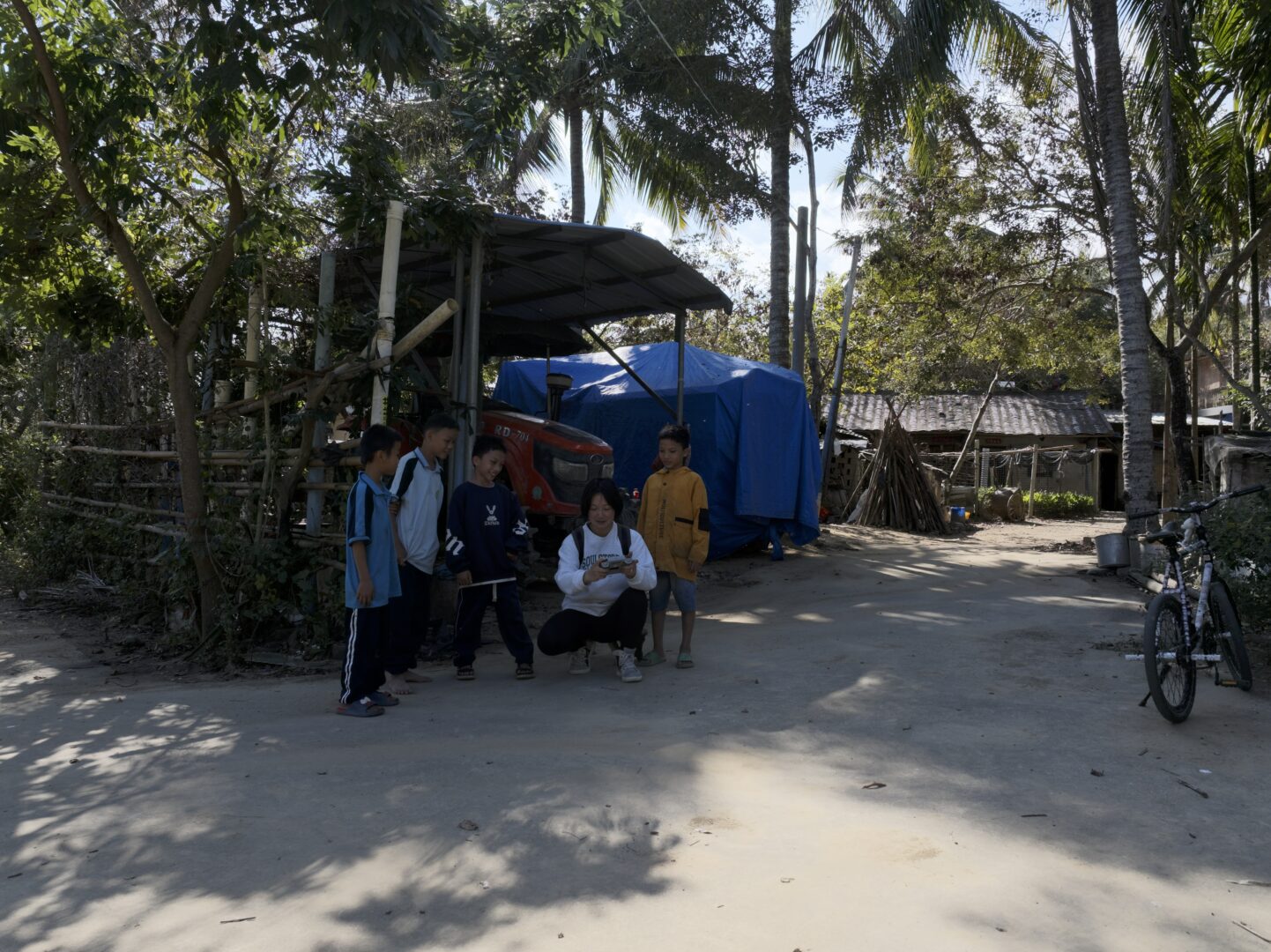
Here’s a Hainanese coastal village on an ordinary day.
Before dawn
The boats go out, or come in, depending on the fishing. Small inshore vessels, two or three men each, back at the harbour by mid-morning with what they’ve caught. Nothing is iced or shipped — it’s sold at the roadside or to the village restaurant within the hour.
Rubber gets tapped in the plantations inland. Before sunrise, because the latex flows better in the cool, so the tappers are working by torchlight.
Morning
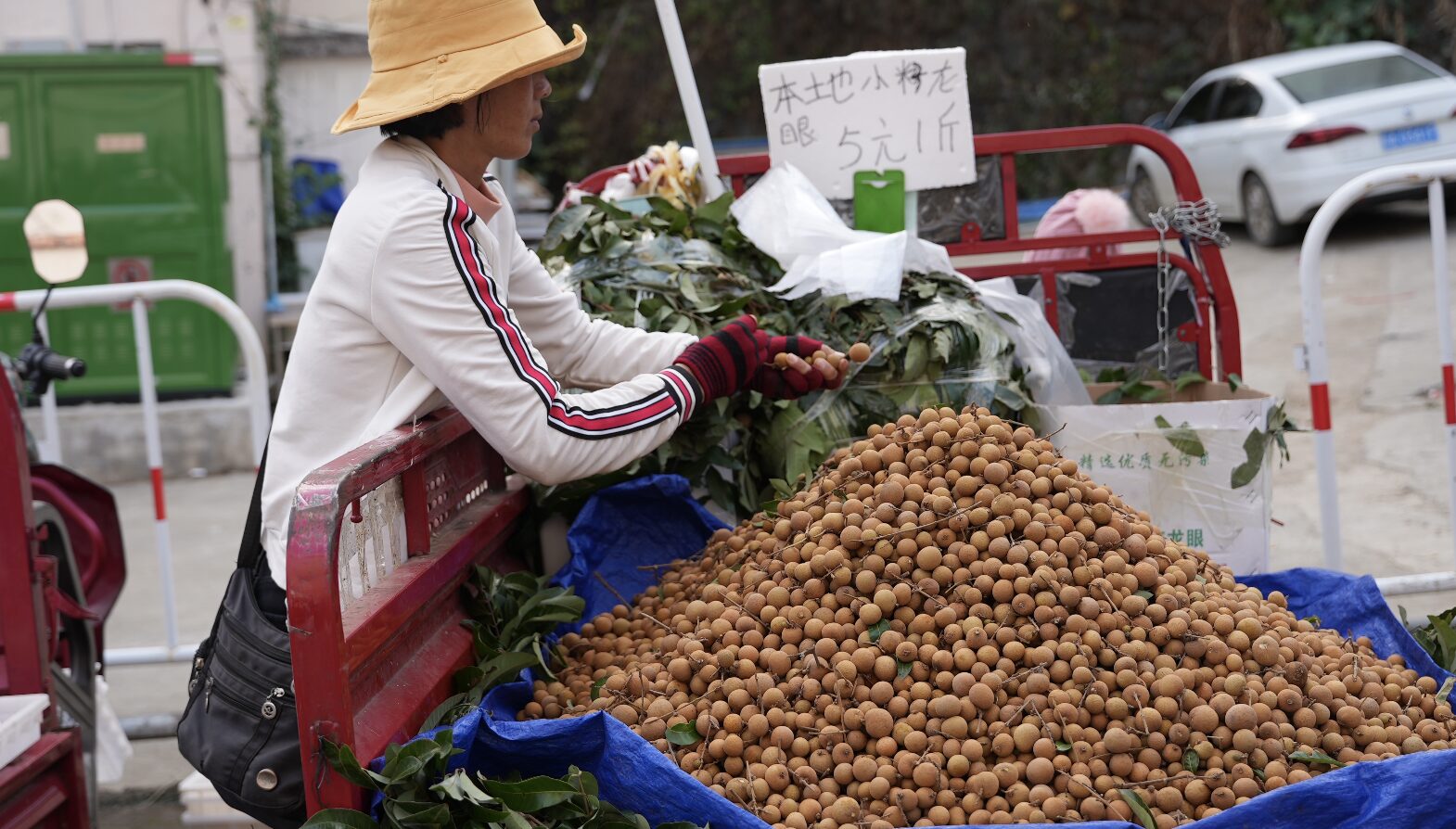
The market, which is the social and commercial centre of the day and finished by nine. Fish in tubs, vegetables from the plots, coconuts split to order, betel nut, live chickens, tofu, and someone frying breakfast at the entrance.
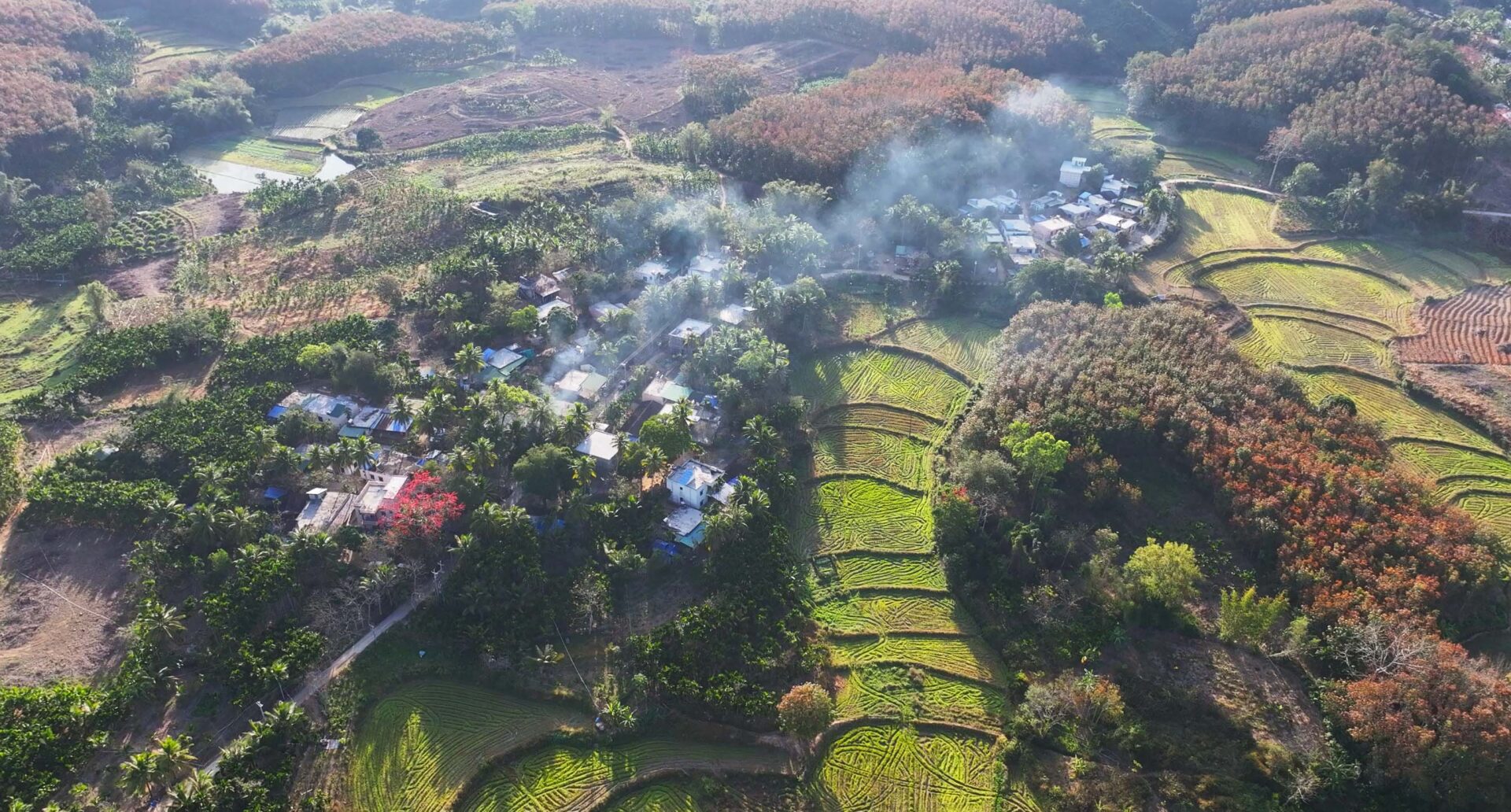
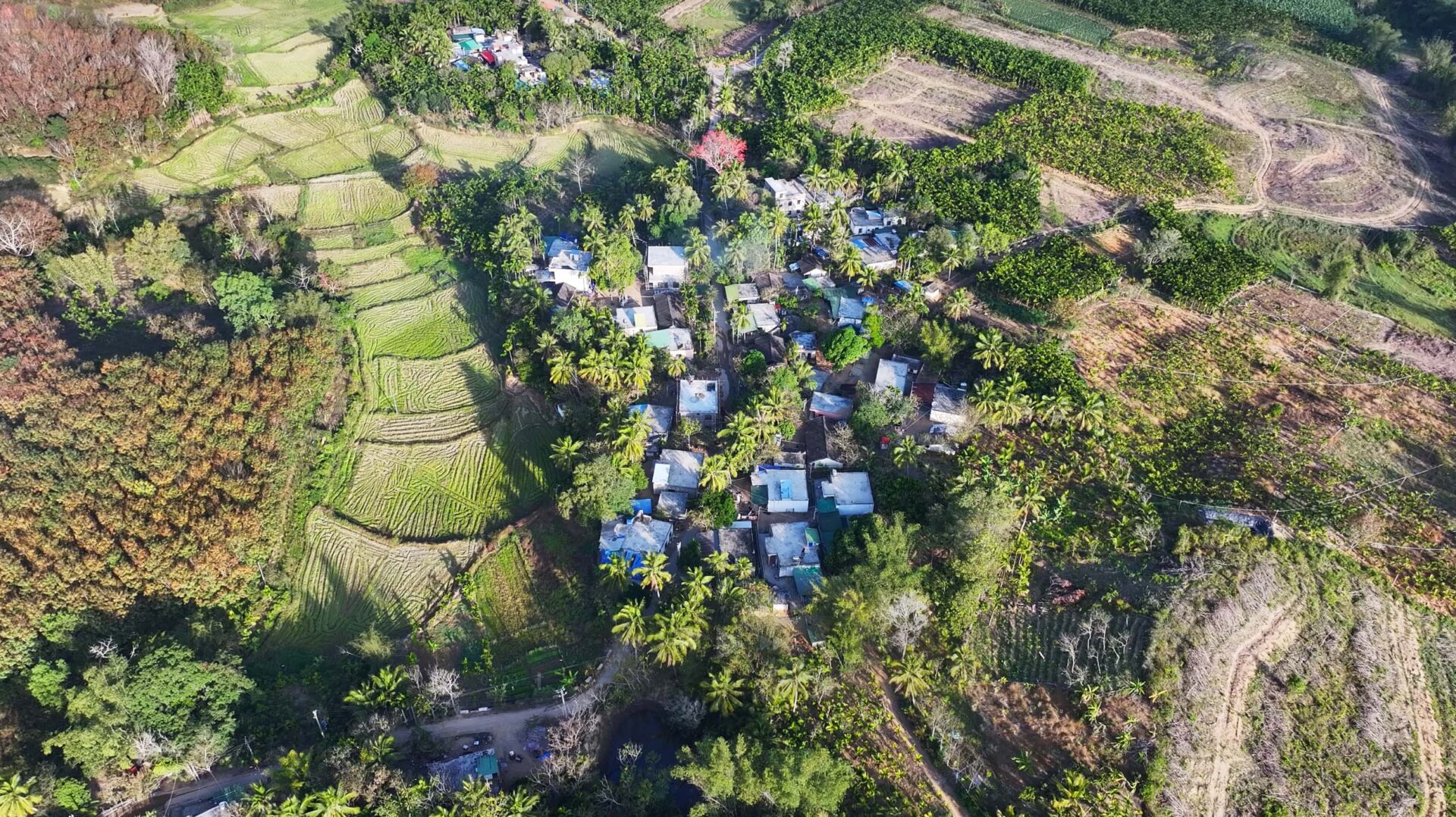
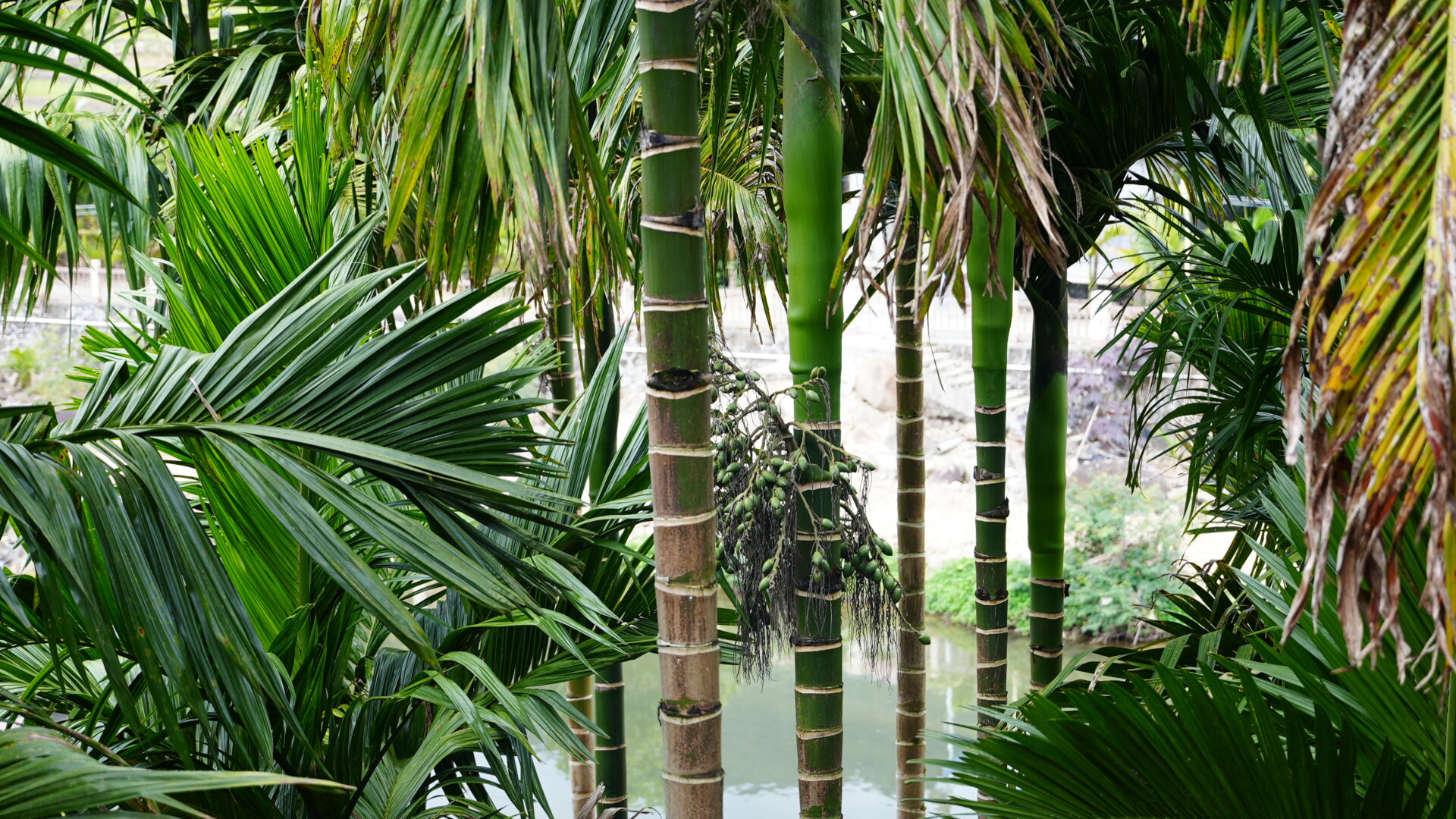
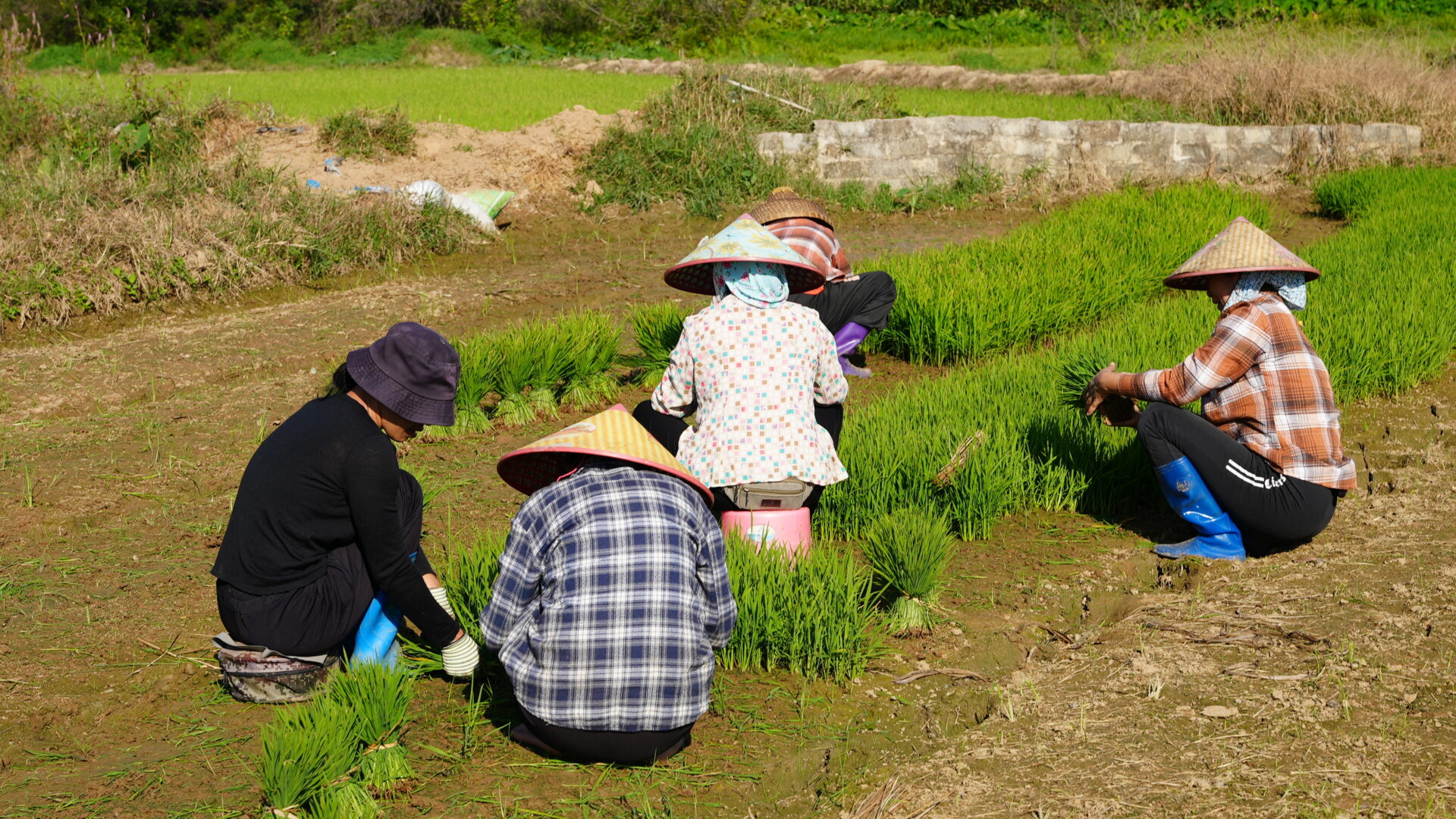
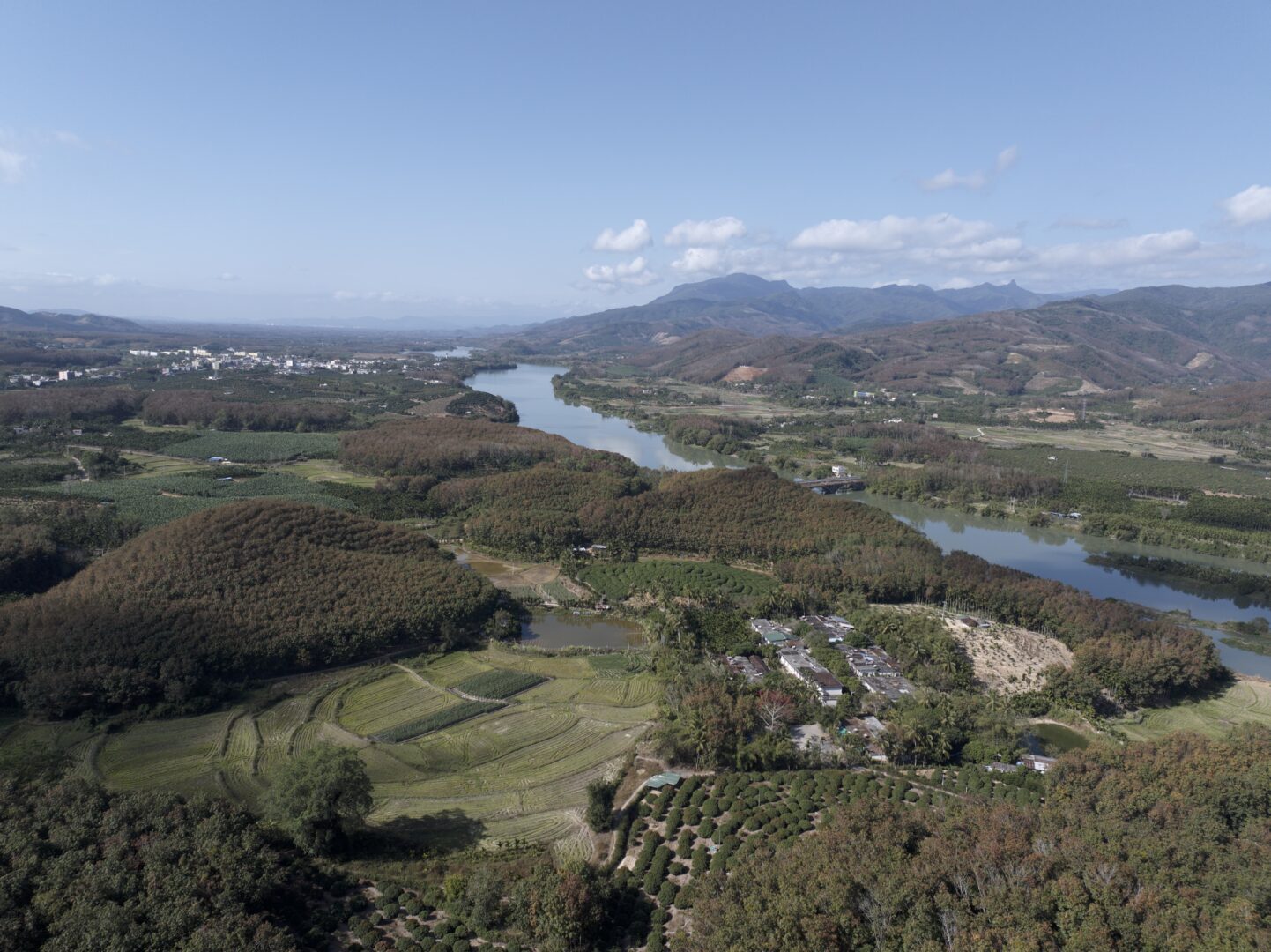
Then the fields and the boats. Rice in the valleys, coconut and betel nut and banana on the slopes, nets to be mended on the beach — repetitive, skilled work that people have been doing since they were children.
Midday
Nothing.
This is the part visitors misread as laziness. Between roughly eleven and three the heat and humidity make outdoor work genuinely inadvisable, so the village goes indoors, eats, and sleeps. Shops close. Streets empty. Dogs occupy the shade.
Adapt to it or spend your trip exhausted.
Late afternoon
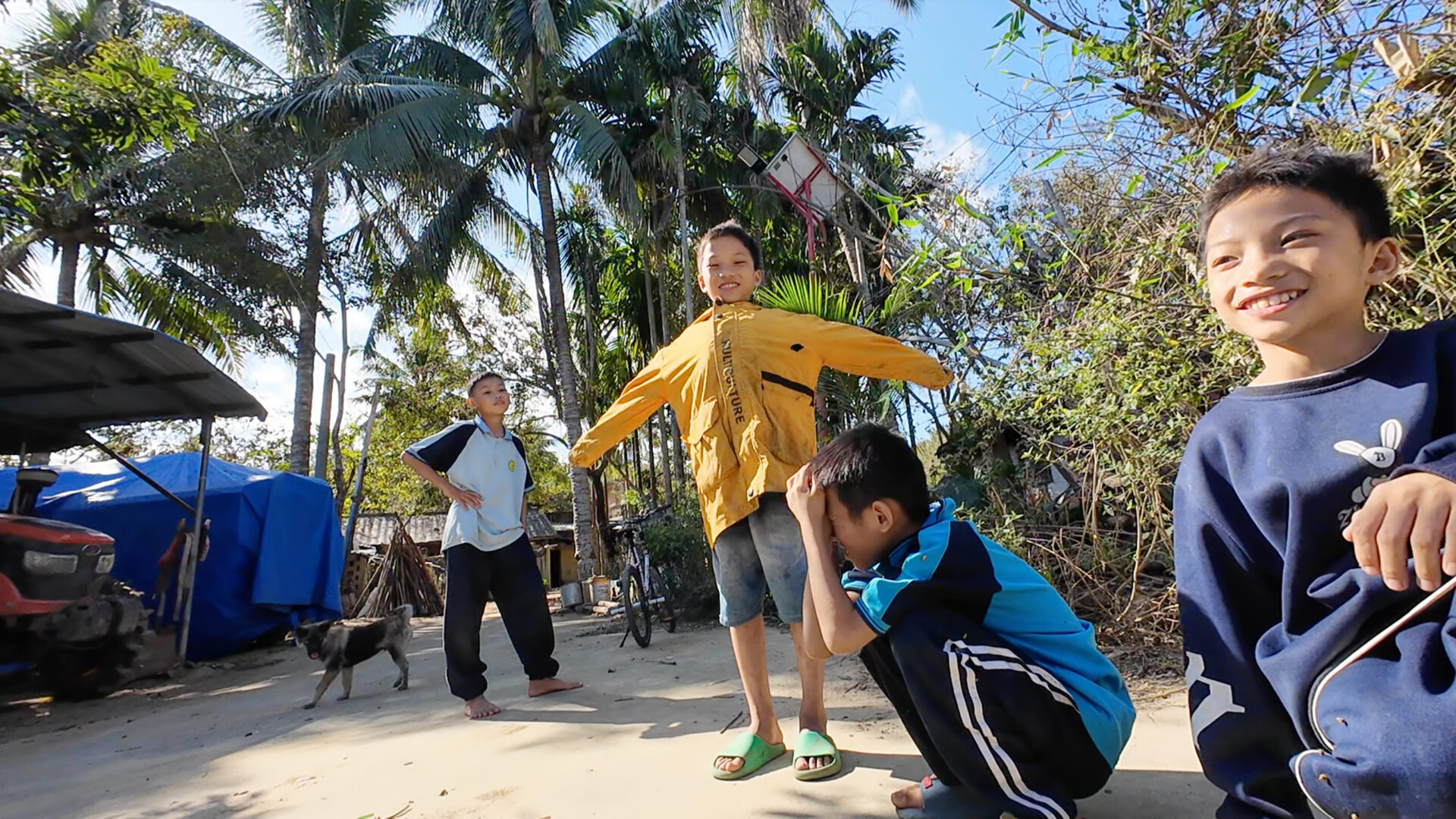
The village restarts around four. Children out of school and into the lanes, second shift in the fields, boats prepared, and the tea shops filling up.
Tea culture here is worth a paragraph. Hainanese laodian — old tea shops — serve strong tea with condensed milk, coffee in the same style, and small snacks, and men sit for hours. It’s the village’s parliament: news, gossip, prices, arguments and card games. Sit down and someone will talk to you.
Evening
Cooking, eating outdoors, television audible from open doors, and the day’s catch turning up in whatever form the household prefers. Nobody eats early.
If there’s a festival, this is when it happens — ancestral hall ceremonies, lion dances, and offerings for the harvest or the sea. The Hainanese religious calendar is dense and largely unadvertised; ask.
Being a guest
- Ask before photographing people, houses and boats. The answer is usually yes, and asking is the whole difference.
- Buy from the village. Eat at the family restaurant, buy fruit at the stall, pay properly.
- Accept the tea. Repeatedly.
- Bring something if you’re hosted — fruit, cigarettes for the older men, sweets for children.
- Dress modestly away from the beach. Swimwear is beach clothing, not village clothing.
Practical notes
Where: anywhere off the coastal ring road. The east coast around Wenchang and Qionghai has the classic coconut-and-fishing villages; the interior is Li and Miao country — see rural Hainan.
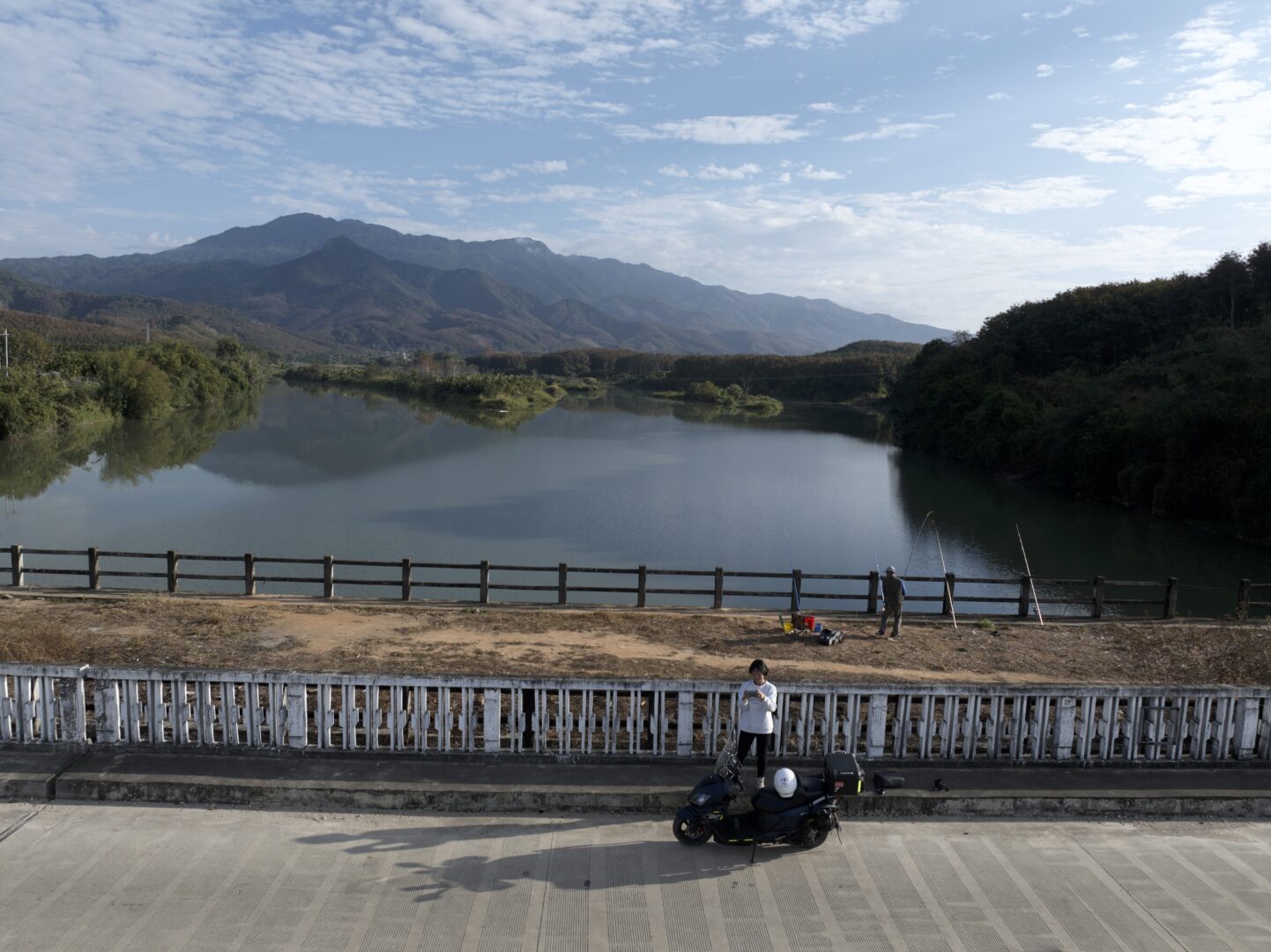
Getting around: a hired car or motorbike. Buses connect towns, not villages.
When: November to April. Summer is the wet season and typhoon risk runs August to October.
Staying: village guesthouses exist and are increasing. Simple, cheap, and much better than commuting from a resort — our rural China guide covers the practicalities.
- #hainan
- #village
- #rural china
- #fishing
- #daily life