
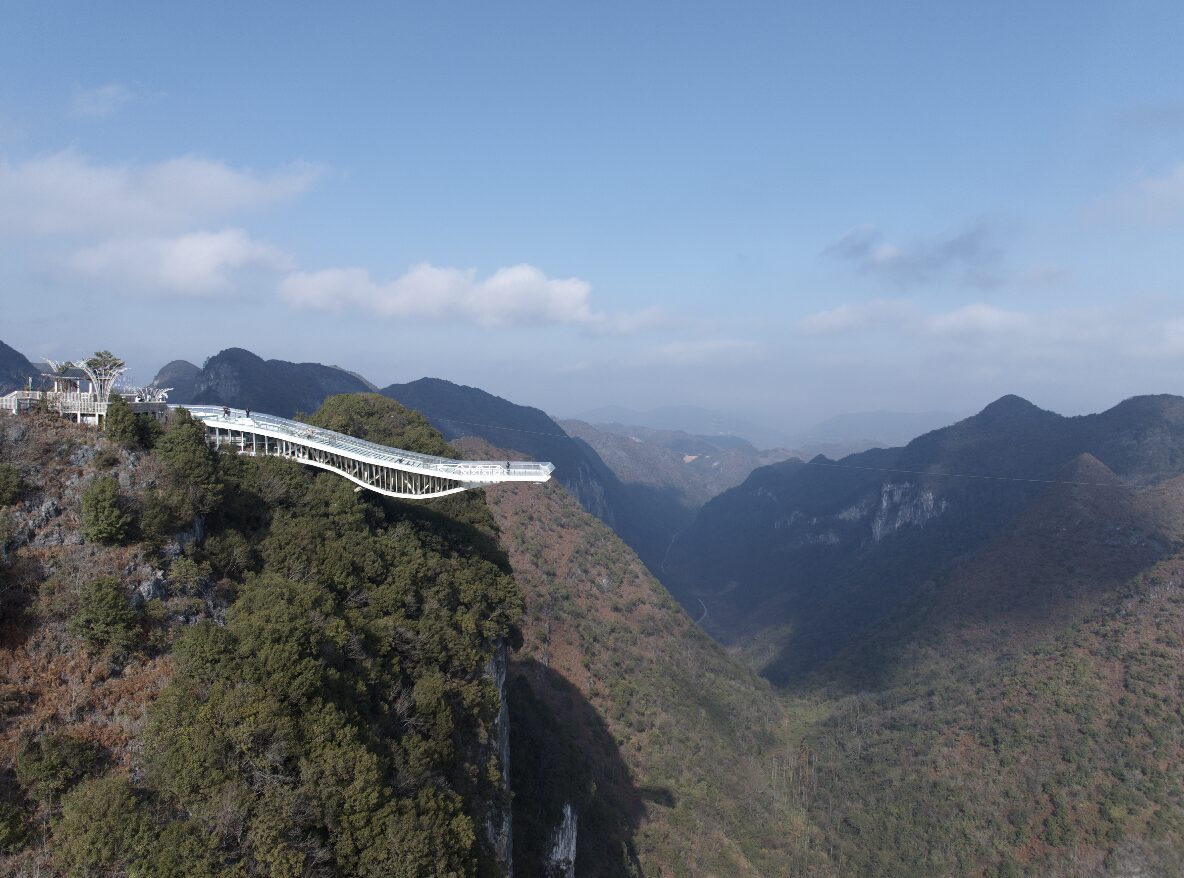
Guangxi's Leye county holds one of the greatest concentrations of giant sinkholes on earth, including one over 600 metres deep with an intact forest at the bottom. A new one made global news in 2022.
The Chinese word is tiankeng — “heavenly pit” — and it’s now the international geological term, because China has more of them than anywhere else and this is where they were properly described.
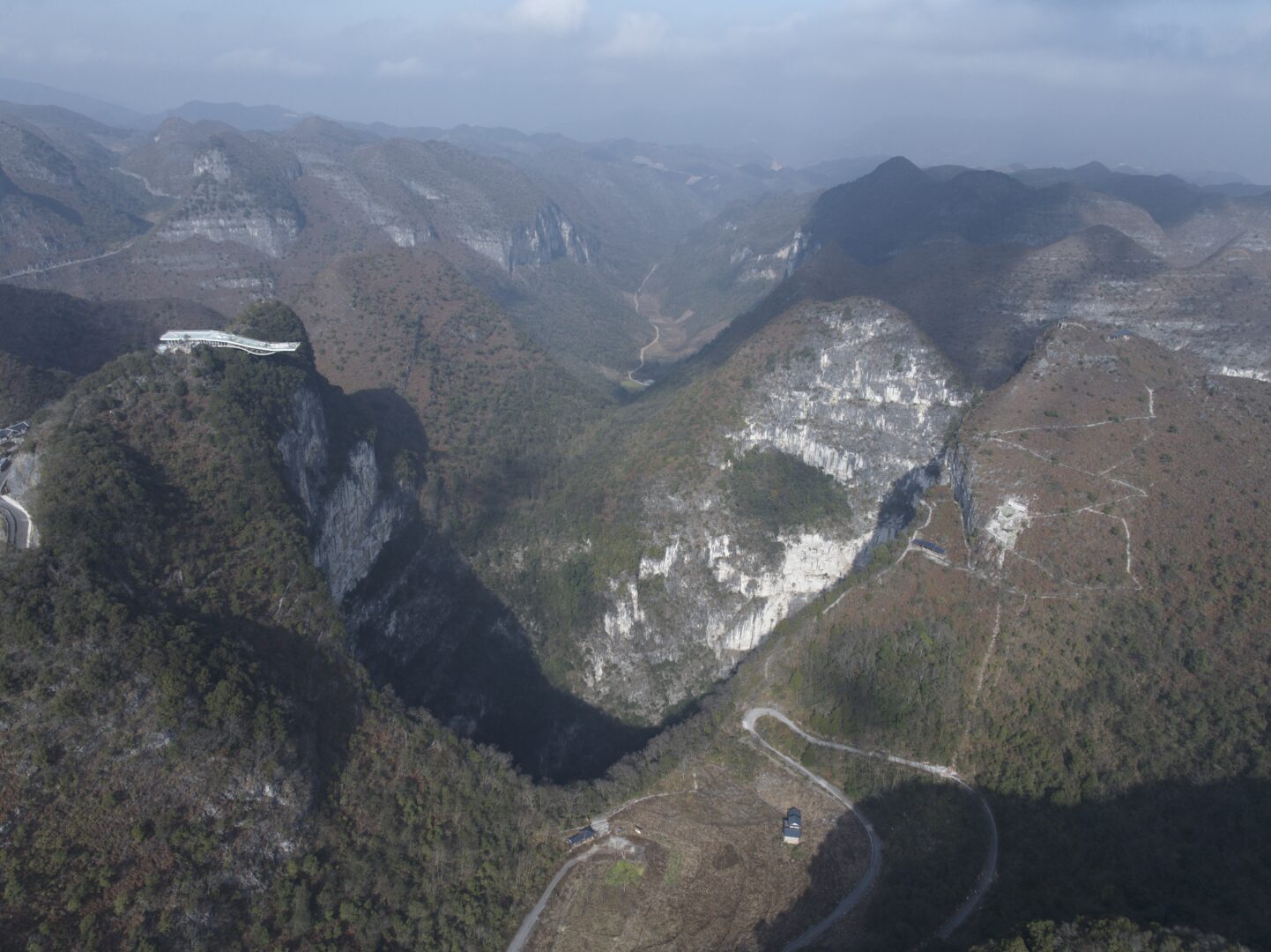
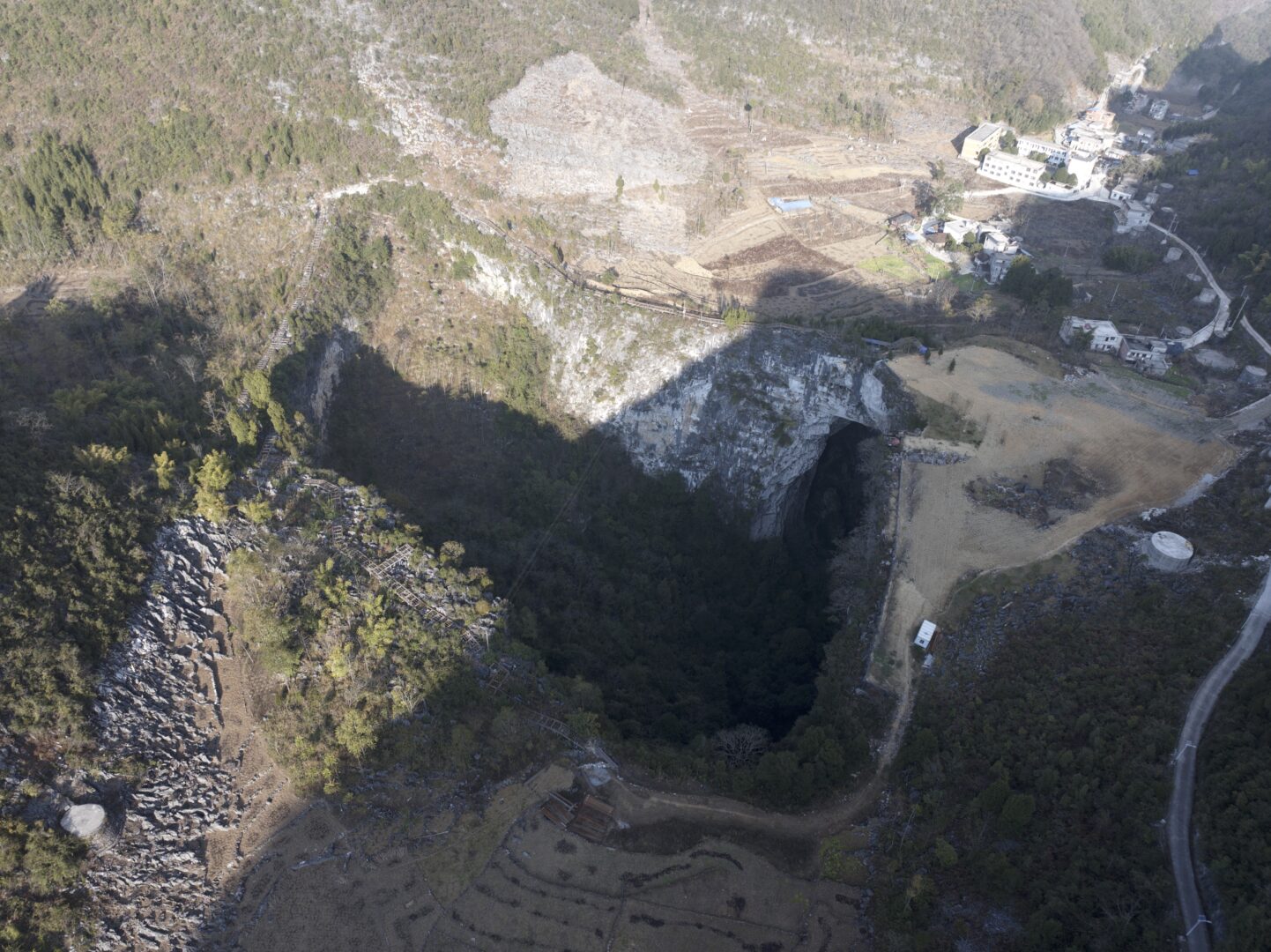
A tiankeng isn’t a cave-in over a drain. It’s what remains when a very large cave chamber, hollowed out by an underground river, loses its roof: a shaft with vertical walls, hundreds of metres across, hundreds deep, and a floor that has been sealed off from the surrounding landscape long enough to evolve separately.
Leye county, in the northwest of Guangxi, has one of the highest concentrations on the planet.
Dashiwei
The headline pit is Dashiwei tiankeng — roughly 600 metres deep and comparably wide, among the largest known anywhere.
At the bottom is a primeval forest of around 100,000 square metres, which is the part that matters scientifically. Cut off from the plateau above, with its own microclimate — cooler, wetter, low light — it has produced a distinct ecosystem. Botanical surveys have recorded plant species here found nowhere else, along with cave-adapted fauna in the passages that feed it.
It sits inside the Leye–Fengshan Global Geopark, a UNESCO-designated area containing a cluster of these features connected by underground drainage.
The 2022 discovery
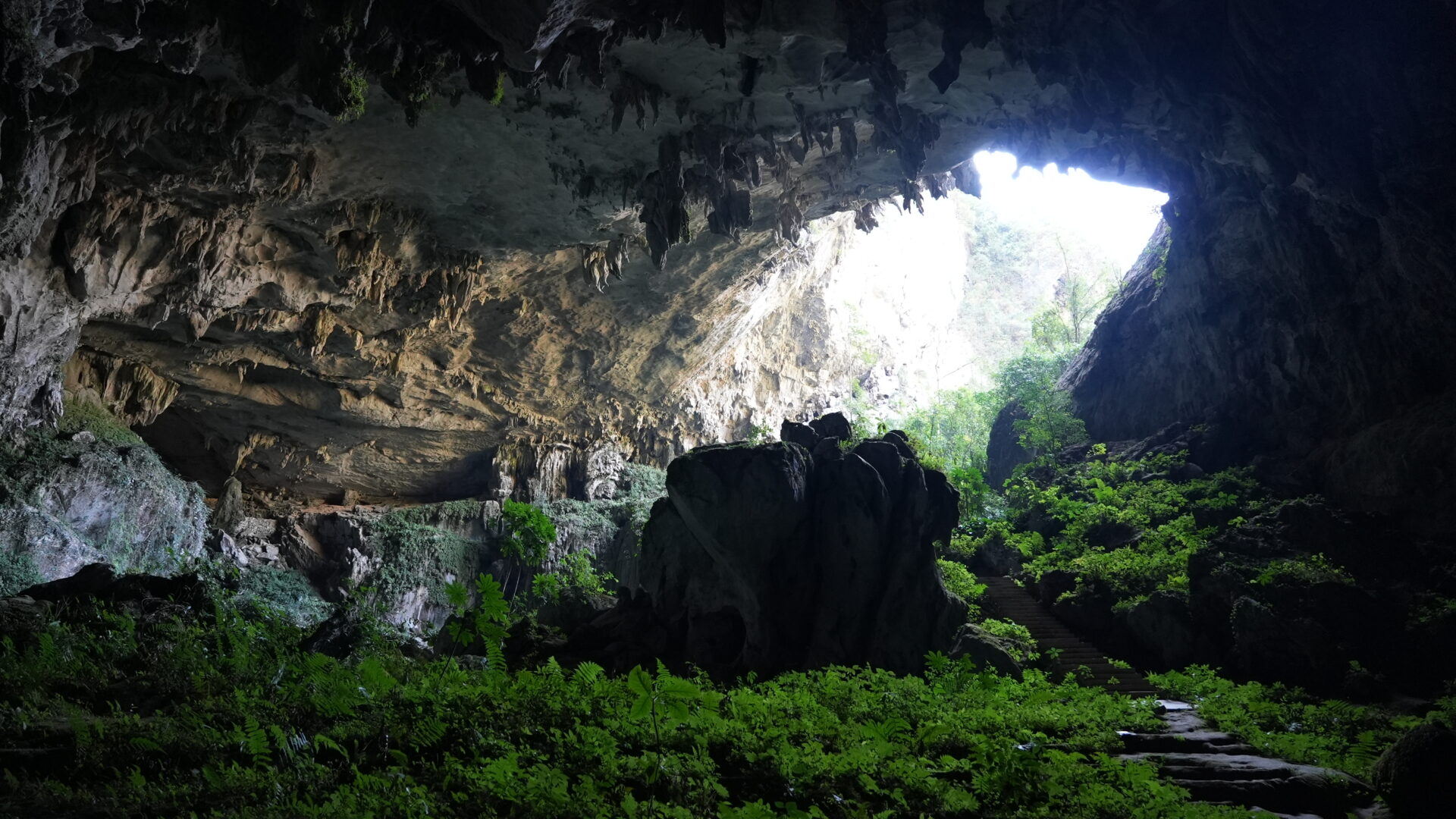
Leye made international news in May 2022, when a survey team confirmed a previously undocumented sinkhole in the county — around 190 metres deep, with three caves in its walls and a stand of ancient trees on the floor, some reportedly 40 metres tall.
The genuinely remarkable thing about that story is that it was possible: a hole large enough to hold a small forest, in a populated county in a well-mapped country, unrecorded until the 2020s. That’s what this terrain does — the surface gives almost nothing away, and the volume is all underneath.
(For the record, since it gets mixed up: Xiaozhai Tiankeng, the deepest in the world at over 600 metres, is in Chongqing, not Guangxi. Different pit, different province.)
Visiting
Manage expectations: this is not a developed attraction with a viewing lift.
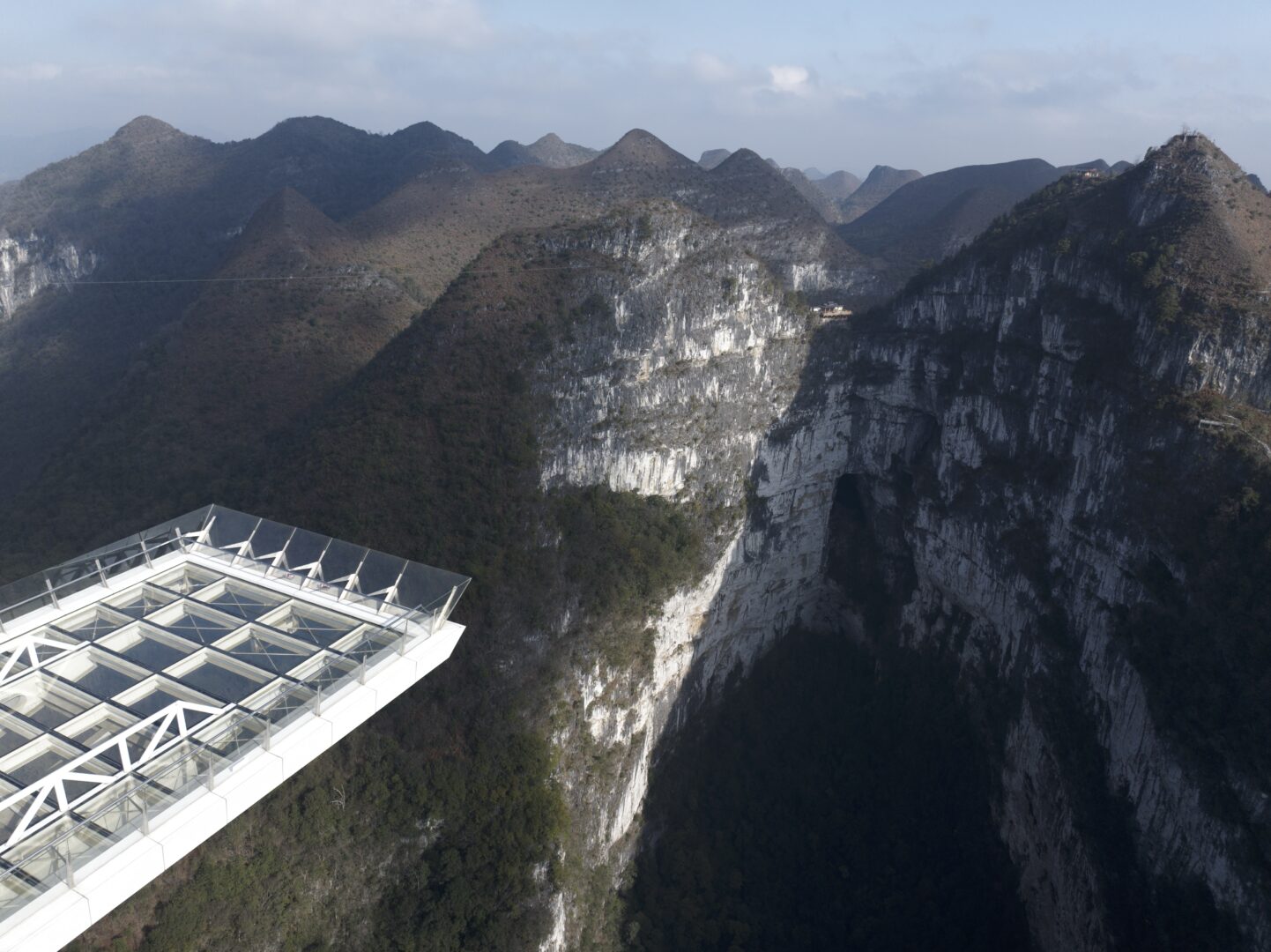
From the rim is what most visitors get. There are marked viewpoints at Dashiwei and some of the others, and the sense of scale from the edge is the experience — you cannot see the whole floor, and the trees at the bottom look like moss.
Going in requires caving experience, permits and a guided team. Some of the smaller pits and connected cave systems are accessible on organised trips through operators in the county; the big ones are technical descents.
Caves are the accessible half. The geopark has show caves with genuinely enormous chambers and formations, and those need nothing more than a ticket.
Practical notes
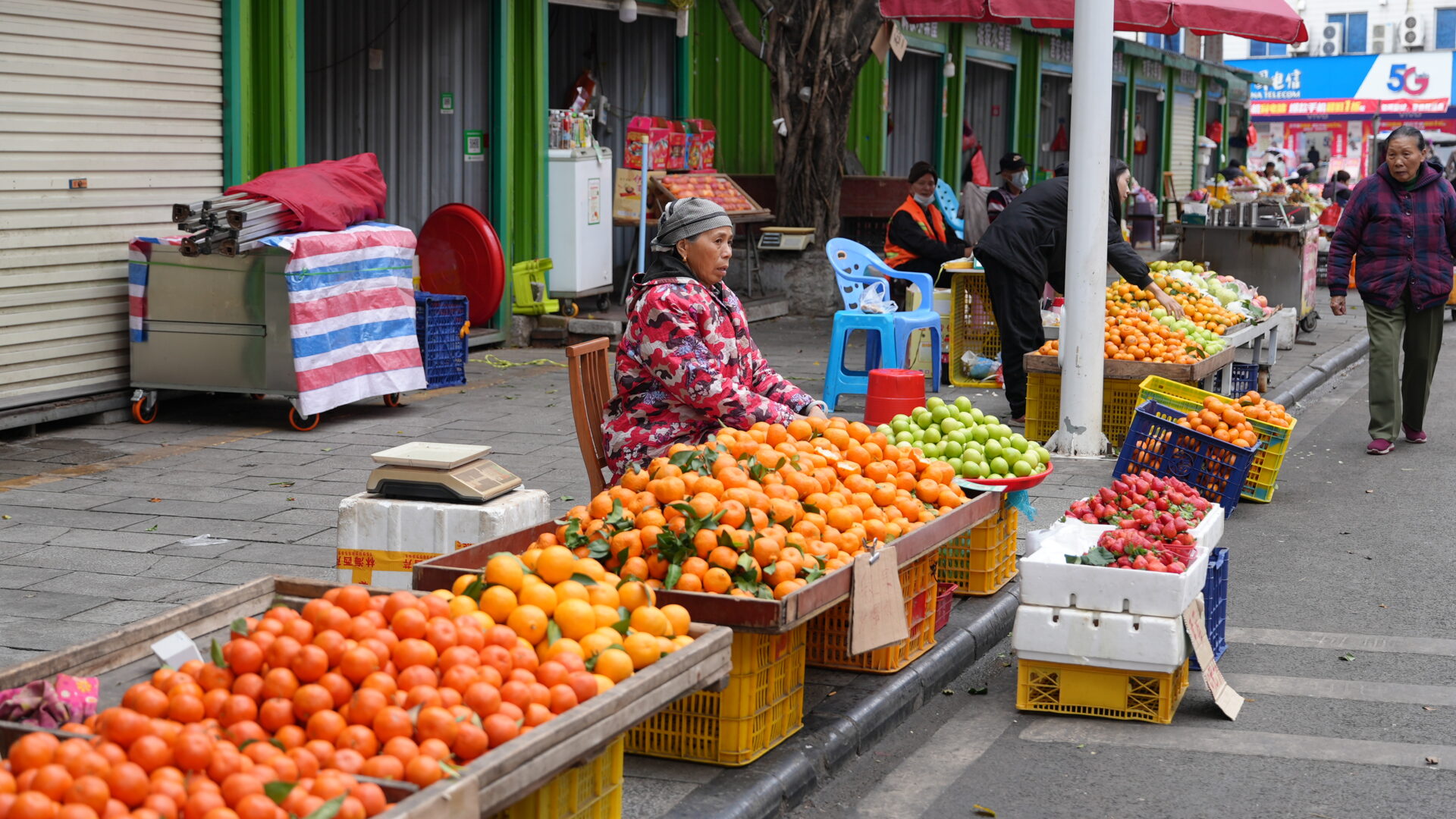
Getting there: Baise or Bama is the practical staging point, and Leye is several hours of mountain road beyond. Nanning is the nearest big city. This is a long way from anywhere and worth two days minimum.
When: October to April. Summer is the wet season, which raises the underground rivers and makes the roads and the caving both worse.
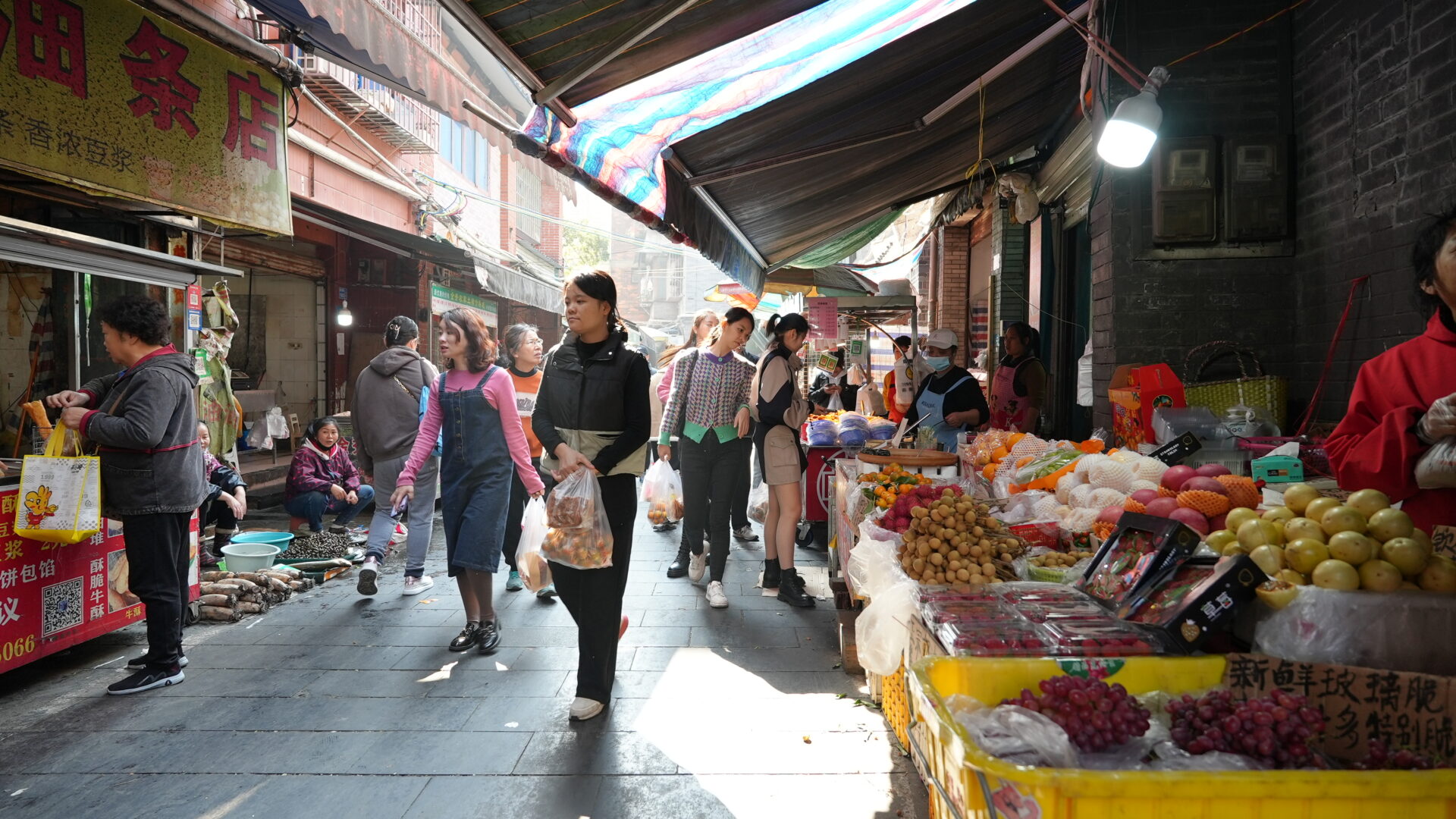
Where to sleep: county-town hotels and guesthouses. Basic.
Combine with: Detian waterfall and the karst of Yangshuo — all the same limestone, expressed three different ways.
- #guangxi
- #leye
- #sinkholes
- #tiankeng
- #geopark