
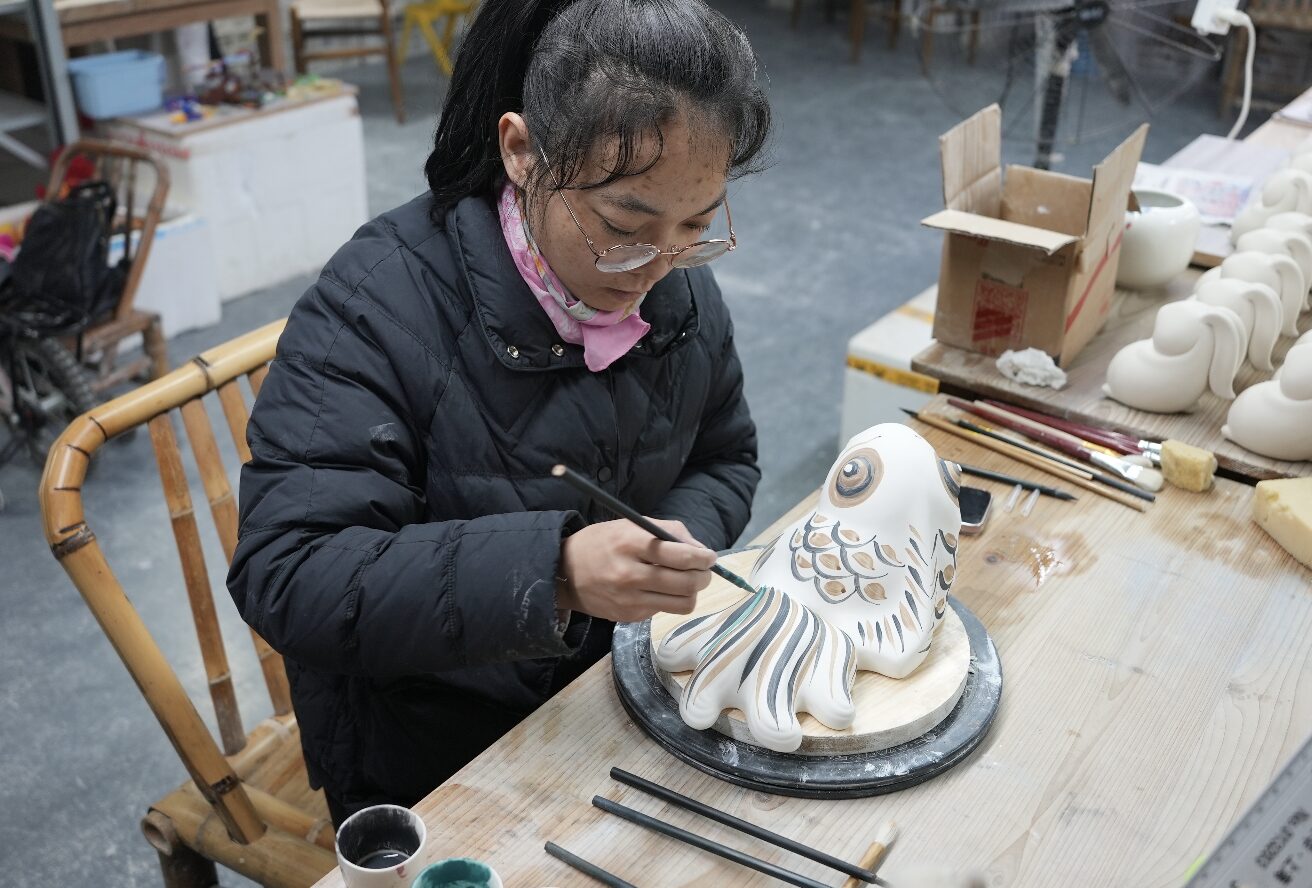
Dehua's white porcelain was the standard Europe tried and failed to copy for two centuries. The town is still at it — and it's still a working industry rather than a heritage exhibit.
Dehua is a town in the hills inland from Quanzhou, and for around a thousand years it has made one thing: white porcelain.
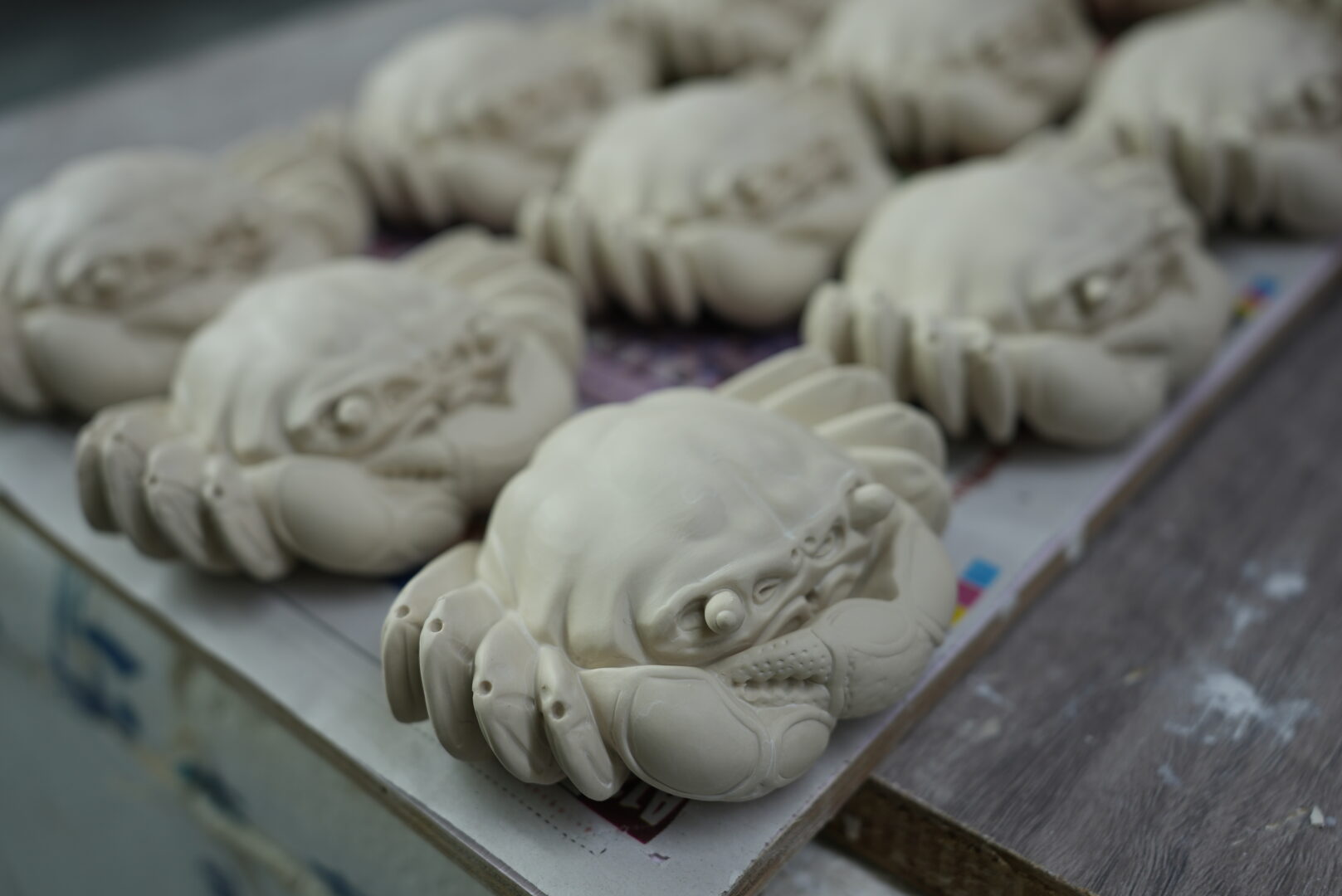
Not decorated porcelain. The point of Dehua ware is the body itself — a clay unusually low in iron and high in glassy content, which fires to a warm, translucent white with no blue in it and needs no painting to justify the object. European collectors called it blanc de chine, tried for two centuries to reproduce it, and mostly couldn’t.
The sculpture tradition
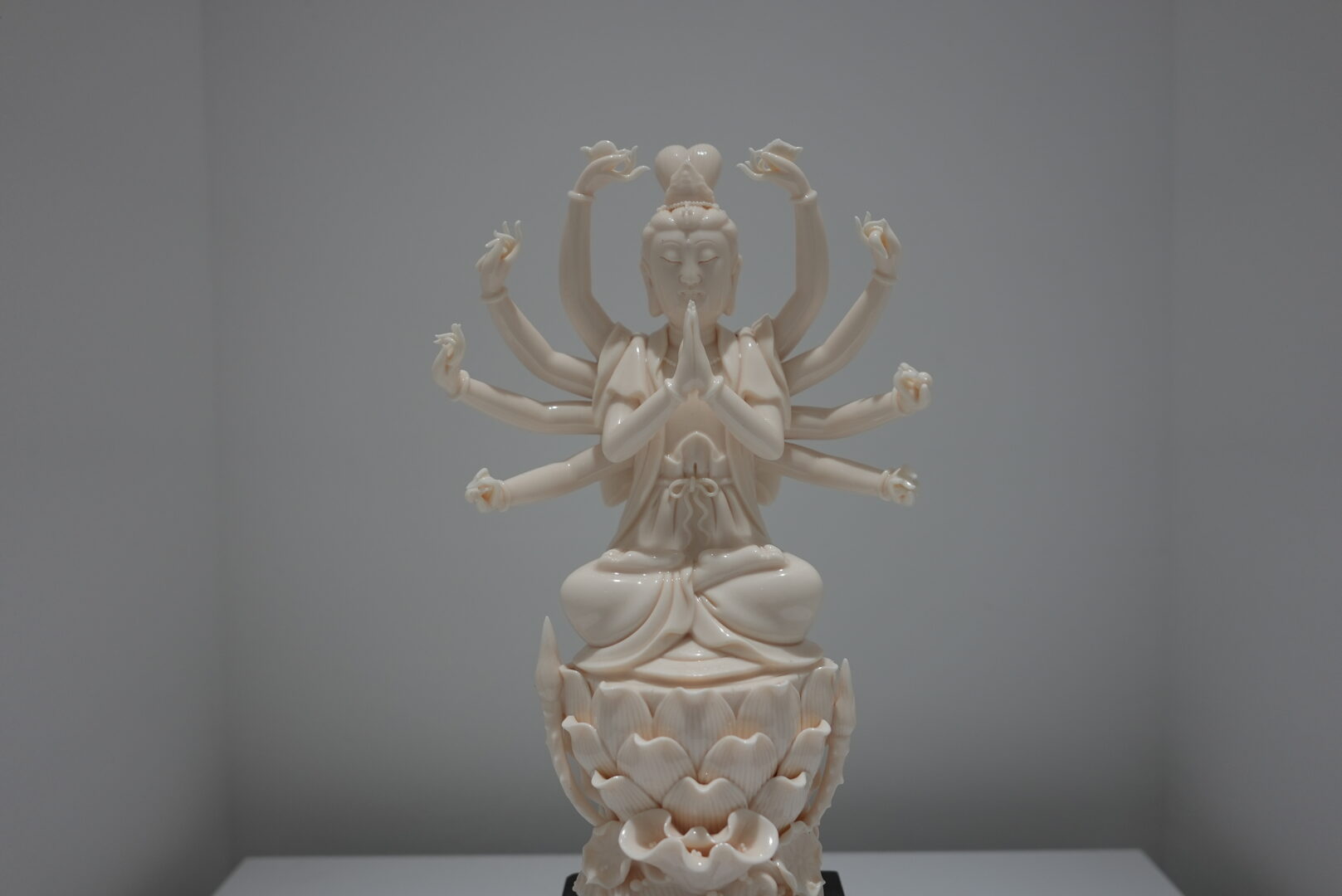
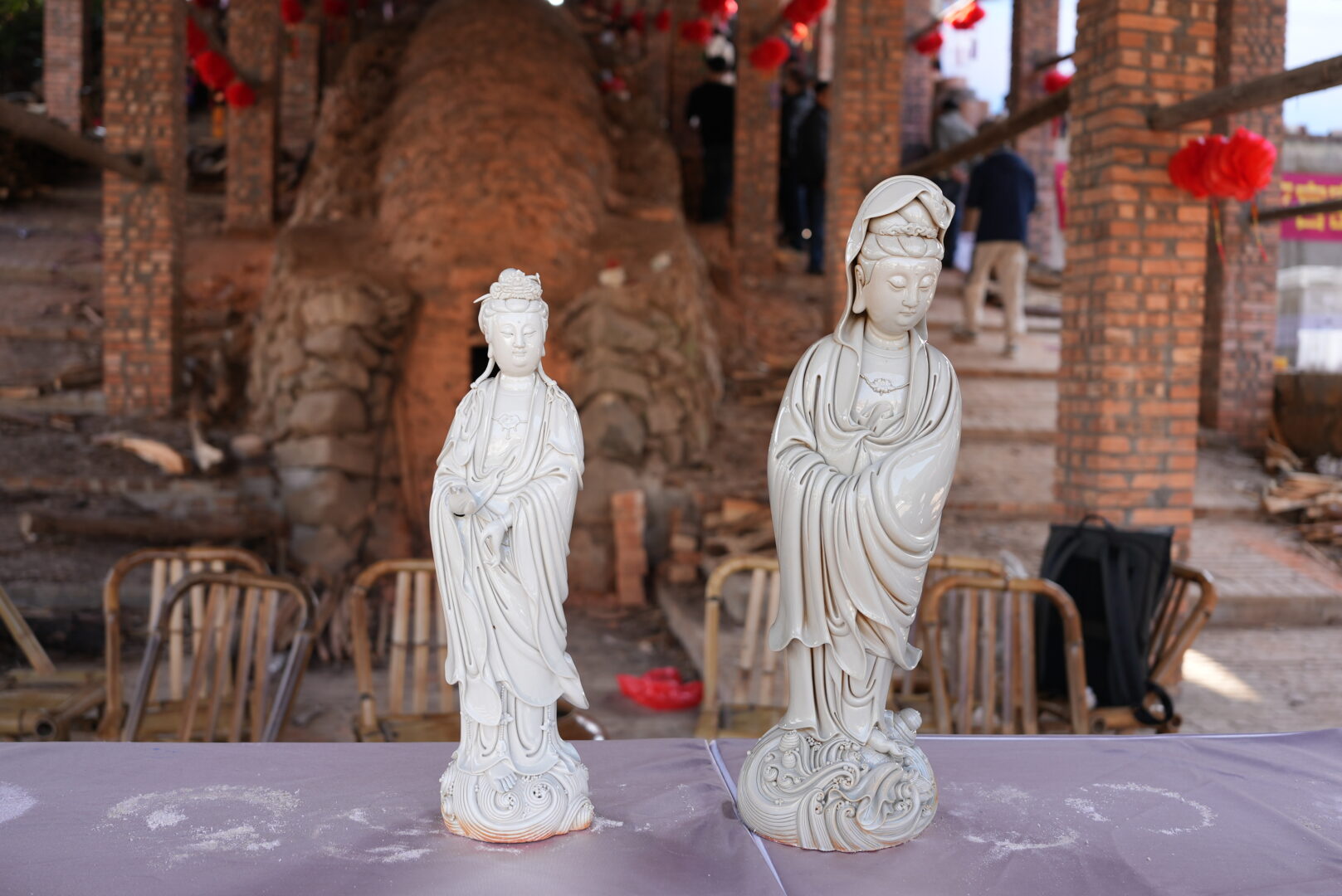
What Dehua became famous for is figures. Guanyin above all — thousands of variations, standing, seated, with a child, on a dragon — plus Buddhas, immortals, and the eighteen arhats.
The master name is He Chaozong, a Ming-dynasty sculptor from the town whose figures are in the British Museum, the Met, and every major Chinese collection. What makes them exceptional is drapery: cloth modelled so that it appears to fall and gather under its own weight, in a material that goes soft in the kiln and does not forgive optimism.
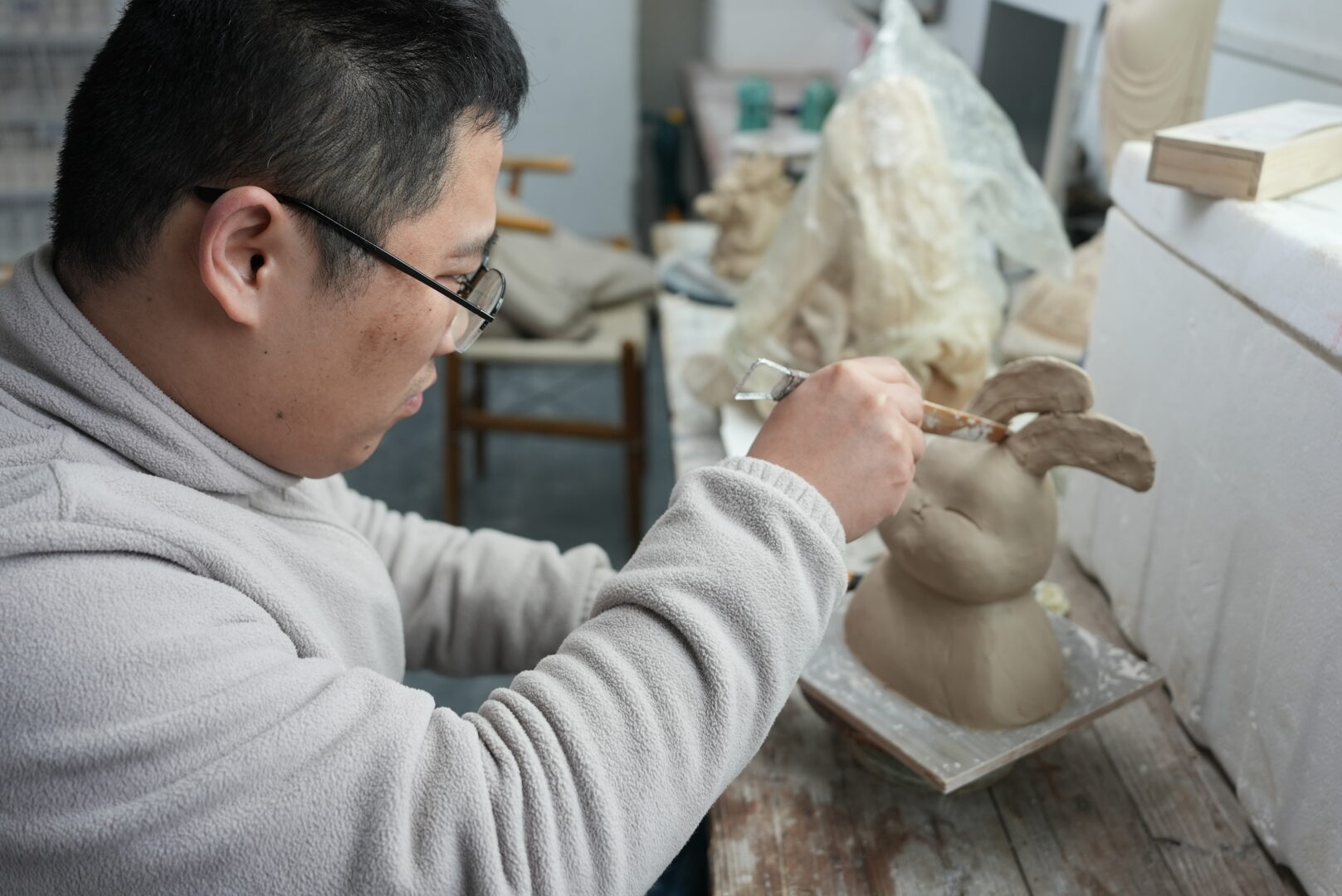
The workshops today still make the same subjects, and the good ones still make them by hand.
An industry, not a museum
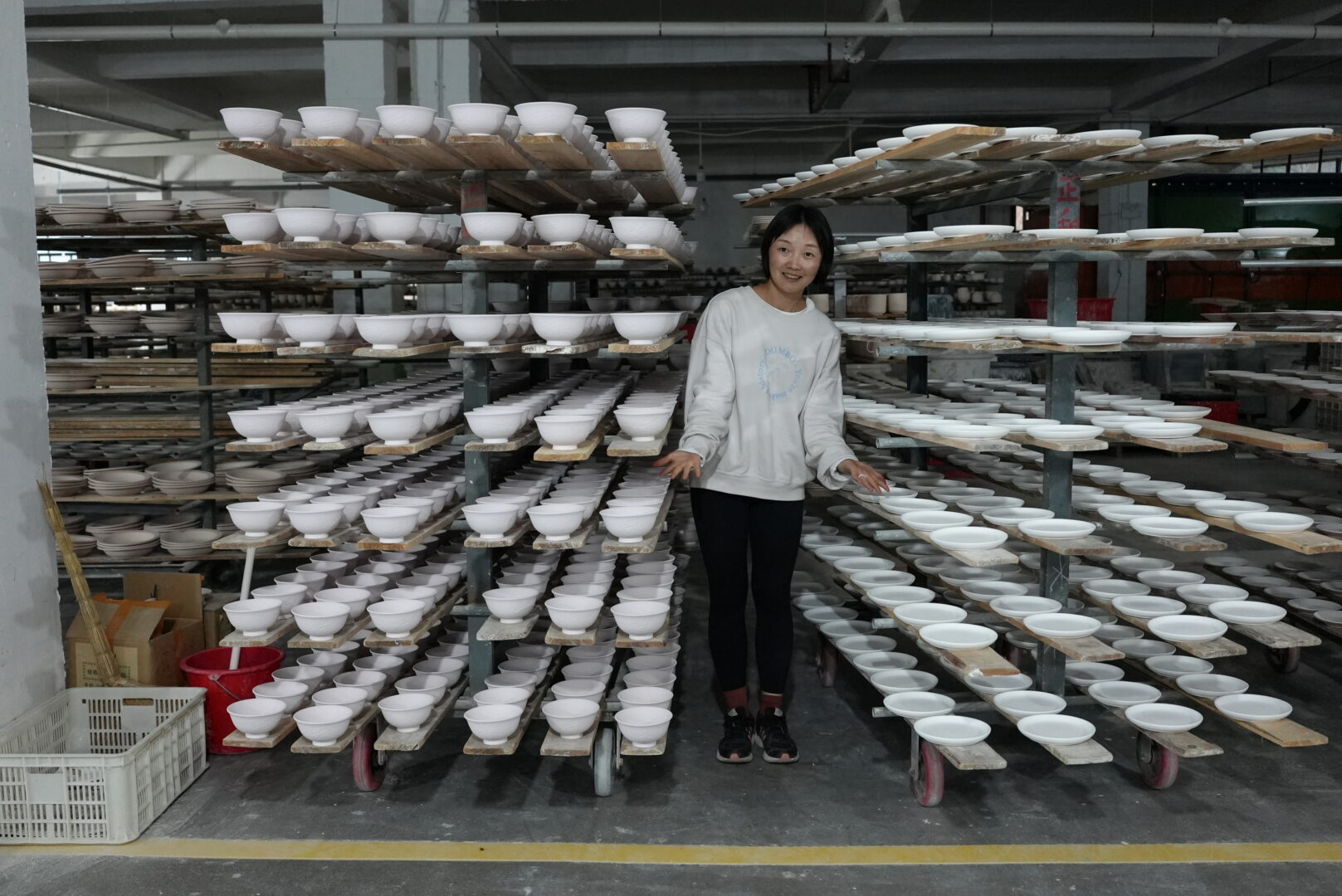
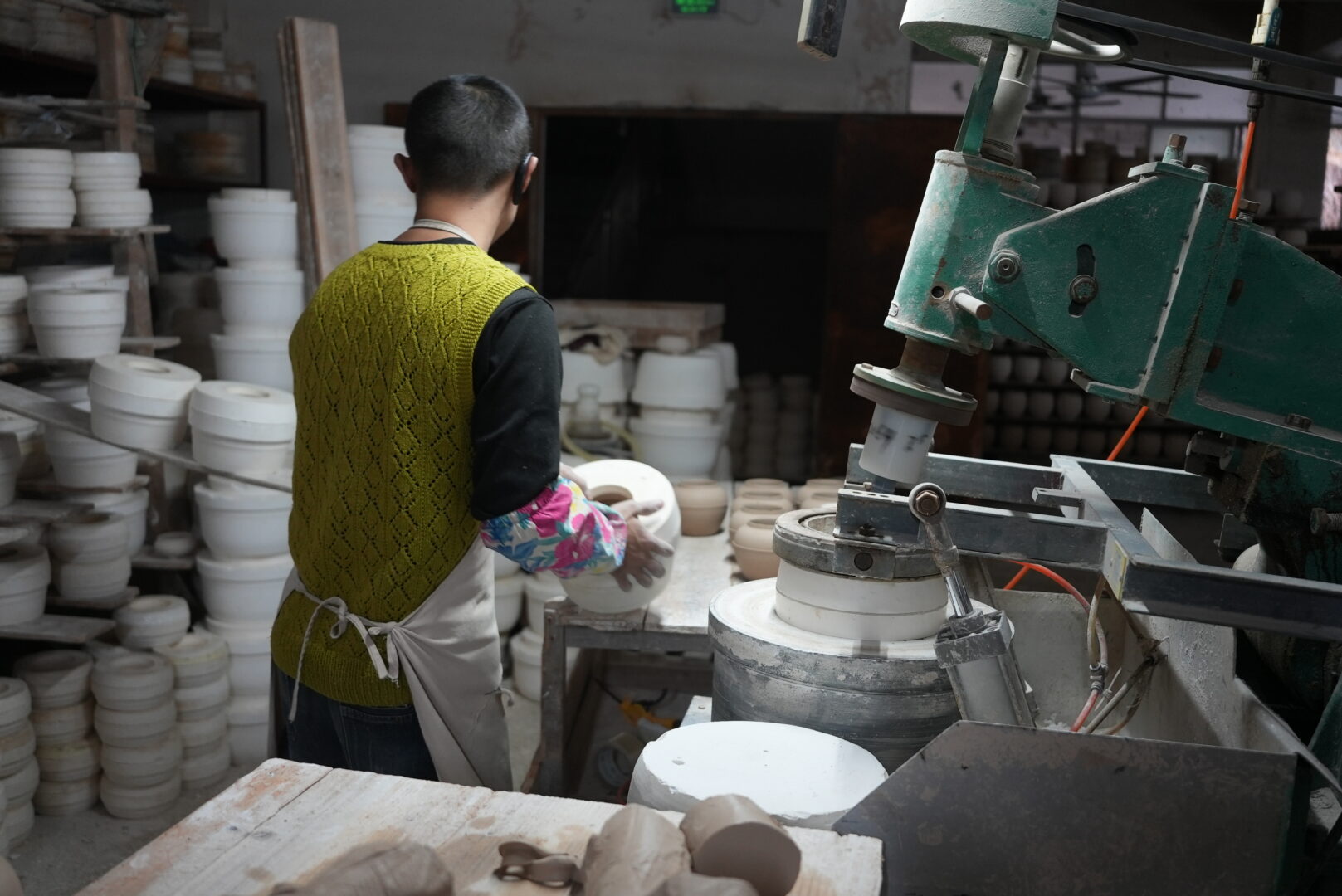
Dehua is not a preserved craft village. It’s one of the largest ceramics manufacturing centres on earth, producing an enormous share of the world’s porcelain figurines, homeware and, these days, the ceramic components nobody thinks about.
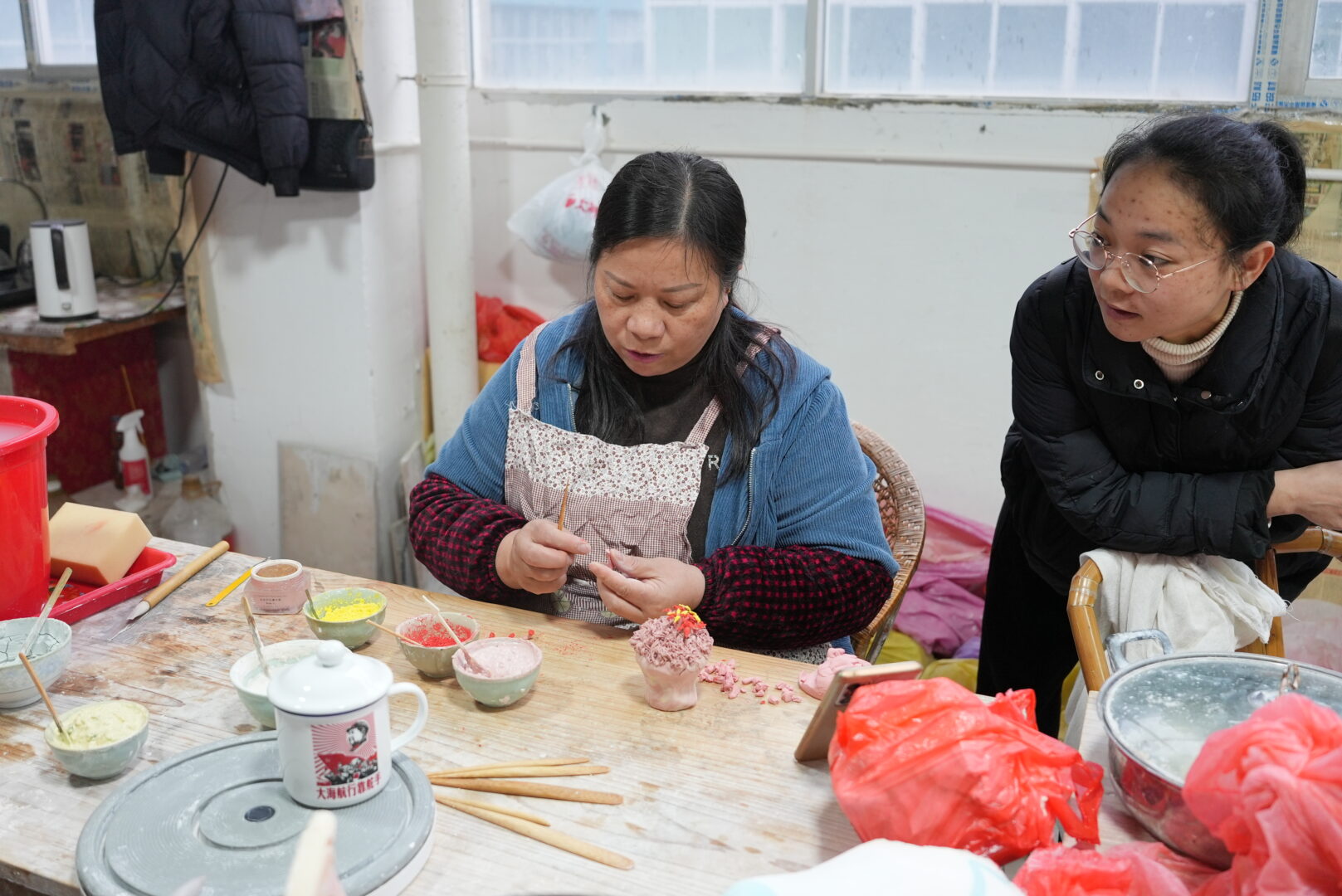
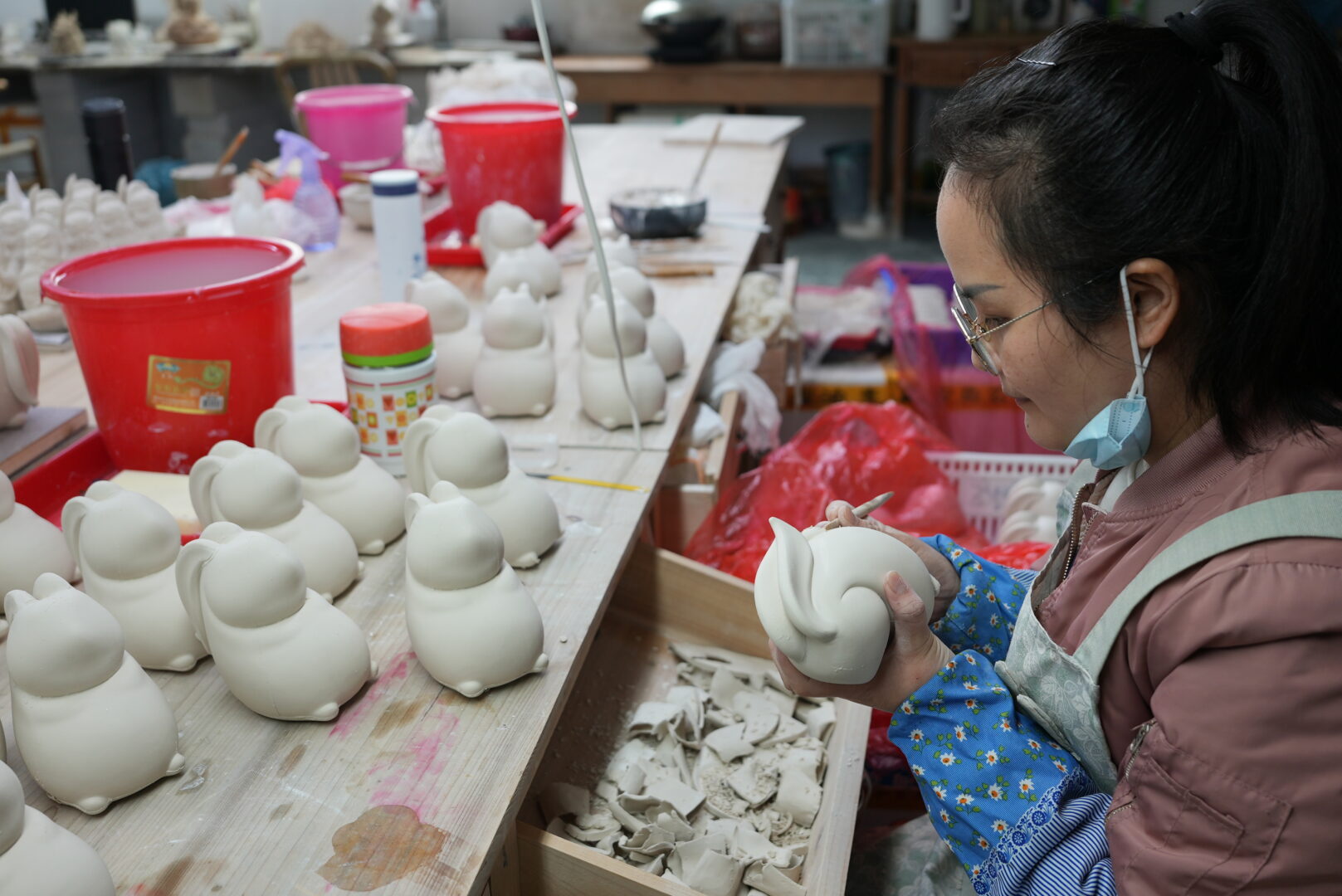
That means the town has a full range: automated factories at one end, master studios taking commissions at the other, and a great many small workshops in between where two or three people throw, mould, glaze and fire.
The mixture is what makes it interesting to walk around. You can watch a production line and then, ten minutes away, watch someone spend a morning on a single hand.
What to do
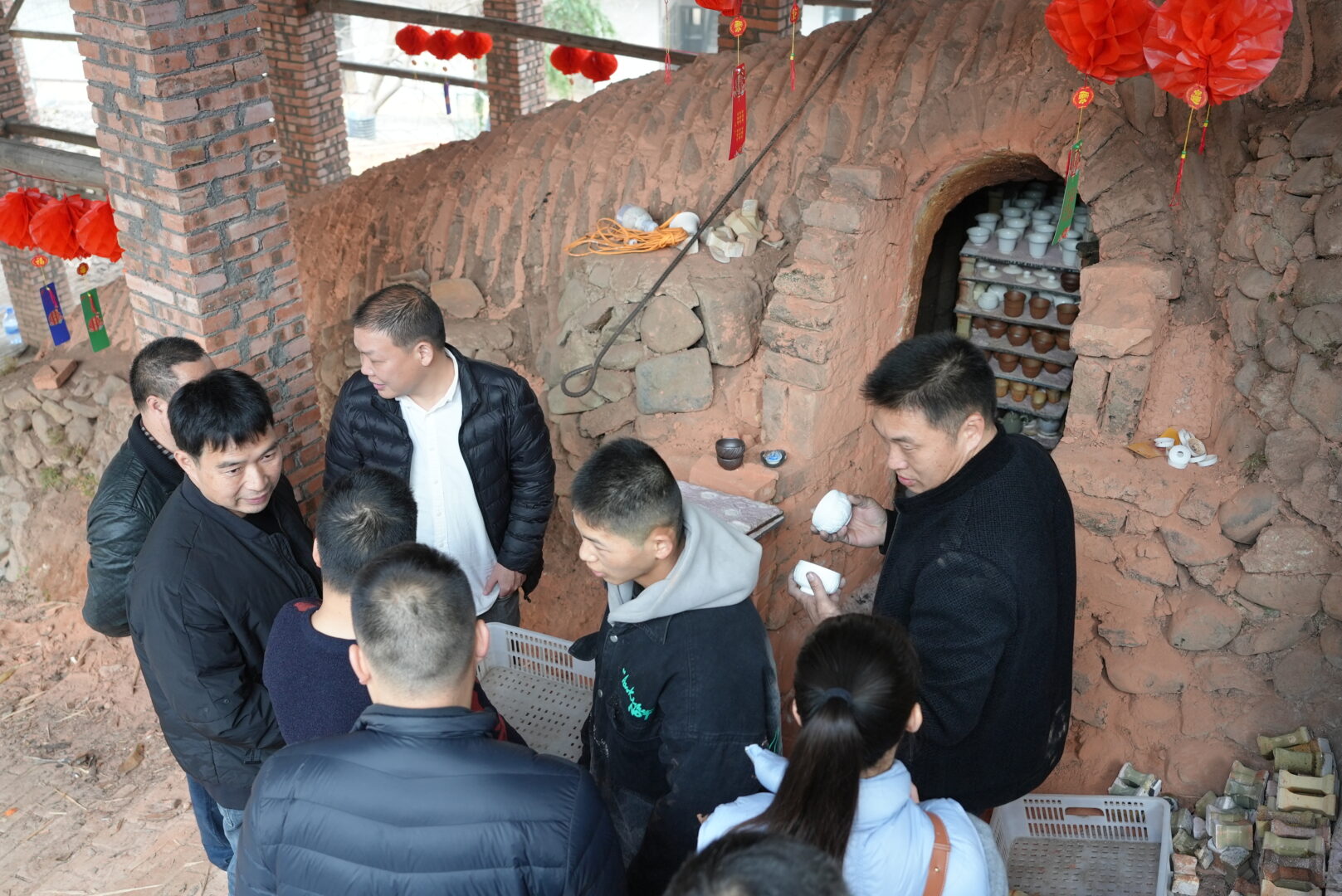
Visit working studios. Many are open and their owners are pleased to explain what they’re doing — the difference between slip-casting and hand-building, why a figure is fired in pieces, how much shrinkage they’re allowing for.
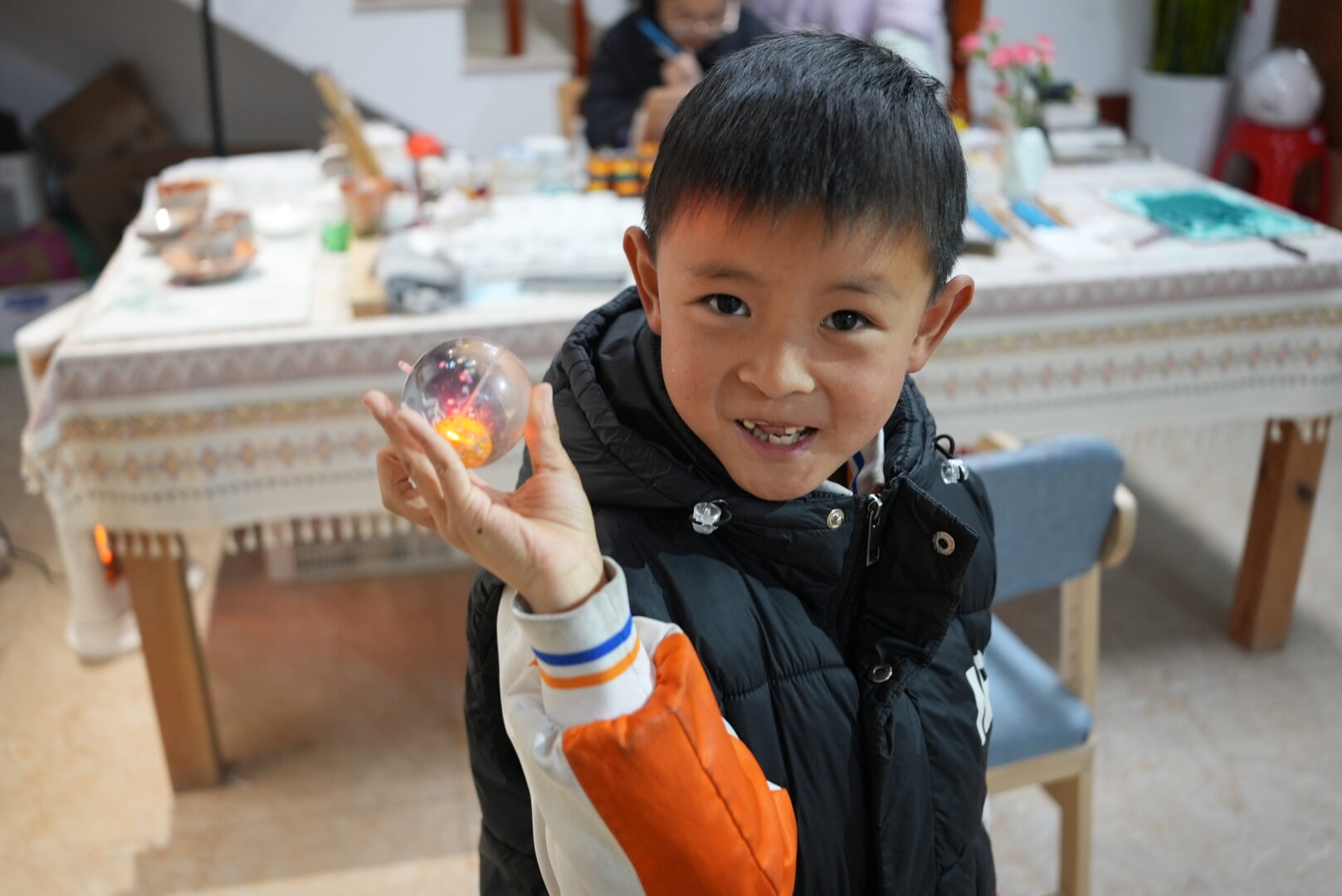
Try the wheel. Studios offering hands-on sessions are common, and the honest lesson of an hour at the wheel is how difficult this is.
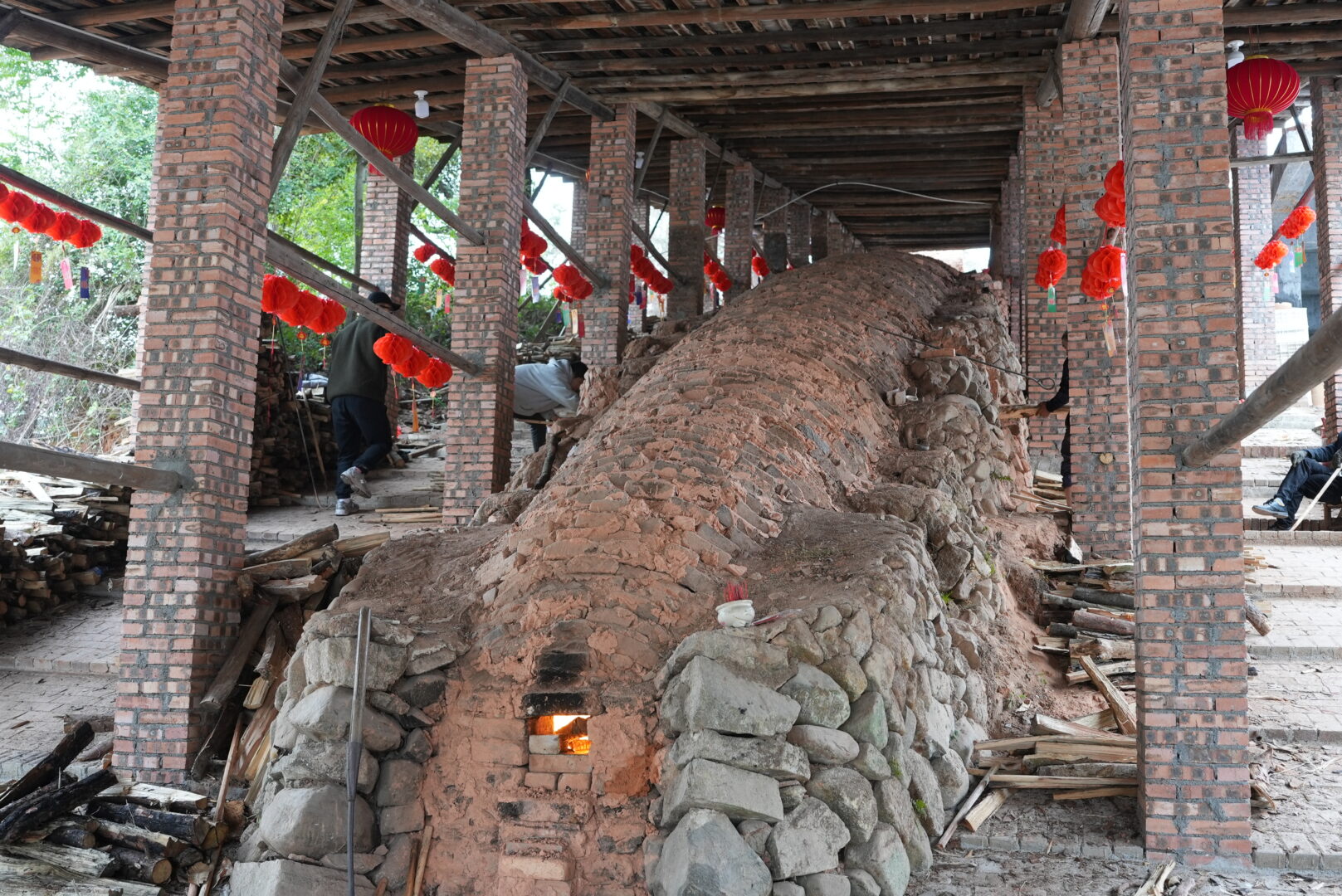
See the kiln sites. There are historic dragon-kiln remains in the surrounding hills, part of the archaeology of the maritime export trade — Dehua ware went out through Quanzhou to Southeast Asia, the Middle East and eventually Europe. Wrecked cargo ships found across the region are full of it.
Buy something. Prices at source are a fraction of retail elsewhere, and a good teacup will make you notice teacups for the rest of your life. Pack it properly.
Practical notes
Getting there: road from Quanzhou (a couple of hours) or Xiamen. Nearest rail is Quanzhou or Yongchun.
When: October to April. The hills are cooler than the coast, which is welcome in summer and means fog much of the year.
Combine with: Quanzhou for the port history that sold all this, the tulou further inland, and Jingdezhen in Jiangxi if the subject takes hold — that’s the blue-and-white capital, and a completely different tradition.
- #fujian
- #dehua
- #porcelain
- #ceramics
- #craft