
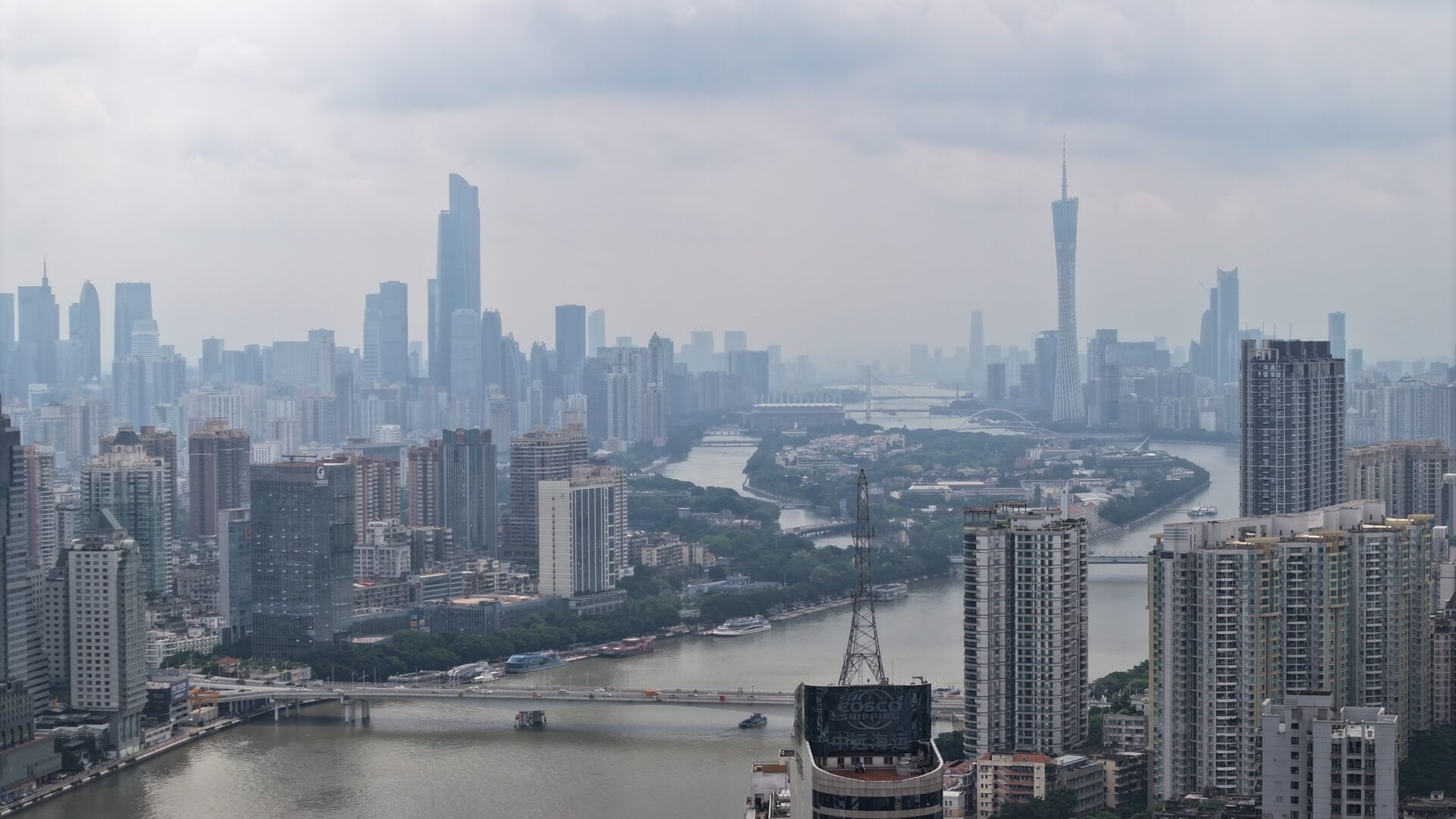
Guangzhou has been the port where China meets everywhere else for two thousand years. Xiaobei is the current version of that — African and Middle Eastern traders, wholesale markets, and food from three continents on one block.
Guangzhou has been China’s door for a very long time. Arab and Persian merchants were resident here in the Tang dynasty; the Canton System made it the only legal port for European trade for most of the 18th century; the Canton Fair has run since 1957 and still fills the city twice a year.
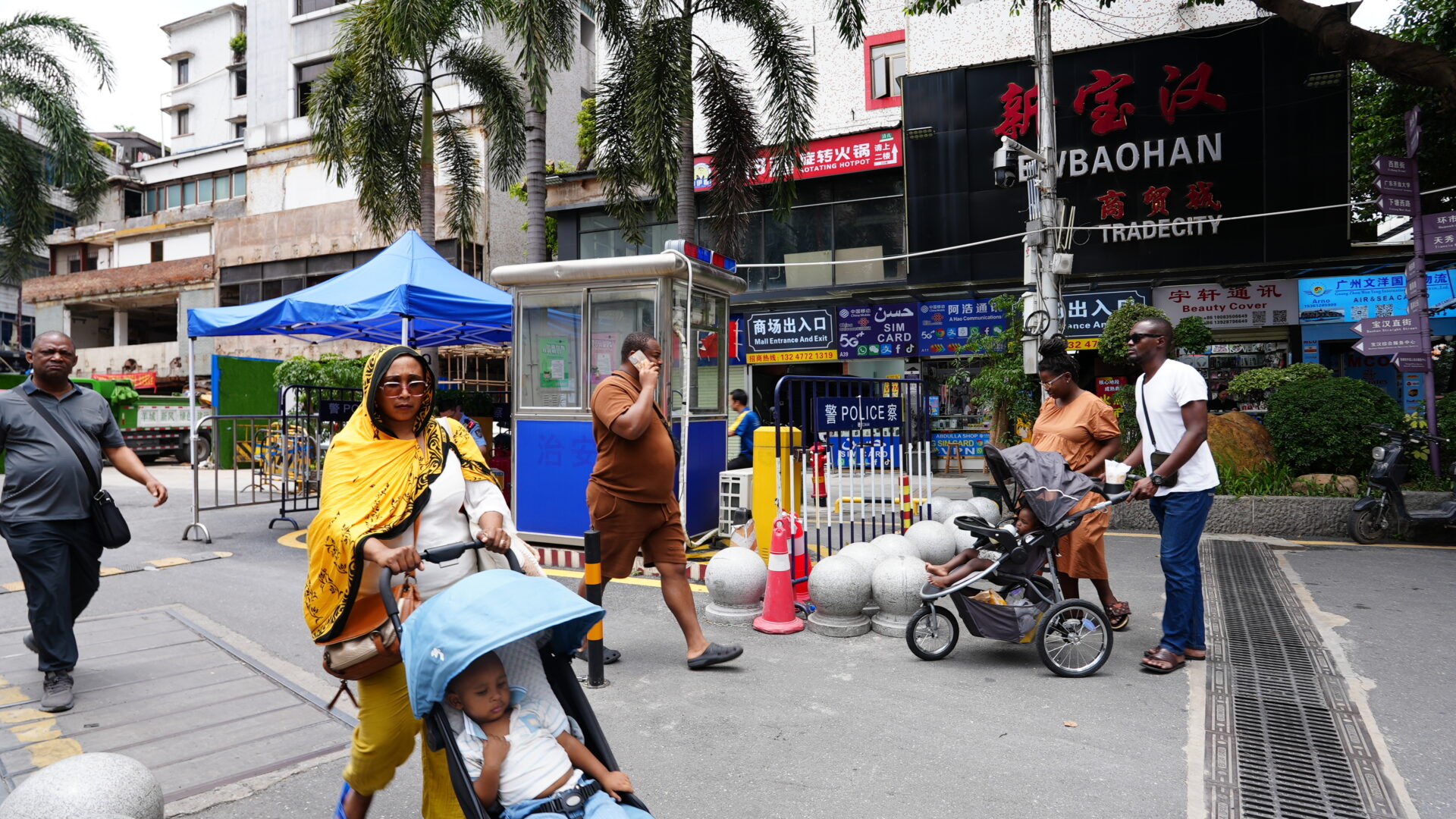
The current expression of that is a district called Xiaobei, which locals have nicknamed Little Africa.
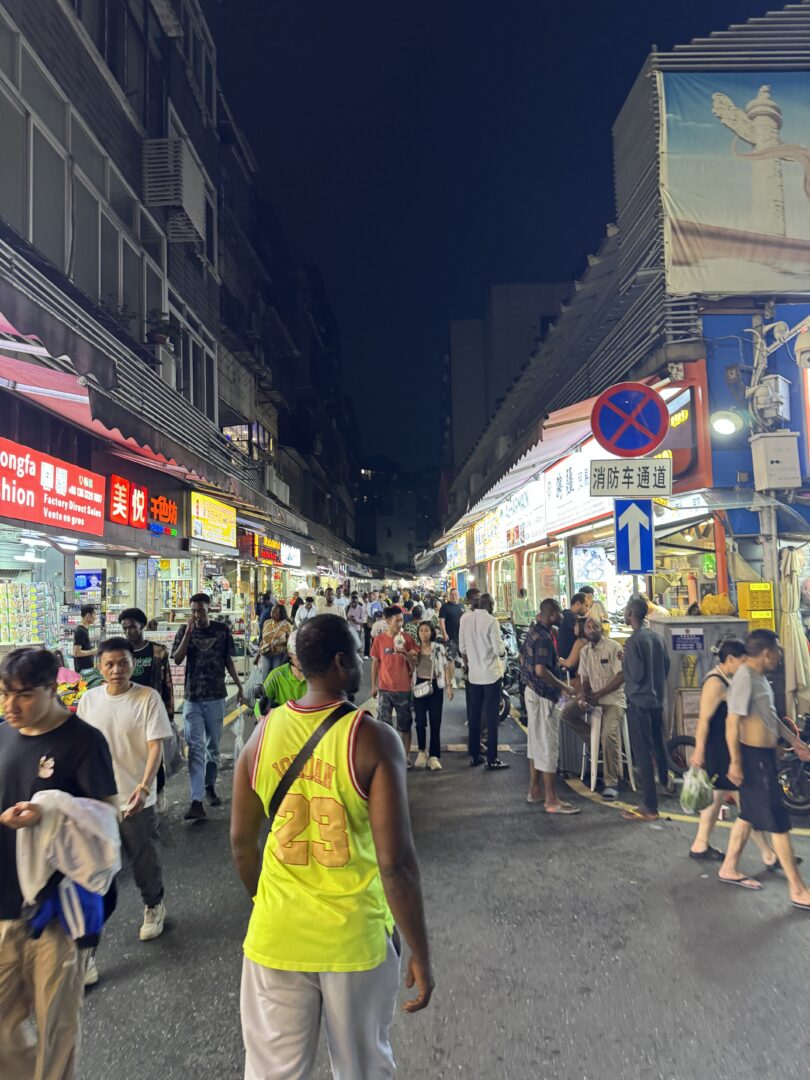
What Xiaobei actually is
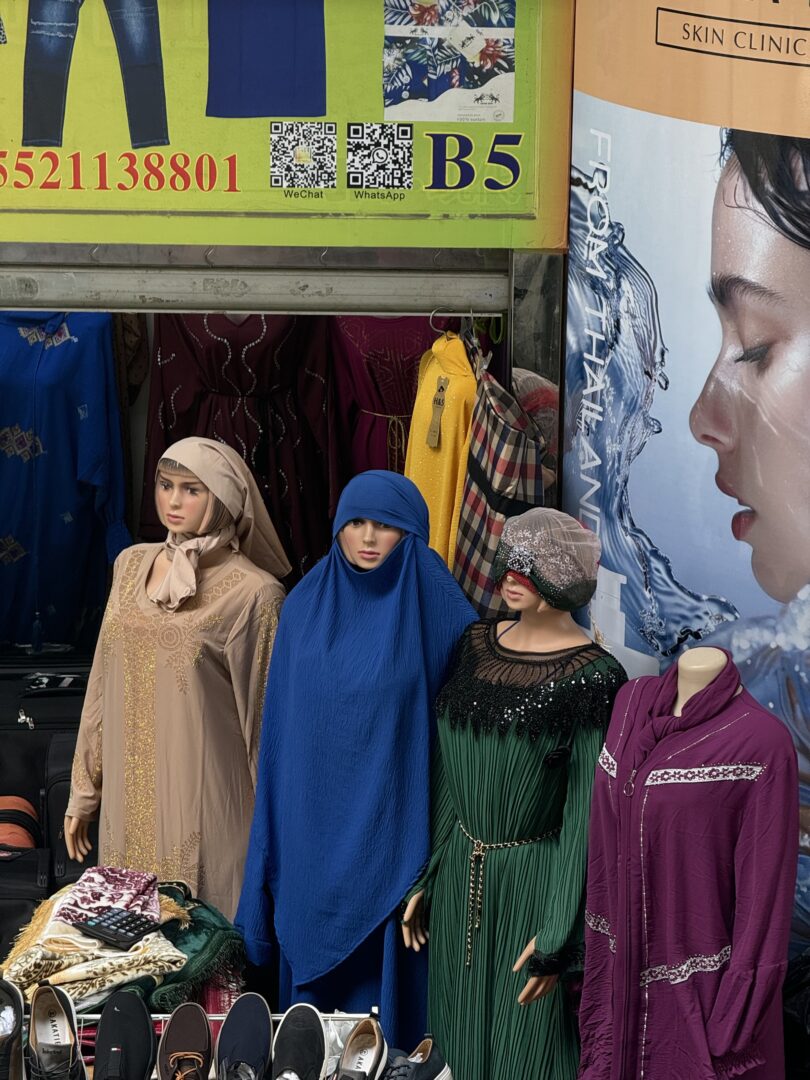
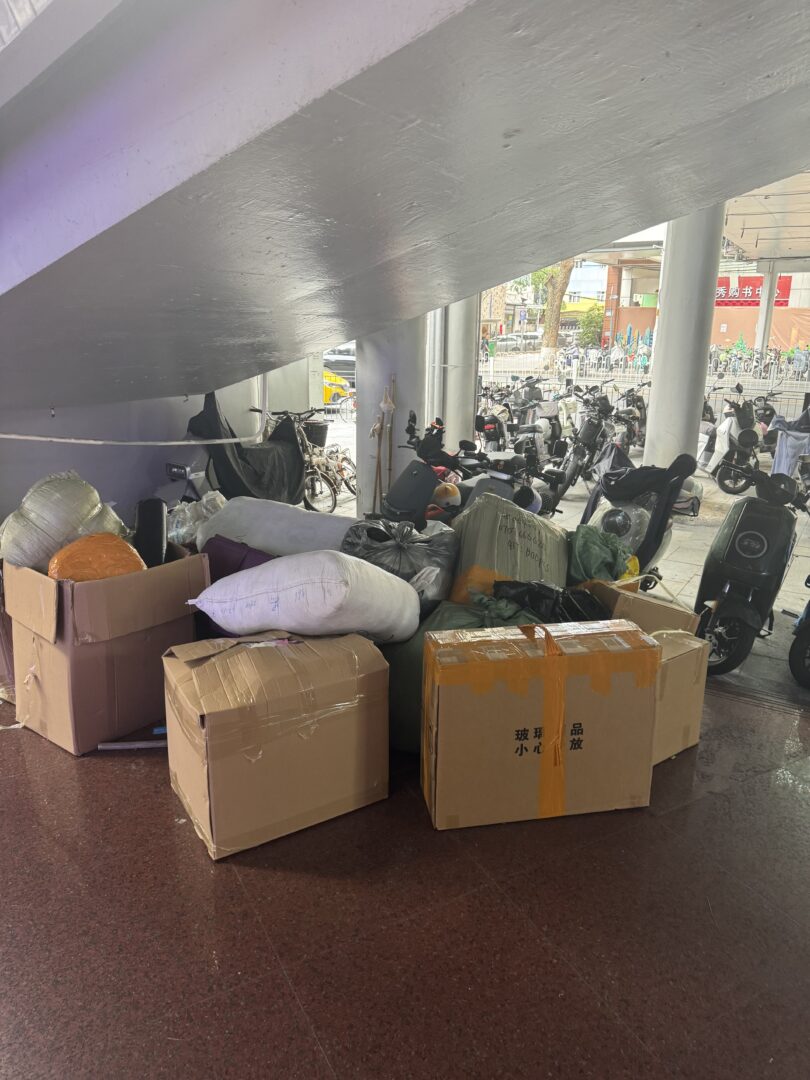
A wholesale district, first and foremost. The trade is what everyone is here for: buyers from West and East Africa, the Gulf, Turkey and Southeast Asia, sourcing clothing, textiles, phone accessories, electronics, hair products, machinery parts — anything that can be containerised — and shipping it home.
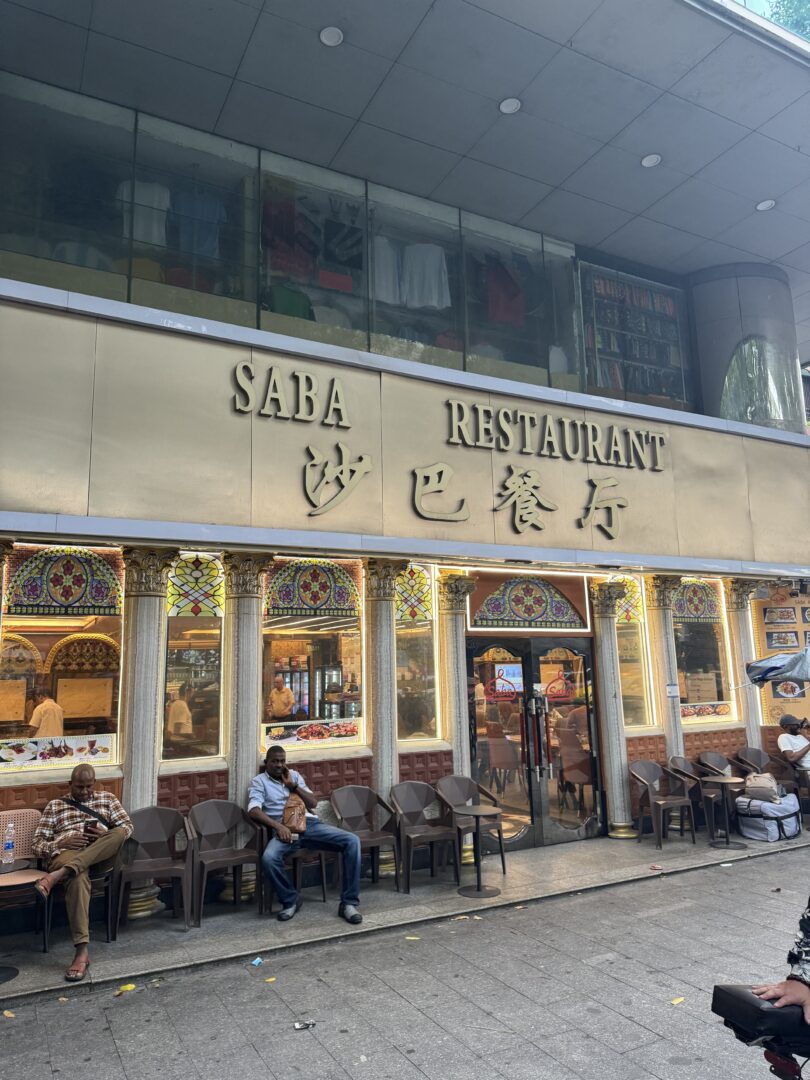
Which means the streets work in several languages simultaneously. Arabic, French, English, Swahili, Hausa, Cantonese and Mandarin in one block, with brokers and translators making a living in the gaps between them. Signage runs in three scripts. Building lobbies are full of people negotiating on phones in the middle of a sentence in another language.
It’s the most genuinely cosmopolitan neighbourhood in mainland China, and it’s produced by commerce rather than policy.
The food
This is the reason to visit even if you’re buying nothing.
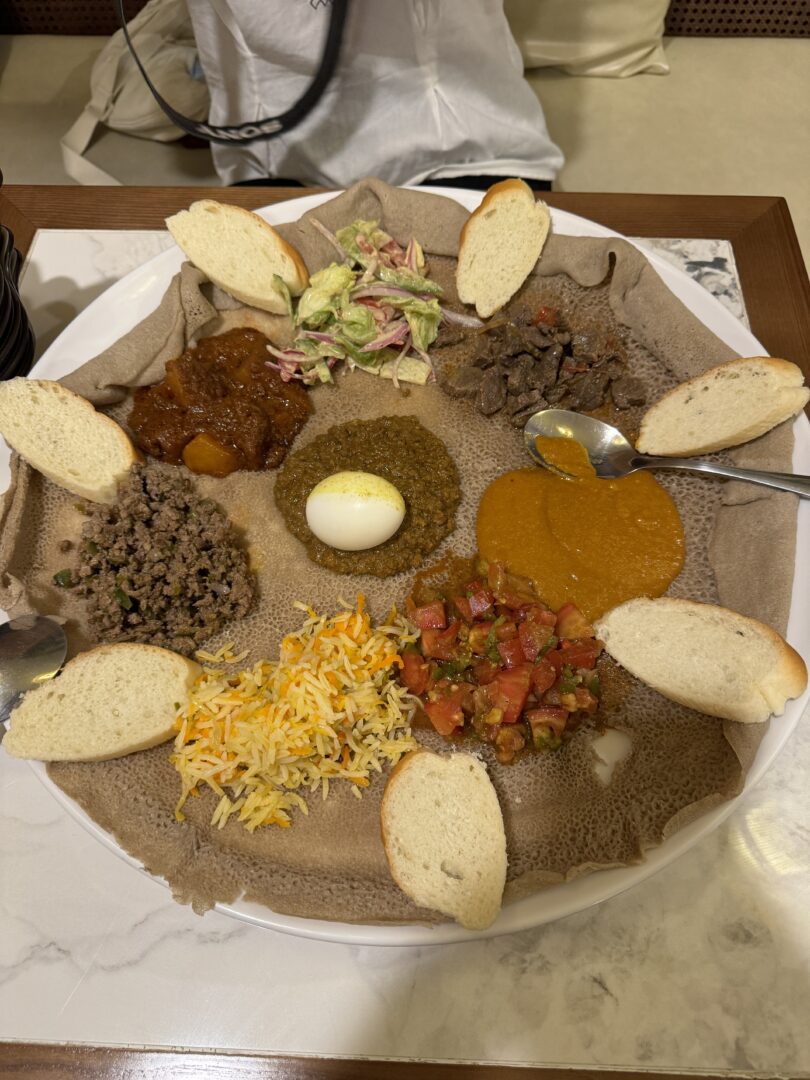
West African restaurants doing jollof rice, grilled chicken, fufu and pepper soup. Ethiopian injera. Middle Eastern kebab shops and shawarma counters, with Uyghur-run places alongside them. Halal everywhere, since a large share of the traders are Muslim.
And underneath all of it, the Cantonese city: congee stalls, wonton noodles, roast meat hanging in windows, dim sum in the morning. Very few places on earth let you eat Nigerian lunch and Cantonese late-night supper within two hundred metres.
The markets sell imported spices next to local greens, which is how home cooking here has quietly gone global.
The rest of Guangzhou
Don’t stop at Xiaobei. The city is enormous and underrated by visitors who treat it as a transit point for Hong Kong.
- Shamian island — the old foreign concession, plane trees and colonial buildings, and quiet
- Yuexiu park and the Nanyue King museum — a 2,000-year-old royal tomb, excavated in place
- Chen Clan ancestral hall — the best Cantonese decorative craftsmanship anywhere: wood, brick, stone and ceramic carving at obsessive density
- Morning tea, properly — Guangzhou is where dim sum culture belongs, and a two-hour breakfast is the correct way to spend one. See Shunde for where the region takes food even more seriously.
- The Pearl River at night, from the water
Practical notes
Getting there: two airports within reach, a national high-speed rail hub, and half an hour to Hong Kong or Shenzhen by train.
When: October to April. Summer in Guangzhou is hot, wet and long — see when to visit China. Avoid the Canton Fair fortnights (April and October) unless you enjoy quadrupled hotel prices.
A note on Xiaobei: it’s a normal working neighbourhood, not an attraction. People are at work. Ask before photographing anyone, buy something, eat somewhere, and be a customer rather than a spectator.
Nearby: Shunde for food, Shenzhen and Hong Kong down the delta, and Taishan southwest for the diaspora story.
- #guangdong
- #guangzhou
- #xiaobei
- #trade
- #food