
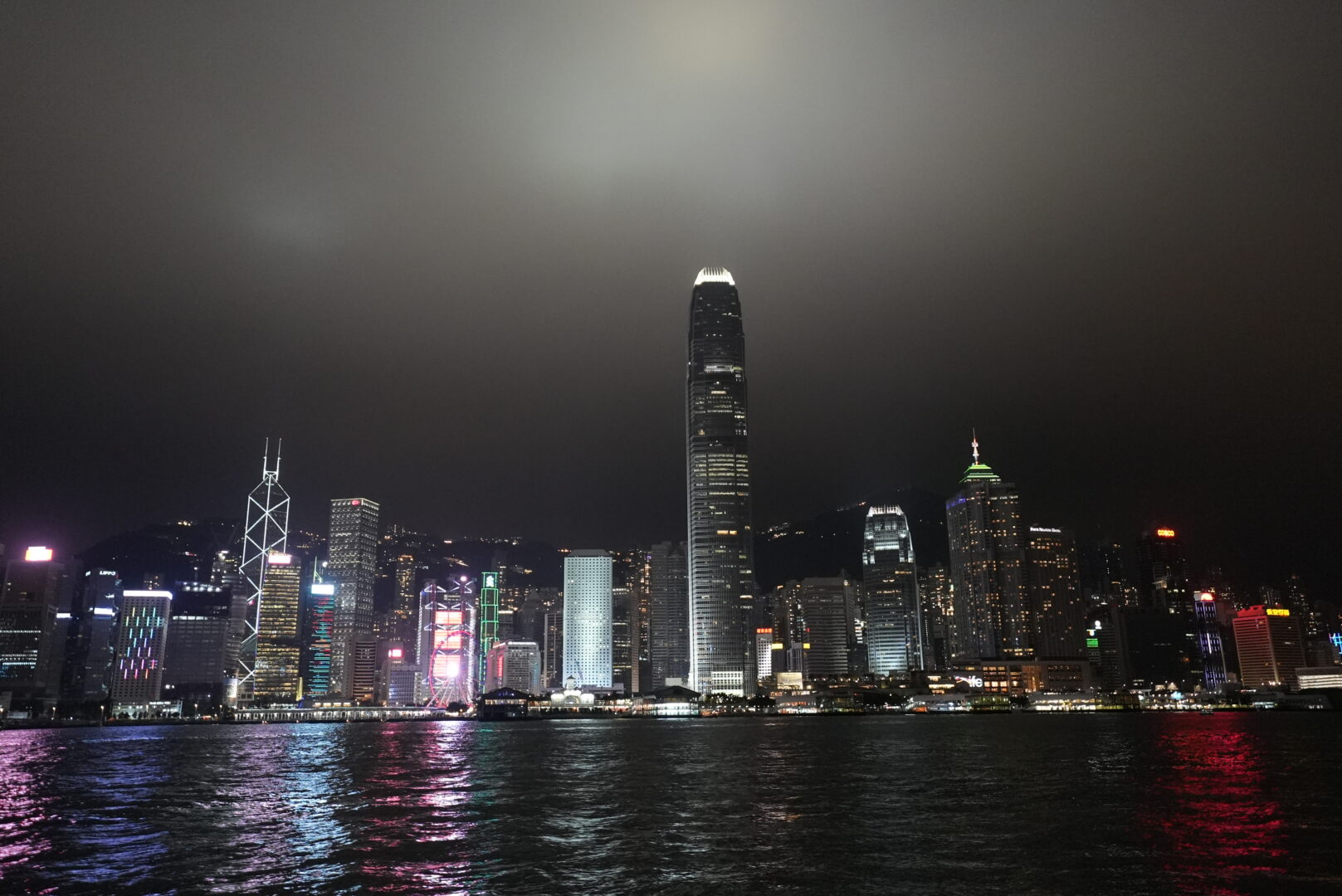
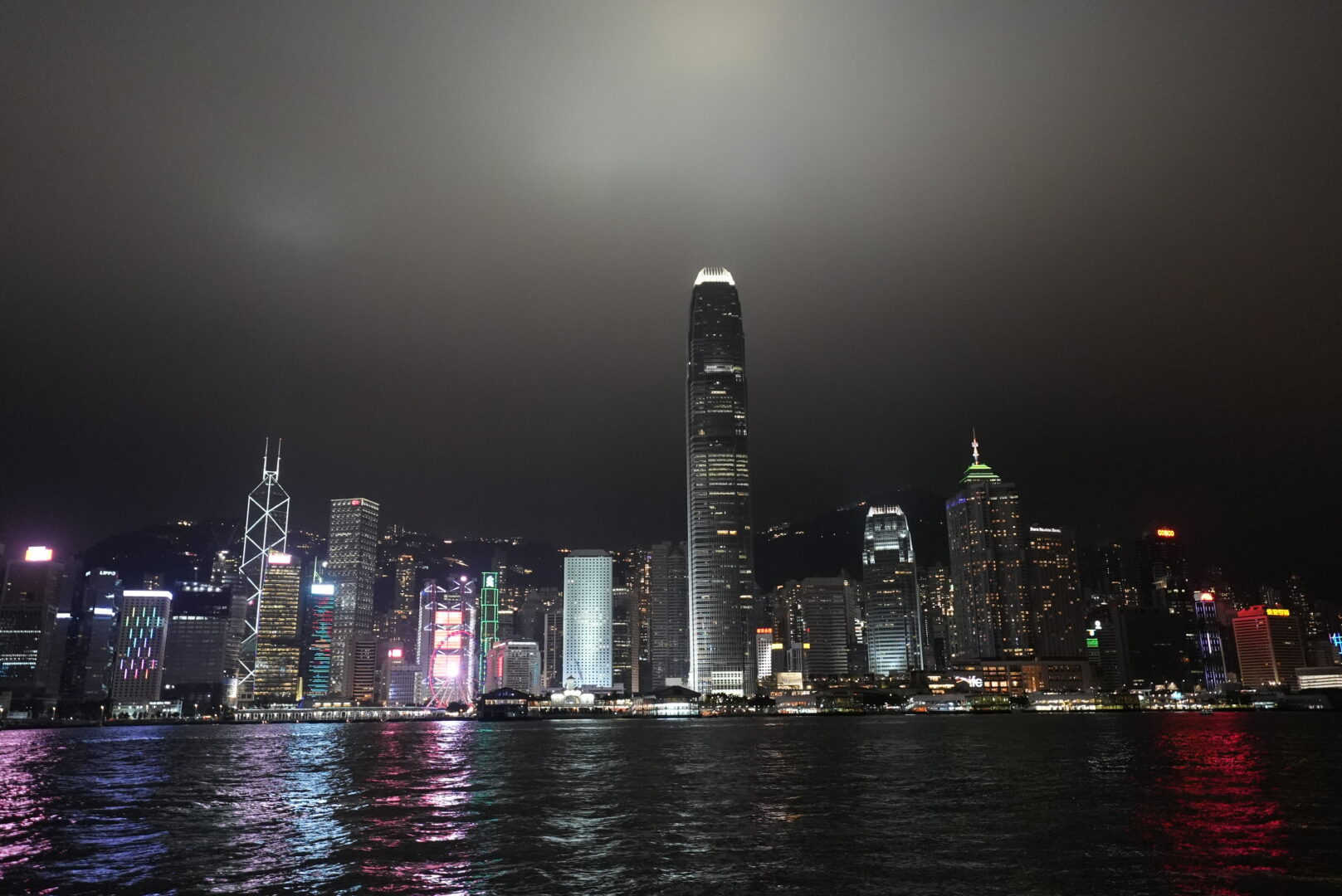
Hong Kong's skyline is the postcard. The surprise is that most of the territory is hills, forest and beaches, and you can be on a ridge trail forty minutes after leaving Central.
Hong Kong’s reputation is vertical, dense, and financial, and all of that is accurate. The number that reframes it: around three-quarters of the territory is undeveloped — country parks, forested hills, coastline and outlying islands — and roughly 40% is formally protected.
You can leave Central on the metro and be on a ridge with no buildings in sight inside an hour. That’s the thing most visitors never do.
The city
Victoria Harbour is the set piece, and the correct way to see it is the Star Ferry — a few Hong Kong dollars, ten minutes, and better than any paid viewpoint. The Symphony of Lights show runs nightly.
The Peak for the classic view. The tram is charming and queues badly; the walk up from Central or the bus round the back are both faster.
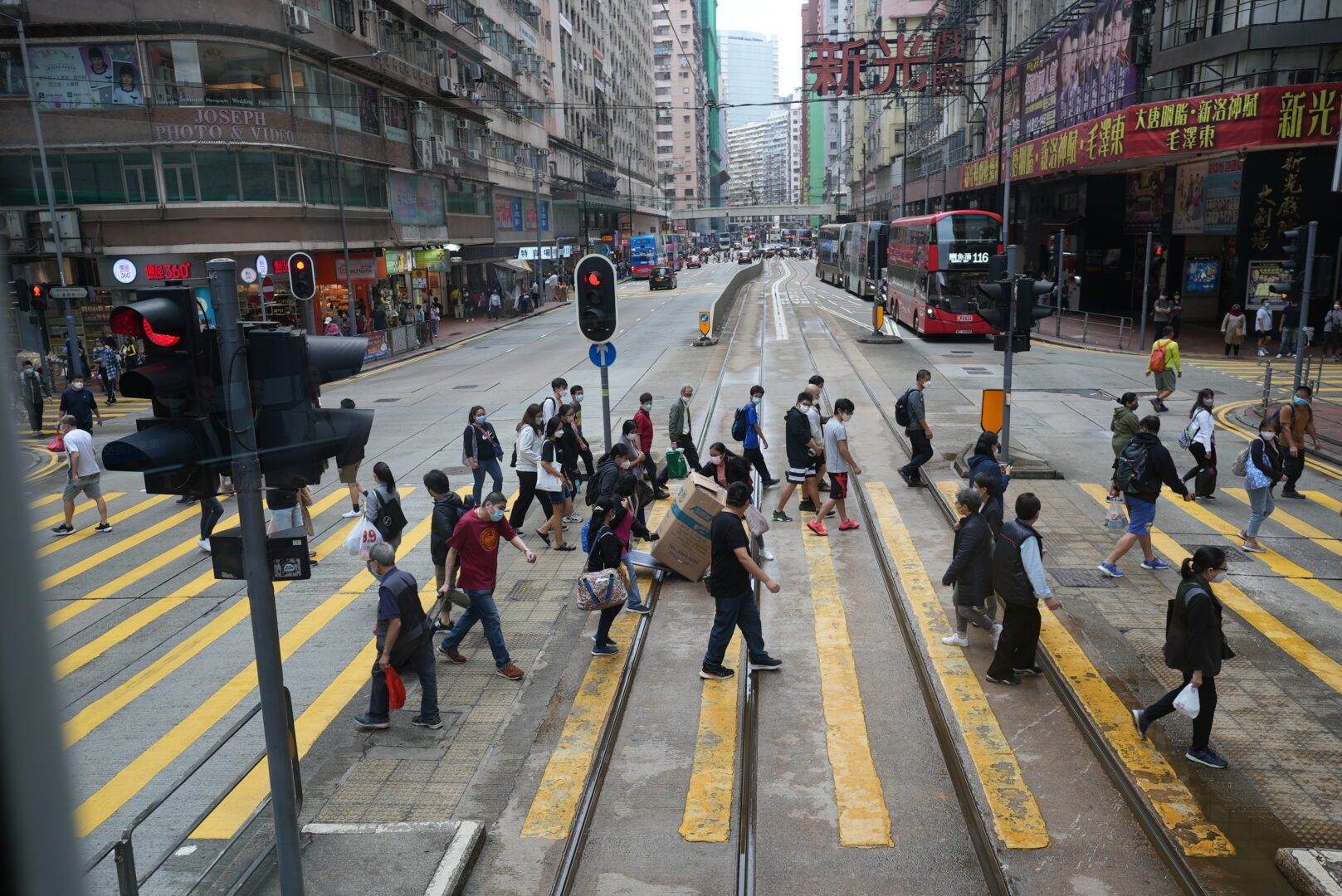
Central and Sheung Wan for the layered streetscape: colonial buildings under towers, ladder streets, the mid-levels escalators, and antique and gallery districts.
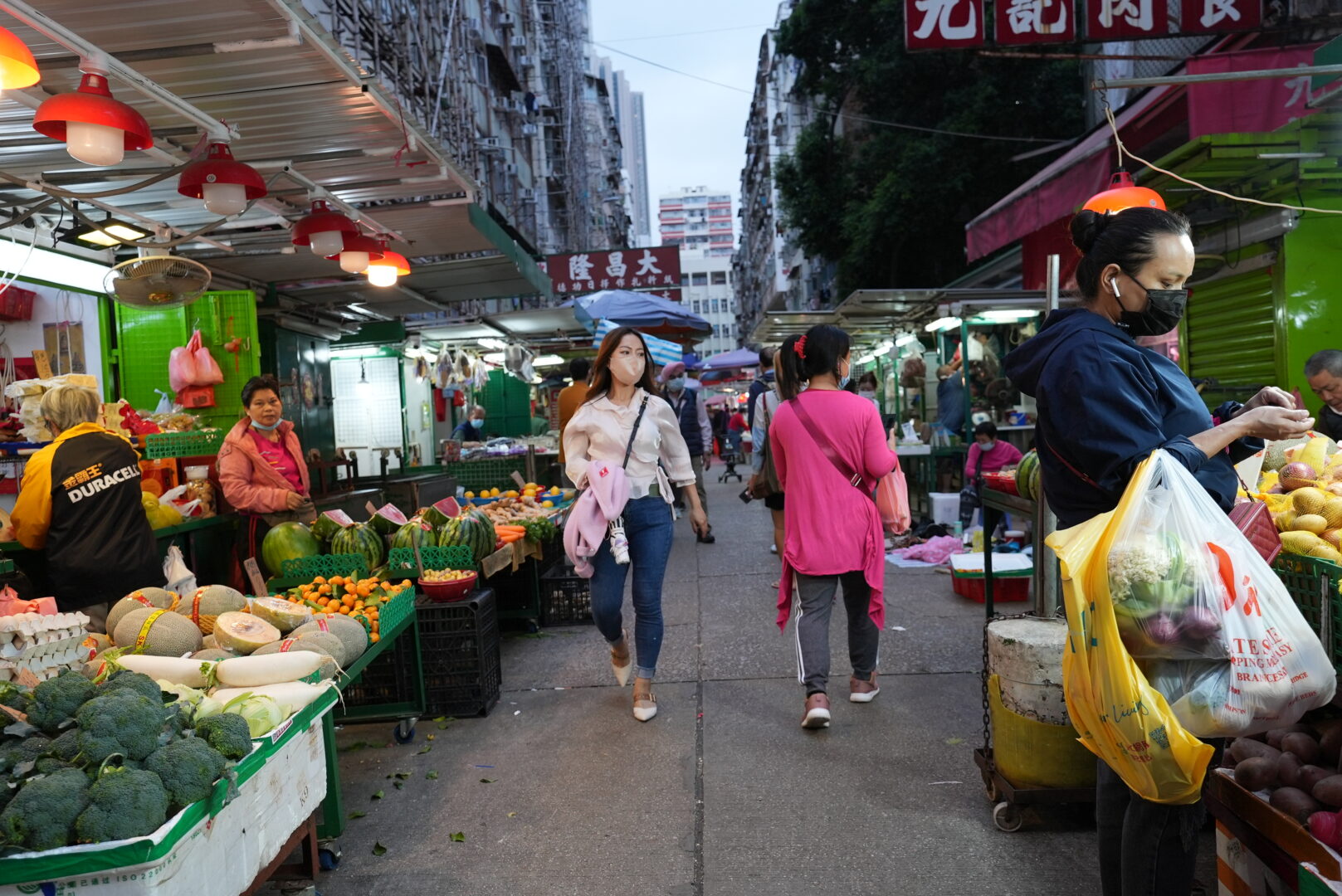
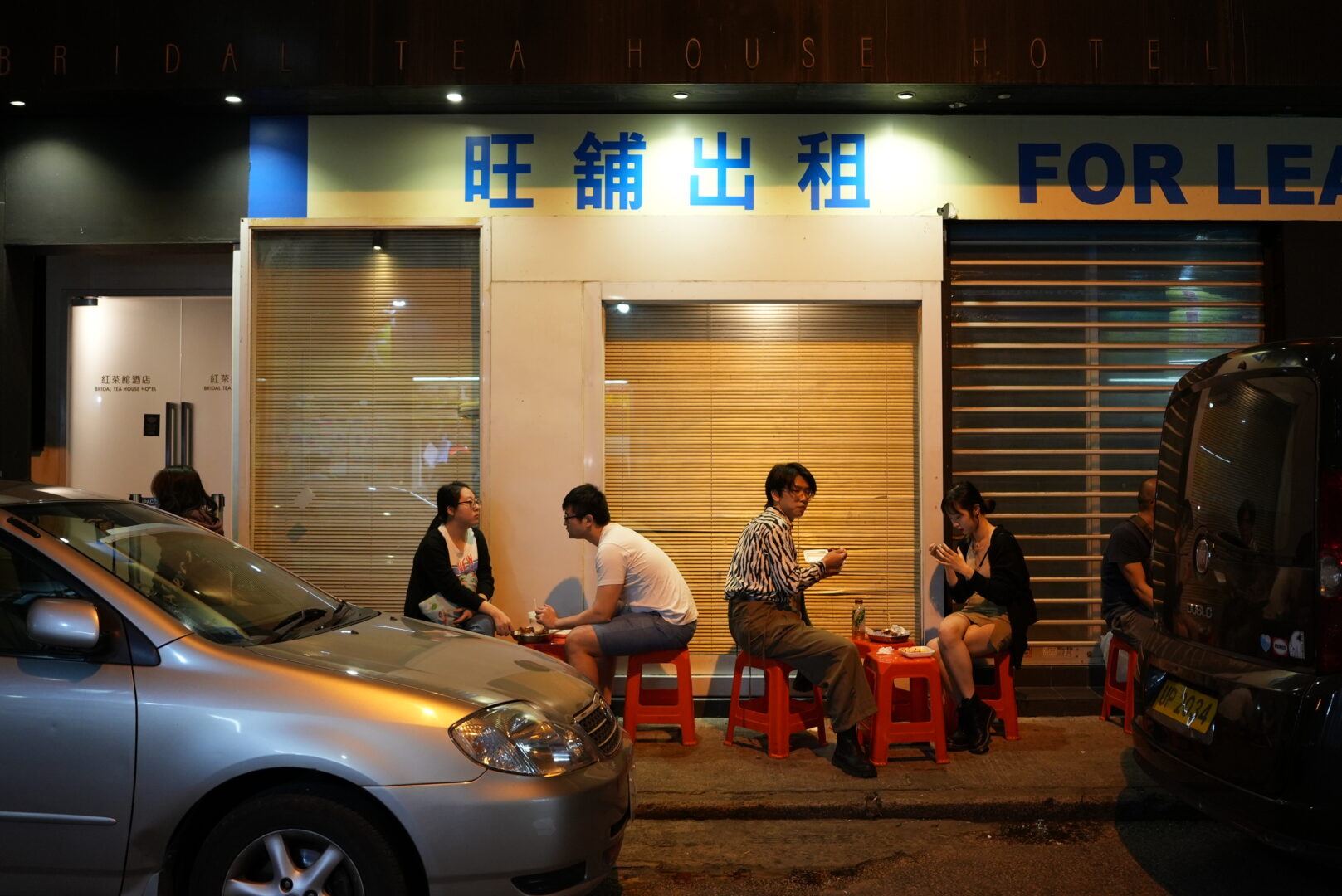
Temple Street and the Kowloon markets after dark.
Man Mo Temple — a working temple thick with incense in the middle of the financial district, which is the whole Hong Kong contradiction in one room.
Wong Tai Sin for the fortune tellers, and Chi Lin nunnery for Tang-style timber architecture built in the 1990s without nails.
The countryside
This is the recommendation.
Dragon’s Back — a ridge walk on Hong Kong Island with sea on both sides, about two hours, and reachable by bus from the metro. The single best short hike in any major city.
Lion Rock — steeper, with the classic view down over Kowloon’s density.
Lantau — the big island: the Big Buddha and Po Lin monastery, Tai O stilt-village fishing settlement, and Sunset Peak. A full day.
Sai Kung — the eastern peninsula, with clear water, hexagonal volcanic rock columns (a UNESCO geopark), boat hire to empty beaches, and seafood restaurants along the waterfront.
Cheung Chau and Lamma — car-free islands, half an hour by ferry, good for a slow afternoon.
Eating
Two categories that matter most:
Dim sum, properly. Morning to early afternoon, trolleys or ticked cards, tea refilled constantly. Tap two fingers on the table when someone pours for you.
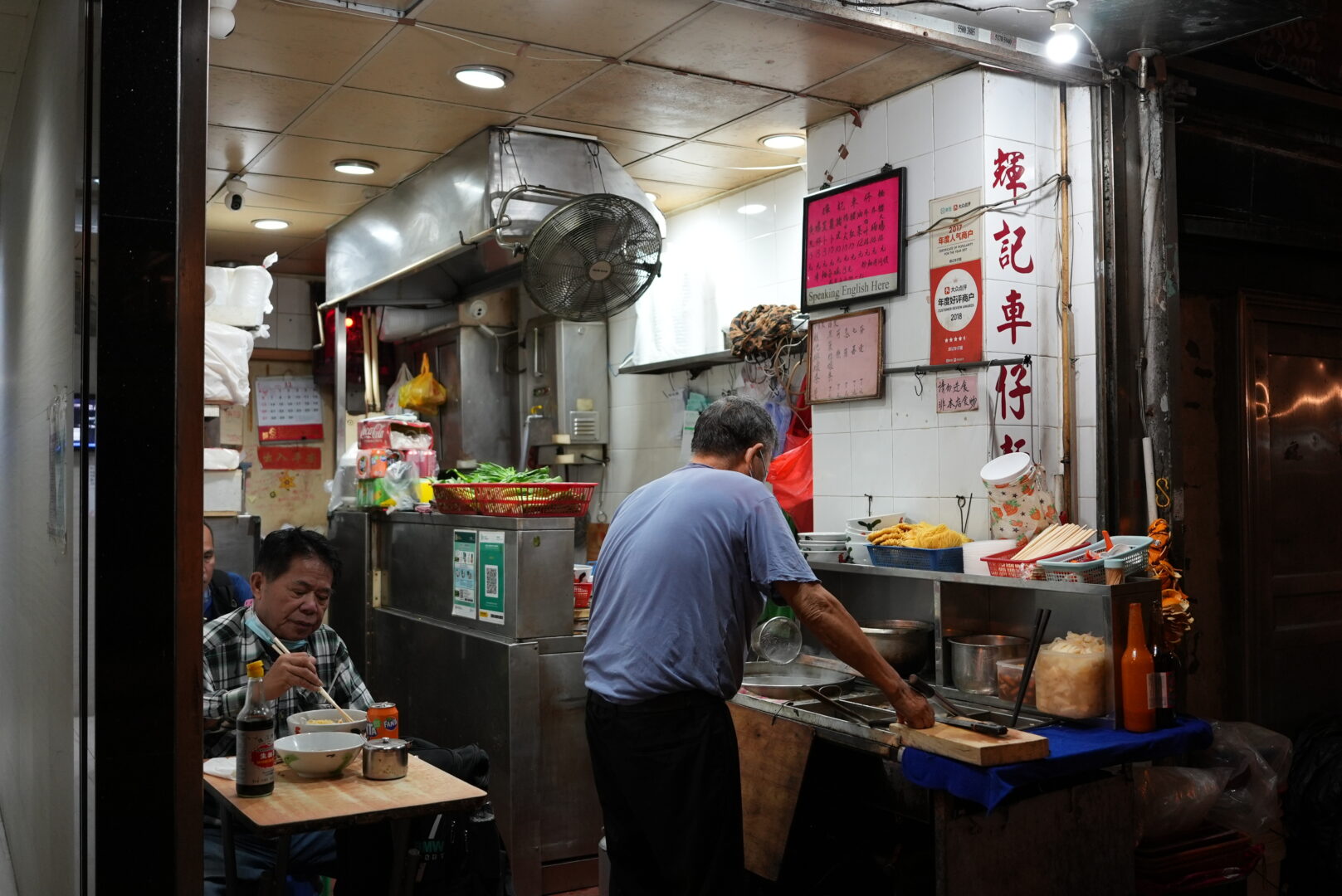
Cha chaan teng — the local diner, and the genuinely distinctive Hong Kong institution. Milk tea strong enough to stand a spoon in, pineapple buns, macaroni soup, condensed-milk toast, egg tarts. Fast, cheap, and unlike anything on the mainland.
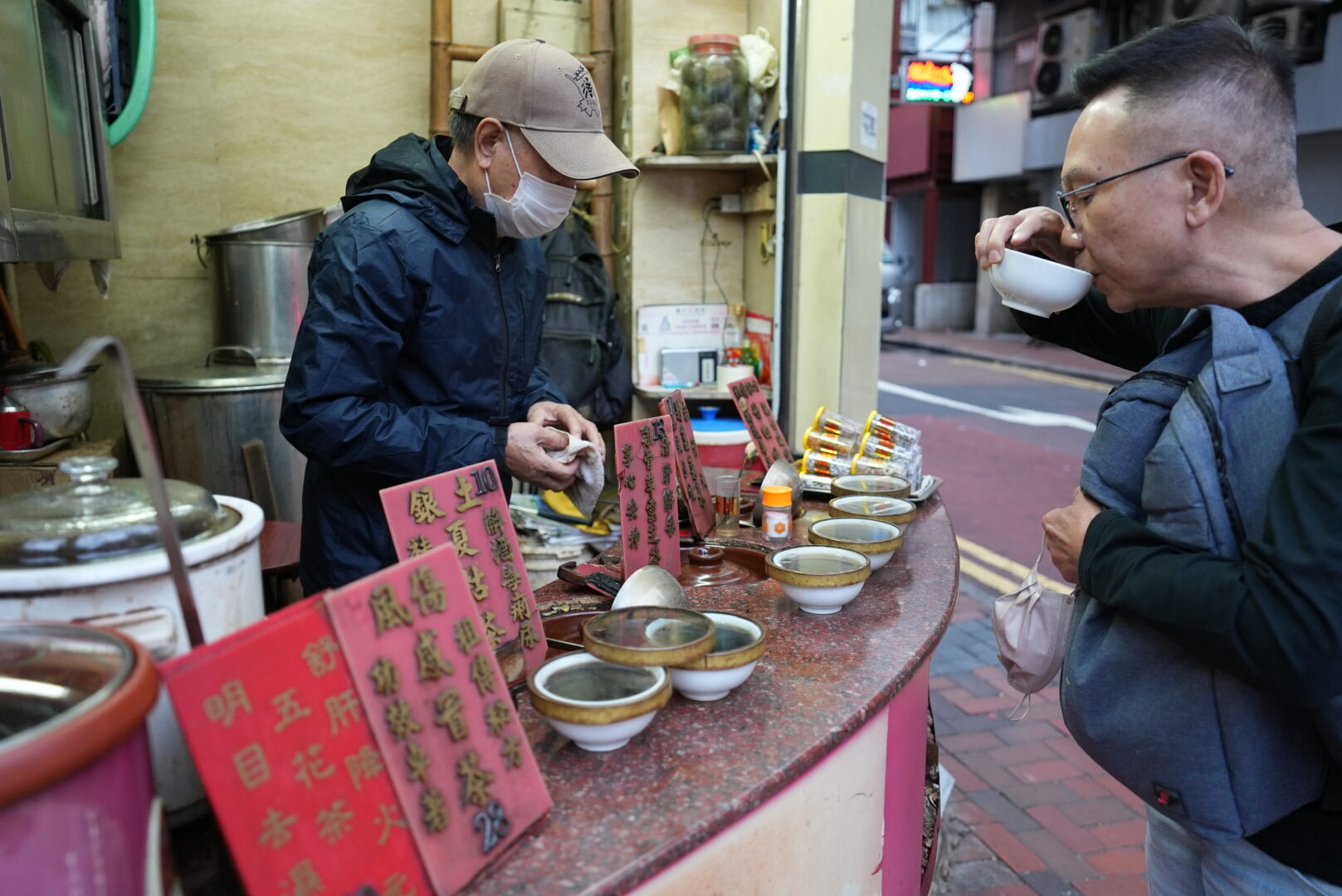
Then: roast goose, wonton noodles, claypot rice in winter, and street food from the remaining dai pai dong stalls. See our food guide.
Practical notes
Getting there: Hong Kong International is one of Asia’s major hubs. From the mainland: high-speed rail to West Kowloon, or the land crossings from Shenzhen.
⚠️ The visa trap: Hong Kong runs its own immigration system, so going there counts as leaving mainland China. On a single-entry Chinese visa you will not get back in. See the visa guide — this catches people out constantly.
Money and payments: Hong Kong dollars, Octopus card for transport, and note that mainland payment apps have limited coverage here. Cards work everywhere.
Language: Cantonese and English are both official. Mandarin is widely understood and not always the preferred choice.
When: October to December is the best weather — dry, mild, clear. Summer is hot, humid and typhoon season. See when to visit.
Nearby: Macau by ferry or across the bridge, Shenzhen over the border, Guangzhou an hour by train.
- #hong kong
- #city
- #hiking
- #dim sum
- #harbour