
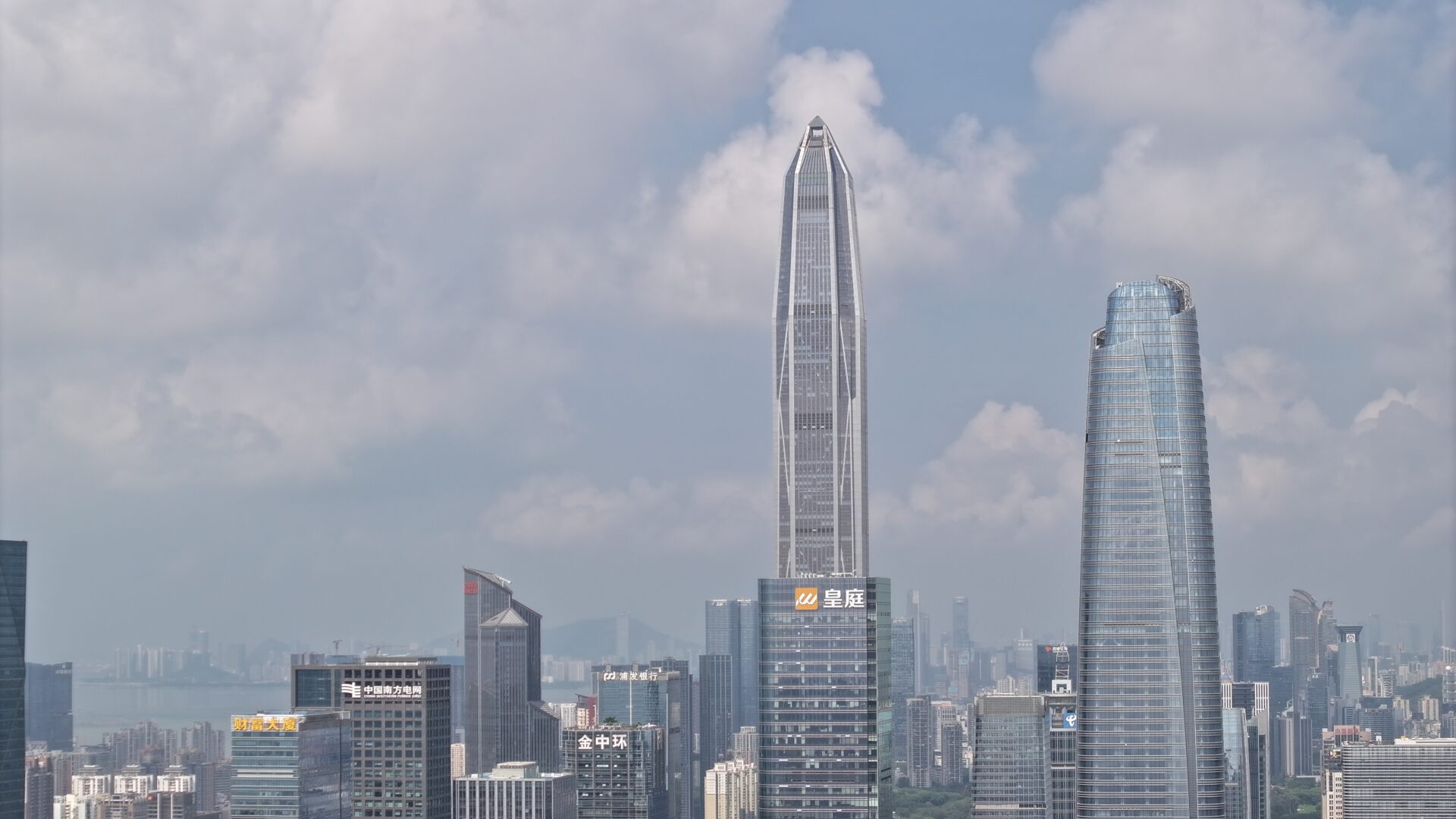
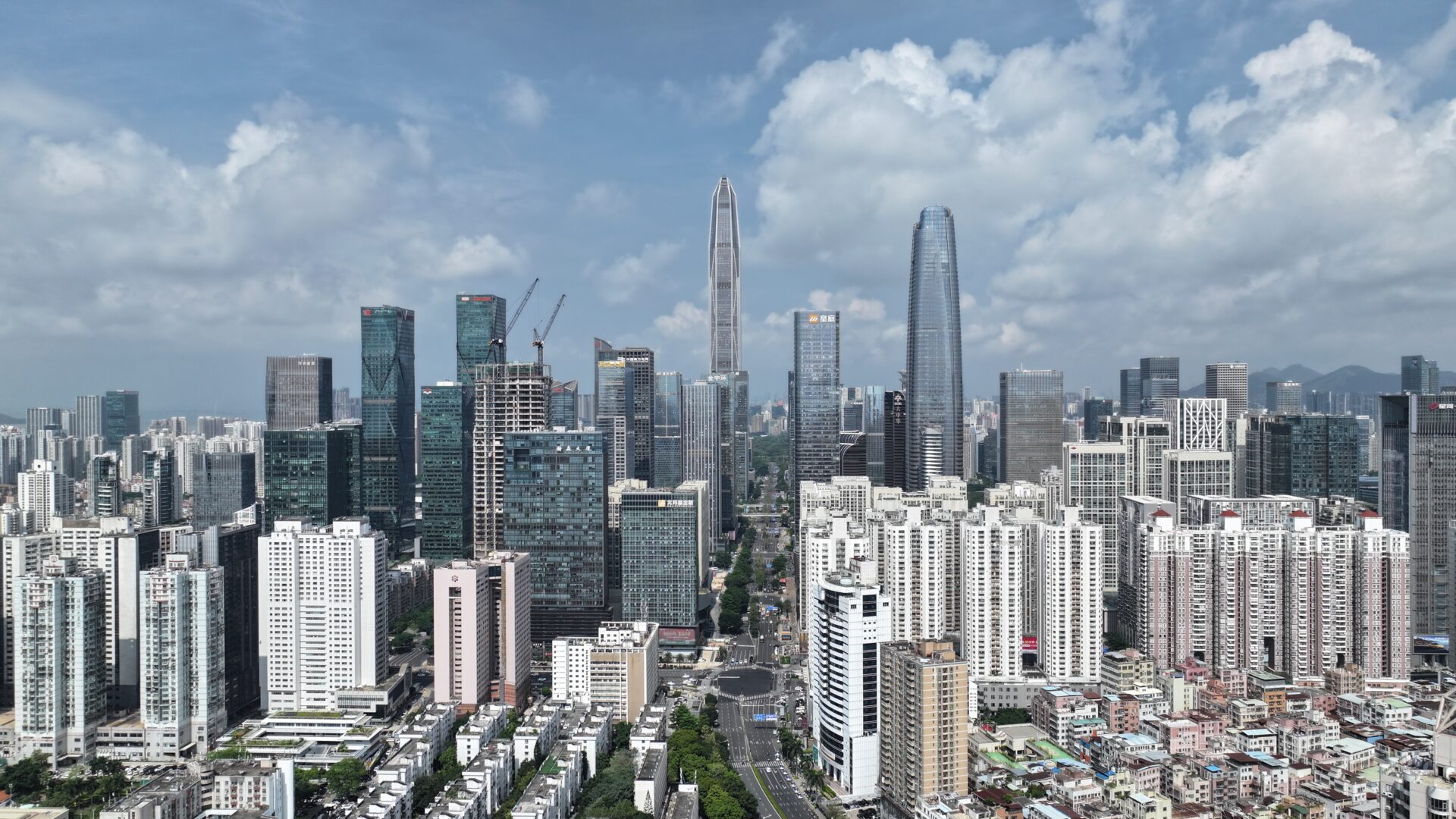
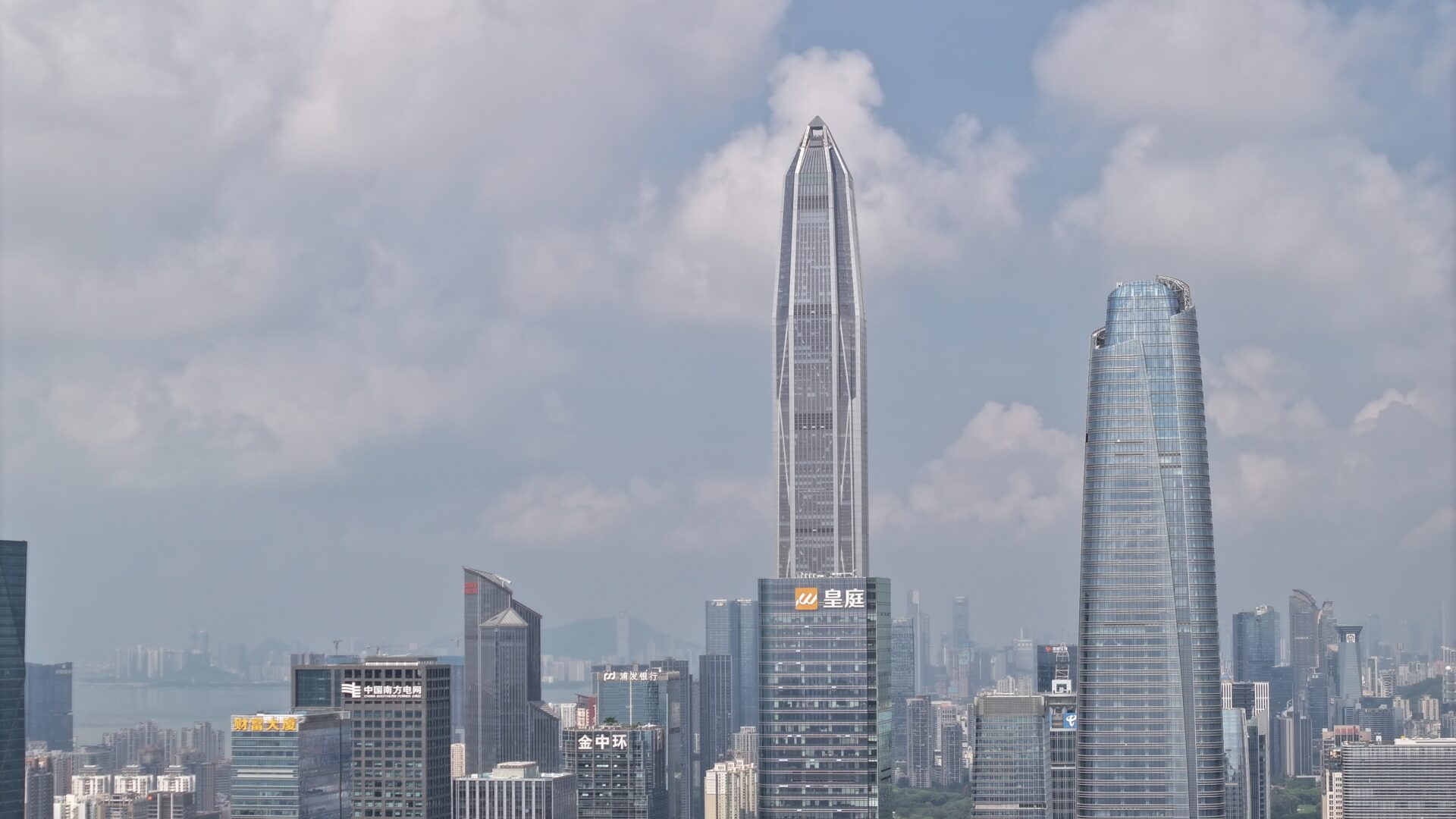
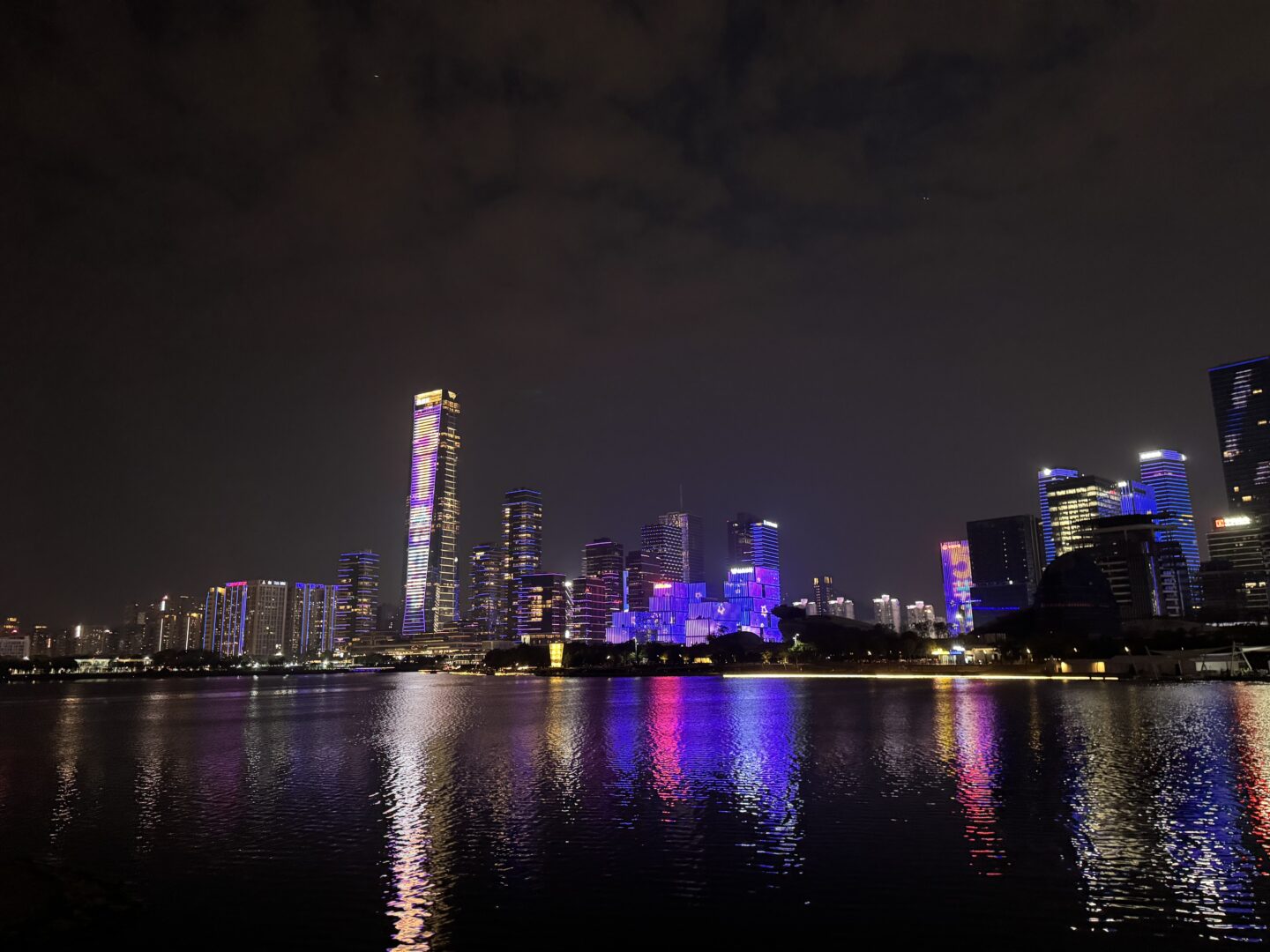
Shenzhen is the fastest-built major city in human history. The skyline is the advertisement; the urban villages behind it are the actual story, and the better place to eat.
In 1979 this was a county of fishing and farming villages next to the Hong Kong border with a population in the low hundreds of thousands. It was made China’s first Special Economic Zone in 1980. It now holds something like seventeen million people.
No city has been built that fast, and it shows in a specific way: Shenzhen has no old town. There’s no historic core, no ancient temple at the centre, no street pattern inherited from a previous century. Everything you’re looking at was built by someone still alive.
The urban villages
This is where the actual interest is, and the reason to spend a day here rather than looking at towers.
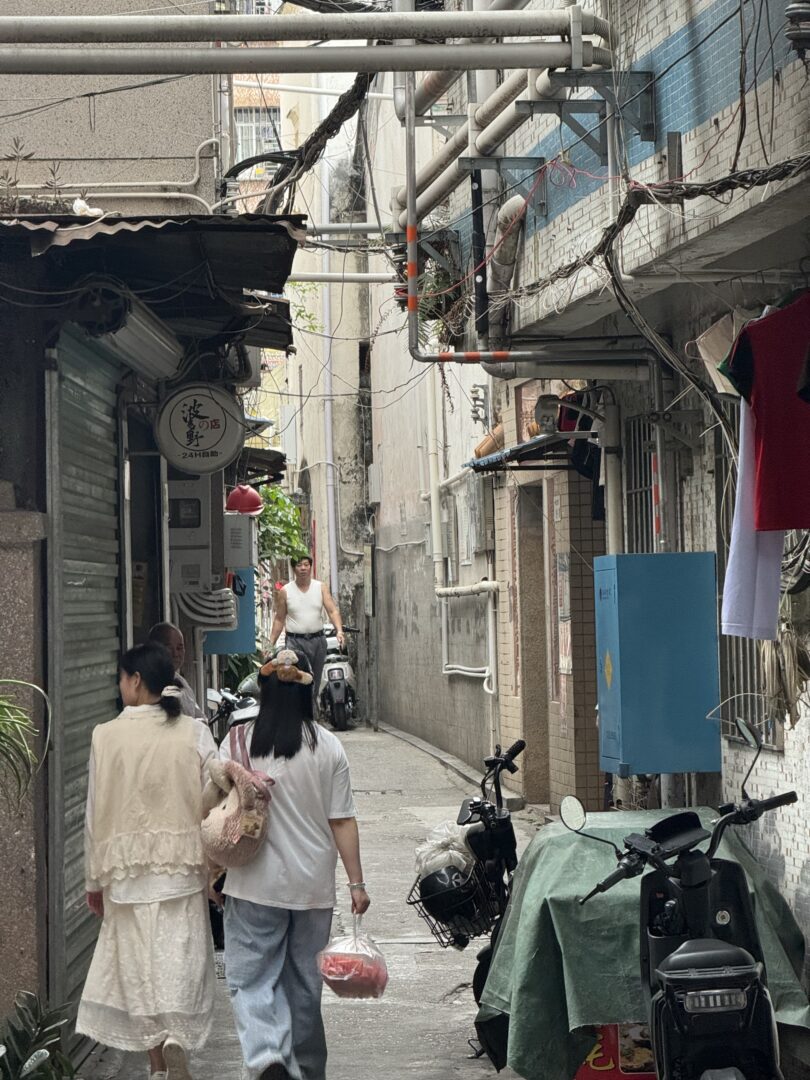
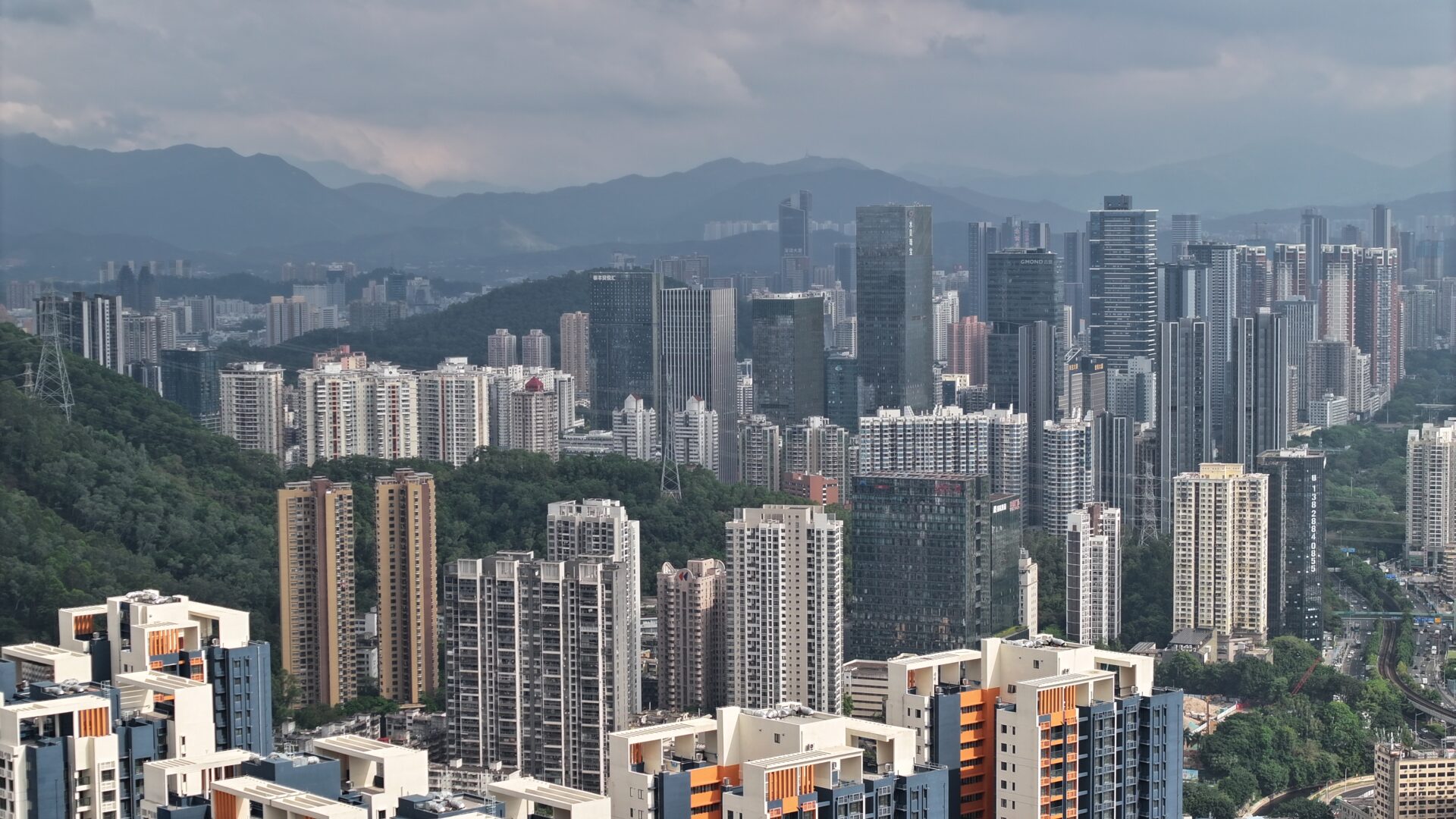
When the city expanded, it grew around the existing villages rather than clearing them. Those settlements kept their collective land rights, and their residents built upward — six, eight, ten storeys, with only a couple of metres between buildings. The results are called urban villages (城中村), and they are dense, tangled, cheap and completely alive.
Baishizhou, Caiwuwei and dozens of others sit surrounded by glass office blocks, and they are the reason the city functions. They’re where a new arrival can rent a room for a fraction of the market rate, where the delivery riders and cleaners and shop staff and junior engineers live, and where somebody’s first Shenzhen year happens.
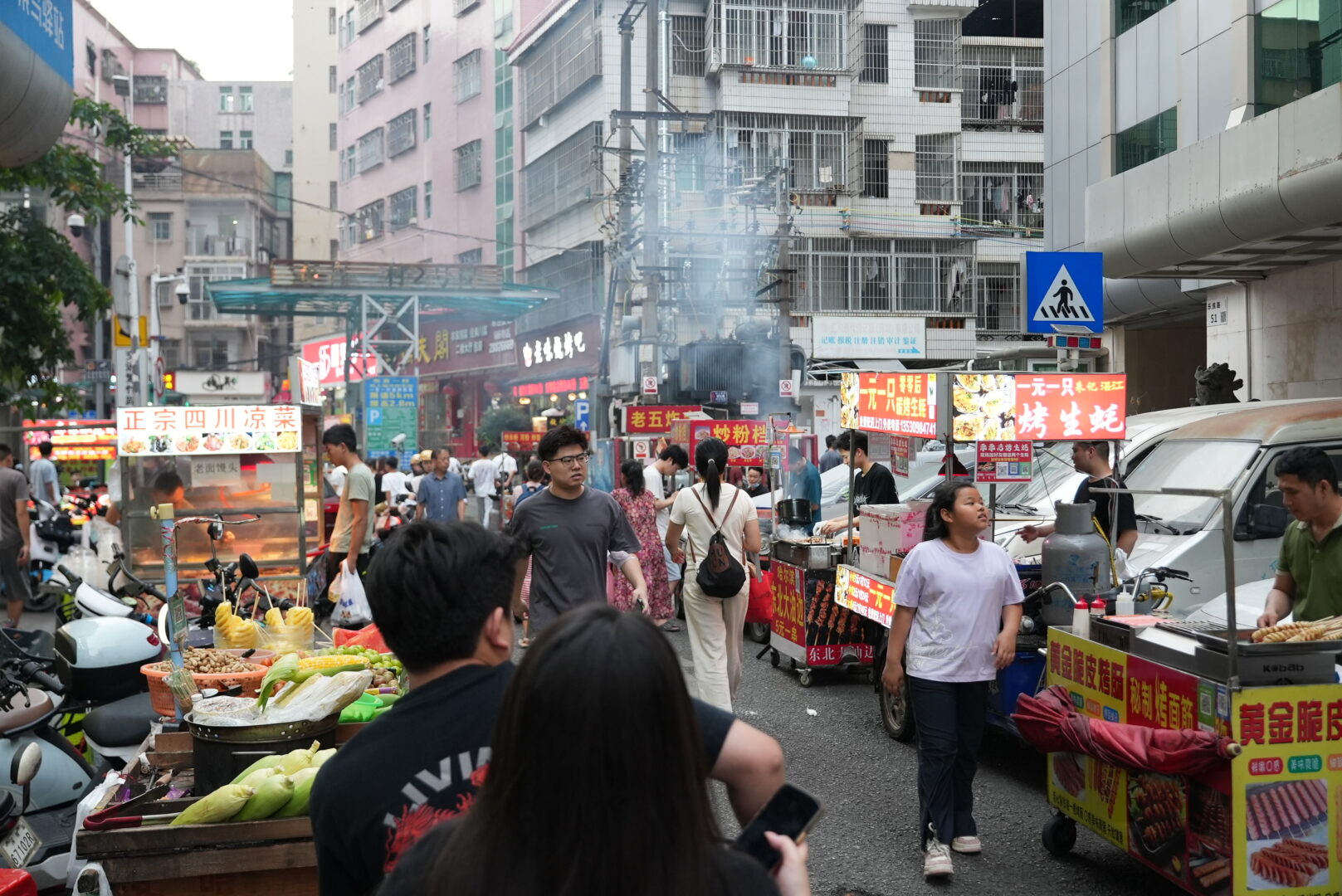
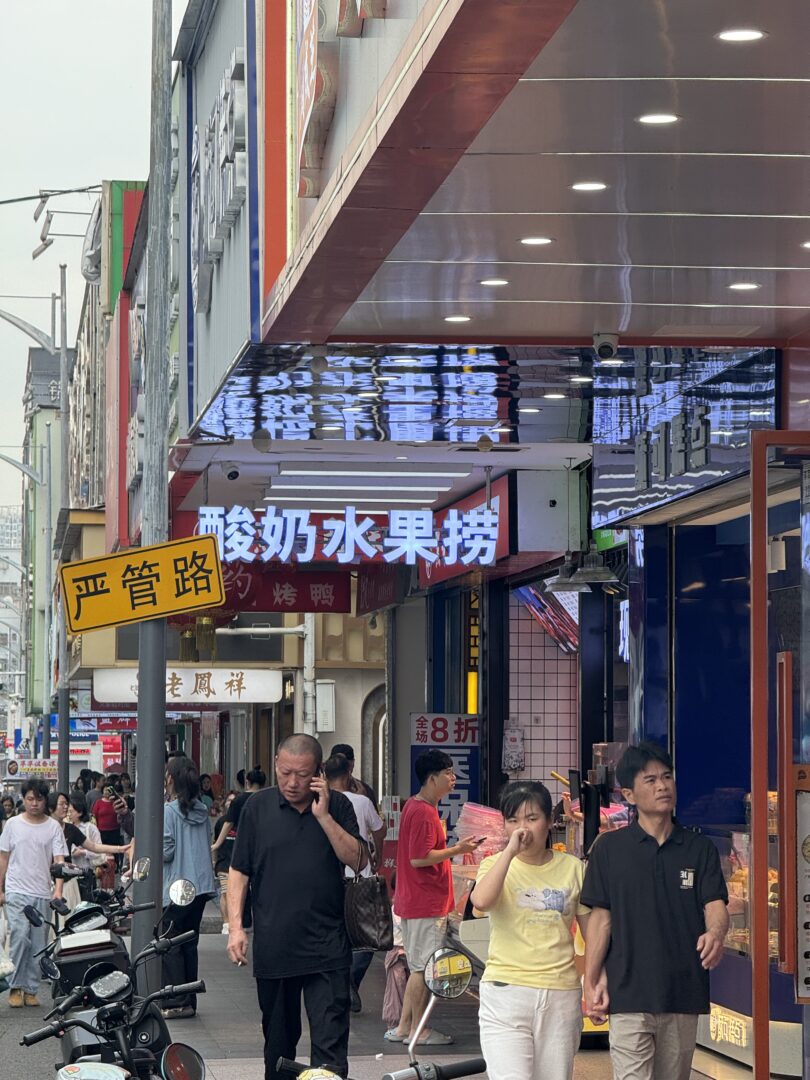
Walking one is a genuine experience: alleys wide enough for a scooter, laundry overhead blocking the sky, a barber, a phone-repair booth, a fruit stall, a mahjong table, and food every ten metres.
An urban village alley — this is where the city’s labour lives
They’re also disappearing. Redevelopment has removed several and is working through others, and what replaces them is expensive. Worth seeing now.
The food, which follows the migration
Shenzhen has no native cuisine, because it has almost no natives. What it has instead is every regional cuisine in China, brought by whoever moved here, and concentrated in the urban villages where rents allow a two-table restaurant to survive.
On one alley you’ll find Hunanese stir-fries, Sichuan hotpot, northeastern dumplings, Cantonese roast meat, Guilin rice noodles and a Xinjiang lamb-skewer stand. All cheap, all cooked by someone from that province. It is arguably the most efficient way to eat across China without leaving a postcode — see our food guide for the map.
The other Shenzhen
- Huaqiangbei — the largest electronics market on earth, multiple towers of components, tools, phones and everything adjacent. Even if you’re buying nothing, the scale of it is worth an hour.
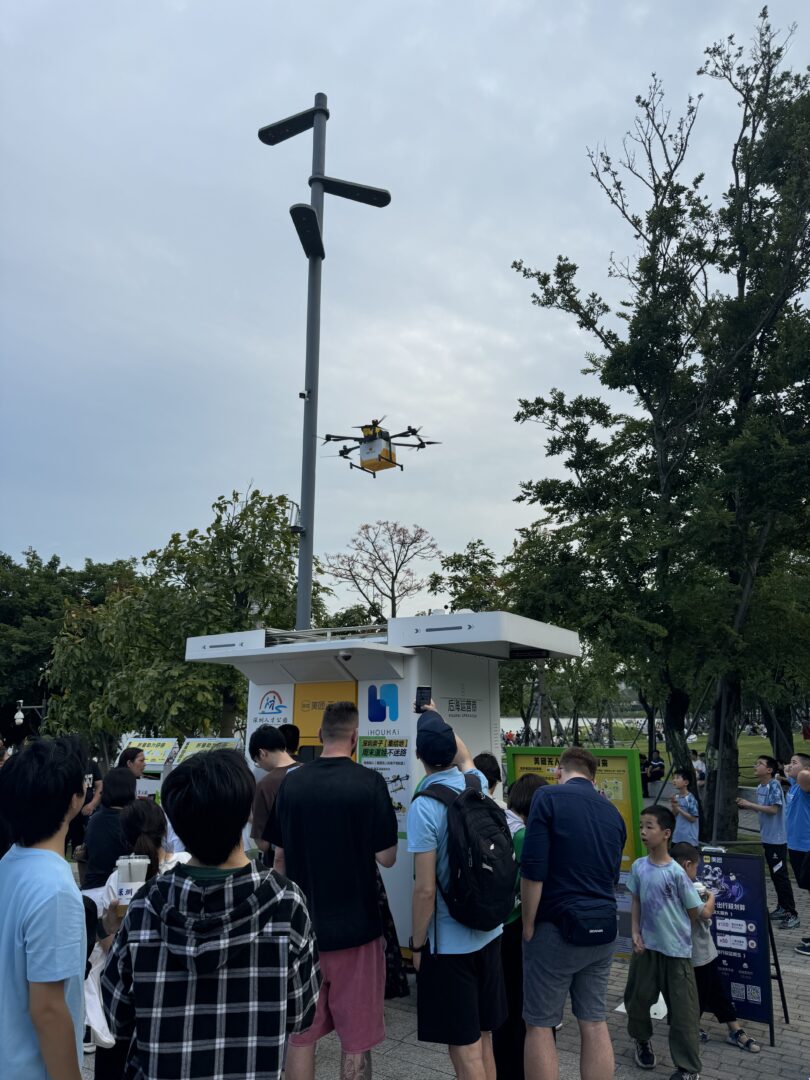
- The tech city — drone delivery, driverless taxis in some districts, and the most skyscrapers of any Chinese city
- Nightlife with no traditions to respect, which makes it the most unselfconscious in the country
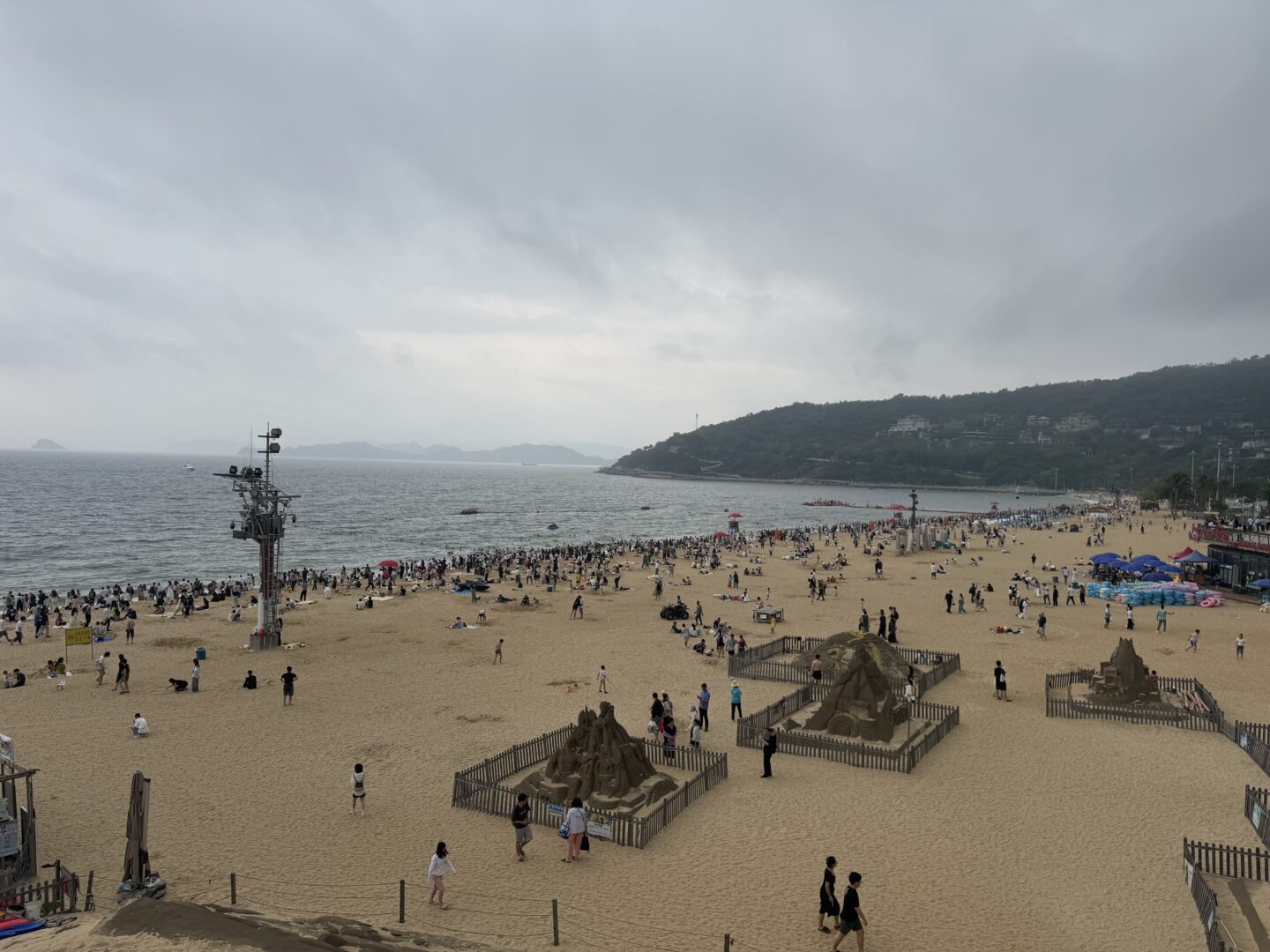
- Beaches — the Dapeng peninsula in the east has genuinely good coastline and hiking, an hour from the centre
- Hong Kong is a metro ride and a border crossing away; note the visa implications if you’re on a single-entry Chinese visa
Practical notes
Getting there: Bao’an international airport, high-speed rail from across the country, and multiple land crossings from Hong Kong.
When: October to April. Summer is hot, humid and inside the typhoon belt.
Nearby: Guangzhou upriver, Hong Kong over the border, Shunde for food, and Macau across the delta.
- #guangdong
- #shenzhen
- #urban villages
- #tech
- #migration