
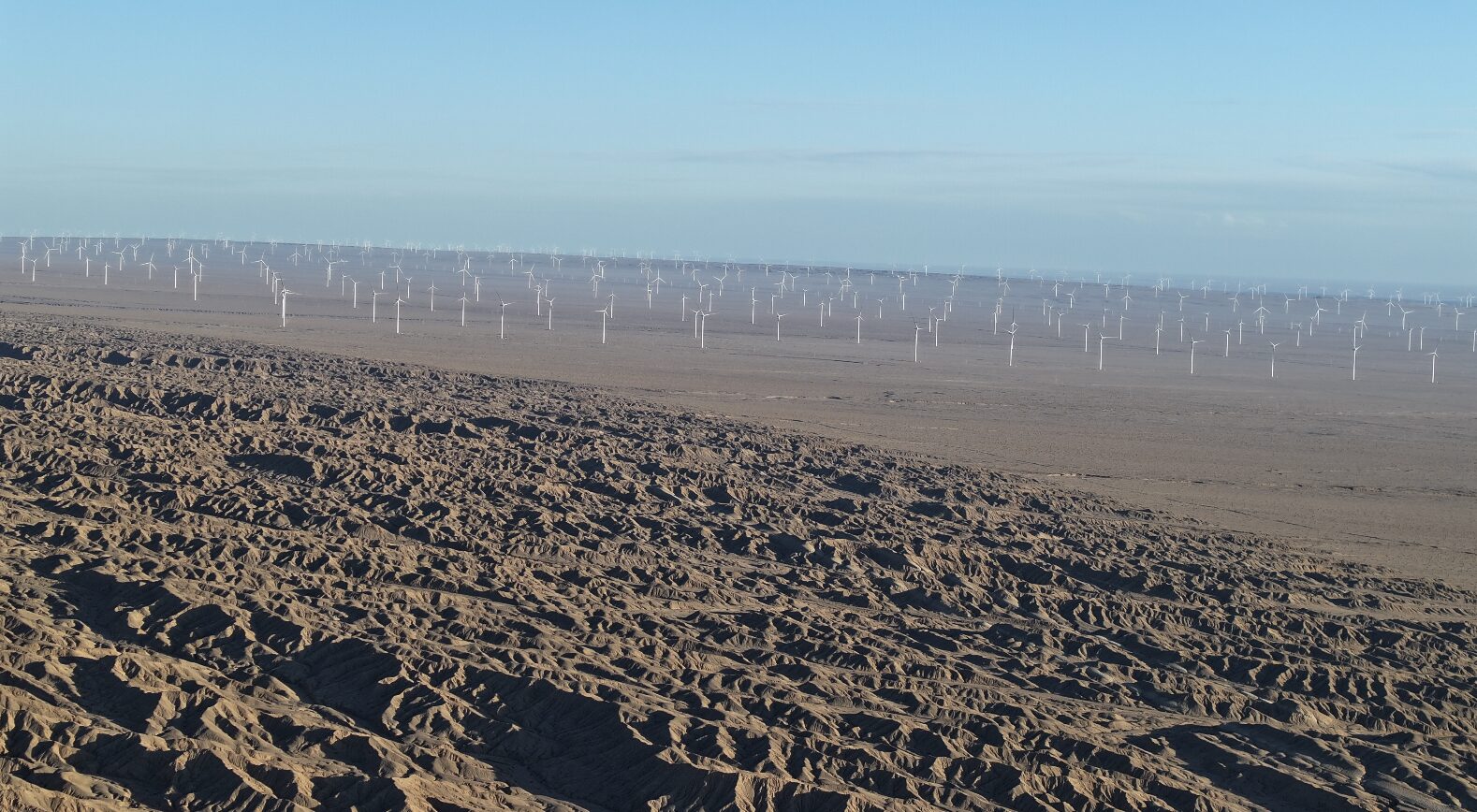
The Qaidam is a high desert basin ringed by mountains, floored with salt, and dotted with mineral lakes in colours that look wrong. It's the emptiest driving in China.
The Qaidam basin occupies the northern third of Qinghai: a high desert plateau at roughly 2,700 to 3,000 metres, ringed by the Qilian, Kunlun and Altun mountains, with no outlet to the sea.
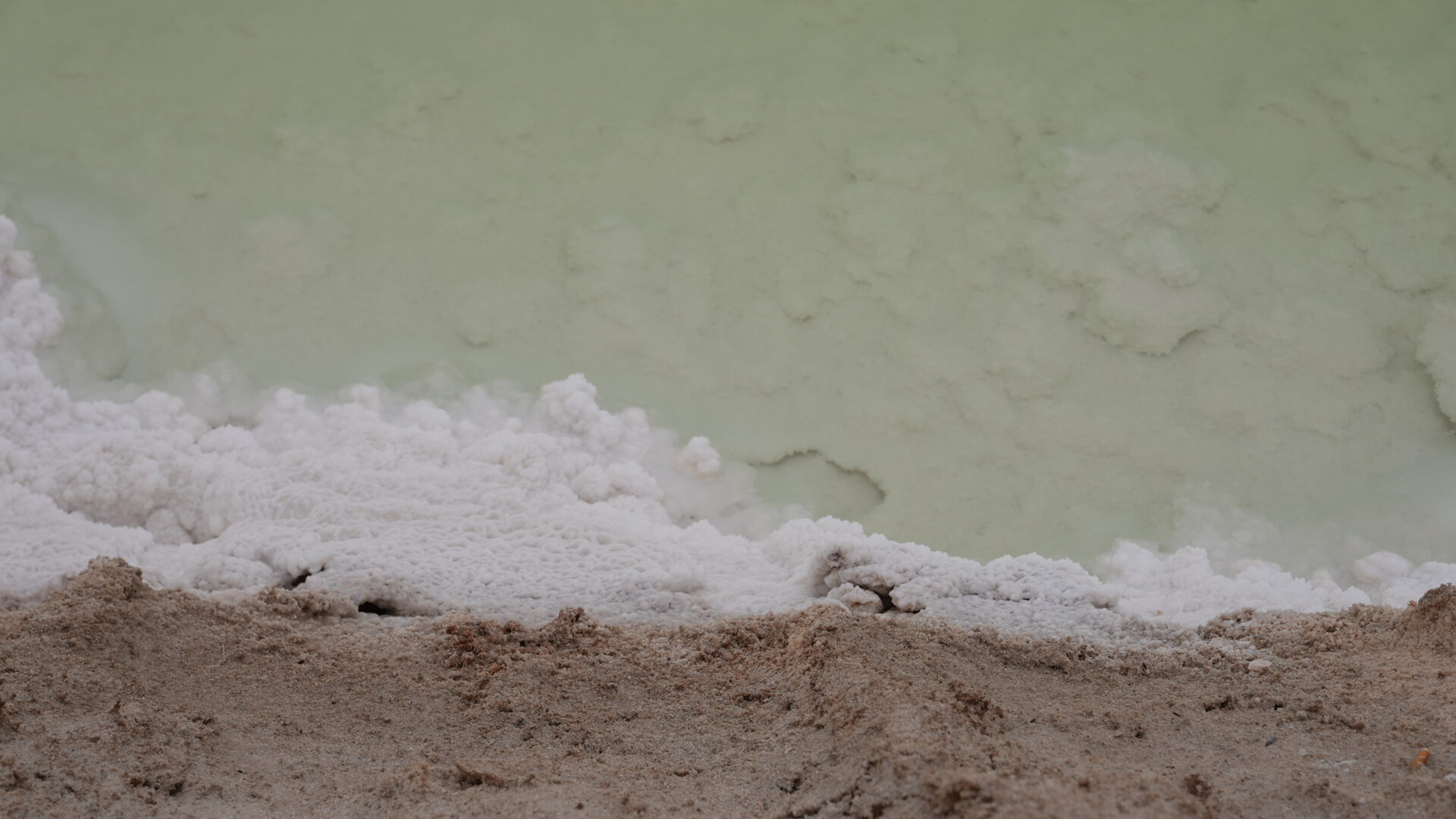
Which is why it’s floored with salt. Water has been draining into this basin for millions of years and leaving its minerals behind, and the result is one of the largest concentrations of salt, potash, lithium and magnesium deposits anywhere on earth.
The visual effect is not like anywhere else in China.
The lakes
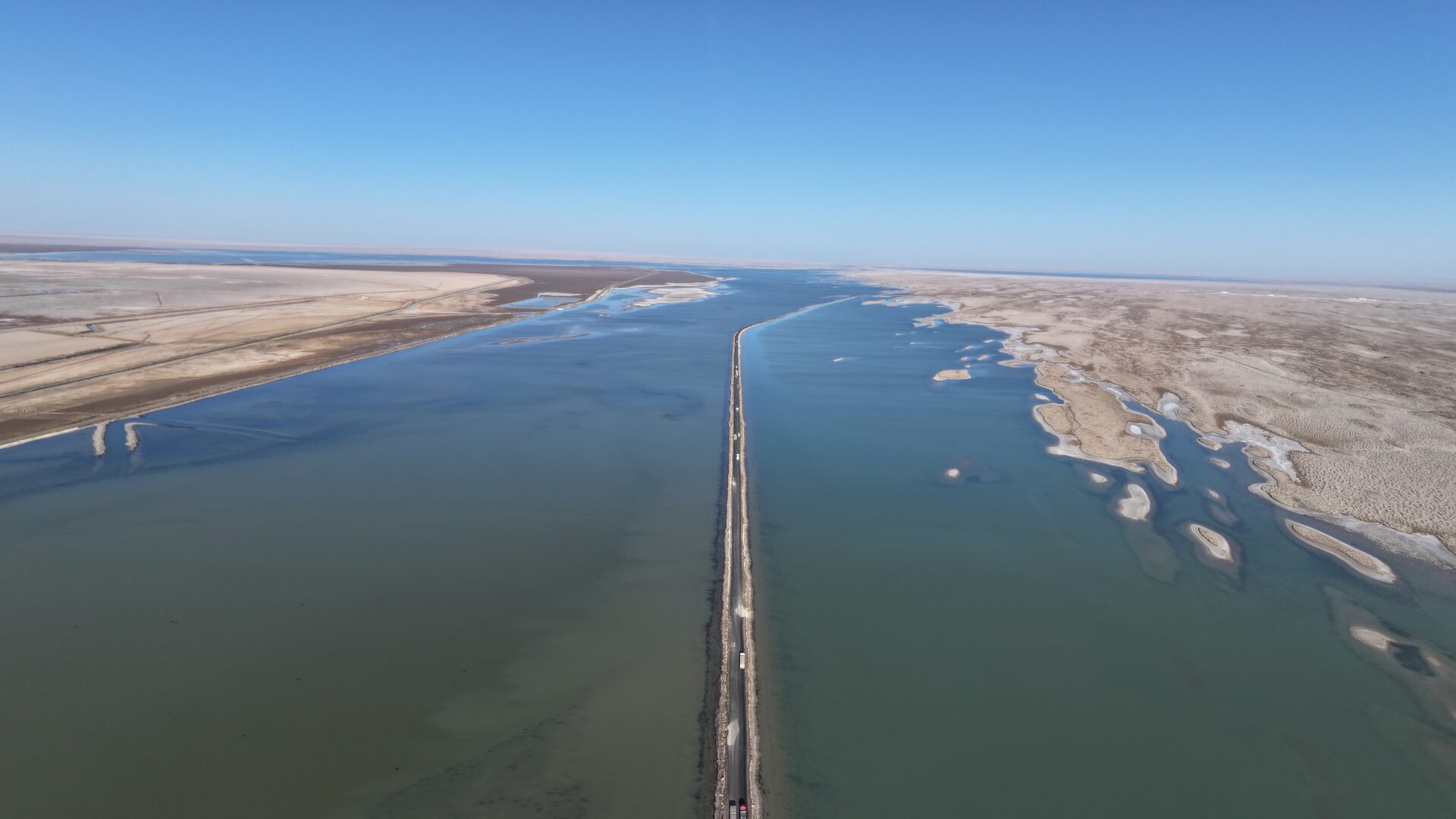
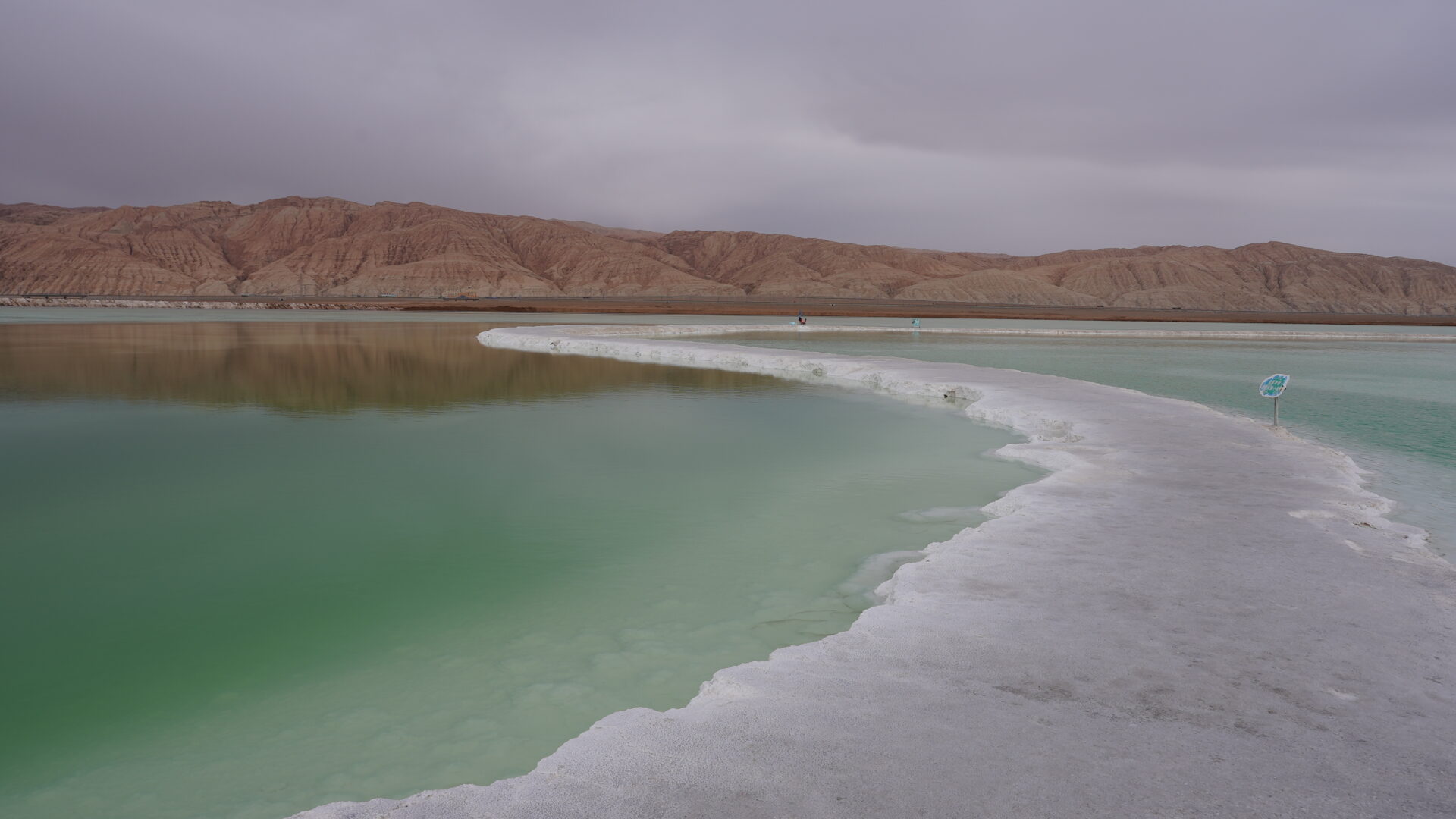
Chaka salt lake is the accessible one, at the eastern edge — a shallow brine pan crusted white, with a narrow-gauge railway running out across it and, when the wind drops, a mirror surface that reflects the sky completely. It’s popular, it’s ticketed, and it’s still remarkable.
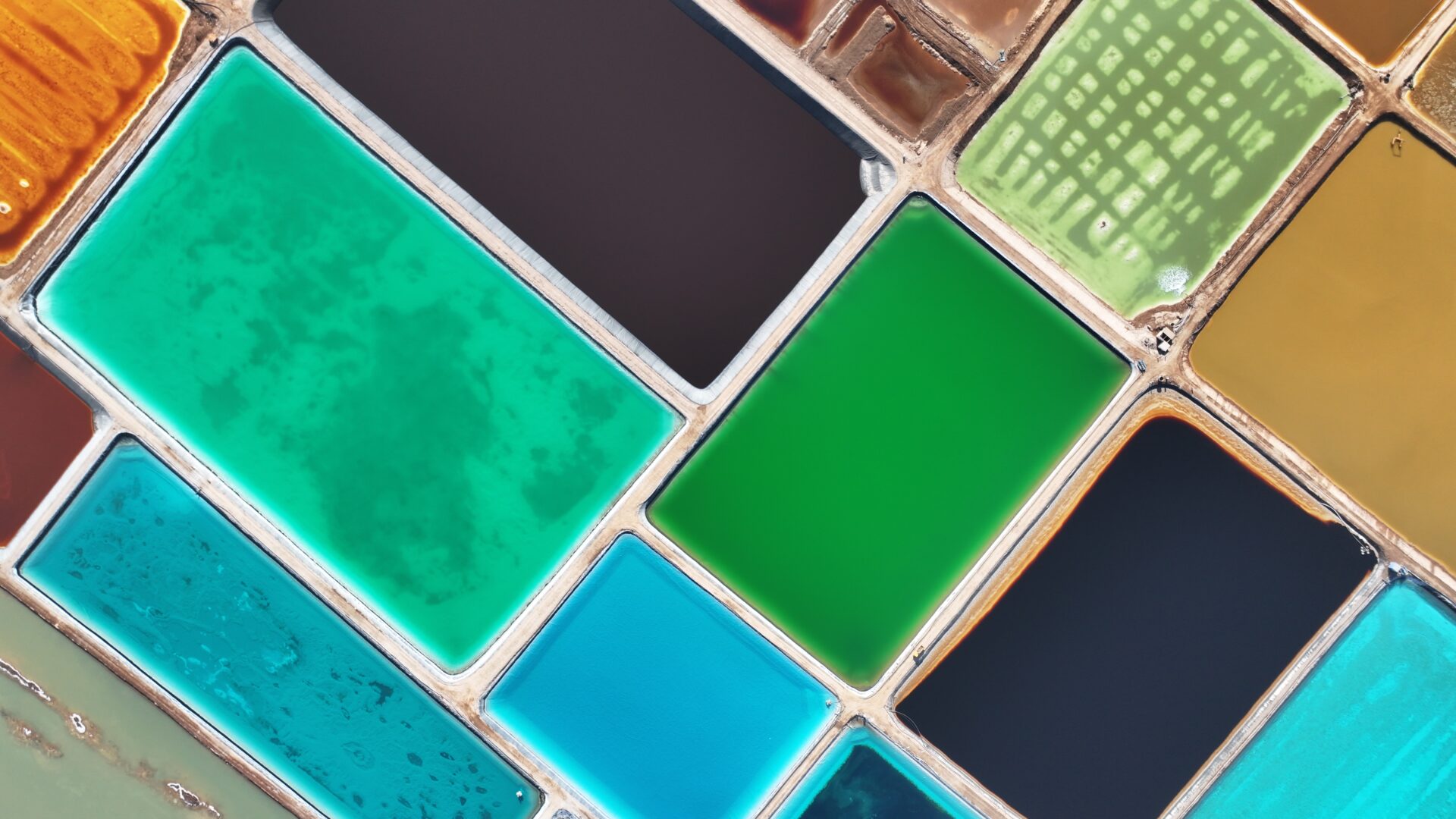
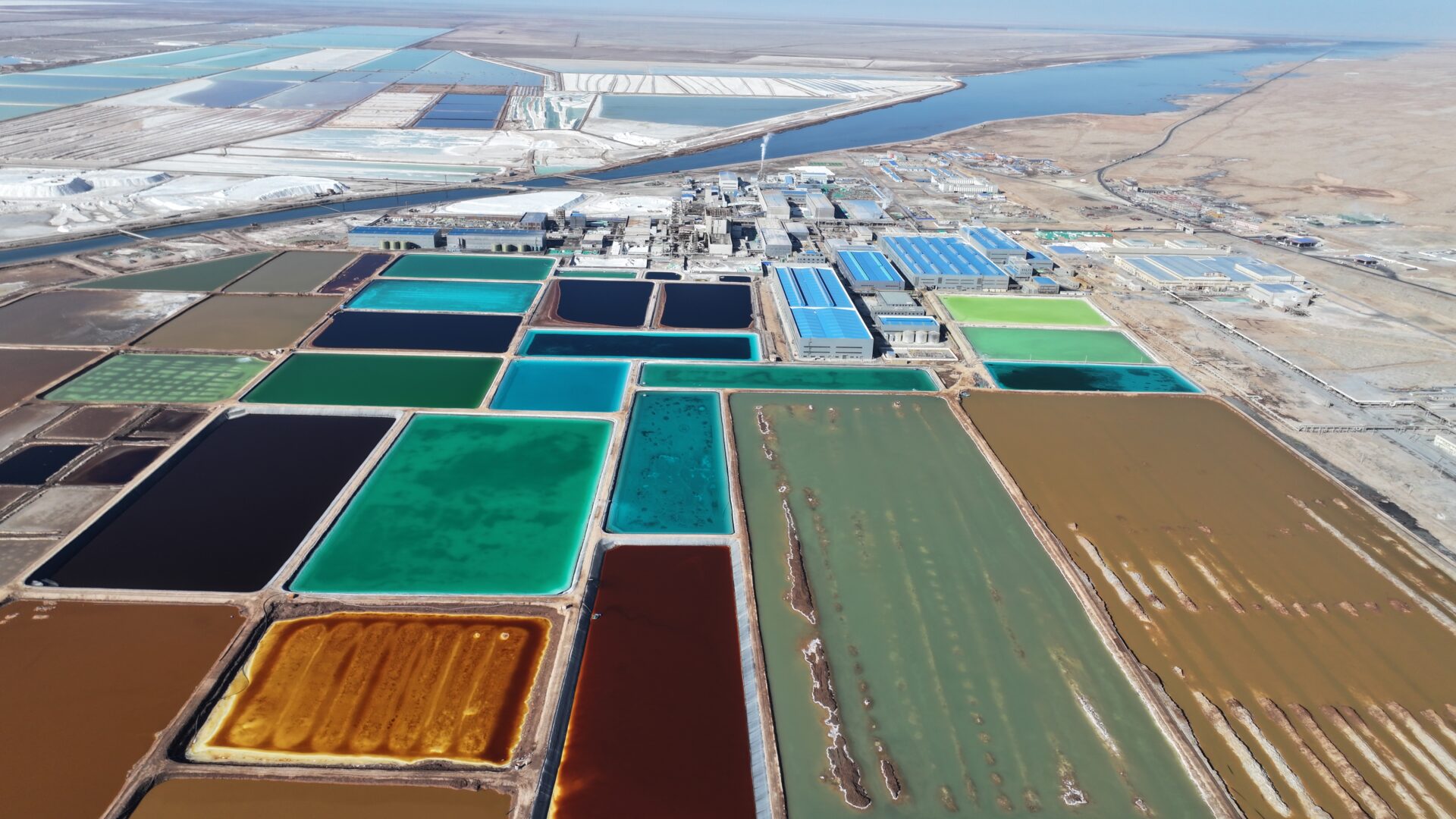
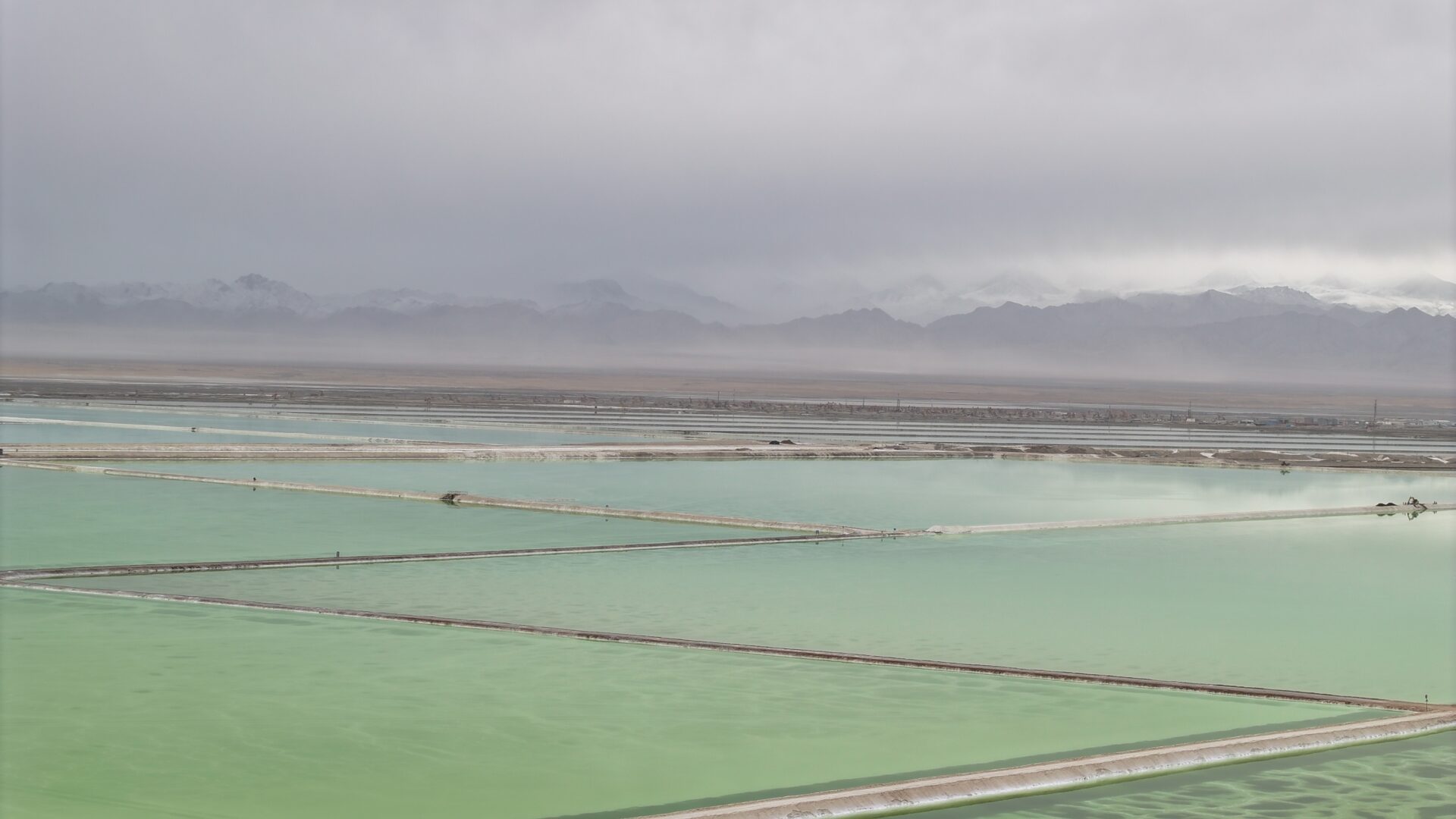
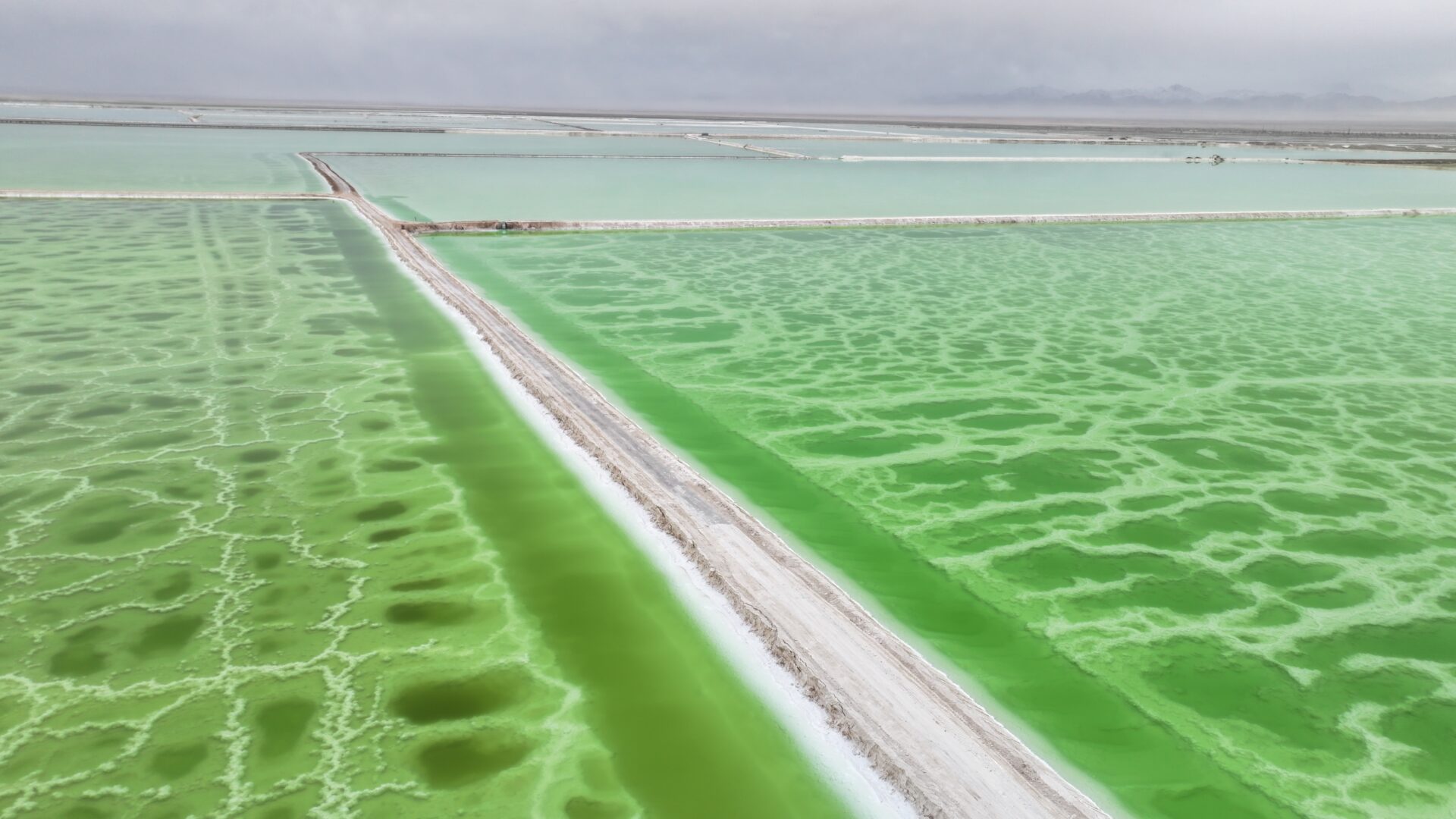
Further west, in the industrial salt districts around Golmud and Da Qaidam, are the emerald pools: evaporation ponds and natural brine lakes in greens and turquoises that read as artificial in photographs. The colour comes from dissolved mineral content and depth, and it changes across a single pond.
Some of these are working extraction sites. Others are open. Ask locally about access rather than driving onto a salt pan and finding out the hard way that the crust doesn’t hold a vehicle.
The fossil desert
Parts of the basin are yardang — wind-eroded ridges of soft sediment, aligned with the prevailing wind, running in parallel for tens of kilometres. Driving through them feels like moving through the wake of something enormous.
The sediment holds the record of what this place used to be: an inland sea, then a lake system, then a drying basin. Fossil beds are extensive, and the geology is legible in the road cuts.
Living here
Sparse, and specialised. Salt and potash workers in company towns, oil workers at the fields, and Tibetan and Mongol herders on whatever ground supports grazing.
The towns are functional — Golmud, Delingha, Da Qaidam — built for industry rather than for looking at, and hospitality in them is straightforward and warm in the way it usually is where visitors are rare. The food is northwestern: lamb, wheat, noodles, and tea with everything.
The driving
This is the reason people come. Hundreds of kilometres of straight, well-surfaced road across a basin floor with mountains on the horizon and nothing in between — not a settlement, not a tree, occasionally not another vehicle for an hour.
The Qinghai–Tibet highway crosses the basin en route to Lhasa, and the G315 west toward Xinjiang is one of the great empty drives in Asia.
At night the sky is exceptional: high, dry, and with essentially no light pollution.
Practical notes
Getting there: Golmud and Delingha have airports and are on the Qinghai–Tibet railway from Xining. The Xining–Golmud train journey is itself worth doing.
Altitude: 2,700–3,000 m on the basin floor, higher on the passes out of it. Enough to feel. Acclimatise in Xining (2,275 m) first.
Driving: fill up whenever you can, carry water, and don’t rely on a phone signal. A Chinese licence is required to drive yourself.
When: May to October. Winter here is severe and the wind is relentless. Spring brings sandstorms.
Nearby: Qinghai Lake and Xining to the east, Dunhuang over the mountains north, and Tongren and Xunhua in the province’s green southeastern corner.
- #qinghai
- #qaidam
- #salt lakes
- #desert
- #road trip