
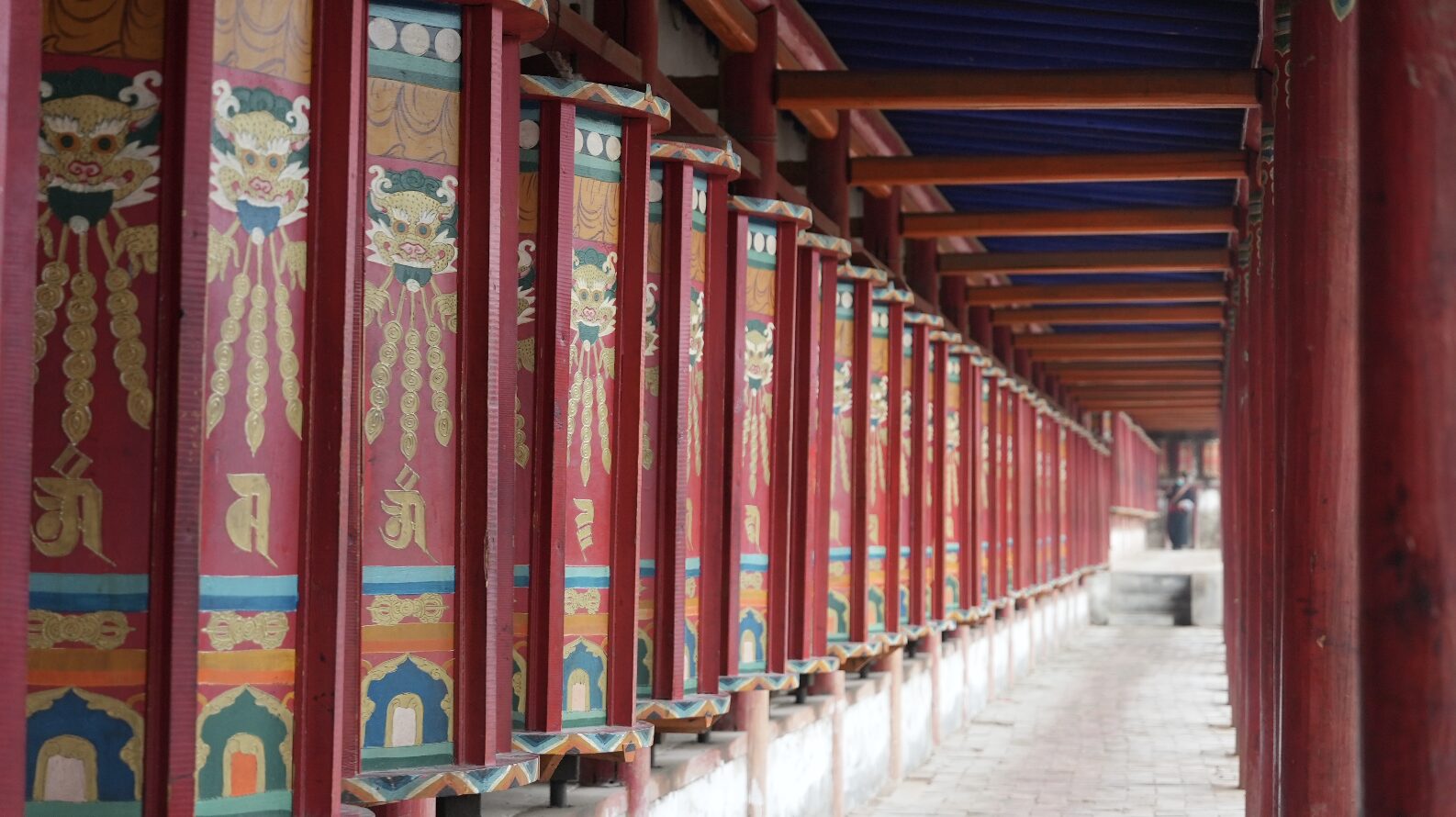
Xunhua county is the homeland of the Salar, a Turkic-speaking Muslim people, and it sits directly against Tibetan Buddhist territory. Two religious worlds share one river valley and one market.
Xunhua sits on the Yellow River in eastern Qinghai, at the seam where the Muslim northwest meets the Tibetan plateau — and the two are not separated by a gradual transition. Within a single valley you’ll pass a mosque, a Tibetan village with prayer flags on the ridge above it, and a market where both communities buy from each other.
The Salar
Xunhua is the homeland of the Salar — one of the smaller of China’s 56 recognised ethnic groups, around 130,000 people, and specifically not Hui and not Uyghur.
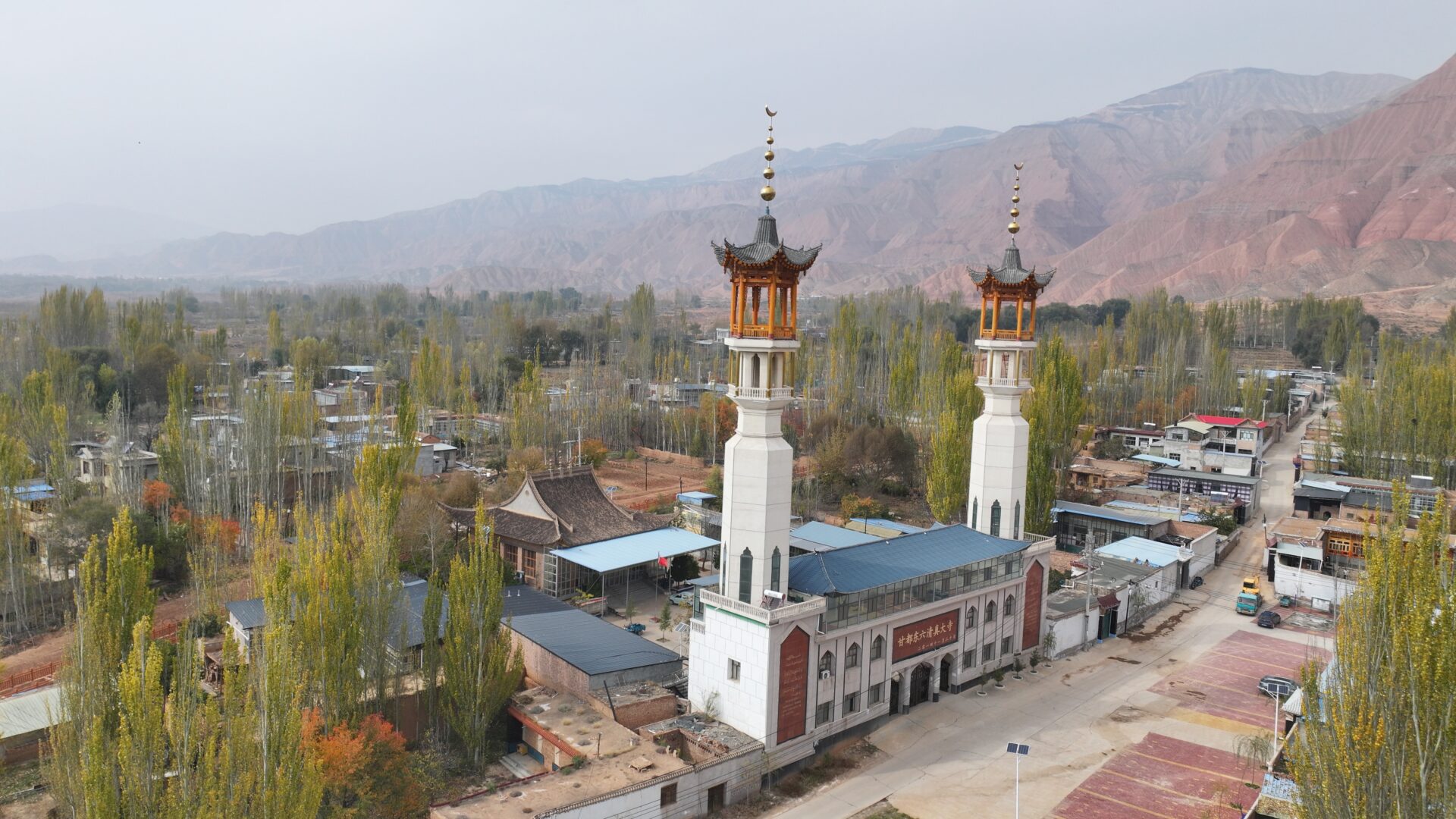
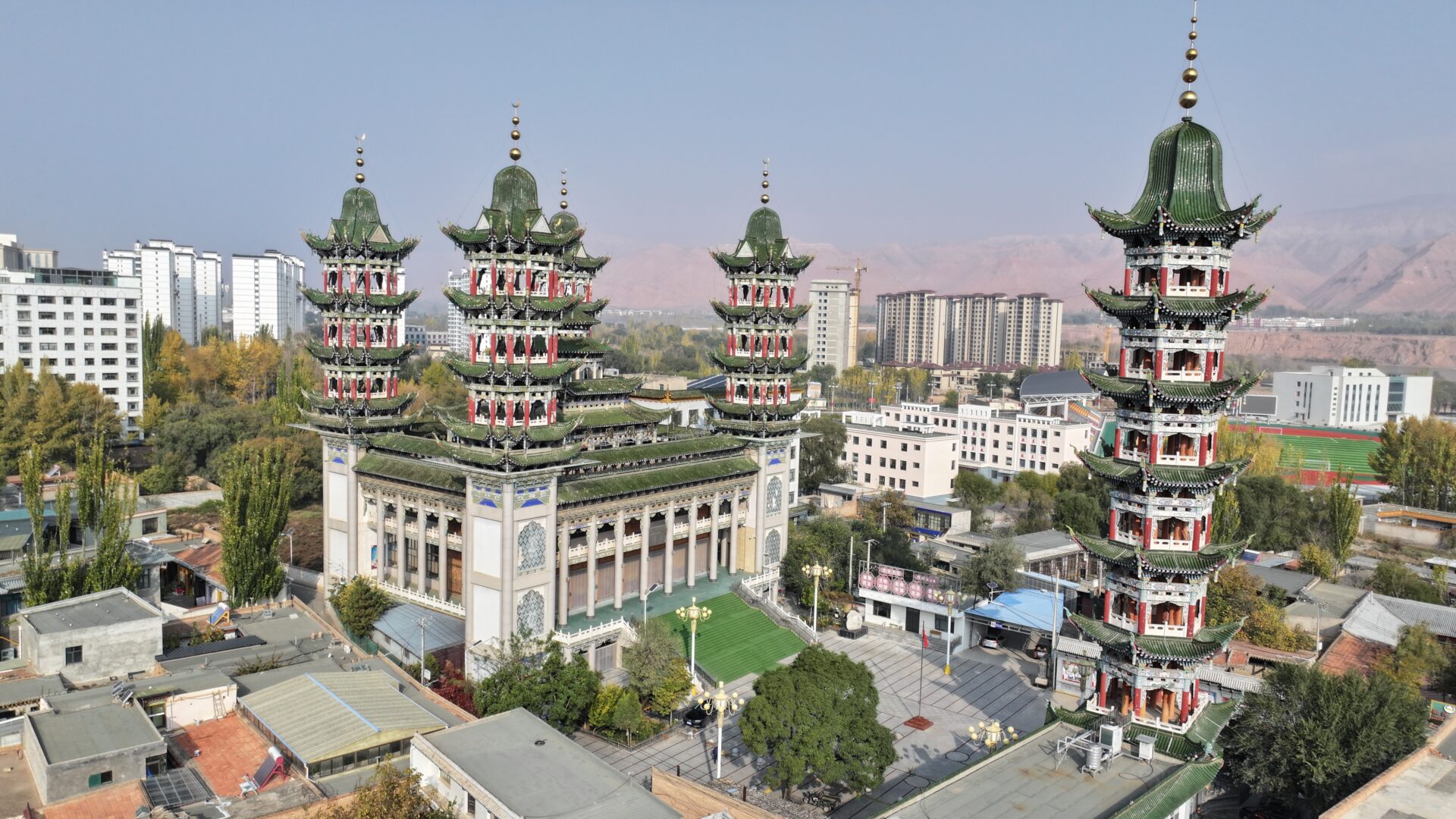
They speak a Turkic language, related to Turkmen, and their own account traces their arrival here to a migration from Samarkand in the Yuan dynasty — a story told with a white camel that turned to stone at the place where they settled, which is still marked. They are Sunni Muslim, and their mosques include some of the oldest wooden mosque architecture in China.
The Salar are also, unusually, known for their river work: historically raftsmen on the Yellow River, running goods downstream on inflated-skin rafts through the gorges.
The Tibetan side
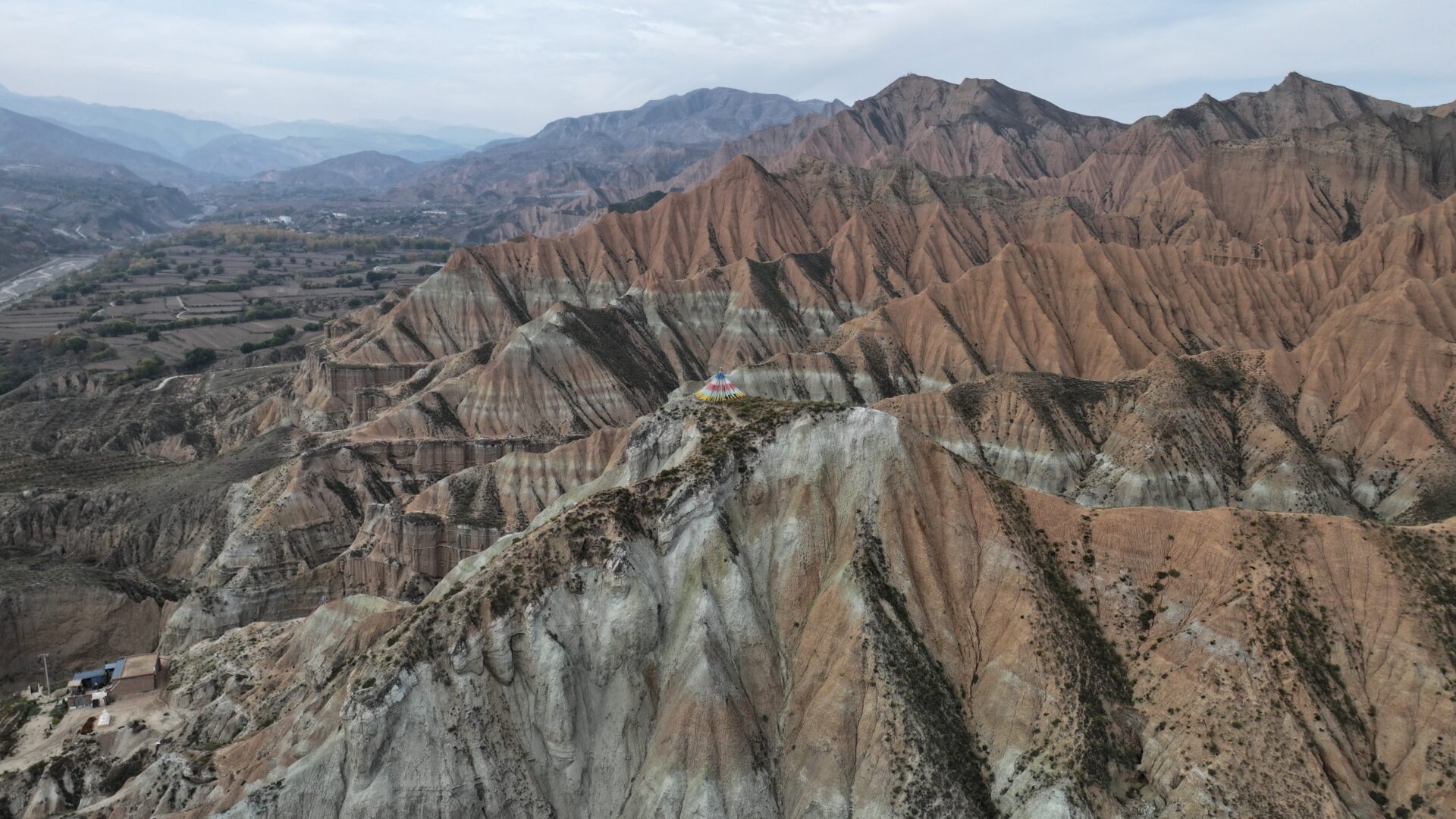
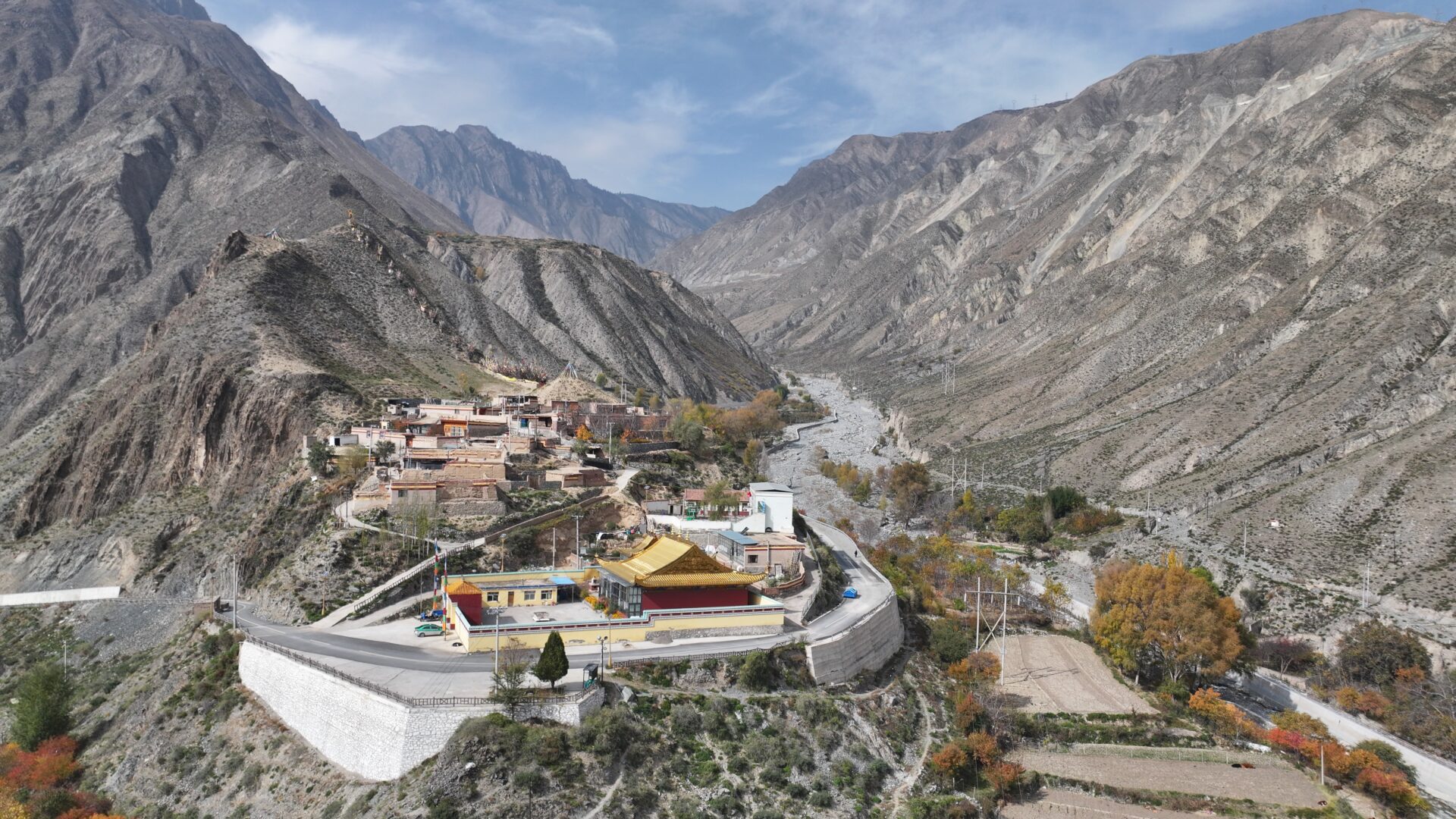
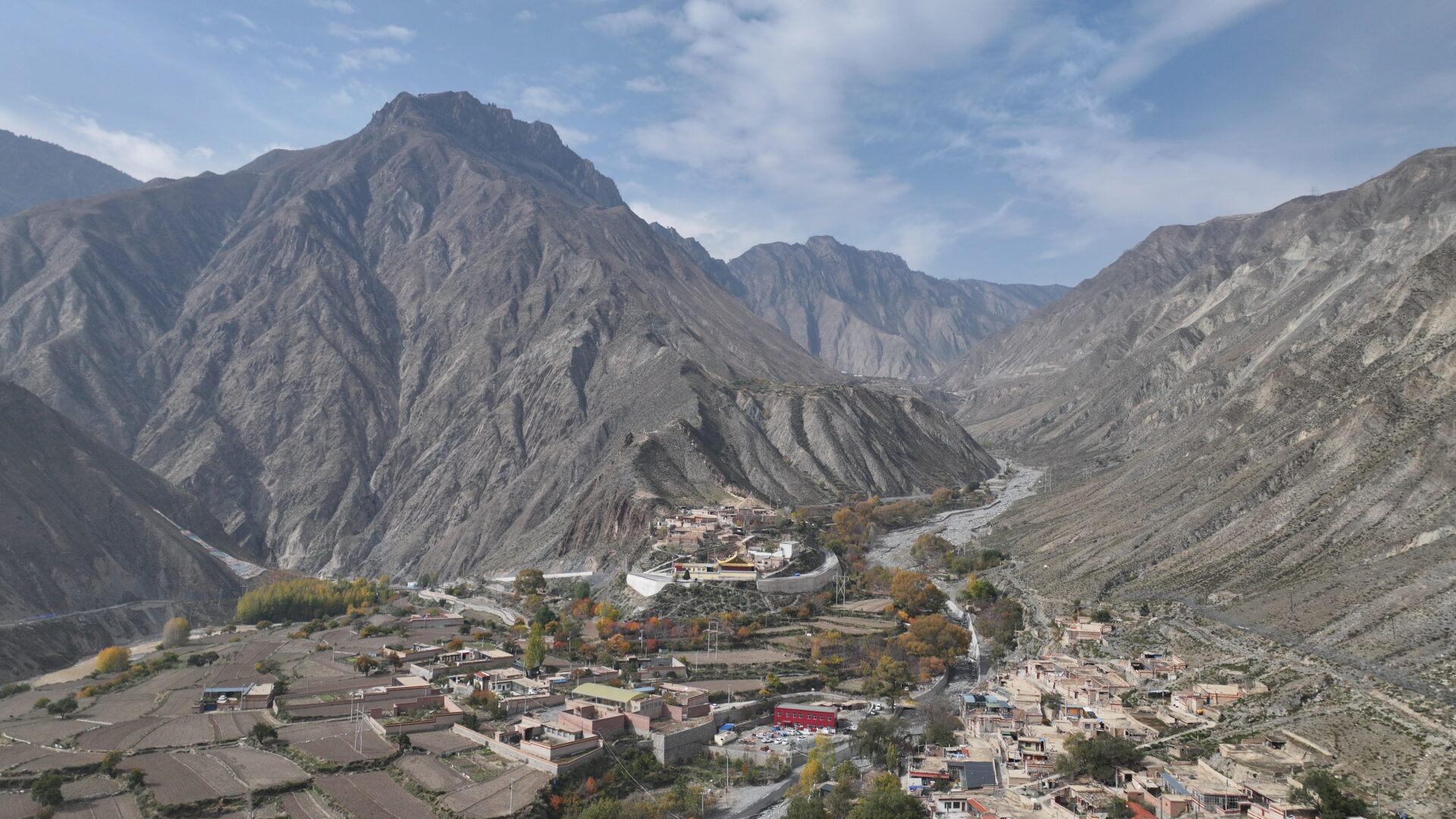
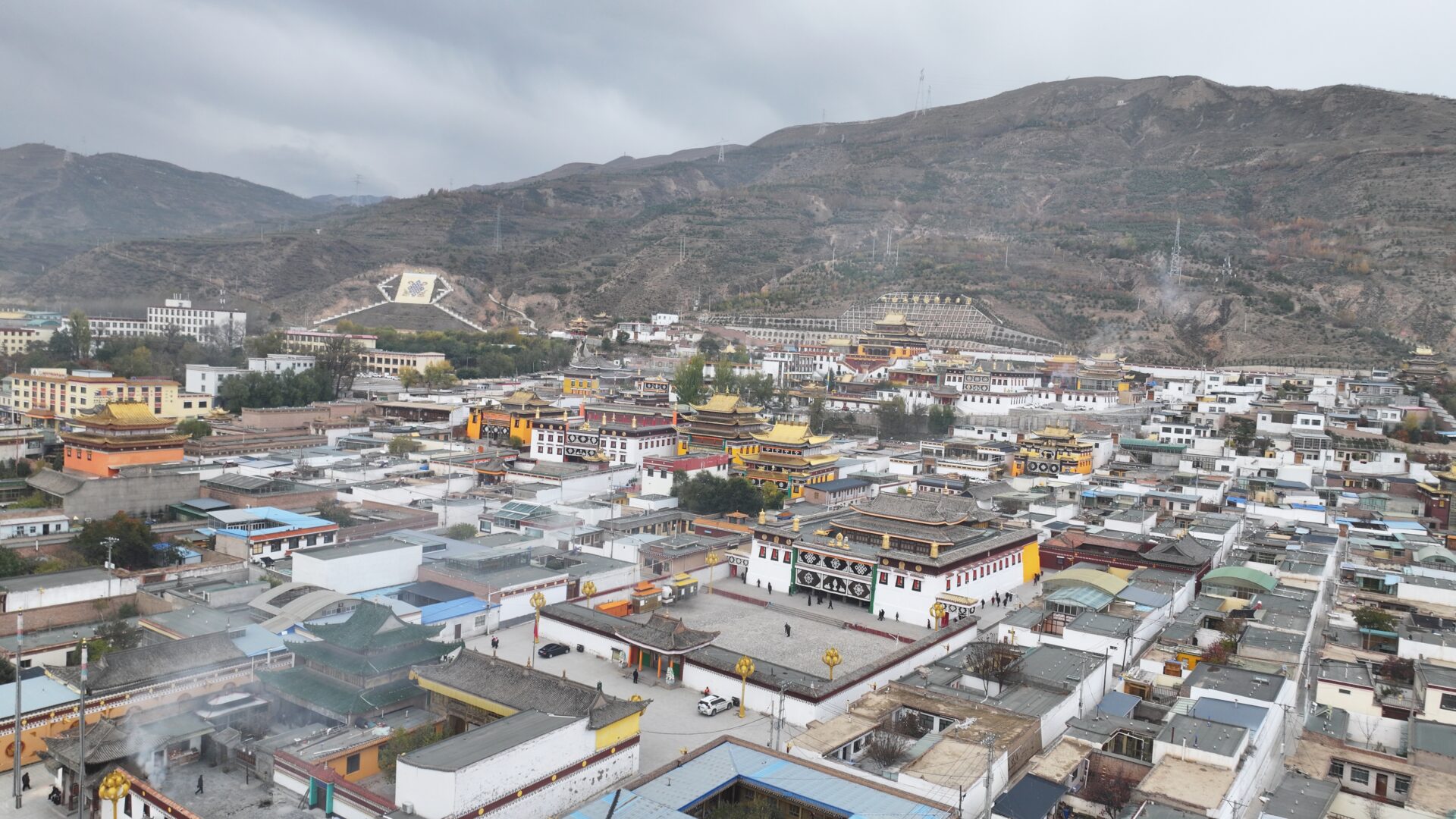
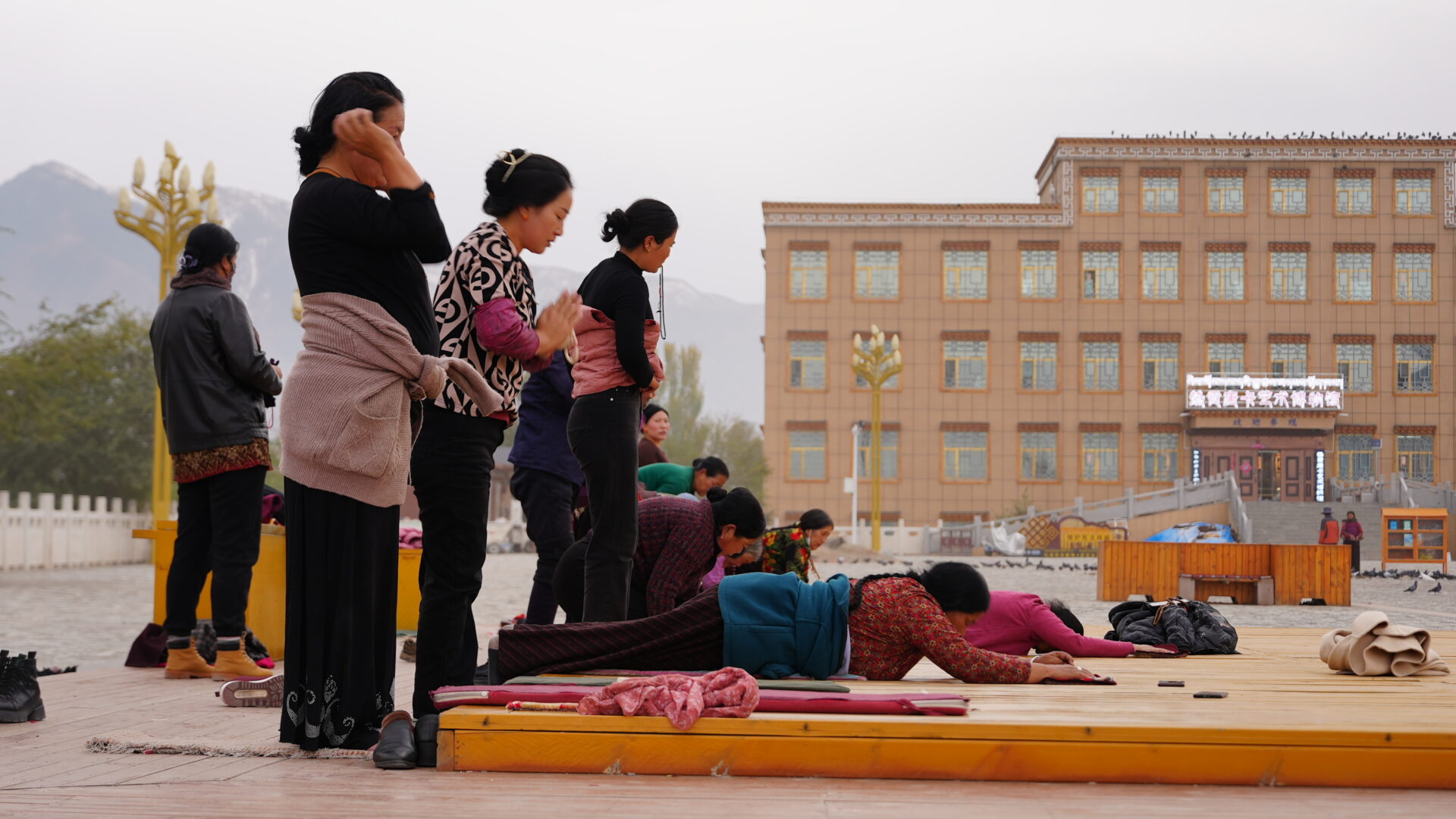
Upstream and up the side valleys, the population turns Tibetan. Monasteries, chortens, mani walls, prayer flags on every high point, and barley on the terraces. Tongren, the thangka-painting centre, is an hour or two away.
What’s genuinely striking is how ordinary the coexistence is. This isn’t a showcase — it’s two communities that have shared a market, a road and a river for centuries, with the frictions and accommodations you’d expect and no particular drama.
Market day, where both communities meet
What to do
Go to the market. It’s the point. Muslim traders with spices, dried fruit, lamb and flatbread; Tibetan sellers with dairy, wool, felt and religious goods; and everyone buying from everyone.
Eat both cuisines in one day. Hand-pulled lamb noodles and eight-treasure tea at one end of the street; yak, butter tea and tsampa at the other.
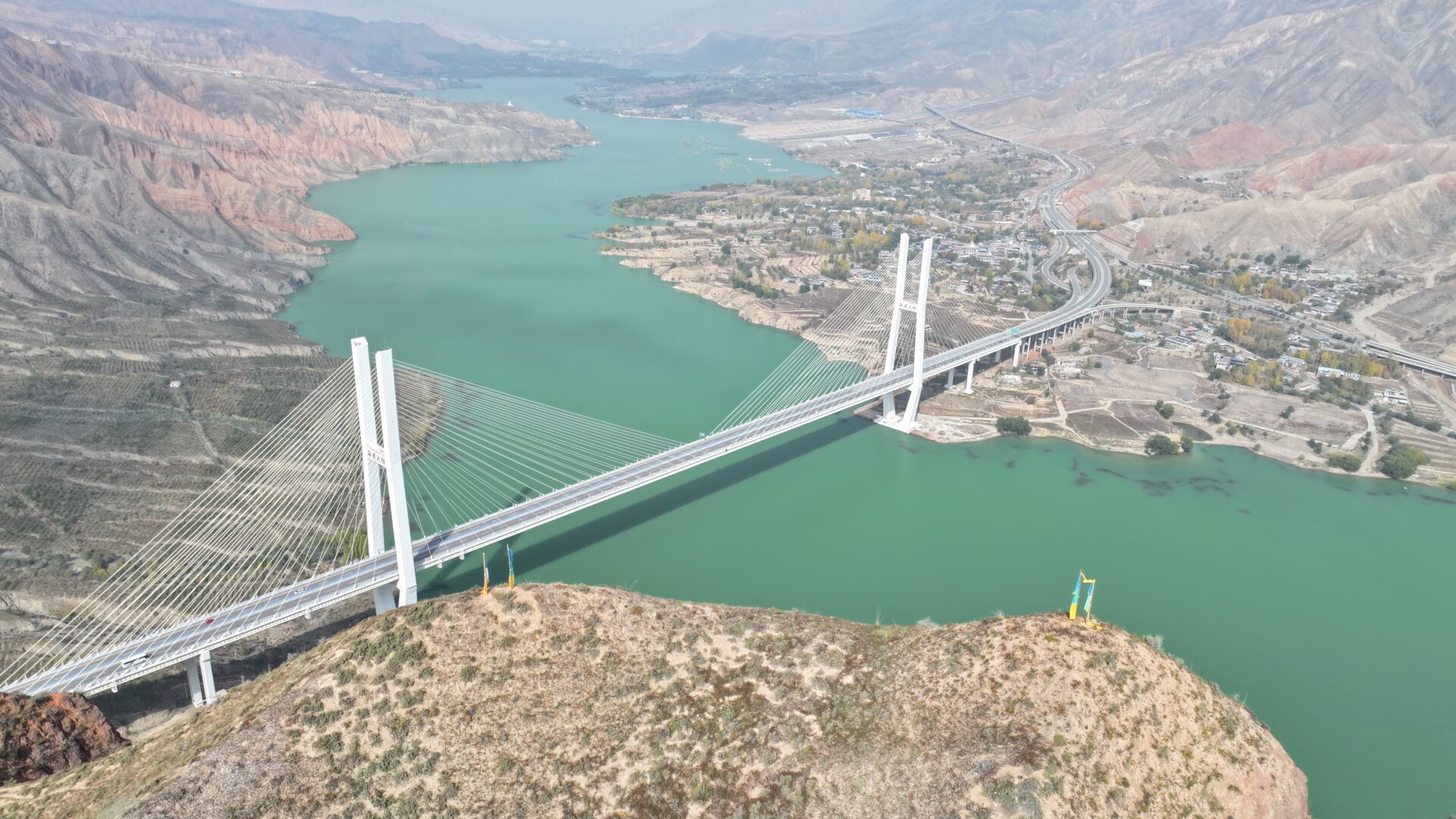
The Yellow River. Here it’s still relatively clear and running in a gorge, with the Gongboxia reservoir nearby. Very different from the silt-laden river further east.
Mengda nature reserve (孟达天池) — a forested reserve with an alpine lake, botanically unusual for this latitude and altitude, and a good half-day walk.
Etiquette
You’re moving between two religious communities in a day, so:
- Dress modestly throughout — it satisfies both
- Mosques: ask at the door; non-Muslims are sometimes welcome outside prayer times
- Monasteries: walk clockwise, don’t point your feet at an altar, ask before photographing monks
- No alcohol or pork into a Salar household
- Ask before photographing people, especially women, in both communities
Practical notes
Getting there: two to three hours by road from Xining, which has rail and air links. Also reachable from Linxia in Gansu — see Dongxiang, the same cultural region on the other side of the provincial line.
Altitude: around 1,900 m in the valley, higher on the Tibetan side. Manageable.
When: May to October. The valley is milder than the plateau above it.
Nearby: Tongren, Langmusi in Gansu, and the Qaidam basin west across Qinghai.
- #qinghai
- #xunhua
- #salar
- #islam
- #tibetan