
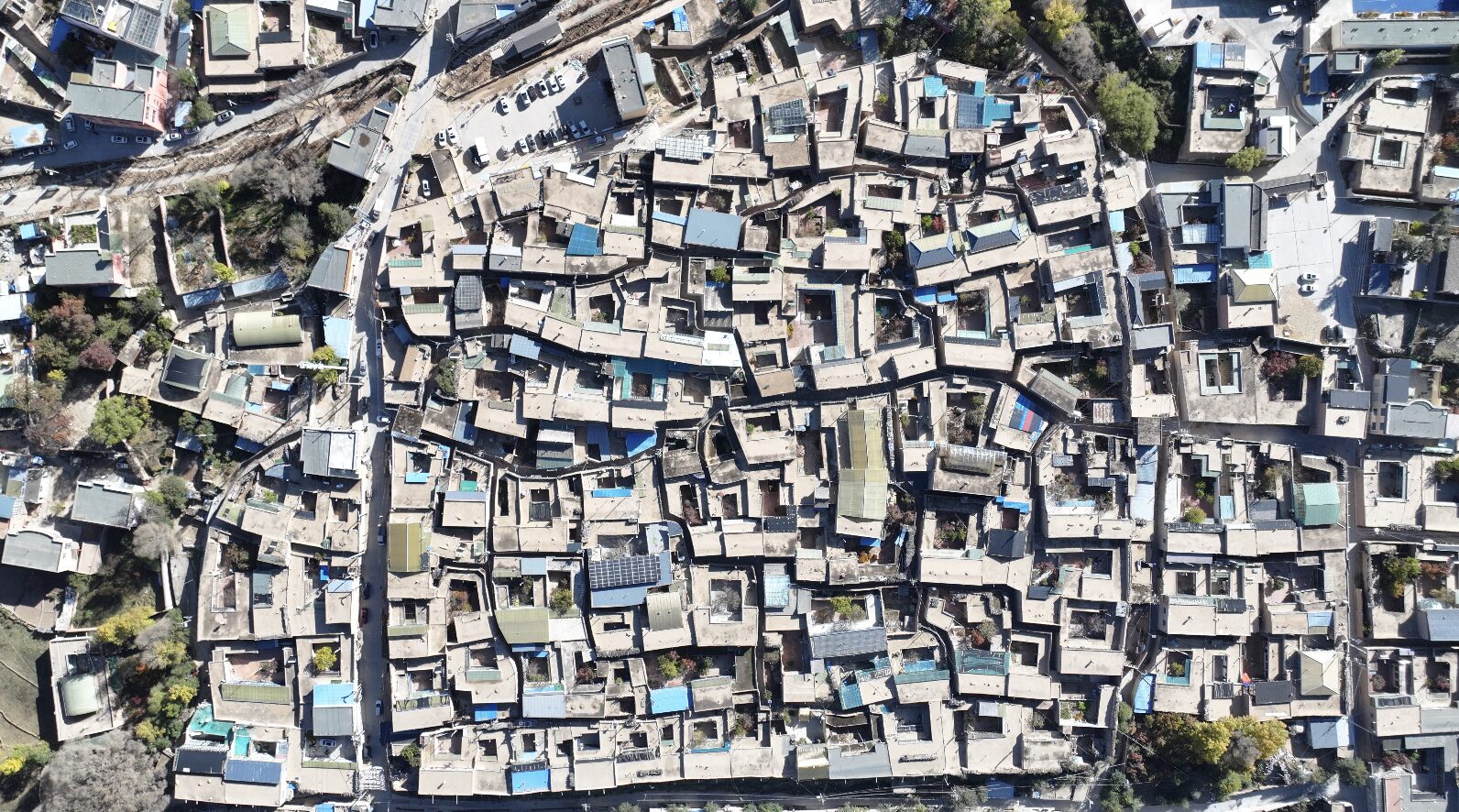
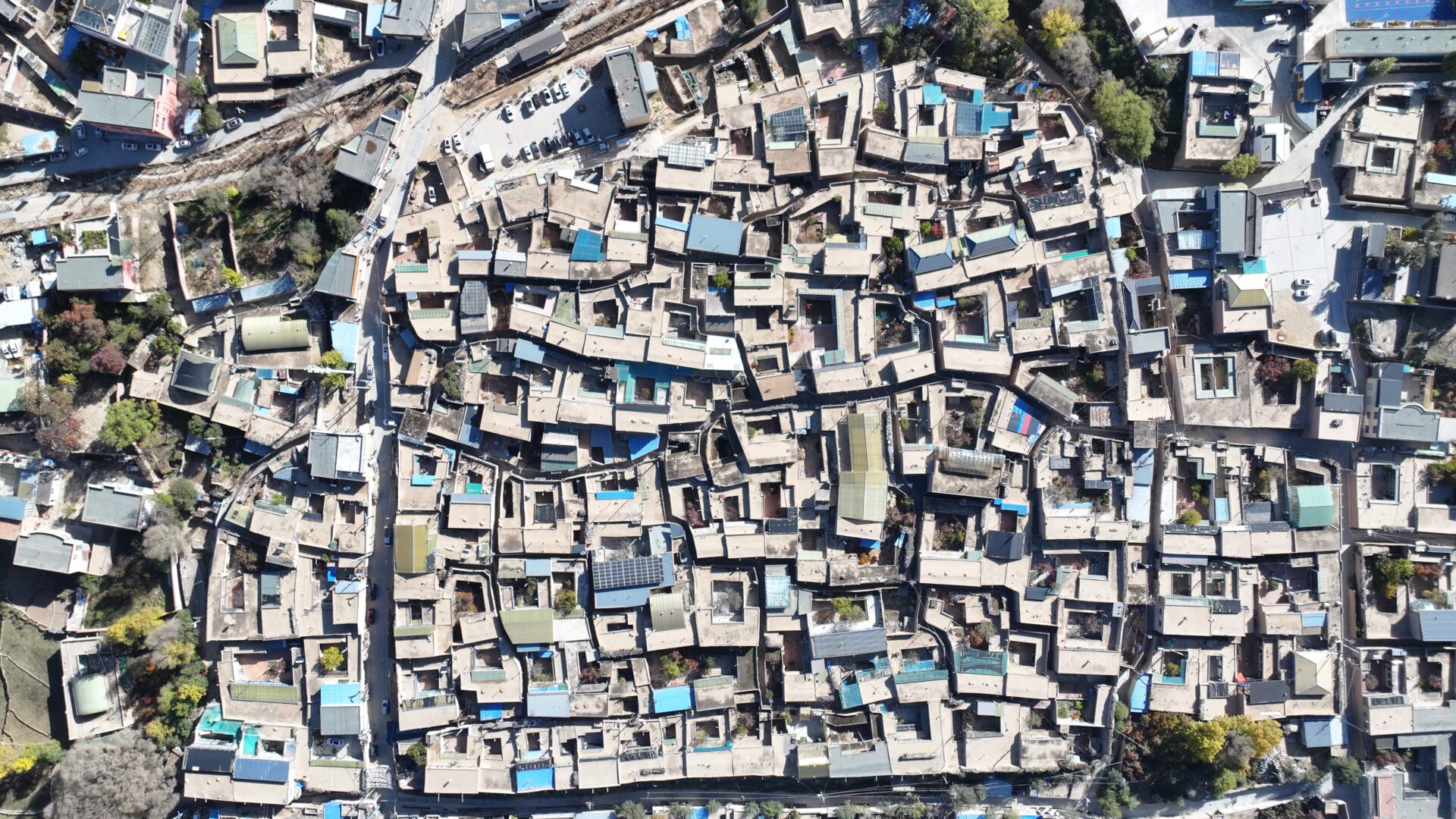
Tongren — Rebkong in Tibetan — is the centre of Regong art: thangka painting, sculpture and appliqué, made here for six centuries and still made by hand in family workshops.
Tongren — Rebkong in Tibetan — is a valley in eastern Qinghai and the centre of one of the great living art traditions of Asia: Regong art, comprising thangka painting, mural work, sculpture, appliqué and woodcarving, produced here since roughly the 15th century and inscribed by UNESCO as intangible cultural heritage.
Villages here are not merely near the workshops. In some of them, the majority of households have a painter in them.
What a thangka actually is
A scroll painting on prepared cotton, used as a devotional and teaching object rather than as decoration. The iconography is prescribed in detail — proportions of a deity’s body, the objects held, the colour of the ground, the arrangement of the surrounding figures — and the painter’s skill is expressed inside that grid.
The process is the thing to see:
Preparation — cotton stretched and sized with gesso, then burnished with a stone until it’s like ivory.
Drawing — a grid laid out, then the iconography built on it, either freehand or from a stencil.
Pigment — traditionally mineral: lapis for blue, malachite for green, cinnabar for red, ochres, and gold in leaf and paint. The good workshops still grind their own, and the difference in depth is visible next to acrylic.
Painting — months to years for a large complex work. The gold detailing goes on last and is burnished.
Two of the Wutun villages, upstream from the town, are the traditional centres, each with a monastery and a concentration of studios.
Visiting the workshops
They’re open, and the artists are used to visitors. What’s worth doing:
- Ask about pigments. Whether it’s mineral or acrylic determines the price by an order of magnitude, and any honest painter will tell you straight.
- Watch the drawing stage if you can. It’s more impressive than the colouring.
- Buy from the studio rather than a shop, and expect to pay properly. A serious mineral-pigment thangka is a year of someone’s life.
- Ask before photographing work in progress or people at work.
The monasteries
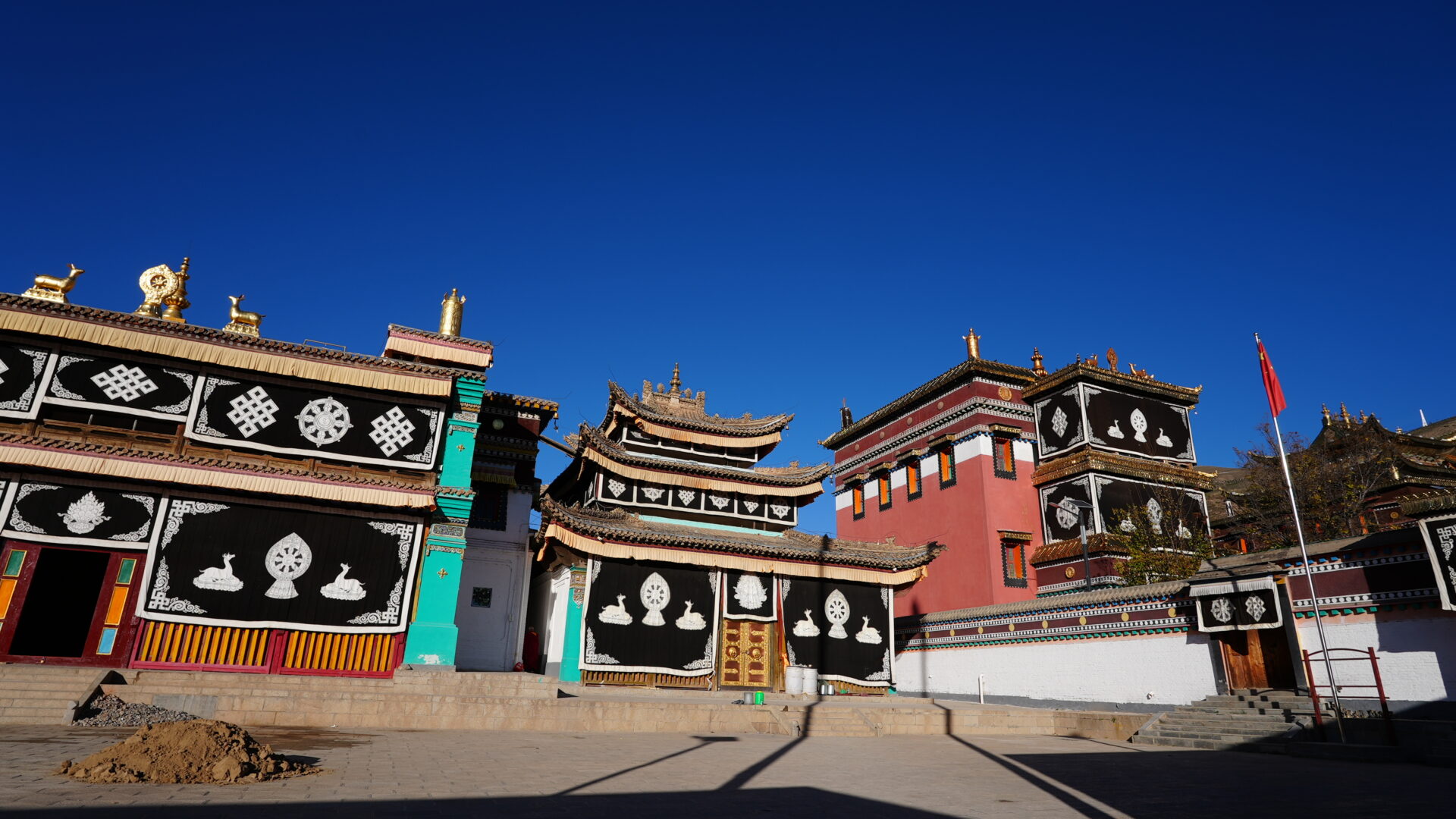
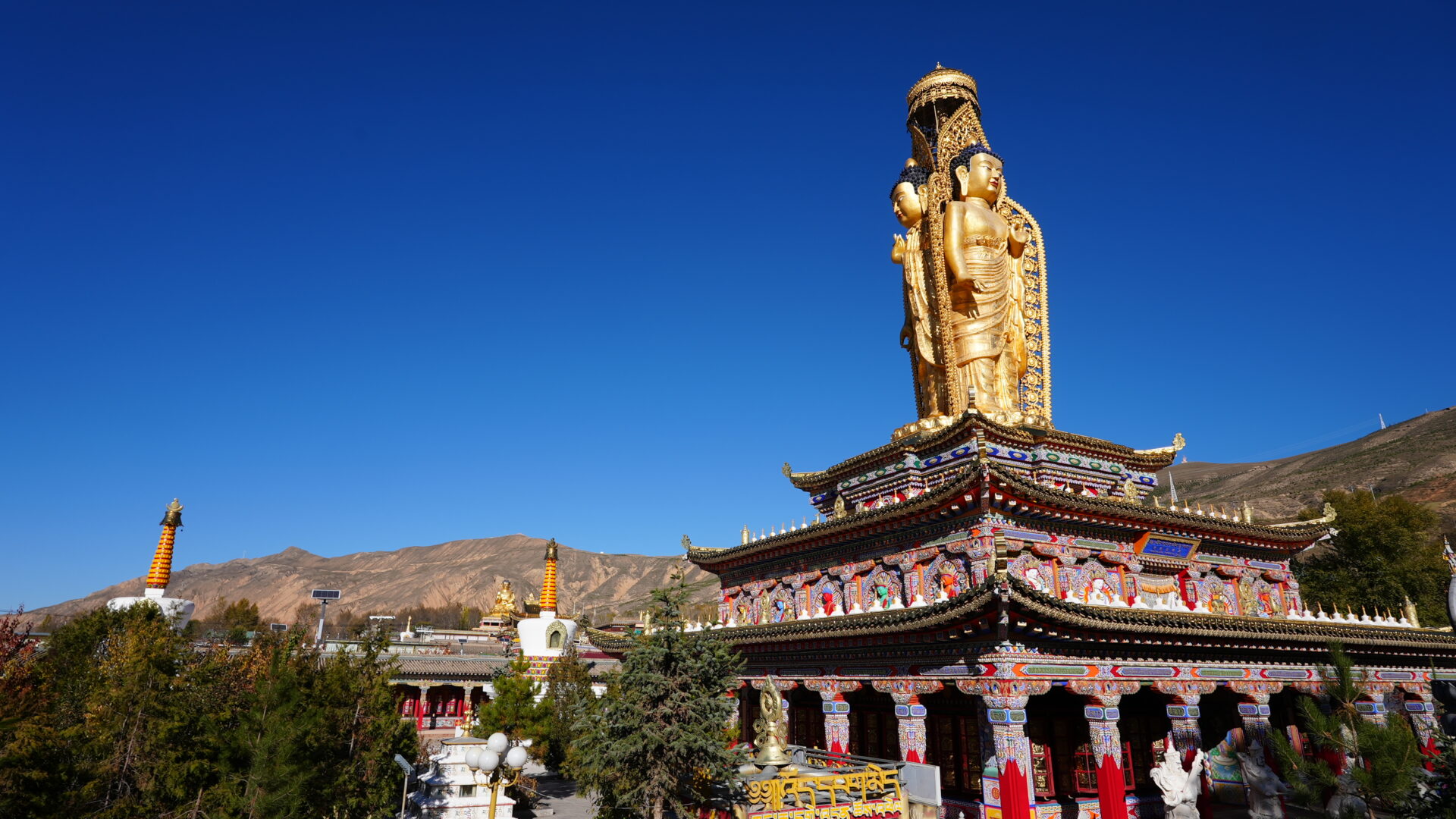
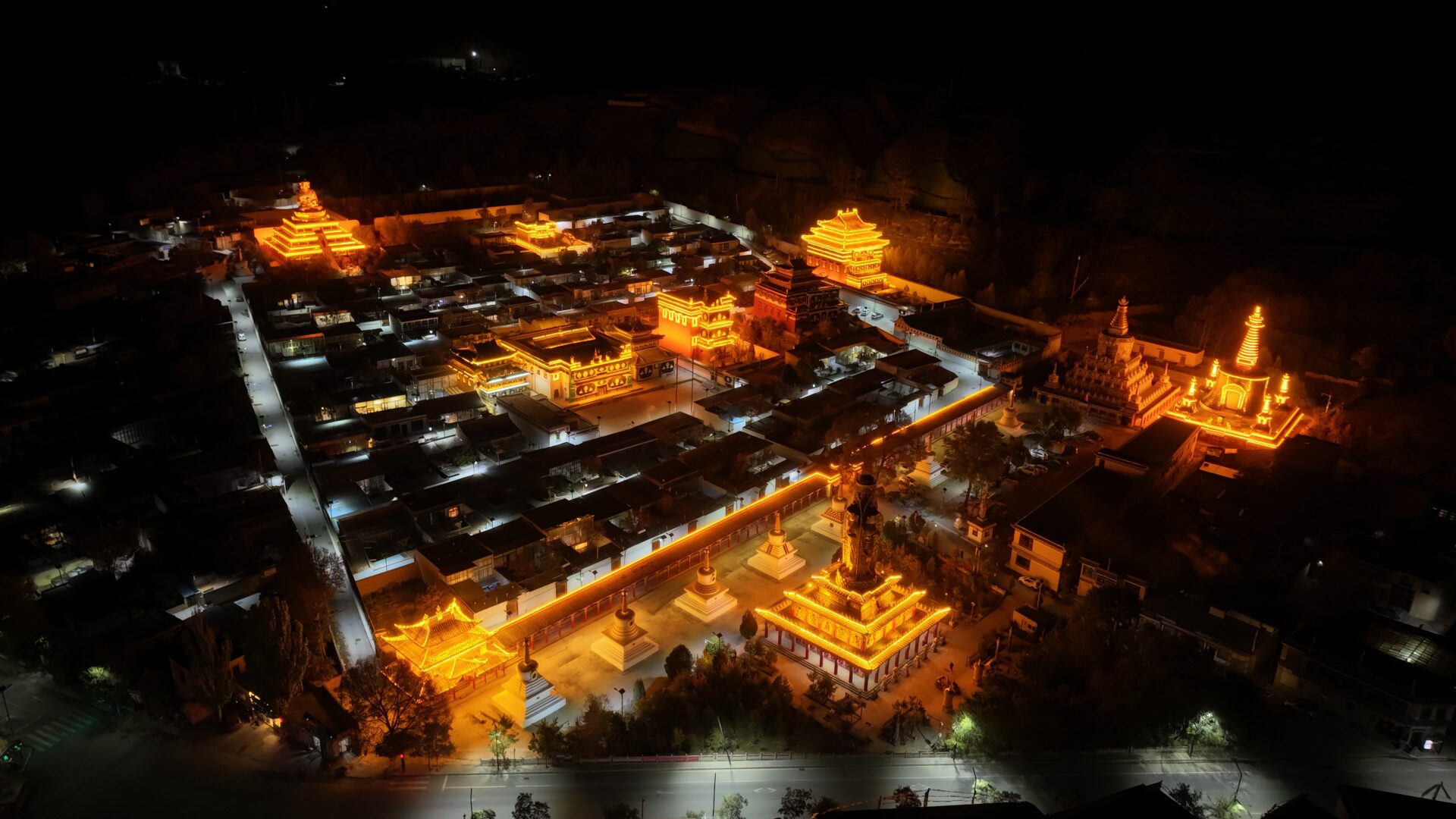
Rongwo (隆务寺), in the town, is the major Gelug institution of the valley and worth a morning — assembly halls, murals, and a resident community.
The Wutun monasteries are smaller and, for the art, better: their interiors are where the tradition is demonstrated at full scale.
The valley’s festival calendar is dense, and the Lurol festival in the sixth lunar month is the striking one — a village ritual involving shamanic possession and physical ordeal, which is not staged for visitors and should be approached with a great deal of care and permission.
The setting
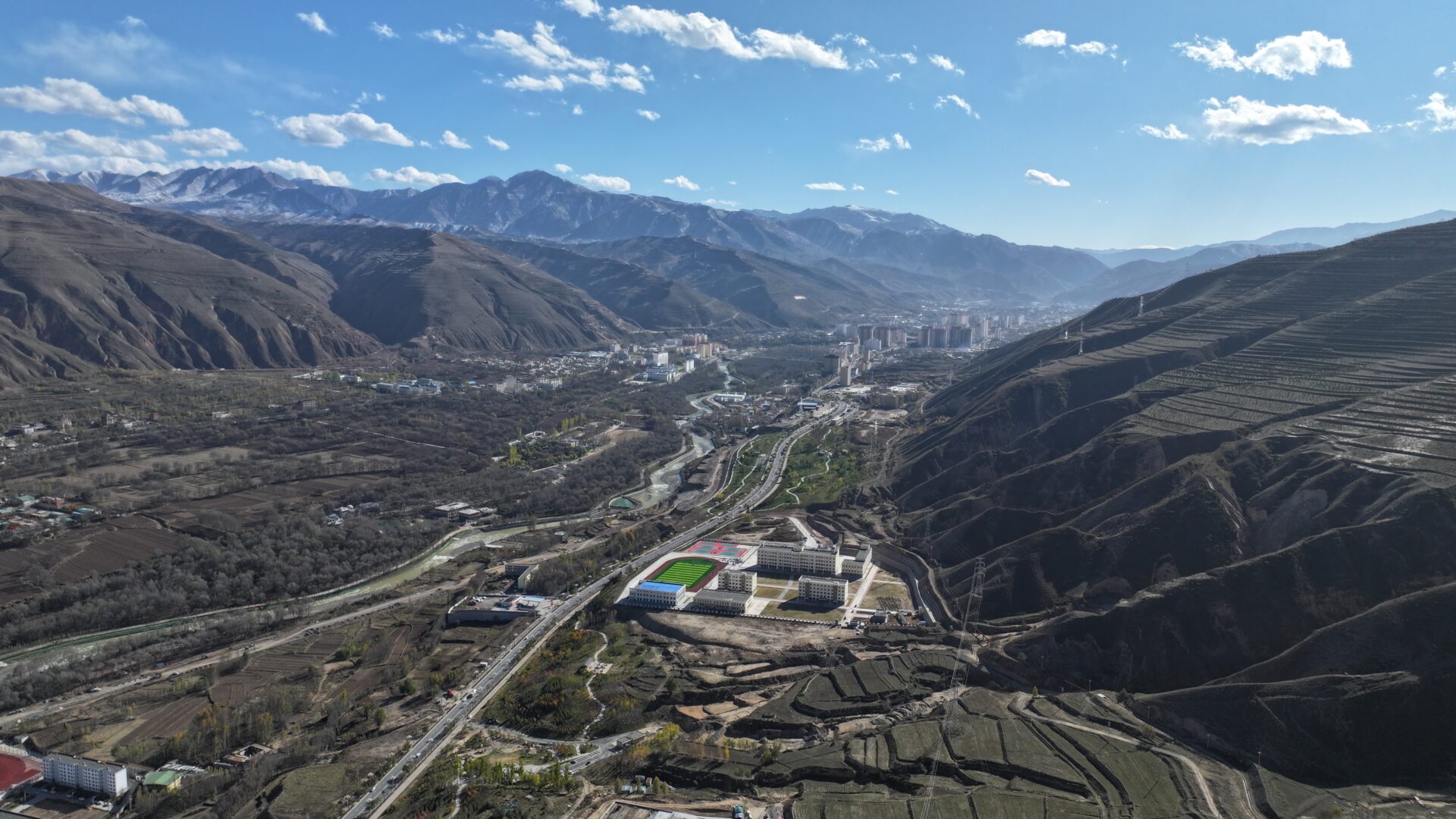
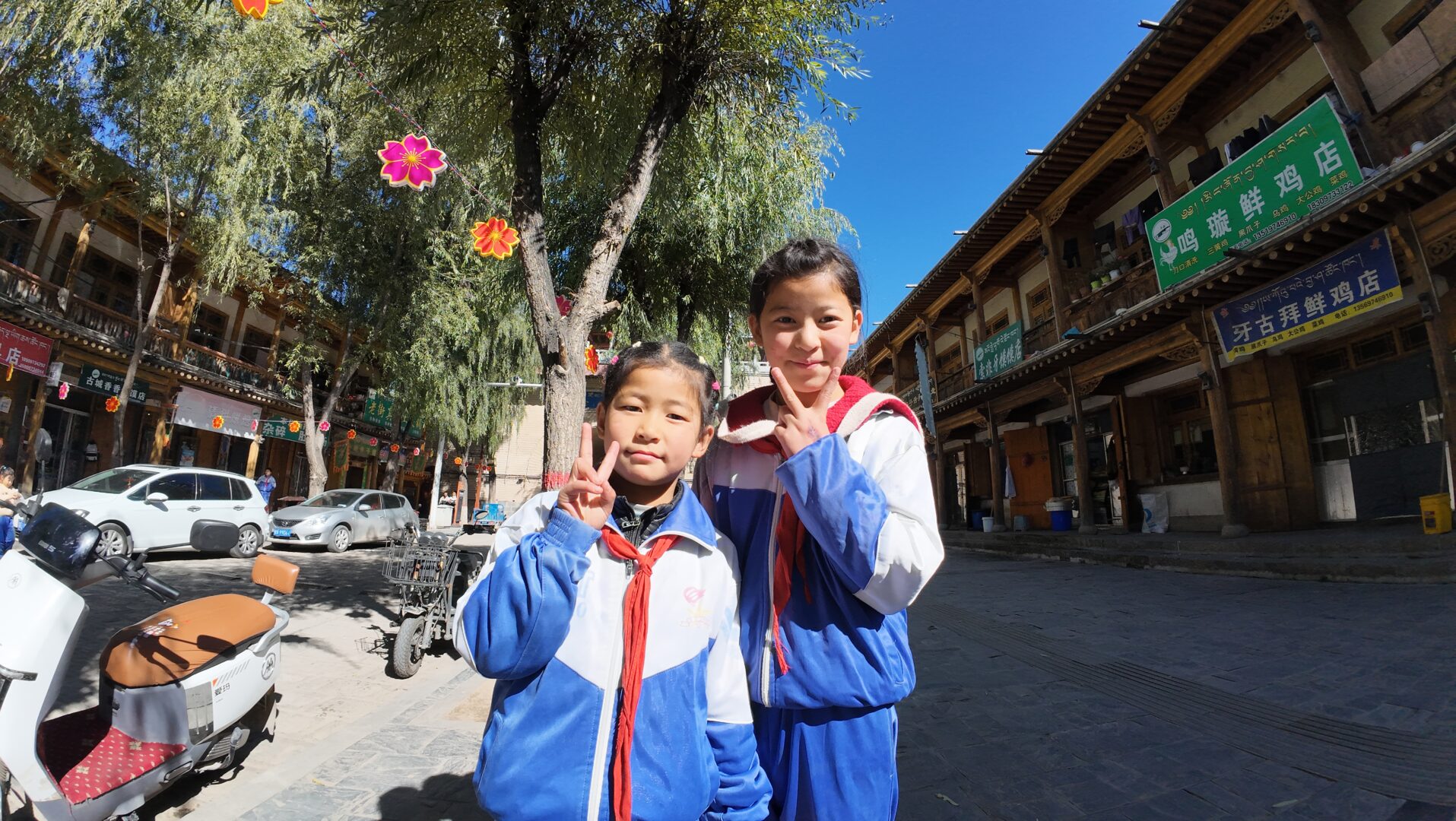
Around 2,500 metres, in a valley of the Guchu river with mountains on both sides. Barley terraces, whitewashed chortens, mani walls, and prayer flags along the ridgelines. Tibetan and Tu communities share the valley, with Hui traders in the town.
Practical notes
Getting there: three to four hours by road from Xining, which has rail and air links.
Altitude: around 2,500 m. Mild by Qinghai standards.
When: May to October. Festivals cluster in summer. Winter is cold and quiet, and the workshops are still working.
Nearby: Xunhua down the Yellow River, Langmusi south in Gansu, and Xining’s Kumbum monastery on the way in.
- #qinghai
- #tongren
- #rebkong
- #thangka
- #tibetan art