
Langmusi straddles a provincial line, which means two monasteries in two provinces within a fifteen-minute walk. It's the easiest introduction to Tibetan culture in China, and it needs no permit.
Langmusi — Taktsang Lhamo in Tibetan — is a small town on the Gansu–Sichuan provincial line at around 3,300 metres, and the border runs through it. Which means two significant monasteries, one in each province, fifteen minutes’ walk apart, and a town whose administrative arrangements nobody can explain quickly.
Its useful quality: this is culturally Amdo Tibetan, on the edge of the Gannan grasslands, and it is outside the Tibet Autonomous Region — so no permit, no agency, no guide. You can simply turn up.
The monasteries
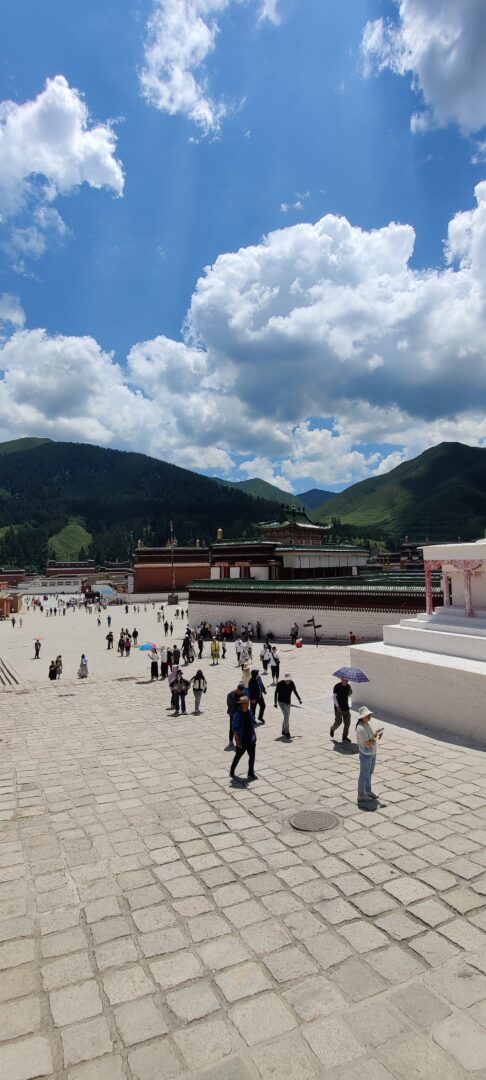
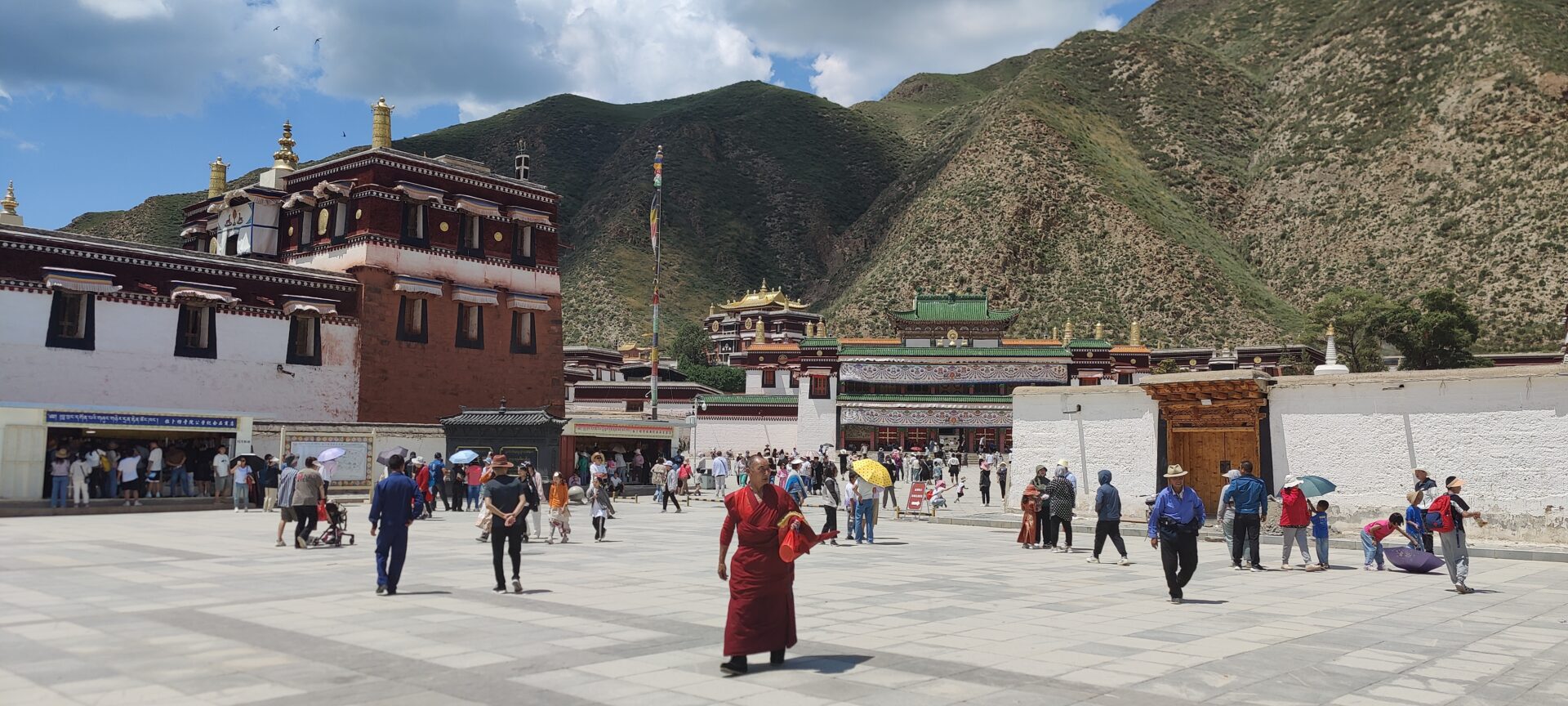
Sertri Gompa, on the Gansu side, is the larger — assembly halls, a monastic college, and a whitewashed complex climbing the hillside with the town below it. Go in the morning, when the halls are in use.
Kirti Gompa, on the Sichuan side, is quieter and opens onto the mouth of the Namo gorge behind it, which makes for the best walk in the area.
Both are working institutions with resident monks, not museums. That means: dress modestly, walk clockwise around shrines, ask before photographing monks or interiors, remove your hat, and don’t step over anyone’s prostration space.
A note that visitors often find difficult: sky burial platforms exist in the hills near Langmusi. They are not a tourist attraction, and attending or photographing a funeral is a serious intrusion. Don’t.
The gorge and the grassland
Namo gorge starts directly behind Kirti and narrows into a limestone slot with a stream, prayer flags and caves. An hour in and you’re alone; carry on and it opens onto high pasture.
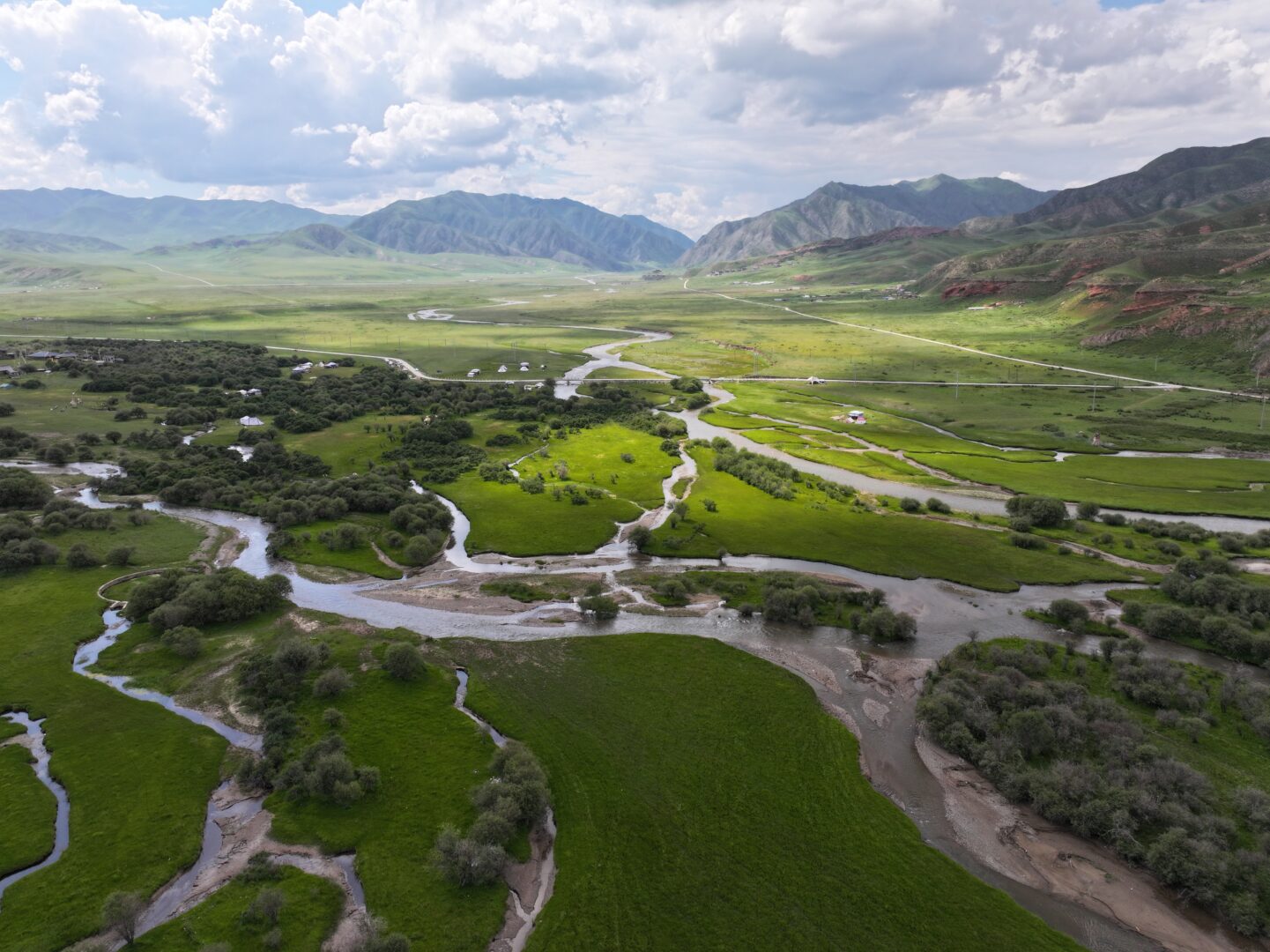
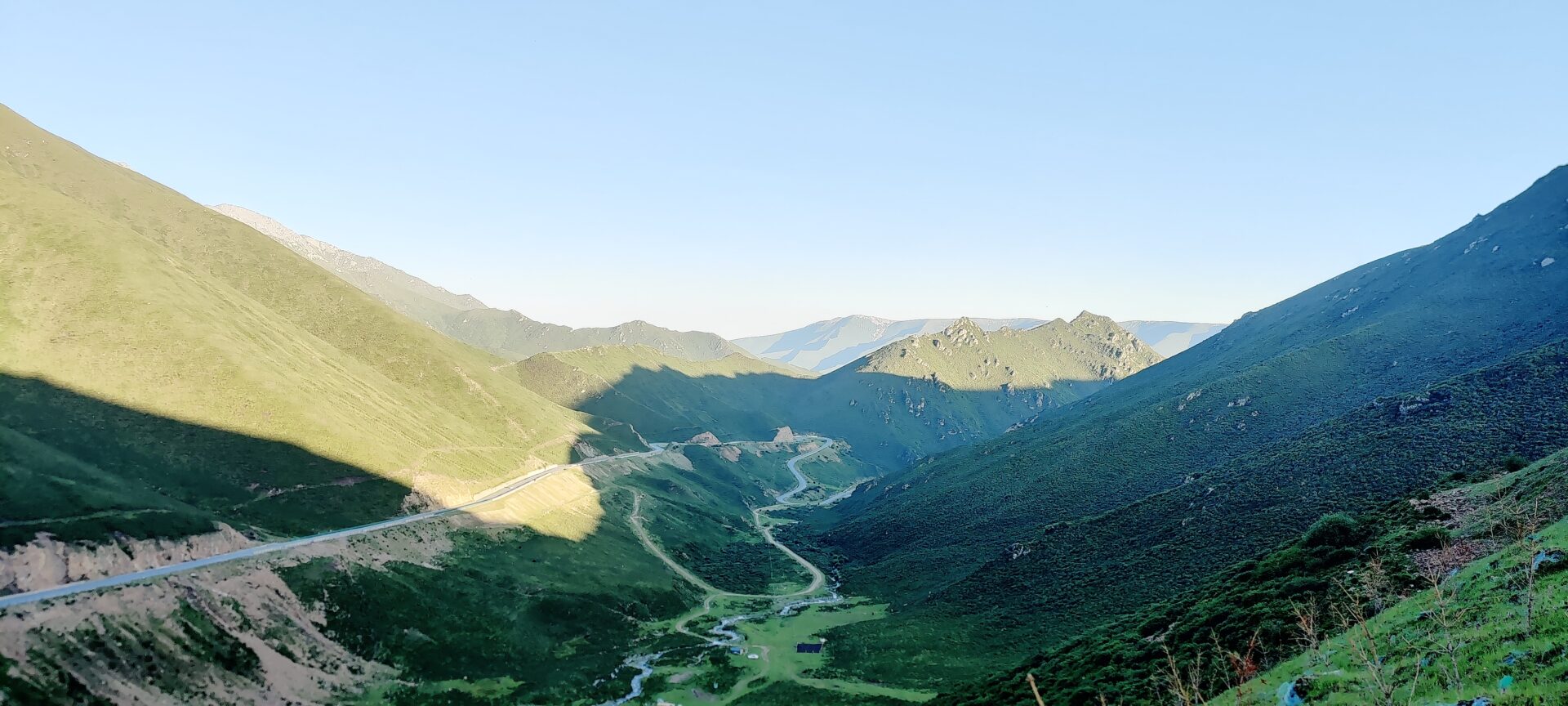
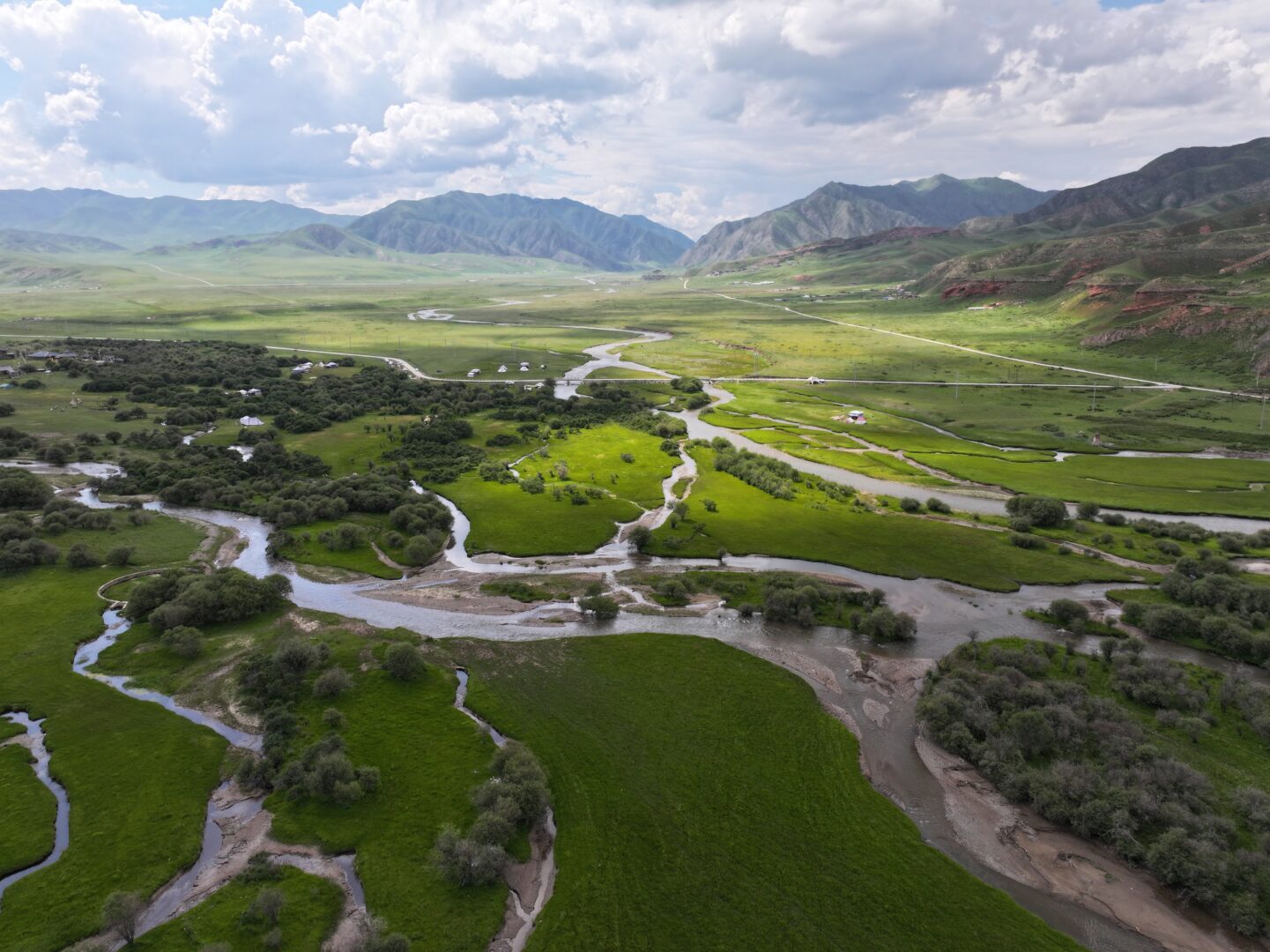
Beyond that, the Gannan grassland — rolling, at 3,000 to 3,500 metres, grazed by yak and dotted with nomad camps in summer. Horse riding is easy to arrange in town and the best way to cover it.
Zoige and the wetlands are a couple of hours south in Sichuan — see Ngawa — and the road there is one of the good ones.
The town
The mix is the thing. Tibetan monks and herders, Hui Muslim traders and restaurateurs, and Han shopkeepers, in a settlement of a few thousand people. So on one street you have butter tea and yak momos, and on the next a Hui noodle shop pulling lamian to order. Both are excellent.
It’s been on the traveller circuit for years, so there are guesthouses, cafés and English menus. That hasn’t ruined it — the town is still primarily doing its own business — but it does mean you won’t be a novelty.
Practical notes
Getting there: road from Lanzhou (around six hours) or Xiahe, or north from Chengdu via Zoige. Xiahe’s Labrang monastery — one of the six great Gelug institutions — is three hours away and should be on the same trip.
Altitude: 3,300 m. Not extreme, but enough to matter if you’ve come from Lanzhou at 1,500 m in a day. Take the first afternoon slowly.
When: June to September. The grassland is green, the wildflowers are out and the monastery festivals cluster in summer. Winter is severely cold at this altitude and much of the town shuts.
Nearby: Xunhua and Tongren in Qinghai are part of the same cultural region, and Dongxiang is on the road back to Lanzhou.
- #gansu
- #langmusi
- #tibetan
- #monastery
- #gannan