
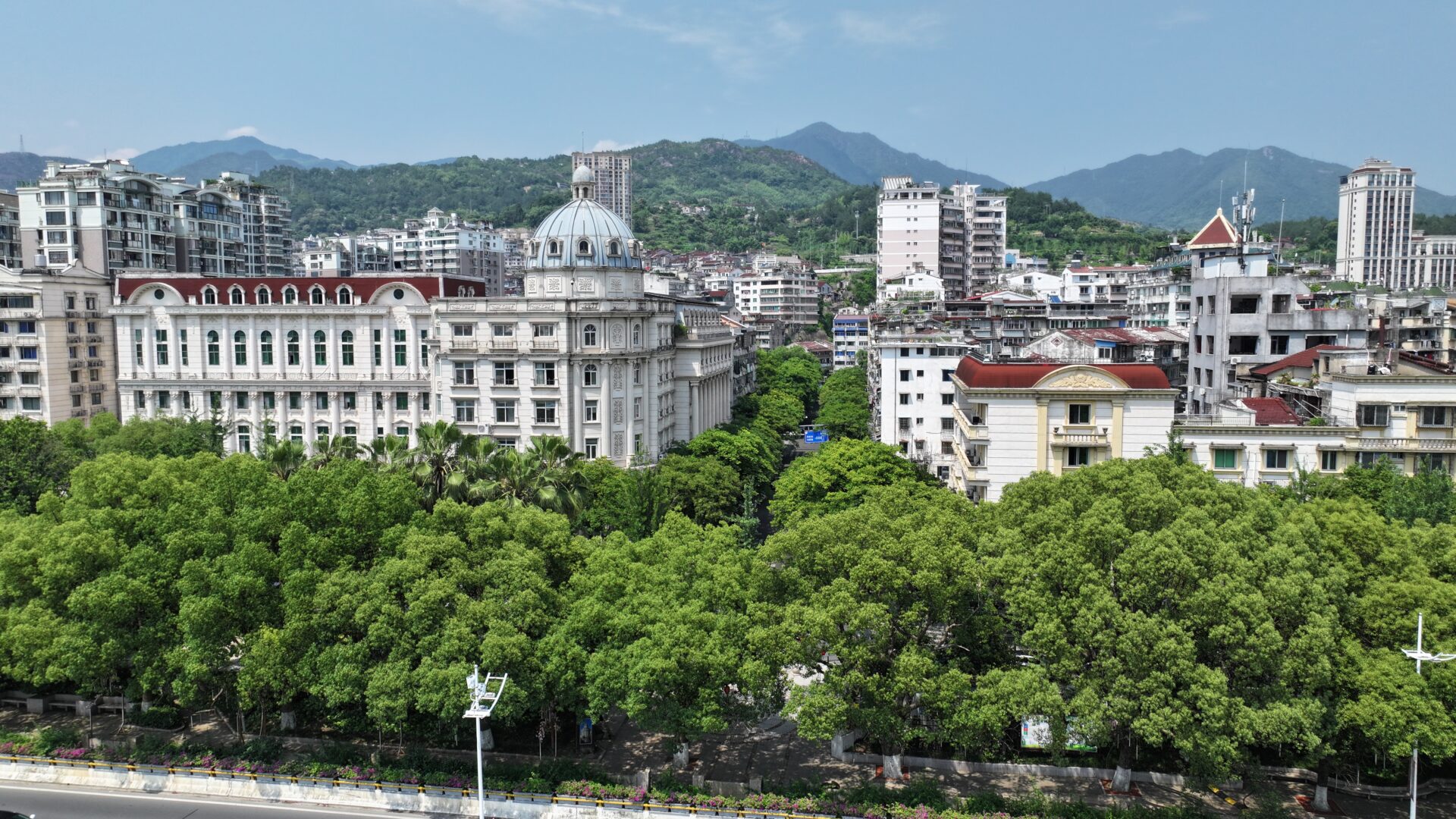
A very large share of the Chinese community in Italy, Spain and Portugal traces to this one county. The money came back, and so did the coffee culture — Qingtian has European cafés because its residents lived there.
If you’ve eaten in a Chinese restaurant in Milan, bought from a Chinese wholesaler in Madrid, or had a coffee served by a Chinese family in Lisbon, there’s a reasonable chance the family came from Qingtian — a mountainous county in southern Zhejiang, near Wenzhou.
Emigration from here to Europe has been running for over a century and at genuinely remarkable concentration: hundreds of thousands of people from one county of modest size, with the largest communities in Italy, Spain and Portugal.
What came back
Remittances and returnees, and both are visible on the street.
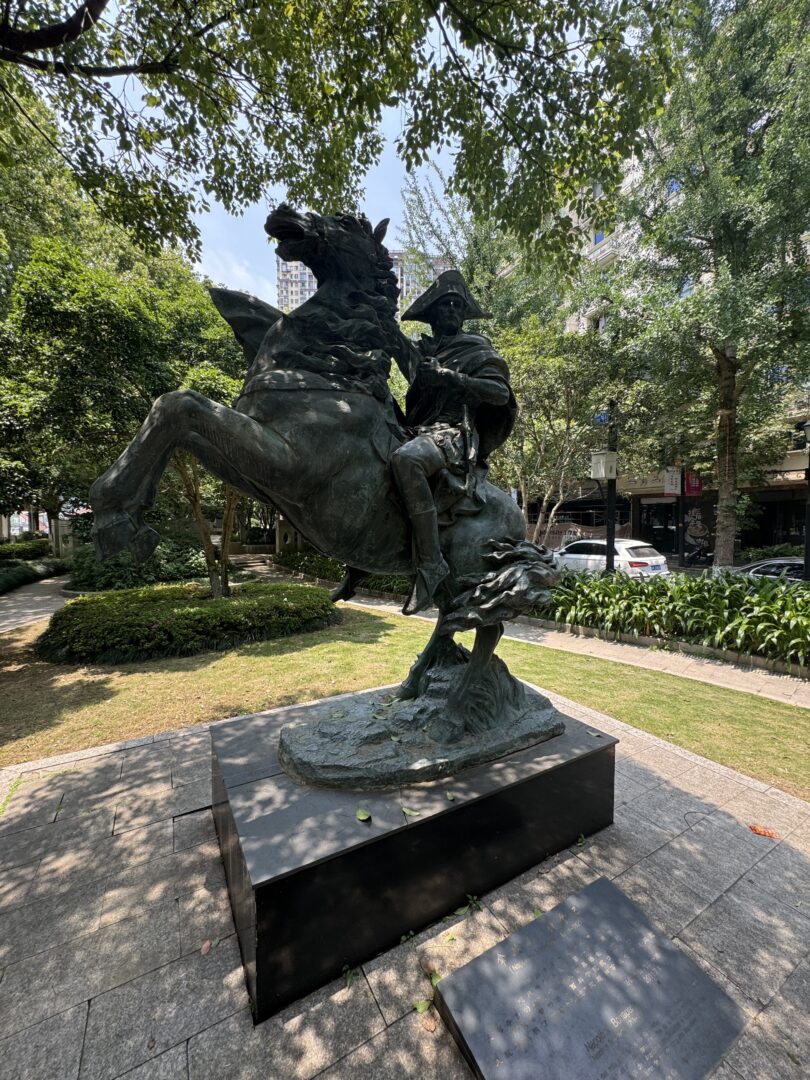
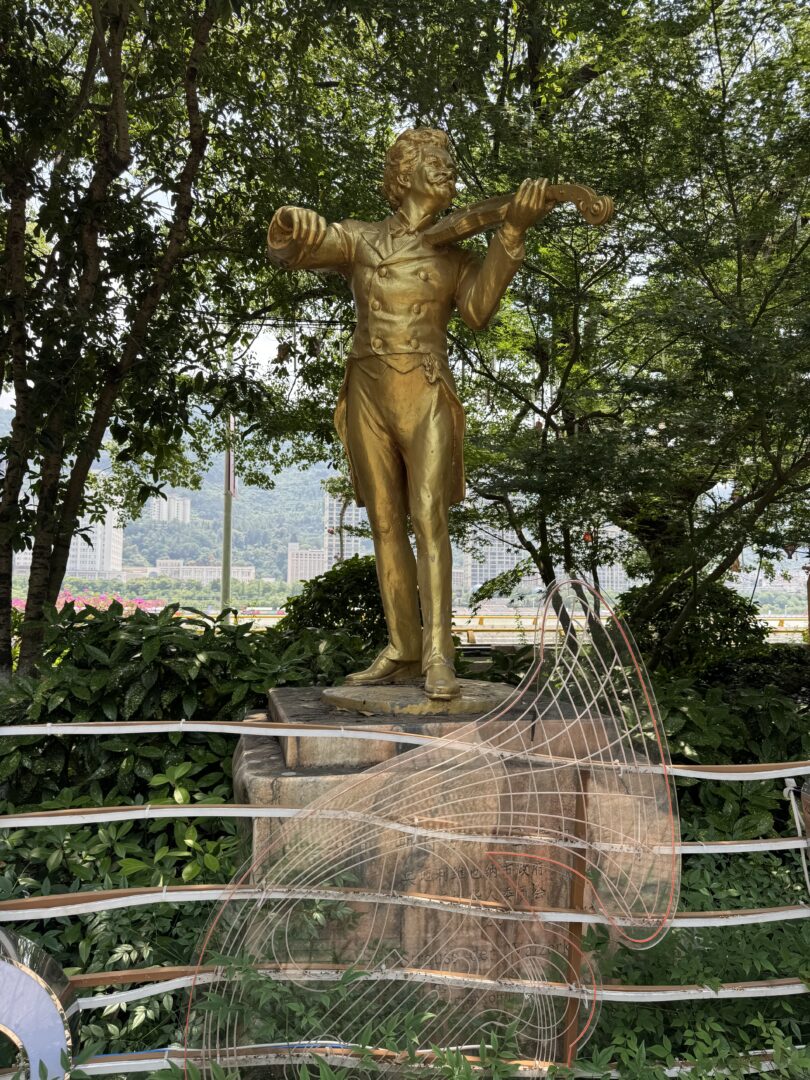
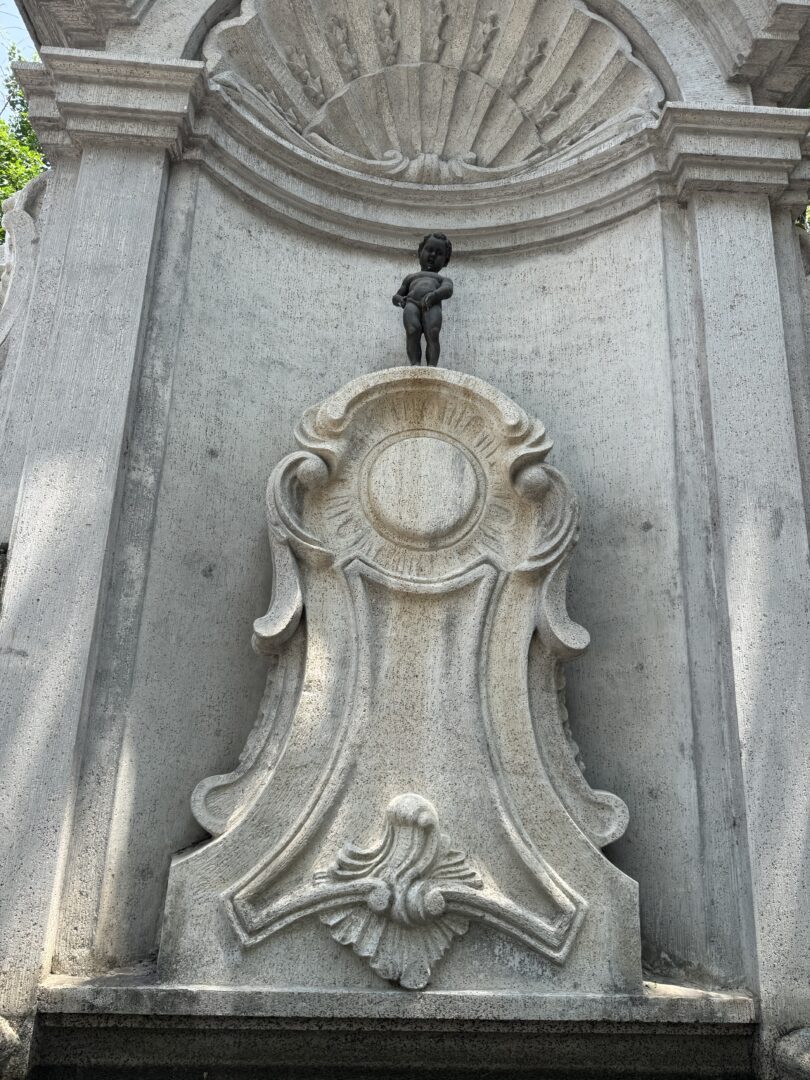
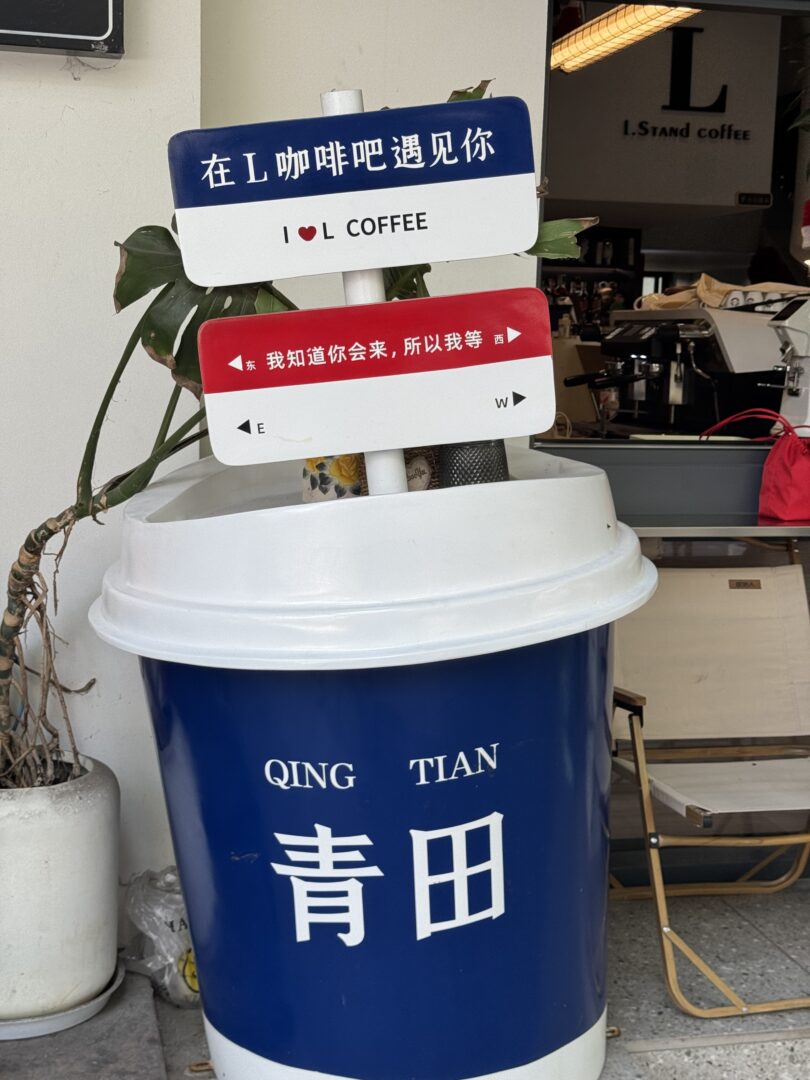
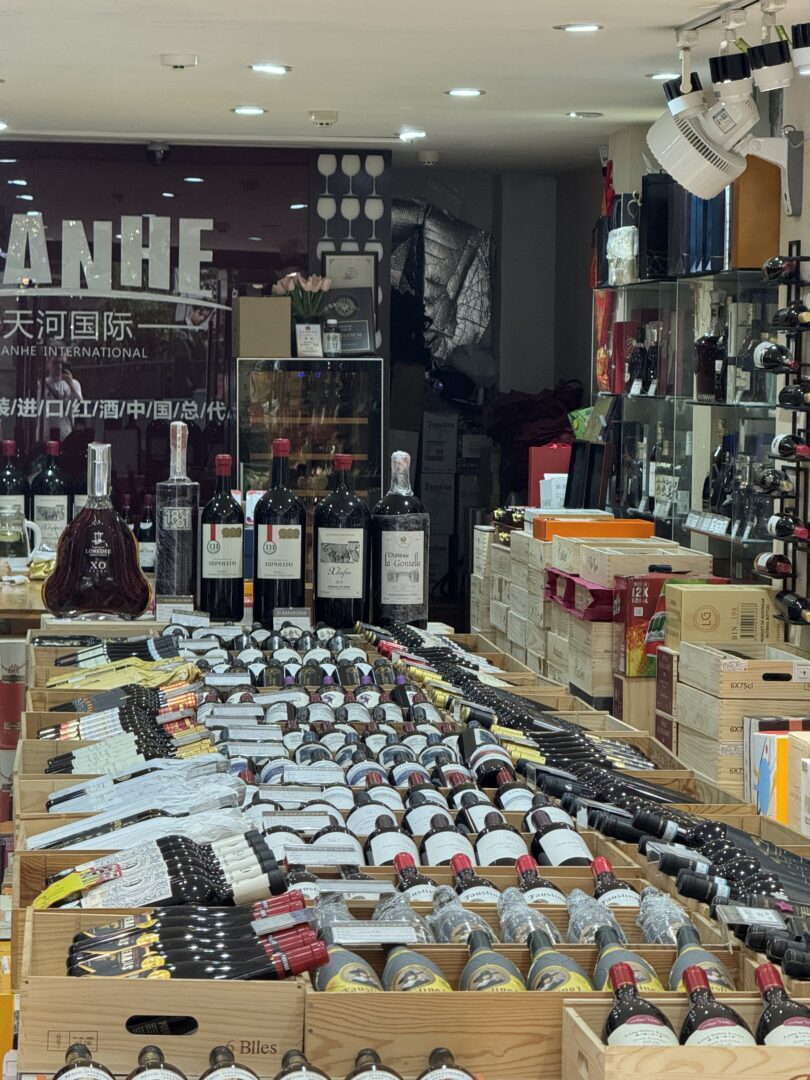
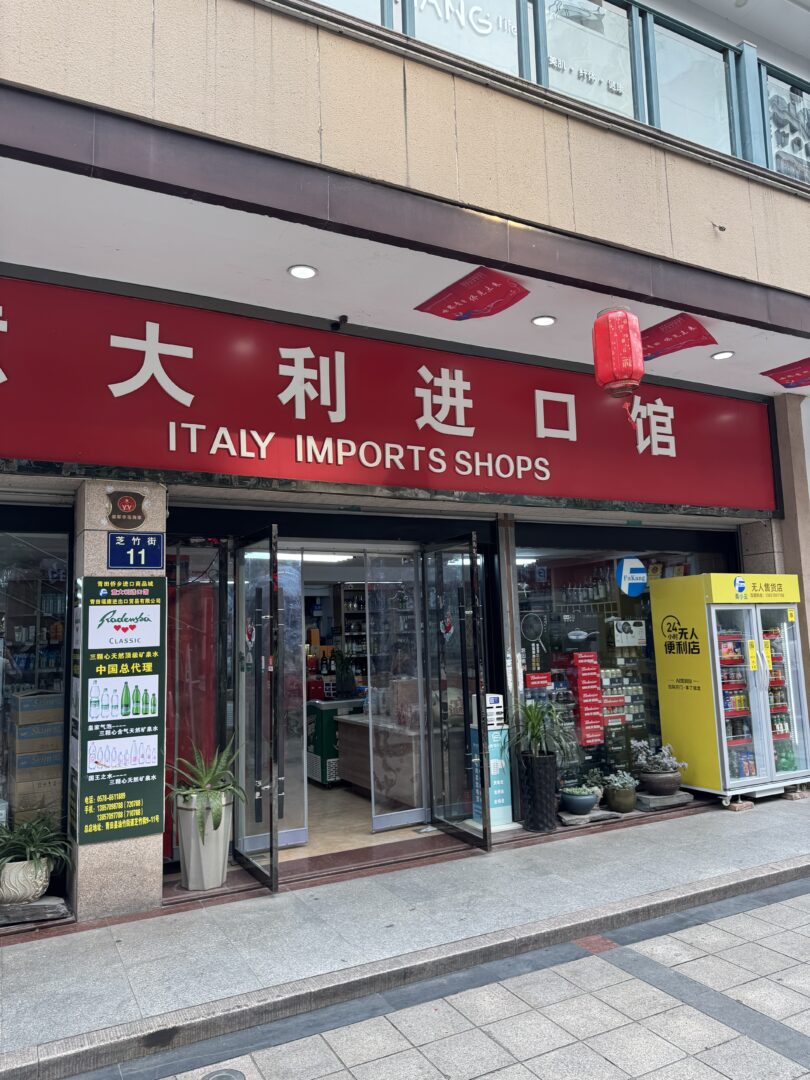
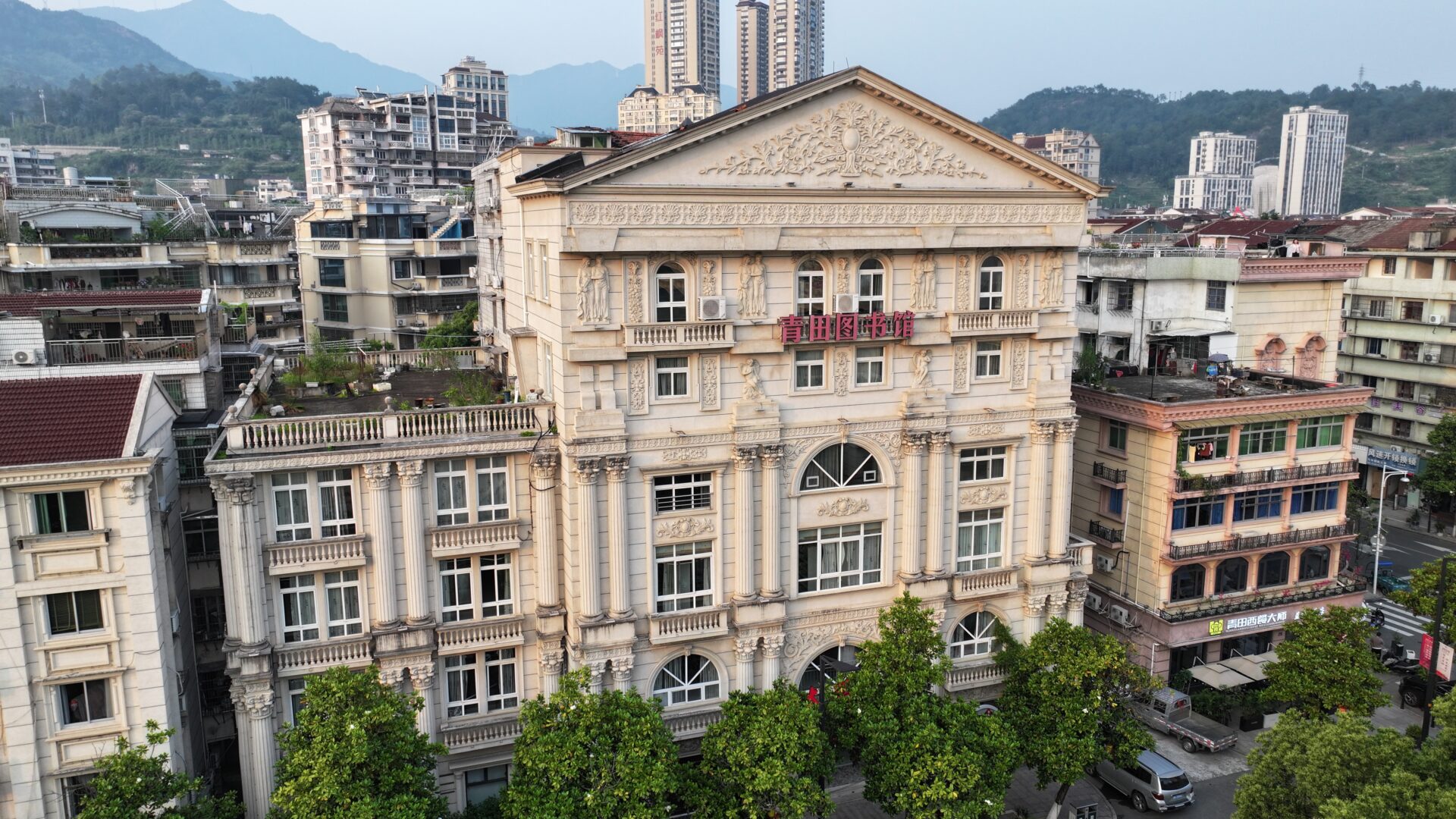
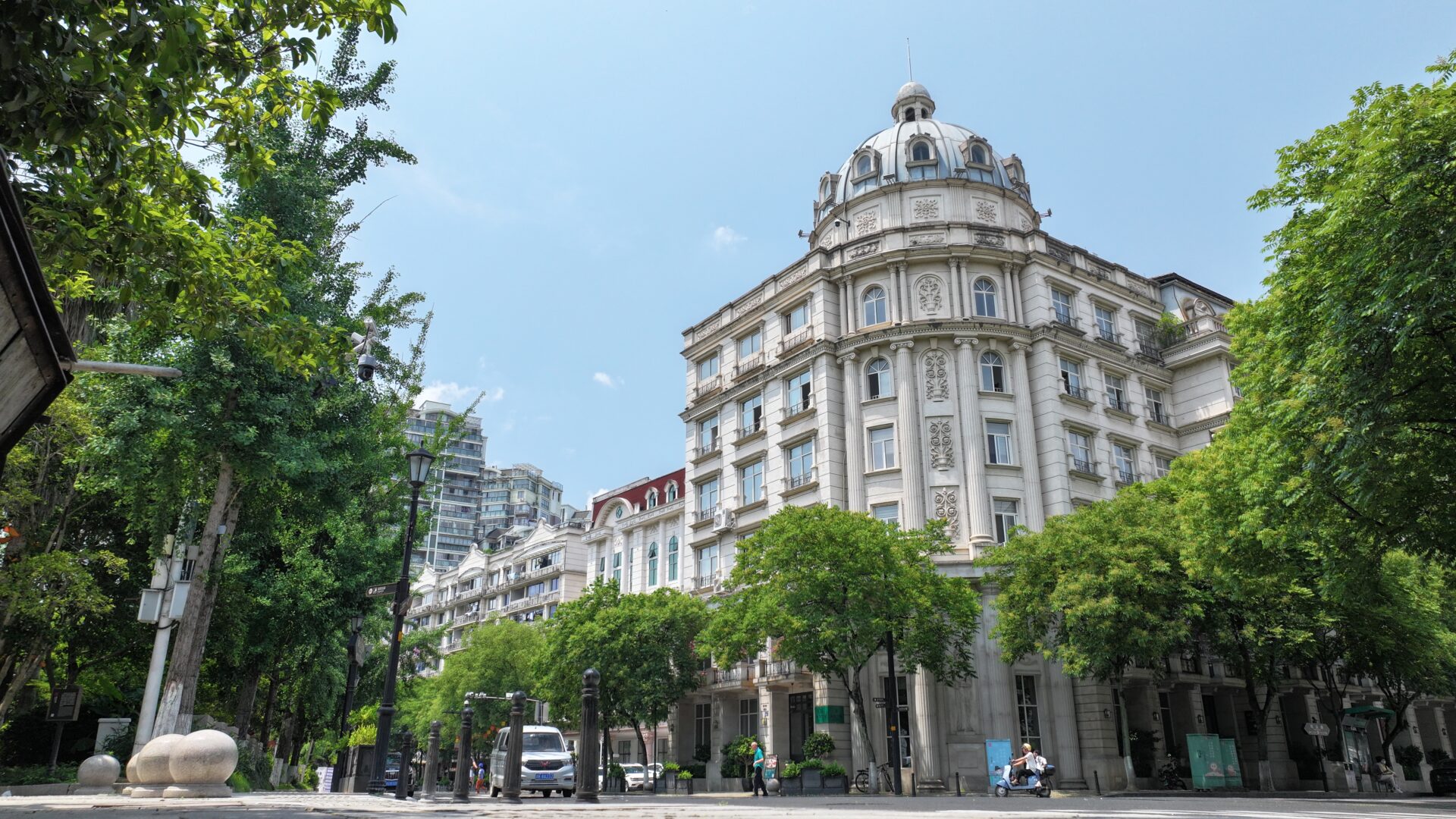
Qingtian has European cafés serving proper espresso, delis with Italian cured meat and olive oil, wine shops with Spanish and Portuguese bottles, and pizzerias run by families who spent twenty years in Prato or Barcelona. Signage appears in Italian and Spanish. Prices for imported goods are lower than in Shanghai, because the supply chain is family.
It has produced a place with a genuinely unusual atmosphere — a mountain county in Zhejiang where the older generation switches between the local dialect and Italian, and where a returnee’s business plan is often “the thing I ran in Europe, here.”
The bilingualism runs both ways: children raised in Europe are sent back for schooling, and children raised here leave for the family business abroad.
A Zhejiang county with a Mediterranean coffee habit
The stone
The county’s other identity, and the older one. Qingtian has been carving soapstone — Qingtian shi — for over a thousand years.
The stone is soft enough to work with hand tools and comes in an unusual range of colours, from green and yellow to a translucent “frozen” variety that’s highly prized. It’s used for:
- Seals — Qingtian is one of the four classical seal stones of China, and calligraphers and collectors care about it a great deal
- Figurative carving — landscapes, animals, figures, often using the natural colour variation in the block as part of the composition
- Openwork pieces of considerable complexity
Carvers took the craft abroad along with everything else, and there’s a documented export trade going back well over a century — which is part of how the emigration started.
The stone carving museum and the workshops around it are worth a couple of hours, and buying directly from a carver is much better than buying from a shop.
The county
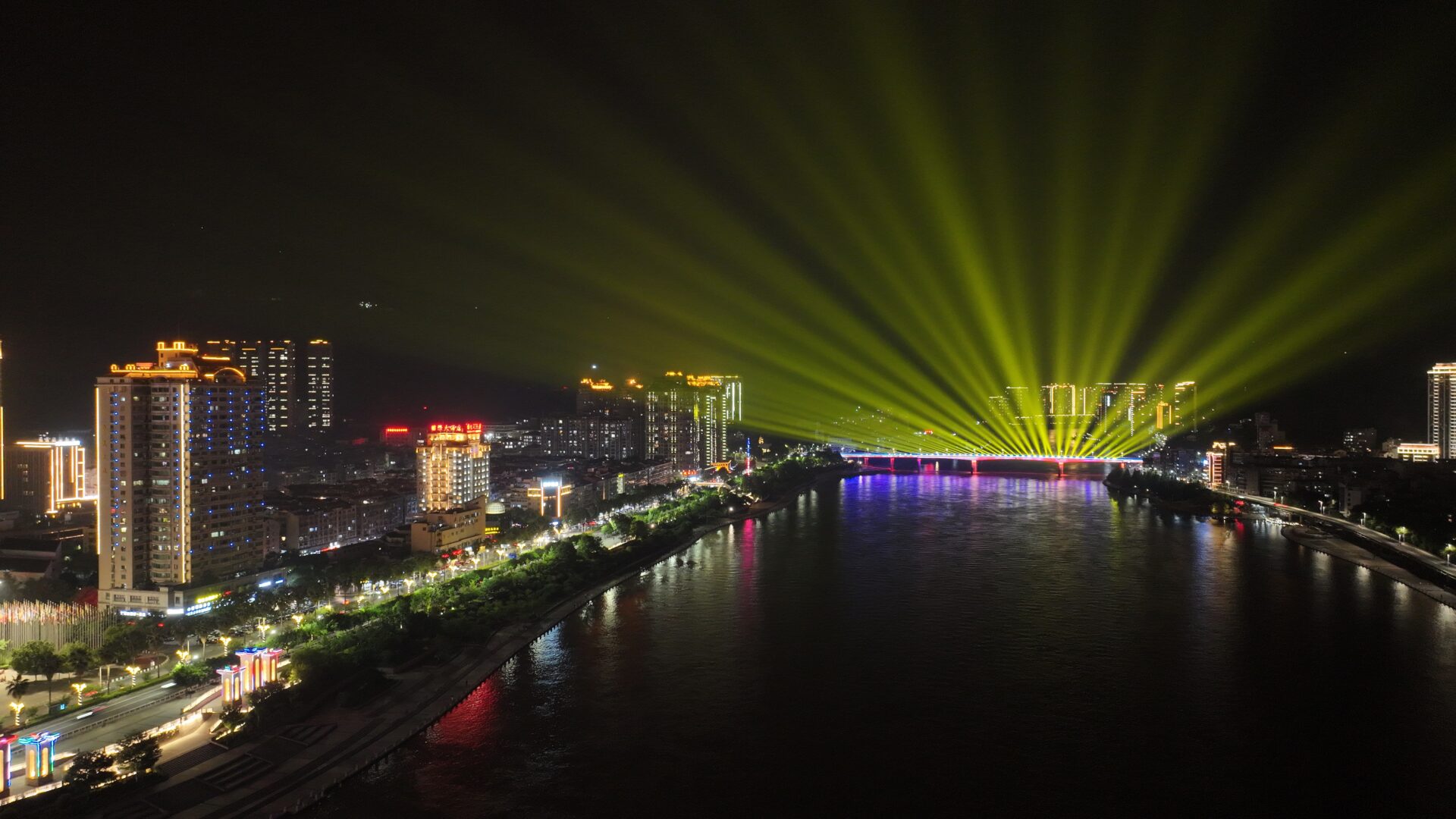
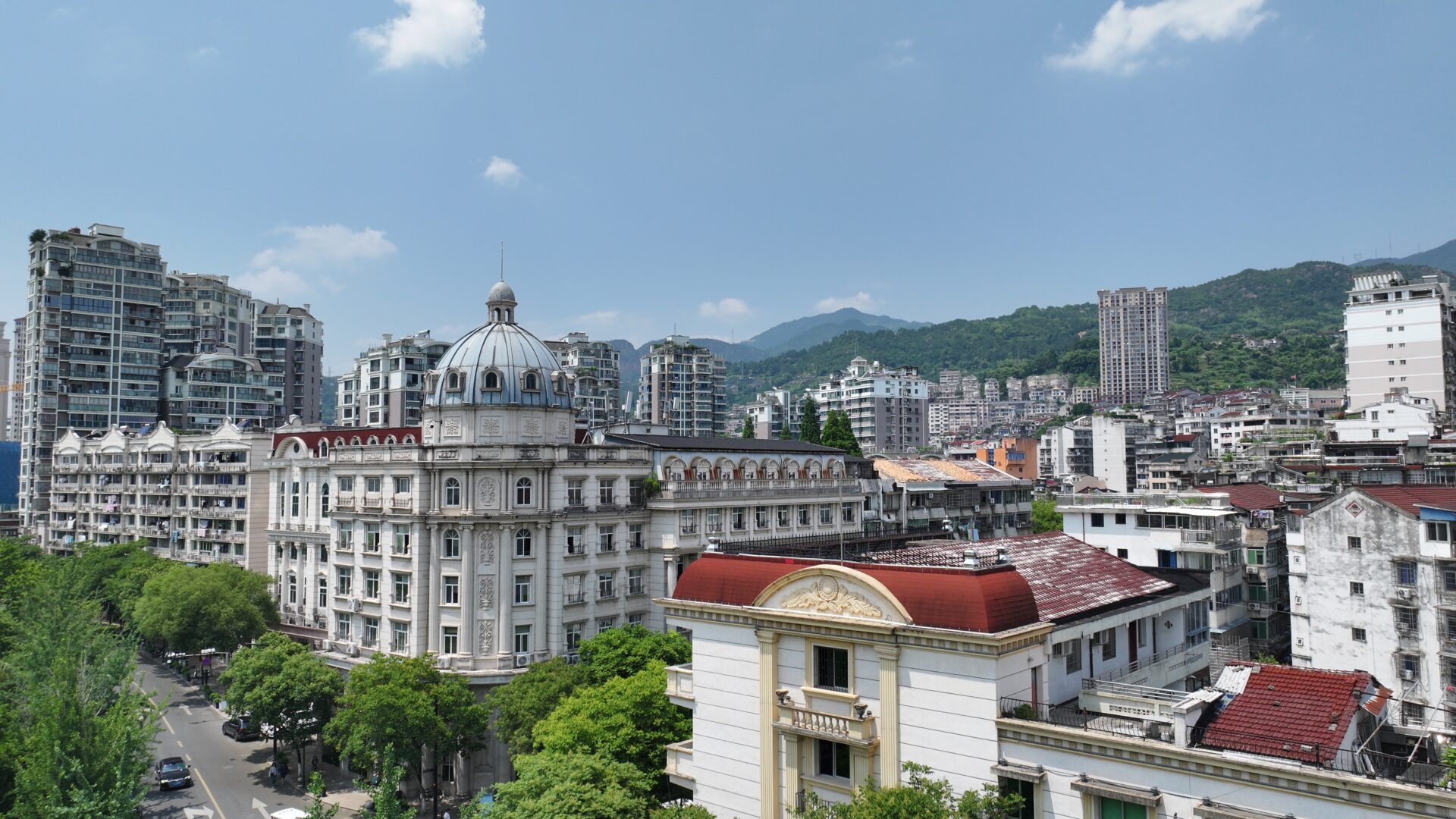
Mountainous, forested, and split by the Ou river — good walking country, terraced hills, and the low-key Zhejiang pleasantness of tea, bamboo and river villages.
The food is local Zhejiang cooking with an incongruous overlay. Ordering hand-cut noodles and then a tiramisu is entirely available.
Practical notes
Getting there: high-speed rail to Qingtian on the Hangzhou–Wenzhou line; also reachable from Lishui. Two to three hours from Hangzhou.
When: spring and autumn. Avoid the June plum rains — see when to visit.
Why bother: because it’s the clearest illustration in China of migration as a two-way flow rather than a departure. Compare Taishan in Guangdong, which sent its people to North America and got fortified towers back, and Quanzhou, which sent its people to Southeast Asia.
Nearby: the water towns and Hangzhou north, Wenzhou and the coast east.
- #zhejiang
- #qingtian
- #diaspora
- #europe
- #stone carving