
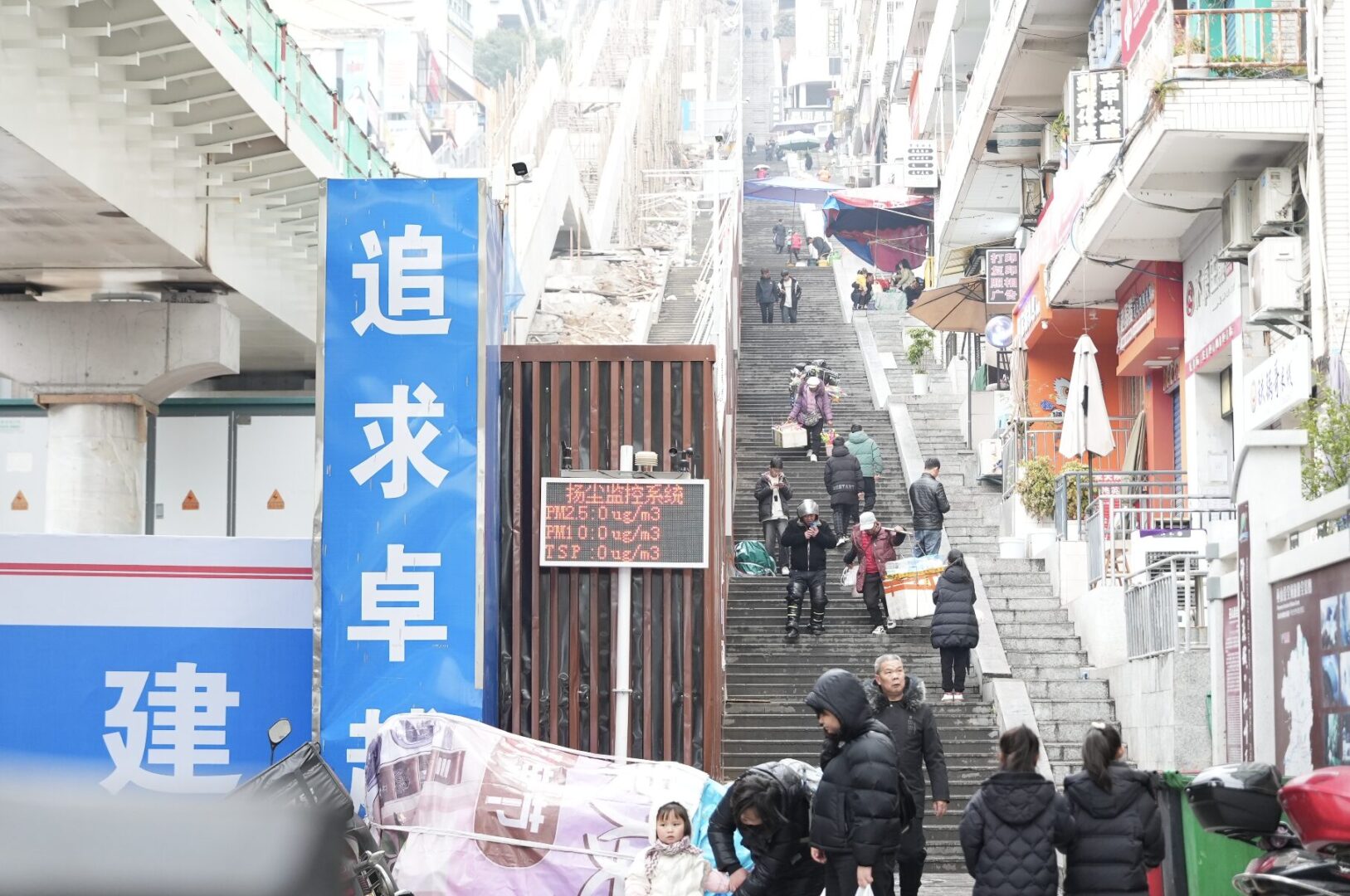
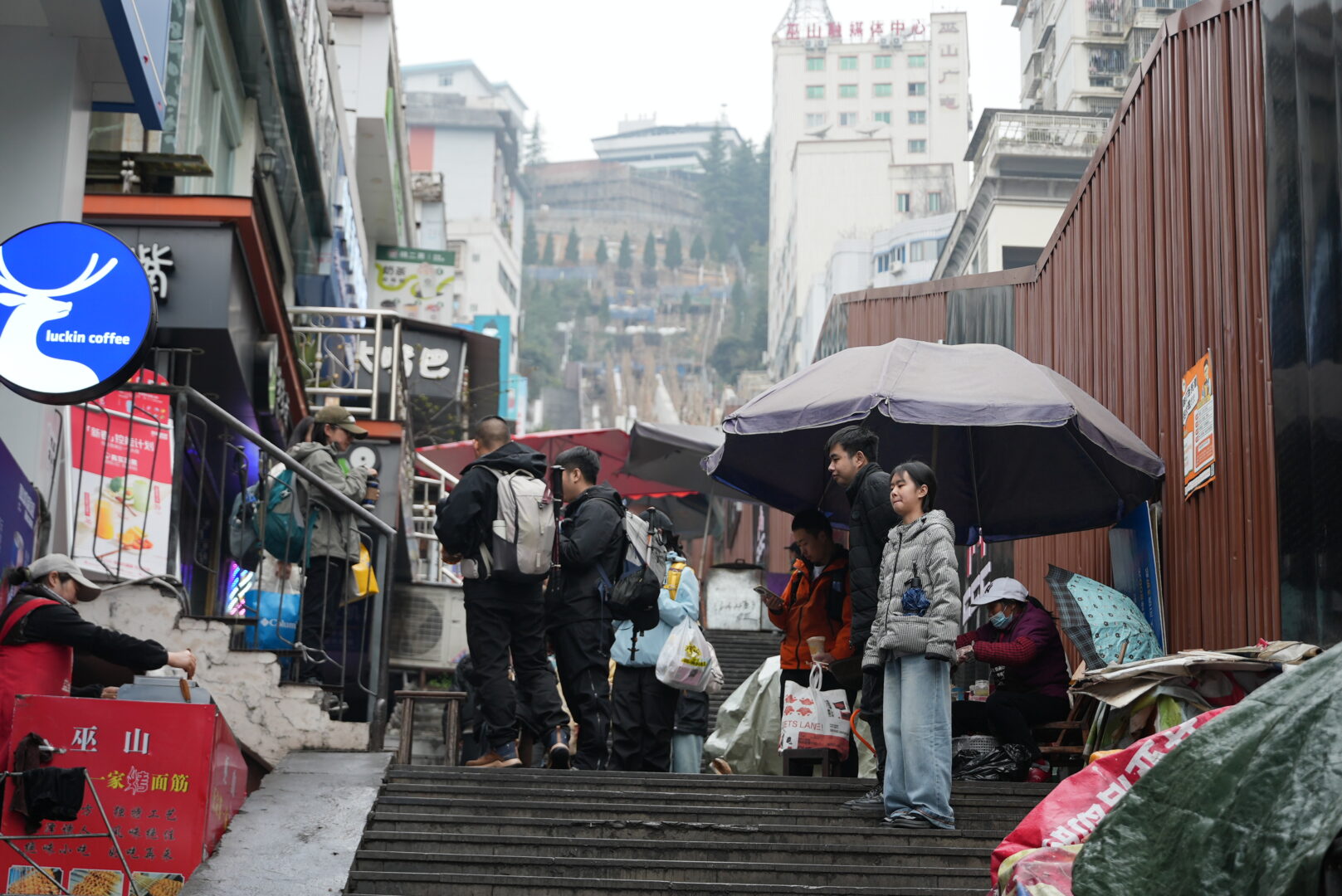
Wushan sits where the Yangtze cuts through the Wu Gorge, the middle of the Three Gorges. Come in late autumn, when the whole canyon system goes red.
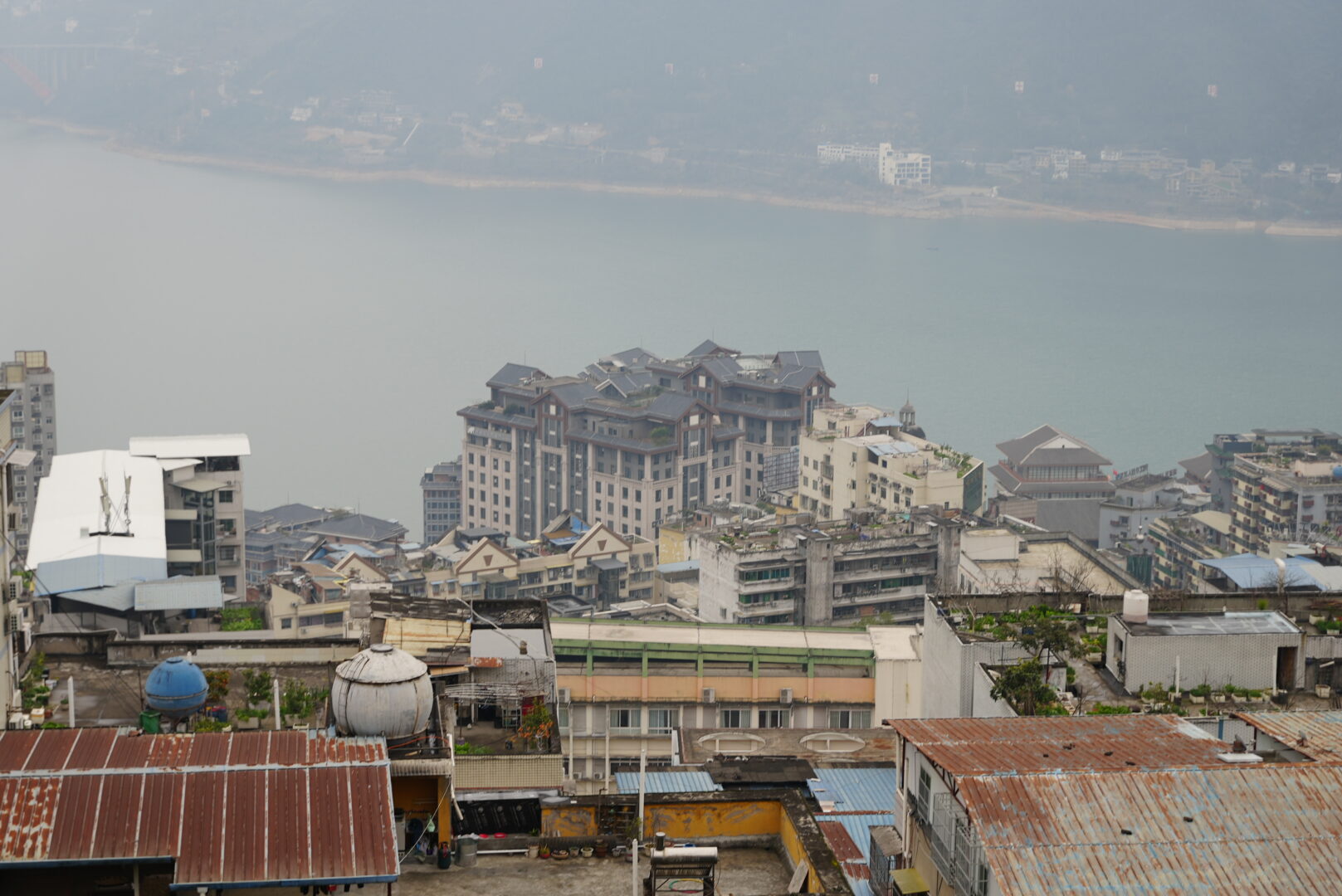
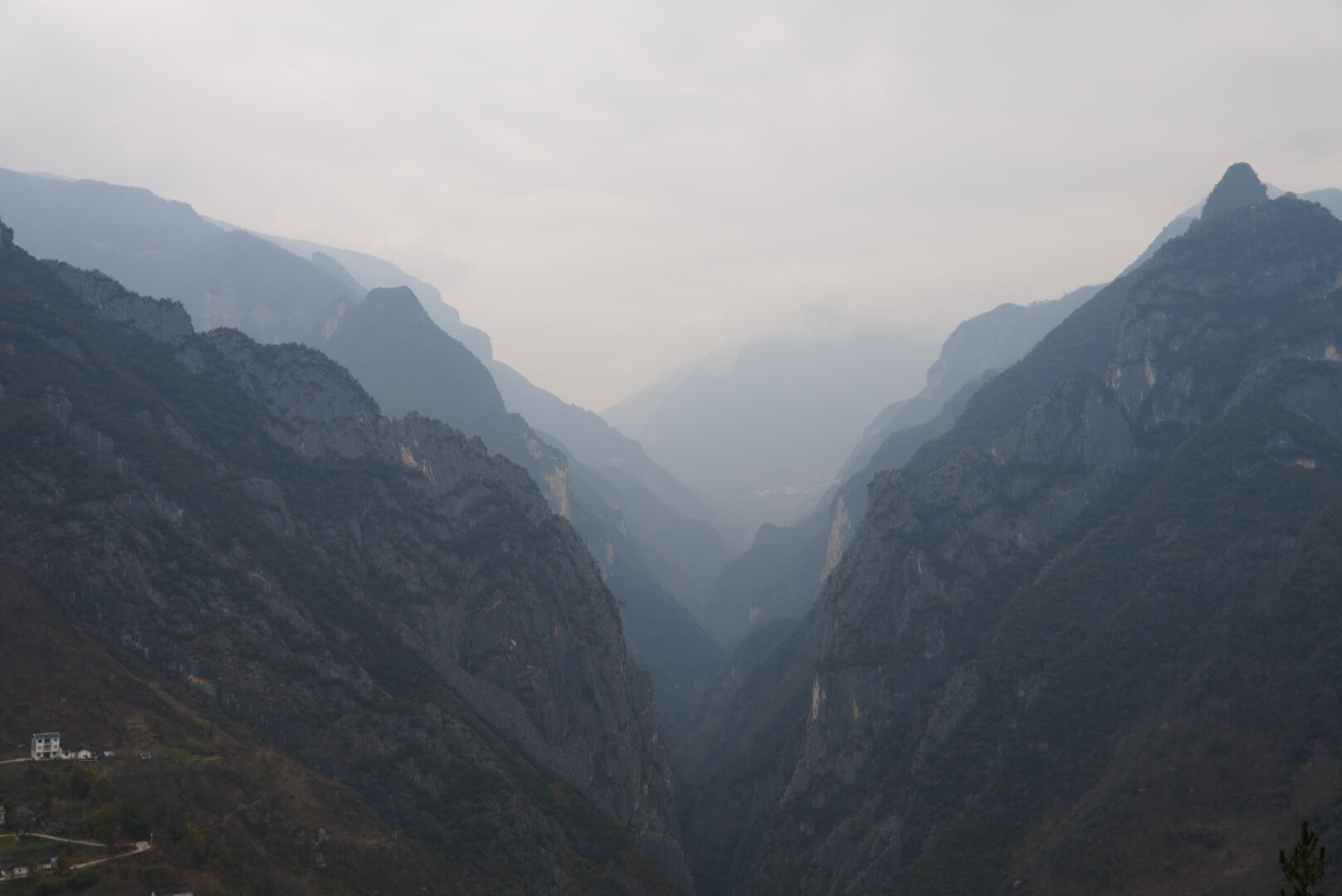
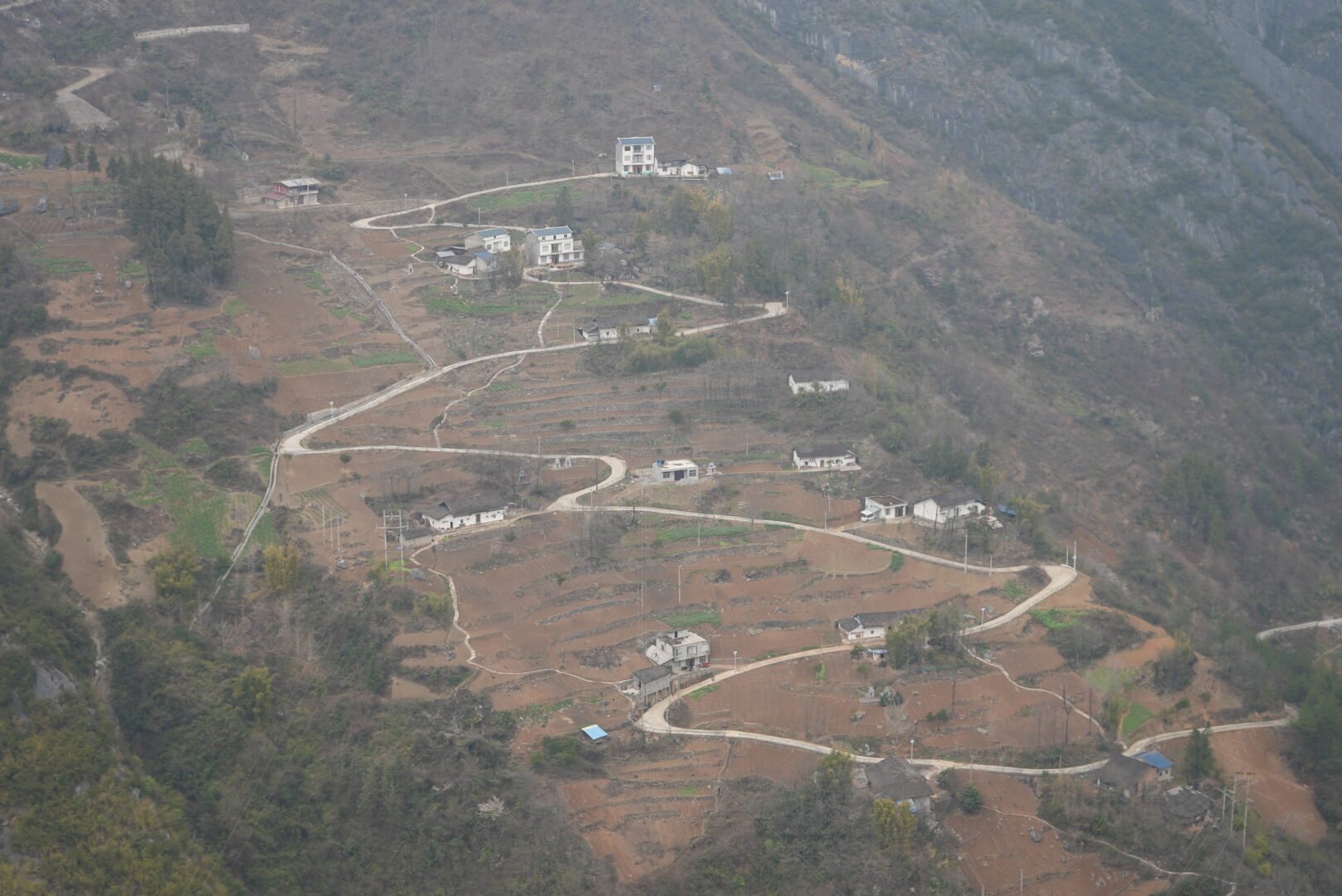
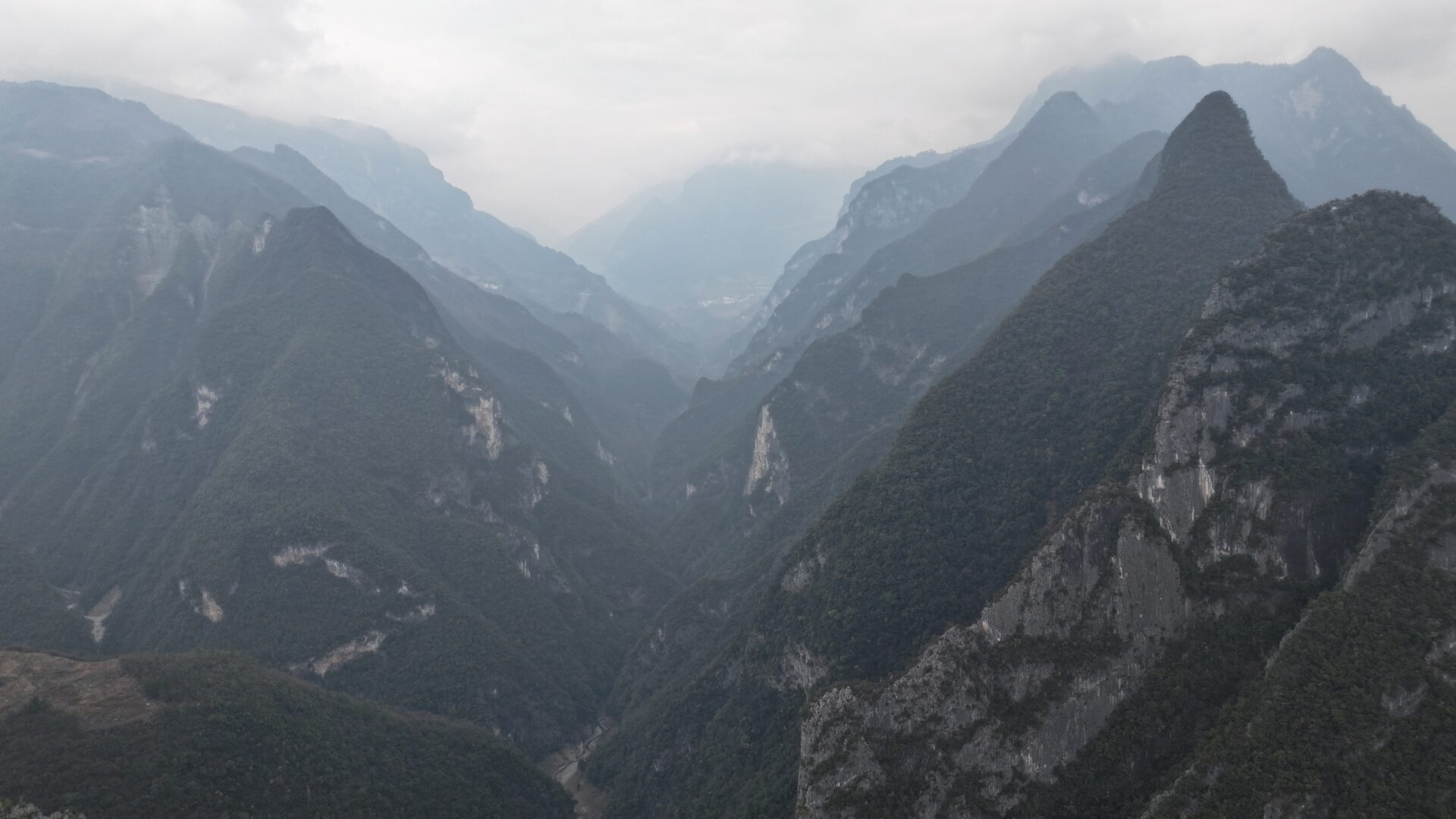
Wushan is in the far east of Chongqing municipality, where the Yangtze cuts through the mountains in a series of gorges. This is the middle section of the Three Gorges — the Wu Gorge specifically — and the walls rise a thousand metres directly out of the water.
The gorges
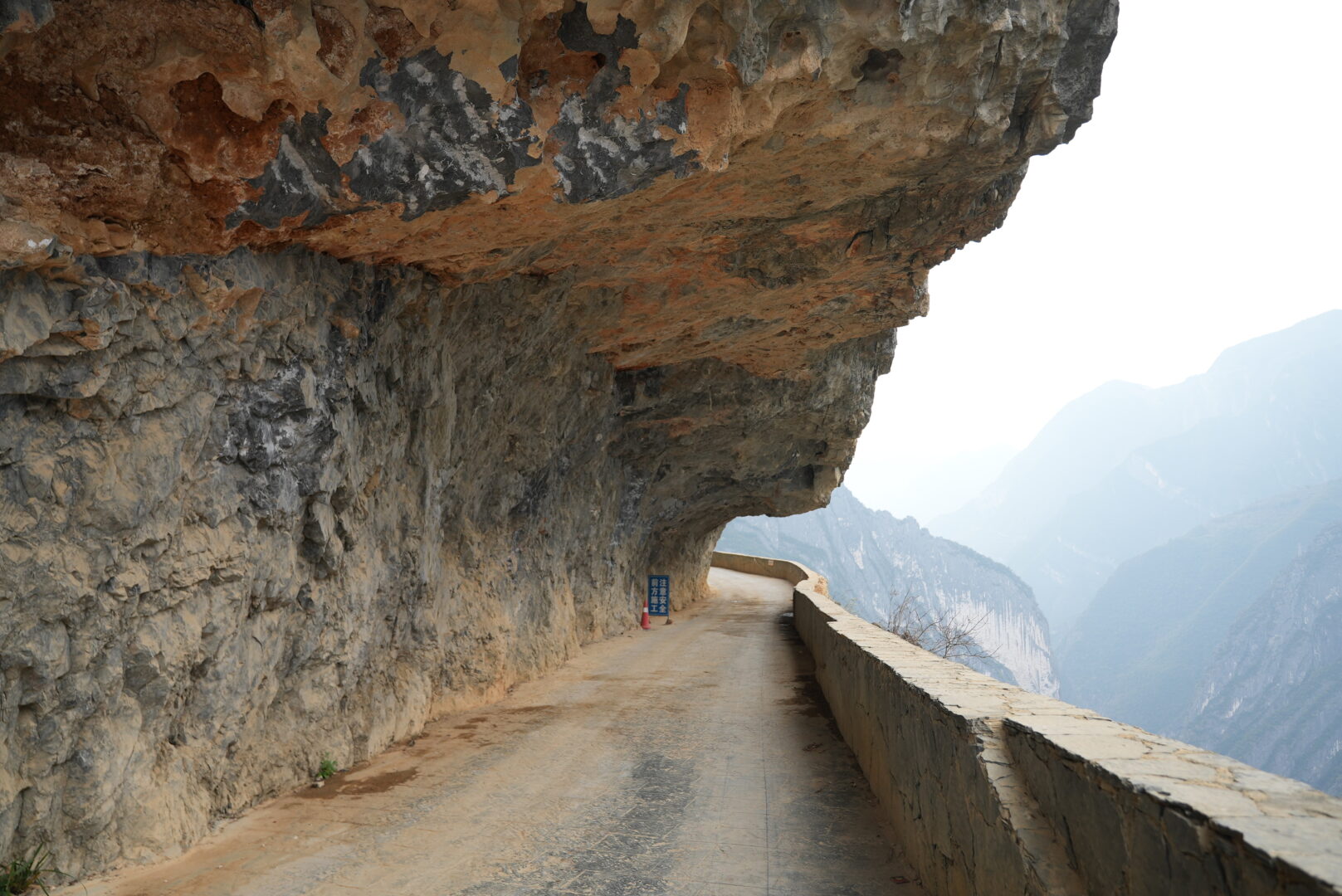
The scale here is the point. The Yangtze has cut through the range rather than around it, and the result is a corridor where the river is a few hundred metres wide and the peaks either side are twelve peaks of legend — the classical Twelve Peaks of Wushan, each named, each with a story attached.
The Three Gorges Dam downstream raised water levels substantially, so what you see now is a deeper, calmer river than the one in the classical poetry. That has taken some of the drama out of the water and none out of the walls. It also drowned a great deal — towns, farmland and archaeology — and relocated well over a million people, which is part of the honest story of this landscape.
The Lesser Three Gorges
The best boat trip isn’t on the Yangtze itself. Turn up the Daning river at Wushan and you enter the Lesser Three Gorges — narrower, greener and far more intimate, with clear water, hanging vegetation, and cliffs close enough overhead to feel.
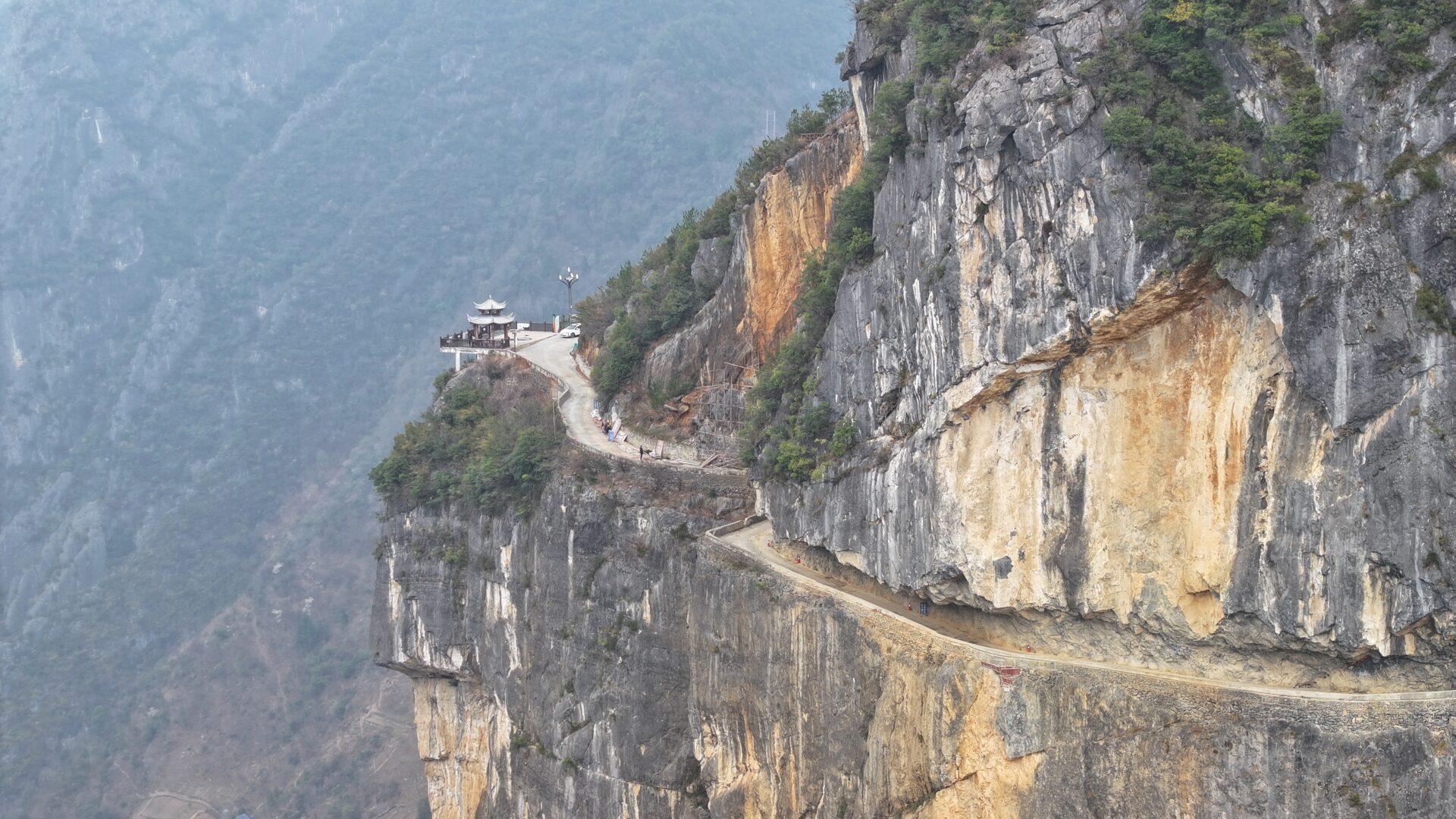
Look for the ancient plank road notches cut into the rock face — square sockets that once held timber walkways along the gorge wall, some of them two thousand years old. And there are hanging coffins in clefts high above the water, of a piece with those at Doushaguan.
Beyond that, the Lesser Lesser Three Gorges on a tributary, done in small boats, which is the quietest water in the system.
Fengjie, downstream — the infrastructure here is on the same scale as the terrain
The red leaves
If you can choose your dates, come in late November or early December.
Wushan’s red leaf season turns the whole gorge system — the Huangluoshu and other species on the slopes — deep red and orange, and the combination with grey limestone and green water is the reason domestic photographers plan a year ahead. There’s a festival around it, and the boats are full.
It’s the single best time to be here by a wide margin.
Fengjie, downstream
Worth adding a stop. Fengjie sits at the entrance to Qutang Gorge — the shortest and most dramatic of the three — and the view of its cliff gates is the one printed on the 10-yuan note.
Above the town is Baidi Cheng, the White Emperor City, a fortified site associated with the Three Kingdoms period and with a great deal of classical poetry. Now an island, because of the dam.
Practical notes
Getting there: Wushan has an airport and is on the rail network from Chongqing; the classic approach is by Yangtze cruise, which stops here.
Cruises: multi-day Yangtze cruises run between Chongqing and Yichang and include the gorges. They range from comfortable to very comfortable and are the low-effort way to see all of it.
Independent: train or bus to Wushan, then local boats up the Daning for the Lesser Three Gorges. Cheaper, more flexible, and lets you time the light.
When: late November for red leaves. Spring and autumn otherwise. Summer is hot and humid — this is Chongqing territory, and the heat is serious.
Nearby: Chongqing city upstream, and Yanjin in the mountains south.
- #chongqing
- #wushan
- #three gorges
- #yangtze
- #autumn