
Huangshan is the most painted mountain in China and it deserves the reputation. It's also relentlessly crowded, and the difference between a great visit and a miserable one is entirely about timing.
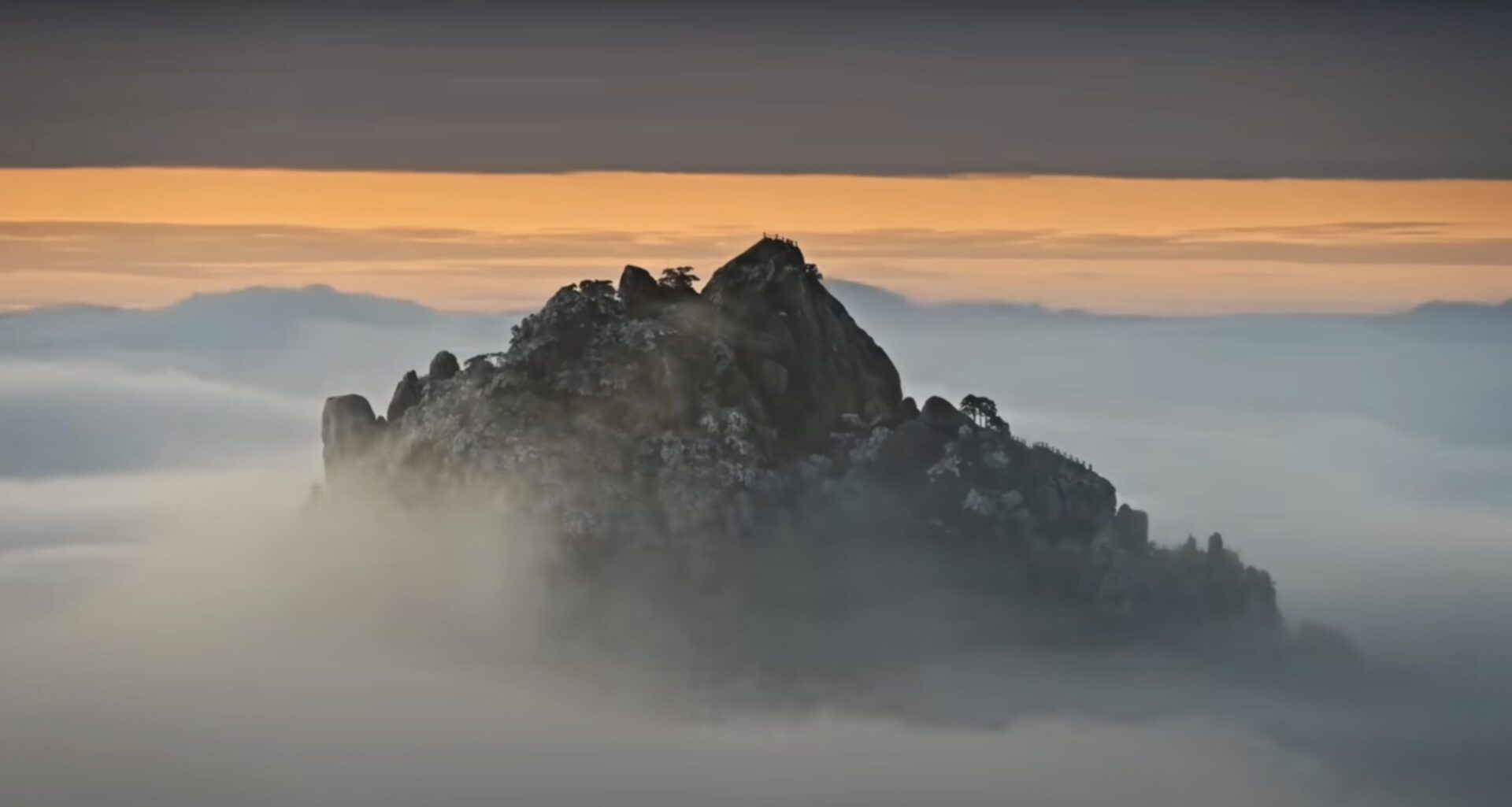
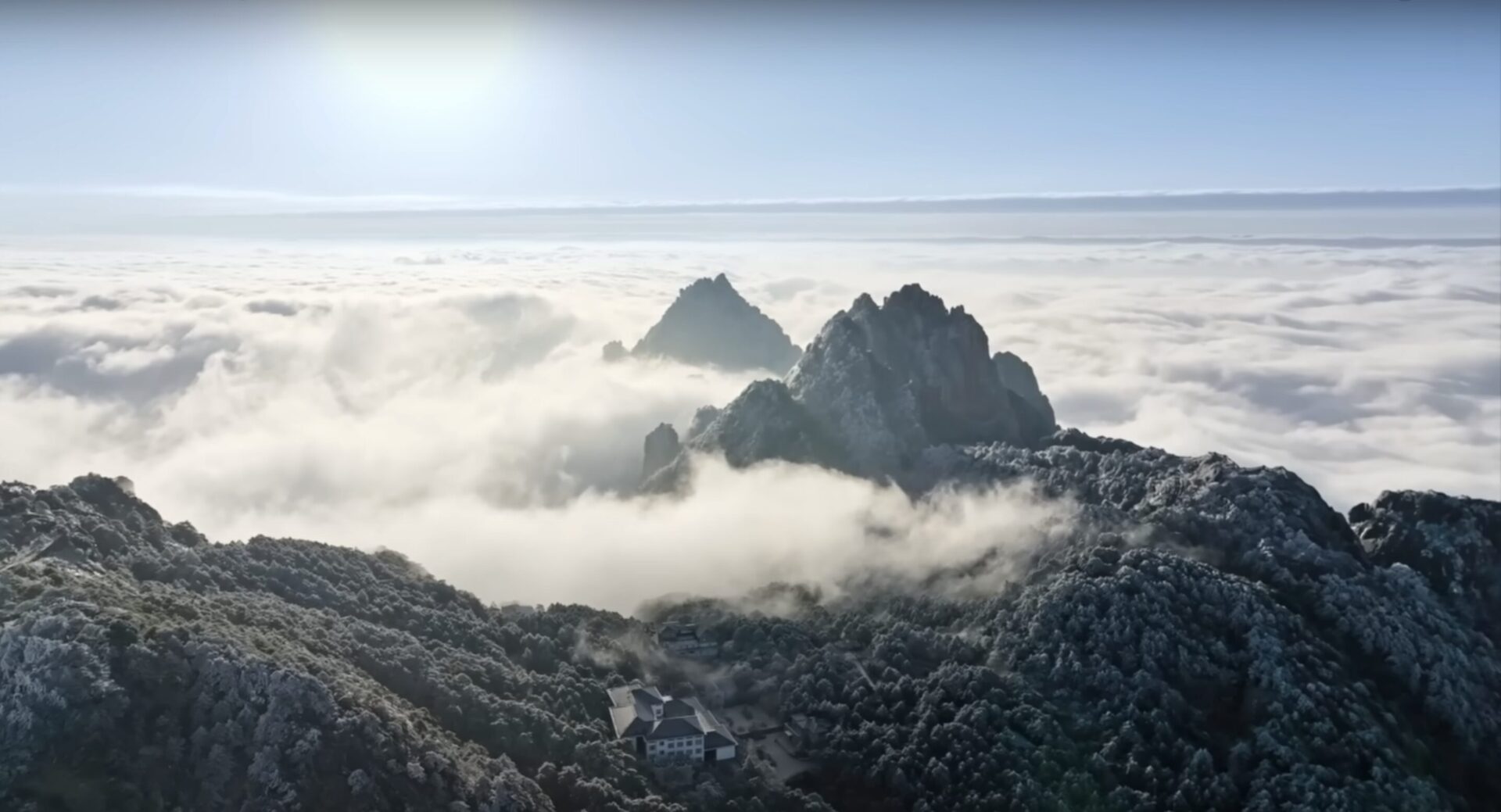
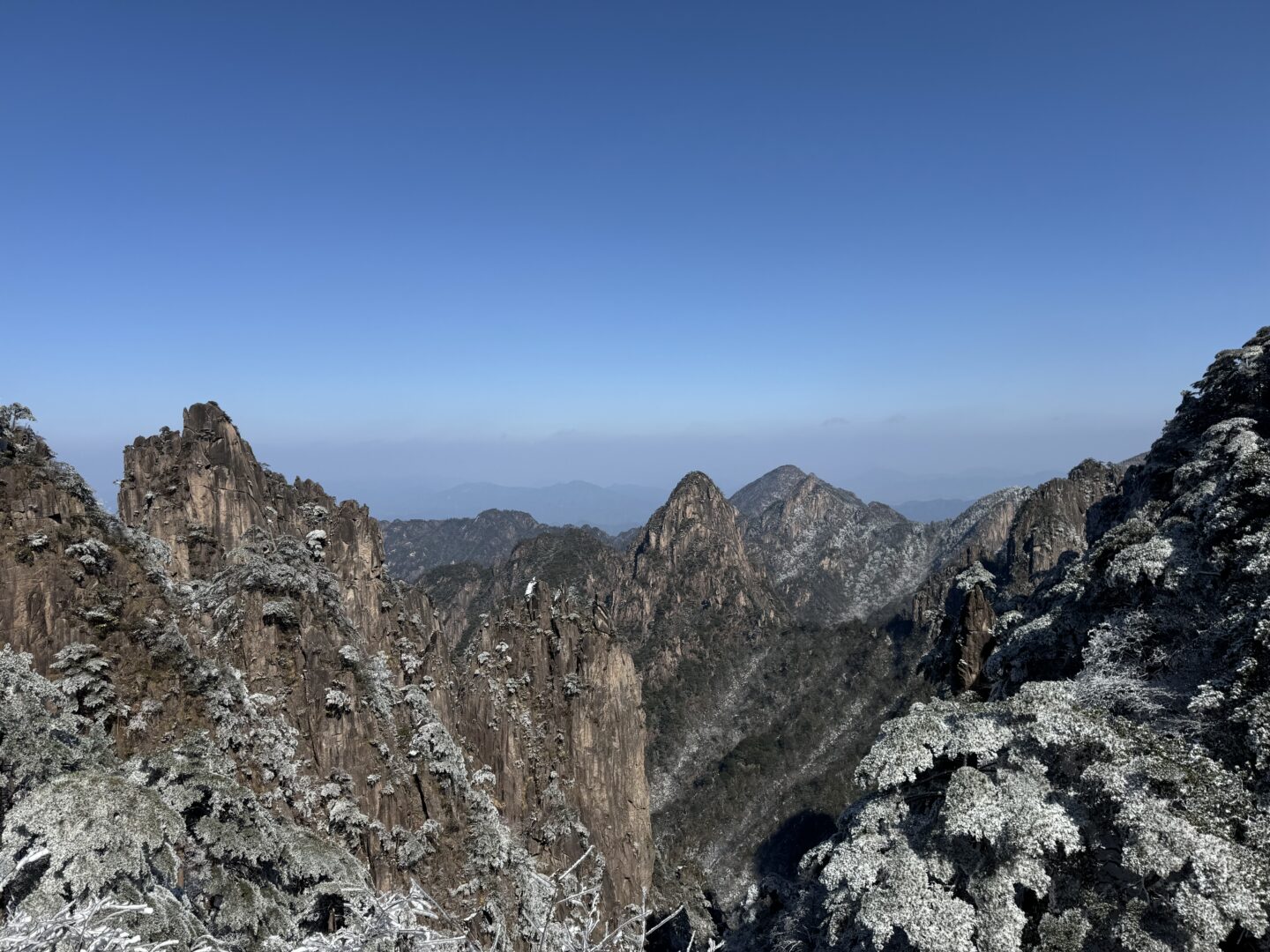
Huangshan is the mountain in the paintings. Granite spires, pines growing out of vertical rock at implausible angles, and cloud filling the valleys below so the peaks appear to float — the yunhai, the sea of clouds. It shaped the entire visual grammar of Chinese landscape art, and it is a UNESCO World Heritage site.
It is also one of the busiest attractions in the country, and being honest about that is the most useful thing this article can do.
Why it looks like that
The rock is granite, uplifted and then weathered along vertical joints, so instead of a mountain with slopes you get clusters of near-vertical pillars. The pines — Pinus hwangshanensis, the Huangshan pine — root in the joints and grow horizontally out of cliff faces, and their shapes are the reason painters kept coming.
The cloud comes from position and moisture: warm wet air off the Yangtze plain rises against the massif and condenses in the valleys, most reliably after rain and in the early morning. It is not guaranteed and it’s the thing everyone comes for.
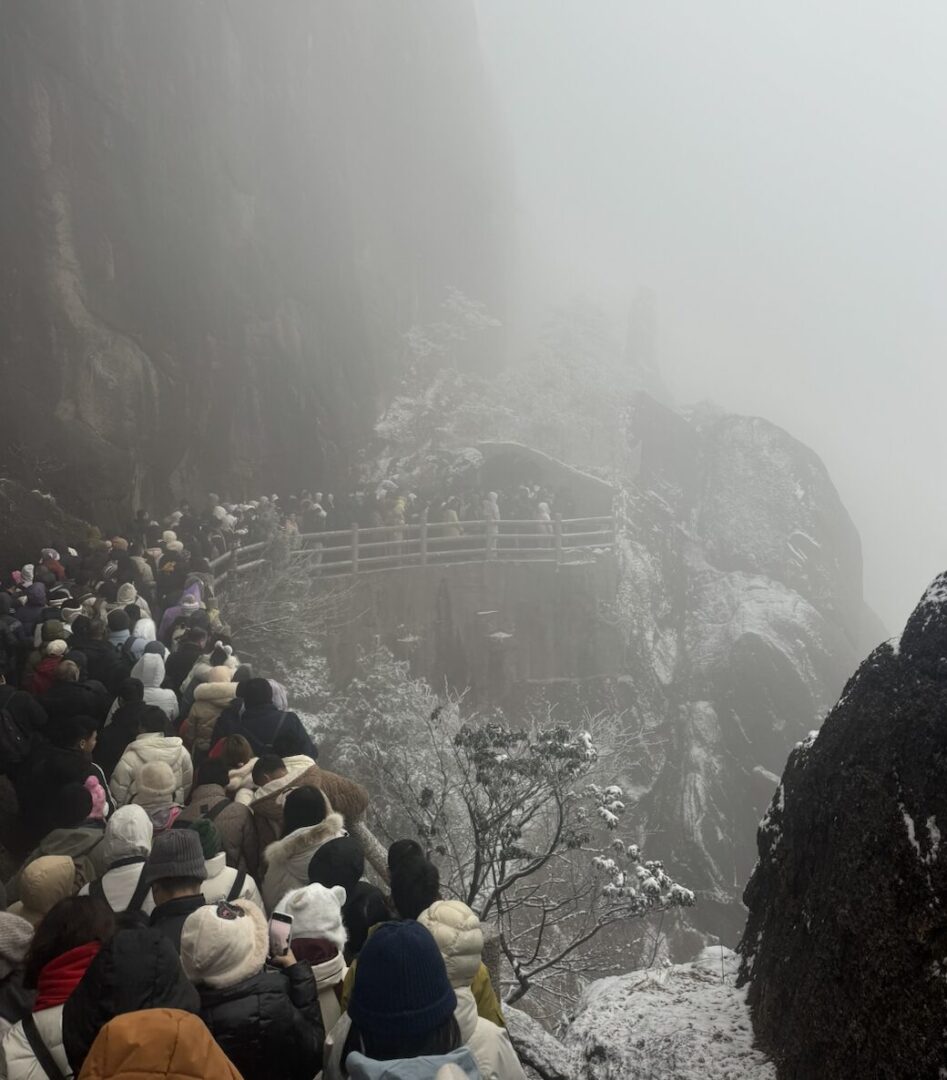
The other side of a famous mountain
Doing it properly
Stay on the summit. This is the single decision that changes everything. There are hotels up top — expensive, basic for the price, and booked weeks ahead. Staying means you get the mountain at sunset and again at sunrise, in the two hours either side of which the day-trippers are on cable cars.
Two cable cars up, and two routes on foot. The stairs are stairs — thousands of them, well built, hard on the knees going down. A reasonable plan is cable car up, walk the ridge routes all day, cable car down; or walk up one side and ride down the other.
The named sights — Bright Summit, Lotus Peak, Celestial Capital Peak, the Welcoming Pine, Flying-over Rock — are all along the main ridge circuits and all worth seeing. Some peaks close on rotation for vegetation recovery.
Walk away from the middle. The West Sea Grand Canyon route is longer, steeper and dramatically emptier than the central paths.
Timing
- Avoid national holidays absolutely. Golden Week (1–7 October) and Labour Day are, on this mountain, genuinely unpleasant.
- Weekdays outside summer are much better.
- Winter is the connoisseur’s choice: snow on the pines, ice on the rails, the fewest people of the year, and the best chance of a clean cloud sea. Cold, and some routes close.
- After rain is when the cloud performs.
The valley below
Do not treat the mountain as the whole trip. Huangshan City — Tunxi — has an intact old street and is the gateway to the Huizhou villages, which are the real reason to spend a week in southern Anhui: Xidi, Hongcun and the rest, white-walled and black-tiled among rapeseed fields.
There are hot springs at the mountain’s foot, which after a day of stairs are less of a luxury than a medical necessity.
Practical notes
Getting there: high-speed rail to Huangshan North from Shanghai, Hangzhou or Nanjing, then bus to the cable-car bases.
Tickets: mountain entry plus cable car, bought separately, with quotas in peak season. Book ahead.
Bring: layers (the summit is much colder), a torch for a pre-dawn start, and knees you don’t mind spending.
When: spring for rapeseed in the valleys below, autumn for clarity, winter for snow and solitude. See when to visit China.
- #anhui
- #huangshan
- #hiking
- #unesco
- #sea of clouds