
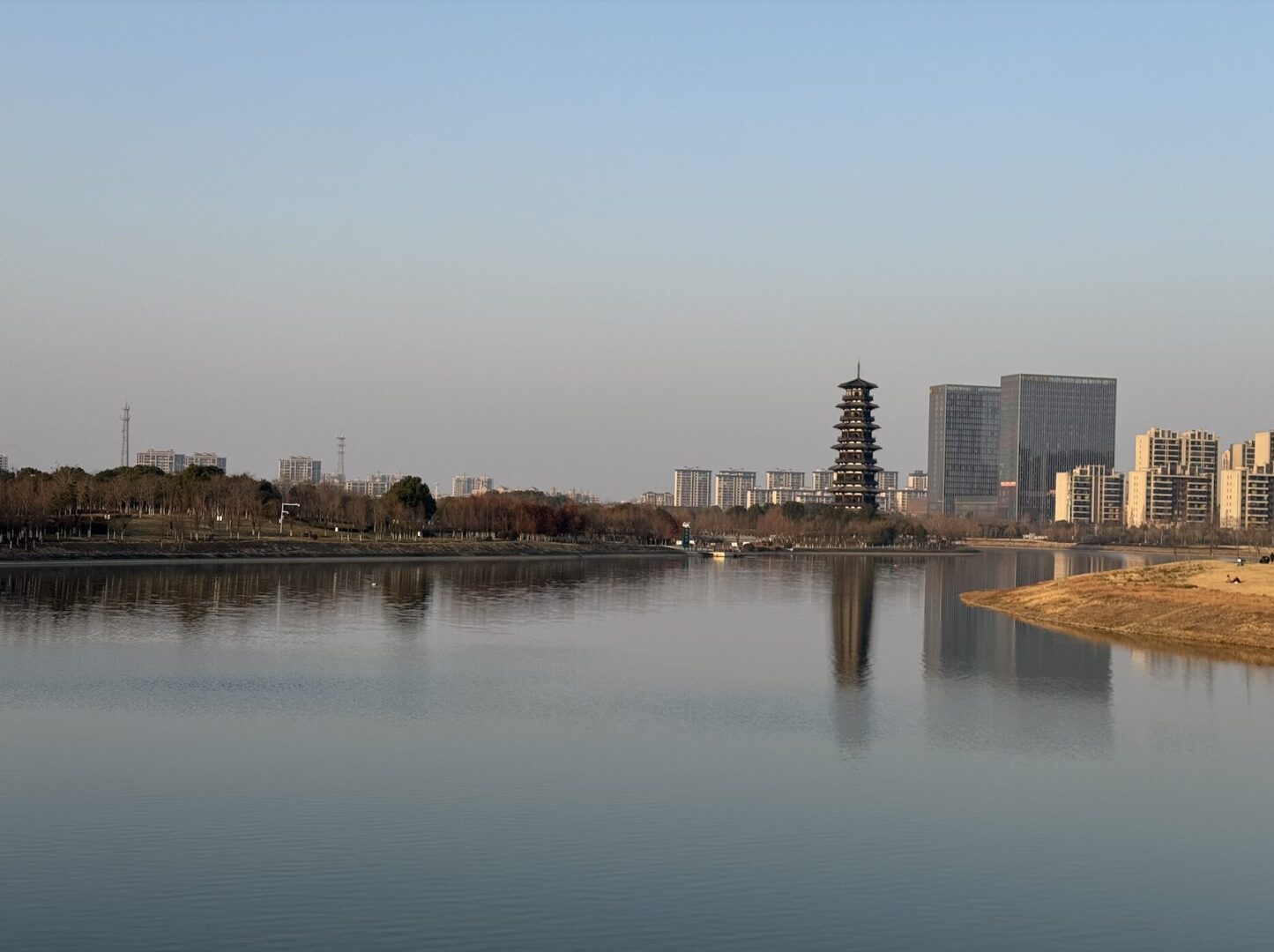
Guangde is a county town in eastern Anhui with no famous sight and no tourist industry. It is exactly the kind of place most travellers in China never stop in, and it's a better day than most of the ones they do.
Guangde sits in the eastern corner of Anhui, where the province meets Jiangsu and Zhejiang — close enough to Shanghai and Hangzhou to be an easy detour, far enough that nobody makes it.
It has no famous mountain, no UNESCO village and no old town on any itinerary. What it has is the thing most travellers in China see through a train window and never stop for: a working county, with hills, bamboo, a market, and about half a million people getting on with their lives.
The bamboo
The hills here are bamboo, at industrial scale. Guangde is one of eastern China’s significant bamboo-processing centres — flooring, furniture, chopsticks, scaffolding, charcoal, and a long list of things you’d assume were plastic.
Walking into a mature stand is worth the trip on its own. Bamboo forest has a specific quality: the light goes green, the noise drops, and the whole stand moves and clicks in wind you can’t feel at ground level. Shoots are dug in spring and sold at the roadside within hours, which is when they’re worth eating.
Taiji Cave
The one conventional attraction is Taiji Cave (太极洞), a large limestone system in the hills — chambers, formations, an underground river, and the usual coloured lighting. It’s been visited since at least the Ming dynasty and there are old inscriptions inside.
Modestly presented and genuinely large. An hour or two, and a good option in the summer heat.
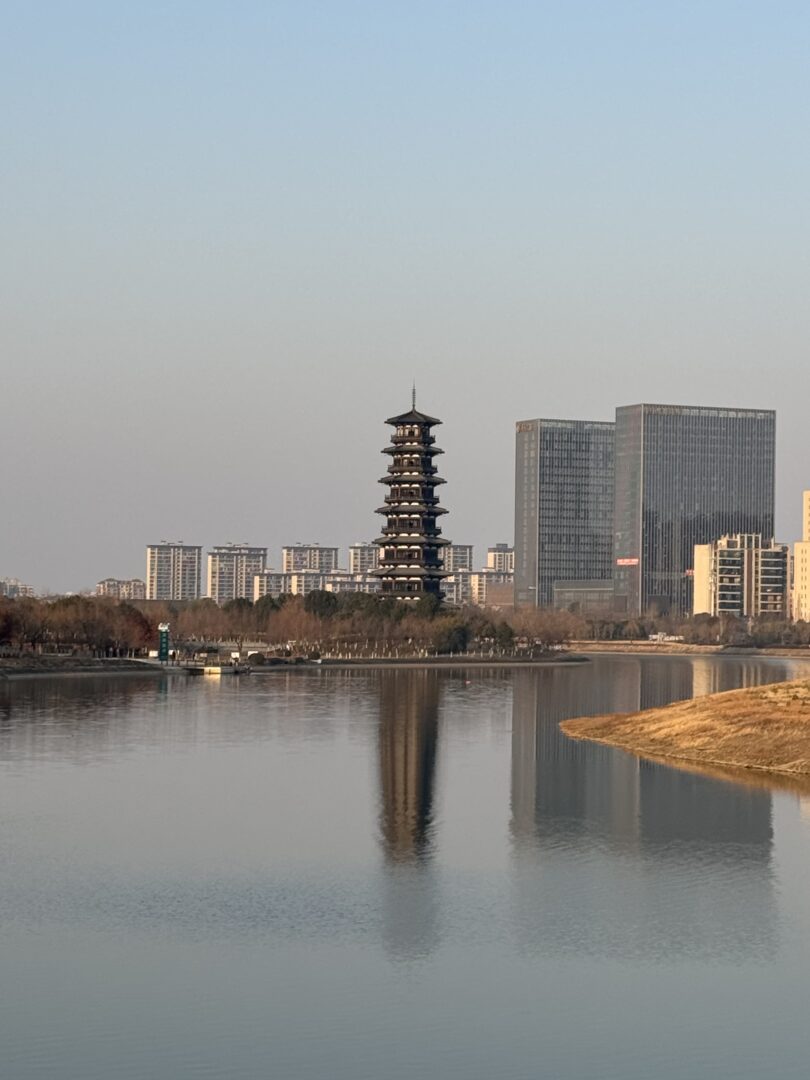
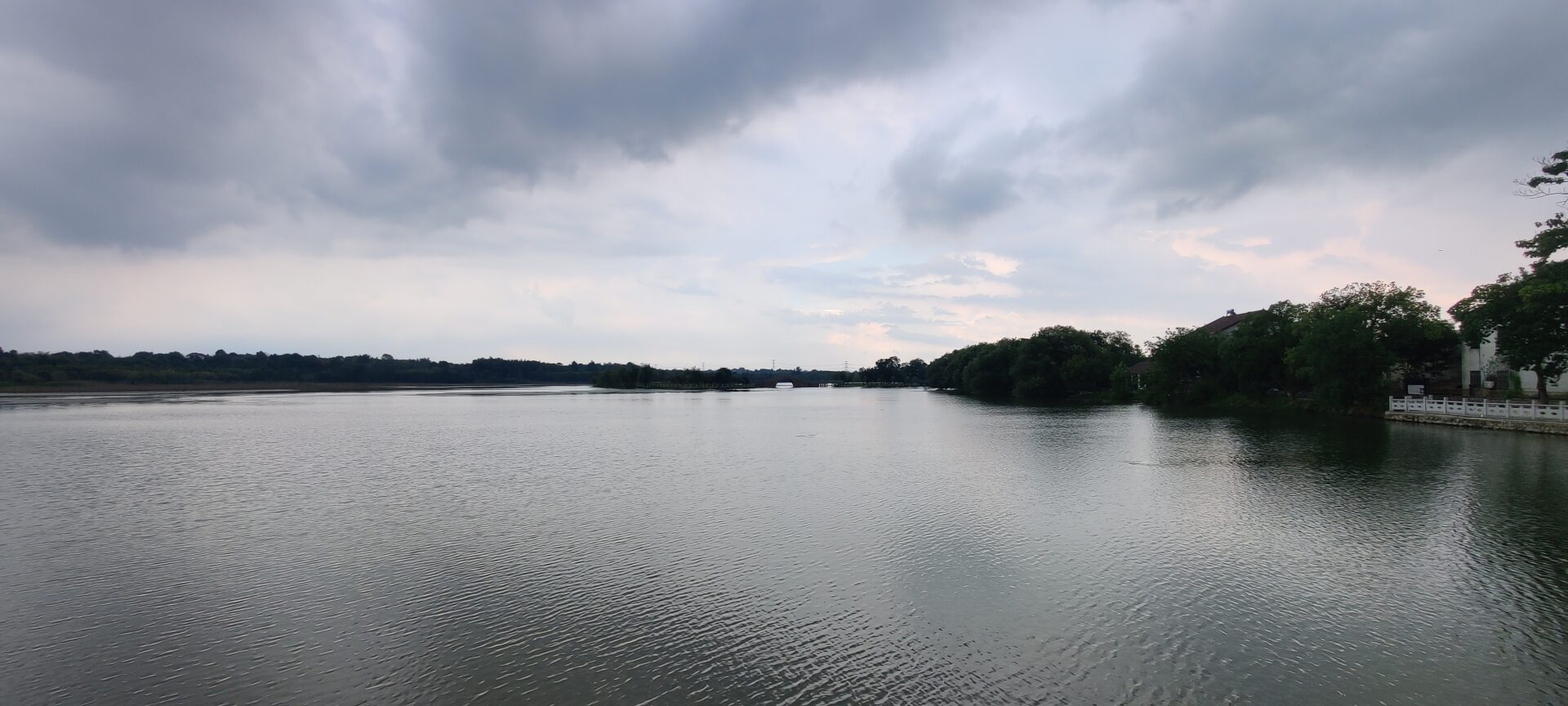
One of the county’s lakes — no ticket office, no boat rental
What to actually do
Nothing structured, which is the recommendation.
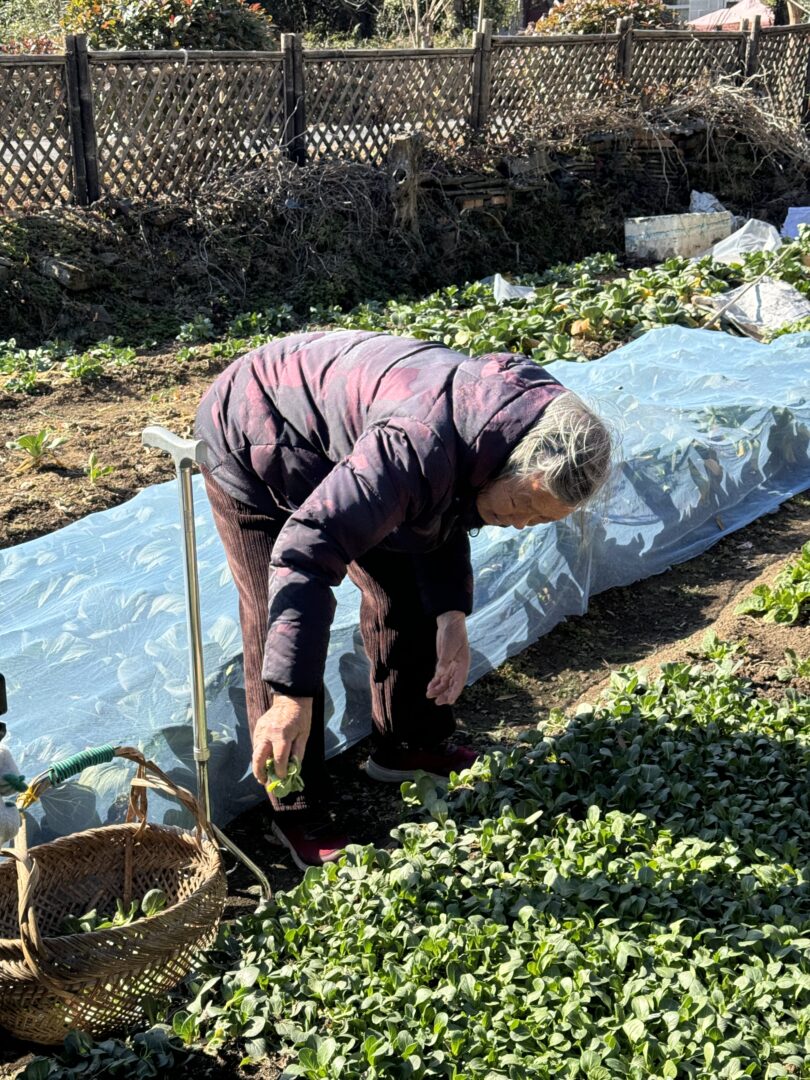
Go to the morning market. Everything in a county town happens there before nine: vegetables from the surrounding villages, live fish in tubs, bamboo shoots in season, tofu made overnight, and breakfast noodles eaten standing.
Eat at a family restaurant. The cooking here is Anhui home food rather than restaurant Huizhou cuisine — river fish, preserved pork, tofu, dark braises, wild greens. Point at what other tables have.
Drive or cycle into the villages. Ten minutes out of town, the lanes go to tea and bamboo and rice, past ancestral halls and drying racks and people who will absolutely start a conversation.
Look at the lotus ponds in summer, when they flower.
The case for ordinary places
There’s a particular gap in most China itineraries. Travellers go from megacity to famous mountain to old town, and the country in between — where most people actually live — passes at 300 km/h.
A day in a county like this fills that in. It’s also the least performative travel available here: nobody is selling you anything, there’s no ticket booth, and the reason people are friendly is that a foreign visitor is genuinely unusual.
Our rural China guide covers the practicalities of doing this deliberately.
Practical notes
Getting there: rail from Nanjing, Hangzhou or Shanghai to Xuancheng or Guangde, then local transport. Under three hours from either big city.
Where to sleep: unremarkable business hotels. Fine.
When: spring for bamboo shoots and green hills, autumn for clear weather. The plum rains in June are genuinely miserable — see when to visit.
Nearby: the Huizhou villages and Huangshan are a few hours southwest, and Nanxun and the water towns about the same distance east.
- #anhui
- #guangde
- #rural china
- #bamboo
- #county town