
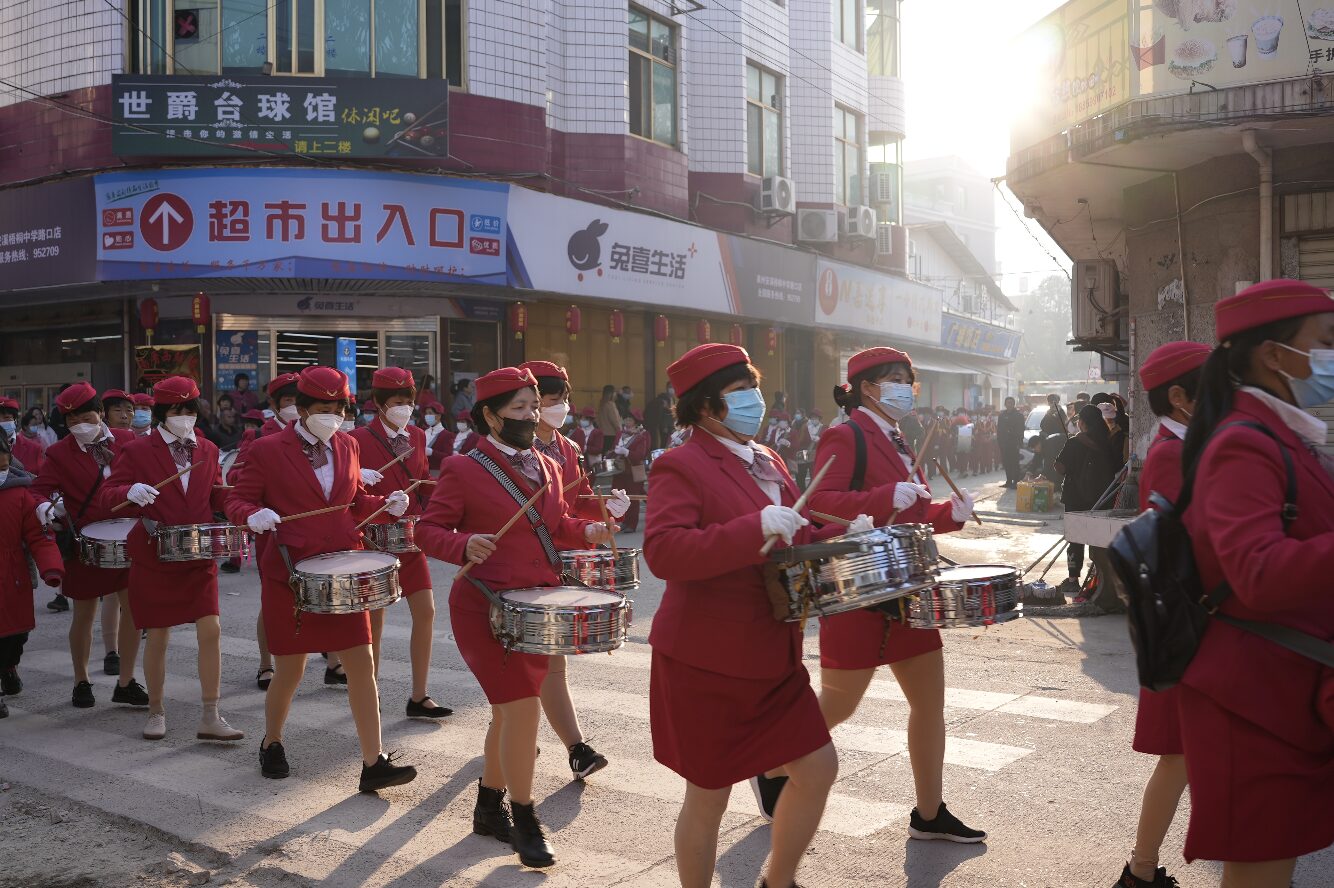
Anxi grows Tieguanyin — the oolong that made Fujian tea famous. It also runs one of the more spectacular temple processions in the province, straight through the tea terraces.
Anxi, in the hills inland from Quanzhou, is where Tieguanyin comes from — the “Iron Goddess of Mercy,” and the oolong that did more than any other to establish Fujian’s tea reputation abroad.
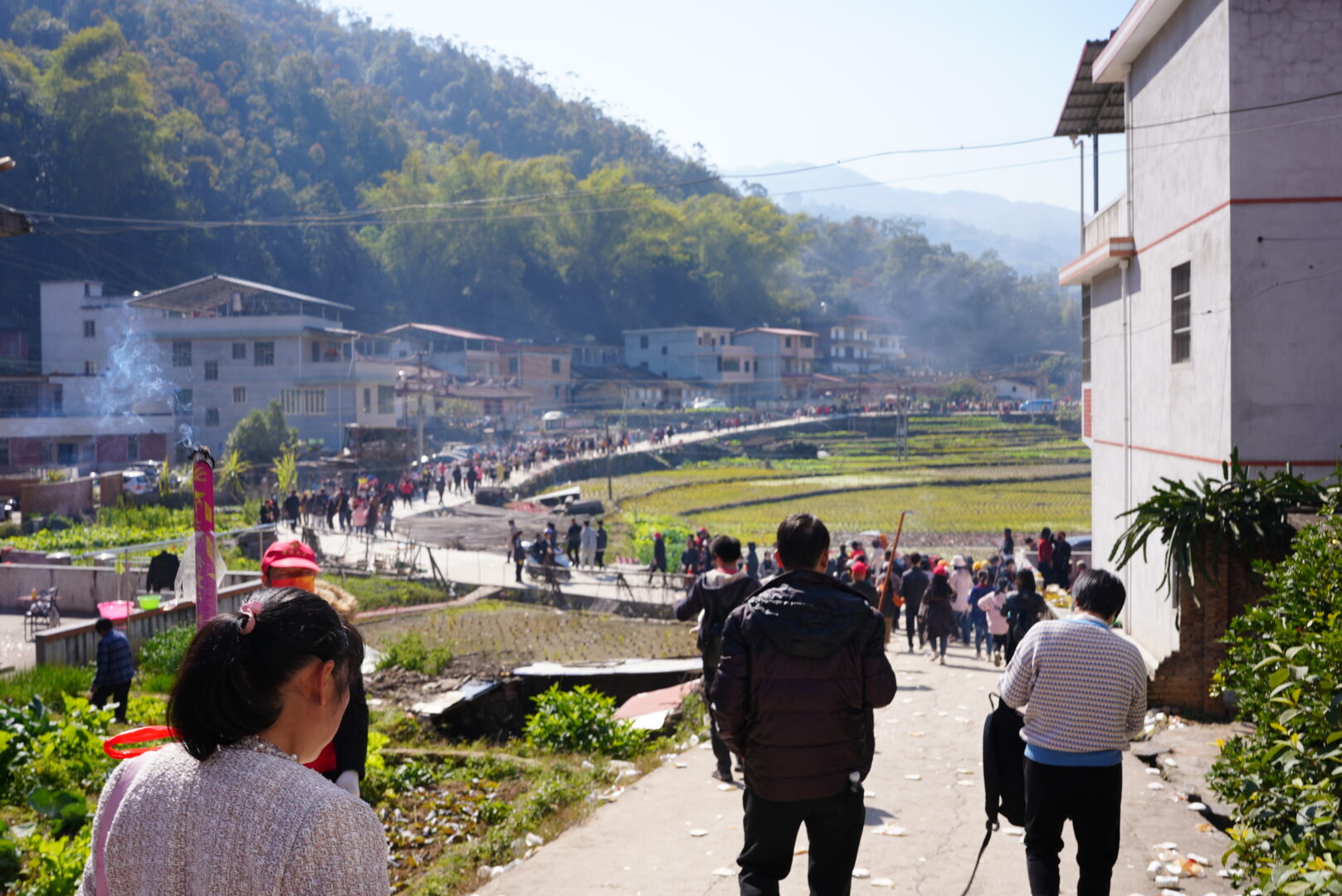
It’s also one of the better places in the province to catch a temple procession, because the parades here go out through the tea terraces rather than along a city street.
The tea
Tieguanyin sits between green and black tea — semi-oxidised, then rolled into tight pellets that open in the pot. The good stuff has an orchid note and a sweetness that stays for several infusions, and the difference between grades is dramatic and expensive.
What’s worth seeing is the processing, which is more involved than for any other kind of tea: picking, sun-withering, indoor withering, repeated shaking to bruise the leaf edges, controlled oxidation, wok-firing to arrest it, rolling, and drying. Spring and autumn are the harvests, and in those weeks whole villages smell of it.
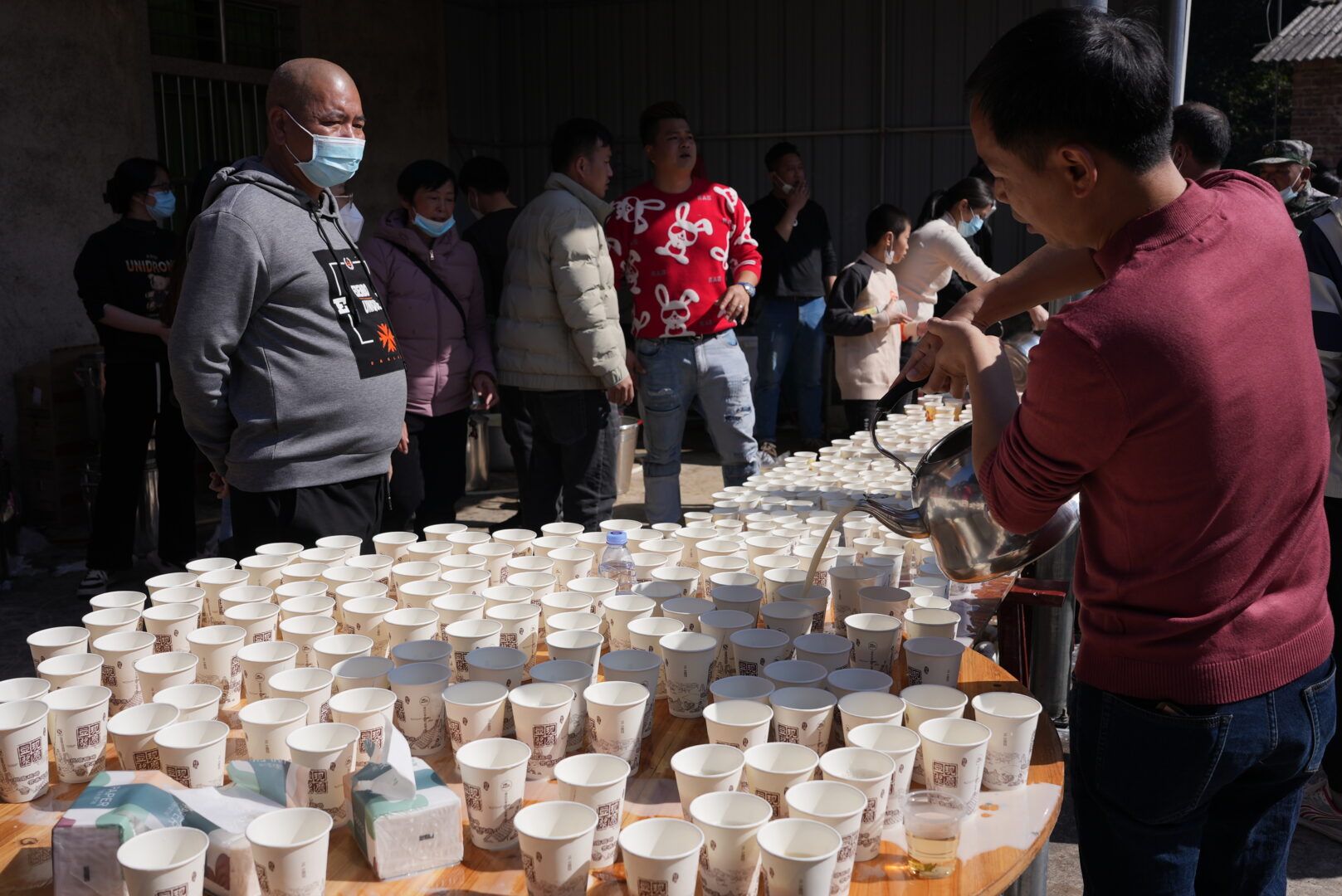
Studios and family producers throughout the county will brew for visitors, and the tasting is done properly — small pot, many infusions, and a running commentary on what you should be noticing.
The parade
Fujian’s village religion is among the most vigorous in China, and the local expression is the god procession — carrying a temple’s deity statues out of the building and around the community on a fixed date.
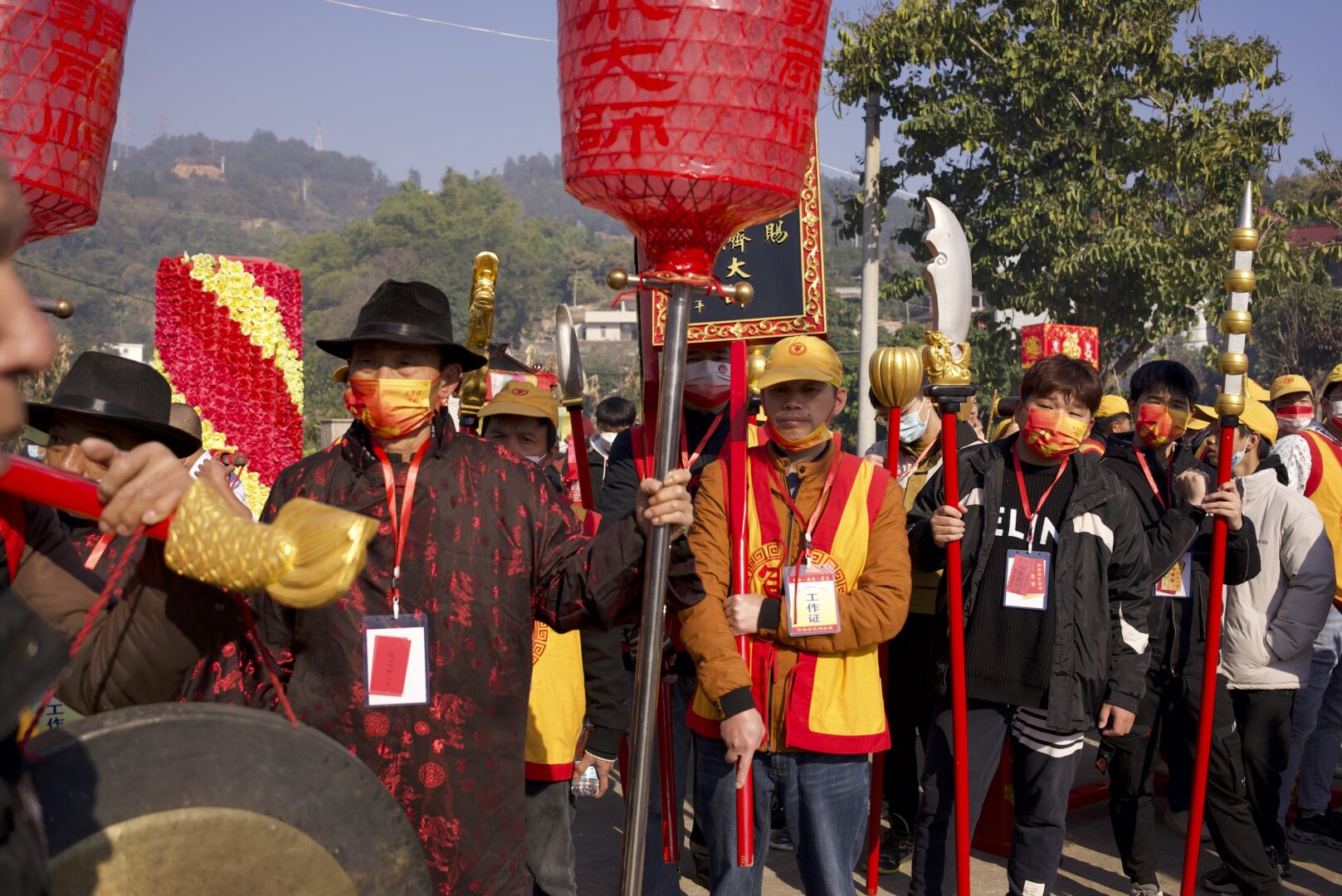
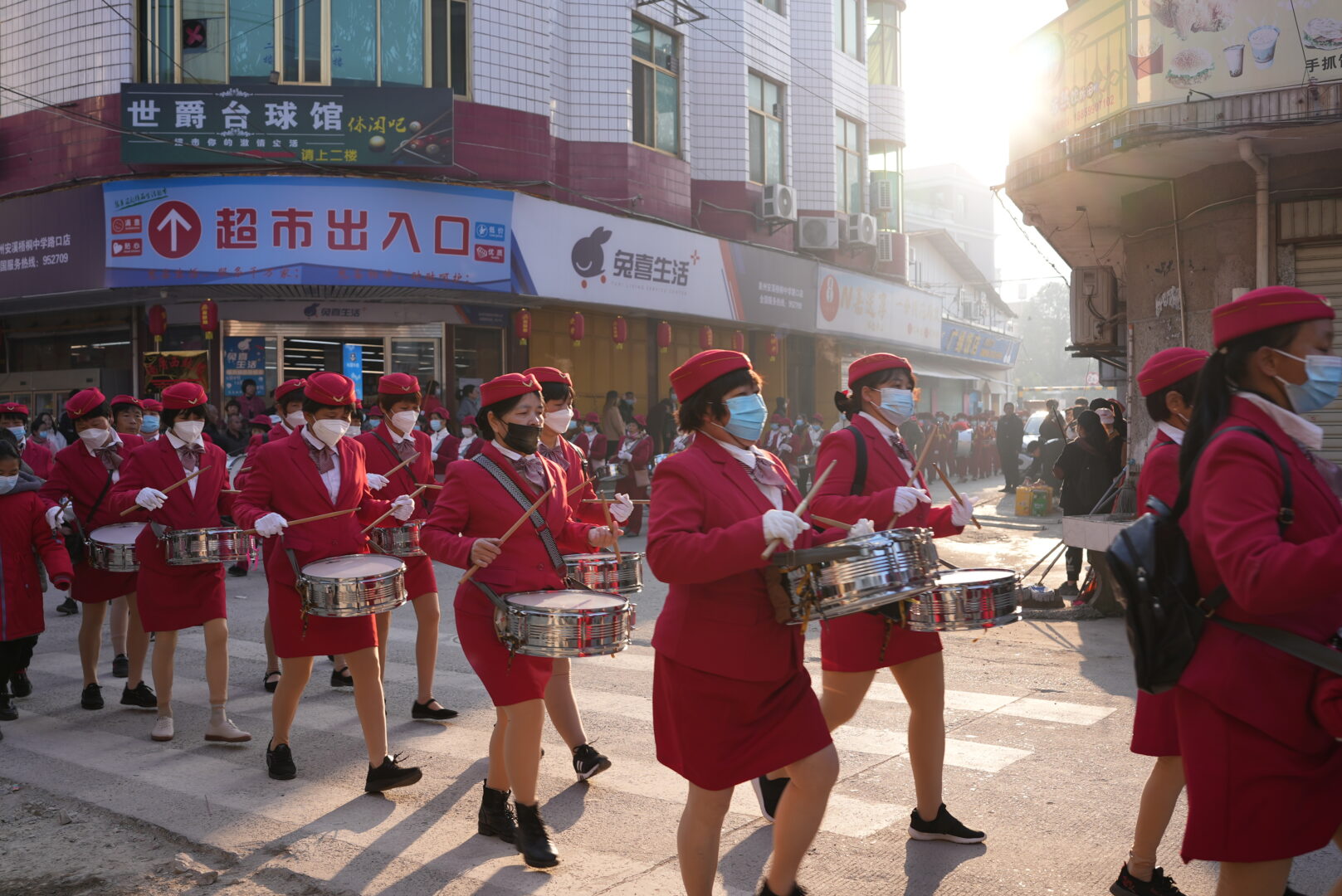
The statues ride on palanquins carried by teams of young men, who don’t walk sedately: the palanquins are run, swung, jostled and occasionally raced. Ahead of them go drums, gongs, suona horns, flag bearers, lion dancers and firecrackers in industrial quantity. Households set out offering tables as the procession passes, and the god is understood to be inspecting the neighbourhood and blessing it.
Preparation runs for weeks. Palanquins are repaired, costumes reissued, musicians rehearsed, and the funding raised household by household — a village’s parade is a matter of collective pride and mild competition with the next village.
The market beforehand — half the preparation happens here
Visitors are generally welcomed, sometimes conscripted. Standard courtesies: ask before photographing people, don’t get between a palanquin team and where they’re going, and if you’re handed a lantern to carry, carry it.
Practical notes
Getting there: road from Quanzhou, under two hours; there’s a rail station on the Xiamen–Longyan line.
When: the tea harvests are spring (April–May) and autumn (September–October), and those are the best months to be here regardless. Processions cluster around the lunar new year and individual temple founding dates — ask locally rather than trusting a published calendar.
Where to sleep: county-town hotels, or tea-farm guesthouses in the hills, which are the better choice.
Nearby: Quanzhou on the coast, Dehua for porcelain, and remote village parades deeper into the hills.
- #fujian
- #anxi
- #tieguanyin
- #tea
- #temple parade