
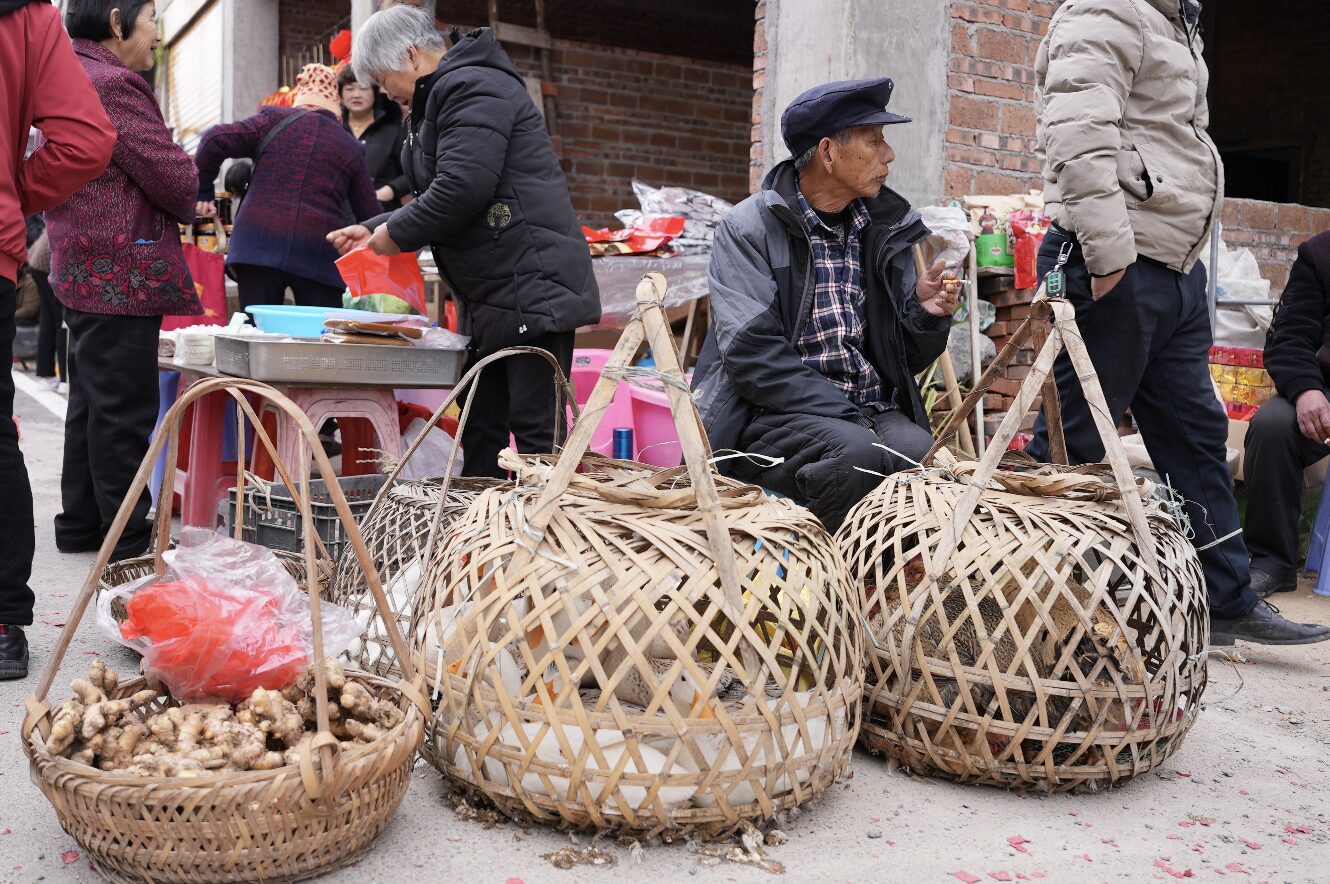
The village version of Fujian's temple processions is smaller than the city ones and considerably more intense. Everybody has a role, everybody knows why, and nobody is performing for you.
City temple festivals in Fujian are big and loud. The village versions are smaller, rougher, and much more affecting — because in a settlement of two hundred people, everybody present has a job.
What happens
The temple’s deity is taken out of the temple.
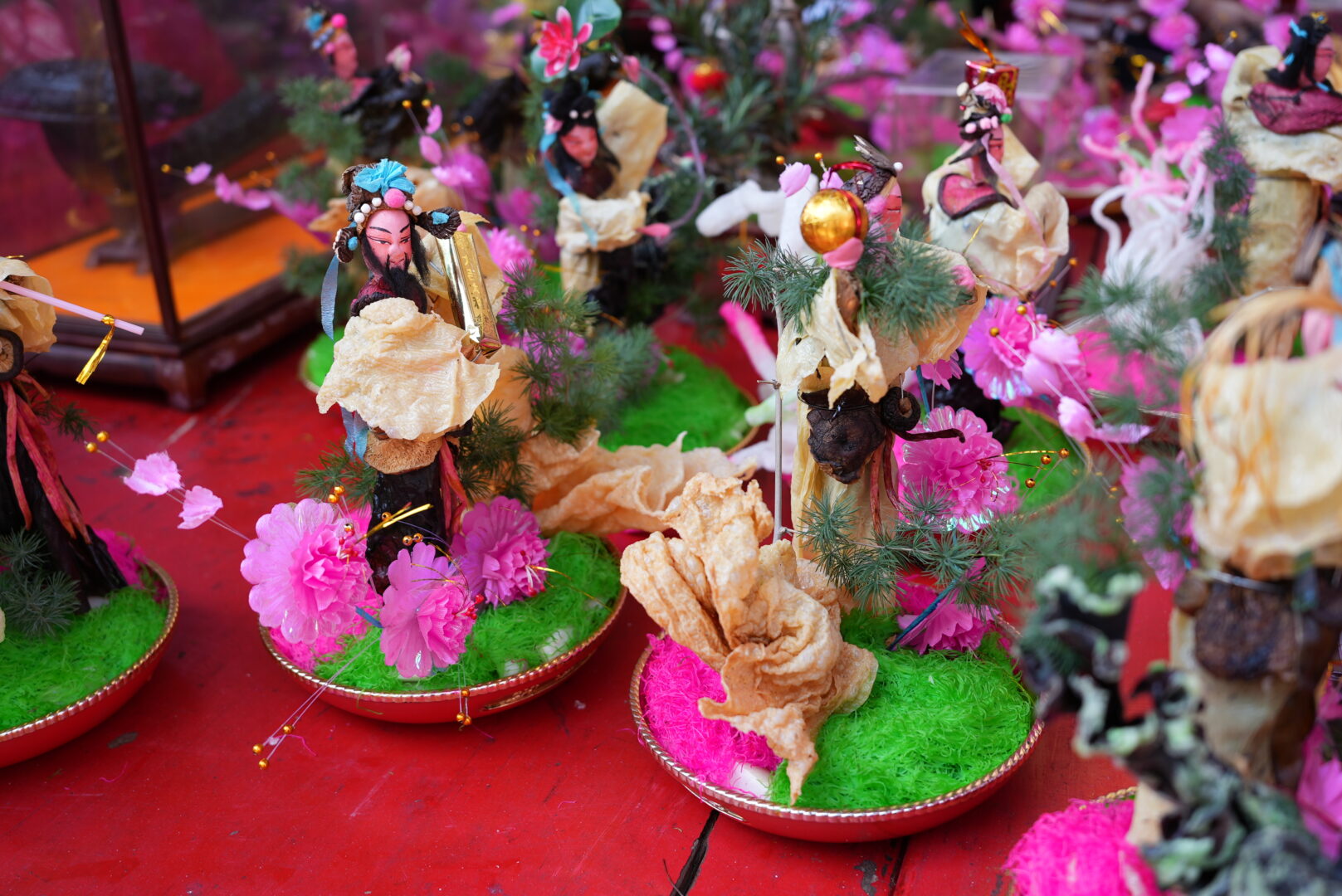
That’s the core of it, and it isn’t symbolic. The statue is transferred to a palanquin, carried out through the gate, and taken on a fixed route around the community — the fields, the lanes, past every household that supports the temple. The god is inspecting its territory. Households set tables at their doors with offerings, incense and paper, and wait for the procession to reach them.
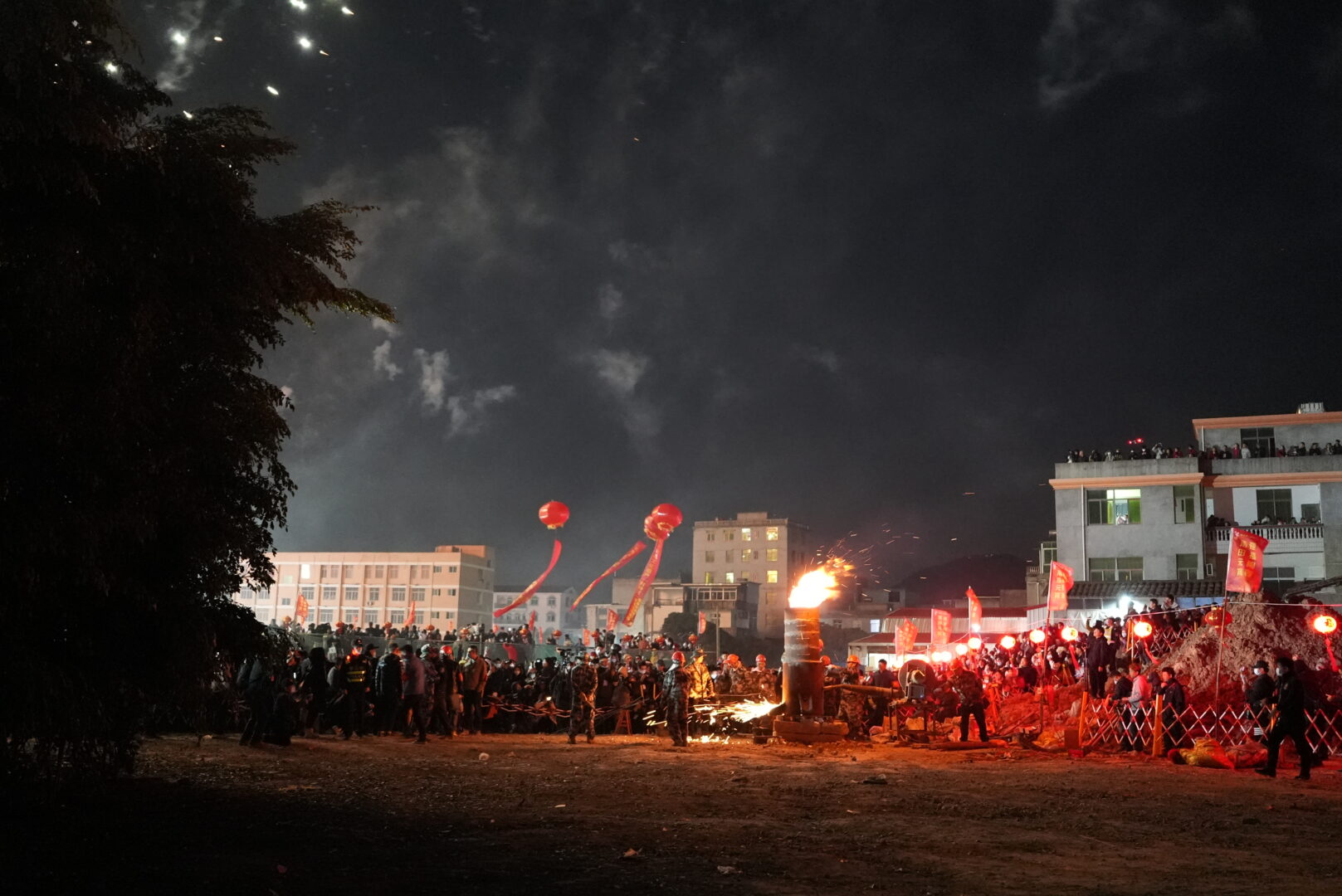
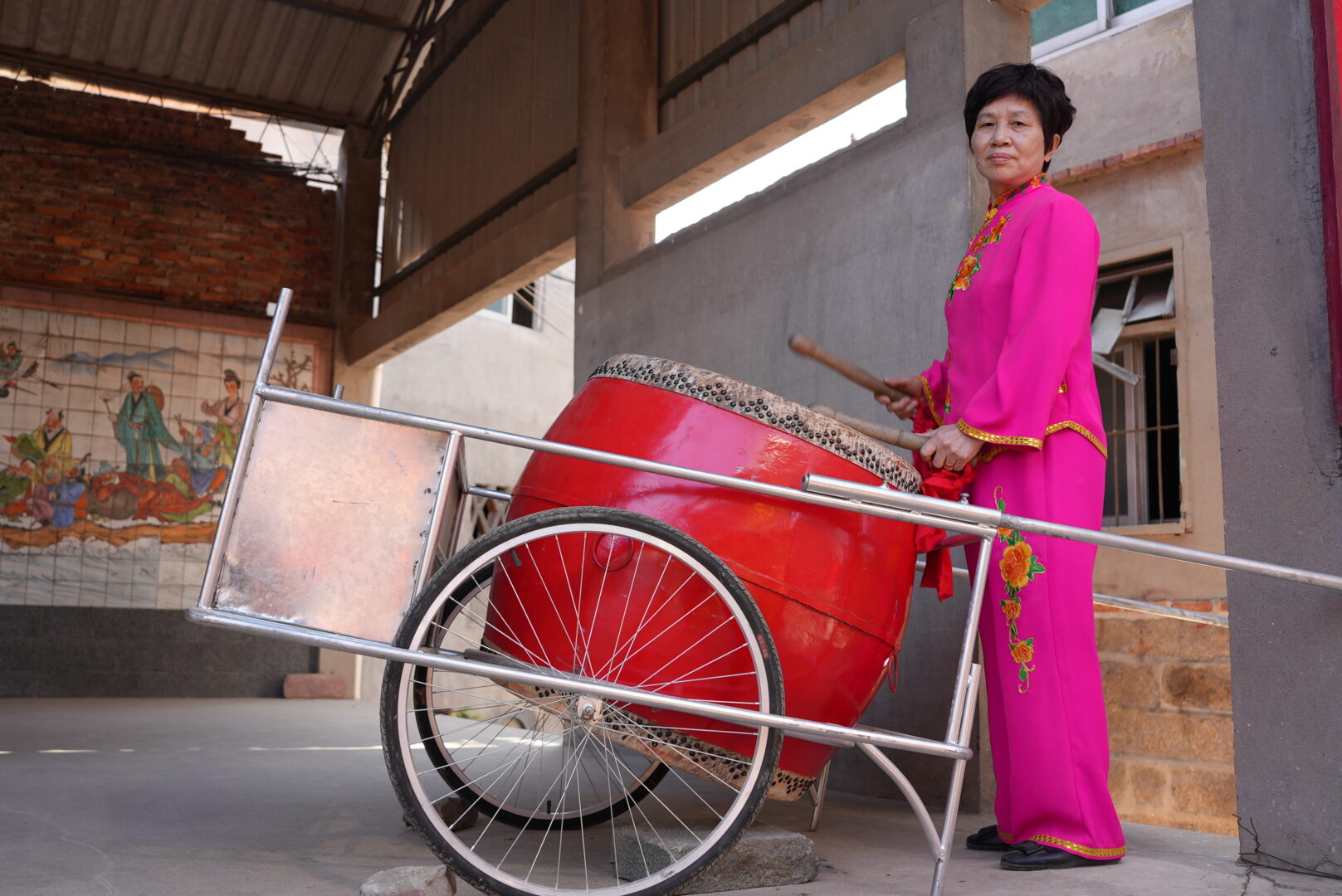
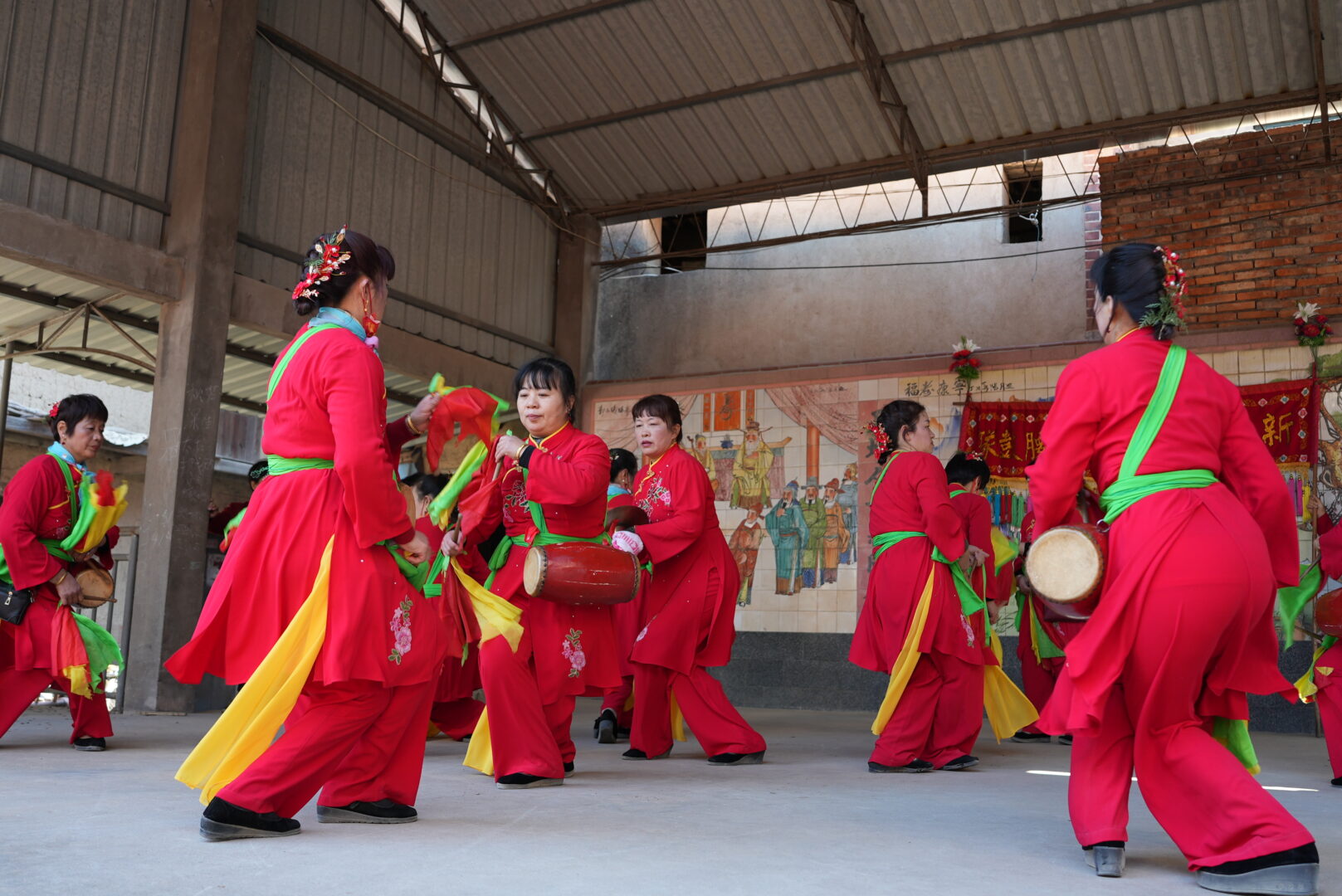
Around the palanquin: drums and gongs setting a pace, suona horns, banners, flags, firecrackers laid in strings along the road and lit as the god approaches. Boys are given flags to carry, old men walk with the statue, and the palanquin teams — young, strong, often slightly competitive — run and swing the thing rather than carry it decorously.
In some places there is more. Spirit mediums entering trance. Palanquins run over beds of embers. Bearers moving in ways that are understood to be the god’s movement rather than theirs. What you get depends entirely on the village and the deity.
Why it’s still here
Two reasons.
Lineage. Village religion in Fujian is organised by surname and descent. The temple is the lineage’s institution, the parade is its annual assertion of continuity, and the roles in it are inherited. Every child knows which god is theirs and what their family does on the day.
Emigration. Fujian sent people across Southeast Asia and beyond for centuries, and those communities kept the temples funded from abroad. A village of two hundred residents can have a diaspora in the thousands, and a proportion of them come back for the festival.
The result is a religious culture that never had the interruption it had in much of China — and one that still has money behind it.
Finding one
Not on any published calendar in a usable form. The dates are lunar and specific to each temple’s own deity.
- Ask your guesthouse. In Fujian this works. They’ll know what’s on this week and often drive you.
- Aim for the first lunar month. The fortnight after New Year through Lantern Festival is the densest period by far — see Putian for the extreme version.
- Follow the sound. Drums and firecrackers carry a long way in a valley, and following them is a legitimate strategy.
Watching well
You’ll be conspicuous, and you’ll be welcome. The way to stay welcome:
- Ask before photographing individuals, particularly mediums in trance and children in costume
- Stay out of the route. The palanquin teams move fast and don’t stop
- Firecrackers are laid on the ground and lit without warning. Watch where you stand
- Take the tea, the food and the cigarette you’re offered
- Don’t touch the palanquin or the statue, and don’t join a bearer team unless you’re invited by someone with the authority to invite you
Where to look
Anywhere inland from the coast between Quanzhou and Fuzhou, and up into the tea hills at Anxi. The tulou villages further southwest have their own versions, organised around the clan house rather than a freestanding temple.
For the urban counterpart, see Quanzhou on a burning day.
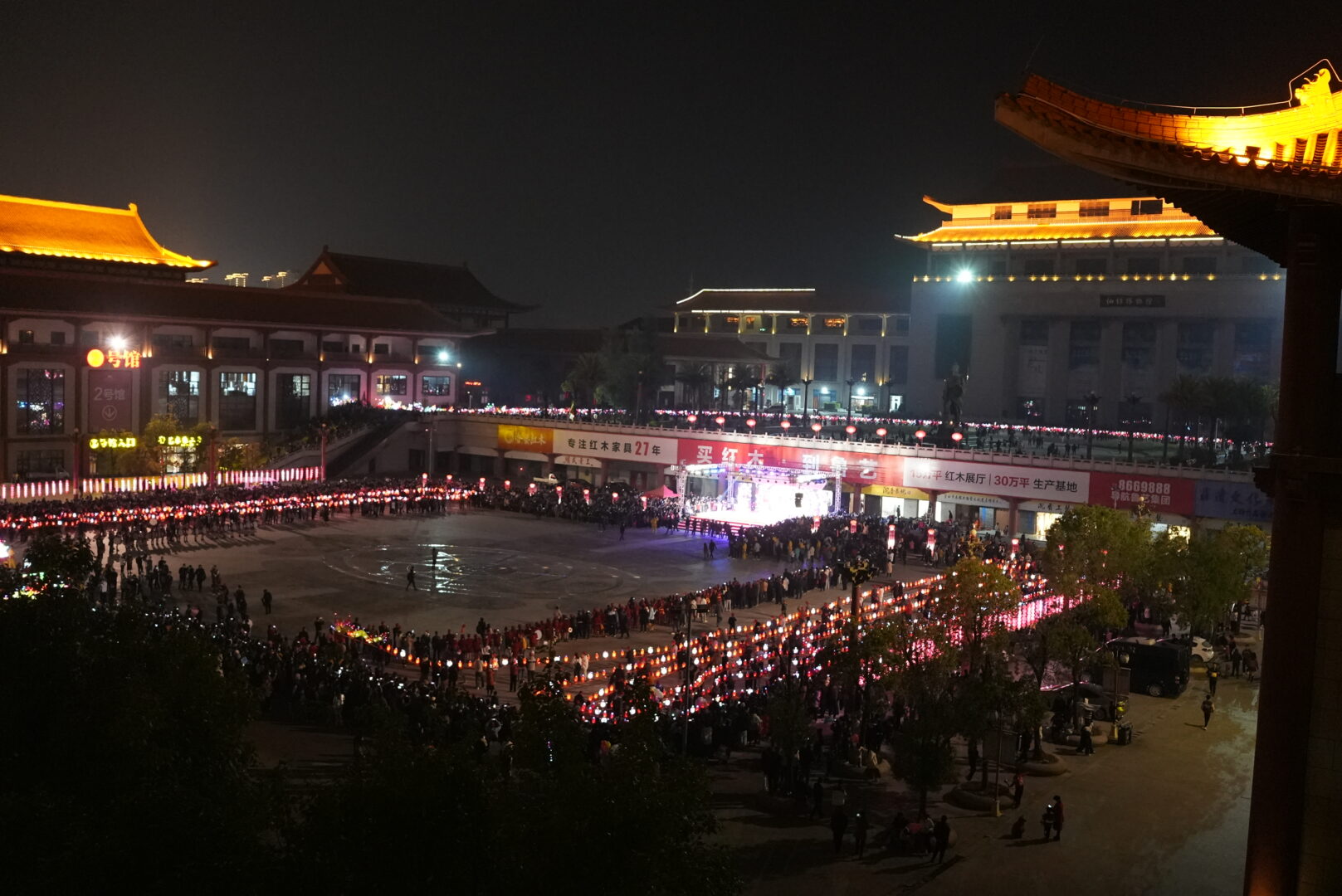
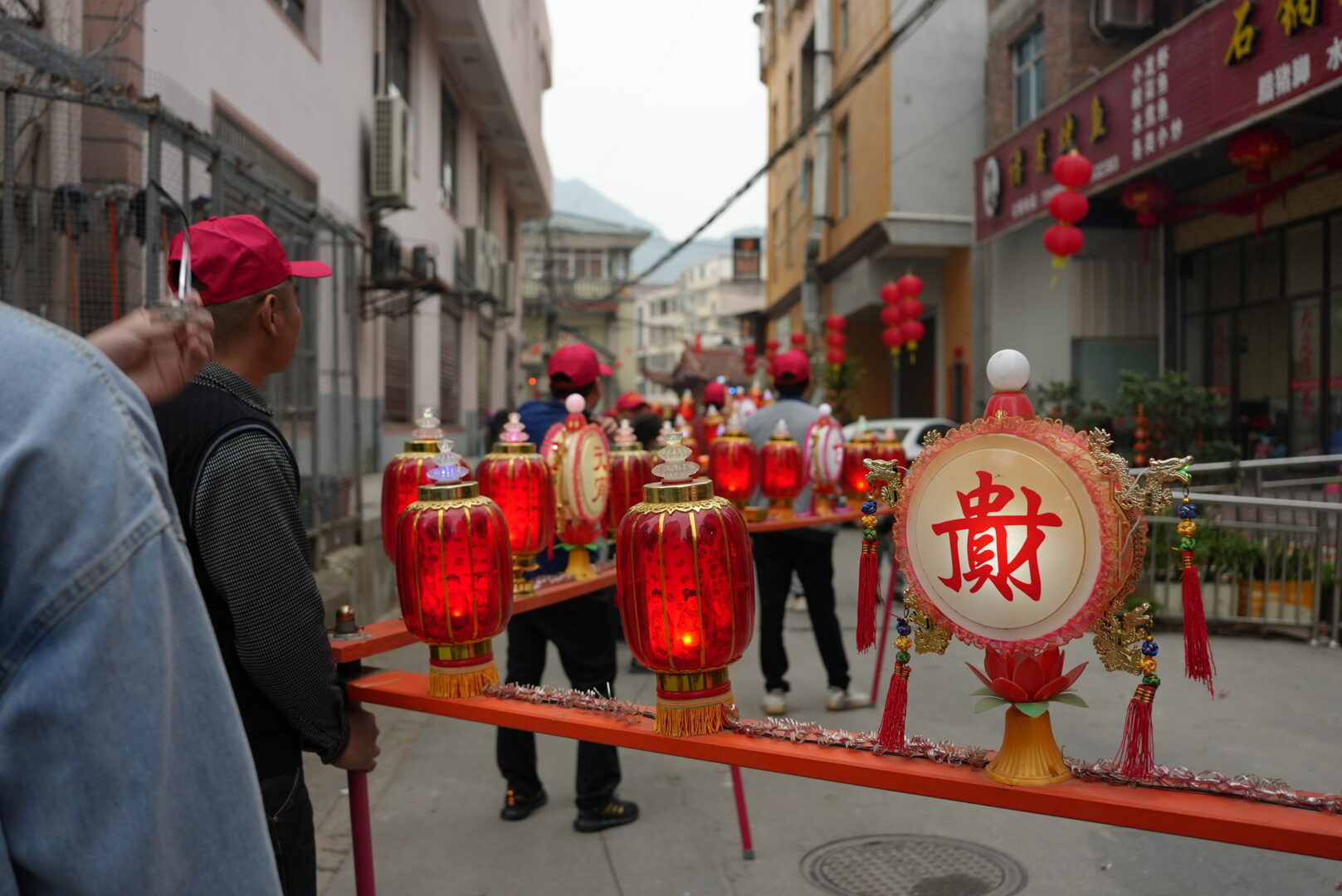
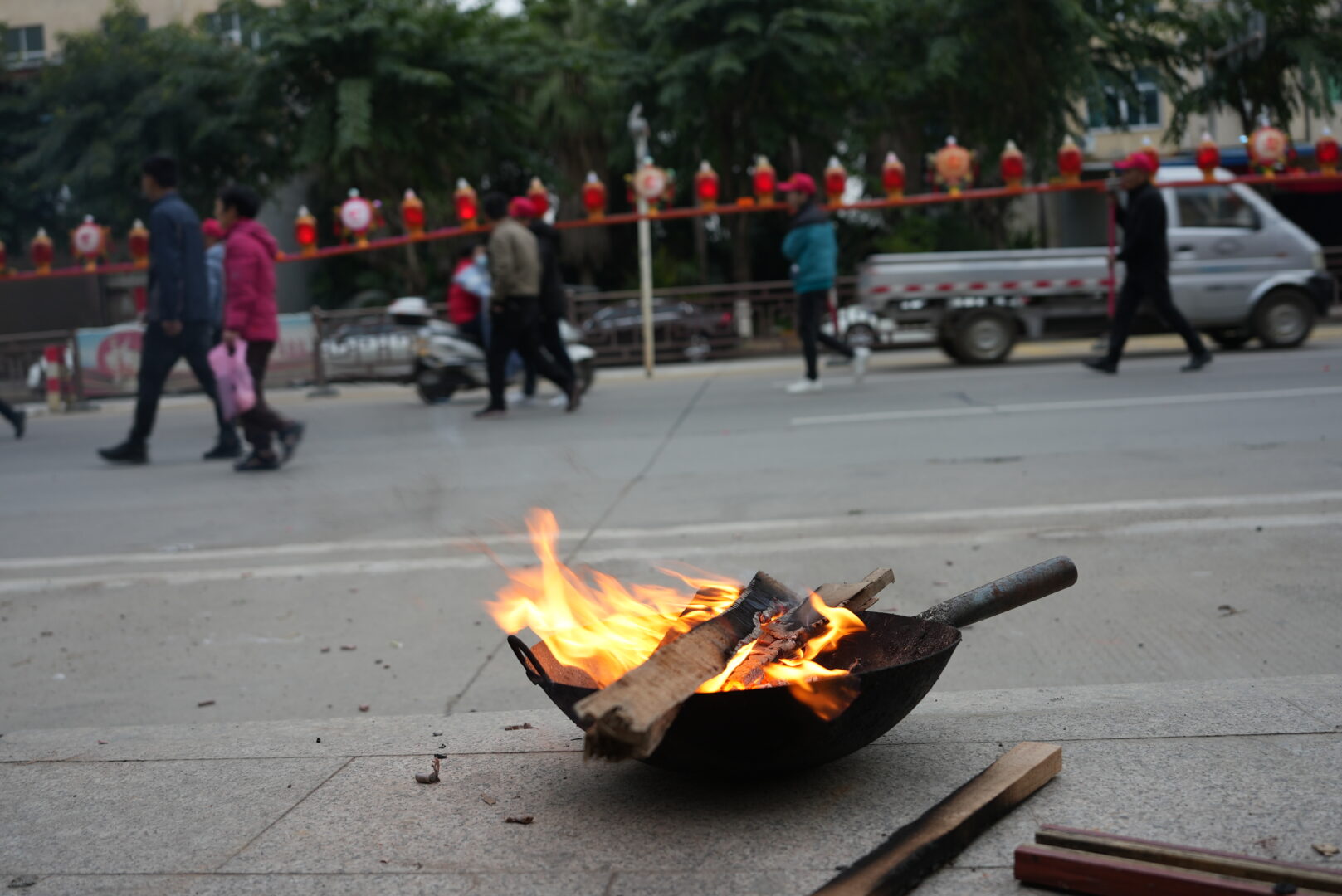
- #fujian
- #temple parade
- #folk religion
- #village
- #festival