
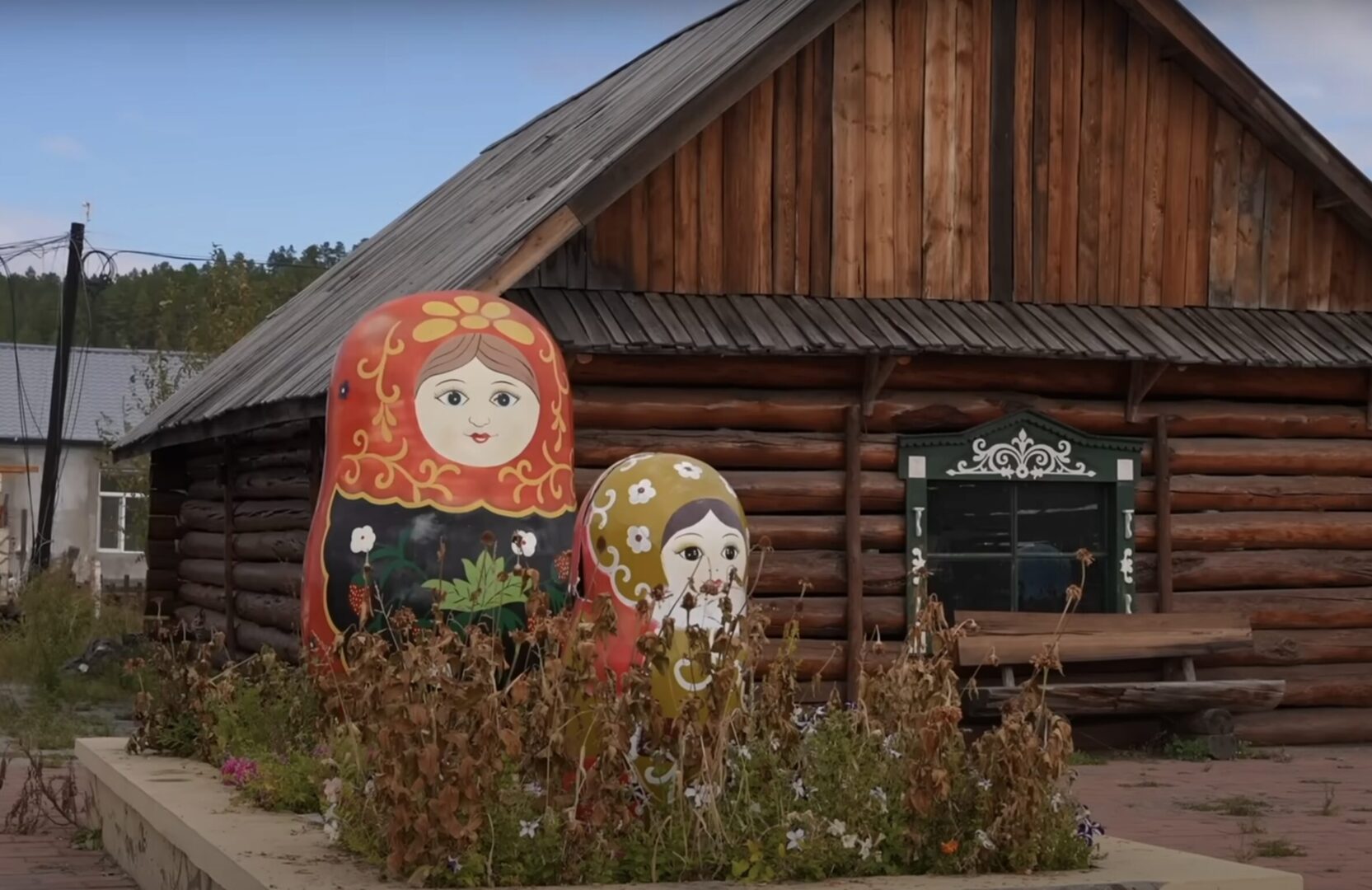
Mohe is as far north as China goes: boreal forest, the Amur river, the coldest recorded temperatures in the country, and a summer where it barely gets dark.
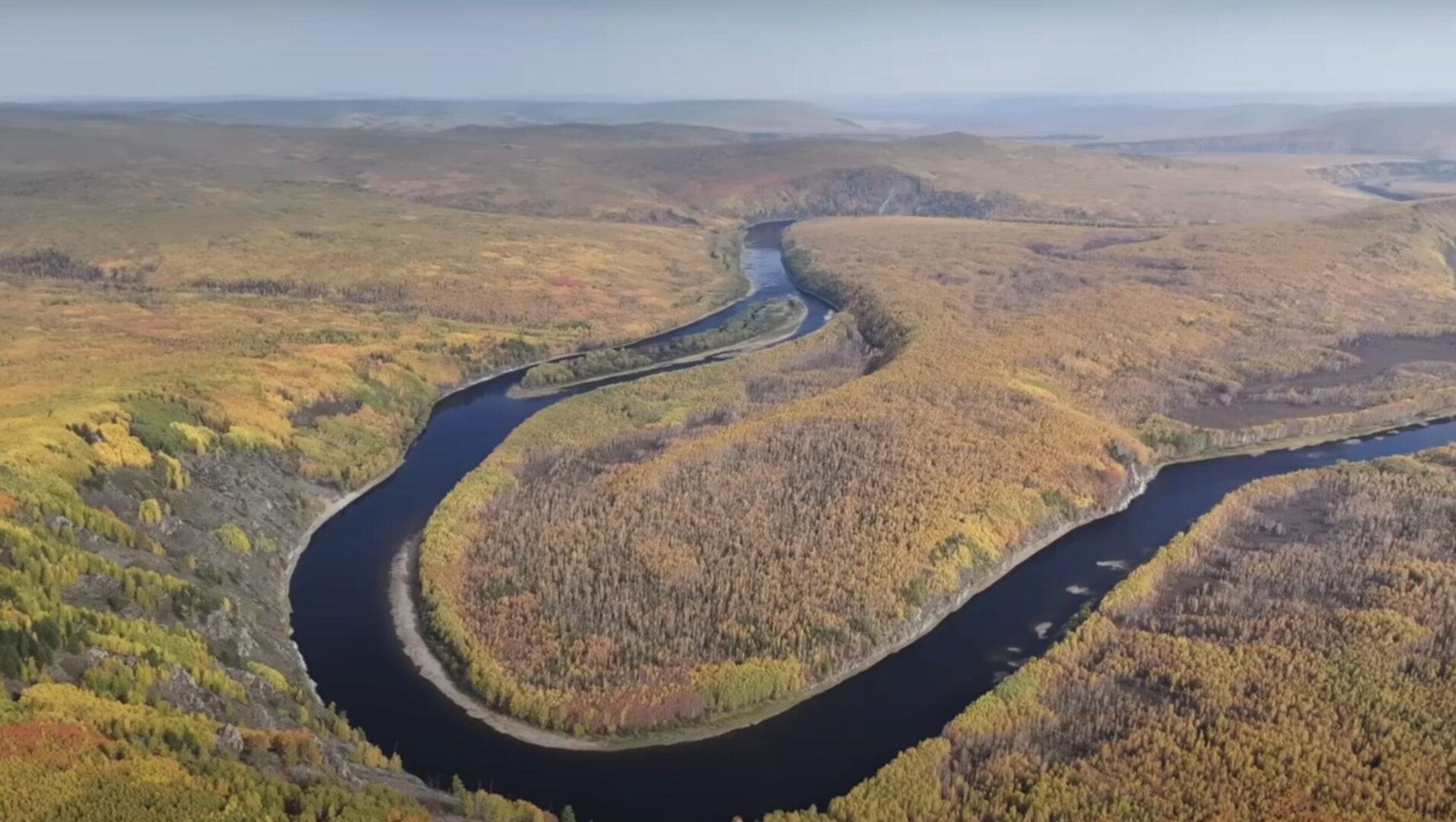
Mohe is the northernmost city in China, on the Amur (Heilongjiang) river at the Russian border, at around 53°N. This is boreal forest — larch, birch and pine — and permafrost country.
It is not the Arctic, despite the marketing: the “China’s North Pole” tag is a tourism device, and the village at the northernmost point is called Beijicun, “North Pole Village.” What’s genuine is the extremity of the climate.
The cold
Mohe holds the lowest temperature ever recorded in China — around −52.3°C, in 1969 — and it routinely drops below −40°C in January. Winter runs from October to April.
At those temperatures things behave differently. Exposed skin is at risk in minutes. Camera batteries die. Boiling water thrown into the air becomes a cloud of ice, which is a party trick every visitor performs. Cars are left running or plugged in.
The town is set up for it: heated everything, and a winter tourism industry built specifically around being extremely cold. There’s a Frozen Village experience, ice sculpture, sledding, reindeer, and the general business of standing outside for photographs and then going back in.
If you come in winter, take the clothing seriously. Rented Arctic gear is available and is the sensible choice.
The summer
The other reason to come, and the less obvious one.
At this latitude, June brings white nights — dusk that doesn’t fully arrive, and only a few hours of genuine dark. Around the solstice the town holds a festival, and it’s the peak domestic season.
Mohe is also the one place in China where the aurora is occasionally visible. It’s rare — this is well south of the auroral oval — but during strong geomagnetic storms it does happen, and it’s been photographed here.
Summer is also when the forest is walkable, the rivers are open, and the mosquitoes are formidable.
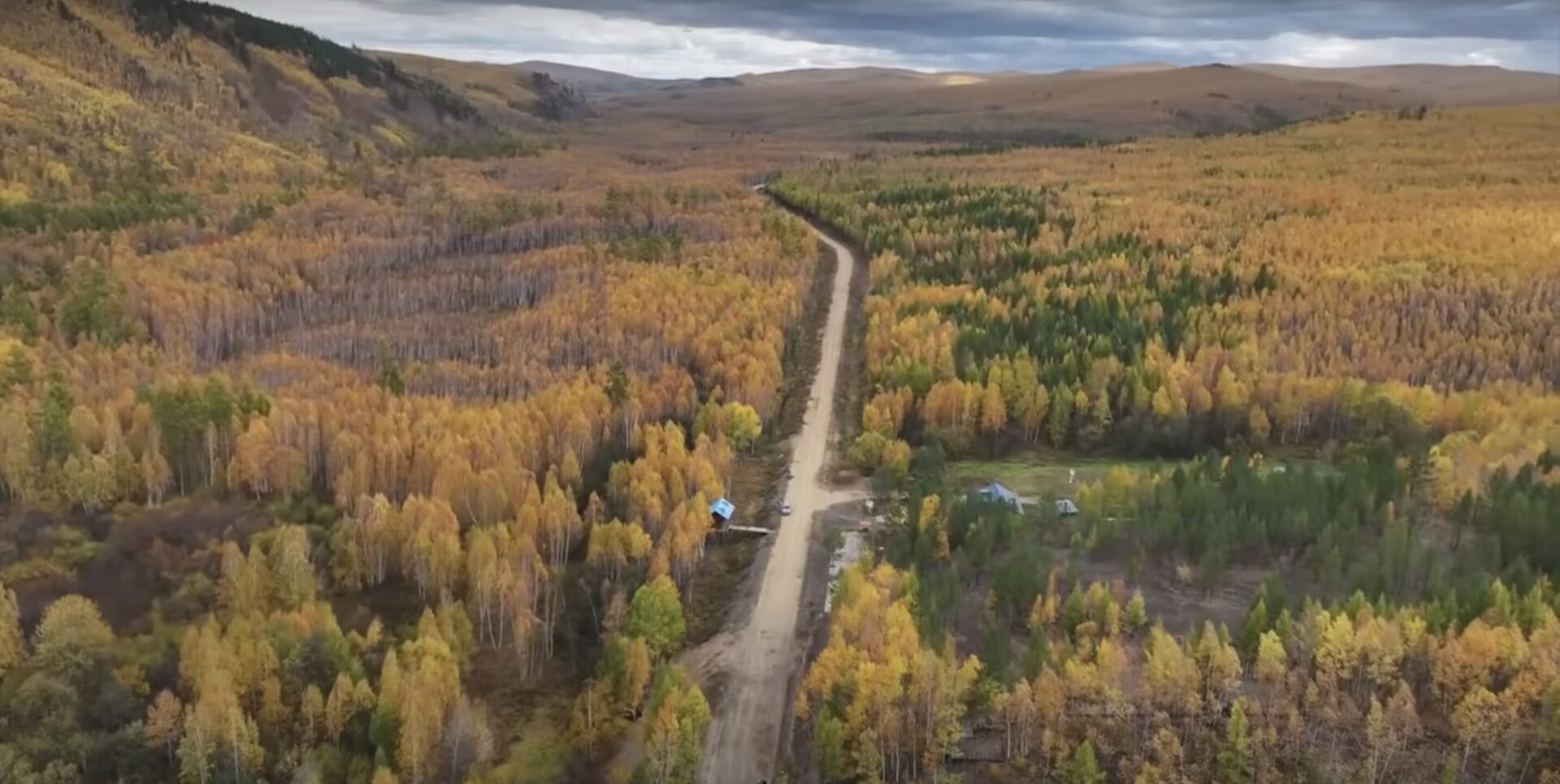
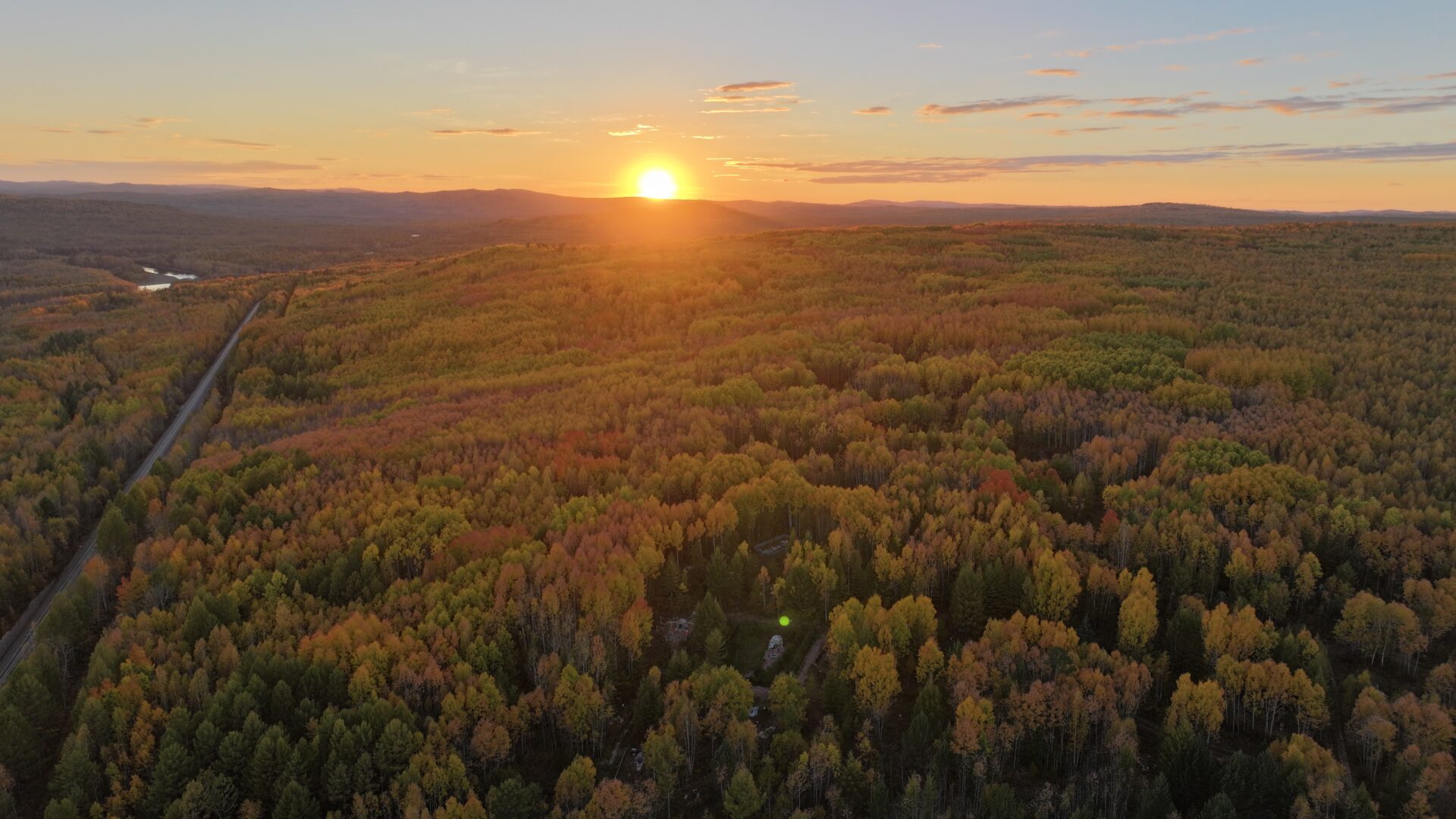
Autumn — brief, and the best light of the year
Around the town
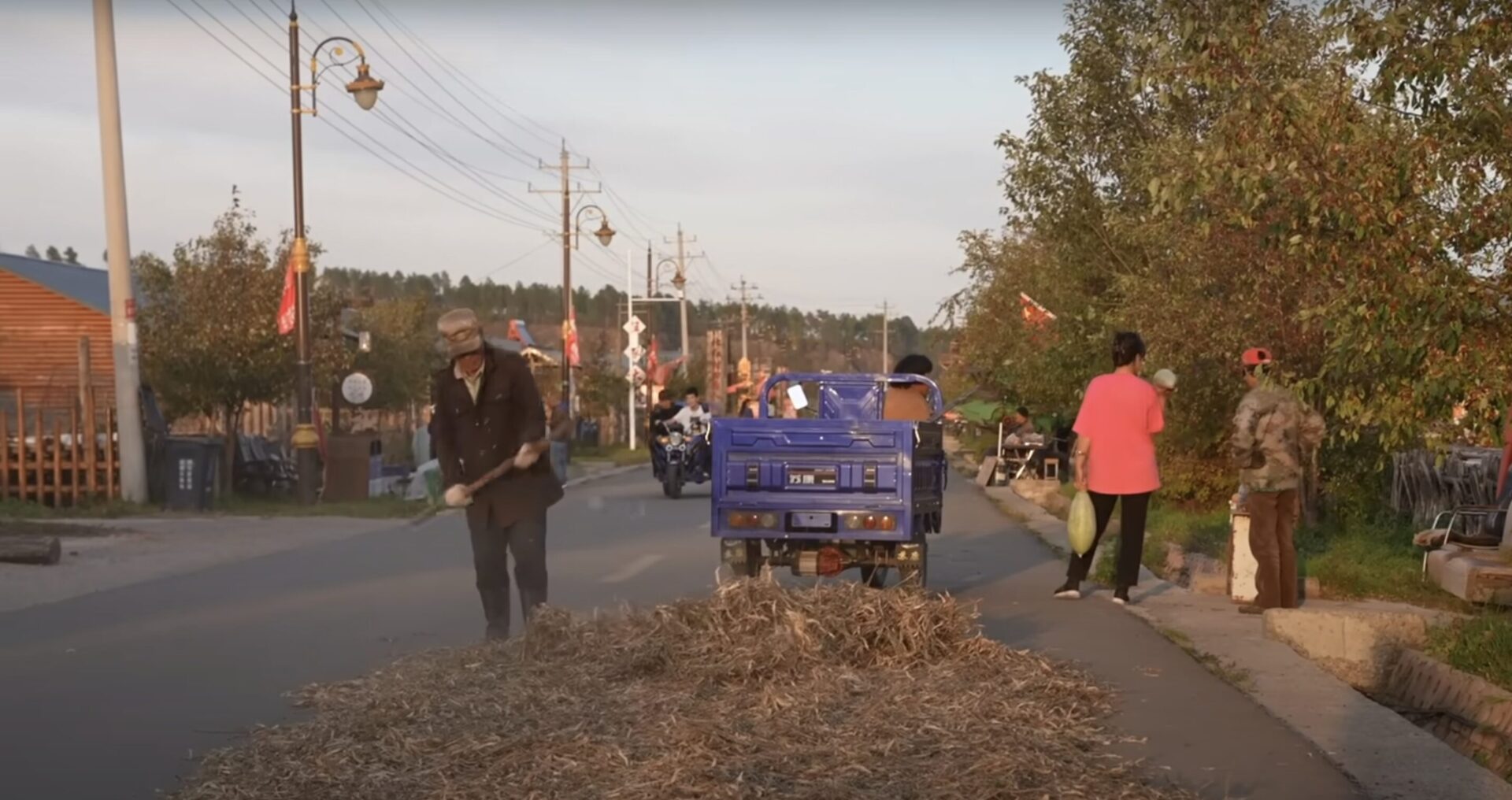
Beijicun — the northernmost village, with markers for the “northernmost house,” “northernmost post office” and so forth. Unashamedly a tourist construction, and quite fun.
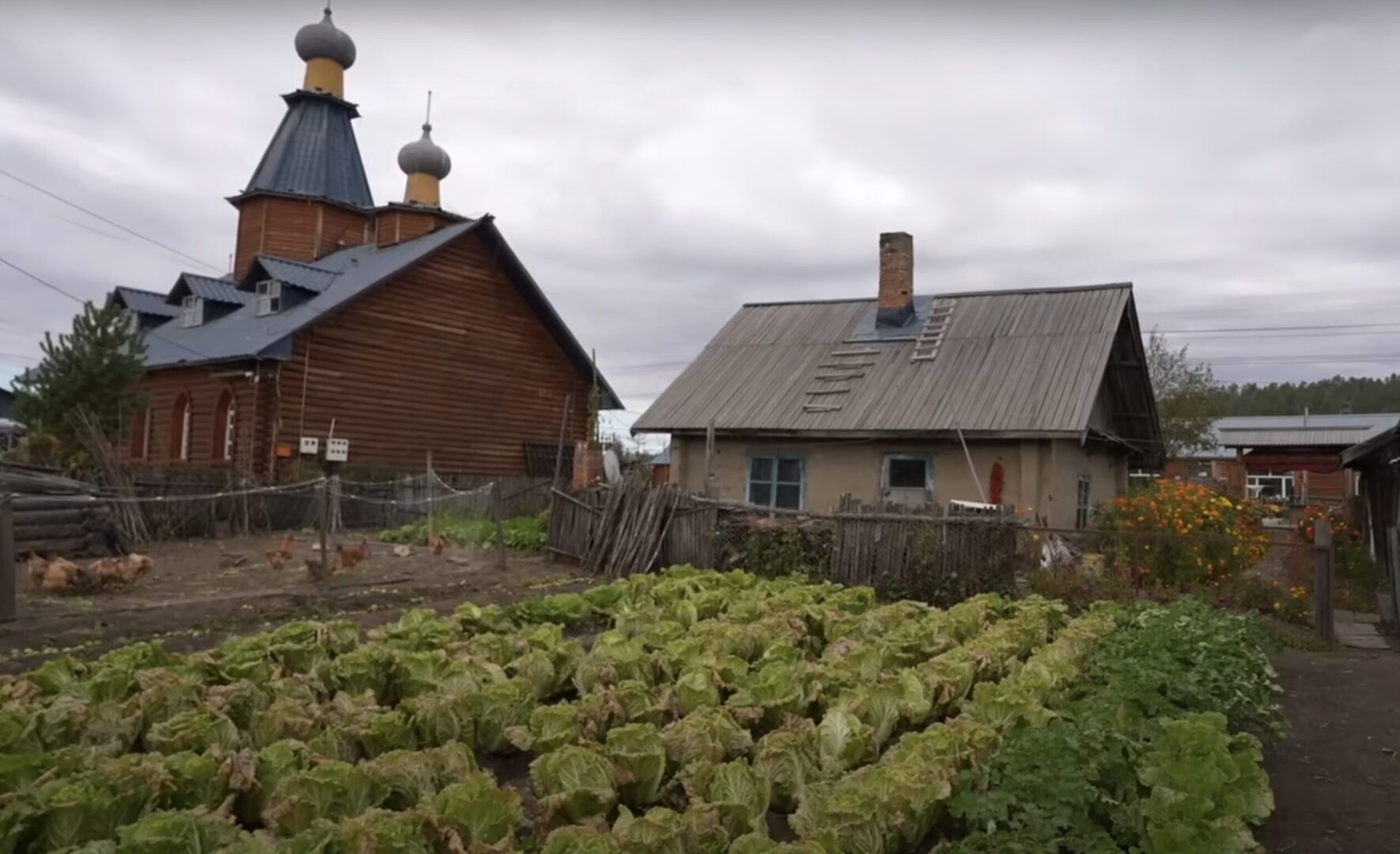
Beihongcun, further along, is the actual northernmost settlement and much quieter.
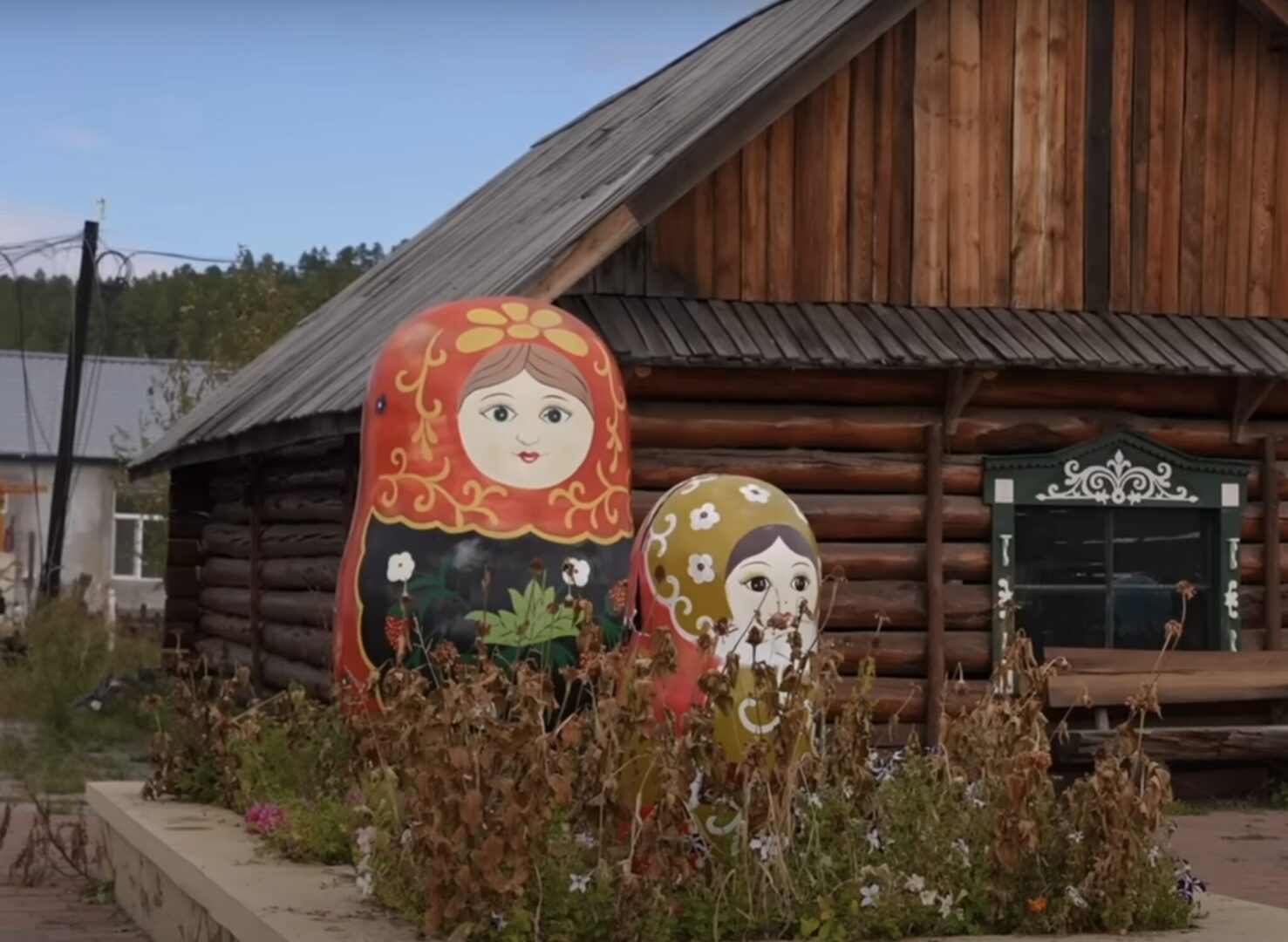
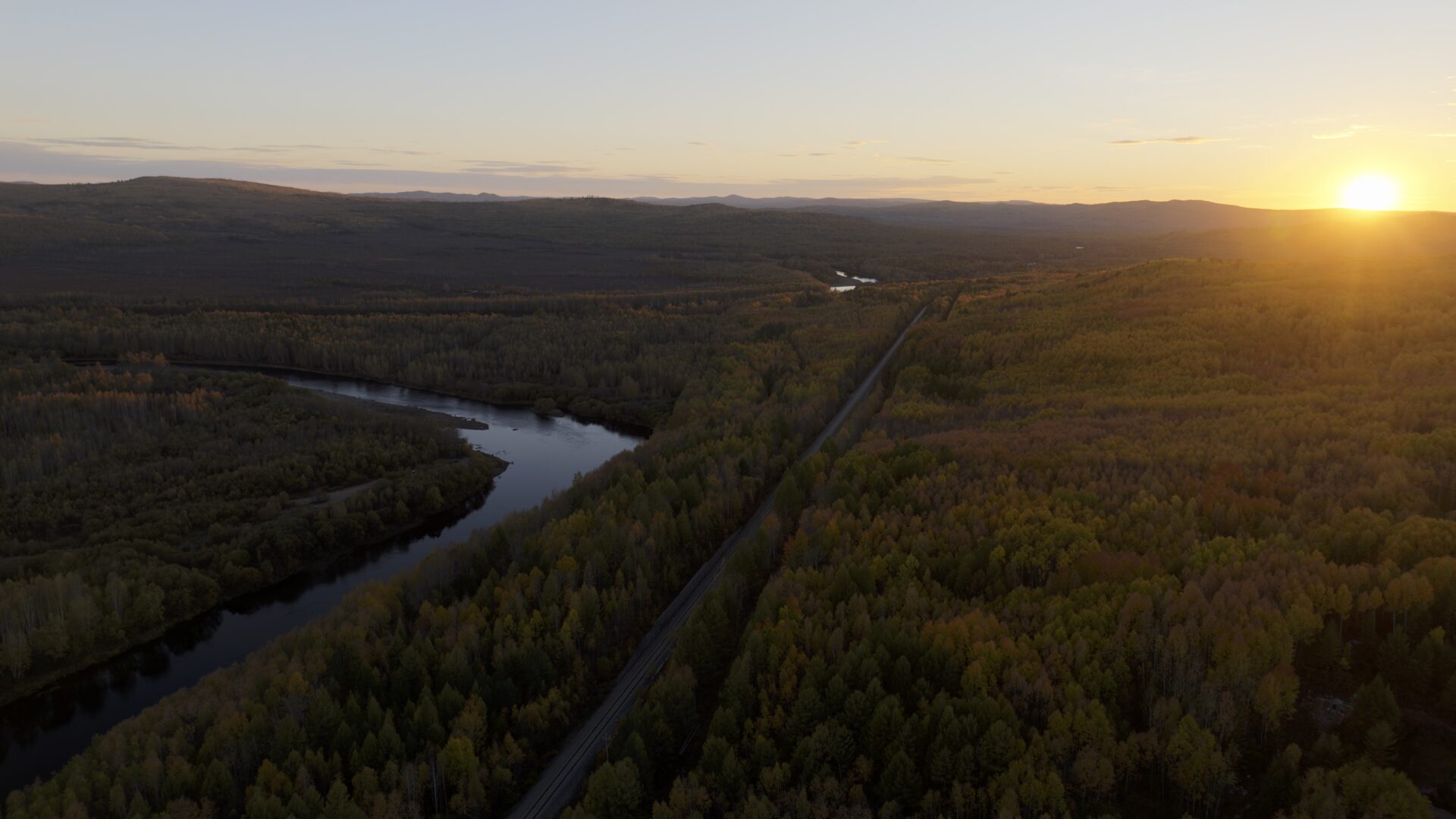
The Amur river is the border. The far bank is Russia, and Russian influence is present in the architecture and food of the wider region — see Enhe in Inner Mongolia and Heihe downstream.
The forest — the Greater Khingan range, which is the largest area of boreal forest in China and was heavily logged for decades before protection. Wildlife includes elk, roe deer, fox and lynx.
Practical notes
Getting there: Mohe has an airport with flights from Harbin, and there’s a rail line — the train journey north through the forest is long and worth doing at least once.
When: December to February for the extreme cold and the winter tourism; June for white nights and the aurora lottery; September for a short, spectacular autumn. Spring is mud.
Where to sleep: guesthouses in Mohe town and Beijicun, all thoroughly heated.
Border zone: the Russian frontier is right here and some areas are restricted — see restricted areas.
Nearby: Heihe downstream, and Harbin — for the ice festival — a long way south.
- #heilongjiang
- #mohe
- #arctic
- #aurora
- #boreal forest