
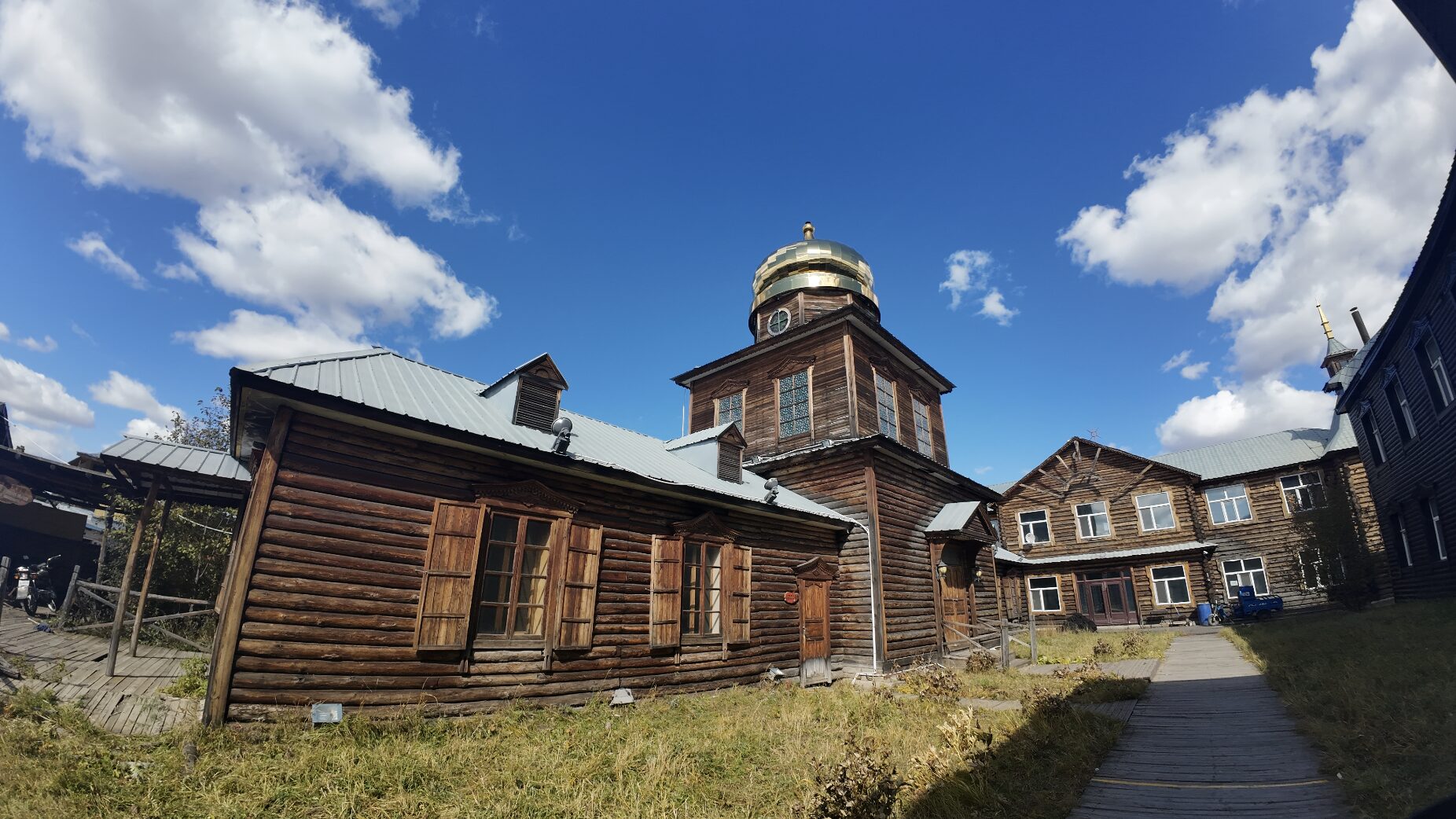
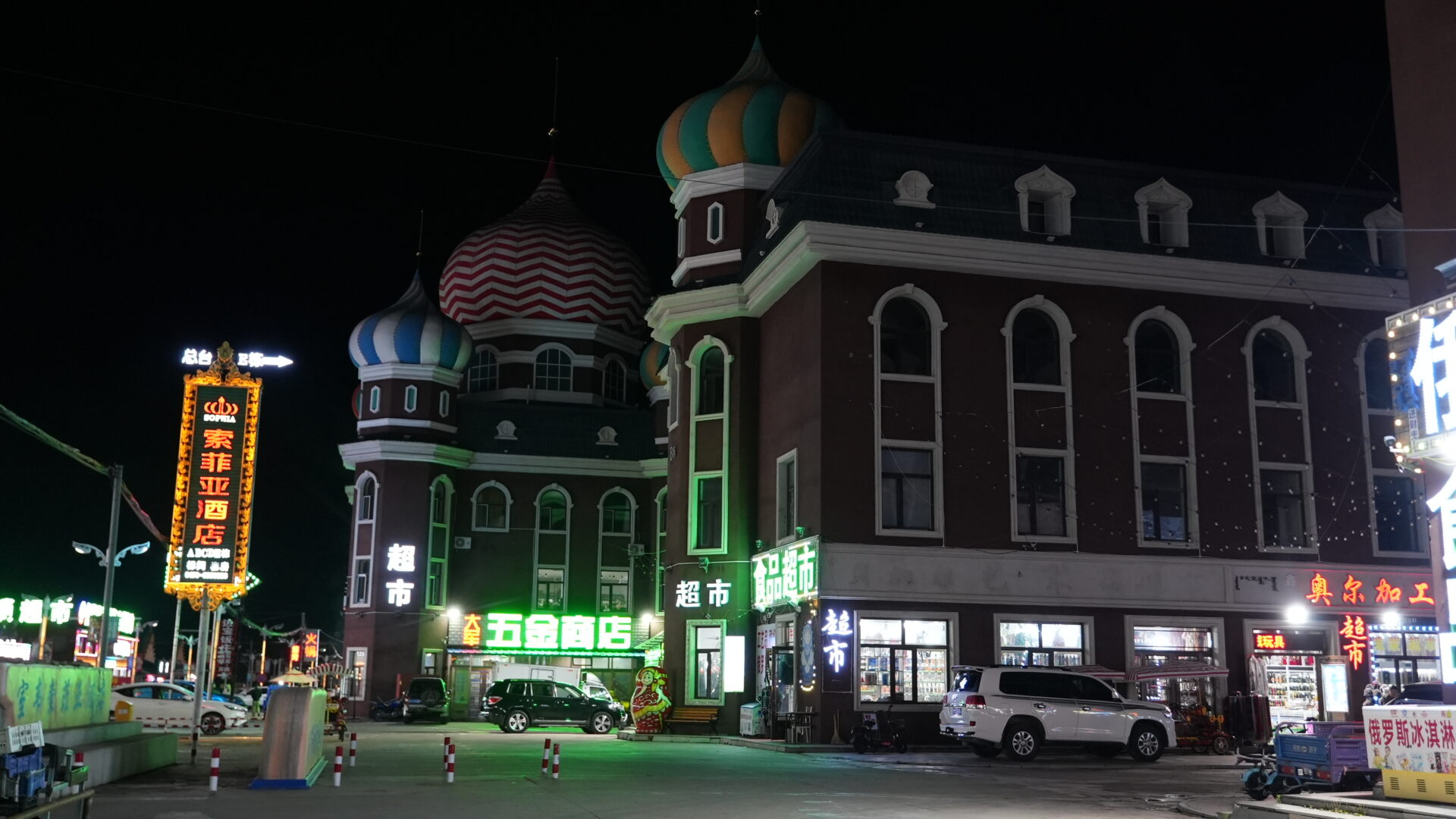
Enhe is a Russian ethnic township in the far northeast: hand-built log houses, families of mixed Russian and Chinese descent, and a food culture of borscht and dark bread.
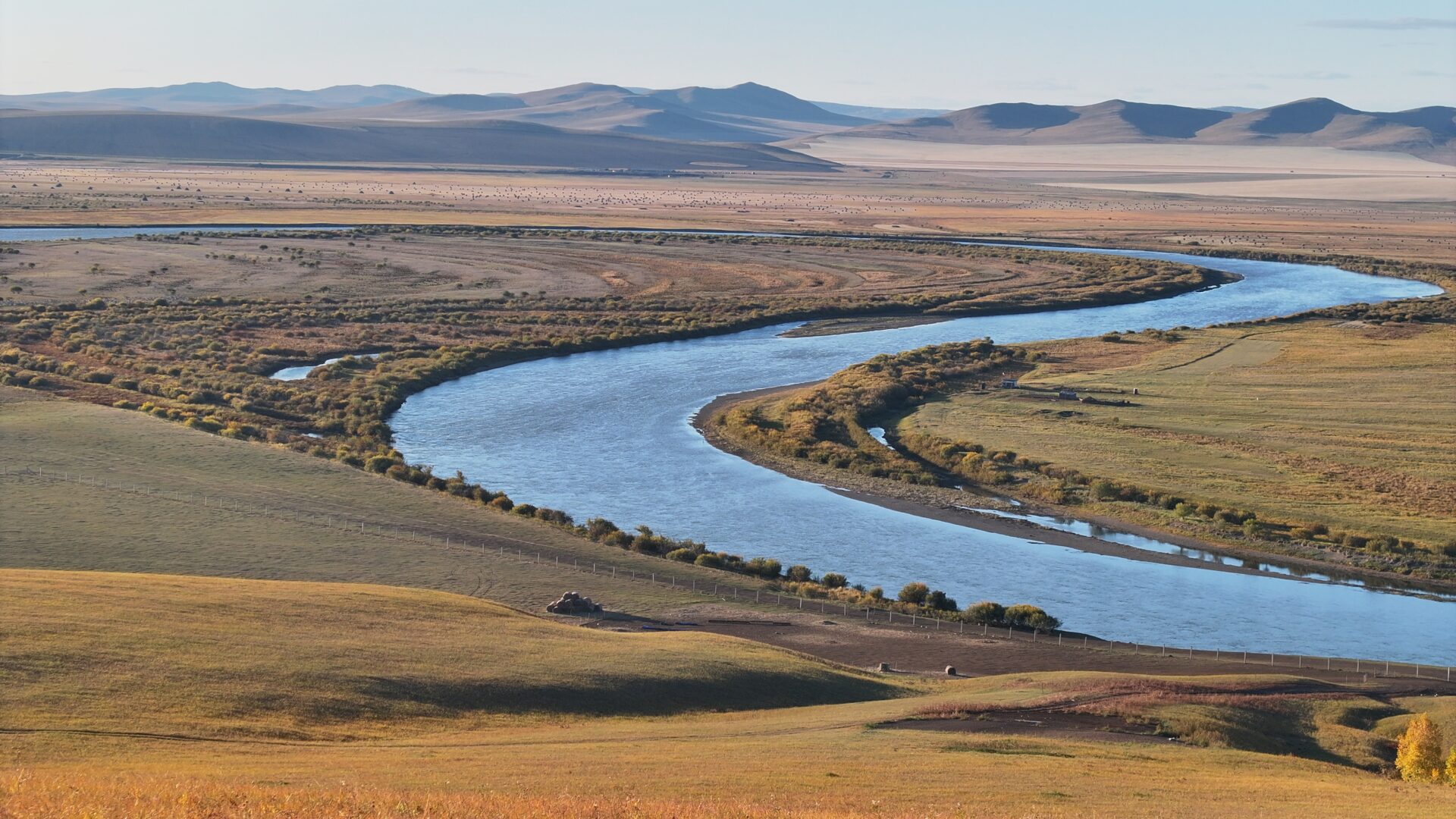
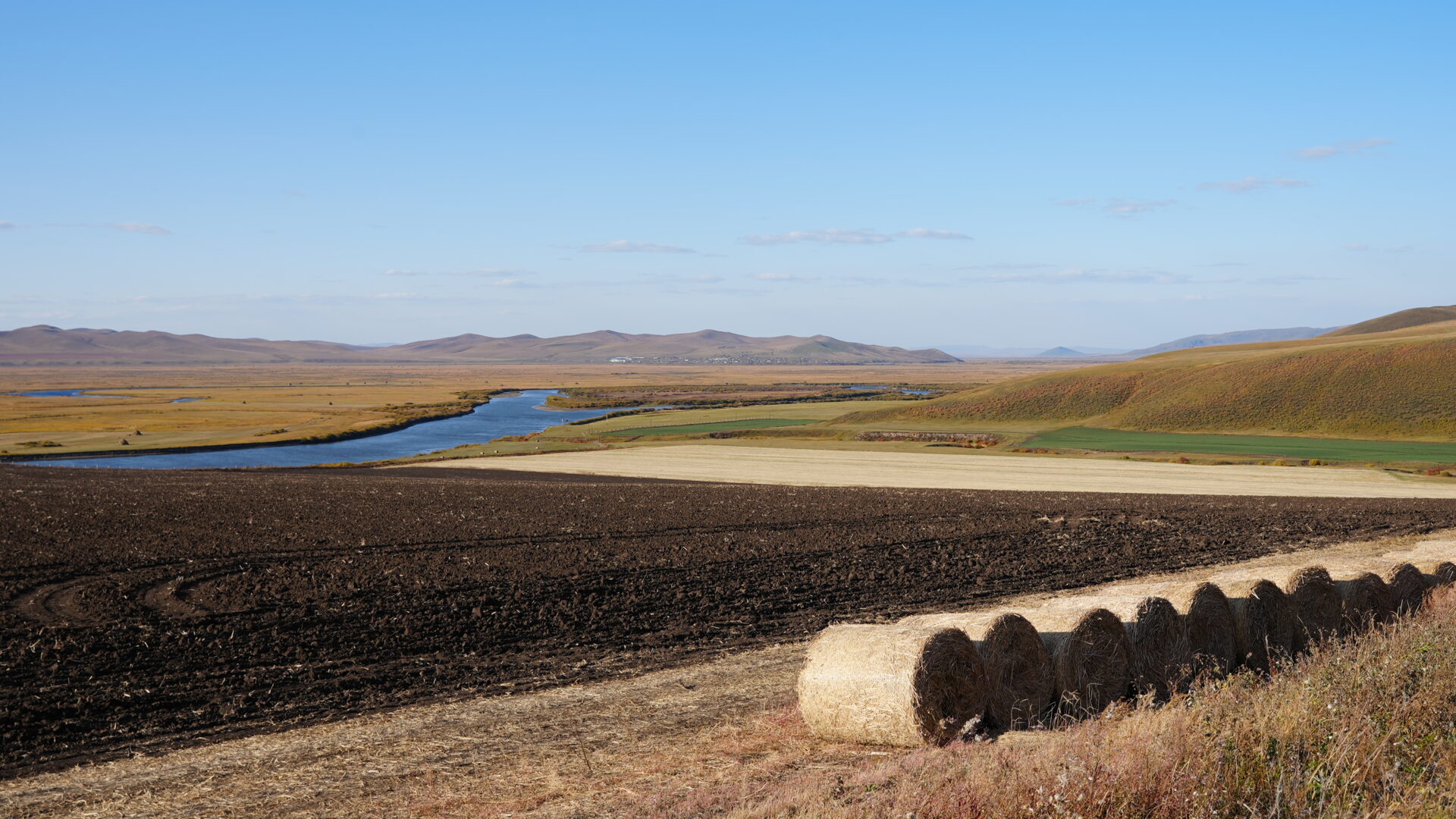
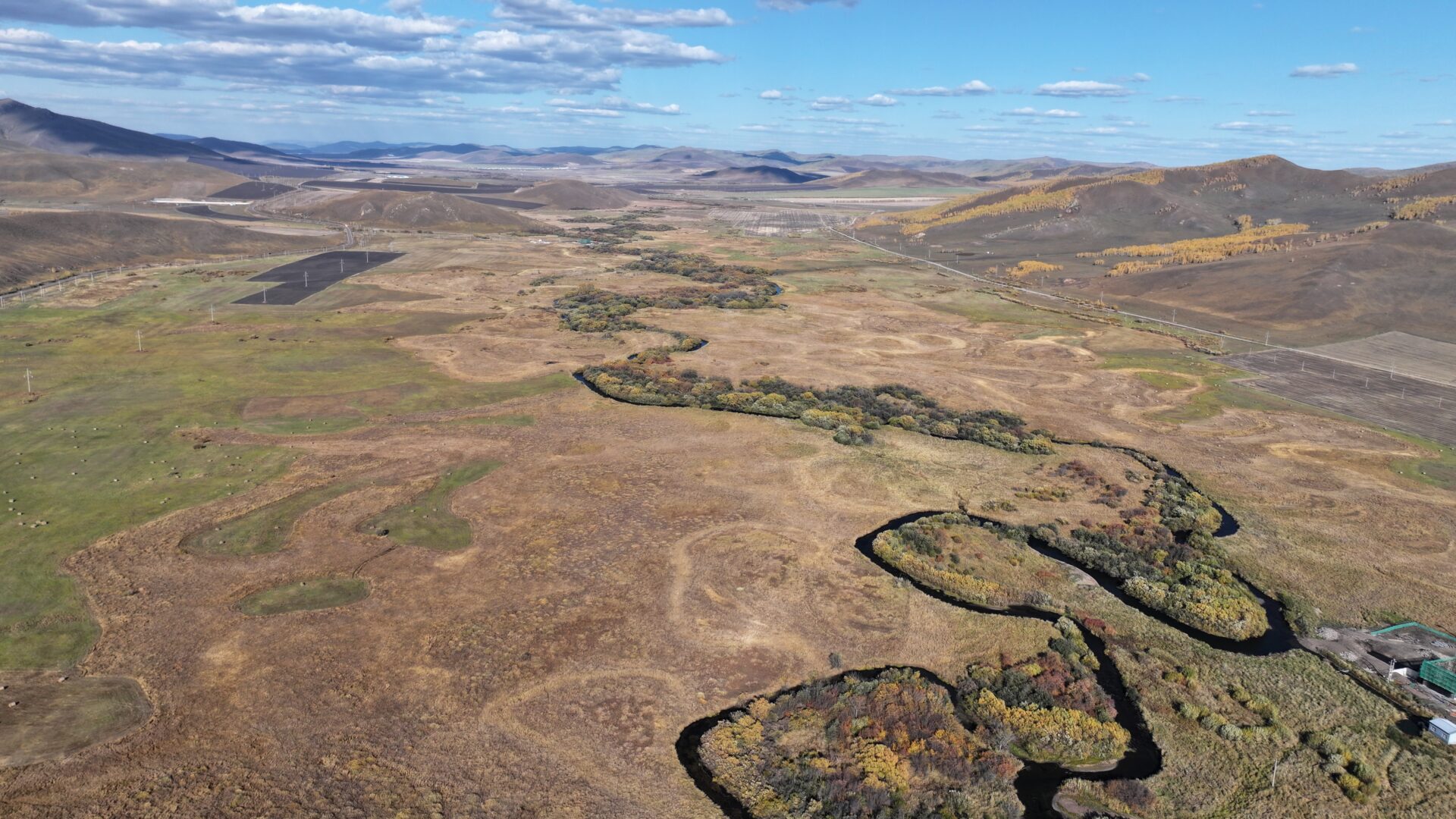
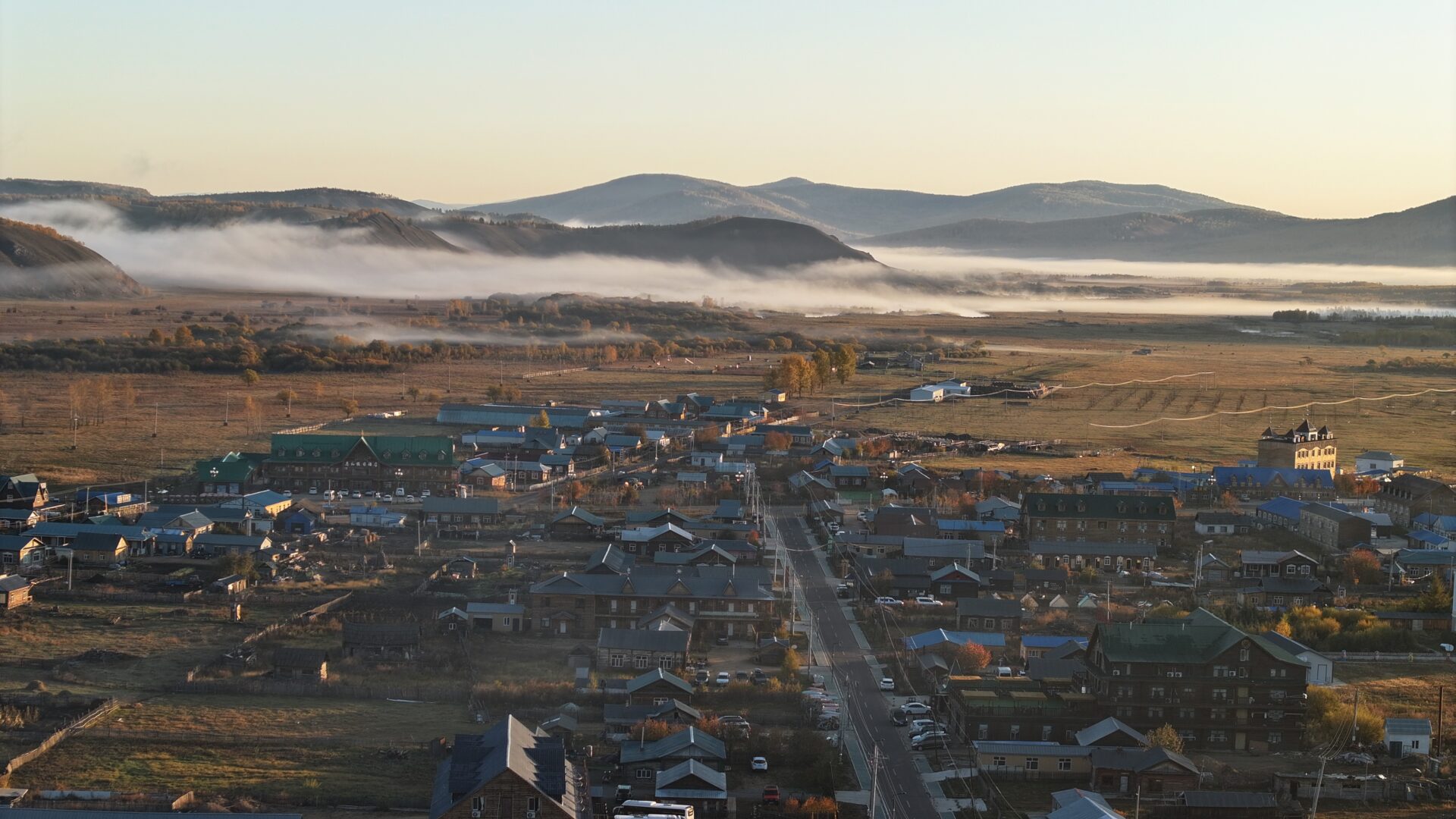
In the far northeast of Inner Mongolia, near the Ergun river that forms the border with Russia, is a township where the houses are built of stacked logs, the bread is dark and dense, and a fair number of residents have Slavic features and Chinese passports.
Enhe is a Russian ethnic township — one of very few in China — and the Russians are one of the country’s 56 recognised ethnic groups, numbering only around fifteen thousand people nationally.
How they got here
The border here has always been more permeable than the map. Russian settlers, traders, gold prospectors and later refugees from the revolution and civil war crossed into this region from the 19th century onward. They married locally — the community is substantially of mixed Russian and Han or Mongol descent — and stayed.
What survived is a domestic culture rather than a political one. The language has thinned across generations; the building, the cooking and the calendar haven’t.
The houses
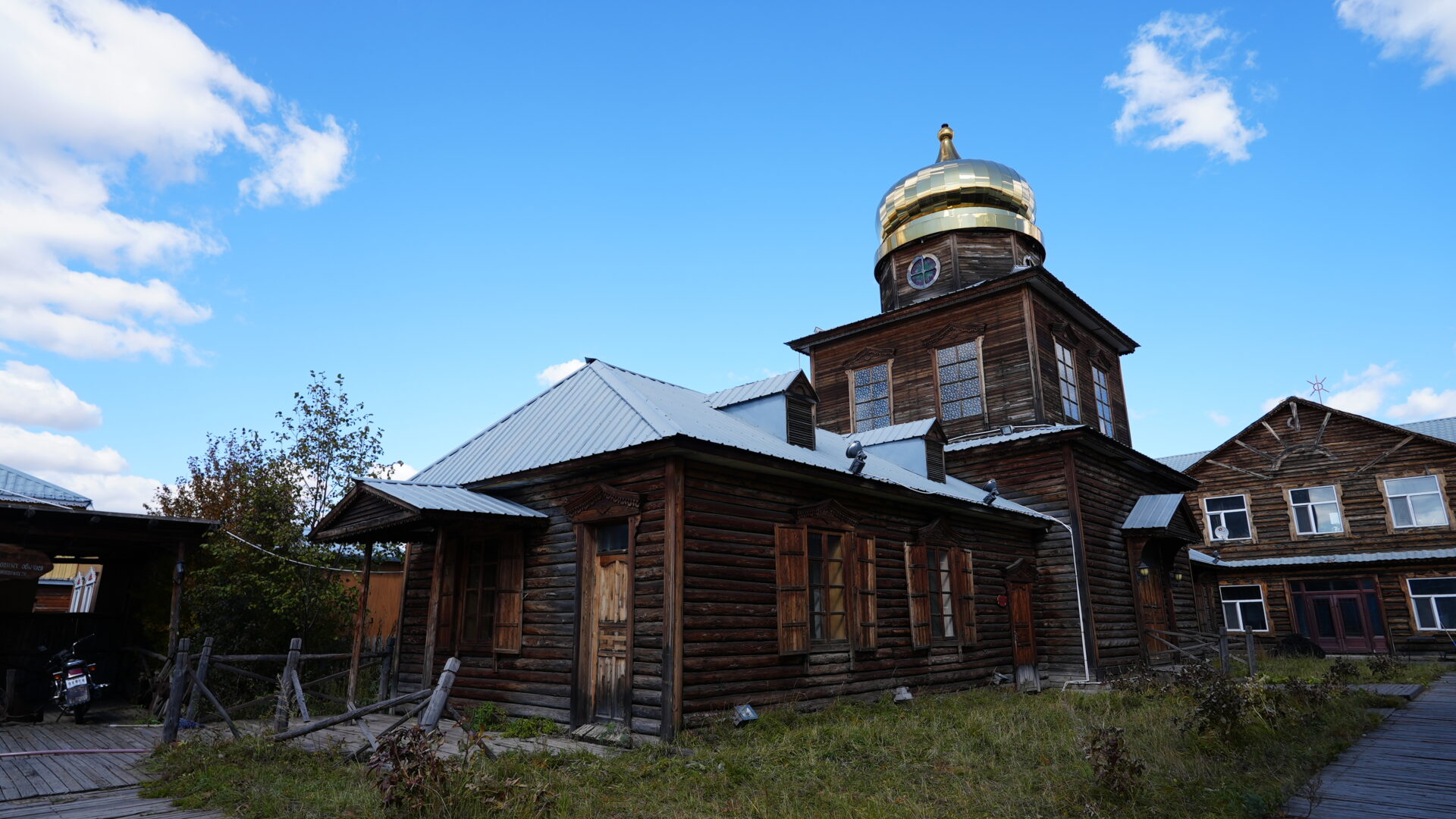
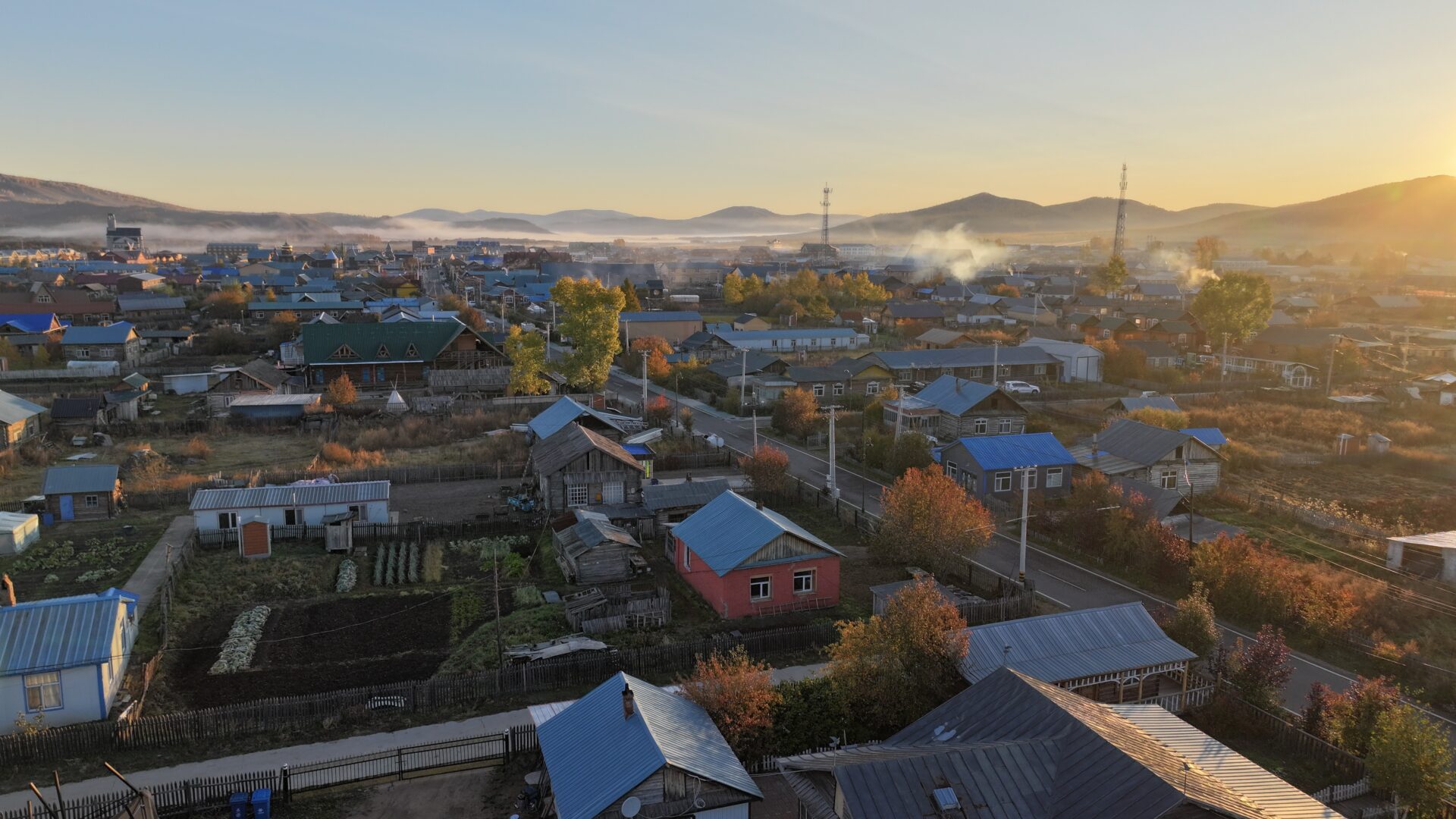
The architecture is the immediate pleasure. Mukleng — horizontally stacked squared logs, notched at the corners, sealed with moss and clay, with a steep roof for snow and small deep-set windows painted bright blue, green or red.
They’re built without nails and they’re warm at −40°C, which in Hulunbuir is a design requirement rather than a boast. Many have a massive masonry stove built into the internal wall structure, heating several rooms at once, and an outdoor bread oven in the yard.
Eating
Ask at a family guesthouse and you’ll get a version of a Russian village table:
- Dark rye bread, baked in the yard oven
- Borscht, and cabbage-heavy soups
- Pelmeni, essentially the same object as a Chinese dumpling and yet not
- Blini with local berry jam — this is berry country
- Dairy — sour cream, curd, butter
- Kvass and berry wine, home-made
Breakfast is the meal to be around for, because the bread is coming out of the oven.
The seasons
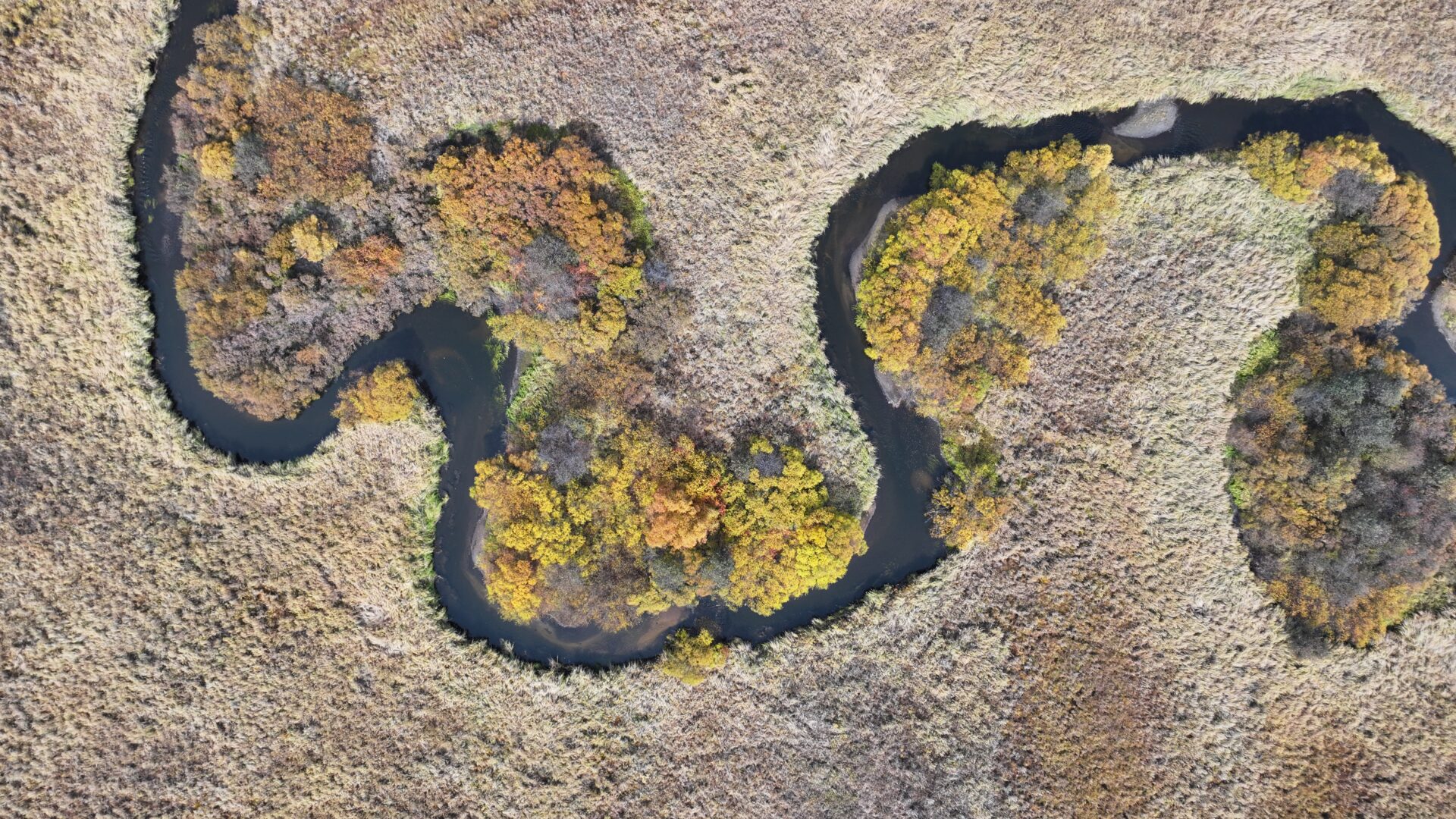
Summer — June to August. Wildflowers across the grassland, the Ergun river valley green and full of birds, and long northern daylight. This is the busy season, and it’s the easy answer.
Winter — extreme. Hulunbuir gets to −40°C, and Enhe under snow with woodsmoke over it is genuinely storybook. There’s a small tourism economy around it now: sledding, ice, and stoves. Come prepared or don’t come.
Orthodox Easter is the community’s calendar highlight, with painted eggs, church attendance and a great deal of food. Dates follow the Julian calendar, so check.
Practical notes
Getting there: Hailar (Hulunbuir city) is the transport hub, with flights and rail from Beijing and Harbin. Enhe is a few hours by road via Ergun. A hired car is the practical option; buses exist and are slow.
Where to sleep: family guesthouses in the log houses, which is the whole point. Simple, warm, and the food comes with it.
Nearby: the Hulunbuir grasslands, Arxan to the south, and the Russian border towns of the Ergun valley. Further east, Heihe faces Blagoveshchensk across the Amur.
And for context: Yining in Xinjiang has the other significant Russian-influenced community in China, two and a half thousand kilometres west.
- #inner mongolia
- #enhe
- #russian
- #hulunbuir
- #ergun