
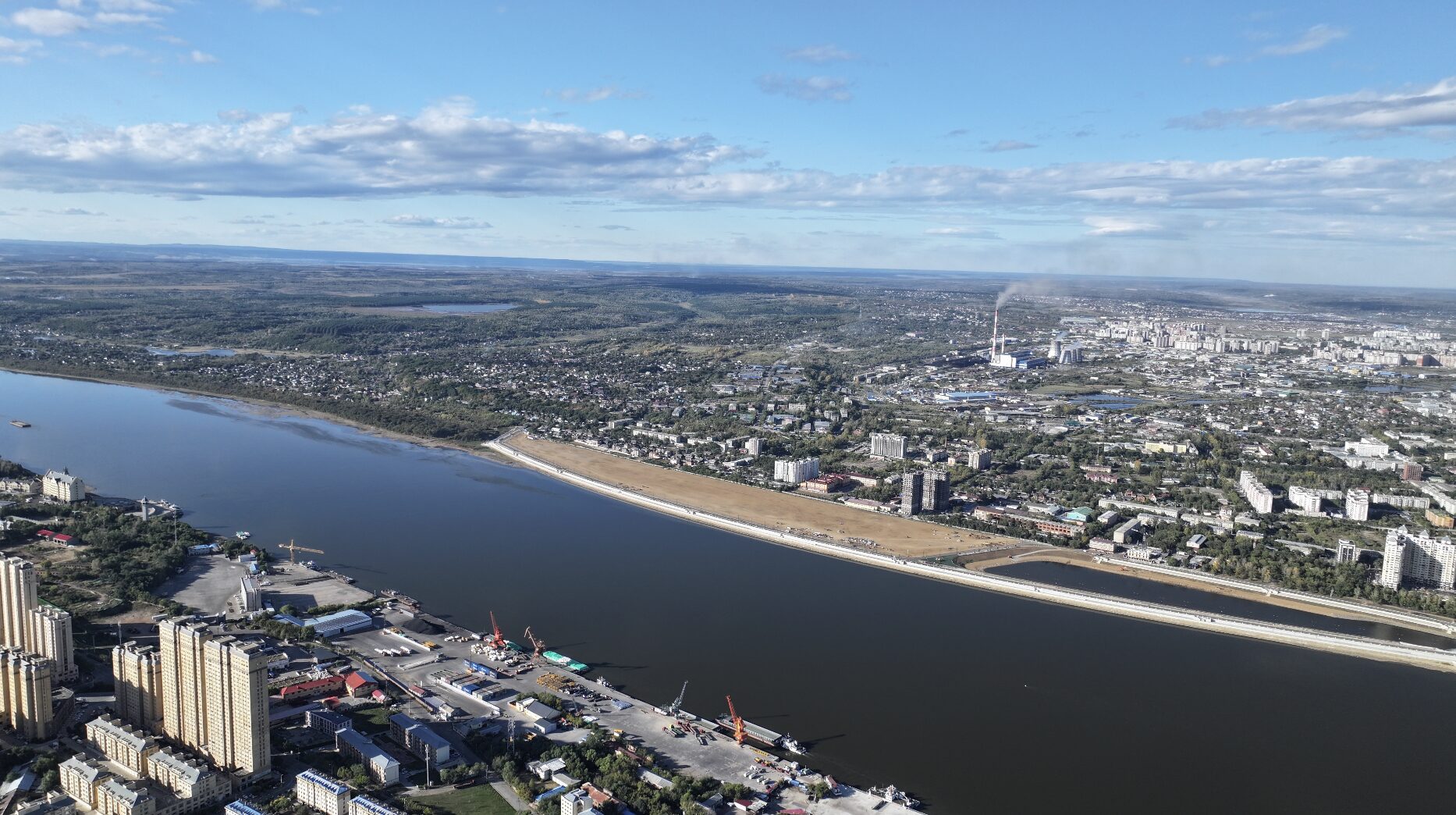
Heihe and Blagoveshchensk face each other across the Amur, closer than most cities' own suburbs. Two countries, two languages, one river, and a great deal of shopping in both directions.
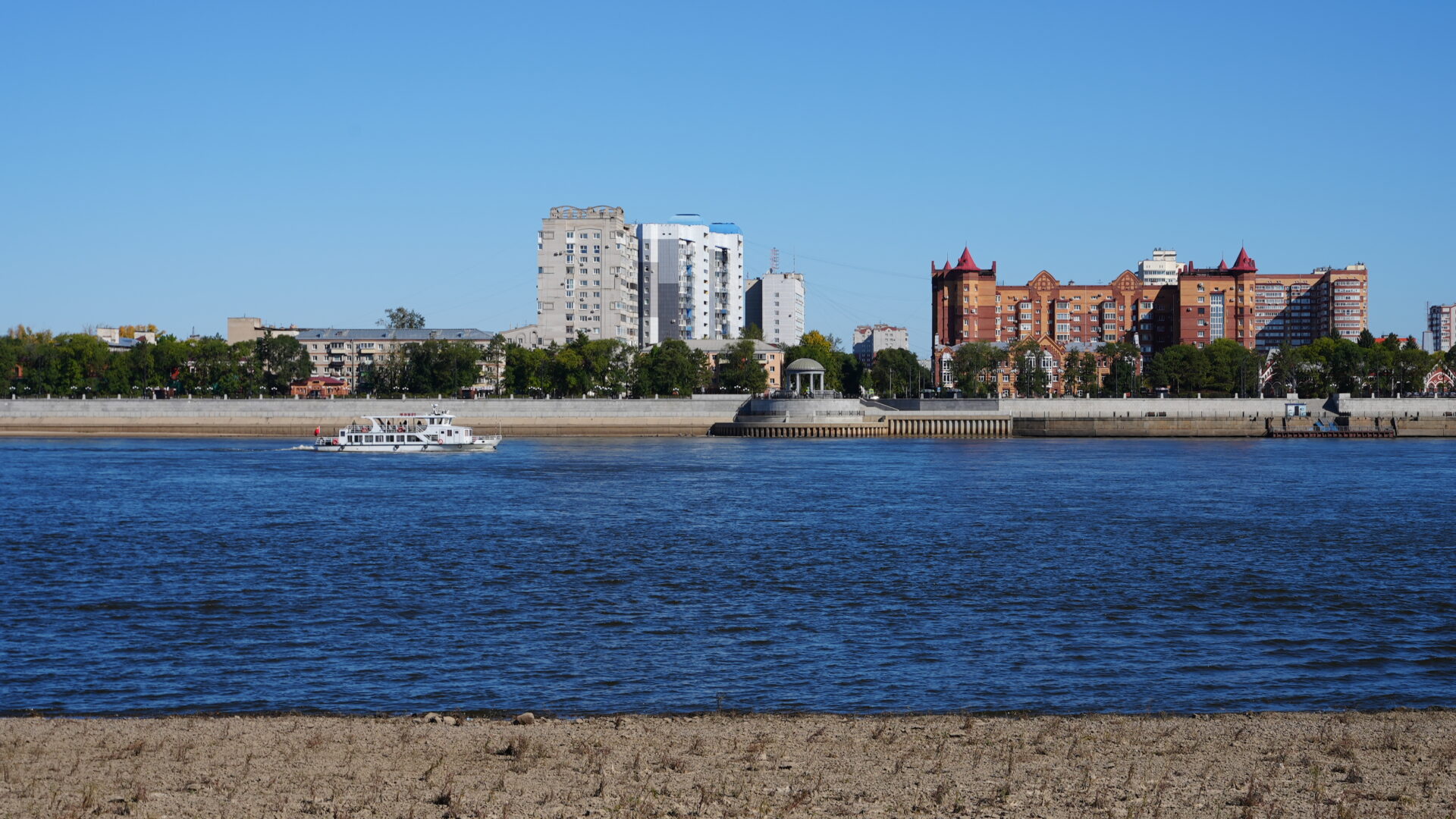
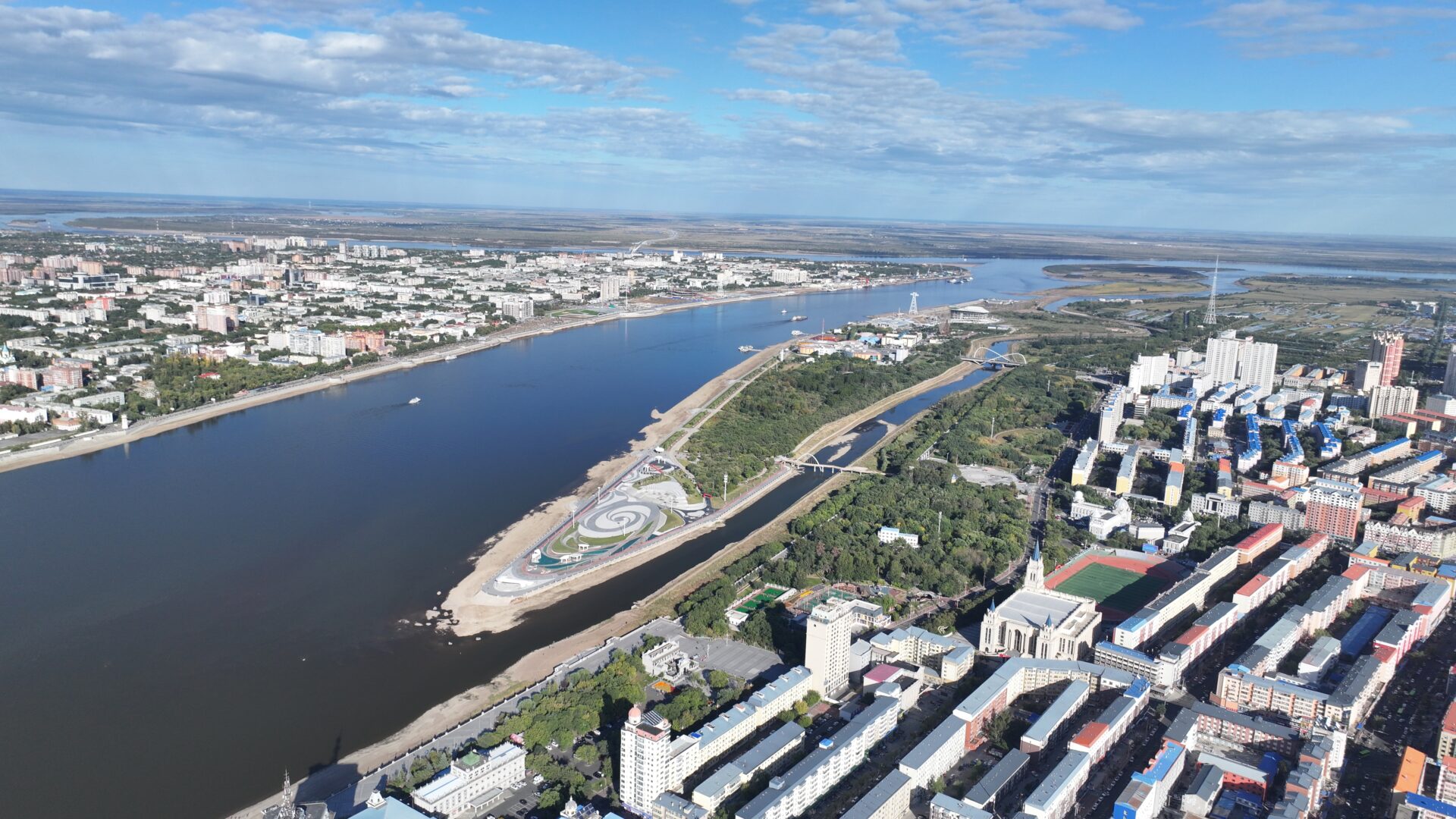
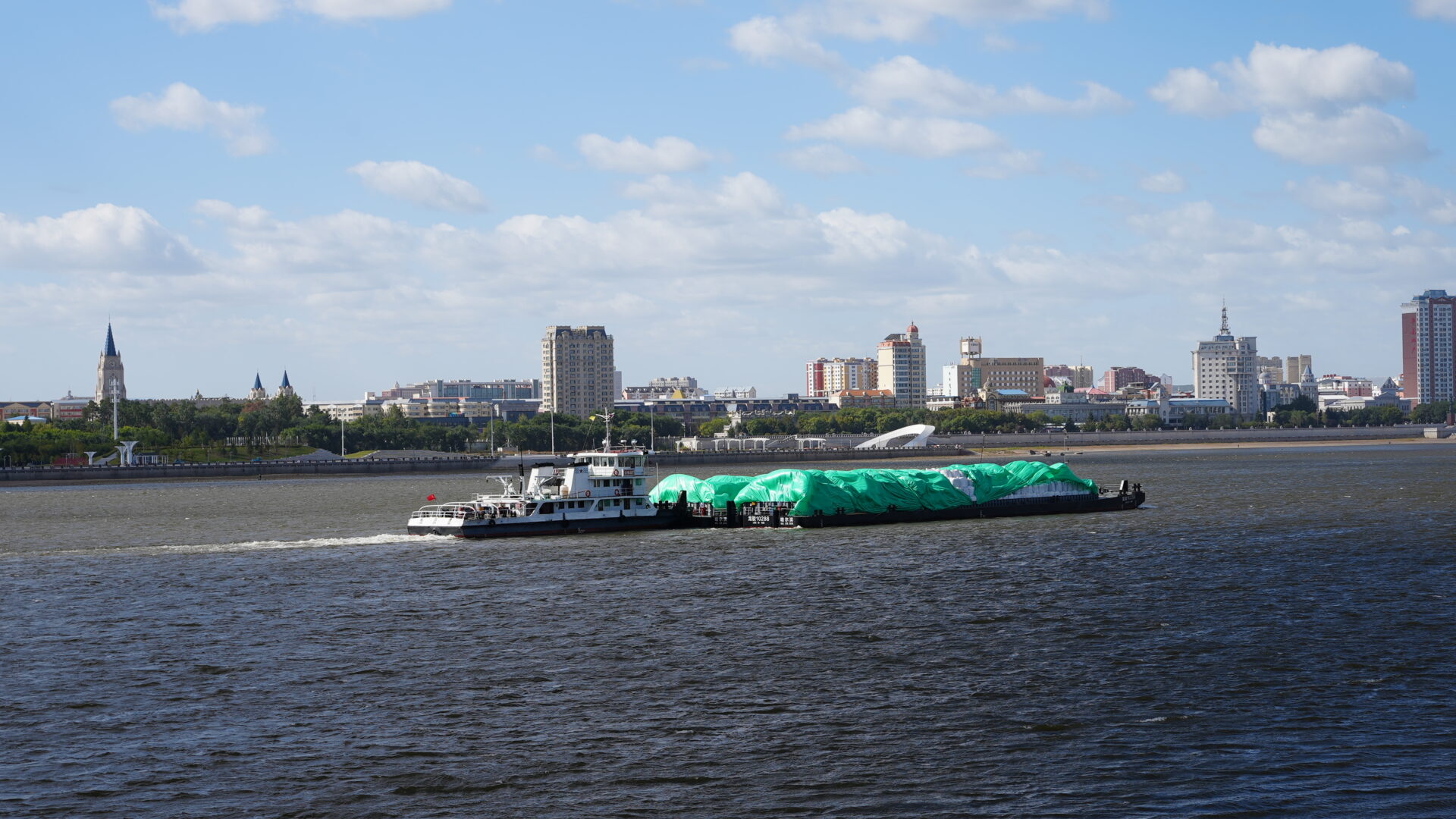
There are very few places in the world where two countries’ cities look directly at each other across a few hundred metres of water. Heihe and Blagoveshchensk are one of them, separated by the Amur — the Heilongjiang — with both riverfront promenades in clear view of each other.
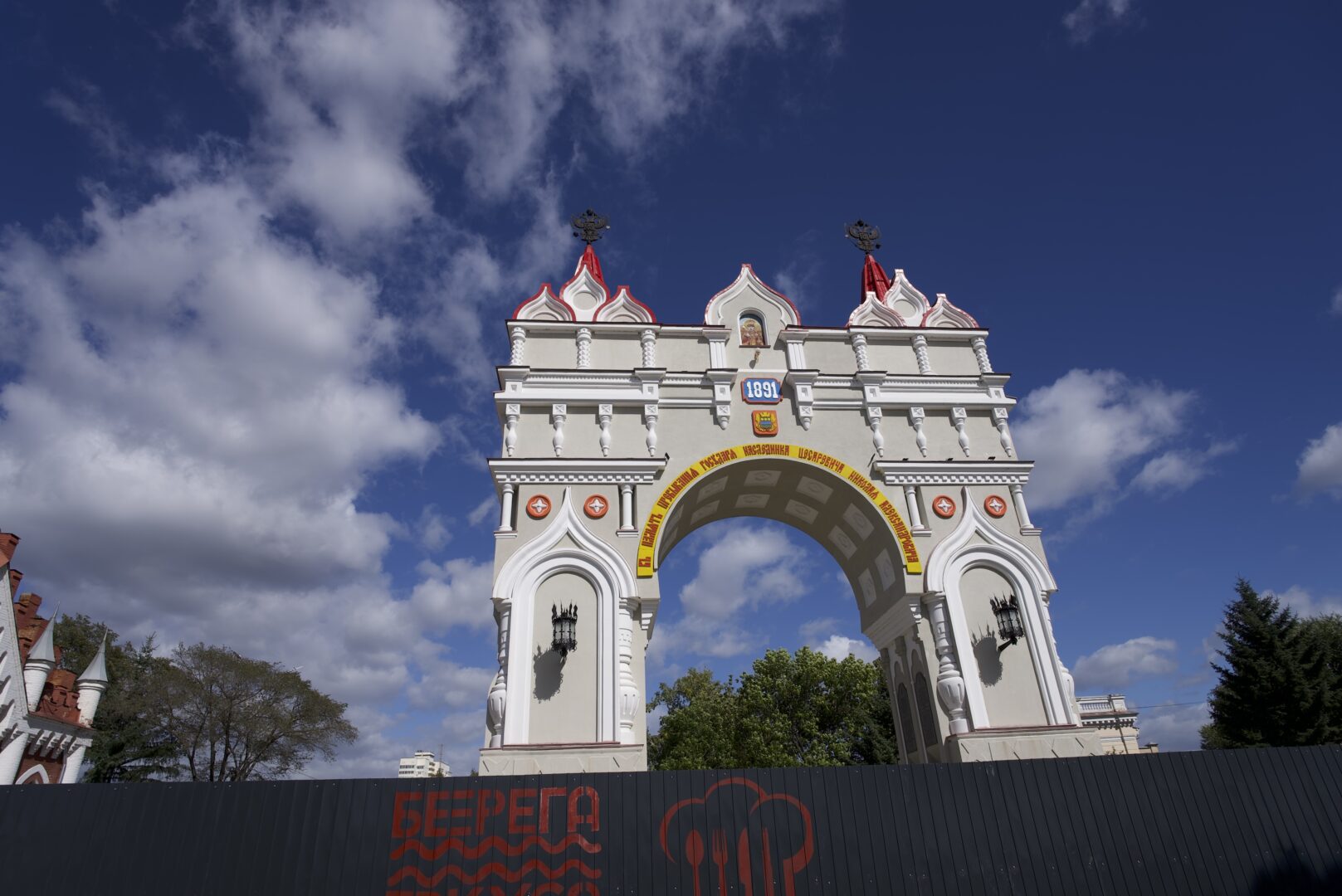
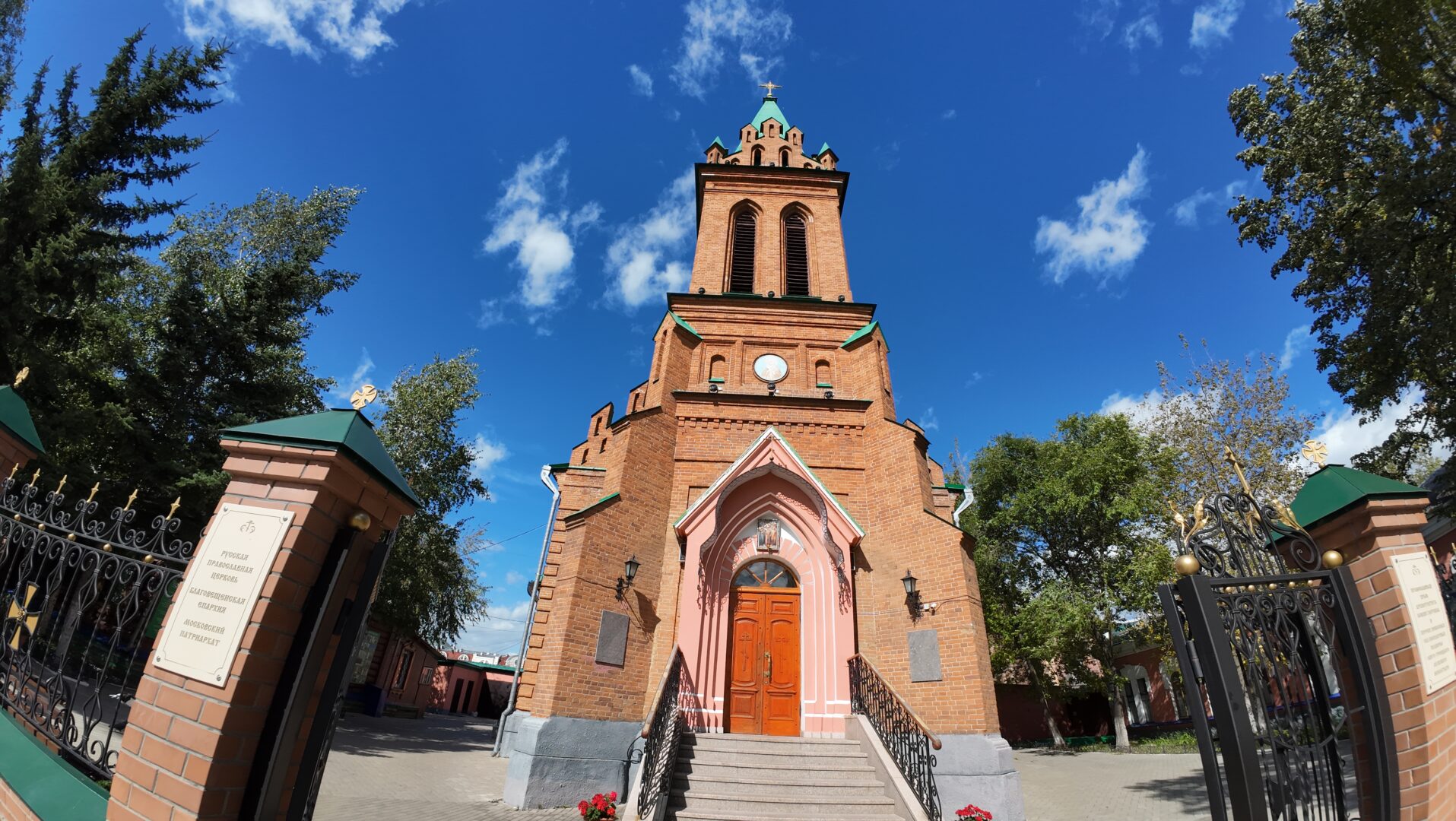
You can sit on a bench in China, look at an Orthodox cathedral in Russia, and watch people walking along the far bank.
What that produces
Trade, mostly, and a long-established two-way habit.
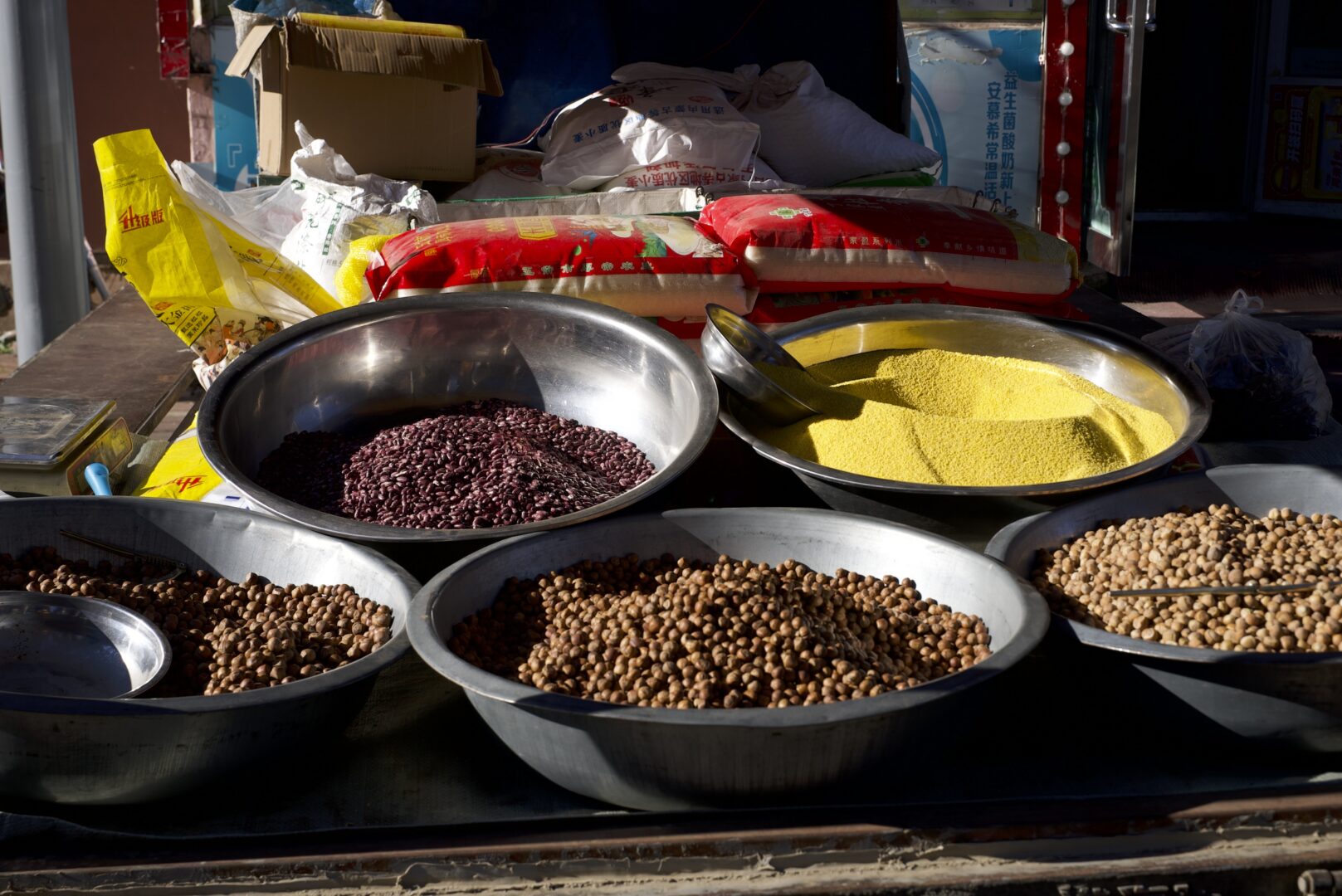
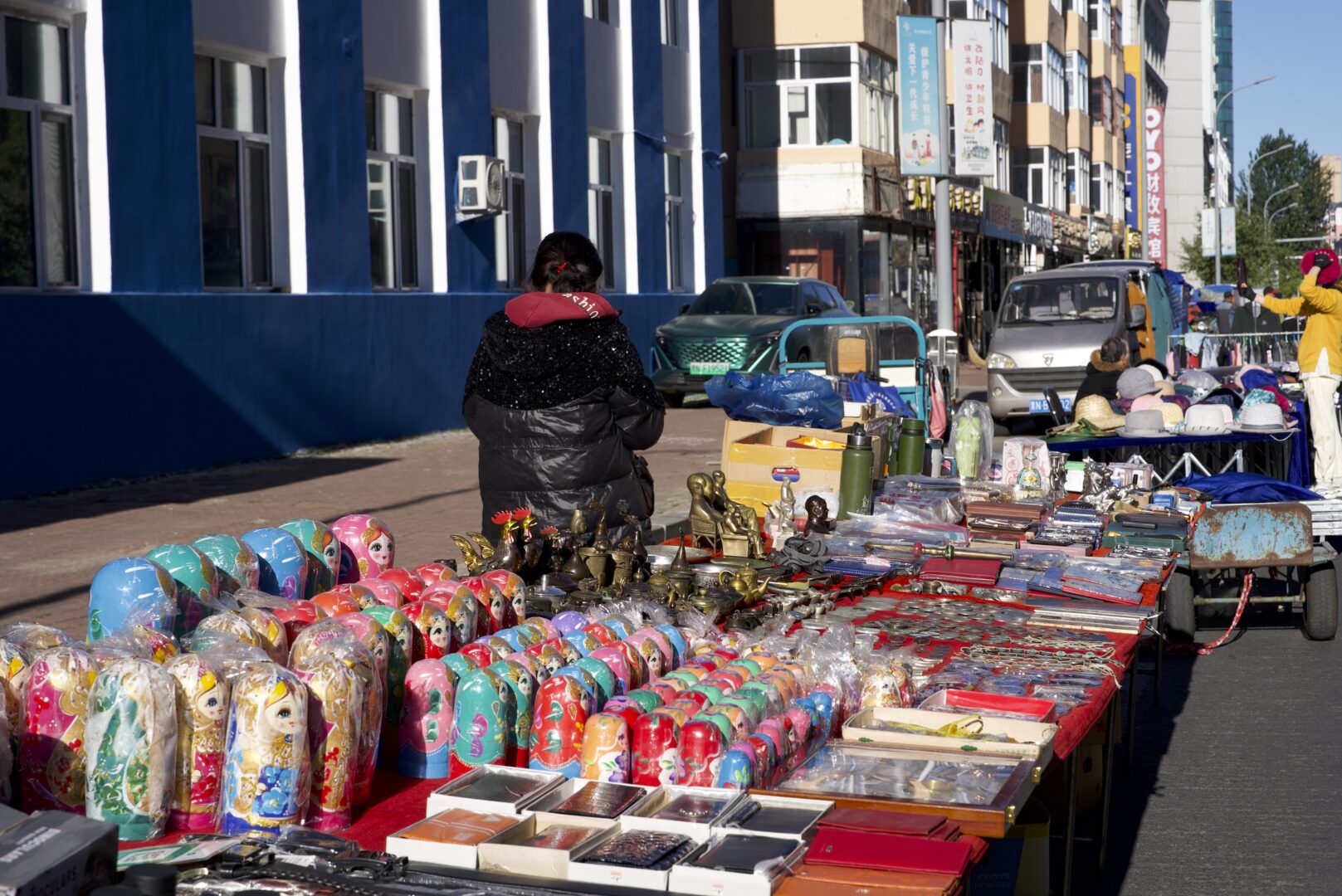
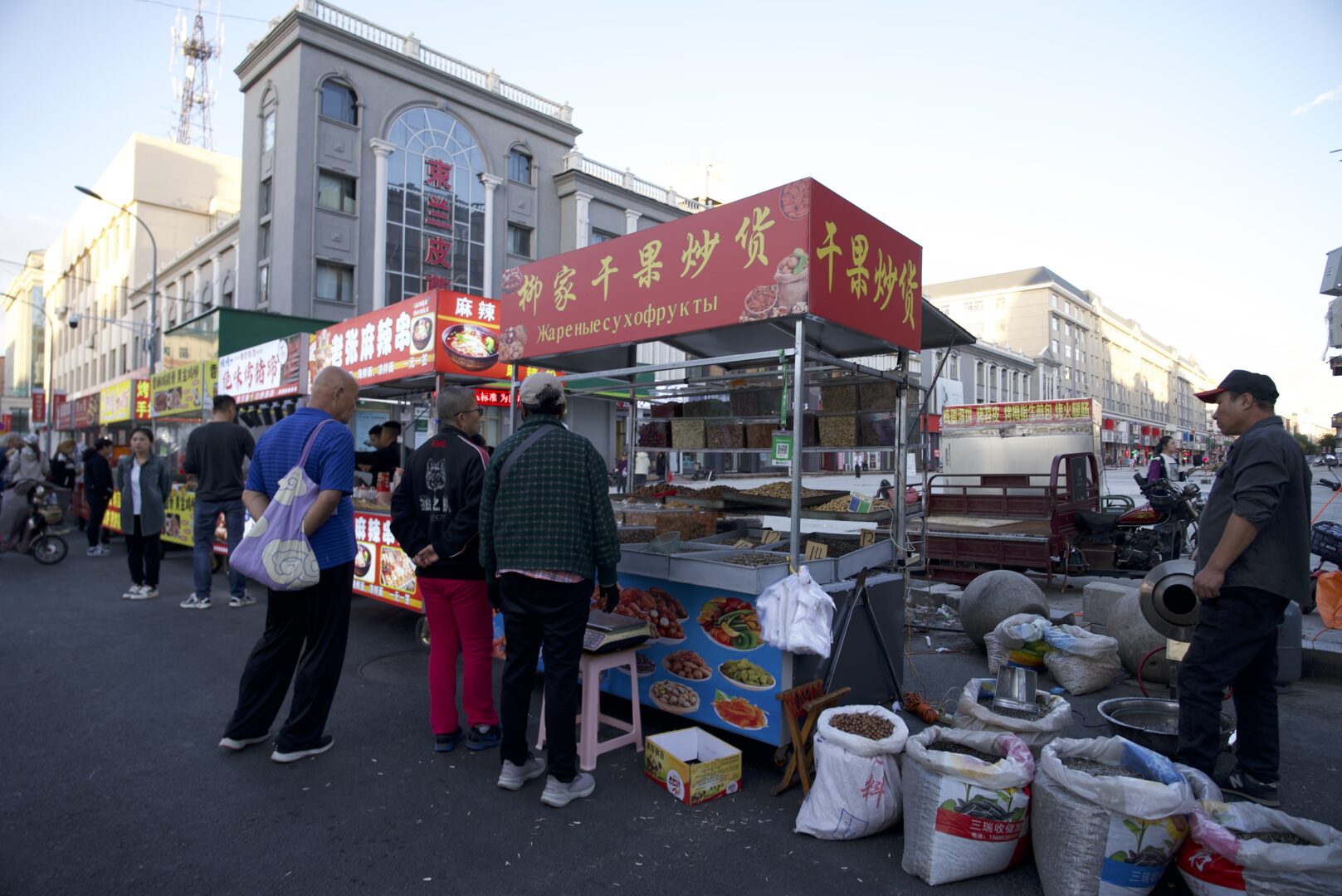
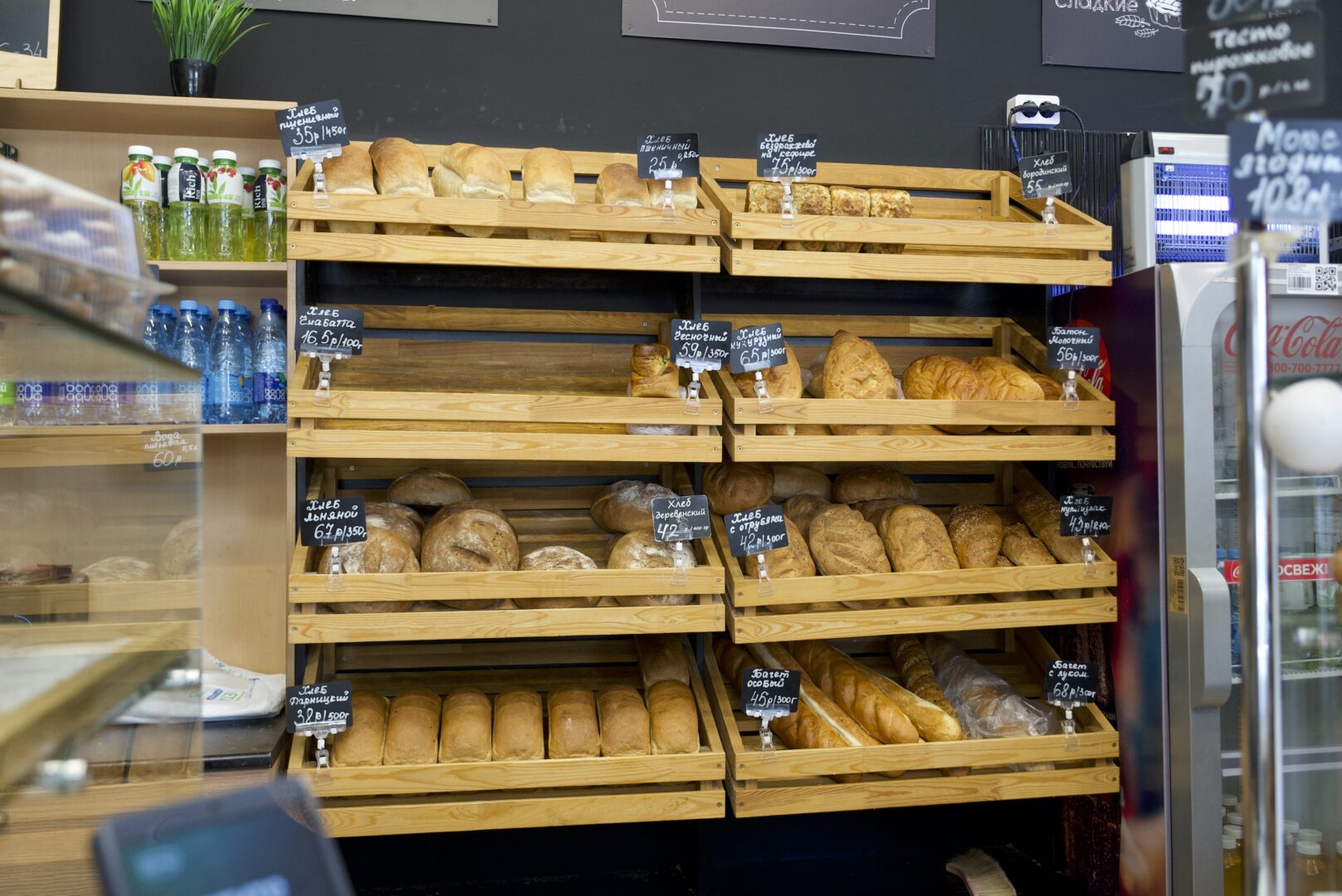
Heihe’s shops carry Russian goods — chocolate, honey, vodka, flour, amber, cosmetics — and its signage is bilingual to a degree unusual anywhere in China. Russian visitors come across for shopping, food and services; Chinese traders go the other way with consumer goods.
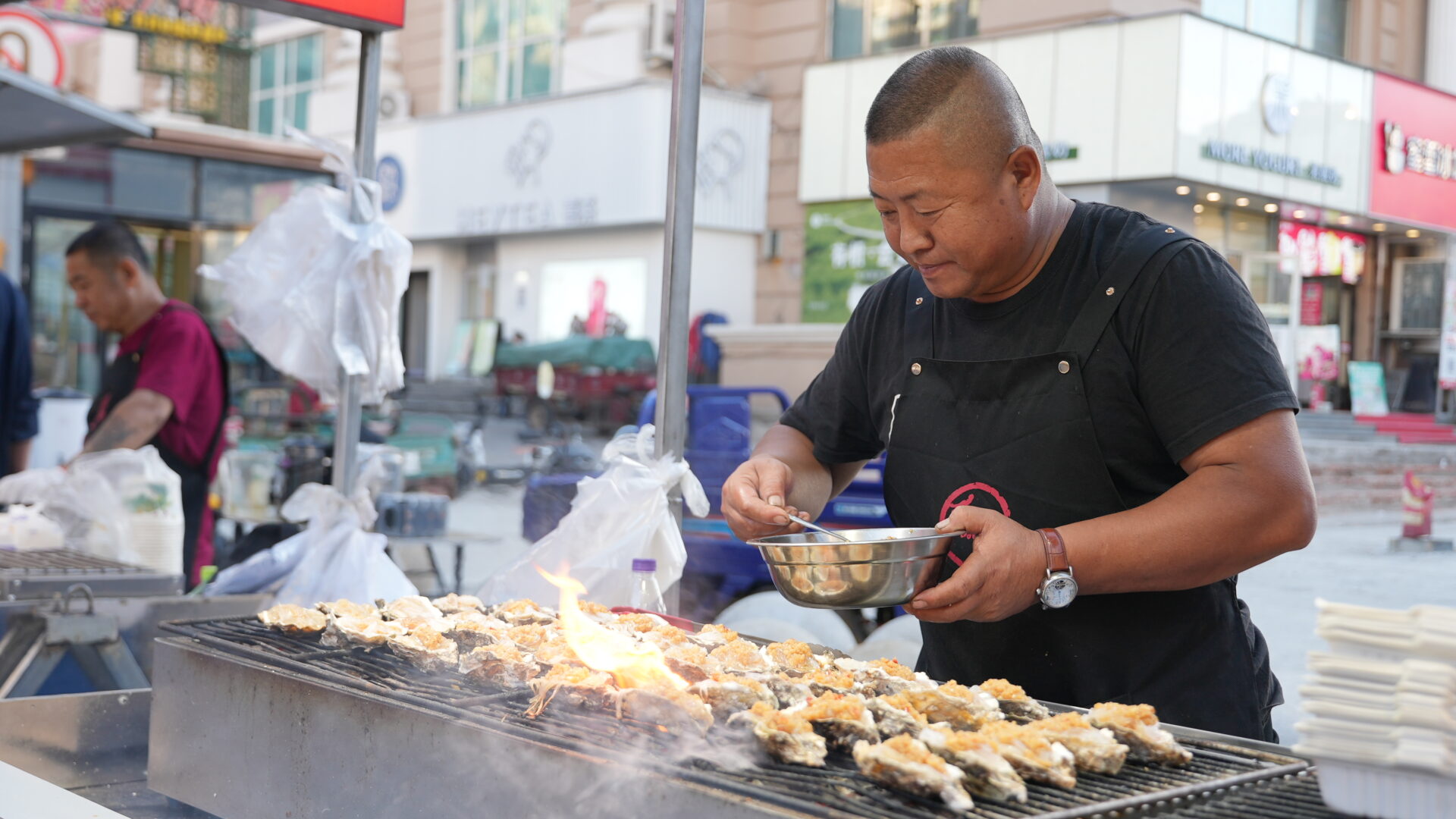
Restaurants serve both repertoires, sometimes on the same menu: dumplings and borscht, grilled skewers and blini. Neither is a fusion — they’re two cuisines coexisting because there’s demand for both.
You’ll hear Mandarin and Russian used interchangeably by people who switch mid-sentence, and the shop staff who deal with Russian customers are fluent in the specific vocabulary of their trade if nothing else.
The river, by season
The Amur defines the town in both directions.
Summer — the promenade is the social centre of the city, busy from late afternoon until late. Boat trips run along the river. Sunset over the water with the lights of another country coming on across it is genuinely something.
Winter — the river freezes hard, and for a period it’s been used as a crossing. Ice sculpture appears along the front, and the whole city is under snow at temperatures that regularly go below −30°C. The bridge between the two cities, completed in recent years, changed the logistics considerably.
Practical notes
Getting there: Heihe has an airport and rail links to Harbin. Blagoveshchensk is right there, and there is a road bridge; whether and how a foreign national can cross depends on visas and current arrangements, so check before planning it. Note that leaving mainland China uses an exit — see the visa guide.
When: June to September for the pleasant version; December to February for the extreme one, which has its own appeal. Autumn is brief and lovely.
Border zone: the frontier here is a working international boundary; the city is open and the riverfront is a promenade, but see restricted areas for the general position on China’s borders.
Elsewhere along the Amur: Mohe far upstream at the northern tip of the country, and the Russian-influenced villages of Enhe in Inner Mongolia.
And for contrast: Yining in Xinjiang, where Russian influence arrived by an entirely different route and stayed in the architecture rather than the shopping.
- #heilongjiang
- #heihe
- #russia
- #amur
- #border