
Xilingol's Ujimqin banners hold grassland that has escaped both ploughing and overgrazing. Come in July, stay in a herder's ger, and go to a Naadam.
Inner Mongolia is enormous and much of its grassland has been degraded — ploughed, overgrazed, or lost to the advancing desert. The Ujimqin banners, in the Xilingol League in the centre-east of the region, are the exception: some of the best-preserved natural steppe in China, and still worked the way steppe is meant to be worked.
The landscape
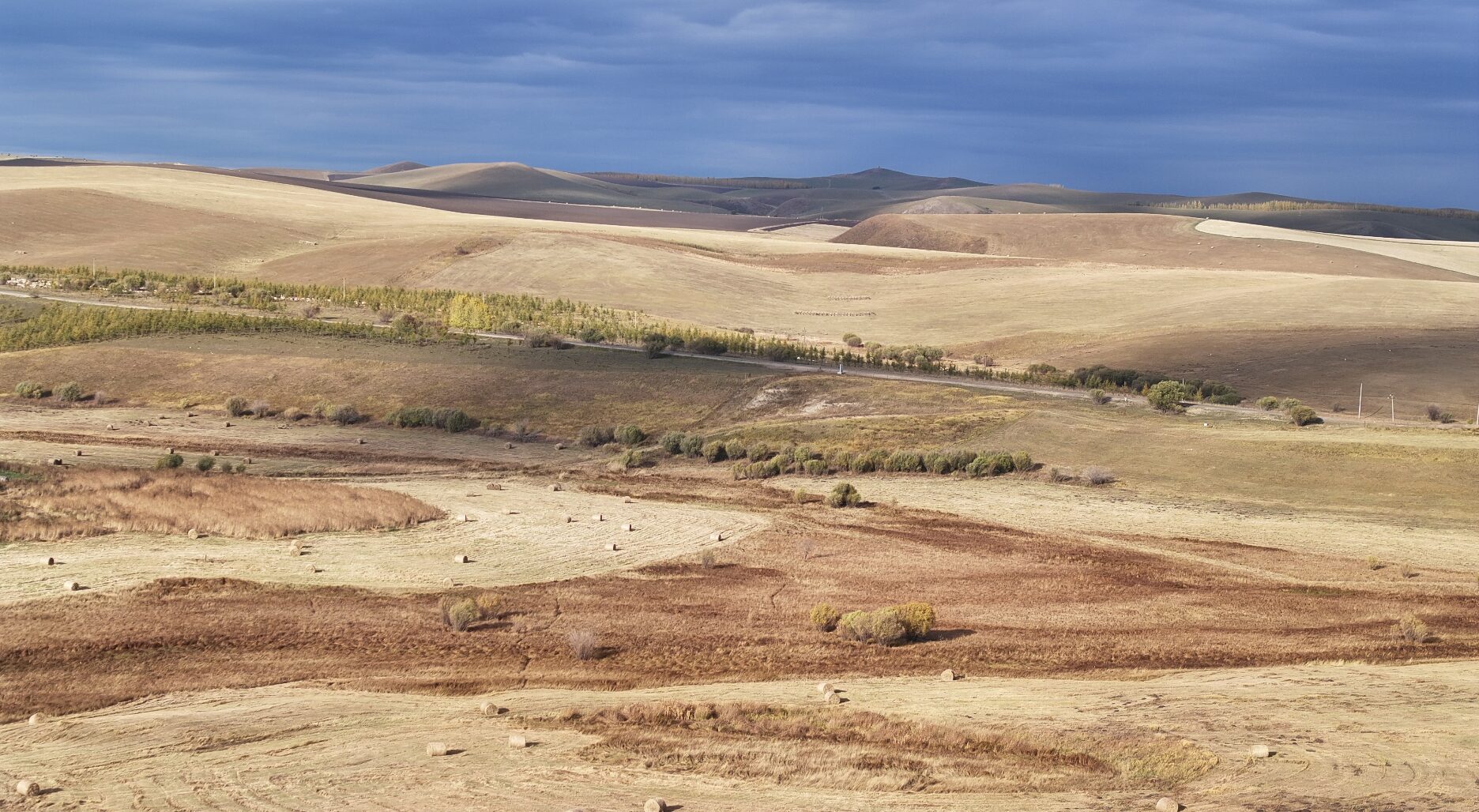
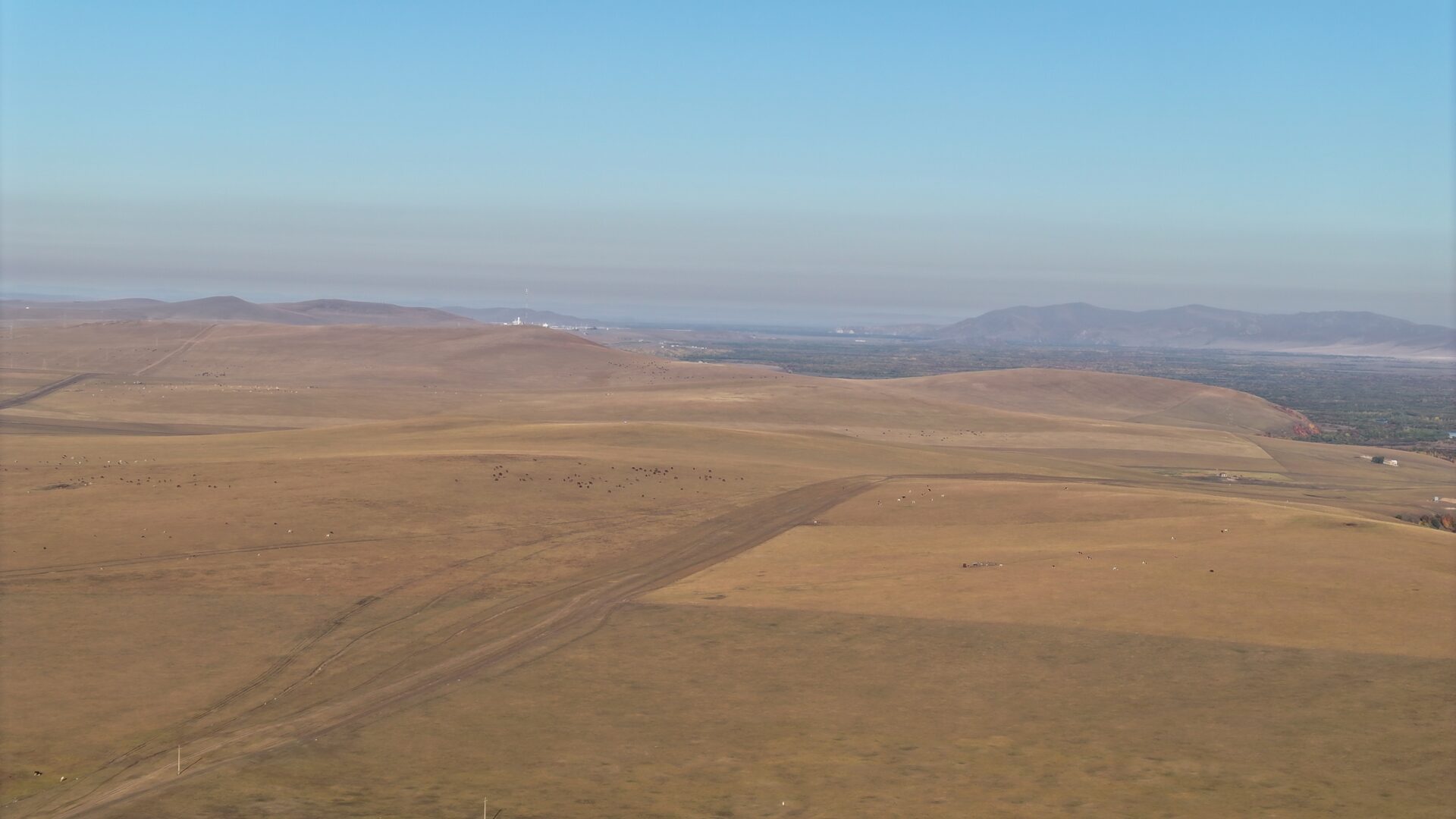
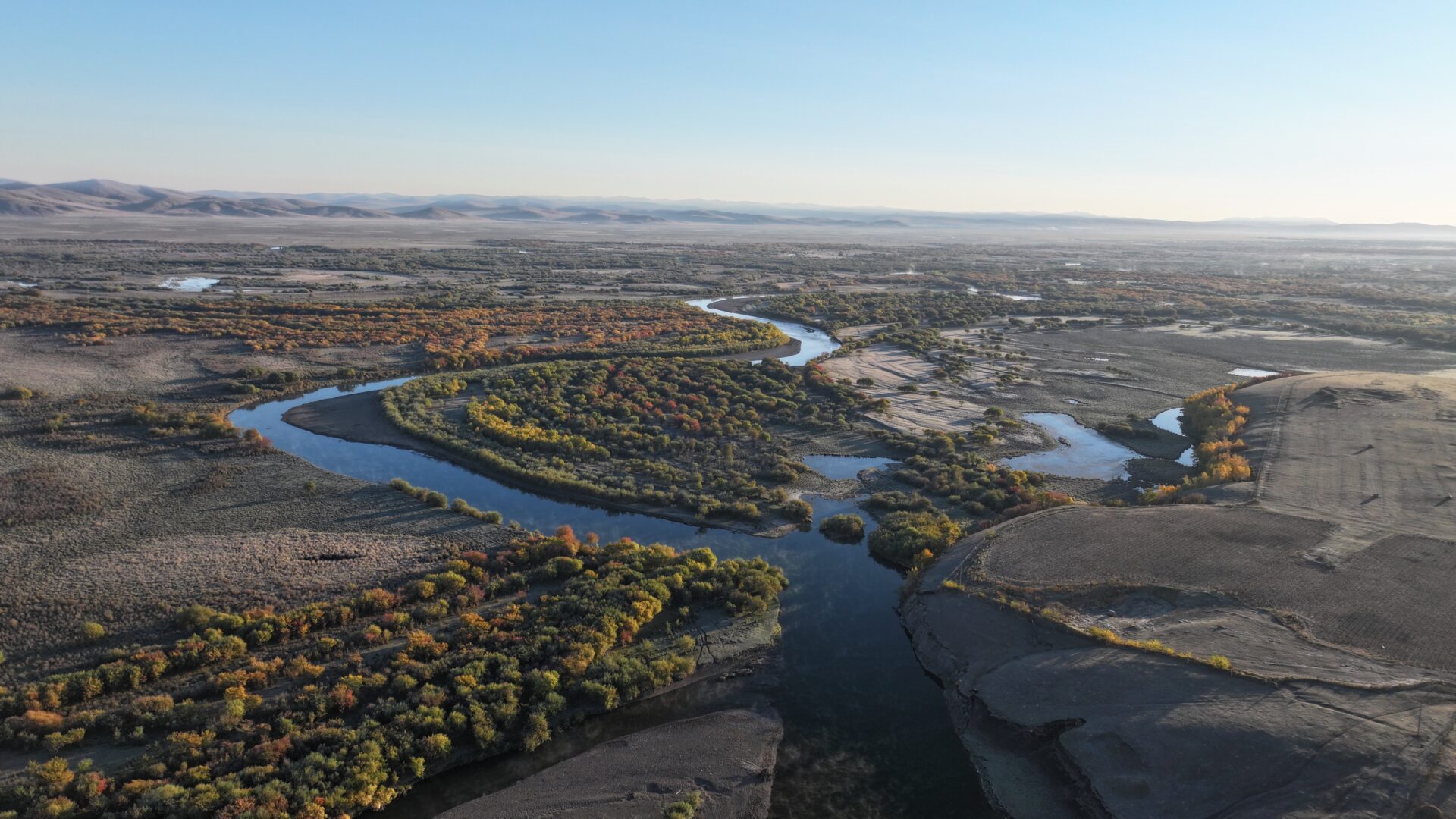
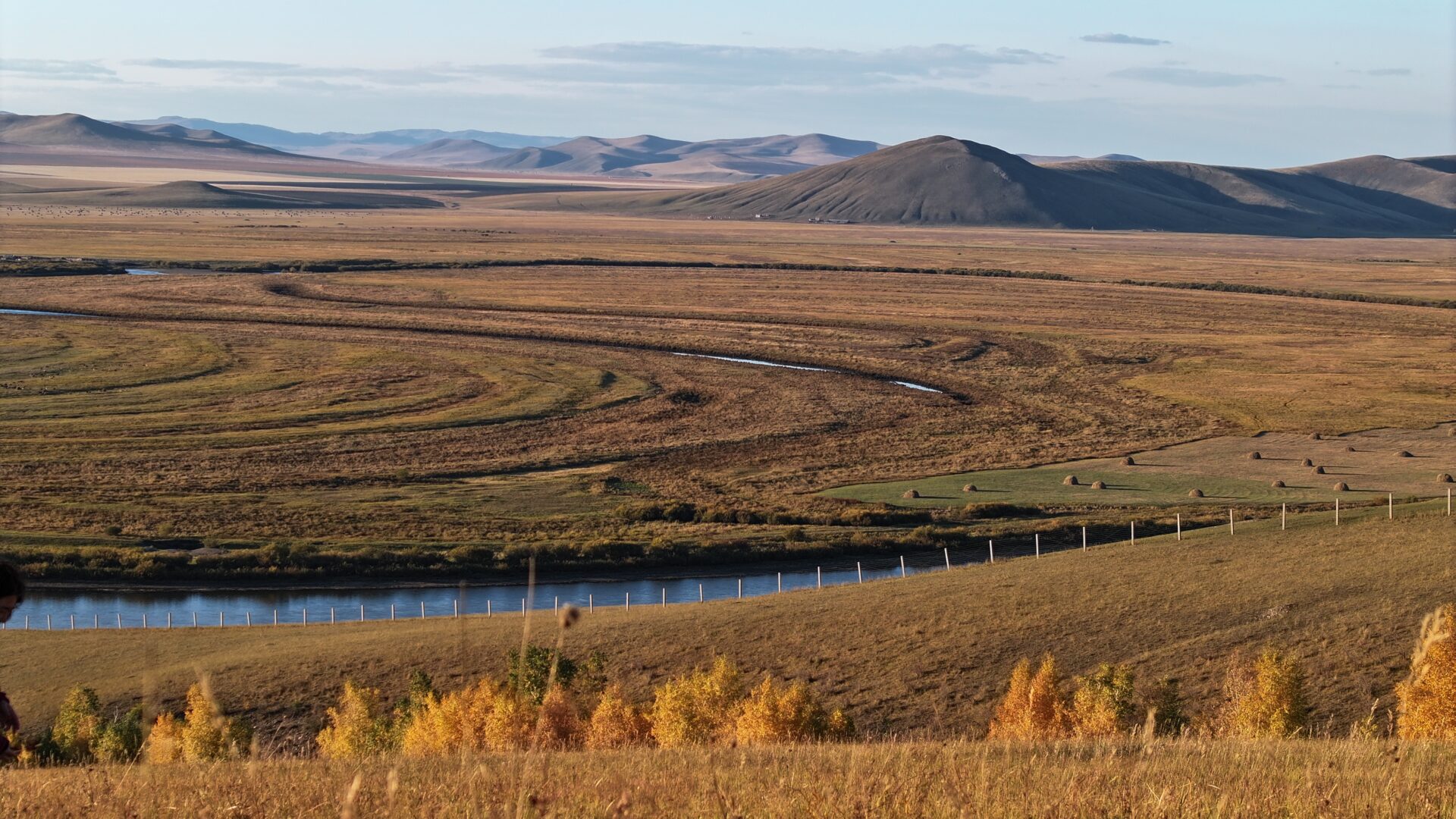
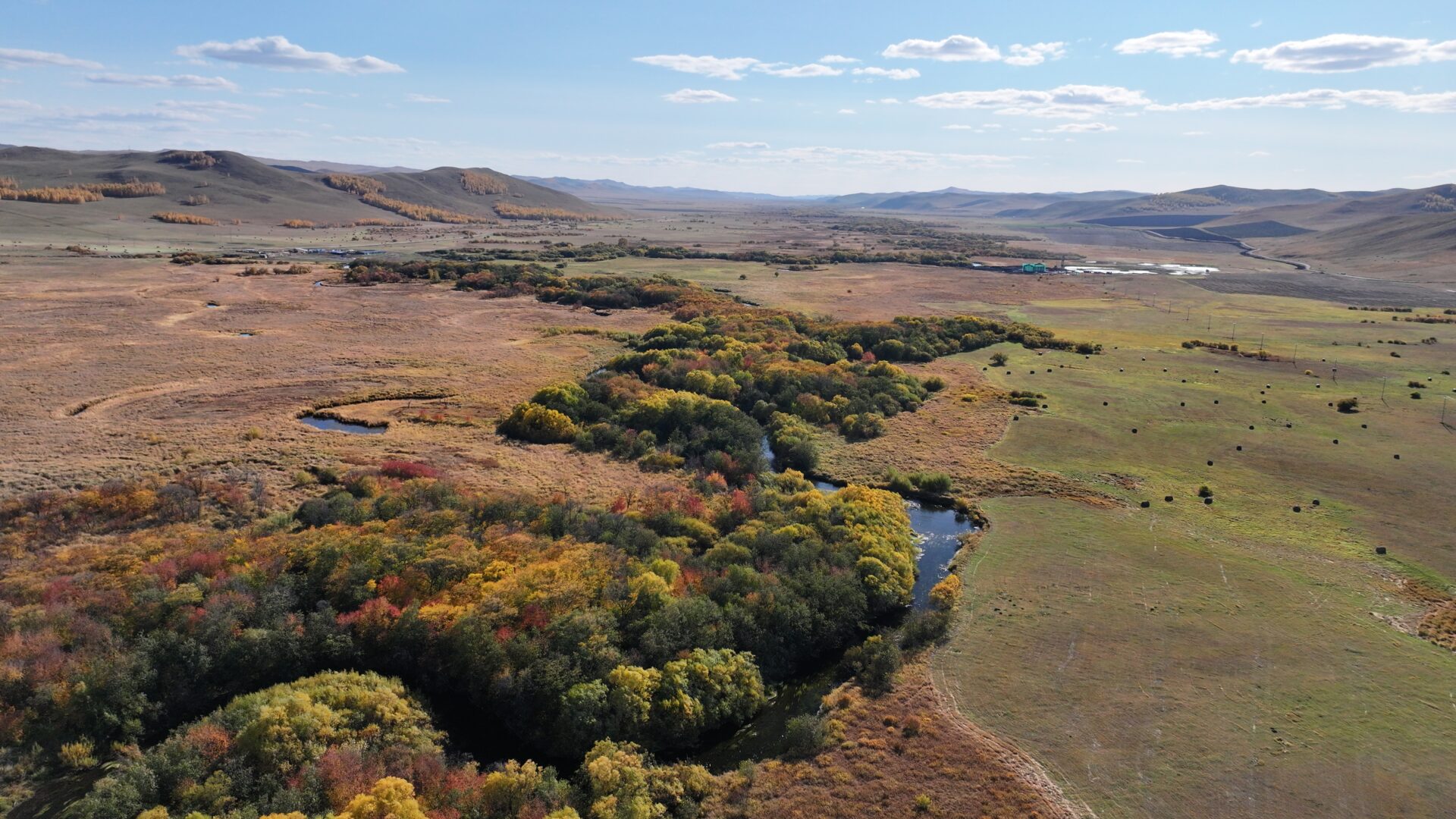
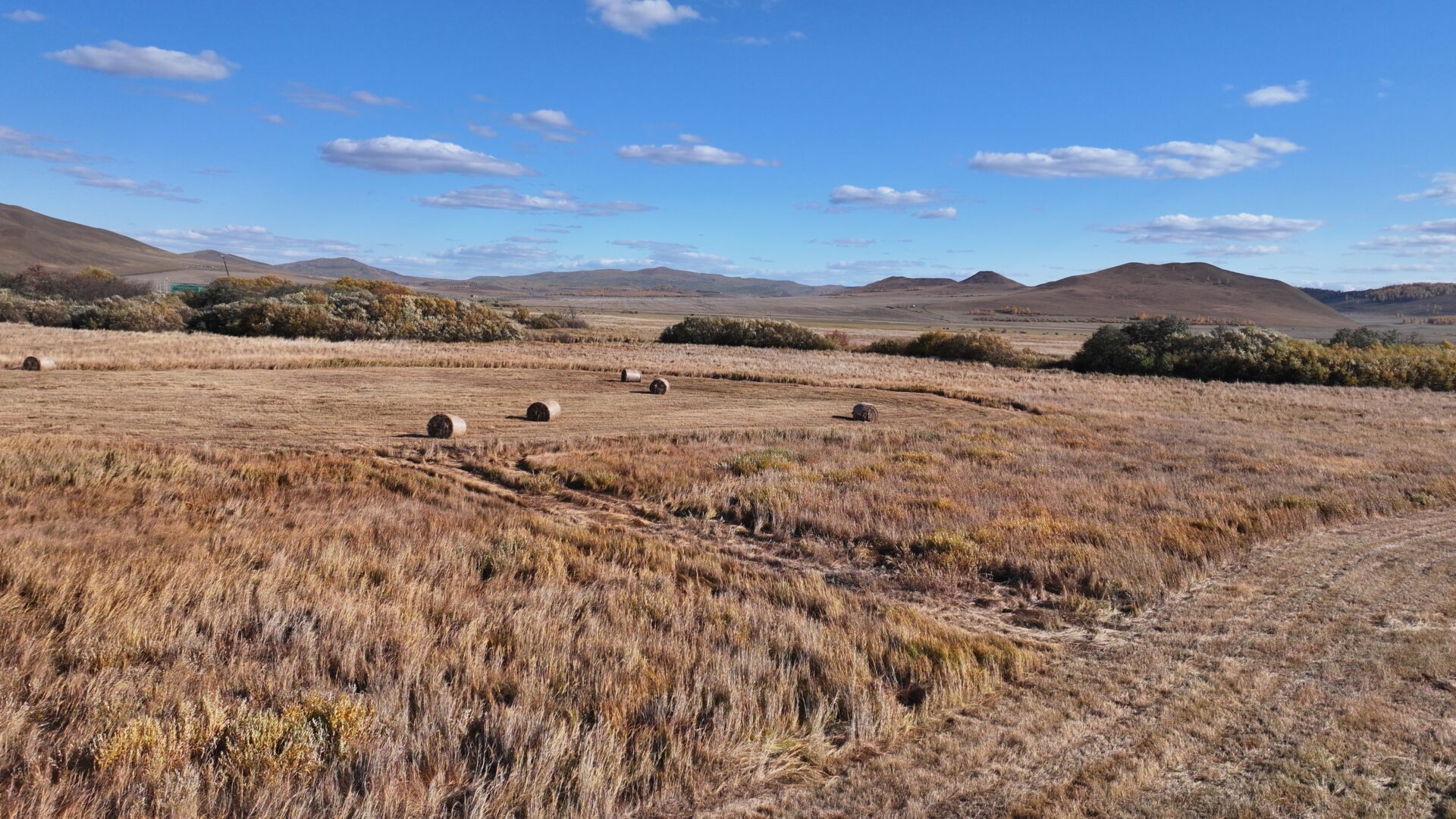
Flat isn’t the word. It undulates just enough that you keep cresting rises to find another twenty kilometres of the same thing, and the scale defeats your eye completely — a herd that looks close is an hour’s walk away.
In July the grass is high enough to move in waves, which is the image in every Mongolian song about this country. By September it’s gold. Between October and April it’s brown, then white, then brown, and there is very little reason to be here.
Gers — the round felt tents; yurt is the Turkic word — sit singly or in small clusters, with horses, sheep, cattle and the occasional camel around them. Families still move seasonally between pastures, though far fewer than a generation ago.
The culture, specifically
Three things are worth seeking out rather than accepting whatever a tour provides.
Khoomei — throat singing. A technique producing two or more simultaneous pitches, a drone plus overtone melody, and heard live at close range it does something physical to the room. UNESCO-listed and genuinely difficult.
Urtiin duu — long song. Enormously extended melodic lines with heavy ornamentation, each syllable held for seconds. Also UNESCO-listed. Slow, huge, and about landscape.
The morin khuur — the horsehead fiddle, two strings of horsehair, with the national instrument’s status and a sound close to a human voice.
Naadam
The summer festival, held across Inner Mongolia and Mongolia proper, and the reason to time a trip for July or early August.
The three “manly games”: wrestling (in a distinctive open-fronted jacket, with a ritual eagle dance before each bout), horse racing over long cross-country distances with child jockeys, and archery. Around it: the whole community in dress clothes, dairy foods, airag, and a great deal of hospitality.
Dates vary by banner and are set locally. Ask on the ground rather than trusting a published schedule.
Staying and eating
Stay in a ger. Some are commercial camps, some are family arrangements. The family version is better: you’ll be milking something before breakfast.
Eat: boiled mutton, hand-pulled noodles in mutton broth, and above all dairy — milk tea (salted, drunk all day), yoghurt, dried curd, clotted cream, butter. Dairy is central here in a way it isn’t anywhere else in China; see our food guide.
Airag — fermented mare’s milk — will be offered. It’s sour, lightly alcoholic and an acquired taste. Accept it with both hands.
Practical notes
Getting there: fly or take the train to Xilinhot, then road. This is a driving region; buses reach the banner towns and nothing beyond.
When: July and August, and nothing else. June is workable. We’d actively discourage a grassland trip between October and April — the herds are down, the camps are shut, and there is nothing but wind.
Bring: wind protection, a warm layer for the night (the temperature drop after dark is severe even in July), and insect repellent — the mosquitoes in a wet summer are memorable.
Elsewhere in the region: the Badain Jaran desert in the far west, Enhe’s Russian villages up in Hulunbuir, and Arxan in the volcanic forest to the northeast.
- #inner mongolia
- #ujimqin
- #grassland
- #naadam
- #throat singing