
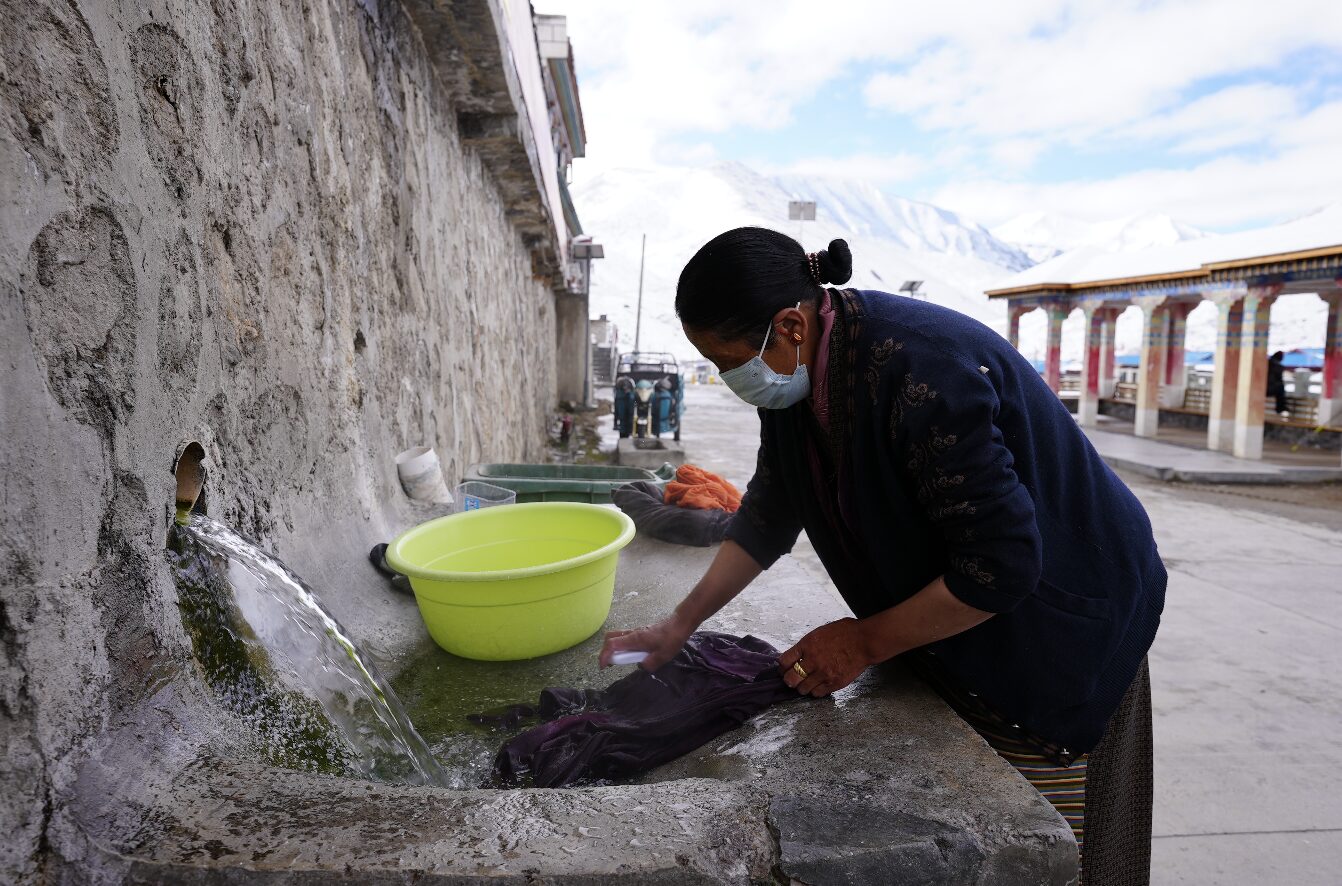
Tibetan medicine has classified these waters for centuries, and people still travel to sit in them. The setting — a wooded valley below the Himalaya — is half the treatment.
Hot springs are common enough across the Tibetan plateau — it’s tectonically active country — but only some of them have a documented place in Tibetan medicine, and the springs in the Kangbu area of the Yadong valley are among those.
Traditional Tibetan medical texts classify mineral waters by type and prescribe them for specific complaints, with instructions on duration and season. That isn’t folklore layered on afterward: bathing is a formal branch of the medical system, and people still travel for a course of treatment rather than an afternoon’s soak.
The setting
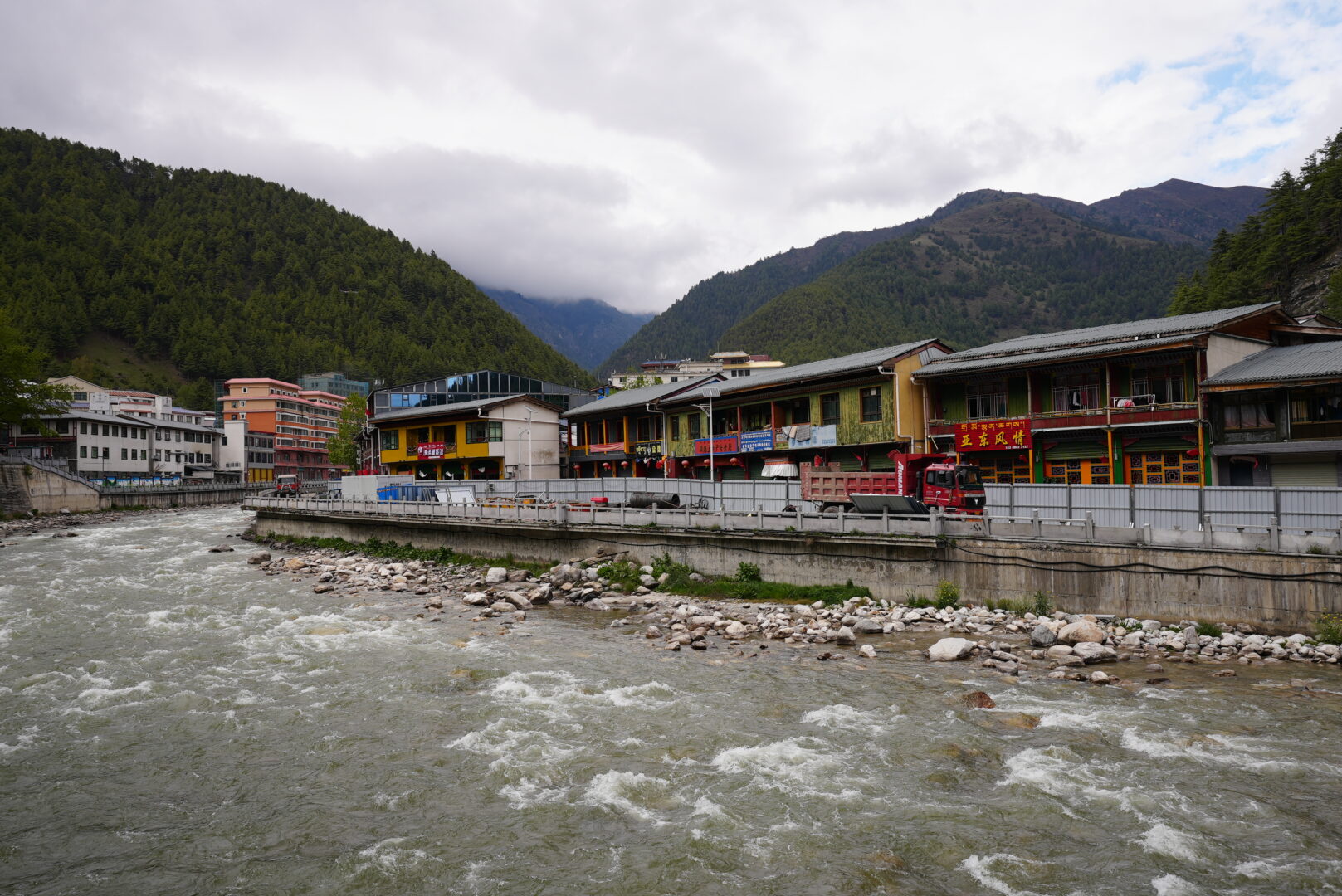
The Yadong valley runs south from the plateau toward the Indian border, and like the other Himalayan breaches it lets warm, wet air in from the south. So instead of the bare high country most people picture when they think of Tibet, this is forest — conifer, rhododendron, birch — with steep sides and a river running through it.
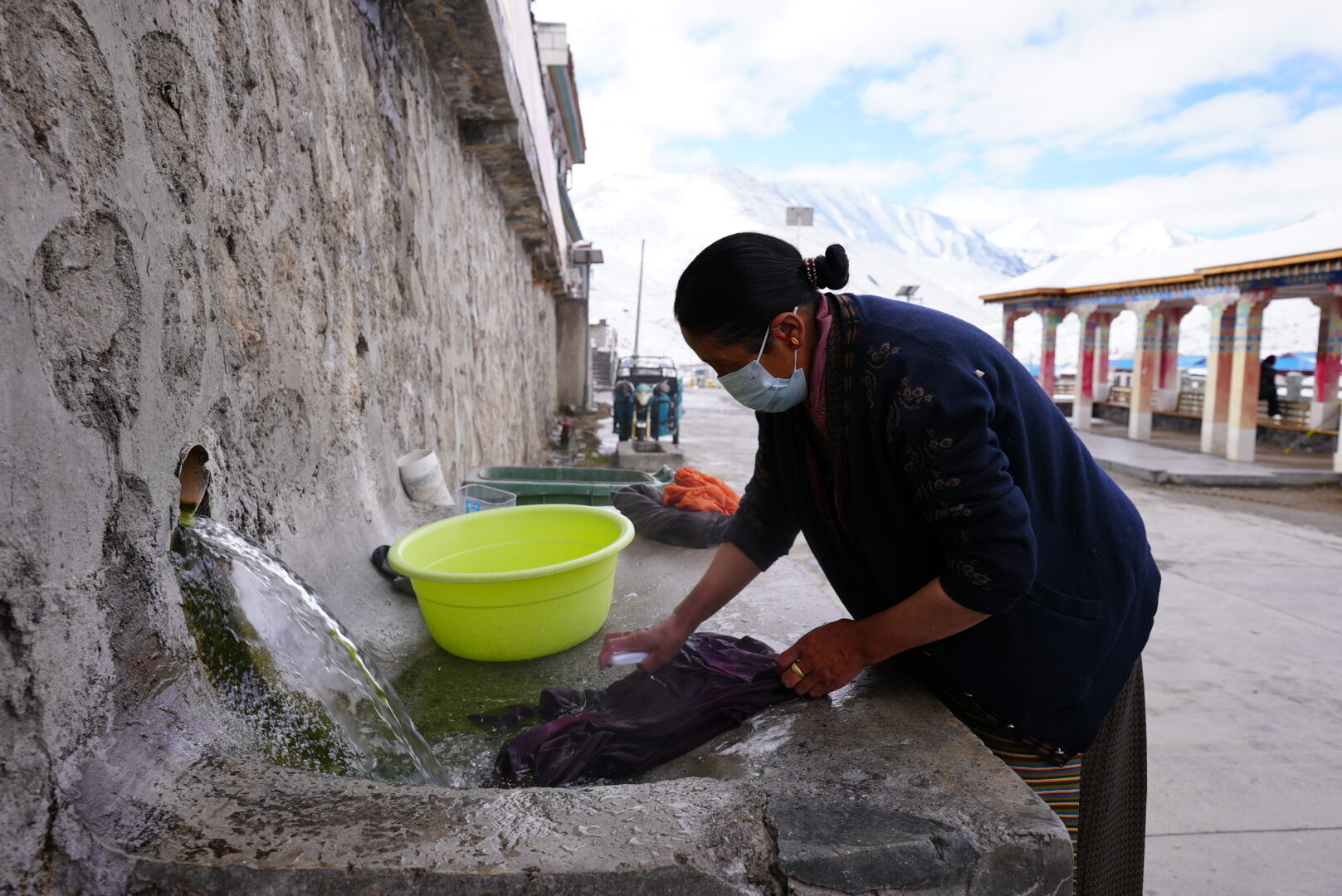
The springs sit in that landscape: stone-built pools, steam in cold air, and mountains directly overhead. In winter it’s the kind of place where the snow reaches the edge of the water.
How it’s used
The pools vary in temperature, and locals know which is which. Bathing is unhurried and social — people come for a week rather than an hour, often in family groups, and there is generally somebody who will tell you how long you should be in and what’s good for what.
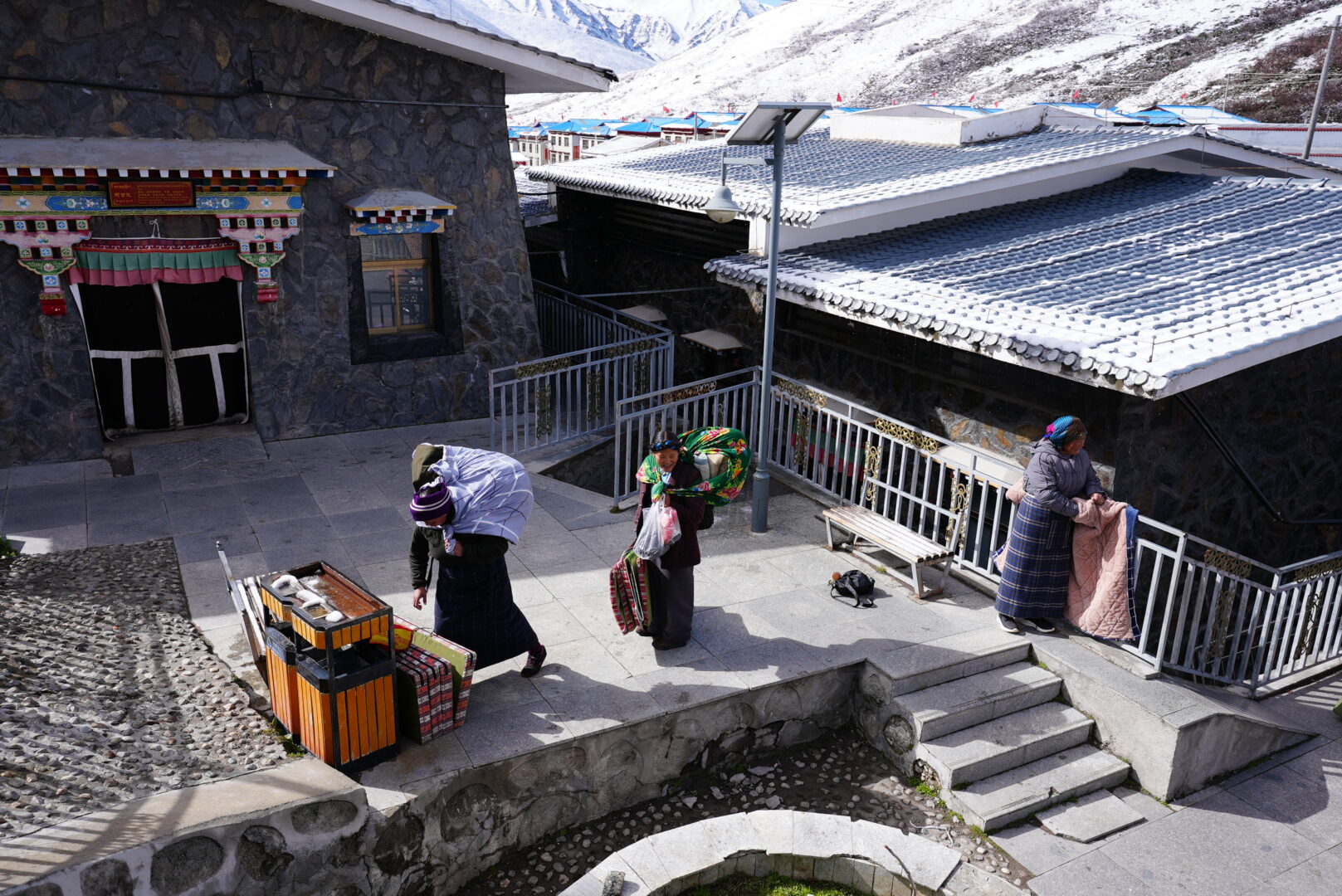
Nearby monasteries put a religious frame around the visit; a lot of people combine bathing with prayers or a circuit of a local sacred site. Treating the springs purely as a spa slightly misses what’s happening.
Practical notes
Where: the Yadong valley, Shigatse prefecture, in far southern Tibet toward the Indian frontier. See Yadong for the wider area.
Permits: this is a border zone. Beyond the Tibet Travel Permit you’ll need additional border permits, arranged in advance by a licensed agency, and access rules change. Check current conditions before planning — restricted areas has the framework.
When: the valley is lower and milder than the plateau, so the season is longer than you’d expect. Late spring for the rhododendrons, autumn for the clearest air. Summer is the monsoon.
Etiquette: these are working medicinal pools used by local families, not a resort. Ask before getting in, ask before photographing anybody, and follow whatever the people already there are doing.
Altitude: lower than most of Tibet, but you’ll have come over high passes to get here. Acclimatise on the plateau side first — see the advice in our Lhasa guide.
- #tibet
- #hot springs
- #yadong
- #tibetan medicine
- #shigatse