
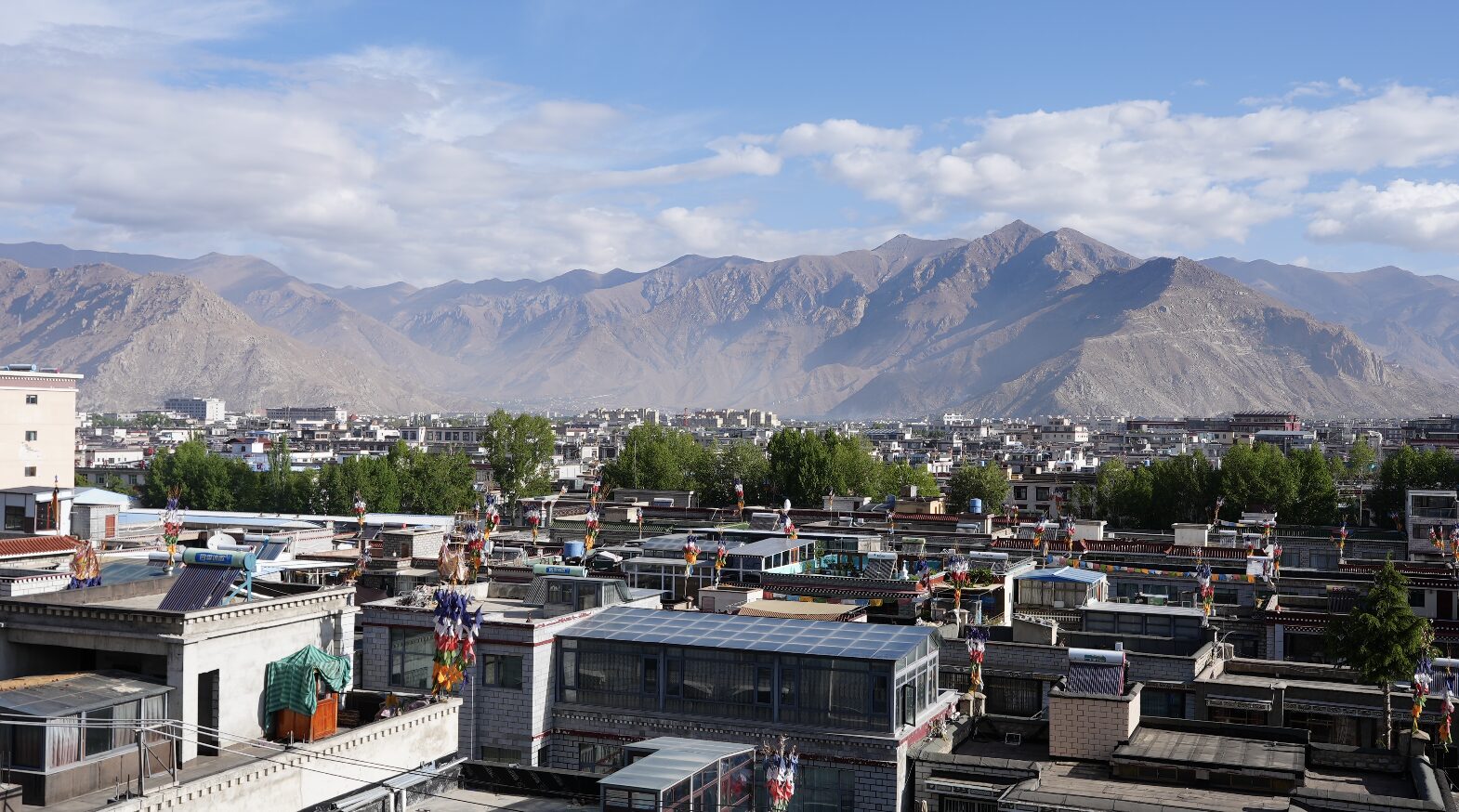
Lhasa is a pilgrimage destination first and a city second, and it shows in how the place is organised. Everything is arranged around walking clockwise.
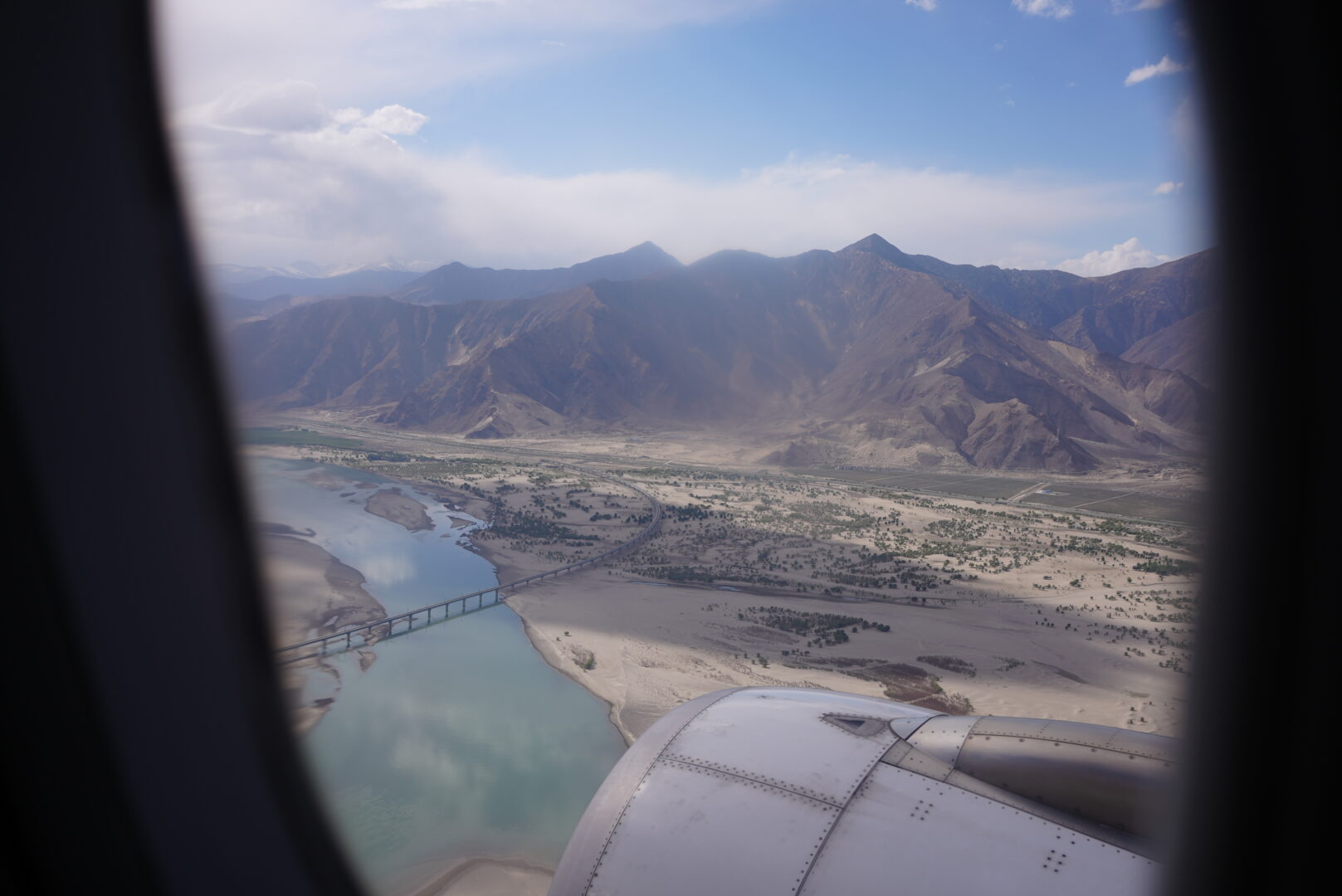
Lhasa sits at 3,656 metres in a broad valley off the Yarlung Tsangpo, ringed by bare brown mountains, under a sky whose blue is a function of how little atmosphere is left above it. The name means “place of the gods,” and the city has been the political and religious centre of Tibet for thirteen centuries.
It is also, first and foremost, a pilgrimage destination. Understanding that explains almost everything about how the place works.
The Jokhang and the Barkhor
Start here rather than at the Potala, because this is the actual centre.
The Jokhang is the holiest temple in Tibetan Buddhism, founded in the 7th century, housing the Jowo Rinpoche — a statue said to have been brought from China by the Tang princess Wencheng. It is dark, thick with butter lamp smoke, and permanently full of people who have travelled a very long way to be in it.
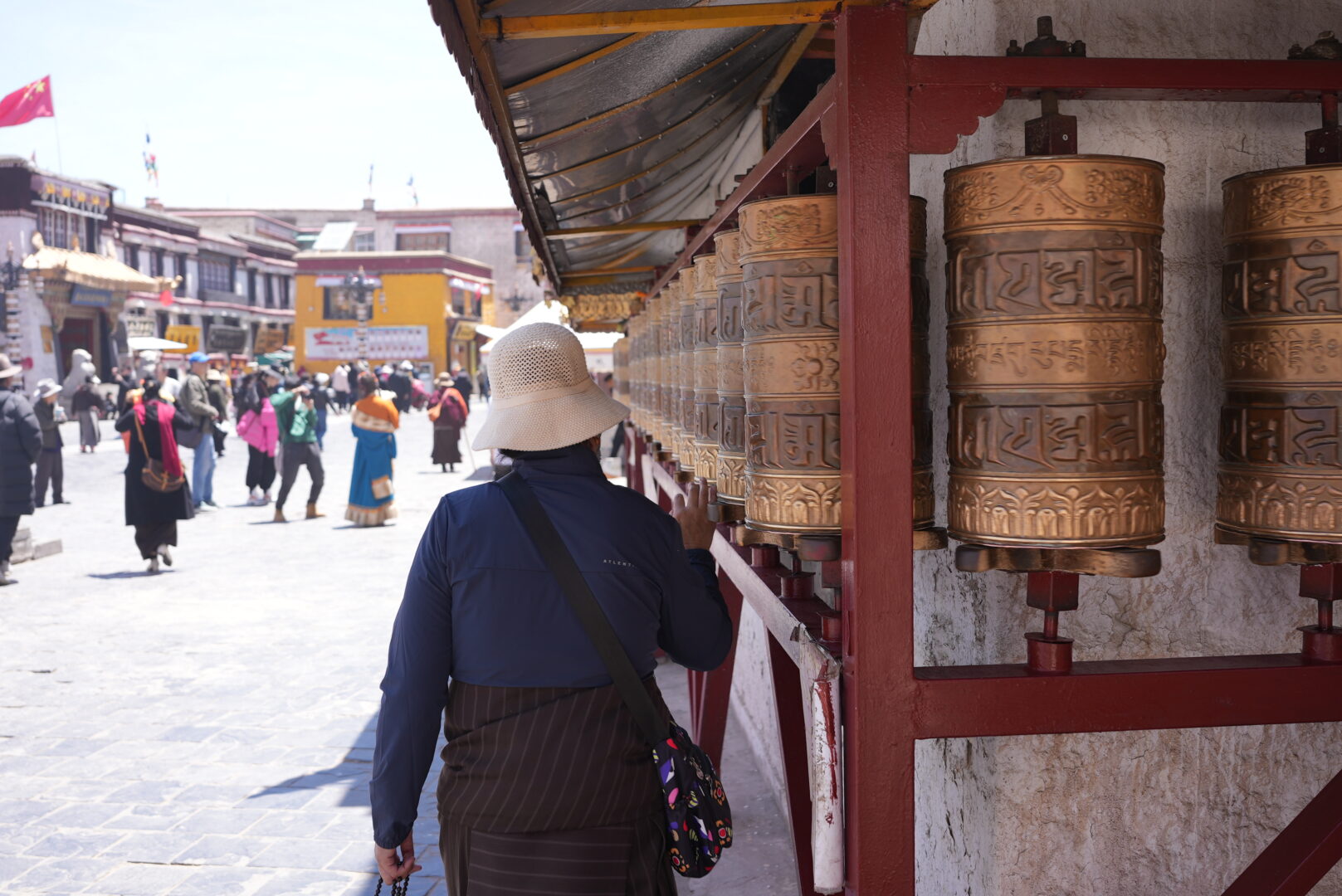
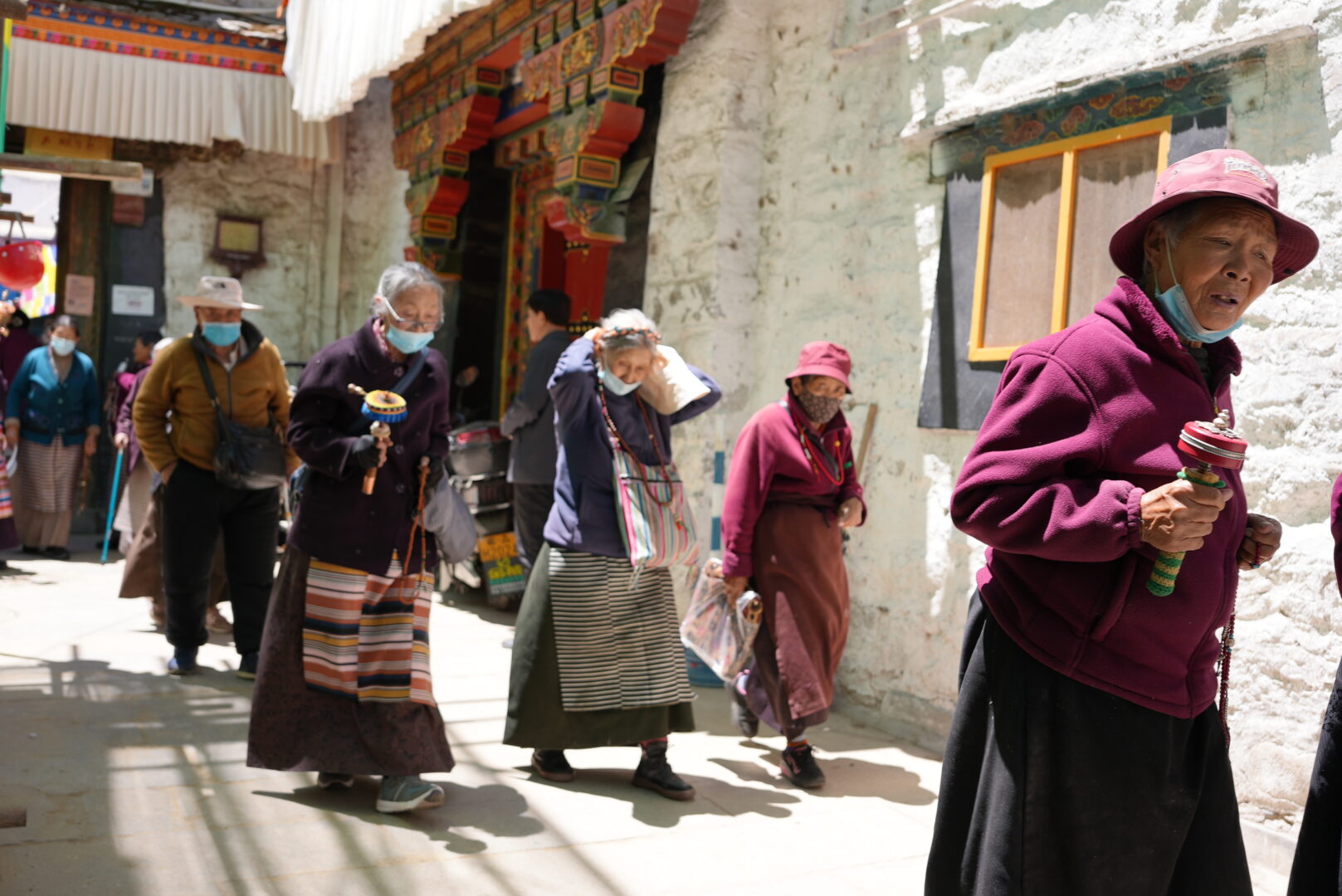
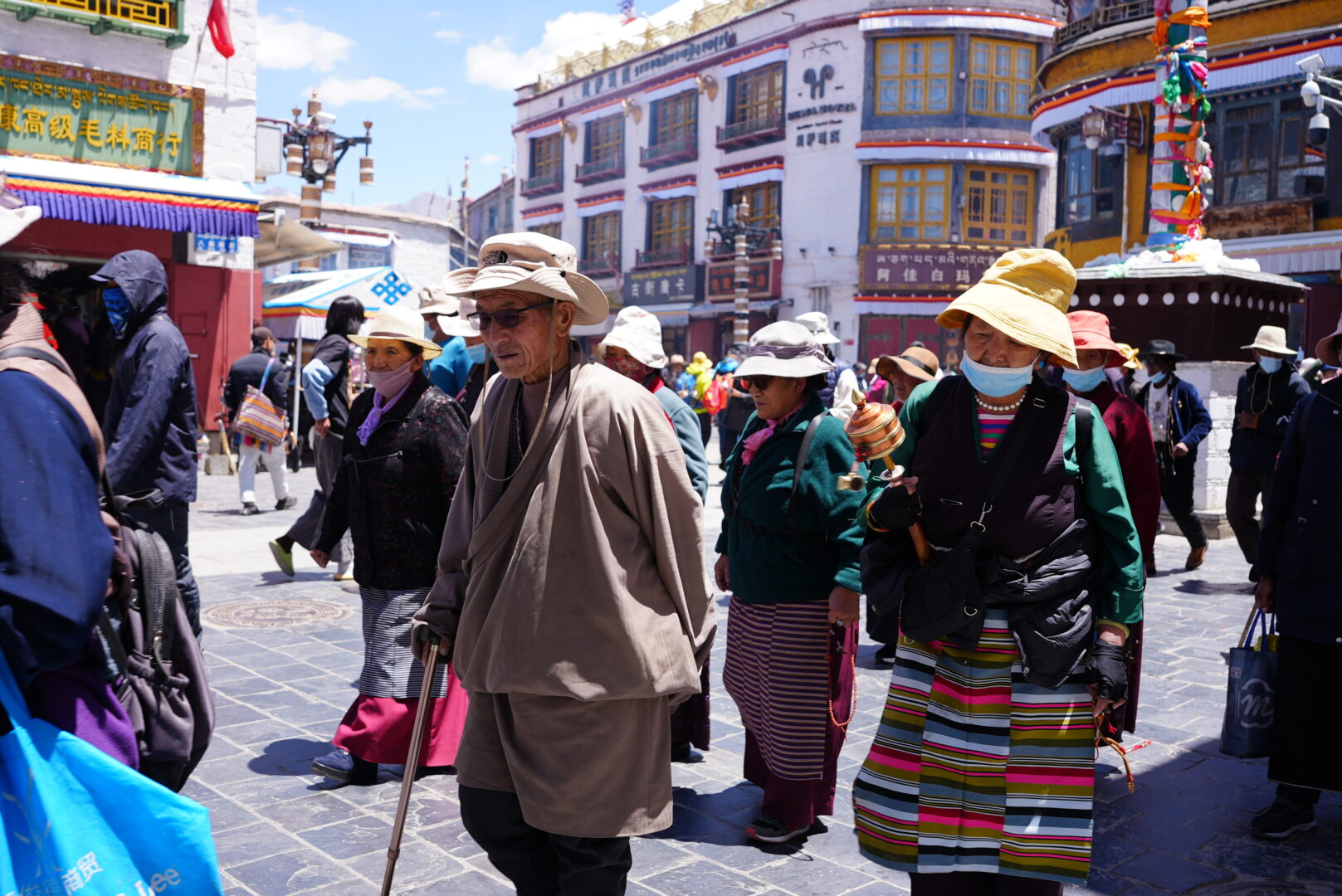
The Barkhor is the kora — the pilgrimage circuit — around it. A ring of streets, walked clockwise, continuously, from before dawn until late. Some pilgrims are prostrating the entire circuit, three body-lengths at a time, with pads on their hands. Some have come from Amdo or Kham on foot over months.
Walk it, clockwise, at least twice — once in the early morning with the pilgrims, once after dark. It’s the most affecting hour available in the city, and it costs nothing.
The Potala
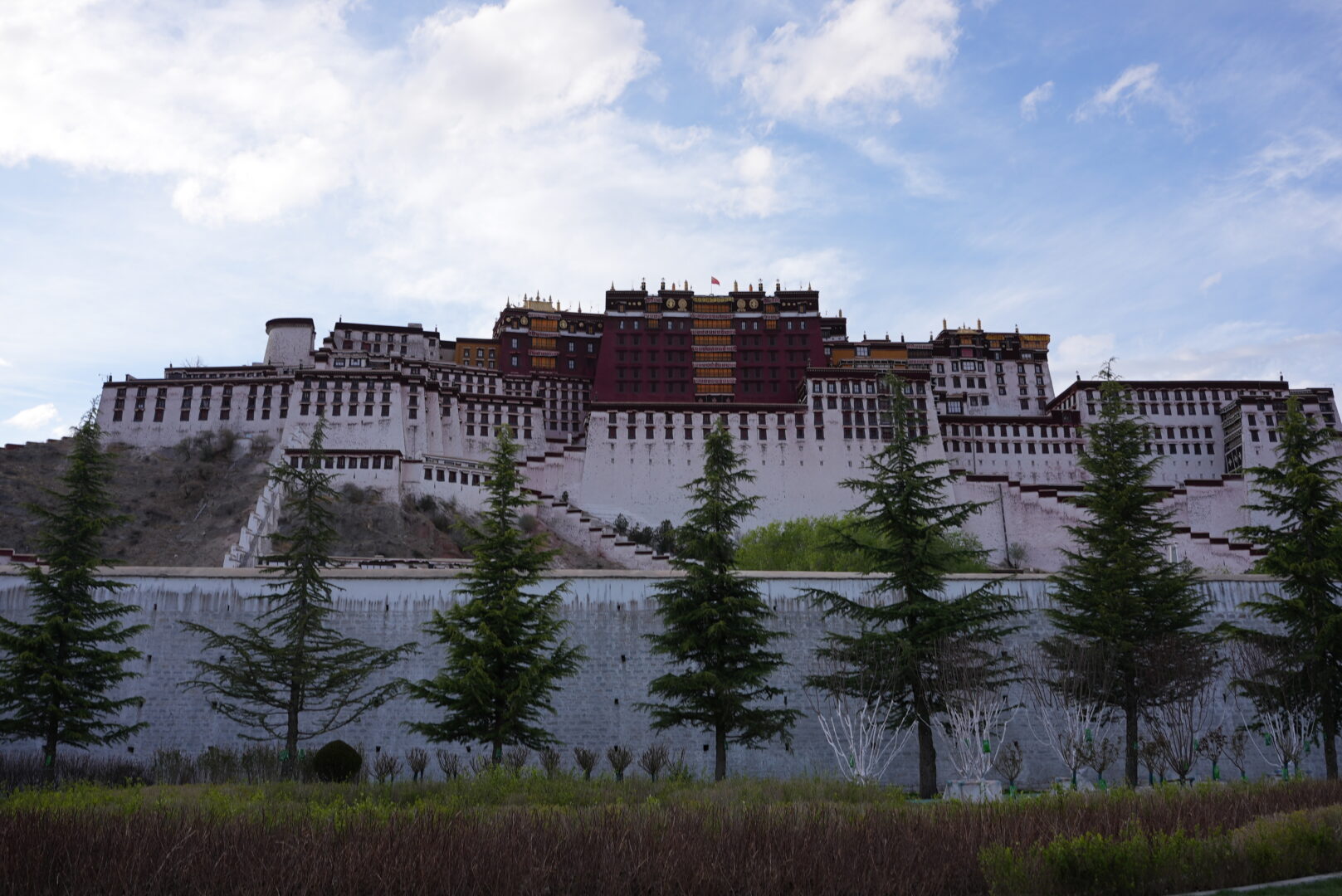
The building everybody knows: thirteen storeys on a rock above the city, over a thousand rooms, the winter residence of the Dalai Lamas from the 17th century until 1959.
Practicalities that matter: tickets are quota-limited and must be booked in advance, entry is by timed slot, and you get roughly an hour inside on a fixed route. Photography indoors is prohibited. The climb up is a genuine effort at this altitude.
The best view of it is not from inside it. Go to Chakpori hill opposite, or the square below at dusk.
The monasteries
- Drepung — once the largest monastery in the world, housing perhaps 10,000 monks; a whitewashed complex sprawling up a hillside, walkable for a whole morning
- Sera — known for the afternoon debating courtyard, where monks argue philosophy with a formalised hand-clap that punctuates each point. Genuinely absorbing to watch, and open to visitors.
- Norbulingka — the summer palace, gardens rather than fortress, and where the picnic culture of Lhasa concentrates in summer
Altitude
Do not underestimate this. 3,656 m is high enough that a meaningful fraction of arrivals feel unwell, and flying in from sea level puts you there in hours.
- Do nothing on day one. Not the Potala, not a monastery. Sit in a teahouse.
- Drink continuously, avoid alcohol for the first 48 hours
- Arriving by train from Xining gives your body 20-odd hours of gradual gain and is much kinder than flying
- If a headache becomes vomiting or breathlessness at rest, descend. It is not something to push through.
Permits
Tibet requires a Tibet Travel Permit, obtainable only through a licensed agency, and independent travel isn’t allowed — you’ll have an itinerary and a guide. The permit is checked before boarding the train or flight. Additional permits are needed for areas beyond Lhasa, including Mount Kailash. See restricted areas for the full picture.
Practical notes
When: May to October. Summer is the wet season but also the warmest and the busiest; May and September–October are the sweet spots.
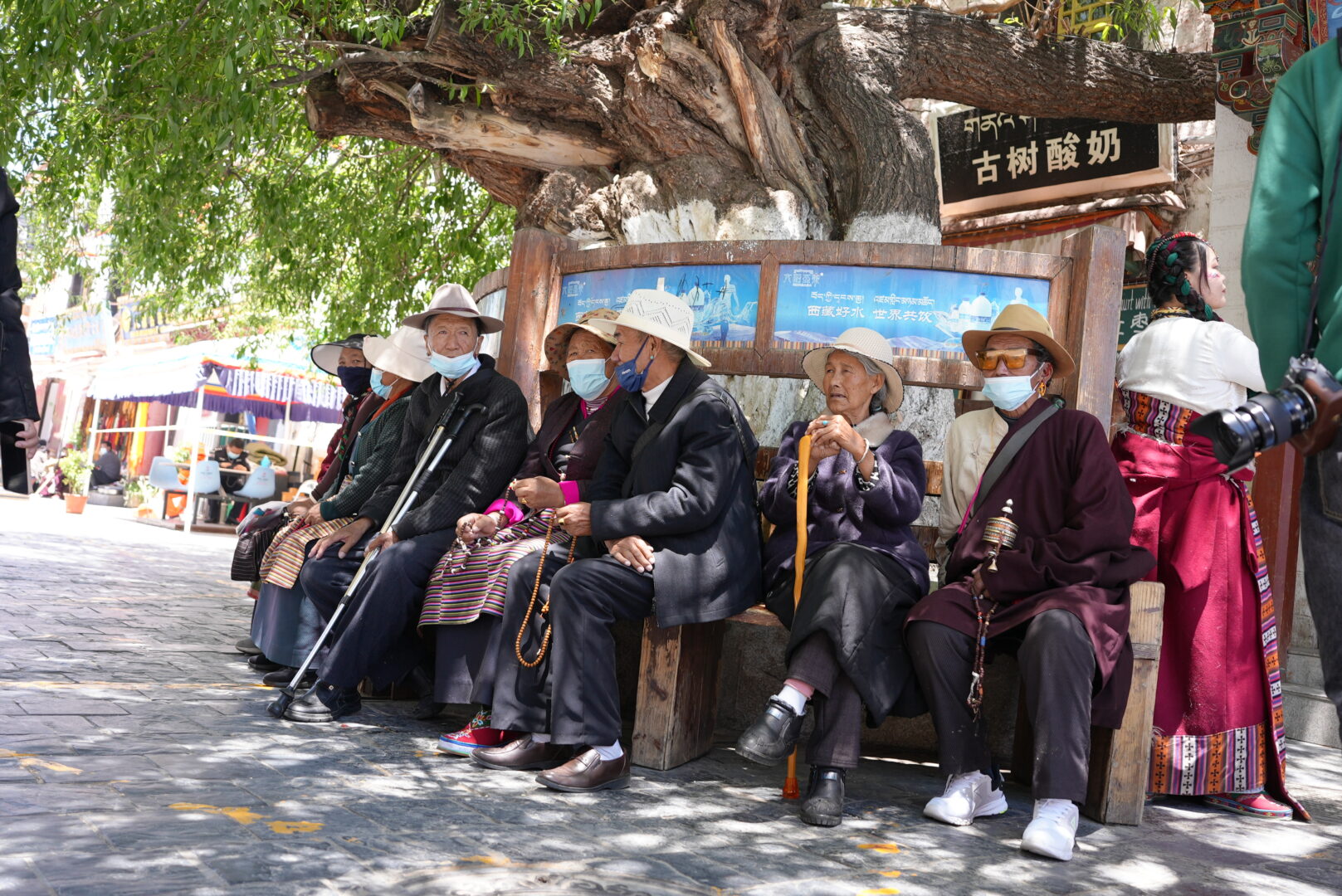
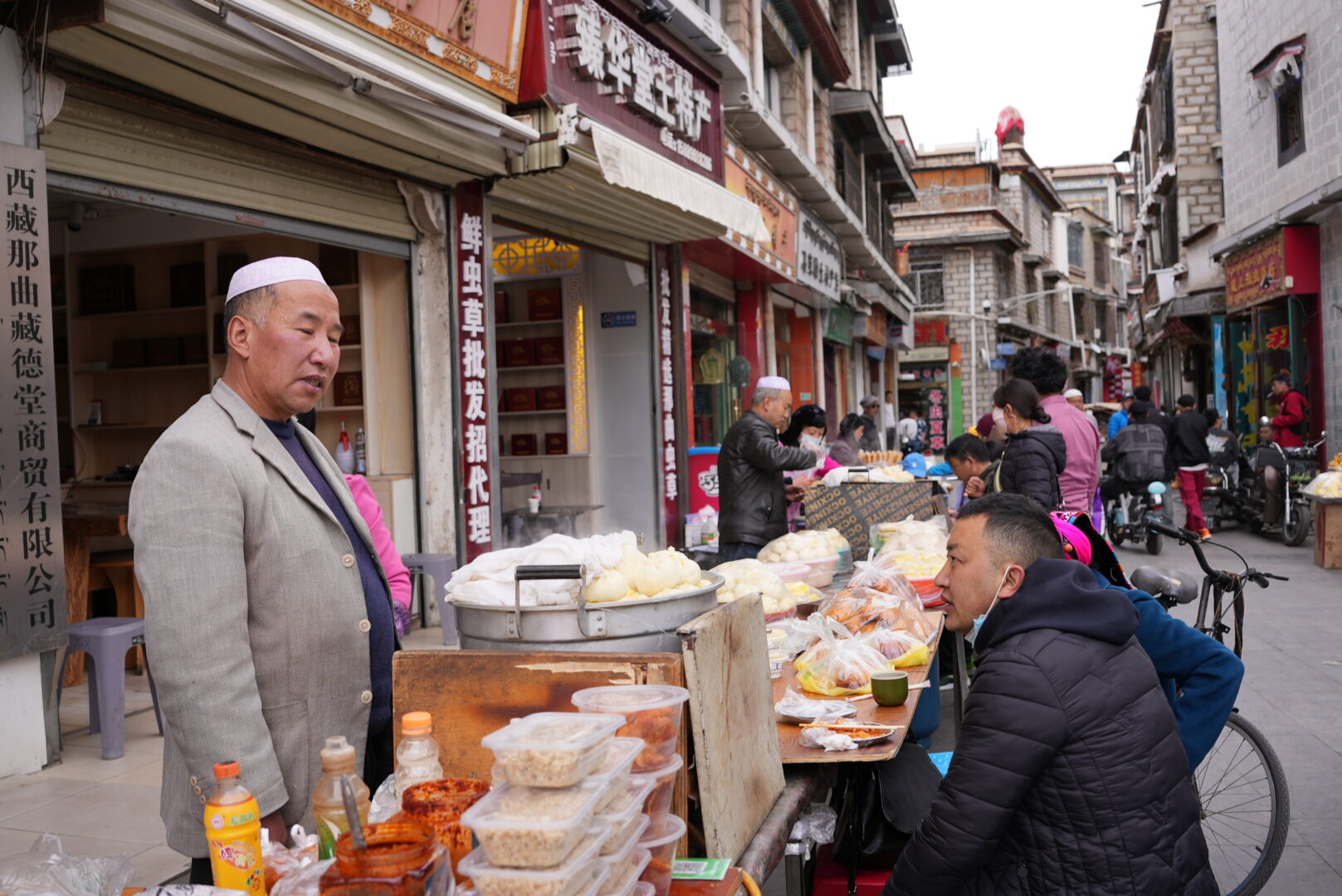
Eat: momos, thukpa, yak in every form, sweet or salted butter tea. The teahouses are where the city actually socialises. See our food guide.
Onward: most Tibet itineraries run west from here toward Shigatse and Everest base camp, or east into Nyingchi and the Pagsum Lake country.
- #tibet
- #lhasa
- #potala
- #jokhang
- #pilgrimage