

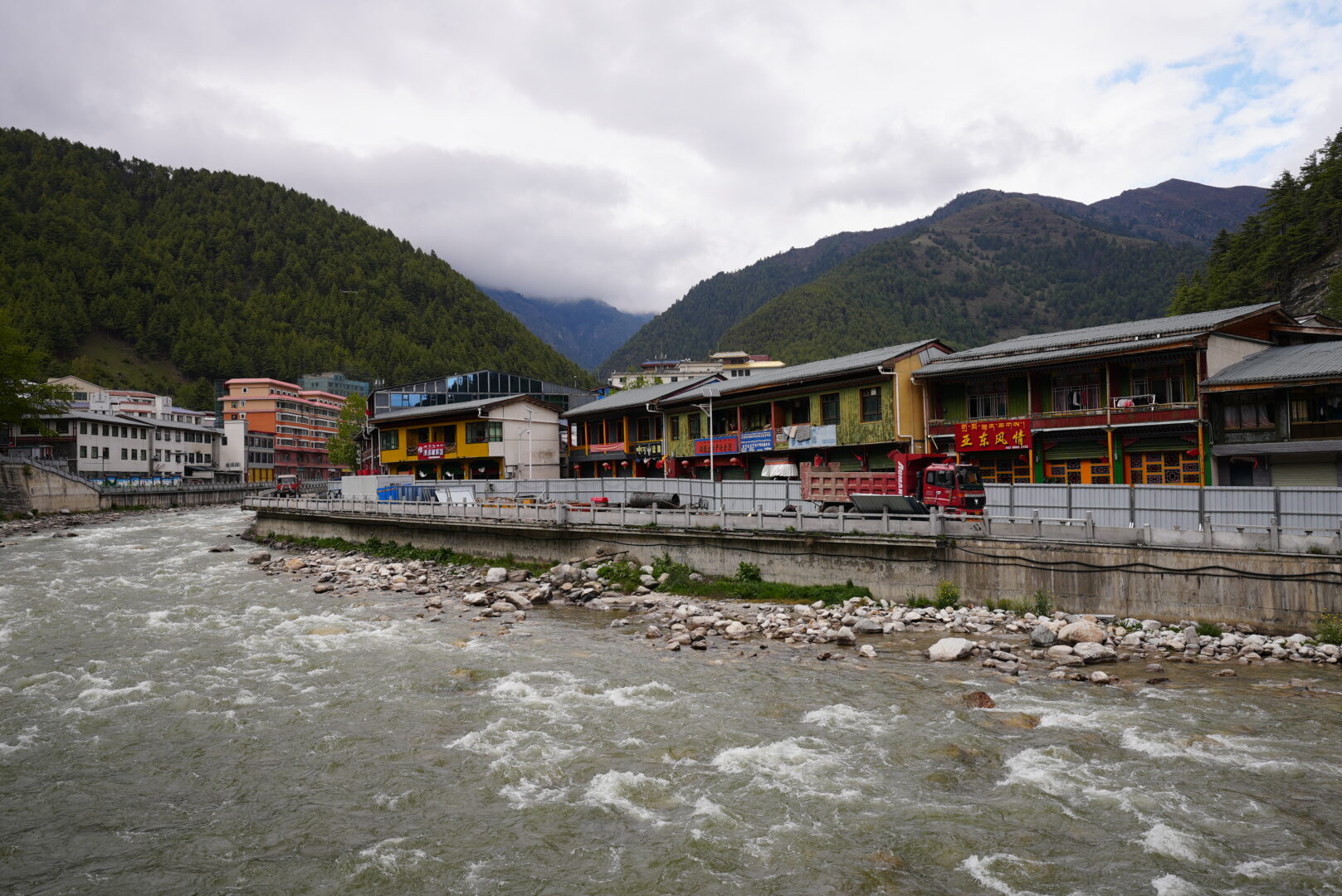
Yadong sits in the Chumbi valley, a low green finger of Tibet with Sikkim on one side and Bhutan on the other. For a century it was the main trade artery between Tibet and British India.
Look at a map of Tibet’s southern border and you’ll see a narrow wedge pointing down between Sikkim and Bhutan. That’s the Chumbi valley, and Yadong is the town in it.
Geography made this place matter. The valley is a natural corridor through the Himalaya — much lower and gentler than the passes either side of it — which is why it carried the main trade route between Tibet and India for centuries, and why it was fought over.
The history the valley carries
In 1904 a British expeditionary force under Younghusband came up this valley into Tibet, an invasion that ended with a treaty and the opening of trade marts — Yadong among them. For the next half-century, the route over Jelep La to Kalimpong was the principal artery for Tibetan wool going out and Indian goods coming in. Mule caravans, trading houses, and the beginnings of a Tibetan merchant class that had one foot in Calcutta.
That traffic ended in 1962 with the Sino-Indian war, and the passes closed. Nathu La reopened for limited border trade in 2006, and the frontier has been through further tension since; whether anything is moving through it in any given year is a matter for the news rather than a guidebook.
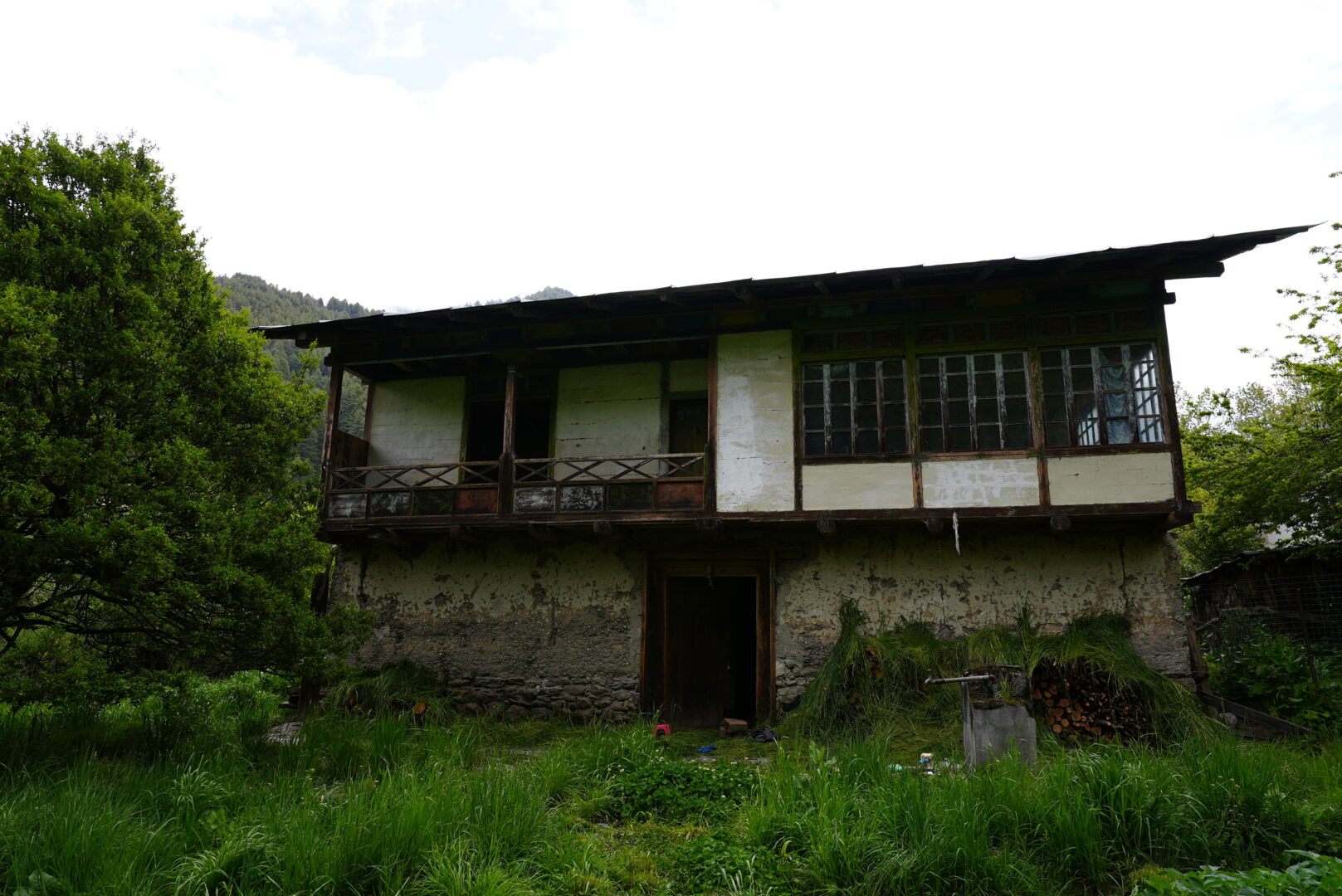
What’s left in Yadong is the residue: old trading buildings, imported goods in the market, and a town whose orientation is south rather than north.
The valley itself
At around 2,900 metres — remarkably low for Tibet — the Chumbi valley gets monsoon air from the south and is consequently forested: conifer, rhododendron, birch, with a river running through it and mountains steep on both sides.
It’s a walking landscape rather than a plateau one. Trails climb from the valley floor through forest to high meadow, and the flowering season in late spring is genuinely spectacular. The hot springs in the valley have their own place in Tibetan medicine and are a good day’s destination.
Practical notes
Permits — the hard part. This is a sensitive border zone between two nuclear-armed neighbours. Beyond the Tibet Travel Permit you’ll need border permits and possibly military clearance, all arranged well in advance by a licensed agency, and sections may simply be closed. Confirm current access before planning anything around it — see restricted areas.
Getting there: road from Shigatse over high passes, then a long descent into the valley. A full day.
Altitude: the town is low by Tibetan standards, but you’ll cross ground above 4,500 m getting here. Acclimatise on the plateau first.
When: late spring for rhododendron, autumn for clear air. The summer monsoon is heavy and brings landslides on the descent.
Nearby: Chentang along the same frontier to the west — another low, warm, forested Himalayan valley on the Chinese side of the range.
- #tibet
- #yadong
- #chumbi valley
- #india border
- #bhutan