
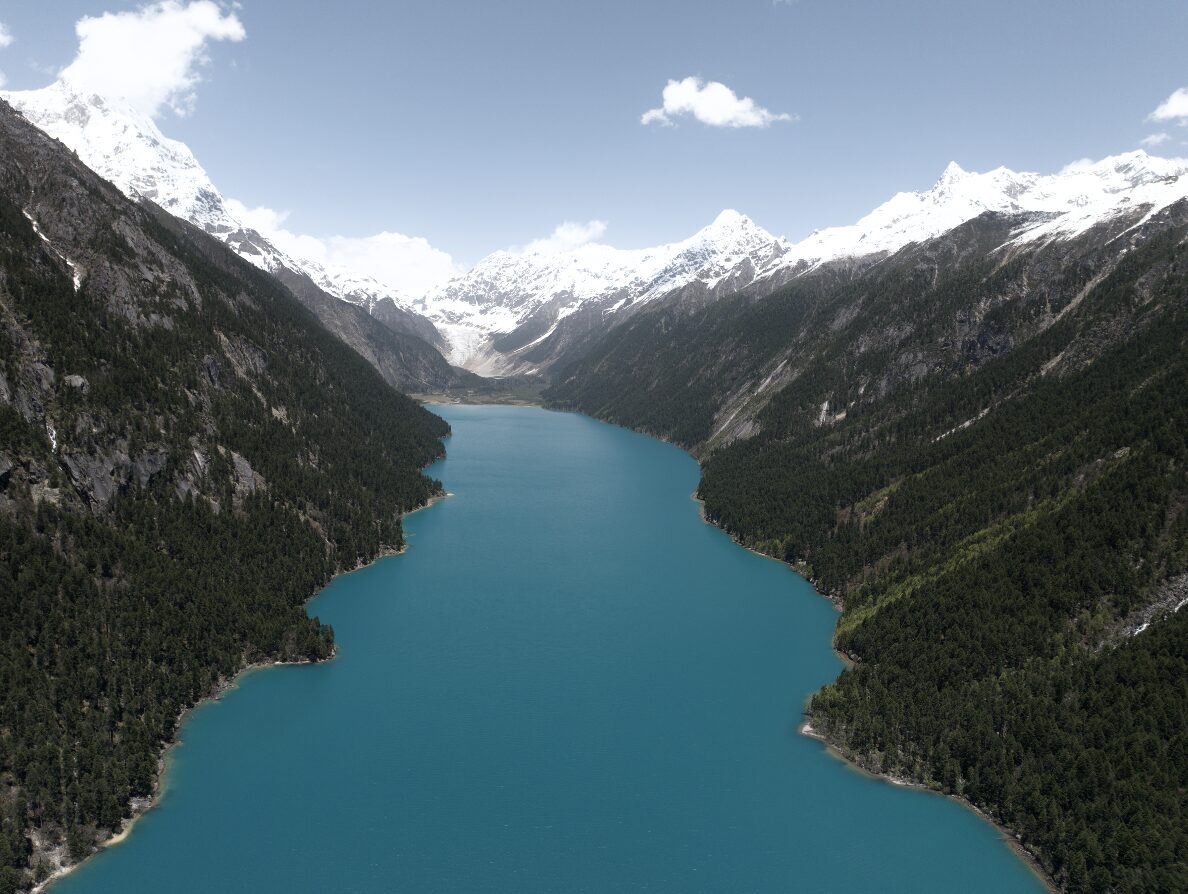
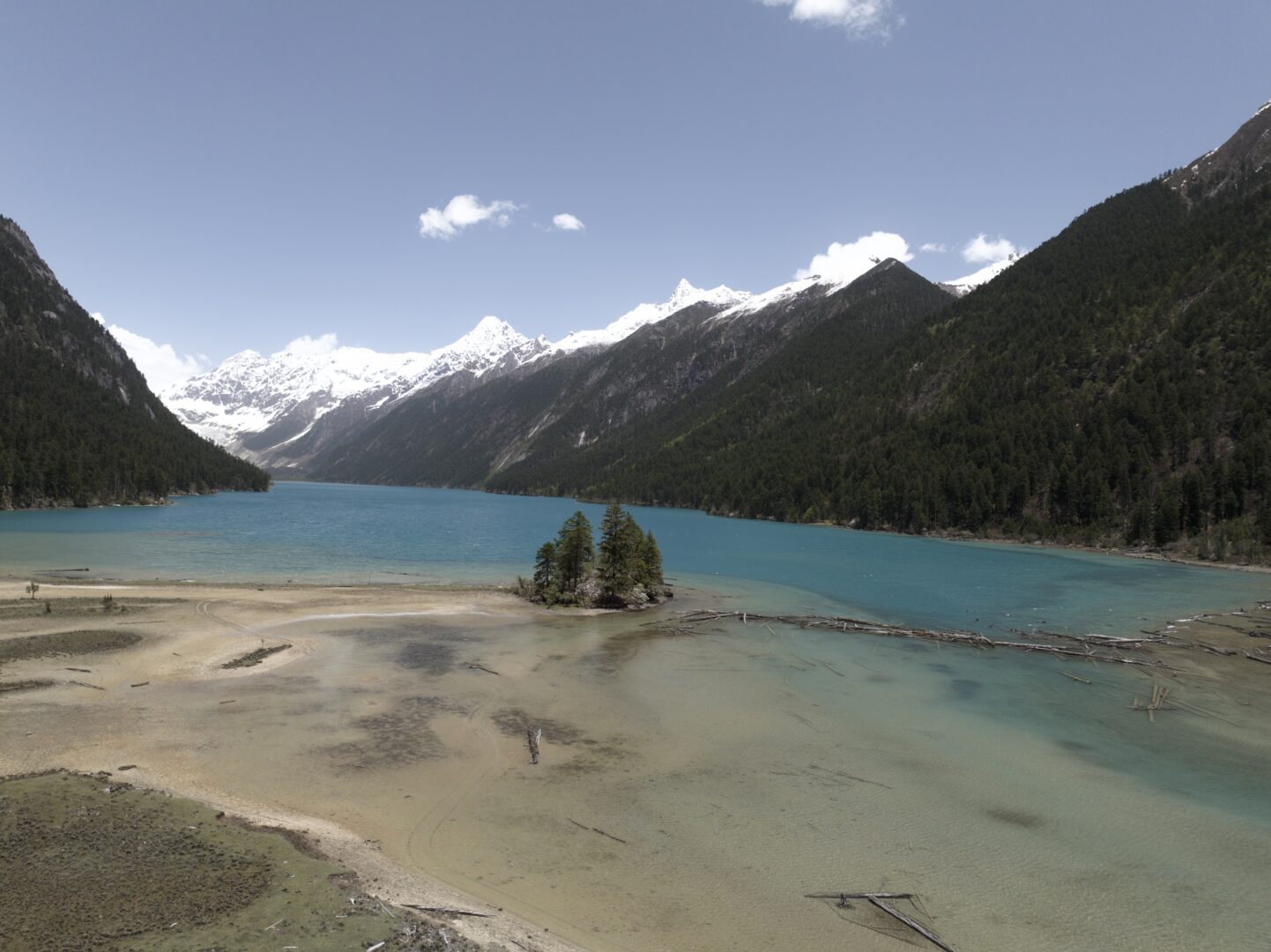
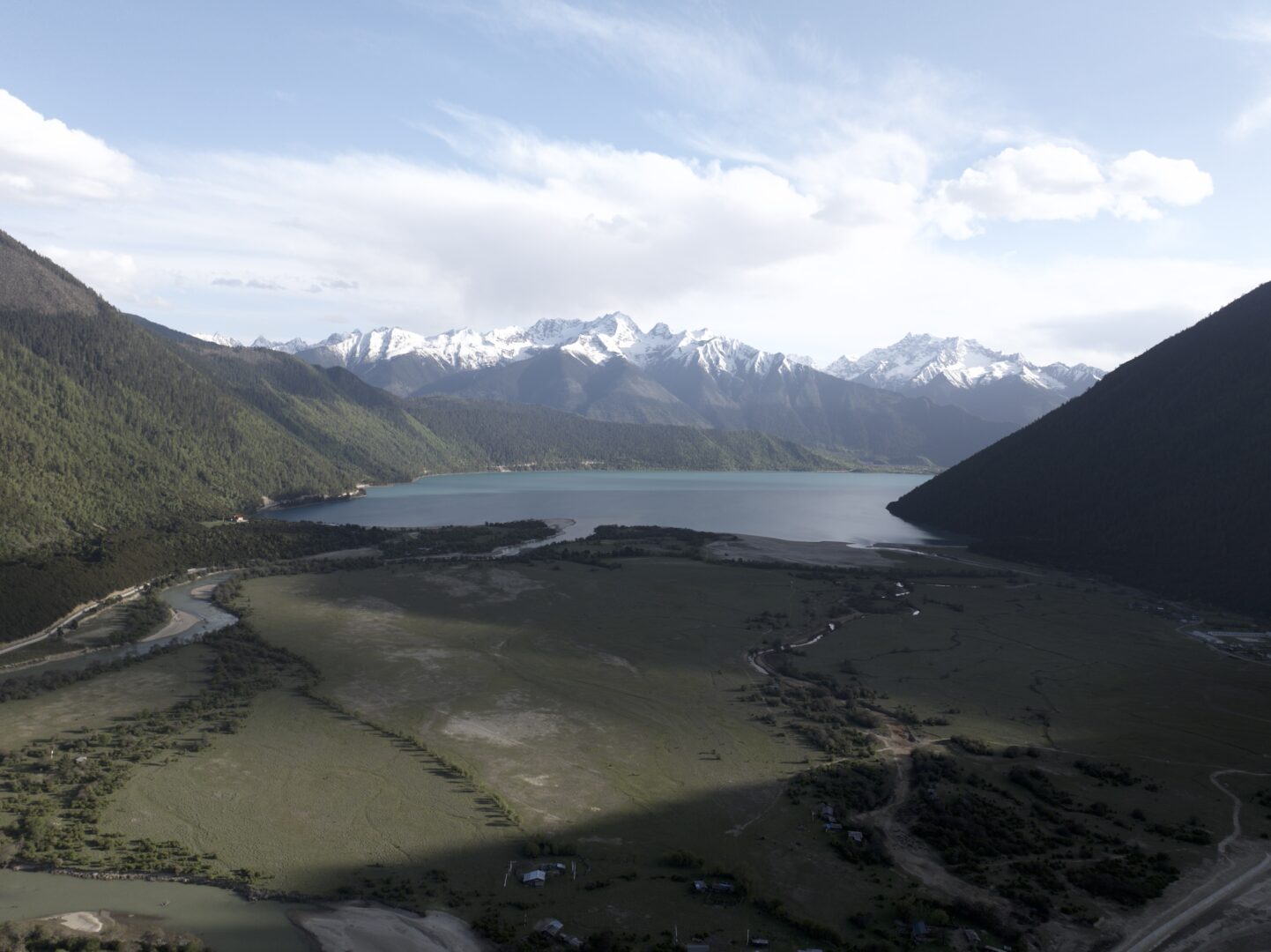
Basum Tso is a holy lake of the Nyingma school, ringed by conifer forest rather than bare plateau, with a small island monastery reached by a footbridge.
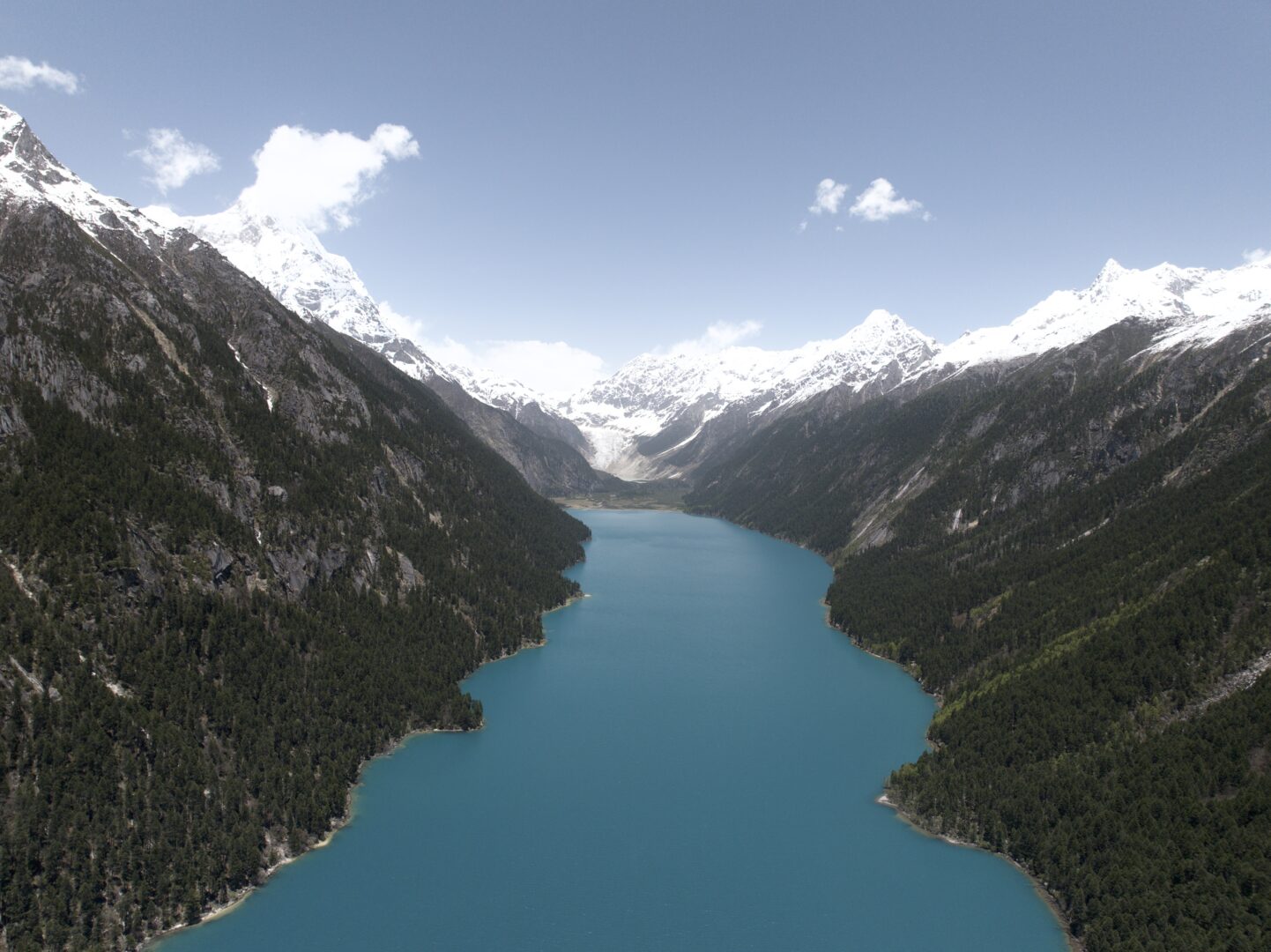
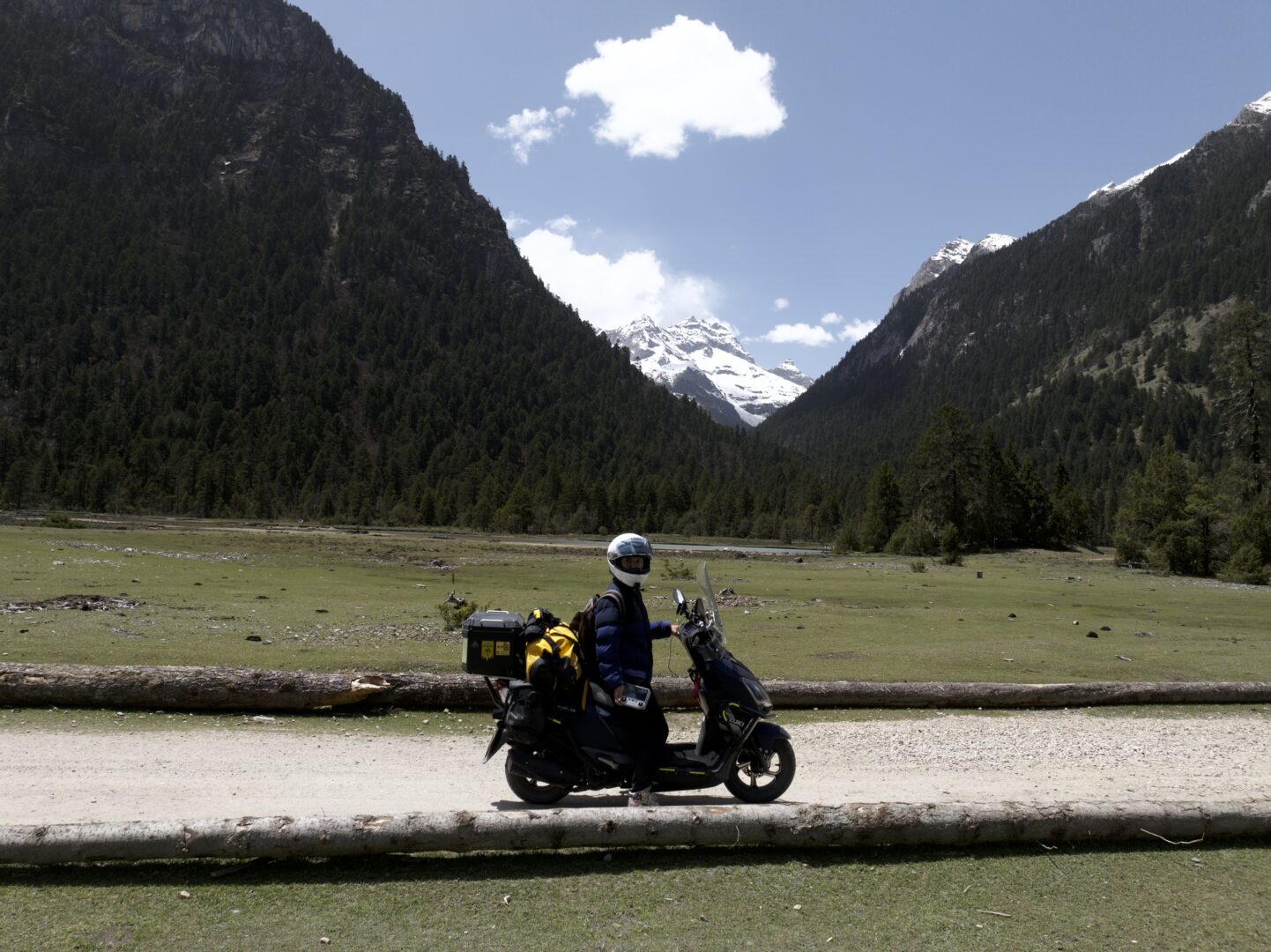
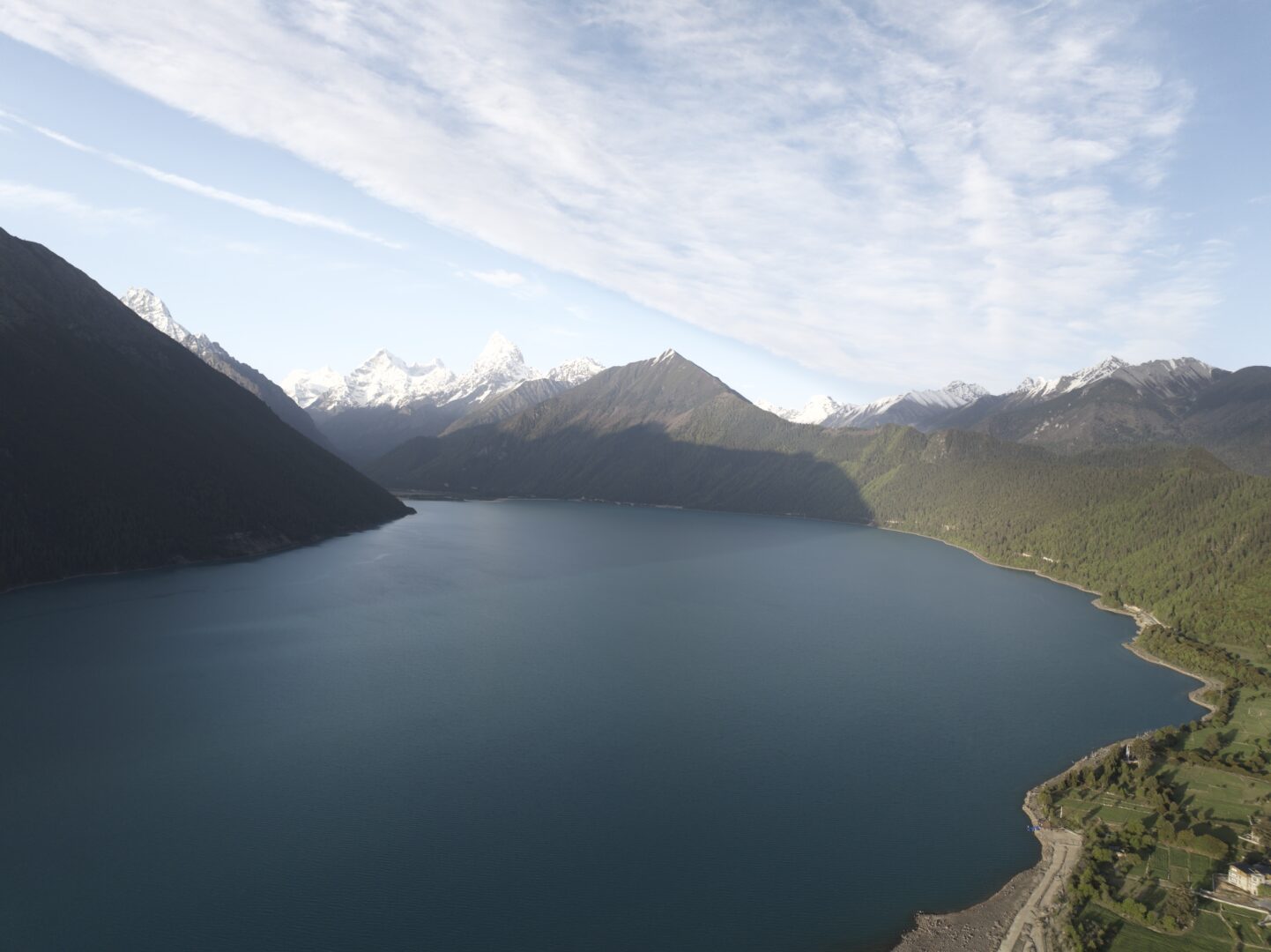
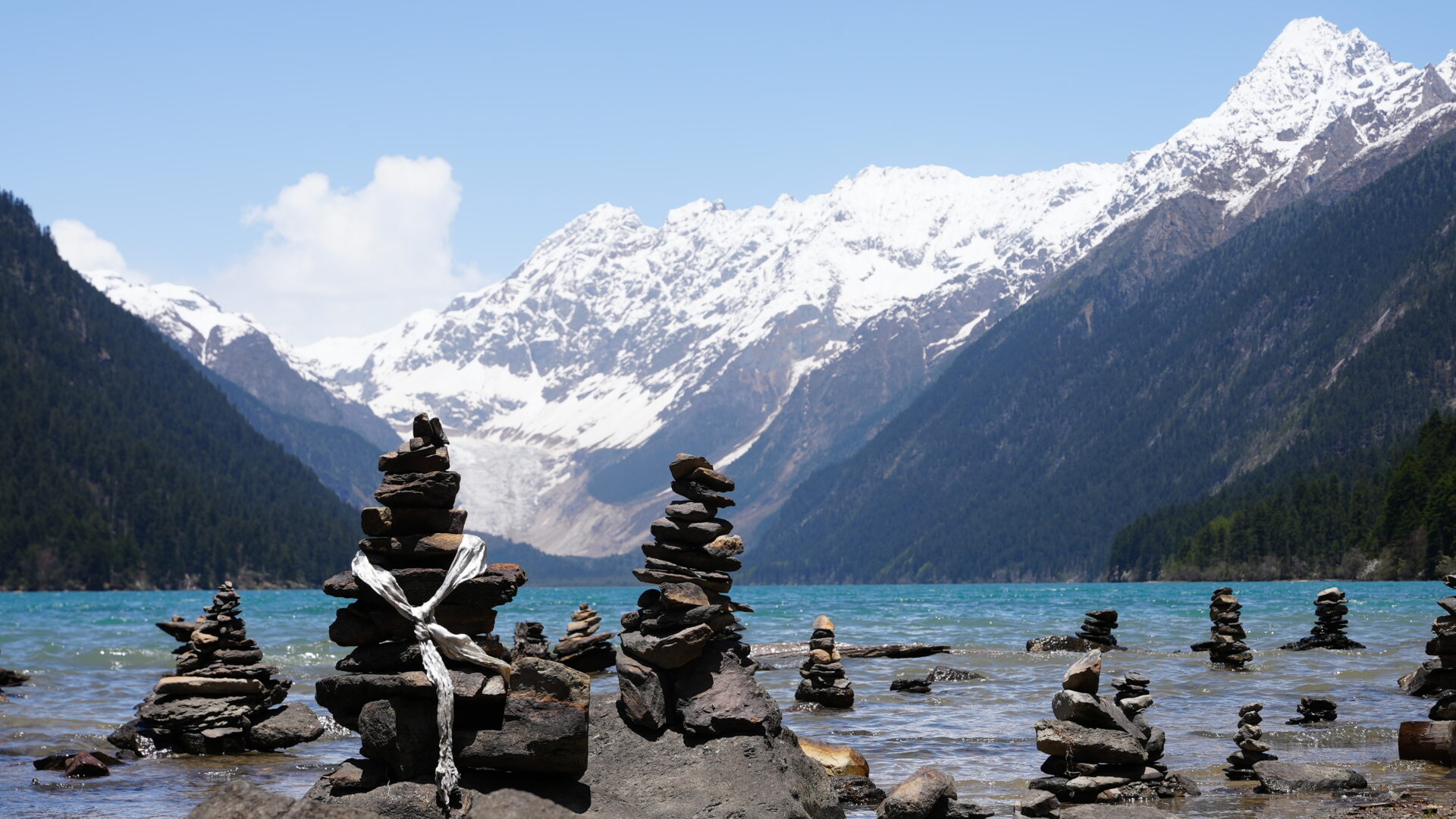
Most of Tibet’s famous lakes sit in open, treeless country — Namtso, Yamdrok, Manasarovar, all of them surrounded by bare high ground. Pagsum Lake, or Basum Tso, is the exception: a long, narrow lake at around 3,700 metres in Nyingchi prefecture, ringed by conifer forest with snow peaks behind it.
The effect is quite unlike the rest of the region. This is still Tibet — prayer flags, chortens, yak — but in a landscape that would look at home in British Columbia.
The island monastery
Near the middle of the lake sits a small wooded island with Tsodzong monastery on it, reached by a short bridge. It belongs to the Nyingma school, the oldest of the Tibetan Buddhist traditions, and the lake is a holy site in that lineage.
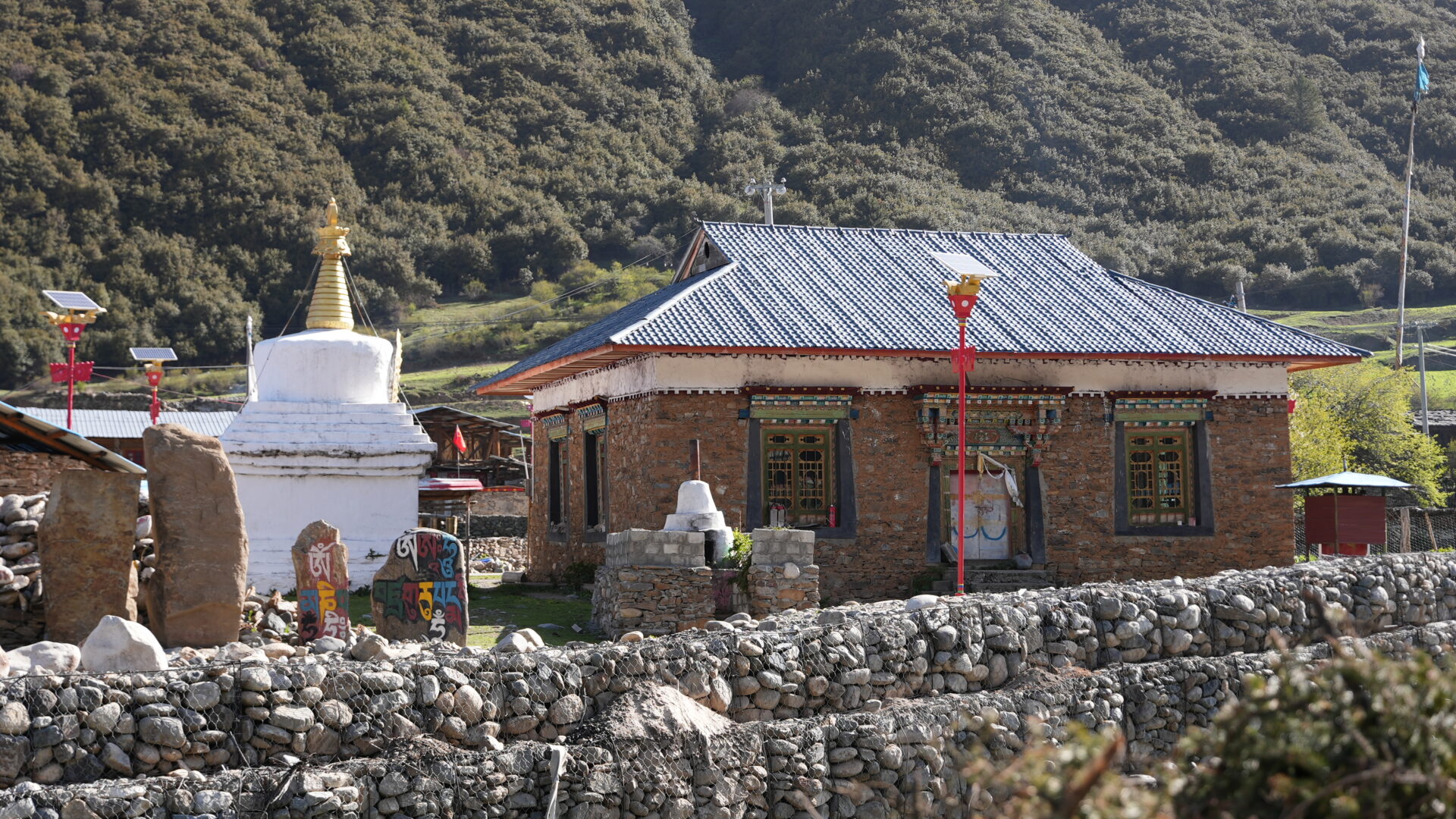
The temple is small — two floors, a handful of chapels — and the interest is partly in the details: carvings that predate the Gelug ascendancy, a curious stone said to bear a footprint, and an old tree by the shore hung with offerings.
Pilgrims walk a kora around the lake, which takes a full day and is genuinely lovely walking: forest track, shoreline, meadow, a few villages.
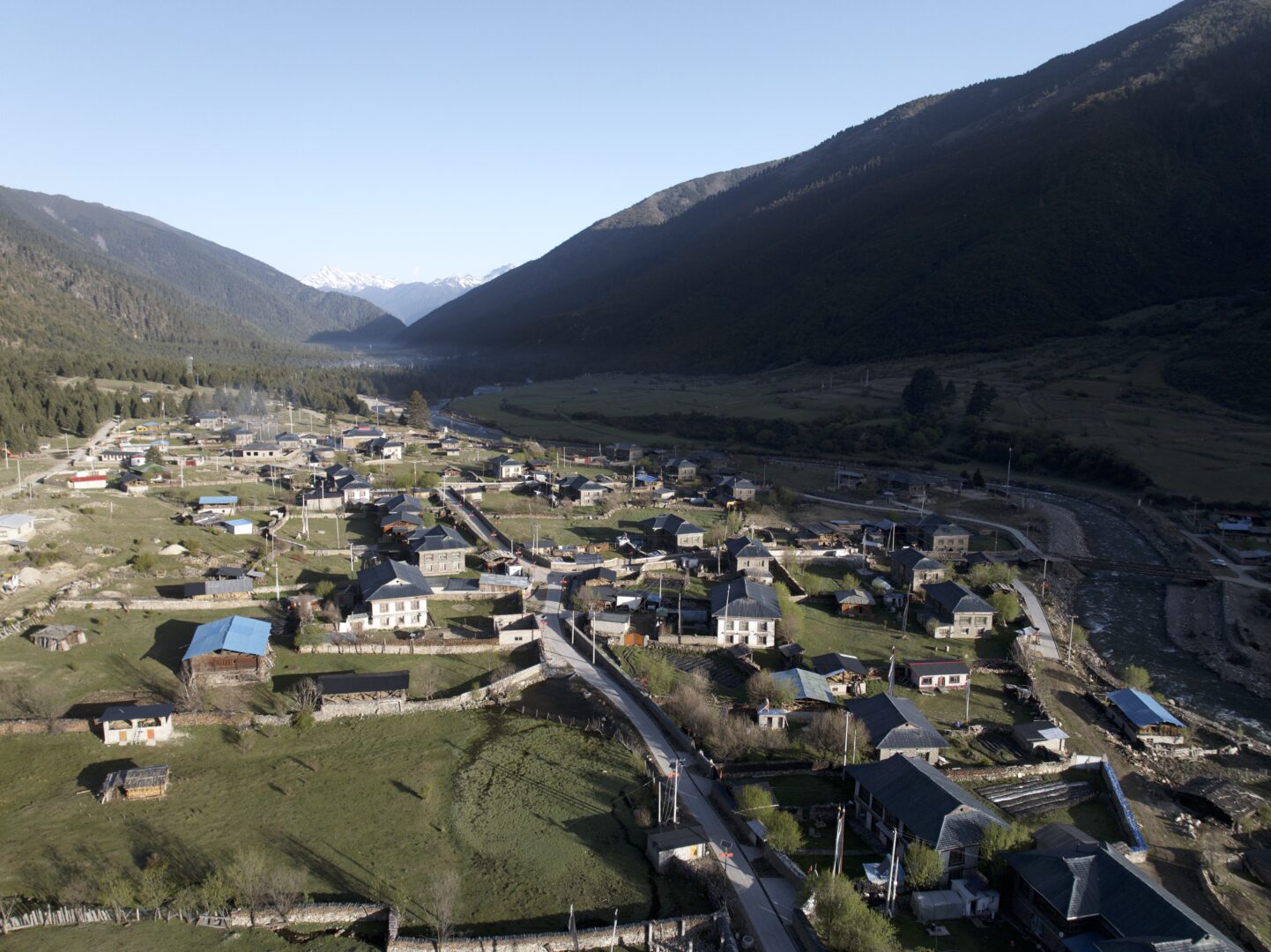
The villages
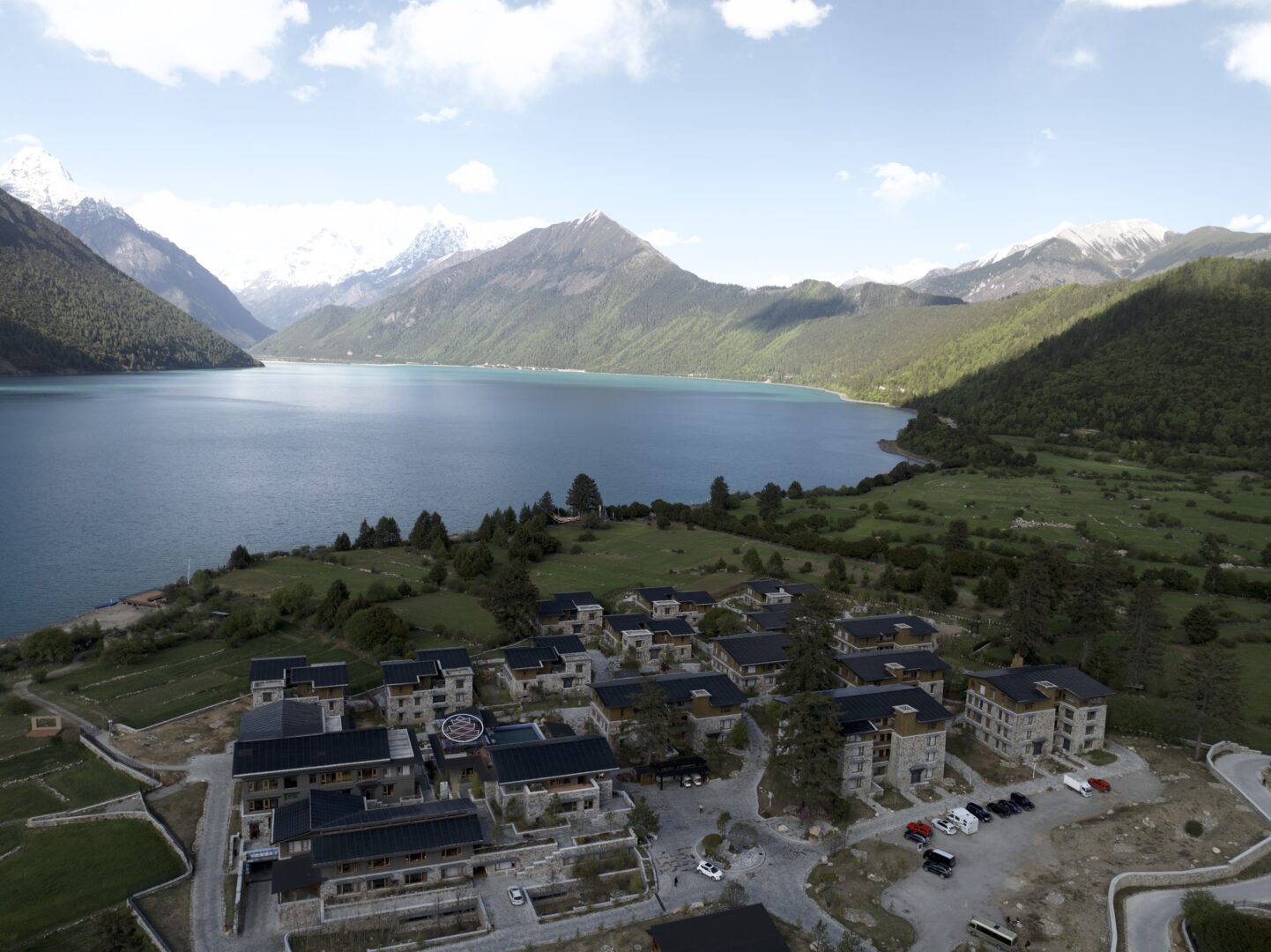
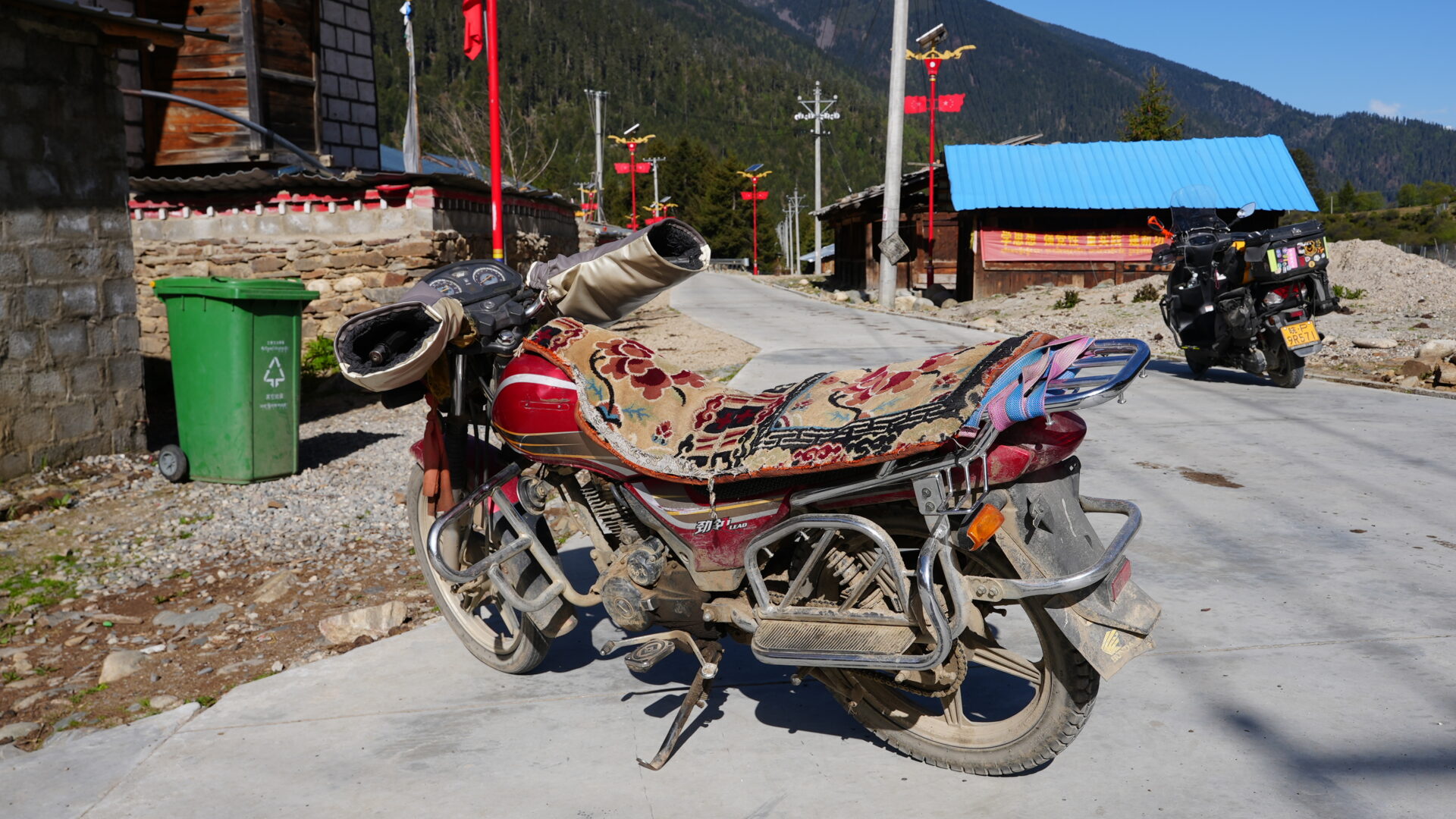
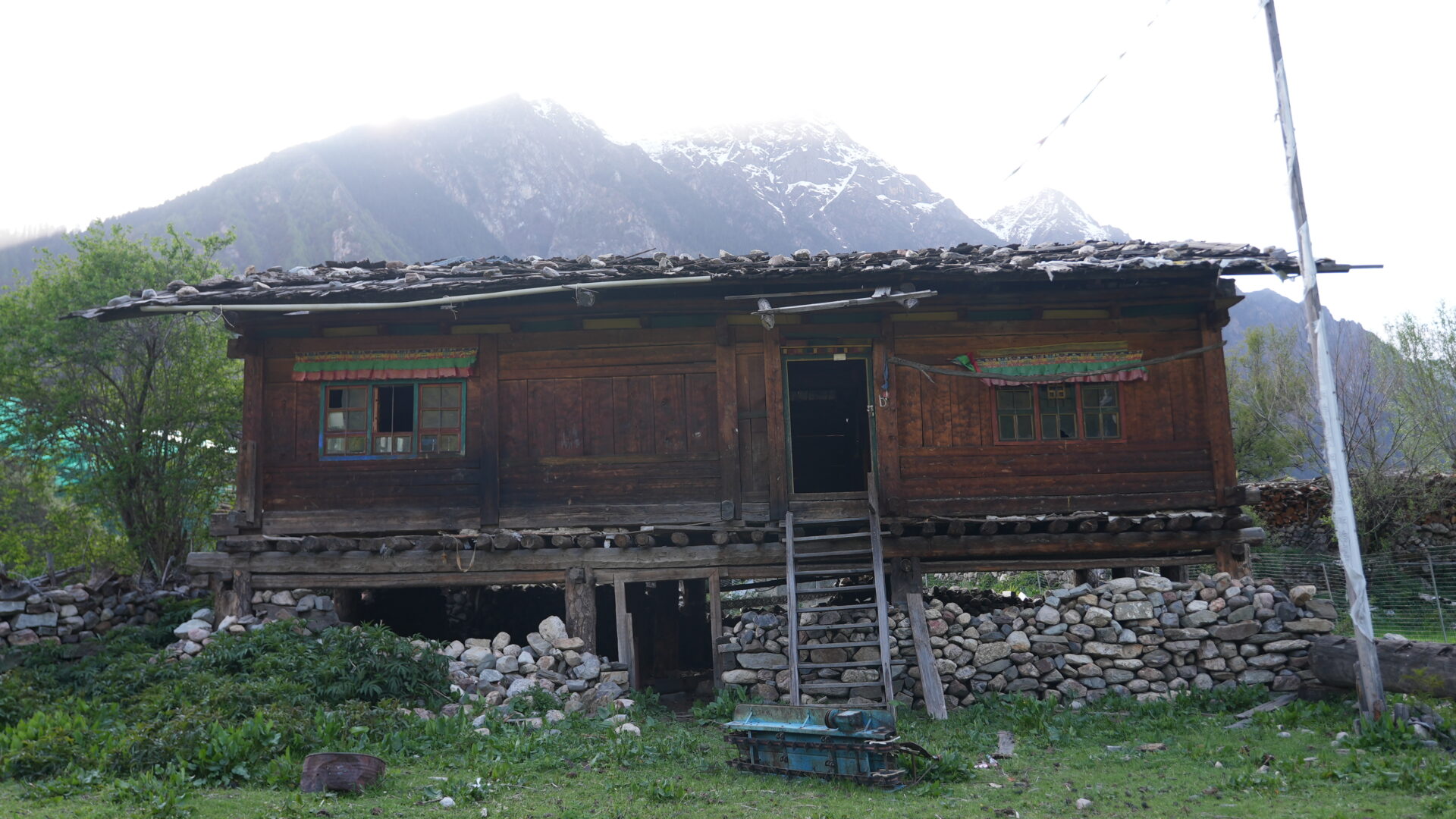
A handful of Tibetan settlements sit around the lake, farming barley and grazing yak on the slopes above. The houses here are timber rather than the rammed earth and stone of the plateau — different climate, different building material, and roofs pitched to shed snow rather than flat.
The lake is a designated scenic area, so there’s an entrance fee and some development at the main access point. Walk twenty minutes in any direction and it thins out completely.
Practical notes
Getting there: on the road between Lhasa and Nyingchi, a few hours from either. Almost every eastern Tibet itinerary passes it, which makes it an easy addition rather than a detour.
Permits: Tibet Travel Permit through a licensed agency. See restricted areas.
Altitude: 3,700 m — higher than Lhasa. Not a first-day stop if you’ve flown in.
When: May to October. Late spring brings flowers and blossom in the wider Nyingchi region; autumn gives clear light and colour on the slopes. Winter freezes the lake and the road can be difficult.
Where to sleep: guesthouses at the lake and hotels in Gongbo’gyamda on the main road. Staying overnight is worth it for the early morning, before the day’s coaches arrive.
- #tibet
- #pagsum lake
- #basum tso
- #nyingchi
- #nyingma