
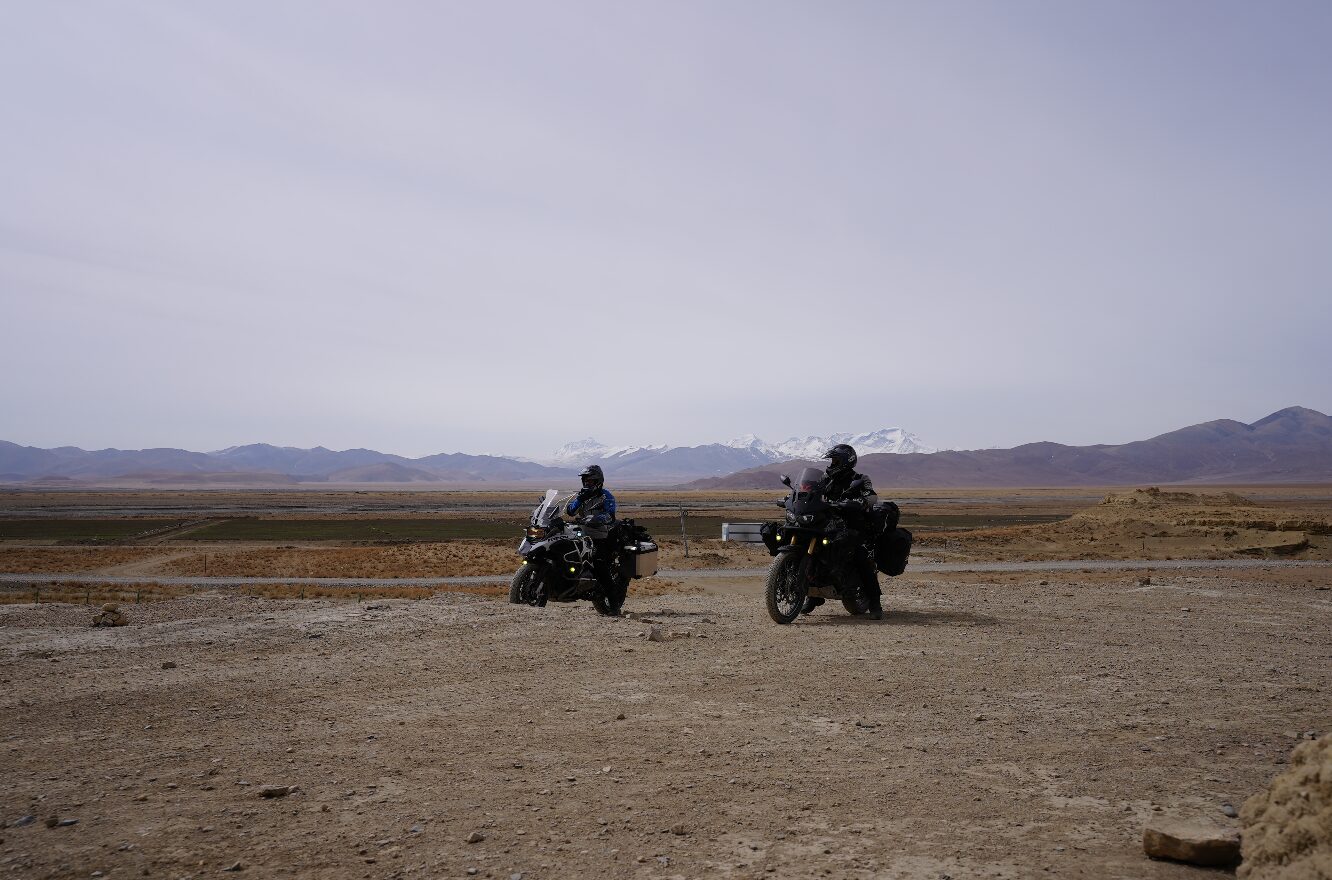
Rutog is in the far northwest of Tibet at over 4,300 metres, with a population density close to zero. It holds prehistoric petroglyphs, the Chinese end of Pangong Lake, and the dogs that make life here possible.
Rutog is about as far from anywhere as China gets. It sits in Ngari, the far northwest of the Tibet Autonomous Region, at over 4,300 metres, with a population density that rounds to nothing across an area larger than many countries.
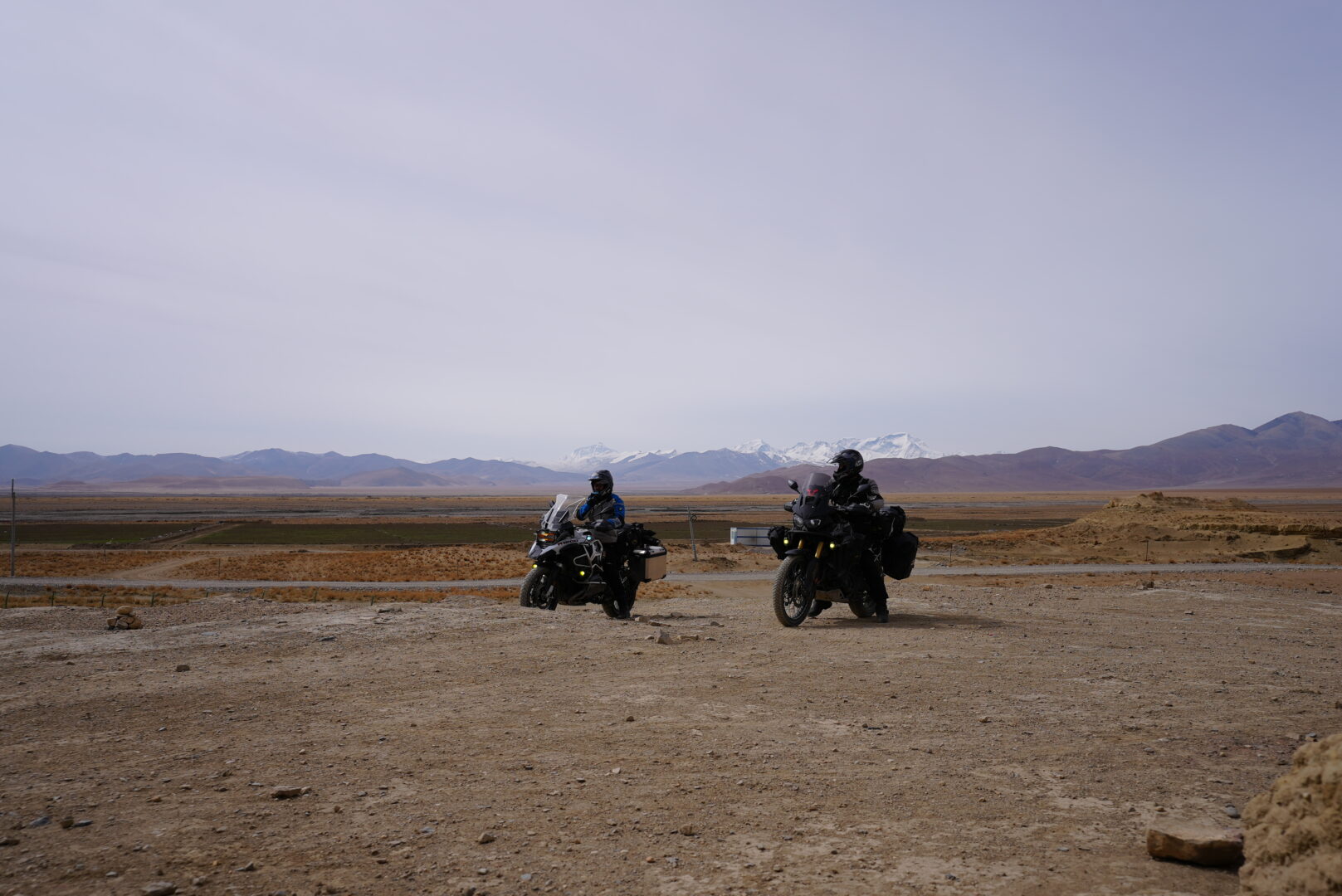
The landscape is high desert plateau: gravel plains, salt lakes, distant ranges, and a light so clear that distances become impossible to judge. There is no vegetation to give scale, so a hill four hours away and a hill forty minutes away look the same.
The rock carvings
Rutog’s real distinction is archaeological. The county has some of the most significant petroglyph sites on the plateau — figures, hunters, yak, ibex, horsemen, sun symbols — pecked into rock faces over a span of thousands of years.
They matter because they’re evidence of who was here before written Tibetan history. The imagery links this corner of the plateau to Central Asian and Inner Asian traditions, and it complicates the tidy story of the plateau being settled from the east. Standing in front of it, in country this empty, the fact that anybody lived here to make it is the striking part.
Pangong Lake
Rutog contains the eastern, Chinese portion of Pangong Tso — a long, narrow, intensely blue saline lake at around 4,250 metres that continues west into Ladakh. Roughly two-thirds of it is on the Chinese side.
It’s a contested frontier and access to the shore is restricted. Do not treat it as a photo stop to improvise; this is one of the more sensitive stretches of border in Asia and permits are checked seriously.
The dogs
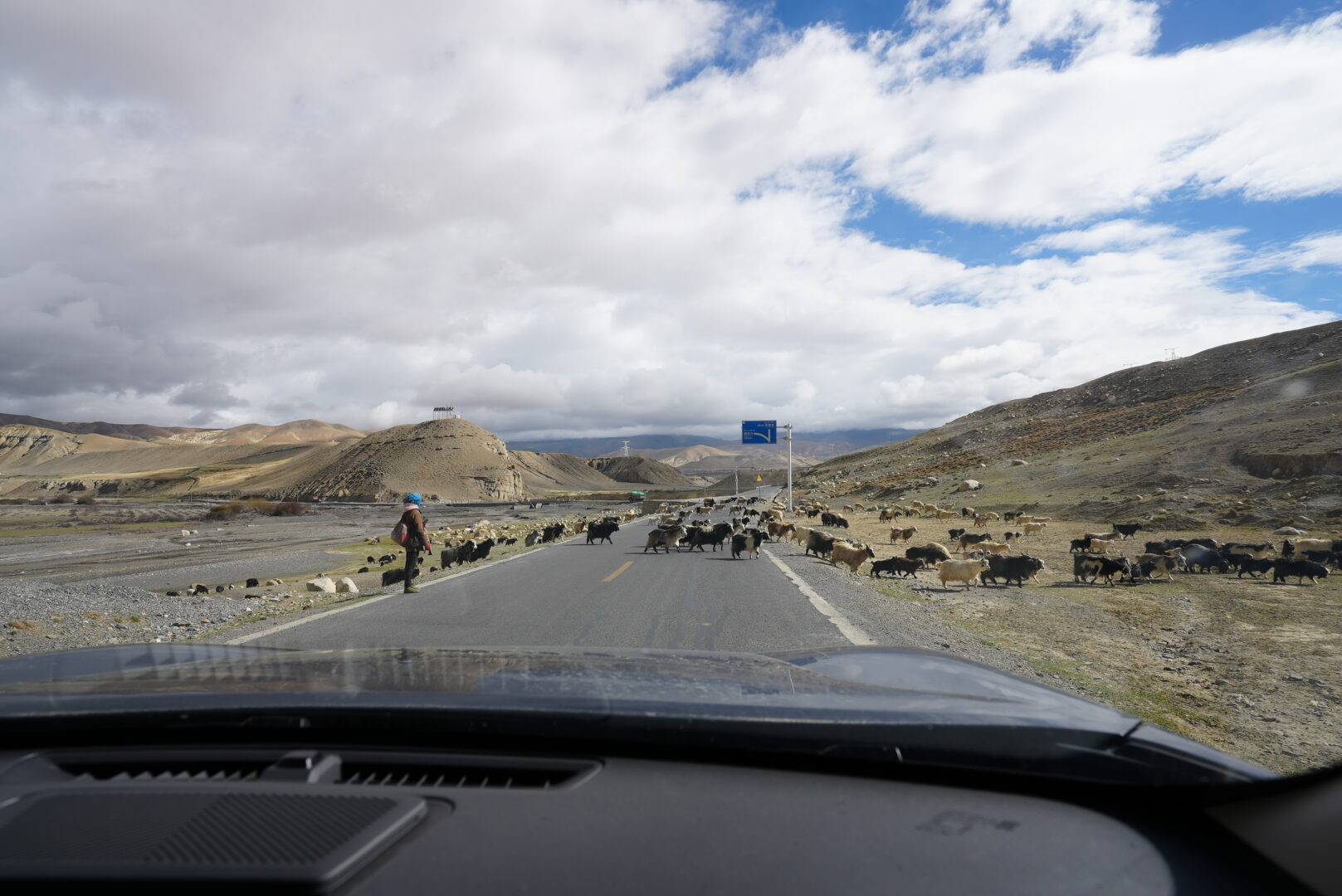
Herding at this altitude, in this emptiness, depends on animals — yak for transport, milk and fuel, sheep and goats for everything else, and dogs to hold it all together.
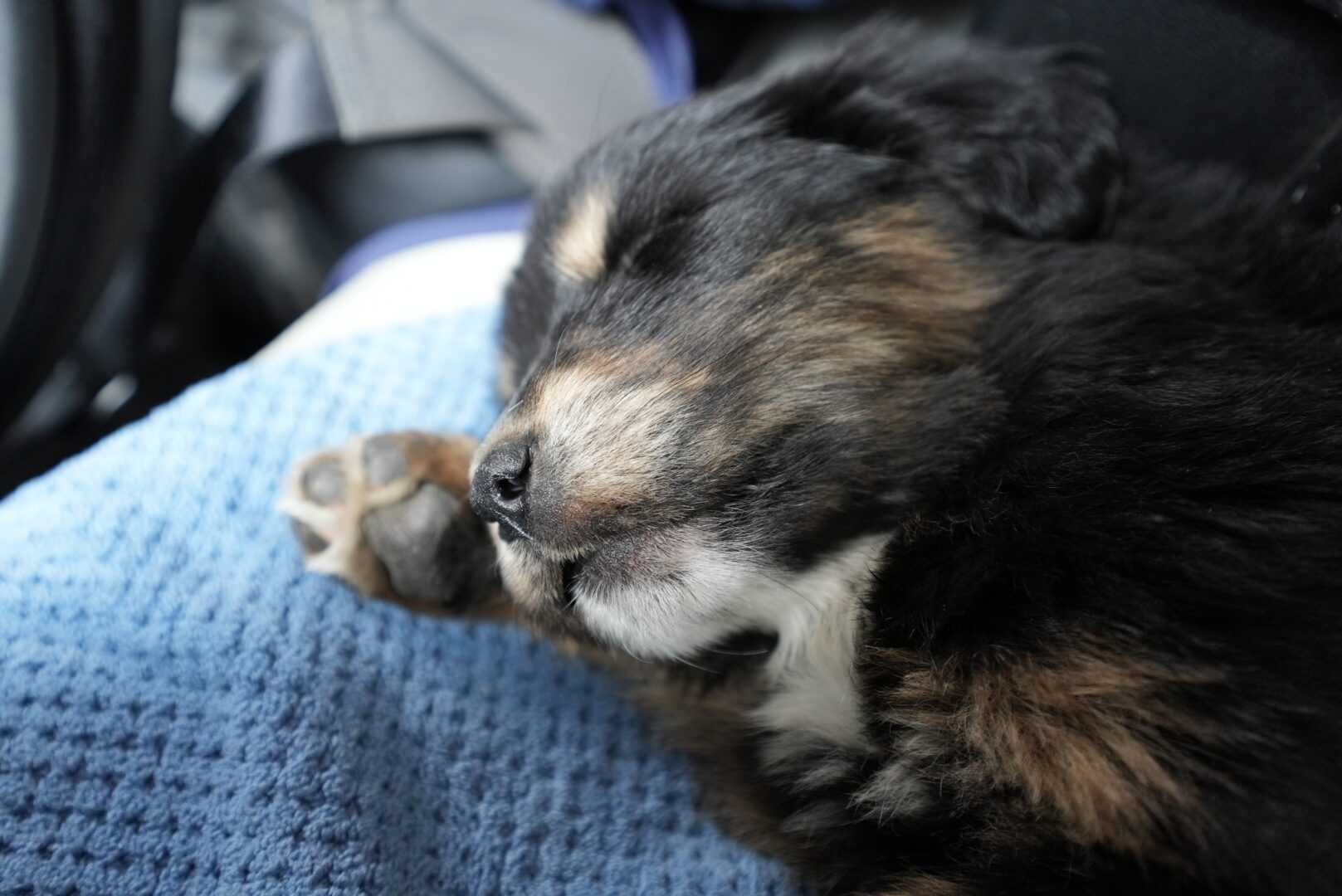
The Tibetan herding dog is not a pet. They work: guarding livestock against wolves at night, moving flocks, and living outside in temperatures that kill. They also form the closest relationships in a place where the nearest neighbour may be a valley away, and a lost dog is a genuine event — worth days of searching, because the household needs it and because it’s family.
That’s the thing the emptiness teaches you. Where there are very few people, the relationships that exist — human, animal, or both — carry more weight, not less.
Practical notes
Getting there: Ngari Gunsa airport near Shiquanhe (Ali) is the practical way in; overland from Lhasa is four or five days. Rutog is a couple of hours from Shiquanhe.
Permits: Tibet Travel Permit plus Aliens’ Travel Permit plus military permit for Ngari, all arranged by a licensed agency weeks ahead. This is among the most restricted areas open to foreign travellers in China — see restricted areas.
Altitude: 4,300 m and above, continuously, for days. Acclimatise properly in Lhasa and again in Ngari. This is not a place to have an altitude problem — the nearest hospital is a very long way off.
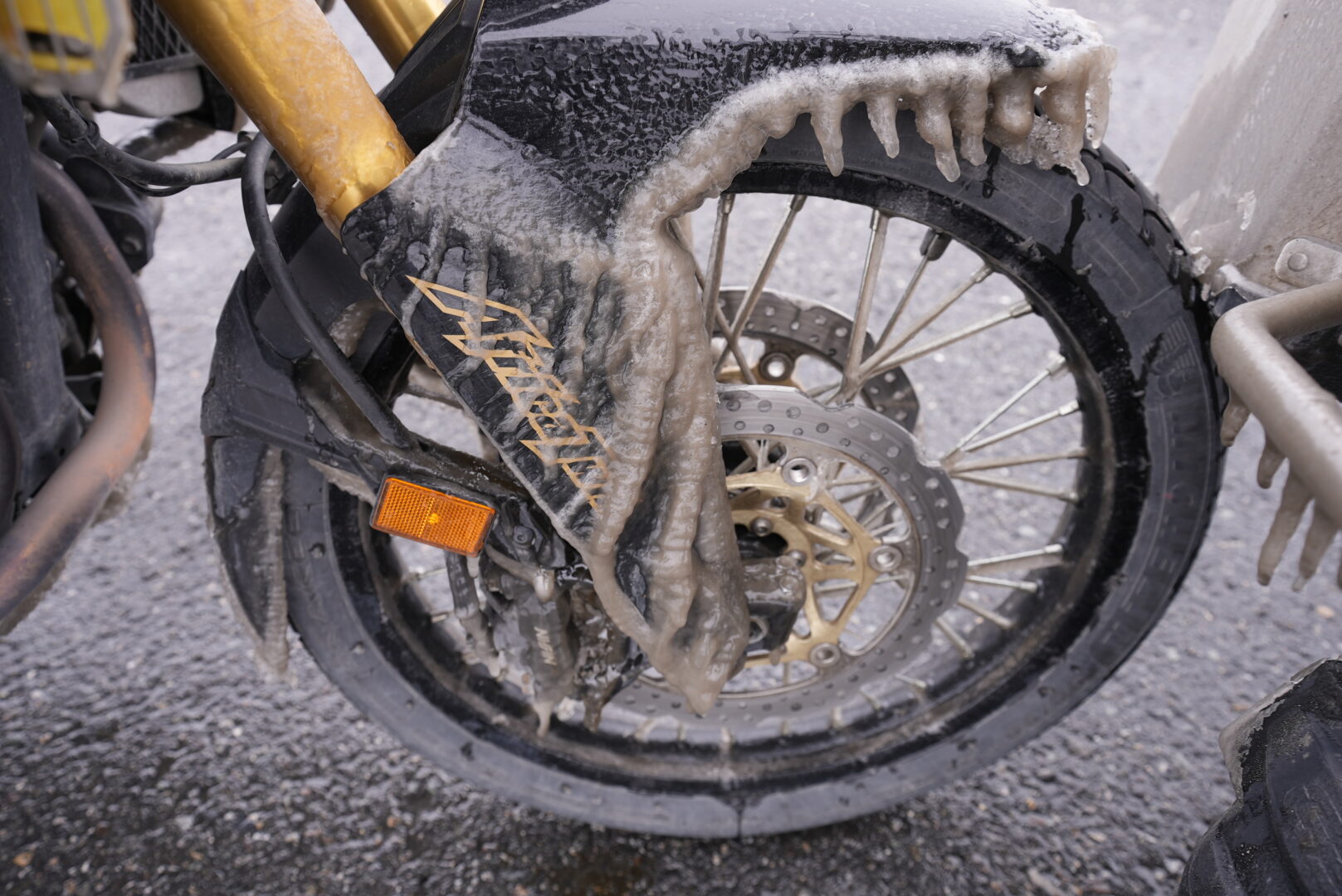
When: May to October. Winter is brutal and much of the road network becomes unreliable.
Combine with: Mount Kailash, which is in the same prefecture and the reason most people come this far west.
- #tibet
- #rutog
- #ngari
- #pangong
- #petroglyphs