
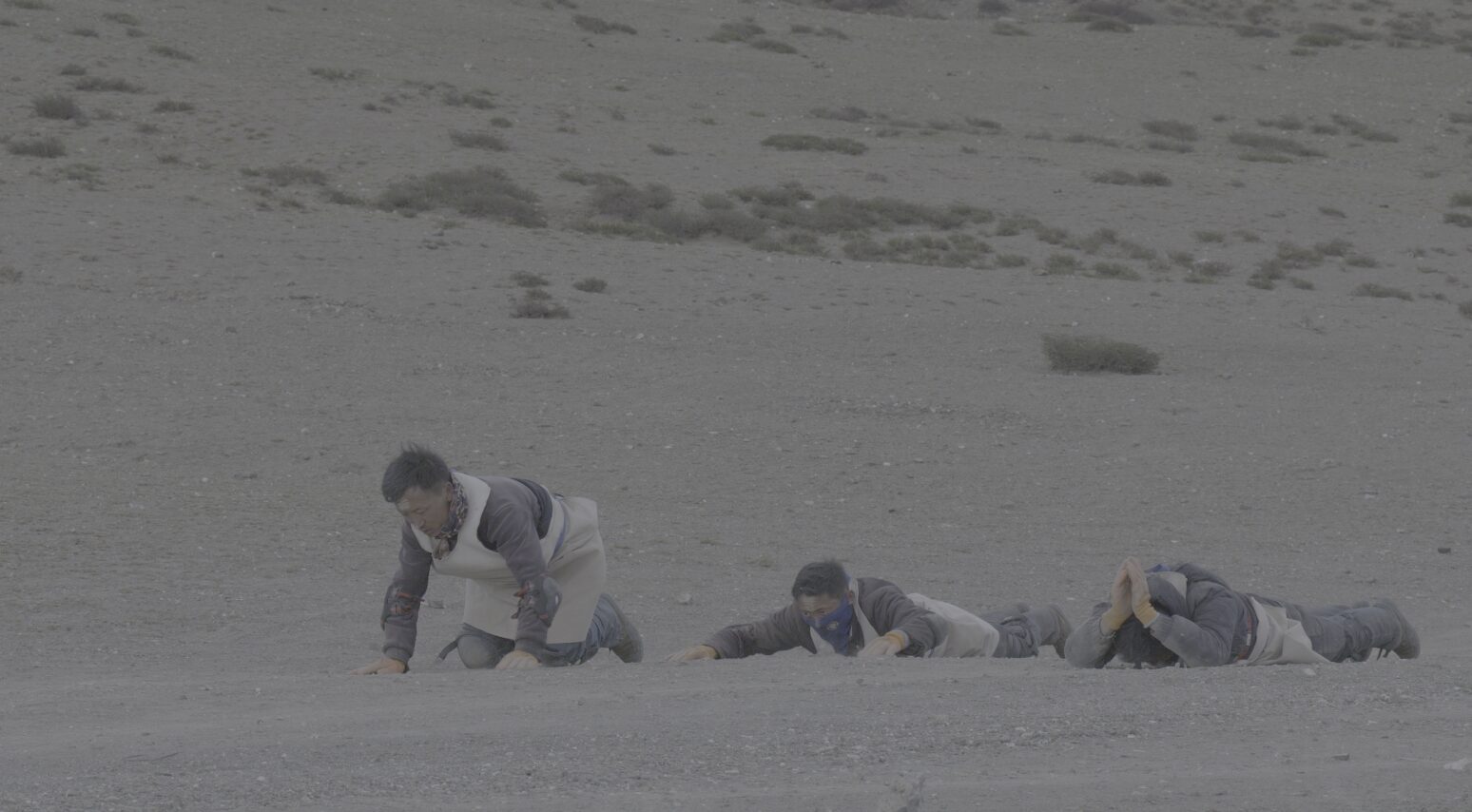
Kailash is sacred to Hindus, Buddhists, Jains and Bön alike. Pilgrims walk a 52-kilometre circuit over a 5,600-metre pass; some do it in a day, some take three weeks prostrating.
Mount Kailash stands at 6,638 metres in Ngari, the far west of Tibet, isolated enough that its four-sided pyramid is visible from a very long way off. Four religious traditions hold it sacred, and remarkably, they agree:
- Hindus know it as the abode of Shiva
- Tibetan Buddhists as the seat of Demchok (Chakrasamvara)
- Jains as the site where their first tirthankara attained liberation
- Bön, Tibet’s pre-Buddhist tradition, as the nine-storey mountain at the centre of the world
Nobody has climbed it. Attempts have been proposed and abandoned in the face of religious objection, and it is now off-limits. It may be the highest unclimbed peak on earth that isn’t unclimbed for technical reasons.
The kora
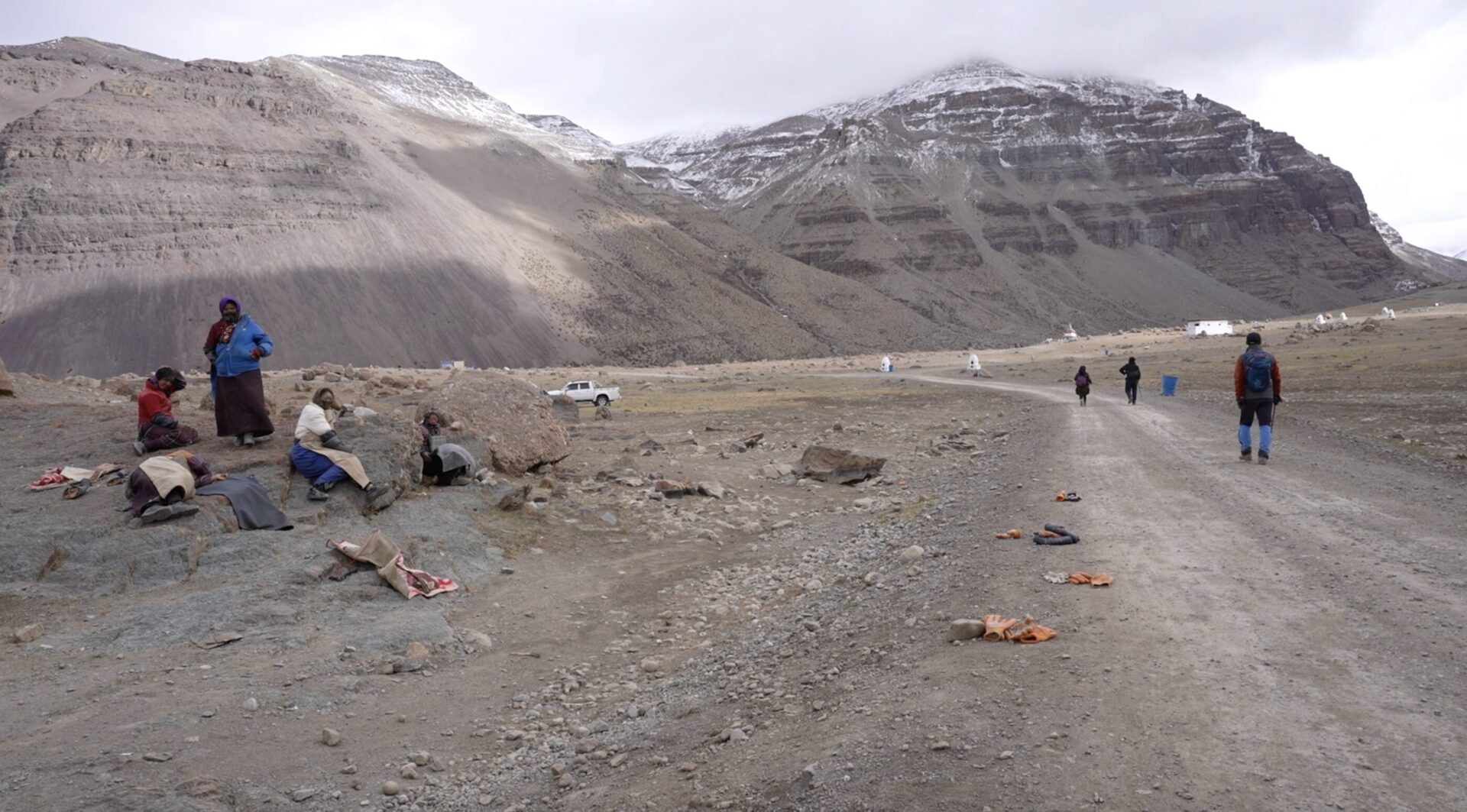
The pilgrimage is a circuit — a kora — of about 52 kilometres around the mountain, walked clockwise by Buddhists and Hindus, anticlockwise by Bön practitioners.
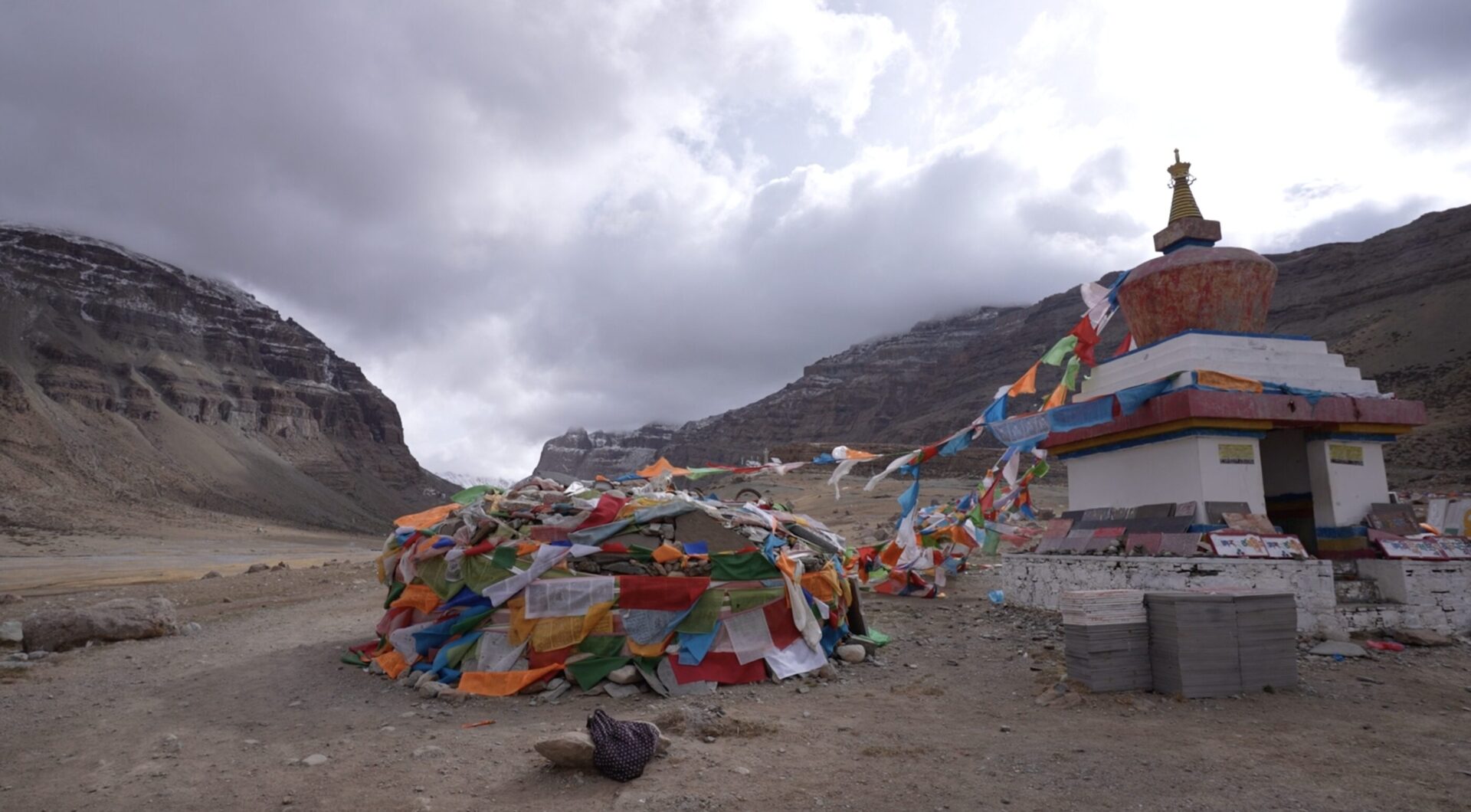
Most visitors take three days. The crux is the second: the Drolma La pass at around 5,630 metres, a long grinding climb to a saddle strewn with prayer flags and abandoned clothing left as offerings, then a steep descent. It is the highest most people will ever walk.
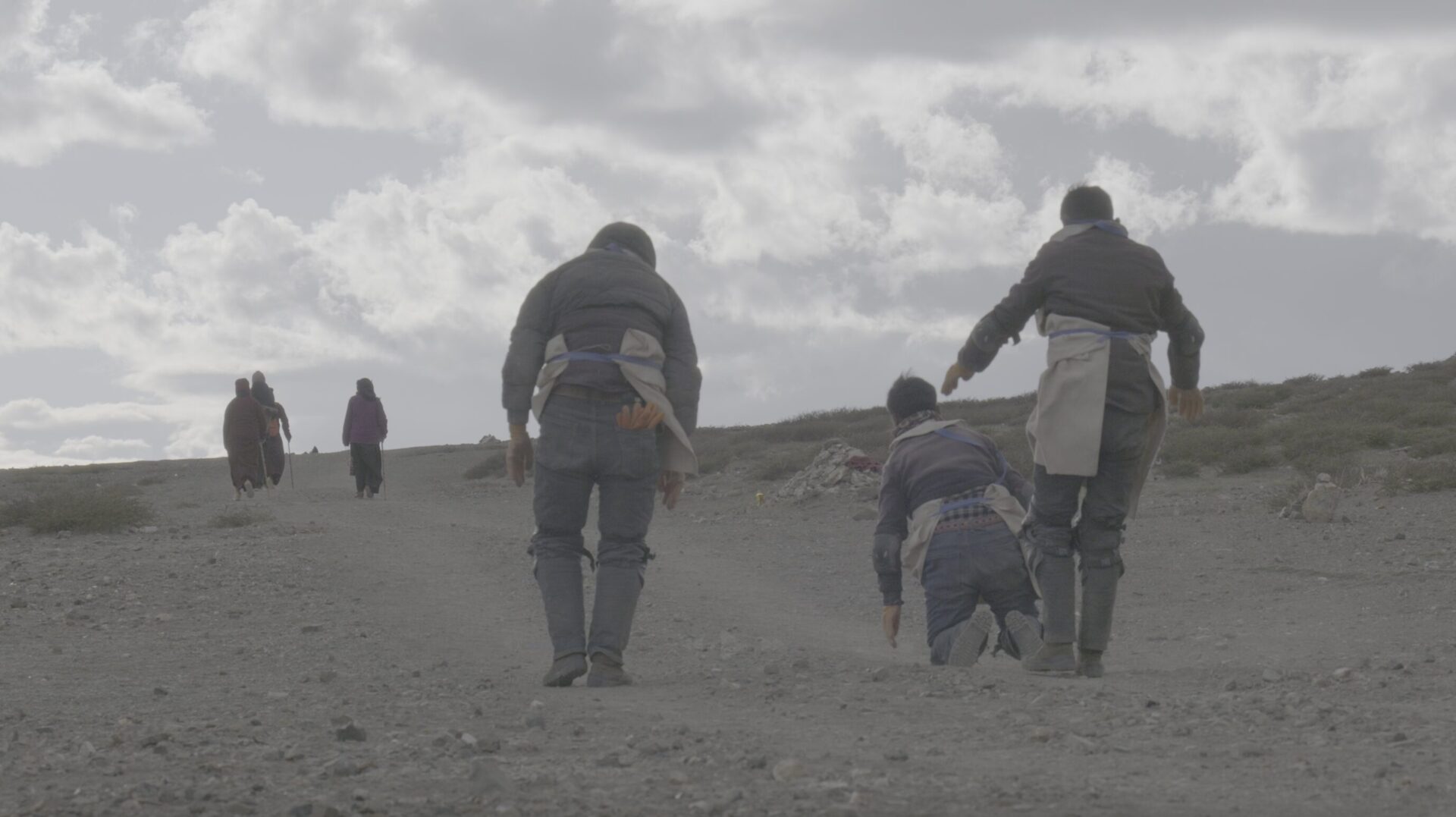
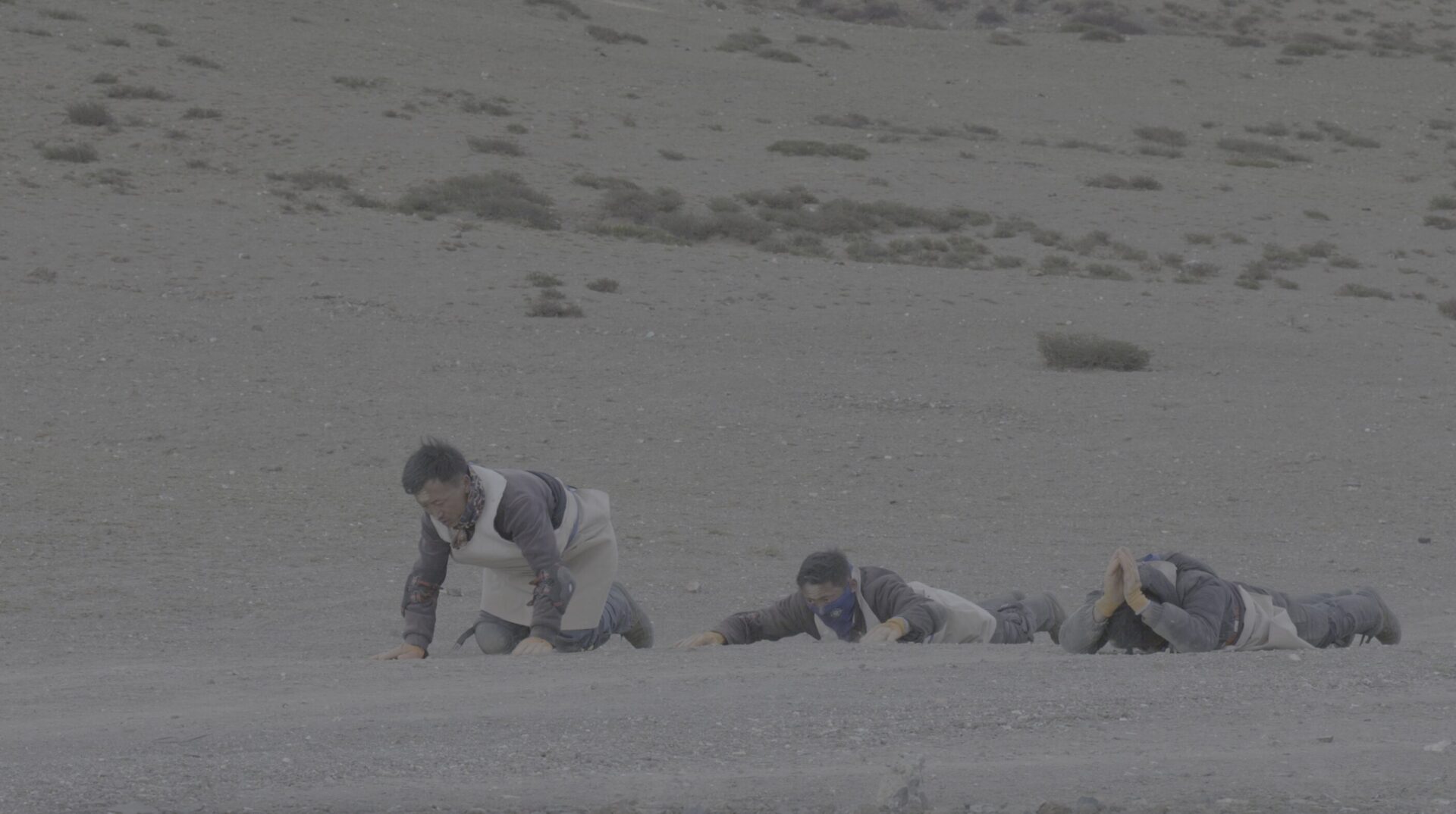
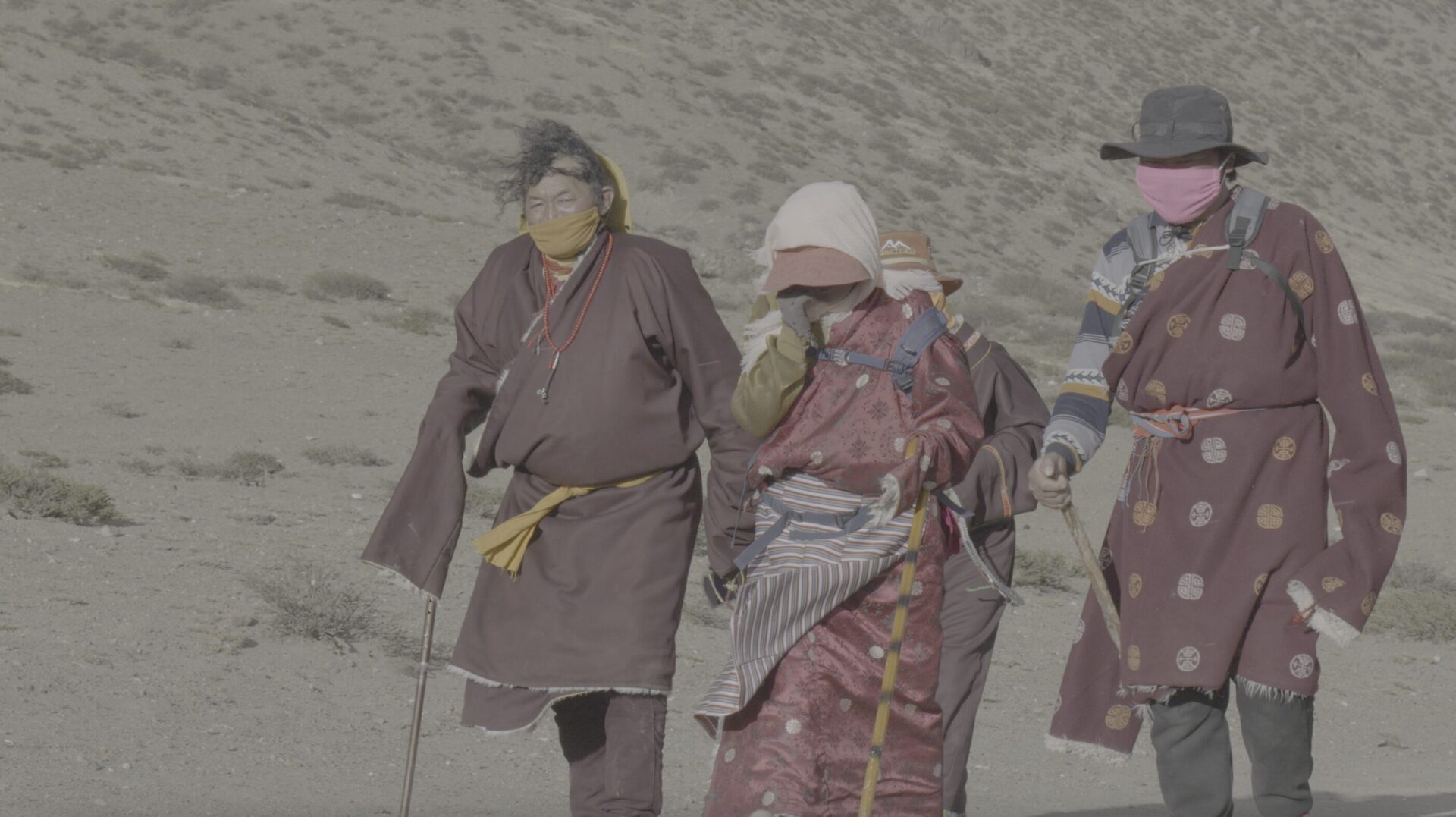
Tibetan pilgrims routinely complete the whole circuit in a single day. Some do it prostrating — measuring the full 52 kilometres in body lengths, which takes around three weeks. One circuit is said to erase the sins of a lifetime; 108 guarantee liberation.
Simple guesthouses and monastery accommodation exist at Dirapuk and Zuthulpuk. Basic is the word — expect a bed, a thermos and no shower.
The lakes
Two lakes sit south of the mountain, side by side and opposite in meaning.
Manasarovar is freshwater, round, and one of the holiest lakes in Asia; pilgrims bathe in it despite the temperature, and it has its own kora of around 90 kilometres.
Rakshastal is saline, crescent-shaped and traditionally the demon lake. They’re separated by a narrow isthmus, and the contrast — one blue and calm, one dark and dead — is not lost on anybody who sees them together.
Being honest about the difficulty
This is the hardest thing in this whole archive to do casually.
- Altitude. The circuit doesn’t drop below about 4,600 m and tops out over 5,600 m. Acclimatise for several days minimum in Lhasa and then in Ngari before starting. This is not negotiable and people are evacuated every season.
- Getting there. Kailash is roughly 1,200–1,500 km from Lhasa depending on the route. Expect four or five days of driving each way, or a flight to Ngari Gunsa.
- Weather. May to October only. Snow on the pass is possible in any of those months.
- Cost. Permits, vehicle, driver, guide and the distance make this the most expensive trip in China by some margin.
- Porters and yaks can be hired at Darchen and are worth every yuan.
Permits
You need the Tibet Travel Permit, plus an Aliens’ Travel Permit and a military permit for Ngari — all arranged by a licensed agency, weeks in advance. Independent travel is not possible. See restricted areas.
Why people go anyway
Because the mountain is extraordinary to look at, because western Tibet is emptier and stranger than anywhere else you can legally travel in China, and because walking a circuit that people have walked for a thousand years — alongside people doing it for reasons far more serious than yours — puts your own trip in proportion.
Start planning from Lhasa, which is where every Kailash itinerary begins.
- #tibet
- #kailash
- #kora
- #pilgrimage
- #ngari