
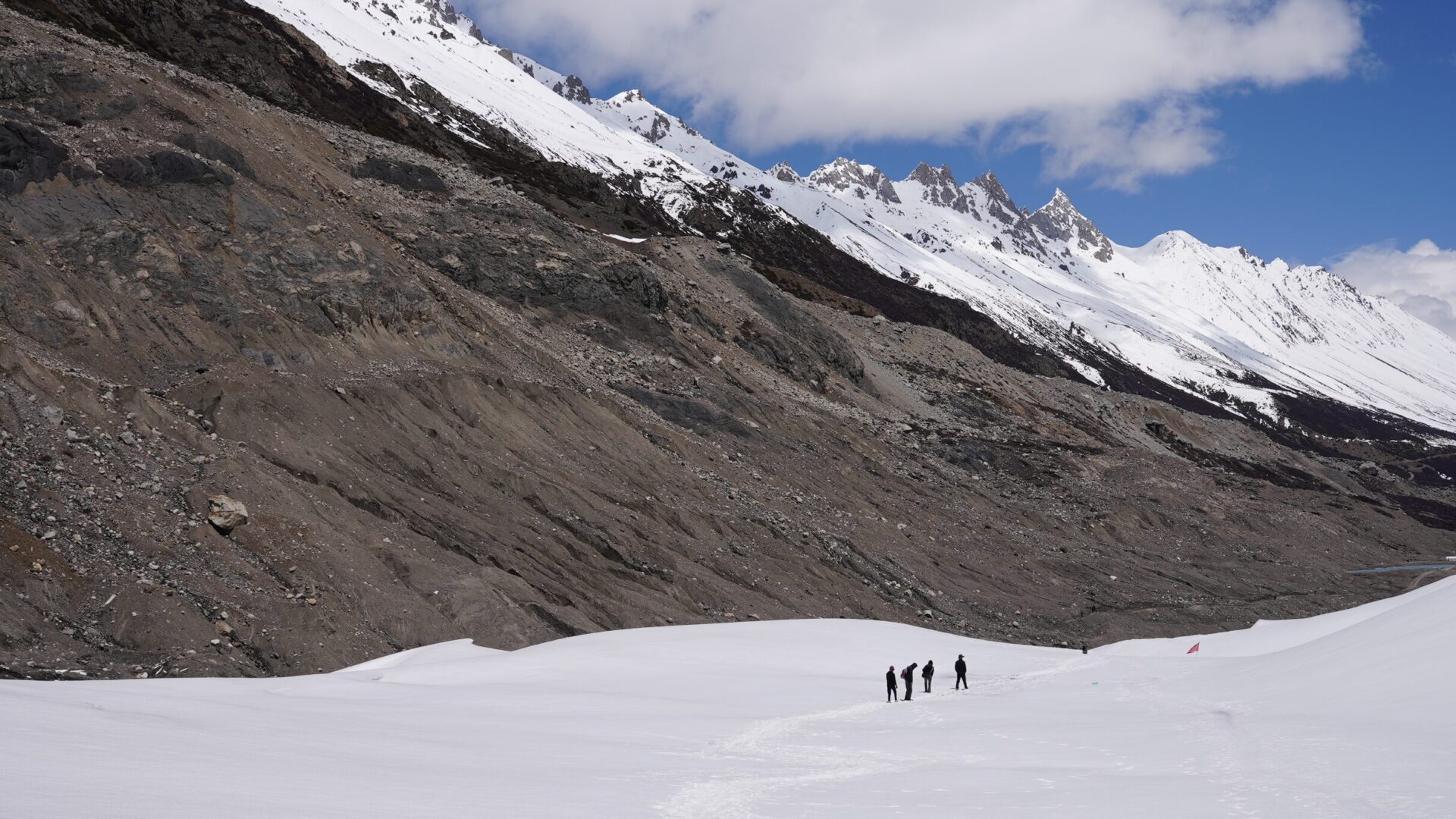
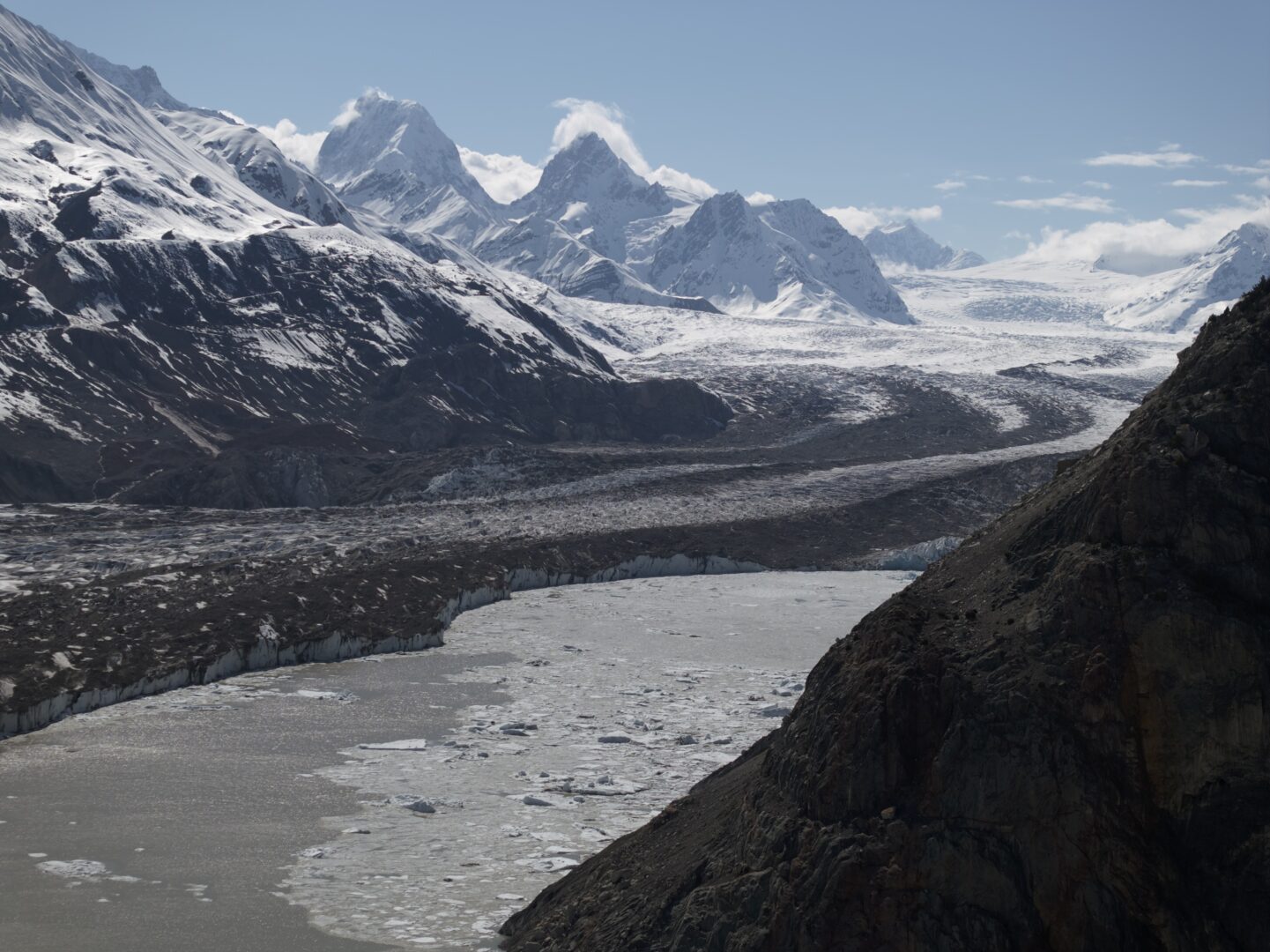
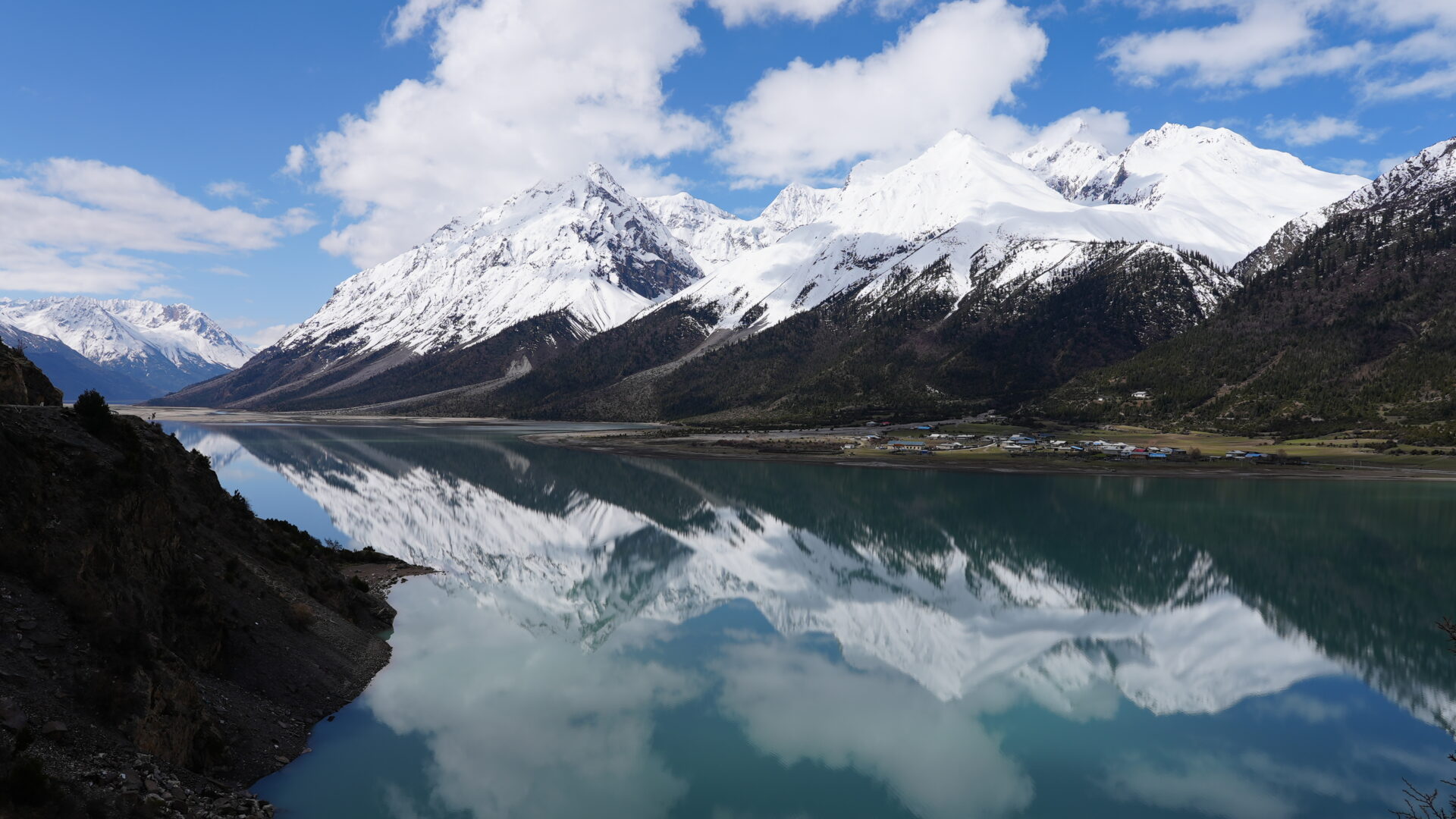
Six glacier tongues converge on the valley above Laigu village in eastern Tibet, feeding a lake that shouldn't be that colour. It's the largest maritime glacier complex in the country and among the most accessible.
Eastern Tibet has a kind of glacier the rest of the plateau doesn’t: maritime glaciers, fed by monsoon snowfall pushing up through the Himalayan gaps rather than by the dry plateau winter. They’re warmer, they move faster, they’re steeper and more broken, and they descend far lower than continental glaciers do.
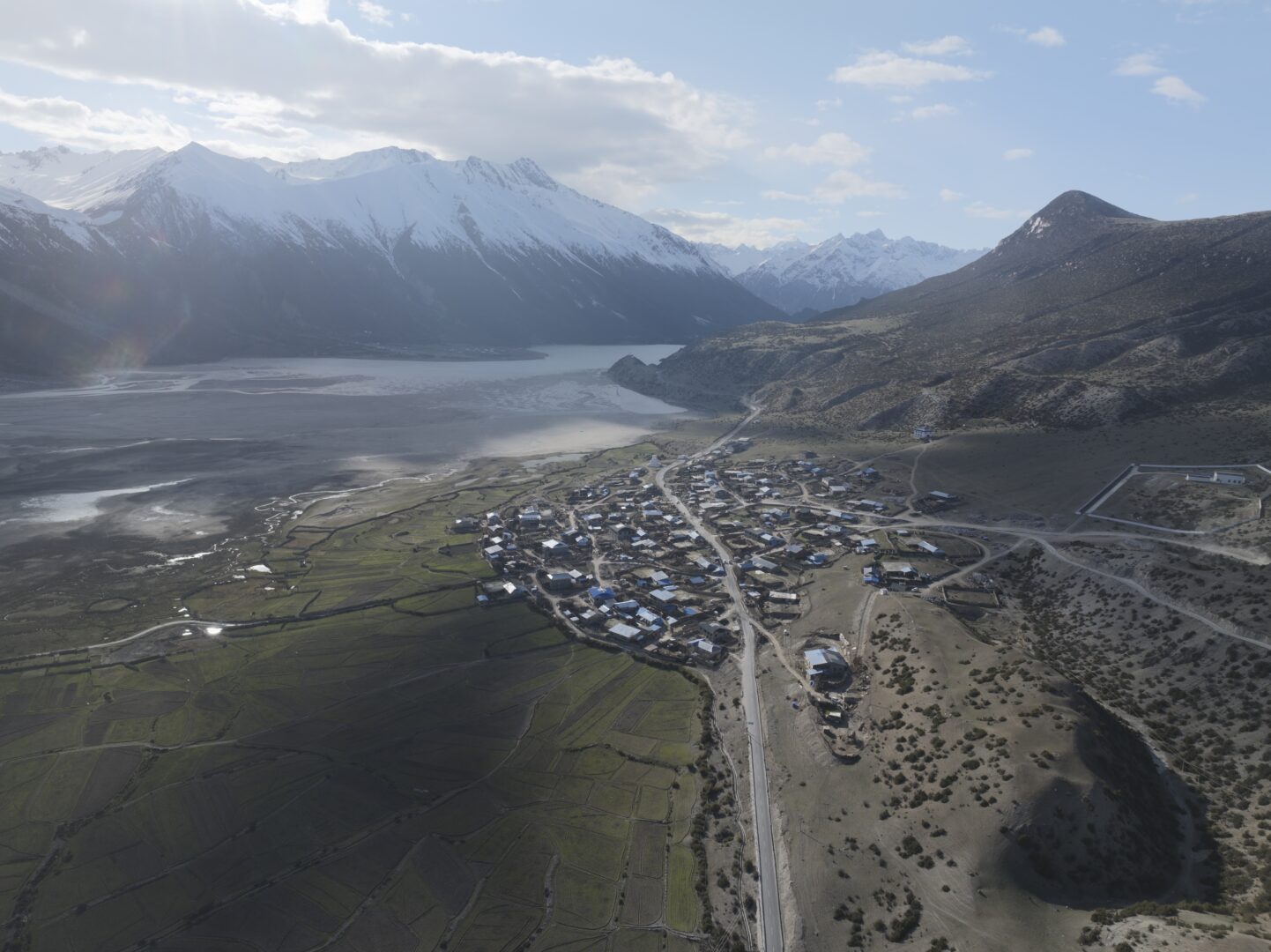
Laigu is the biggest complex of them in China. Six separate glacier tongues come off the Gangrigabu range and converge on one valley head above Laigu village, and the meltwater fills the lakes below.
What you see
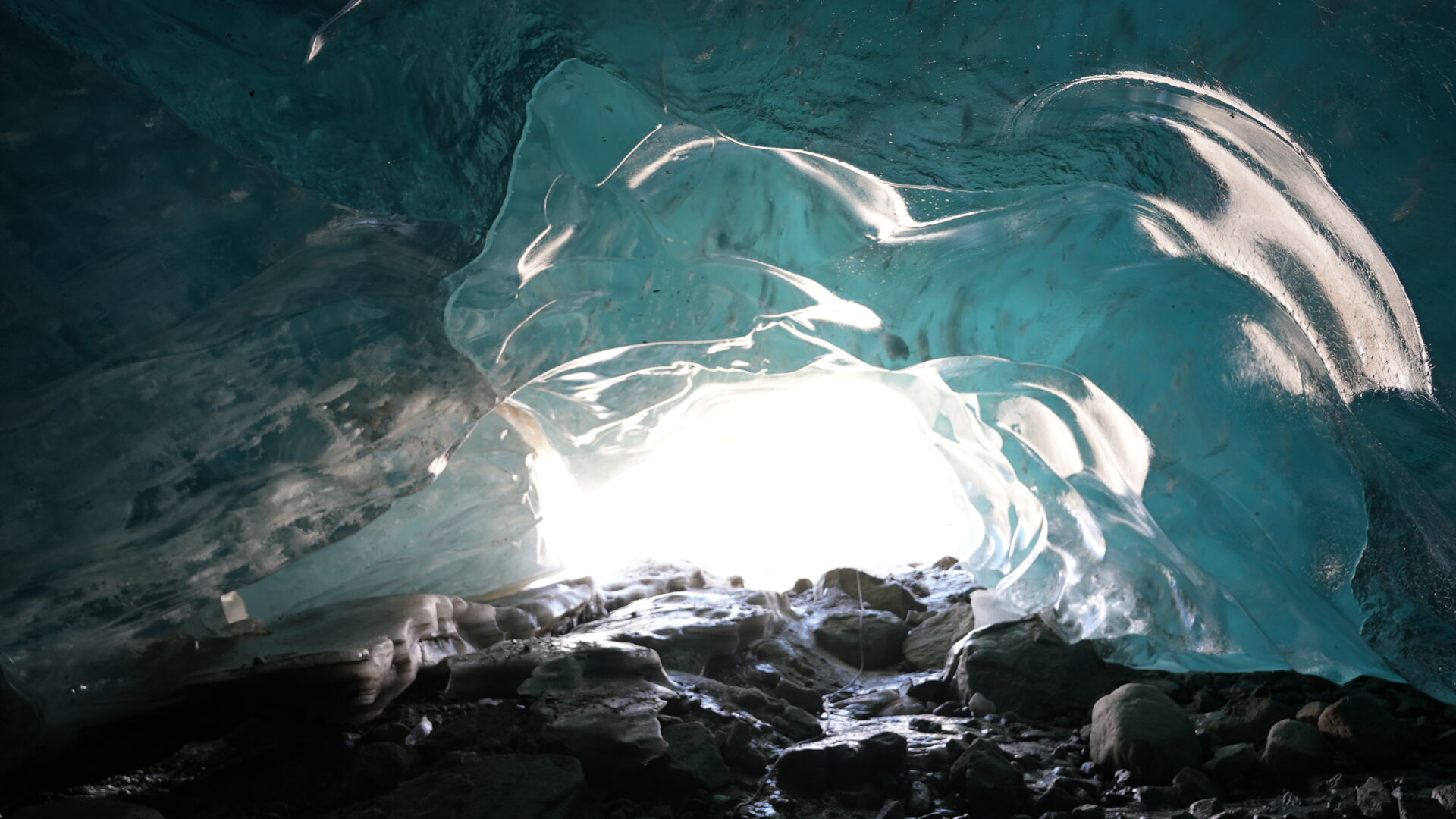
The ice is dirty at the snout — maritime glaciers carry enormous amounts of rock — and then astonishing where it’s fresh: blue in the crevasses, seracs stacked above the terminus, and a moraine field of boulders the size of houses that gives away where the ice reached fifty years ago.
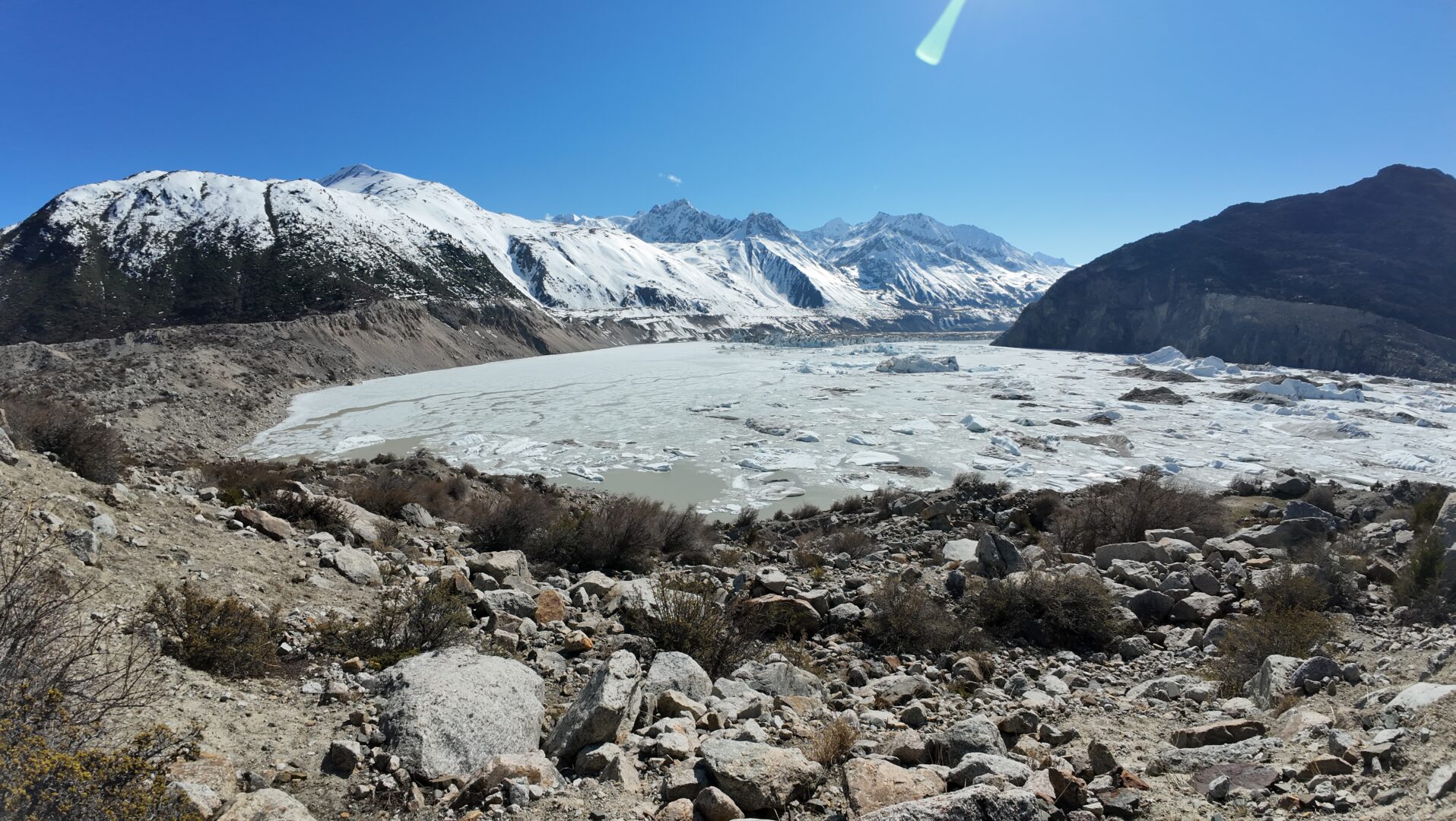
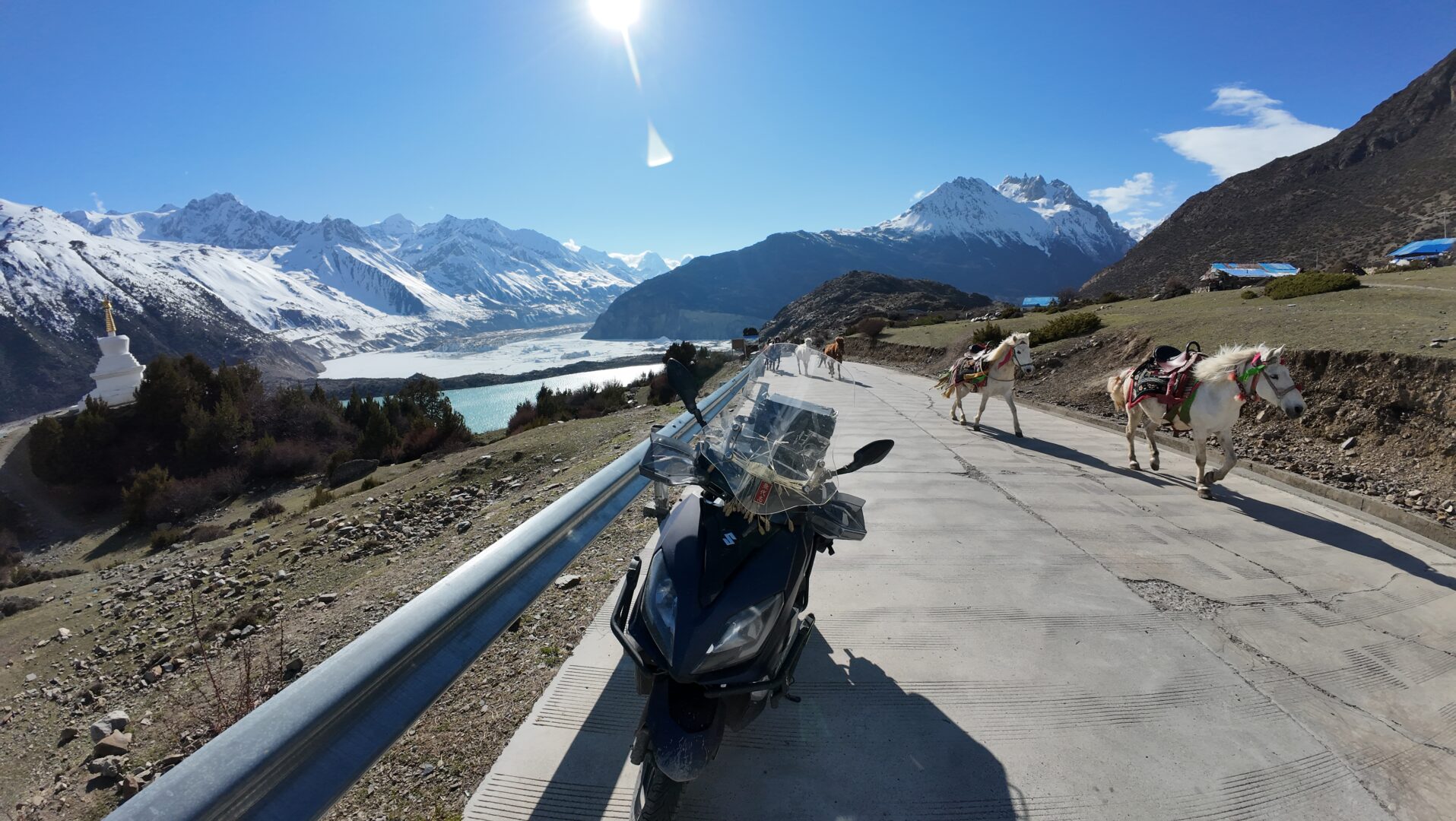
Below it, the lake. Rock flour suspended in glacial meltwater gives it a milky turquoise that reads as artificial in photographs and turns out to be accurate. Ranwu Lake, a little further down the valley, is the larger and better-known version of the same effect and sits right beside the Sichuan–Tibet highway.
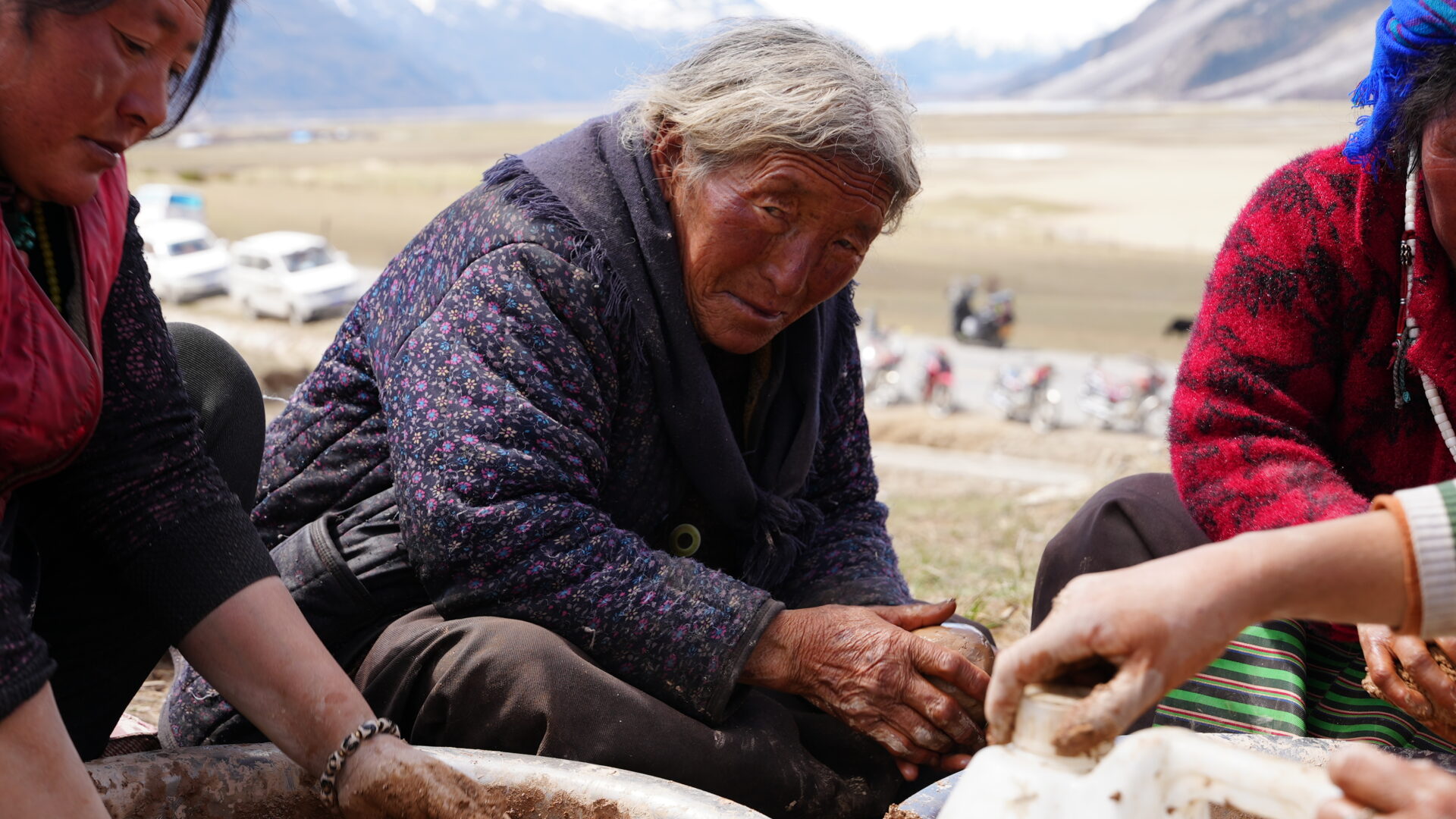
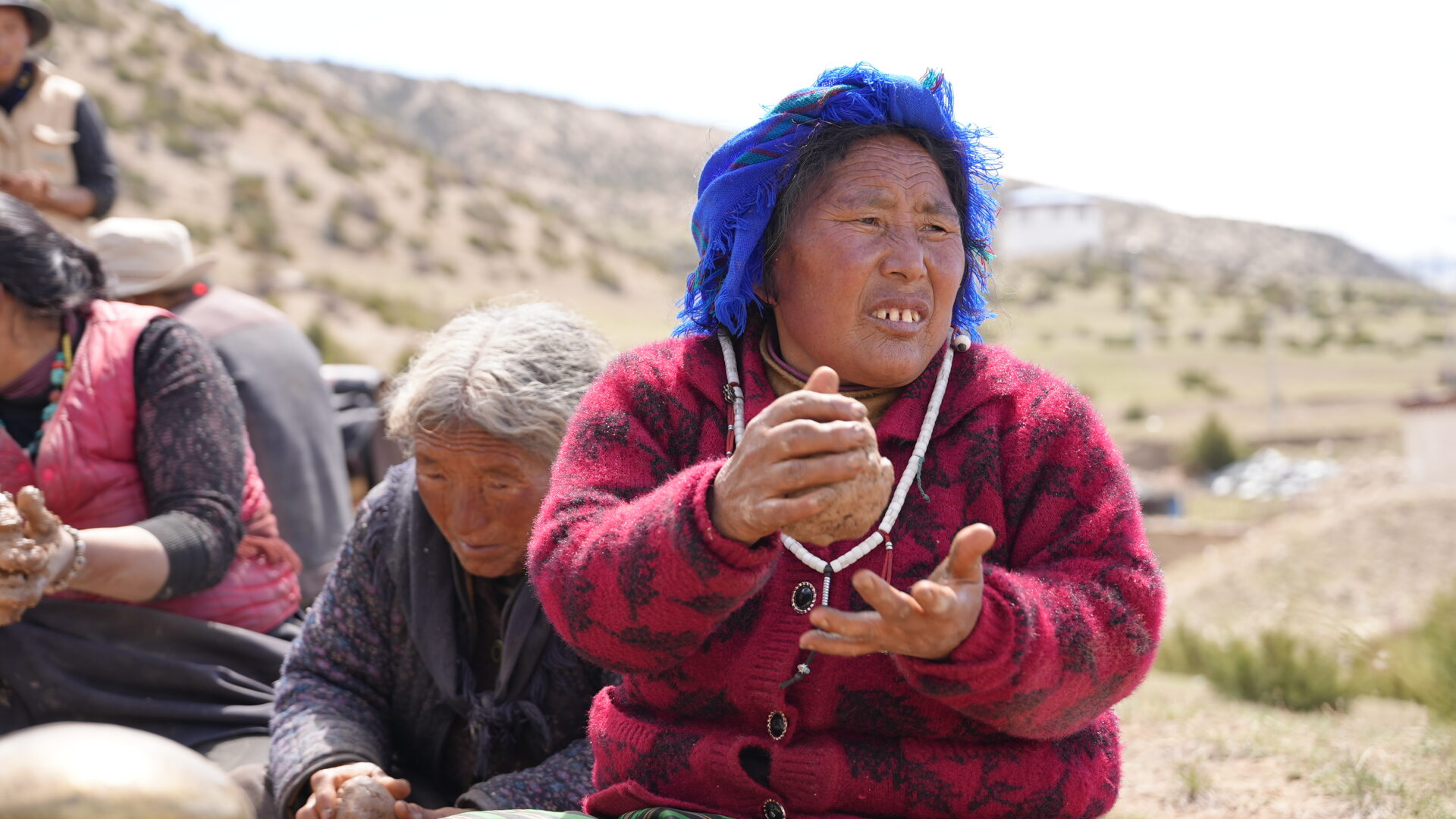
Laigu village itself is a small Tibetan settlement of stone houses on the moraine, with the glacier valley directly behind it. A handful of families run guesthouses; staying the night gets you the valley at dawn, before the day’s vehicles arrive.
Getting to the ice
There’s a track from the village toward the glacier terminus. It’s a walk of a couple of hours over moraine rather than a technical approach, and horses can usually be hired in the village.
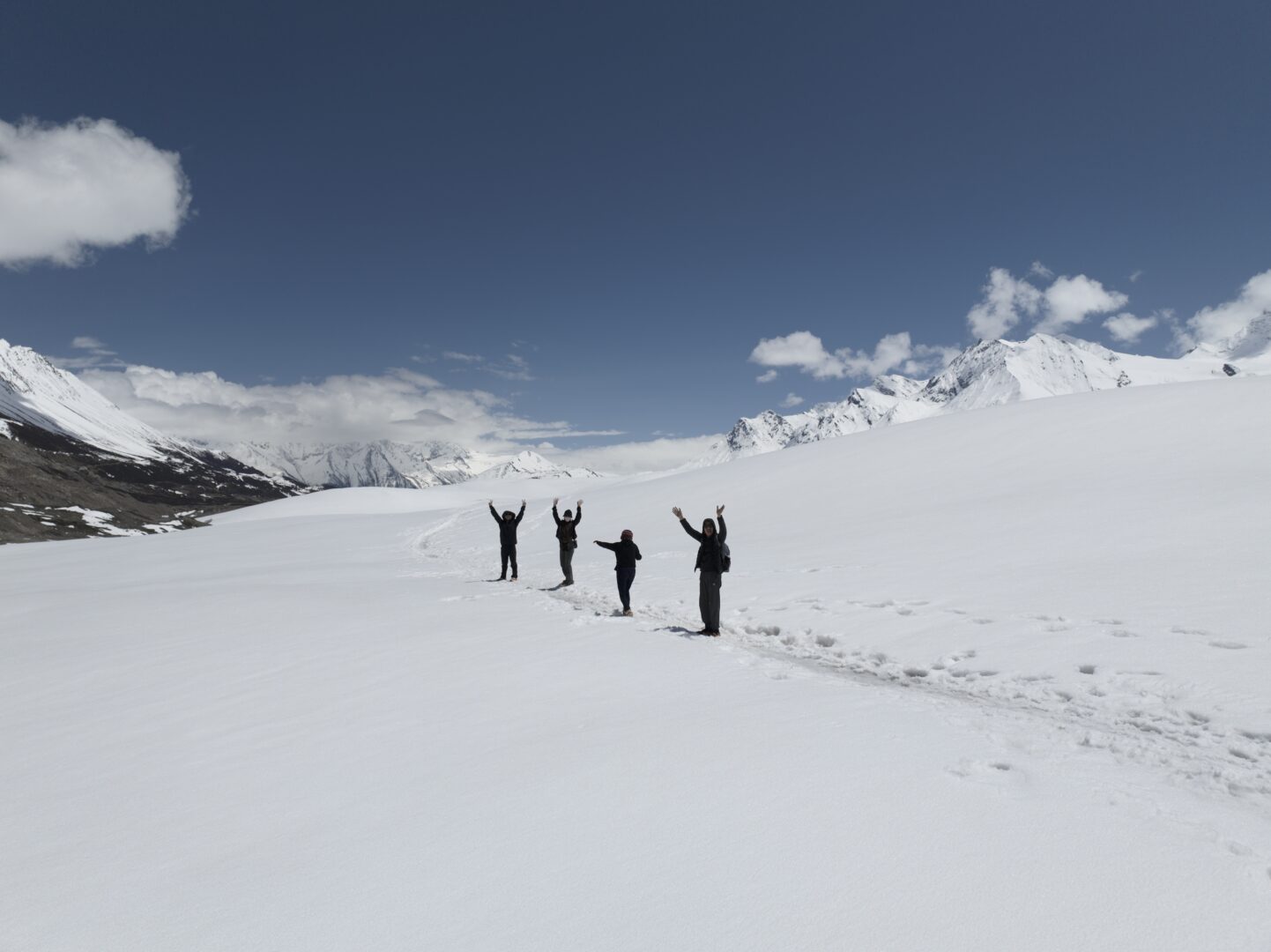
Two things to take seriously: do not walk onto the glacier without a guide and equipment — maritime glaciers are heavily crevassed and the snow bridges are unreliable — and note that the terminus has retreated substantially. Villagers will point to where it used to be, and the distance is sobering.
Practical notes
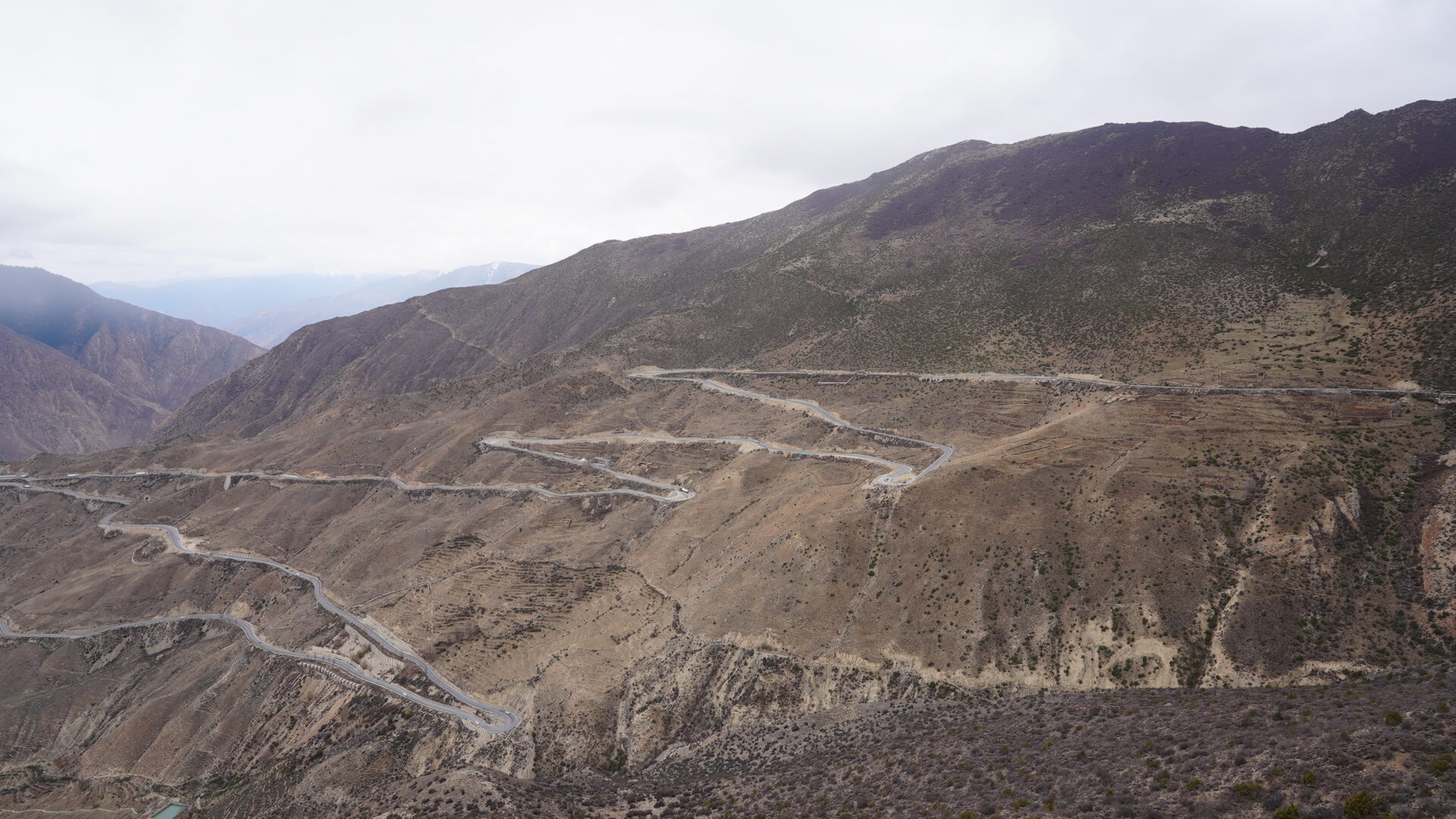
Getting there: Laigu is off the Sichuan–Tibet highway (G318) near Ranwu, in Baxoi county on the Chamdo–Nyingchi boundary. Nyingchi has the nearest airport and is now on the rail line from Lhasa; the overland route from Chengdu is one of the great drives in Asia and takes about a week.
Permits: Tibet Travel Permit and a licensed agency, as everywhere in the region. See restricted areas.
Altitude: village and lake are around 4,000 m, the glacier approach a little higher. Not extreme by Tibetan standards, but worth arriving already acclimatised.
When: May to October. Autumn gives the clearest weather and the best colour in the valley; the summer monsoon brings cloud and landslide risk on the highway.
Where to sleep: guesthouses in Laigu village, or hotels at Ranwu on the main road. Laigu is worth the extra effort.
Nearby: Midui glacier, further west along the same highway, is even easier to reach. Continue east into Chamdo or west toward Lulang and Nyingchi.
- #tibet
- #laigu
- #glacier
- #ranwu
- #nyingchi