
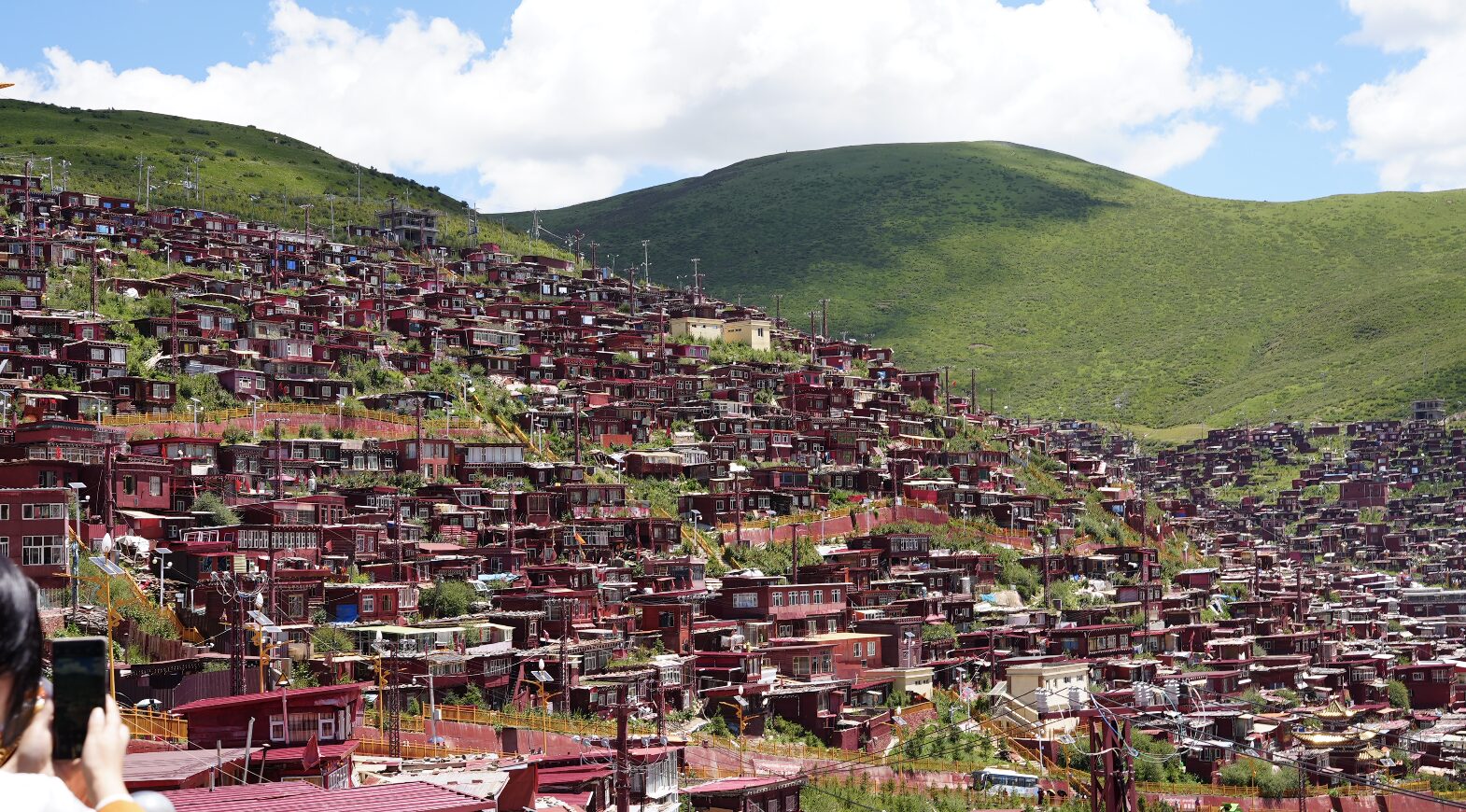
Garzê is where the Sichuan basin gives up and the Tibetan plateau begins. Yak on open grassland, monasteries on every rise, horse festivals in summer — and no permit needed to see any of it.
West of Chengdu the land does something abrupt. Within a day’s drive the Sichuan basin’s terraced farmland and bamboo gives out, the road climbs a series of passes, and you emerge onto open grassland at 3,500 metres with yak on it and prayer flags on every ridge.
That’s Garzê — the Garzê Tibetan Autonomous Prefecture, an area larger than many European countries, occupying the historic Tibetan province of Kham. Culturally it is Tibet. Administratively it’s Sichuan, which means no Tibet permit, no compulsory guide, and no fixed itinerary.
The landscape
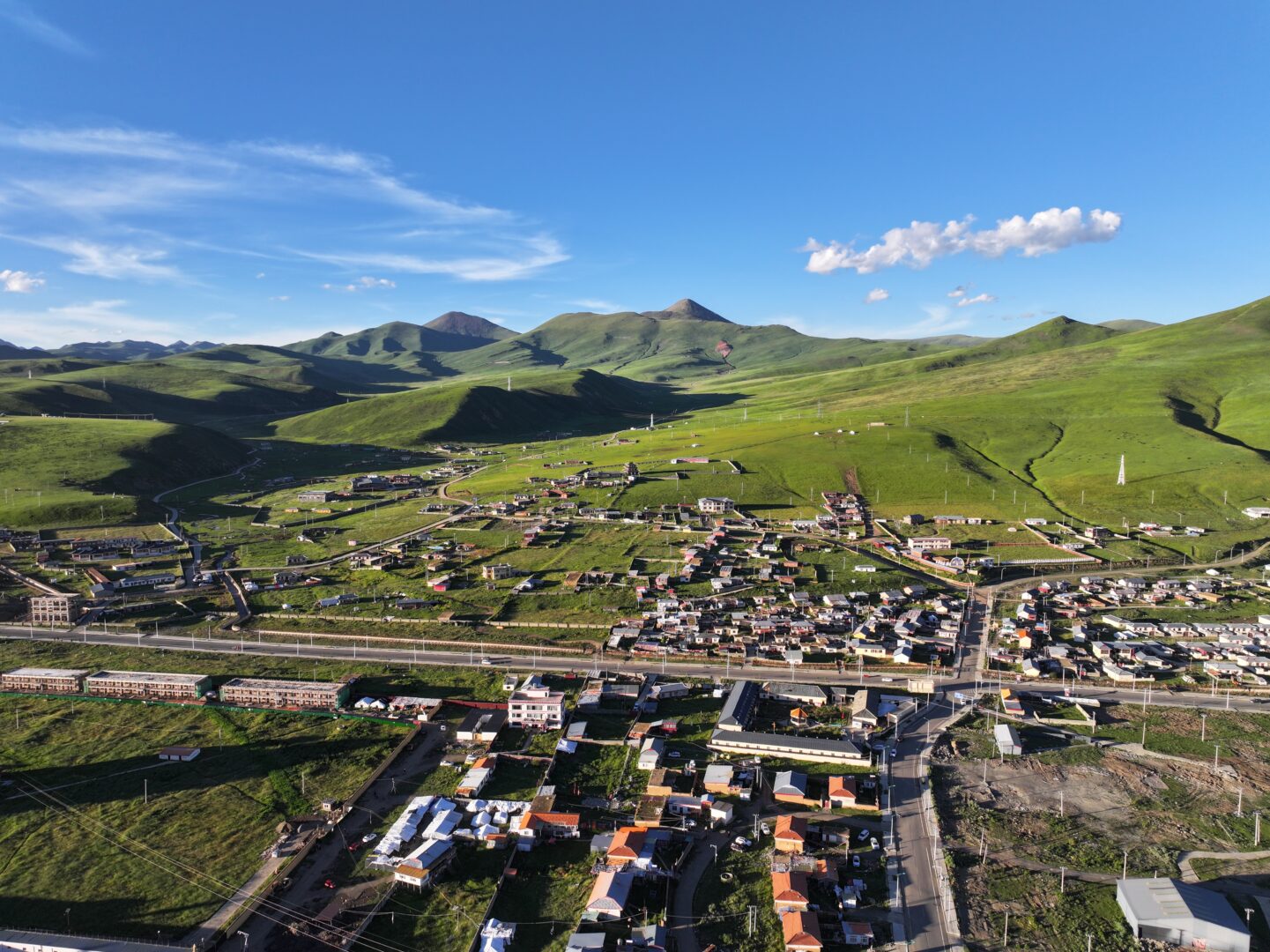
Grassland, mostly, at altitudes between 3,000 and 4,500 metres, broken by ranges that carry snow all year. Rivers run in deep trenches — the upper Yangtze and its tributaries — and the roads spend their time either on open plateau or switchbacking in and out of gorges.
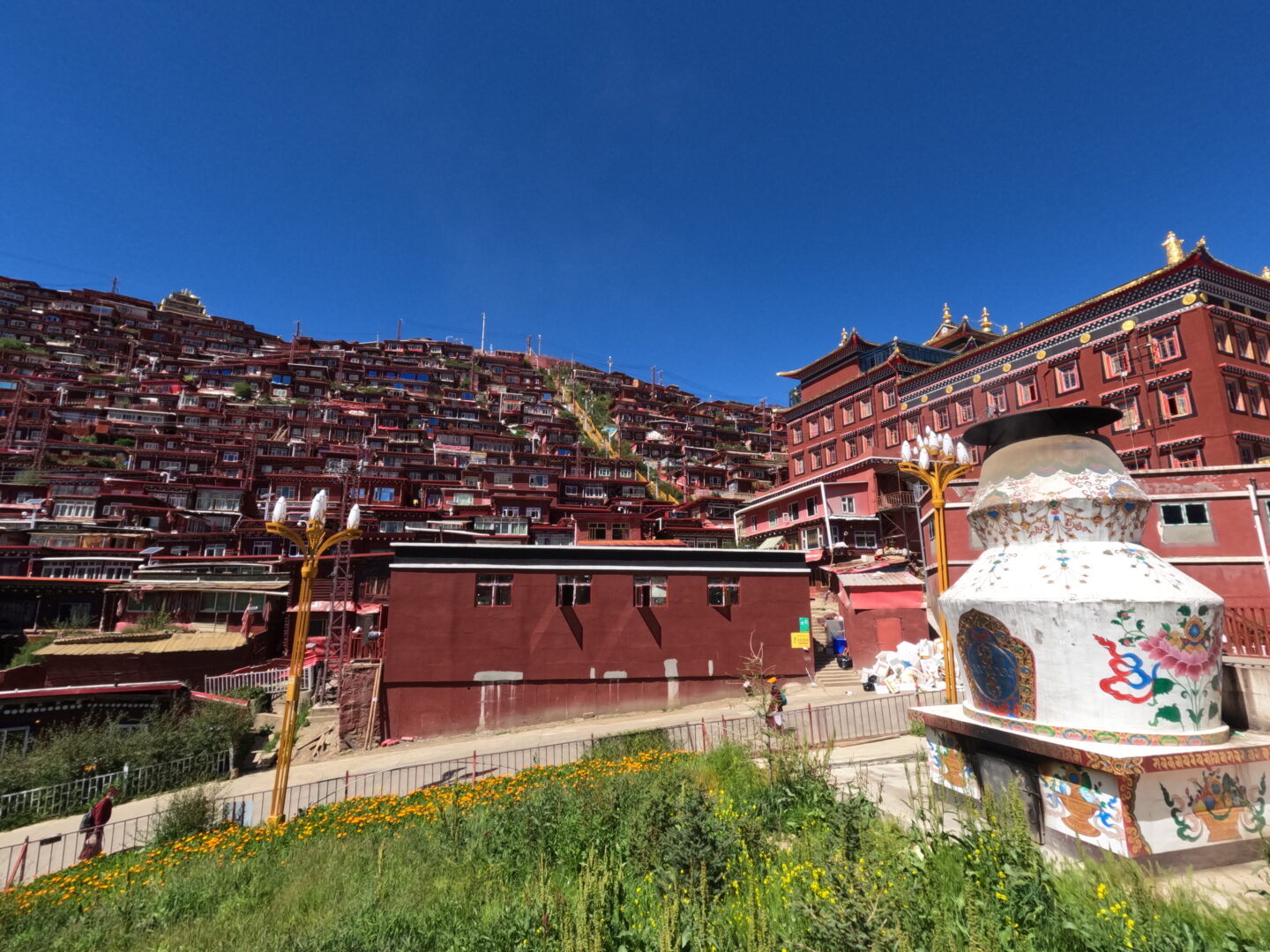
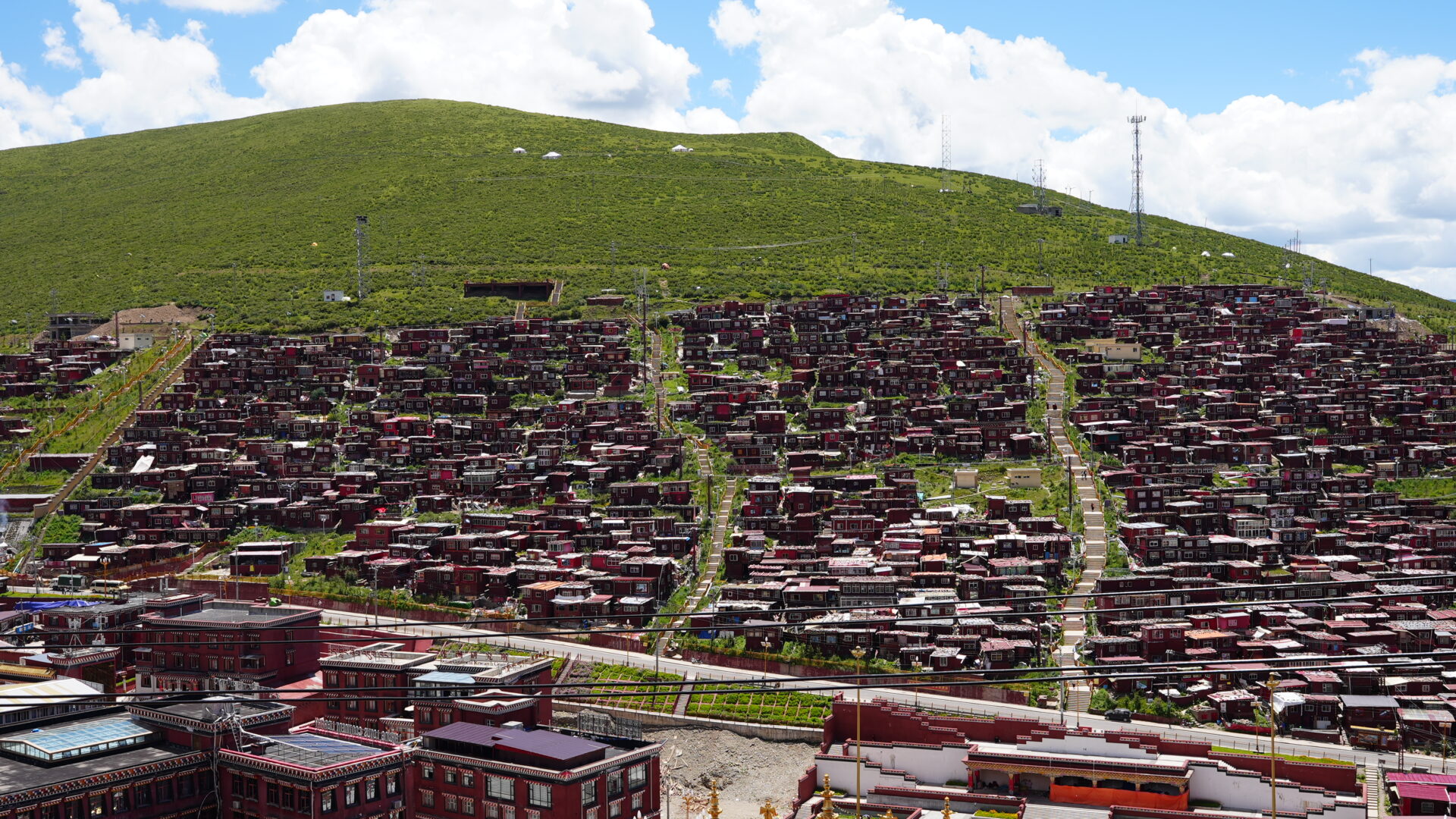
The monasteries are the landmarks. Every valley has one, whitewashed or ochre with gold roof finials, usually on the best-sited hill available. Some are enormous and famous; many are two dozen monks and a hall, and those are frequently the more affecting to visit.
The Khampas
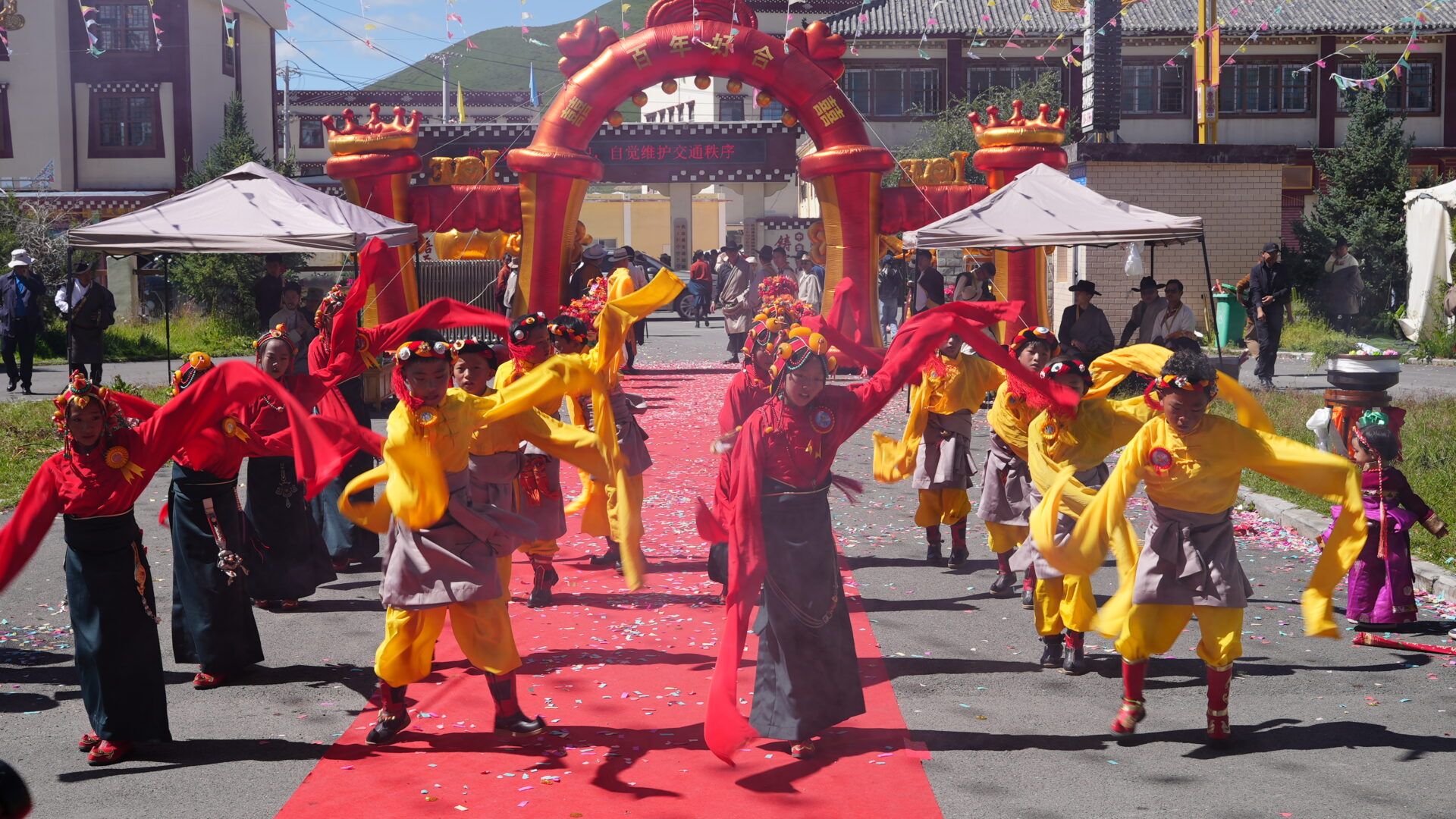
Kham has a reputation across the Tibetan world: tall, forthright, historically the traders and the fighters, with a taste for silver jewellery, big hats, and fast horses. Both parts of the stereotype hold up — the self-possession, and the hospitality.
Butter tea appears within minutes of arriving anywhere. Refusing it isn’t really available; drinking it is a skill you develop by the third cup. Conversations tend toward stories: local saints, feuds, the history of a particular monastery, who has the best horse.
Horse festivals are the summer highlight, held across the prefecture between June and August. Racing, trick riding, wrestling, dancing, and a tented encampment on the grass. The Litang festival is the best known; smaller village versions are easier to stumble into and often better.
Where to go
- Litang at 4,014 m — the best base in the prefecture
- Kangding — the gateway town where the plateau begins, and where to spend your first night for altitude
- Xinduqiao — the “photographers’ corridor,” rolling pasture and poplar, and the light everyone comes for
- Tagong — grassland, a fine monastery, and a walkable valley
- Daocheng and Yading to the south, one of the most spectacular reserves in China
- Eya and Muli — remote valley villages, hard to reach and worth it
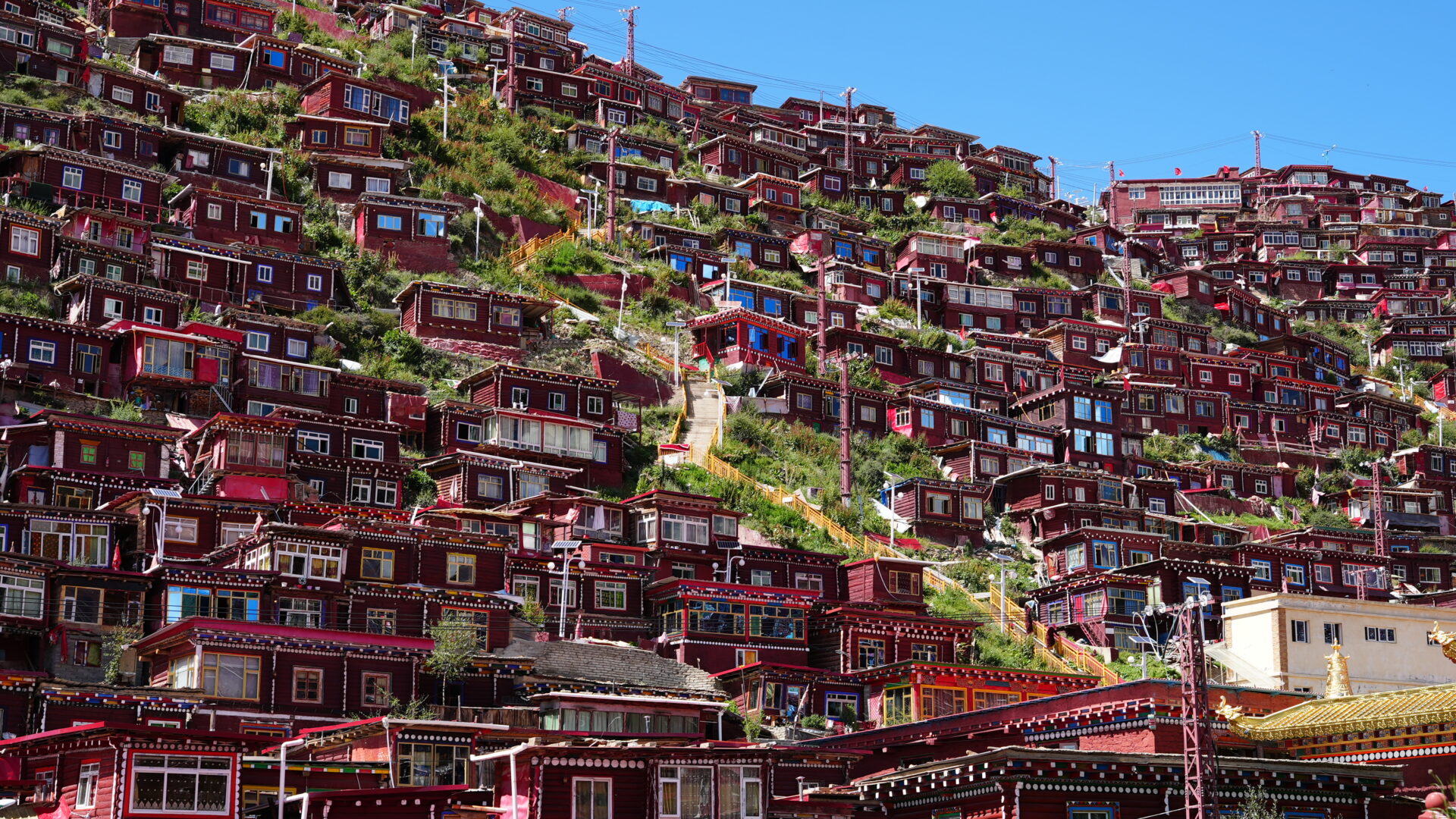
Note that a few specific sites in the prefecture — the large monastic settlements at Sertar and Yarchen — have been periodically restricted or closed to foreign visitors. Check locally before committing to a long drive.
Practical notes
Getting there: bus or hired car from Chengdu. Kangding is reachable in a long day; the plateau proper takes two. This is the classic overland route toward Tibet.
Altitude: ramp up. Chengdu is at 500 m and Litang is at 4,014 m. Sleep at Kangding (2,600 m) and again at Xinduqiao (3,400 m) before going higher.
Driving: a Chinese licence opens up the whole prefecture, and this is one of the best self-drive regions in the country. Buses connect the main towns but not the interesting valleys.
When: May to October. Summer for festivals and green grass, October for clarity and colour. Winter is fiercely cold with icy passes.
- #sichuan
- #garze
- #kham
- #tibetan
- #grassland