
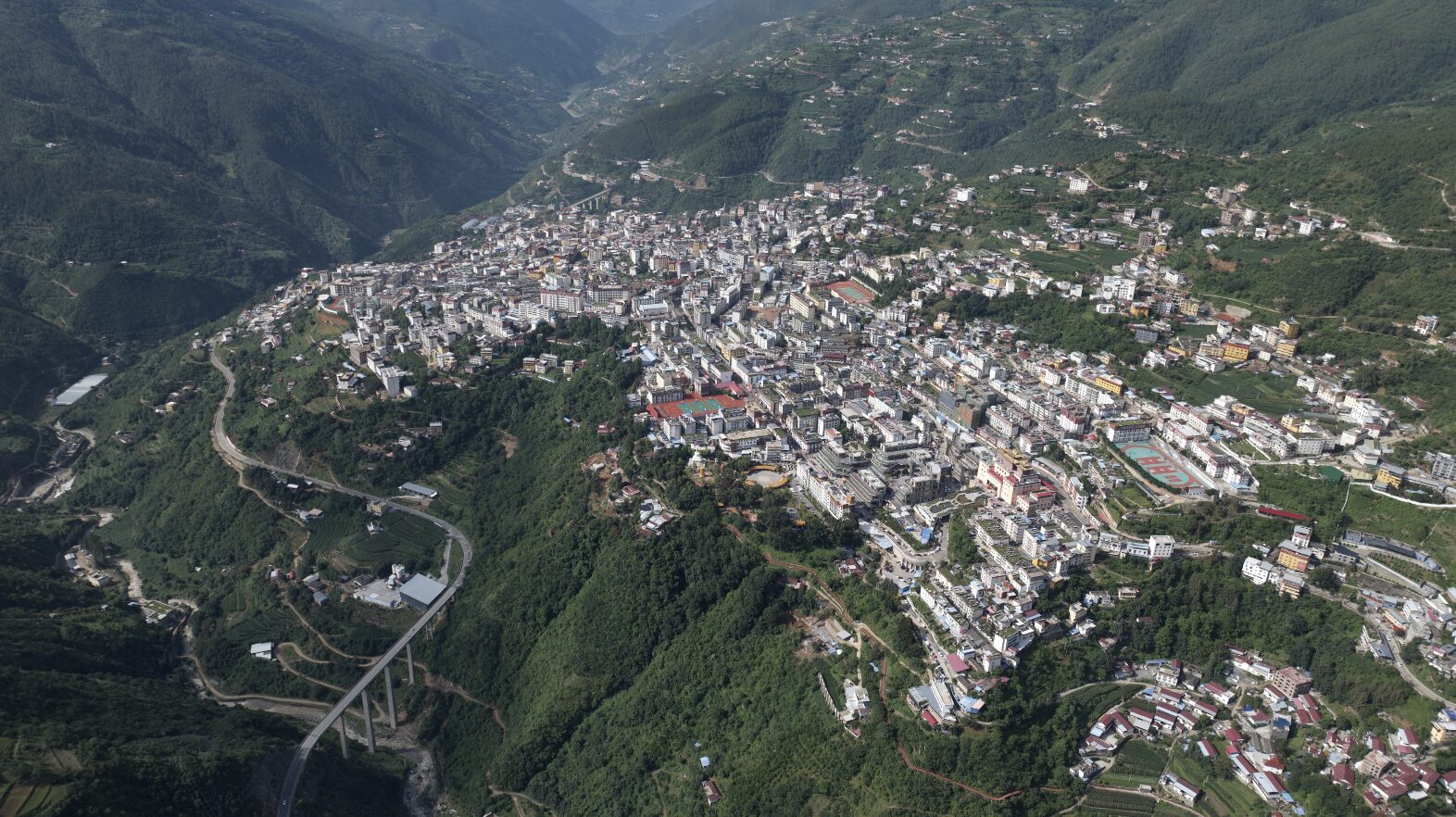
Muli was a small state ruled by a lama-king until the mid-20th century. Joseph Rock's accounts of it fed the myth of Shangri-La — and the valleys are almost as hard to reach now as they were then.
Muli — now the Muli Tibetan Autonomous County in Liangshan prefecture, southwest Sichuan — was until the mid-20th century something close to an independent state: a territory of monasteries and valleys ruled by a lama-king, nominally under Chinese authority and practically running itself.
Its place in the wider imagination is indirect but real. The Austrian-American botanist Joseph Rock travelled here in the 1920s, was received by the Muli king, and published accounts and photographs in National Geographic of a remote Himalayan monastic kingdom. Those accounts are among the material that fed into James Hilton’s Lost Horizon and, through it, the idea of Shangri-La.
What’s actually there
The Muli Grand Monastery was the seat of the old kingdom. It was destroyed in the 20th century and has been partly rebuilt; what stands now is a working monastery in an extraordinary setting rather than the complex Rock photographed.
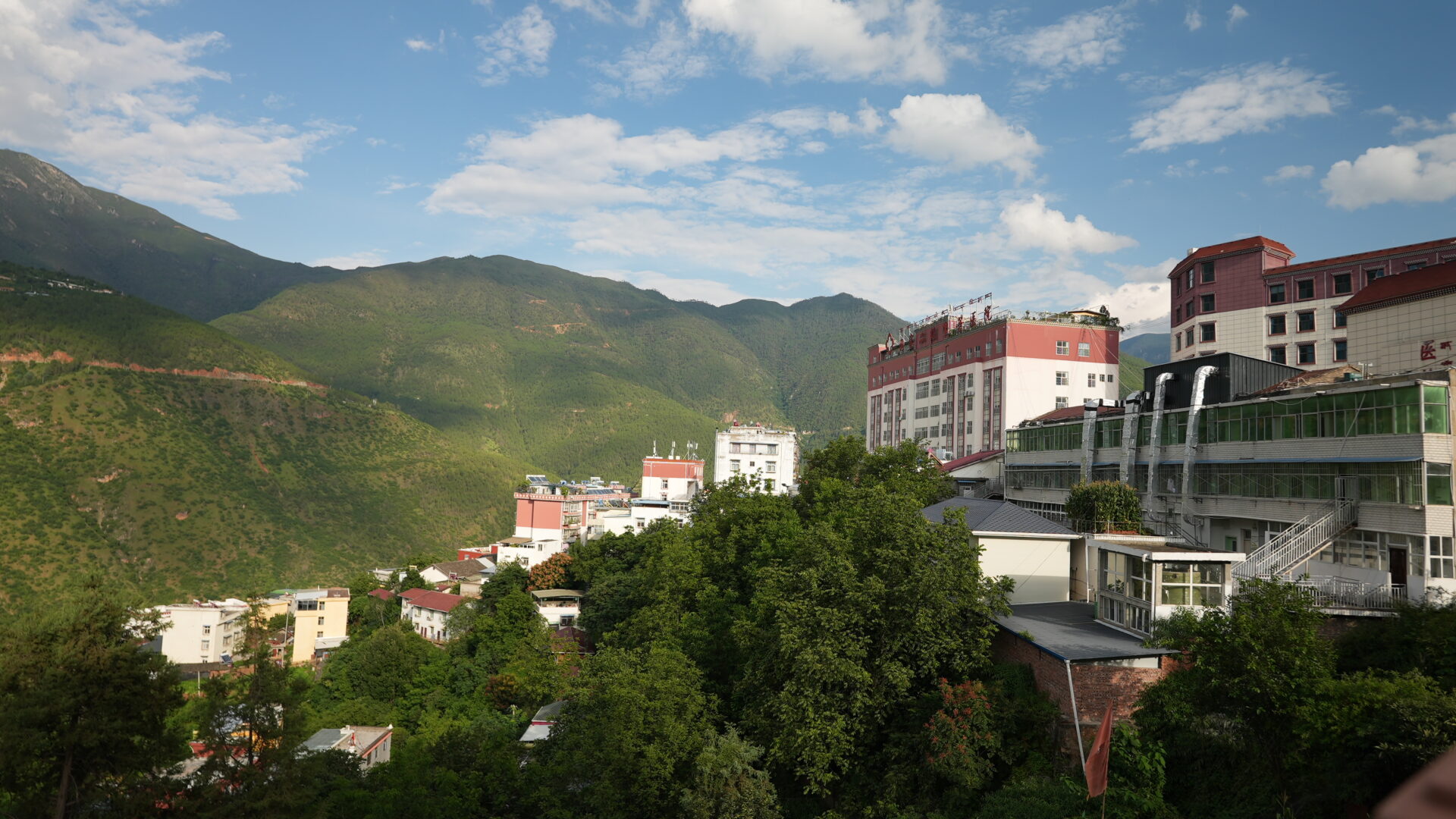
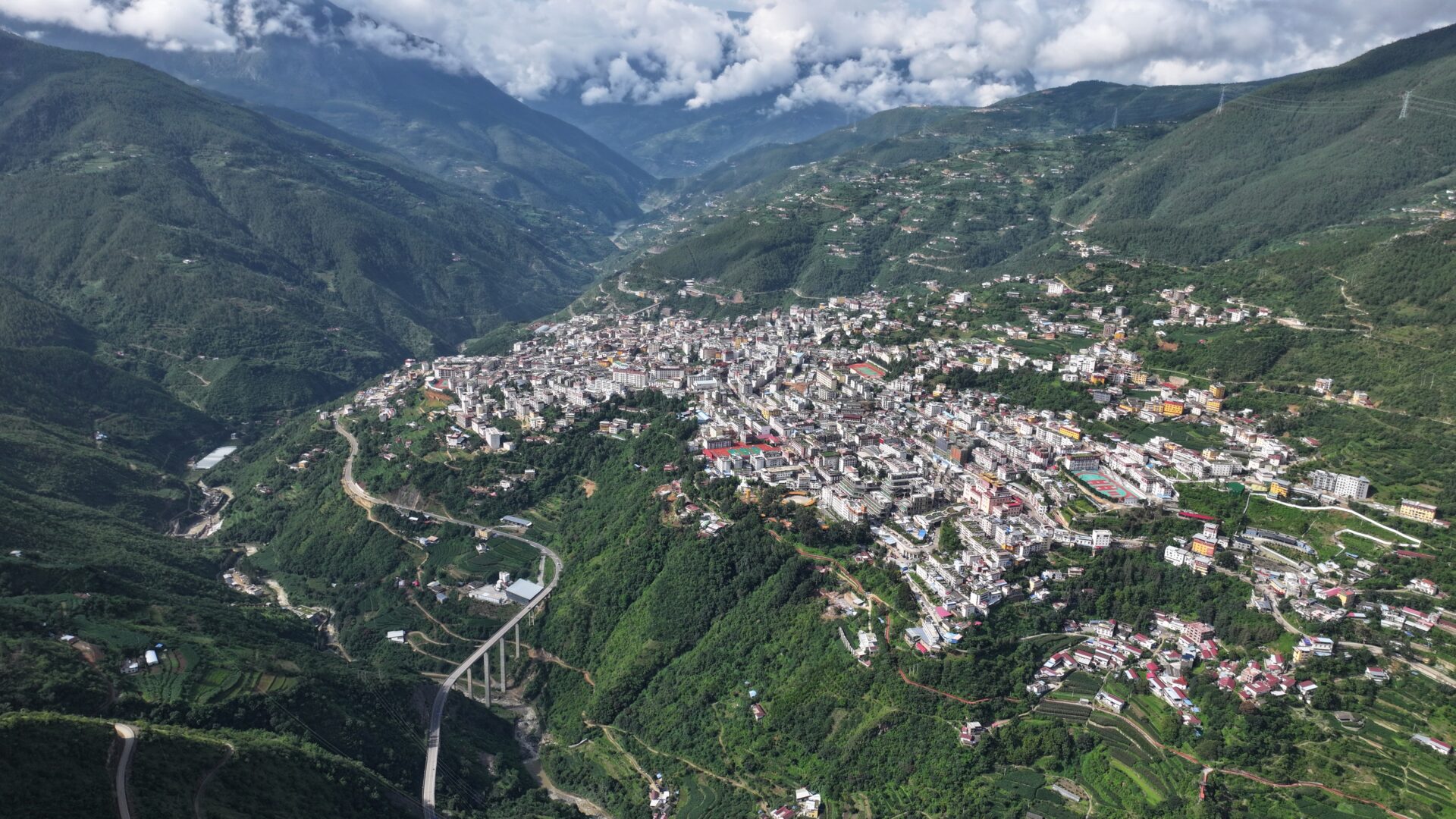
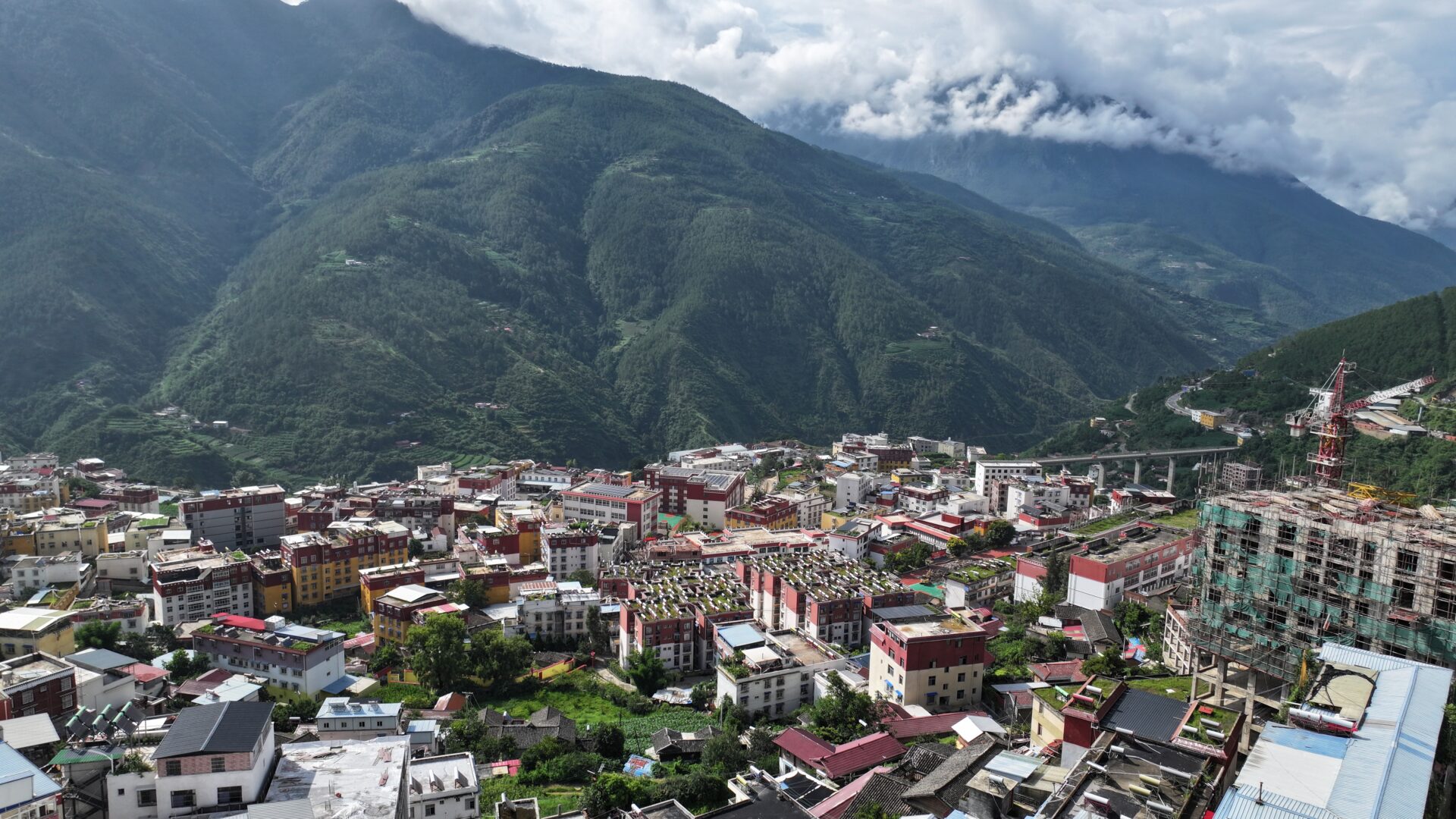
The county itself is mountains and gorges — the Yalong and Litang rivers cut through it — with villages on terraces and pasture above them. The population is Tibetan, with Naxi, Yi and Han communities in different valleys, and the architecture changes as you cross between them: flat roofs and stone here, timber and shingles there.
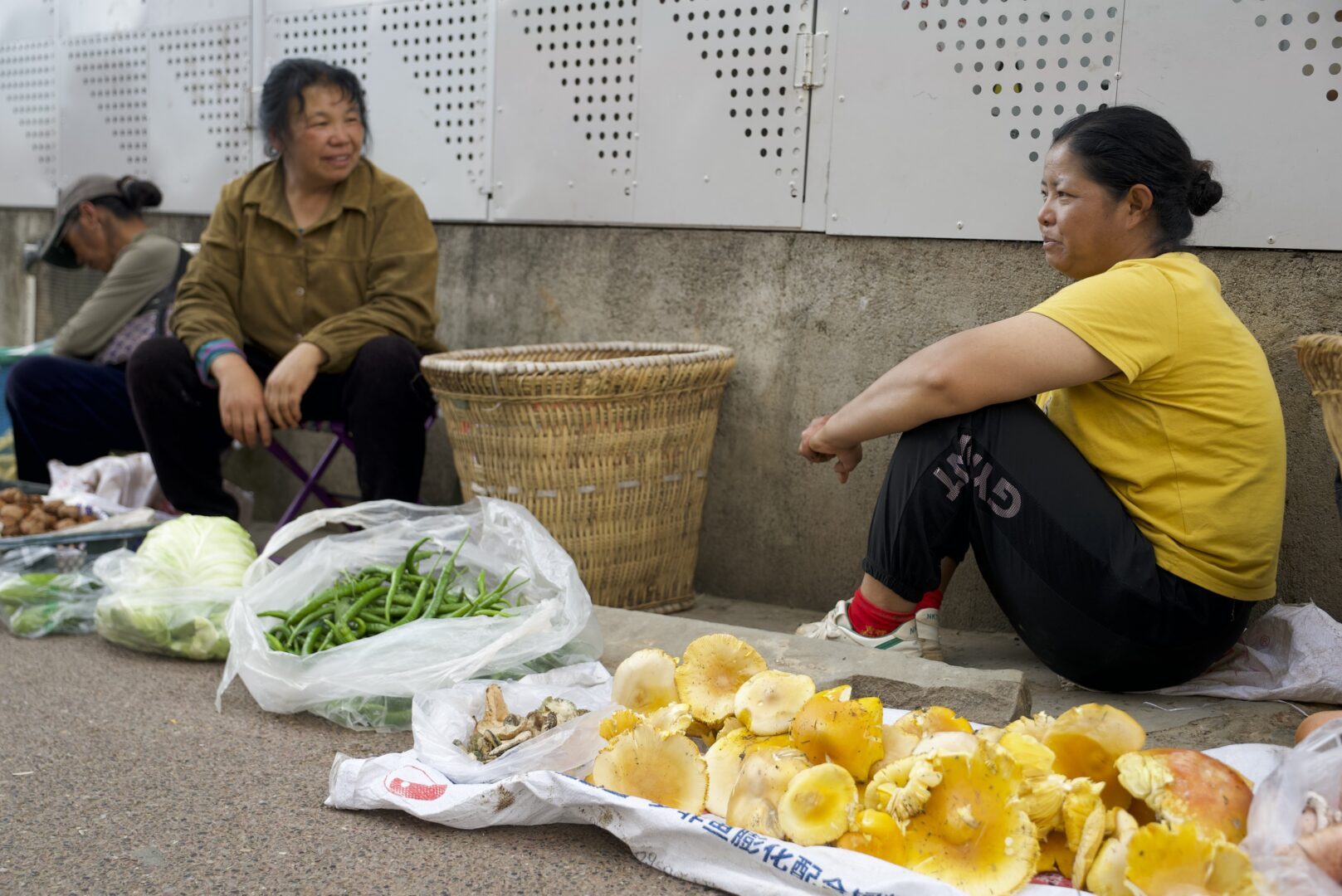
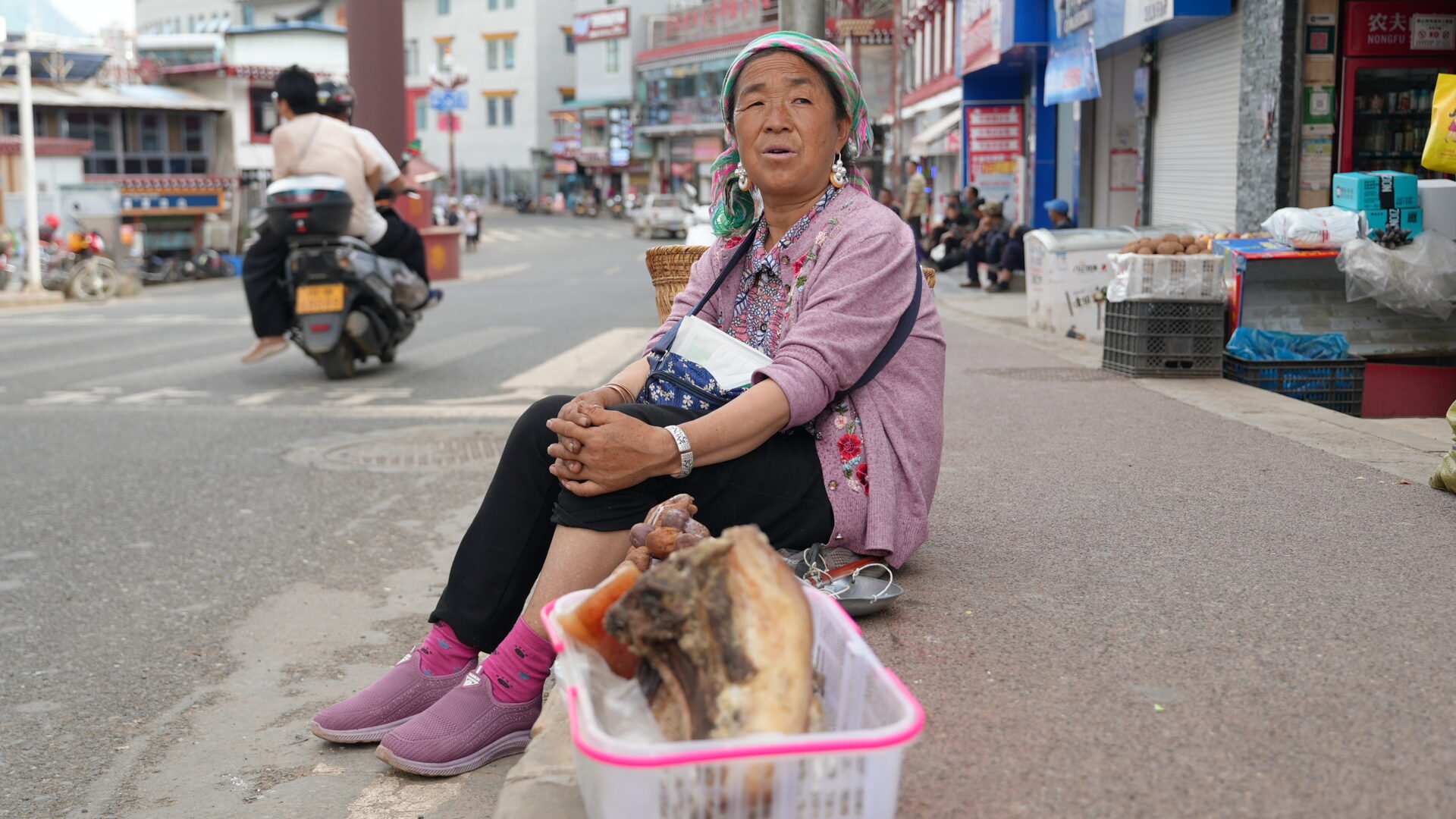
Daily life is agricultural in the way that requires actual labour: maize and buckwheat, mules for transport where roads don’t reach, wood for cooking, and neighbours who help with the harvest because there’s no other way to get it in.
Getting there
Slowly. Muli county town is reachable by road from Xichang, and beyond it the valleys — including Eya — take another day or more of rough driving.
The infrastructure is genuinely improving; roads have reached places that had footpaths a decade ago. It’s still a trip you plan in days, not hours, and the wet season undoes a lot of it.
Being a guest here
Accommodation outside the county town is village homestay, negotiated when you arrive.
- Bring supplies from the last town — oil, salt, tea, sugar, batteries all count as gifts
- Pay well and don’t haggle over a bed
- Ask before you photograph anybody or anything indoors
- Expect no shower, no heating, and generous hospitality out of very little
The word “primitive” gets used about places like this and it’s the wrong word. What’s here is a fully worked-out way of living in difficult terrain that hasn’t been dismantled yet — which is a different thing from a lack of development.
Practical notes
Base: Xichang, which has rail and air links from Chengdu.
When: October to May, the dry season. Summer rains make the mountain roads unreliable and occasionally impassable.
Vehicle: four-wheel drive with a local driver. This is not a hire-car-and-map trip.
Nearby: Eya deeper into the same county, Butuo in Yi country to the east, and the Garzê plateau to the north.
- #sichuan
- #muli
- #tibetan
- #joseph rock
- #remote