
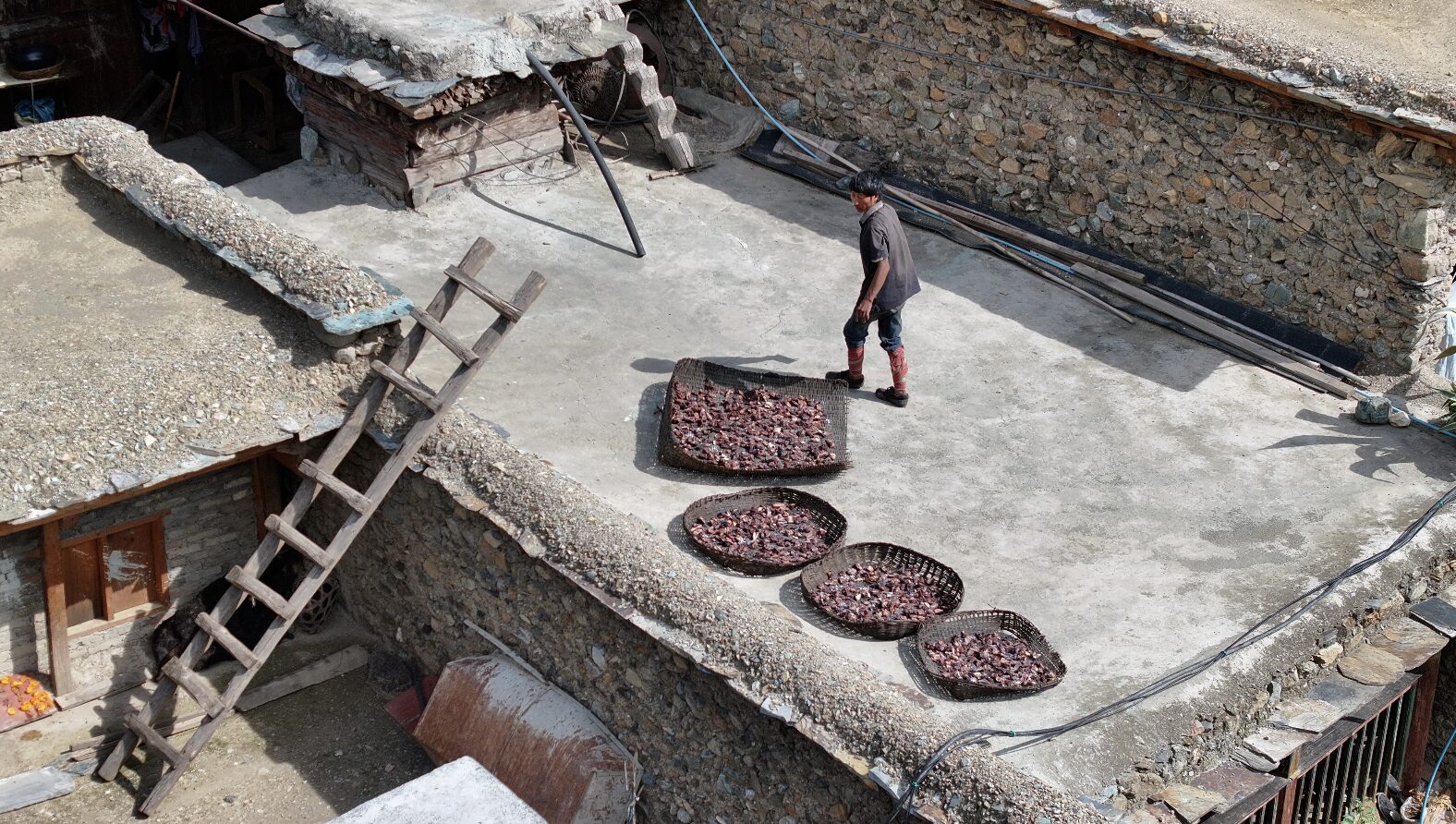
Eya is a stacked stone-and-timber Naxi village so remote that its family structures outlasted every campaign to standardise them. Getting there is two days from the nearest city.
Eya is a Naxi township deep in the valleys of Muli county, southwest Sichuan — one of the hardest-to-reach inhabited places in the province, and the reason it’s known at all is what that isolation preserved.
The marriage question
Eya has been documented as the last place in China where plural marriage persisted as a normal household arrangement rather than an exception — both fraternal arrangements, where brothers share a wife, and their counterparts.
This wasn’t exotic for its own sake. It was land economics. In a valley with very little arable ground, splitting a household’s fields between several sons in each generation destroys the farm within two or three generations. Keeping the brothers in one household keeps the land in one piece, and keeps enough labour on it to work terraces that need a lot of hands.
Similar logic produced similar arrangements across the Himalaya — parts of Tibet, Nepal, Ladakh — wherever land was scarce and the alternative was fragmentation.
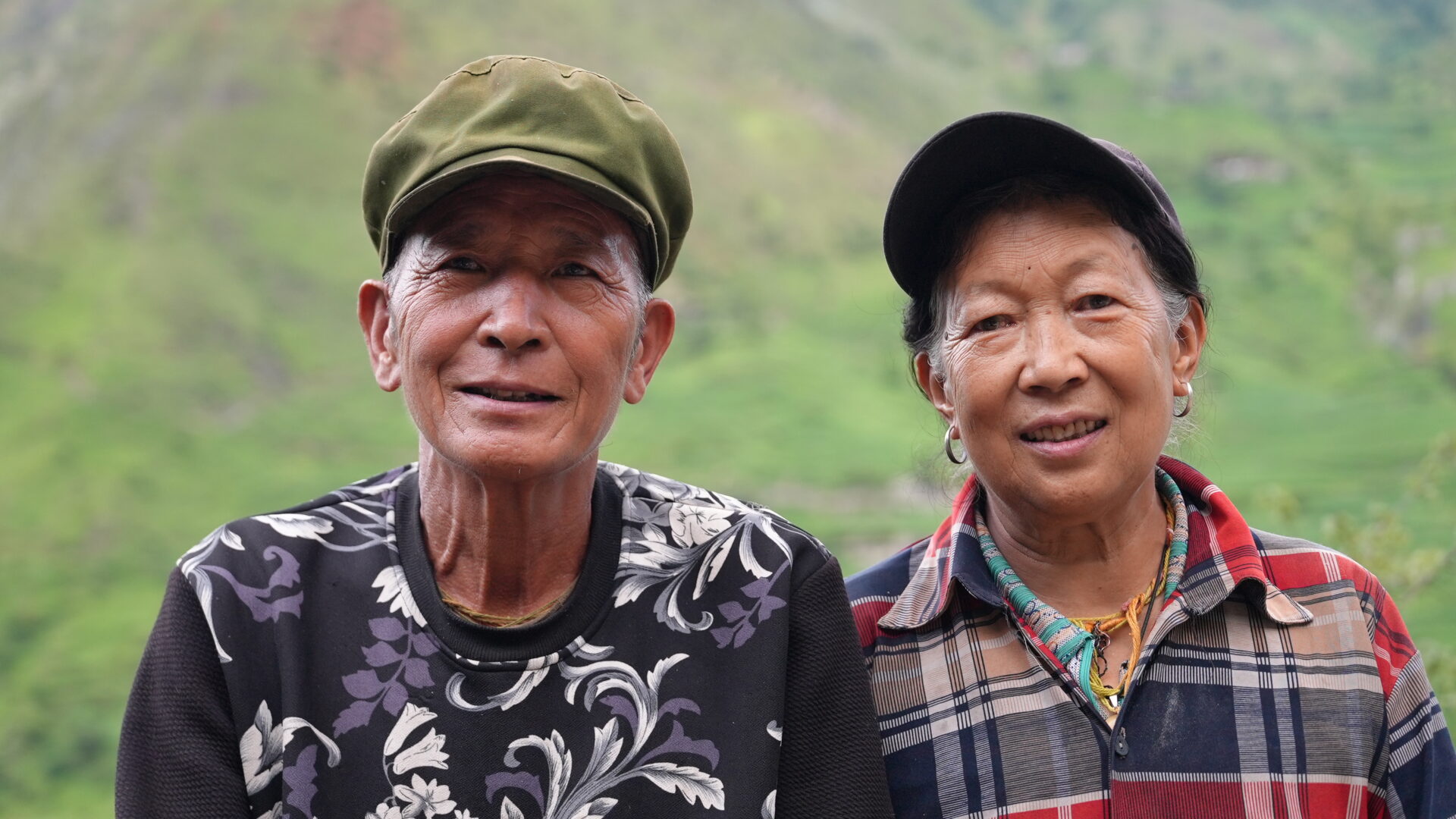
It has largely ended. Younger people leave for school and work, the law is the law, and the economics have changed. What you can see today is the tail end of it, in the older generation, and it isn’t something to go and gawp at.
The village
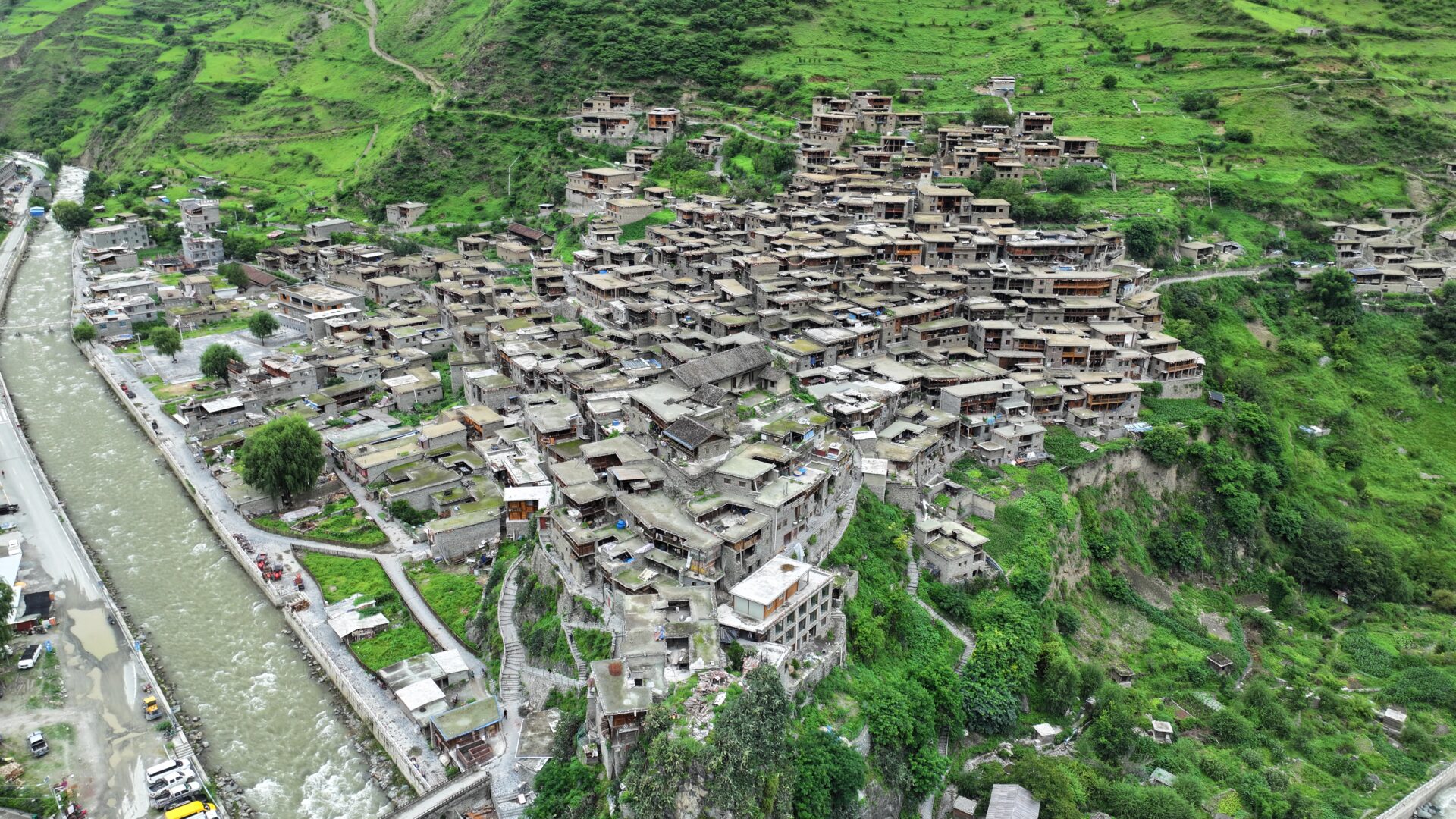
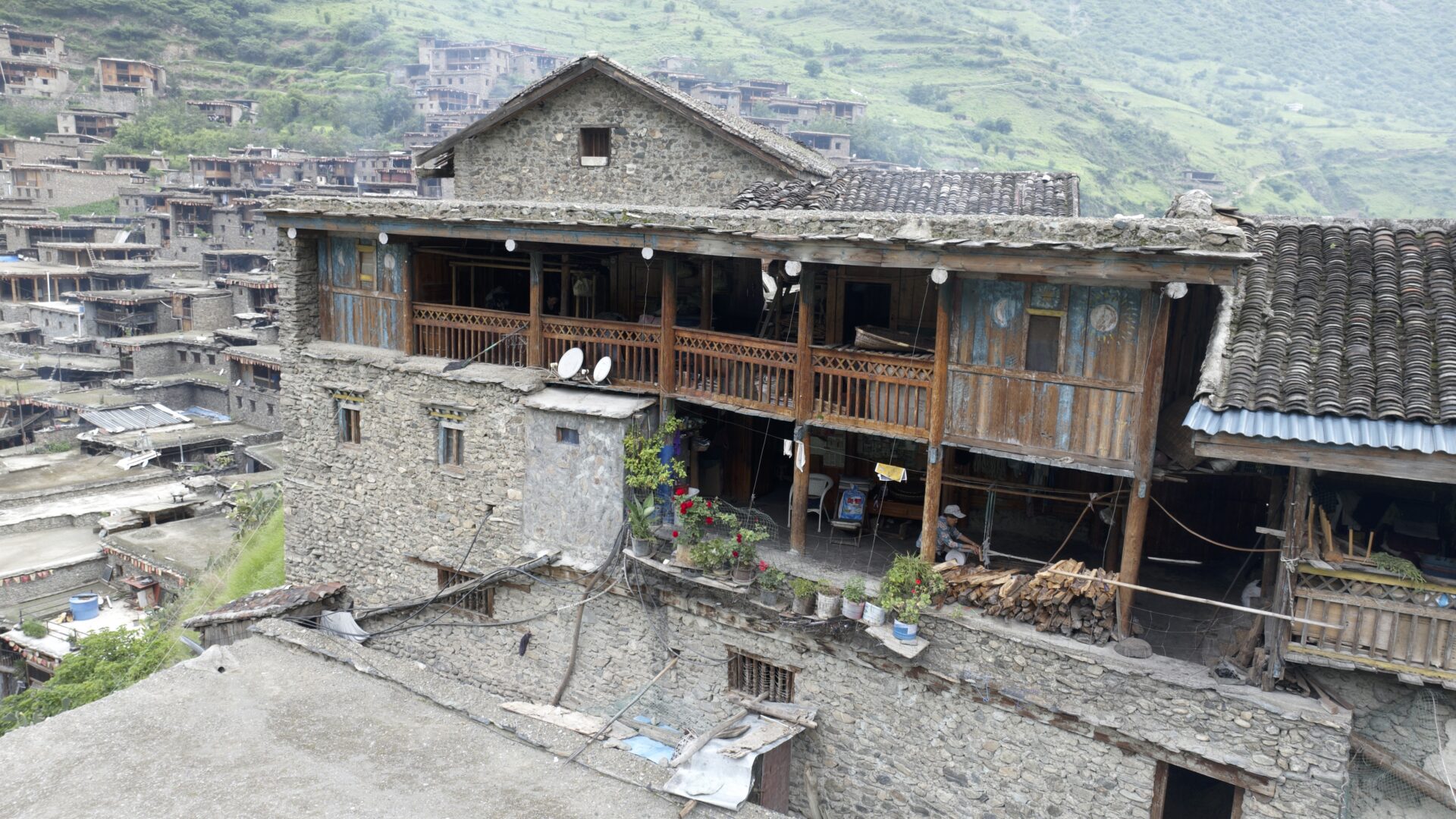
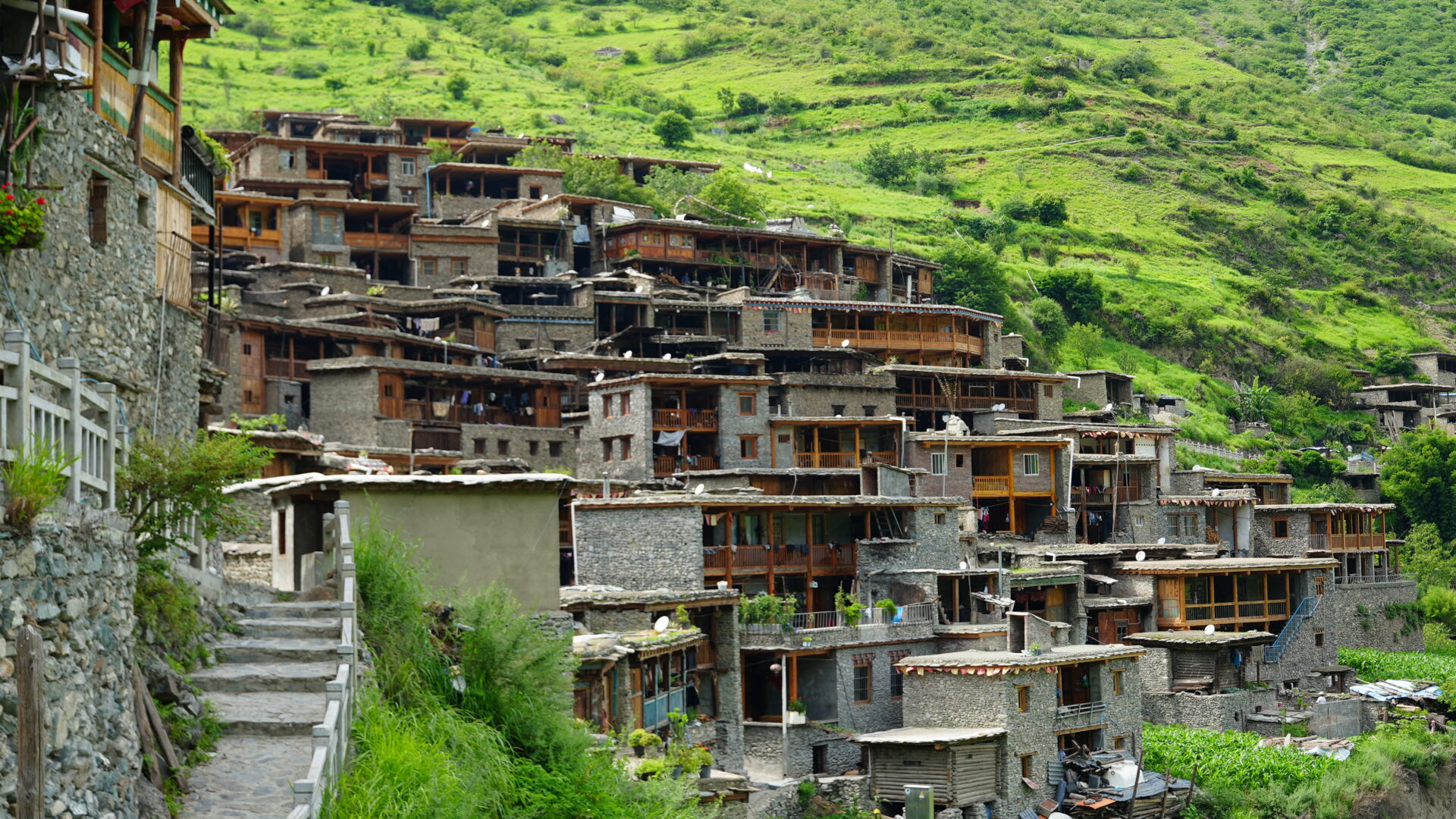
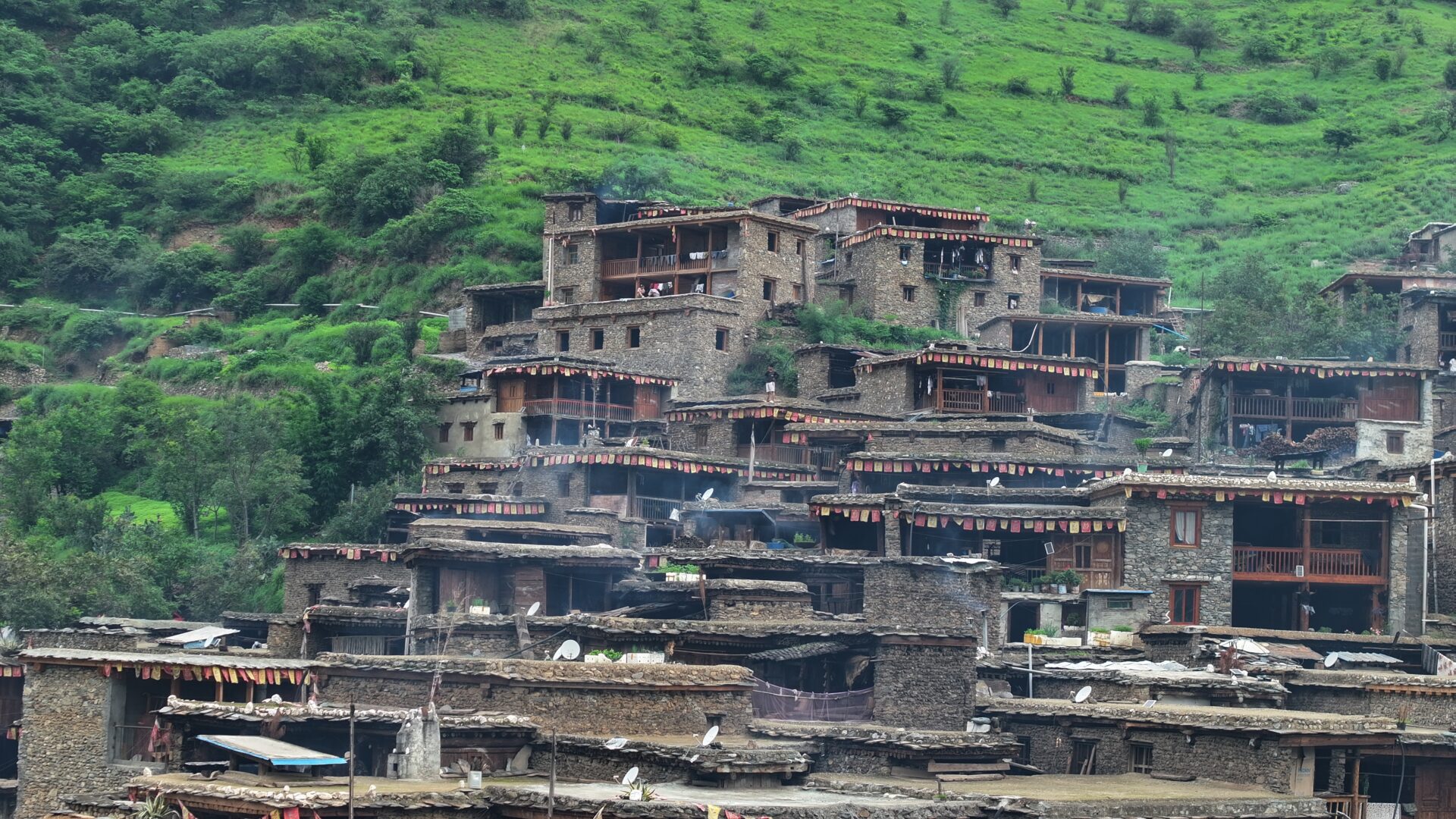
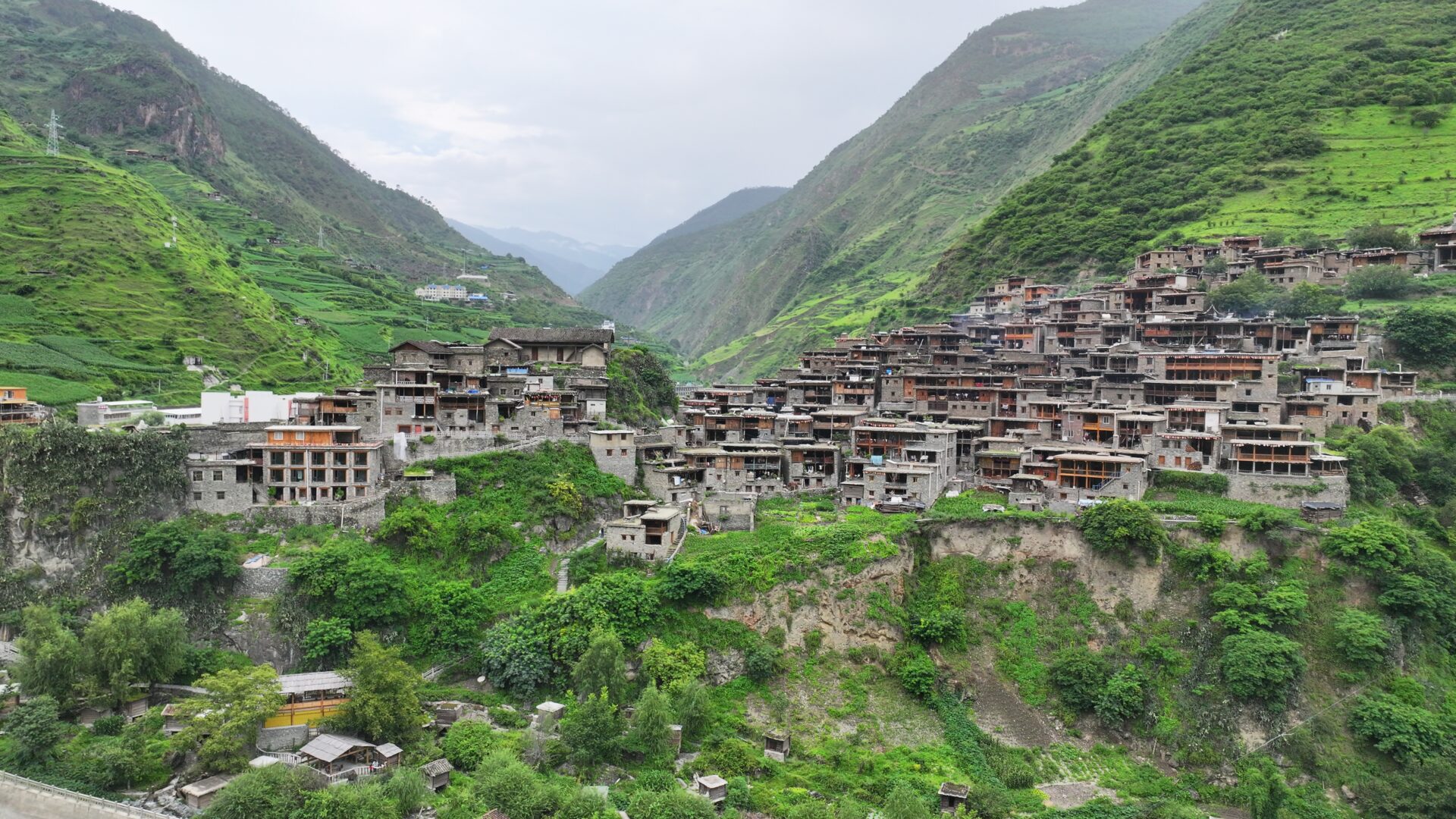
What’s genuinely striking on arrival is the architecture. Eya is built as a single mass: flat-roofed stone and timber houses stacked directly against and on top of each other up the hillside, so one household’s roof is the next one’s terrace. Ladders and alleys thread between them. From across the valley it reads as one structure rather than a settlement.
The Naxi here are a southern branch of the same people who built Lijiang — related language, related religious tradition, an entirely different degree of contact with the outside world.
One of the last villages in China where the road only recently arrived
Life is farming and livestock: maize, buckwheat, potatoes, some barley higher up, goats and pigs. Terraces, hand tools, mule transport for anything heavy.
Getting there
This is the part to plan around. Eya is a long way down rough road from Muli county town, which is itself a long way from anywhere. Expect two days from Xichang, four-wheel drive, and a driver who has done the route. Rain makes it worse; there are stretches that wash out.
There is no hotel. Village homestay, arranged on arrival, is the accommodation.
Visiting well
A place this isolated, known publicly for its marriage customs, is easy to visit badly.
- Don’t lead with the marriage question. It’s a household matter and people are aware of why outsiders turn up.
- Ask before photographing anyone, any house interior, any child.
- Pay properly for your bed and your food, and bring supplies from the last town — cooking oil, salt, tea, batteries are all useful.
- Accept what you’re given and don’t ask for anything better.
Practical notes
When: the dry months, roughly October to May. Summer rain closes the approach.
Altitude: the valleys are moderate but the passes en route are high; you’ll be crossing serious ground to get in.
Nearby: Muli county and its monastery, Butuo across in Yi country, and Litang up on the plateau.

- #sichuan
- #eya
- #naxi
- #muli
- #remote