
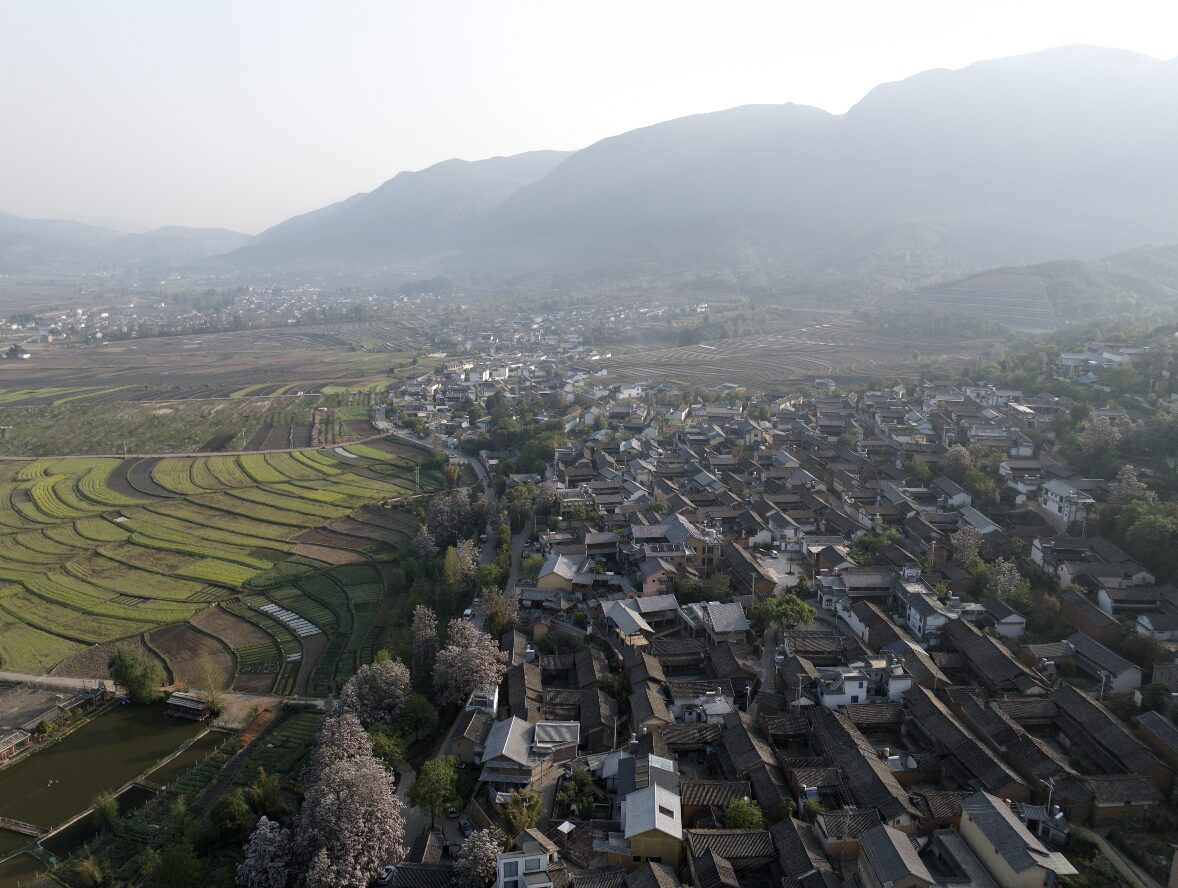
Lijiang's old town is a UNESCO site and busy with it. What makes the trip is what surrounds it — Jade Dragon Snow Mountain, quieter Naxi villages, and Tiger Leaping Gorge on the way to Shangri-La.
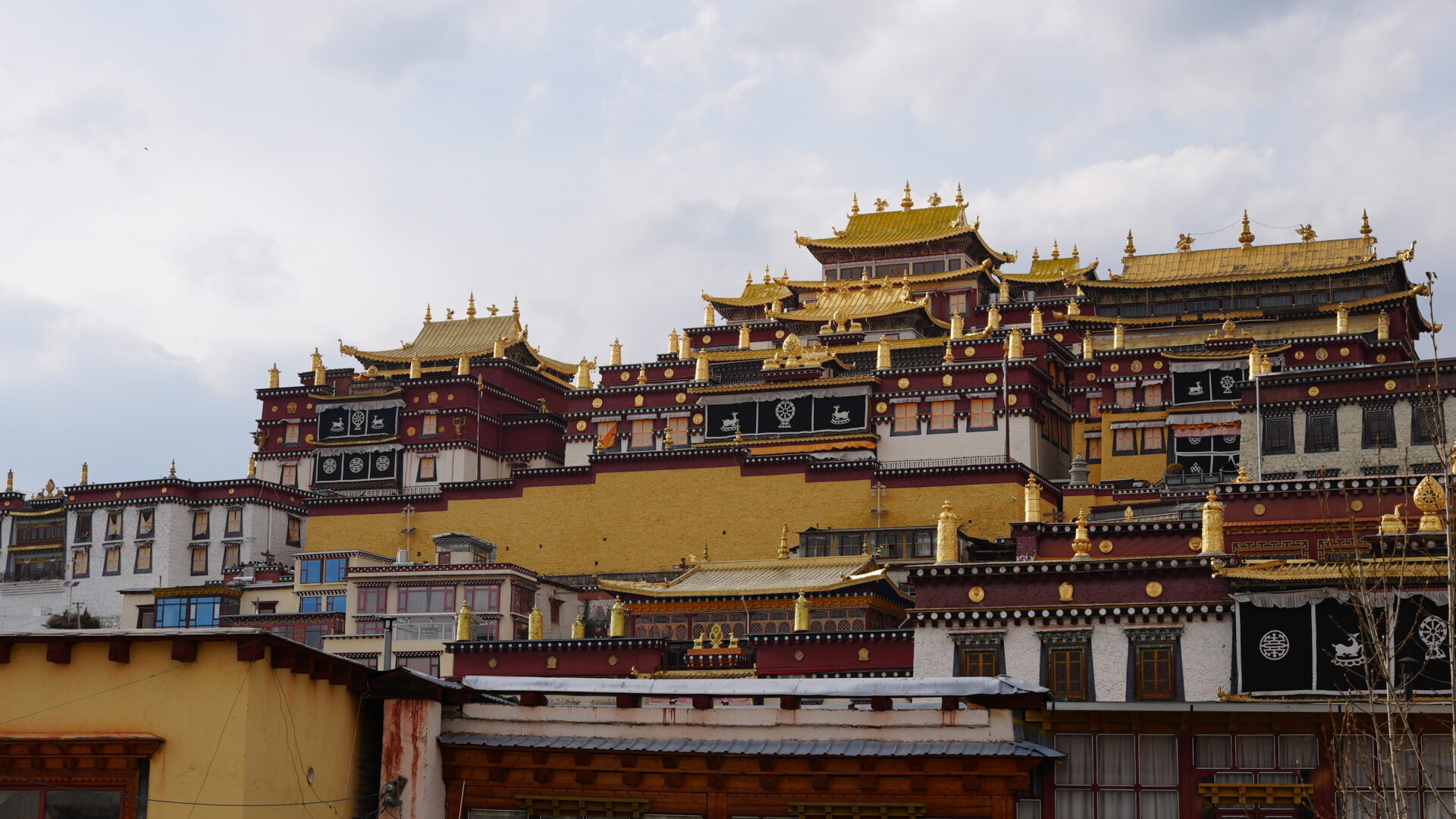
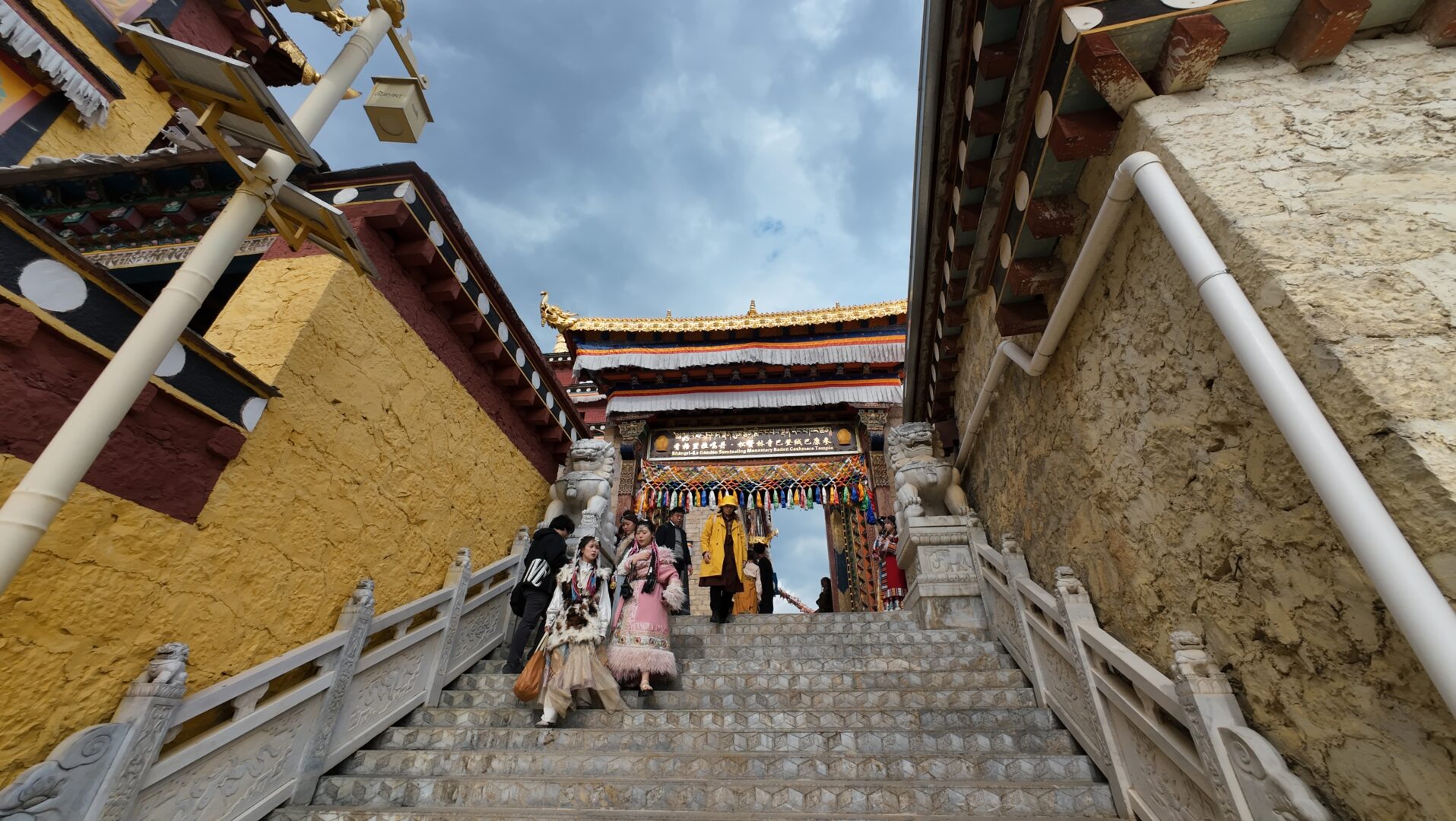
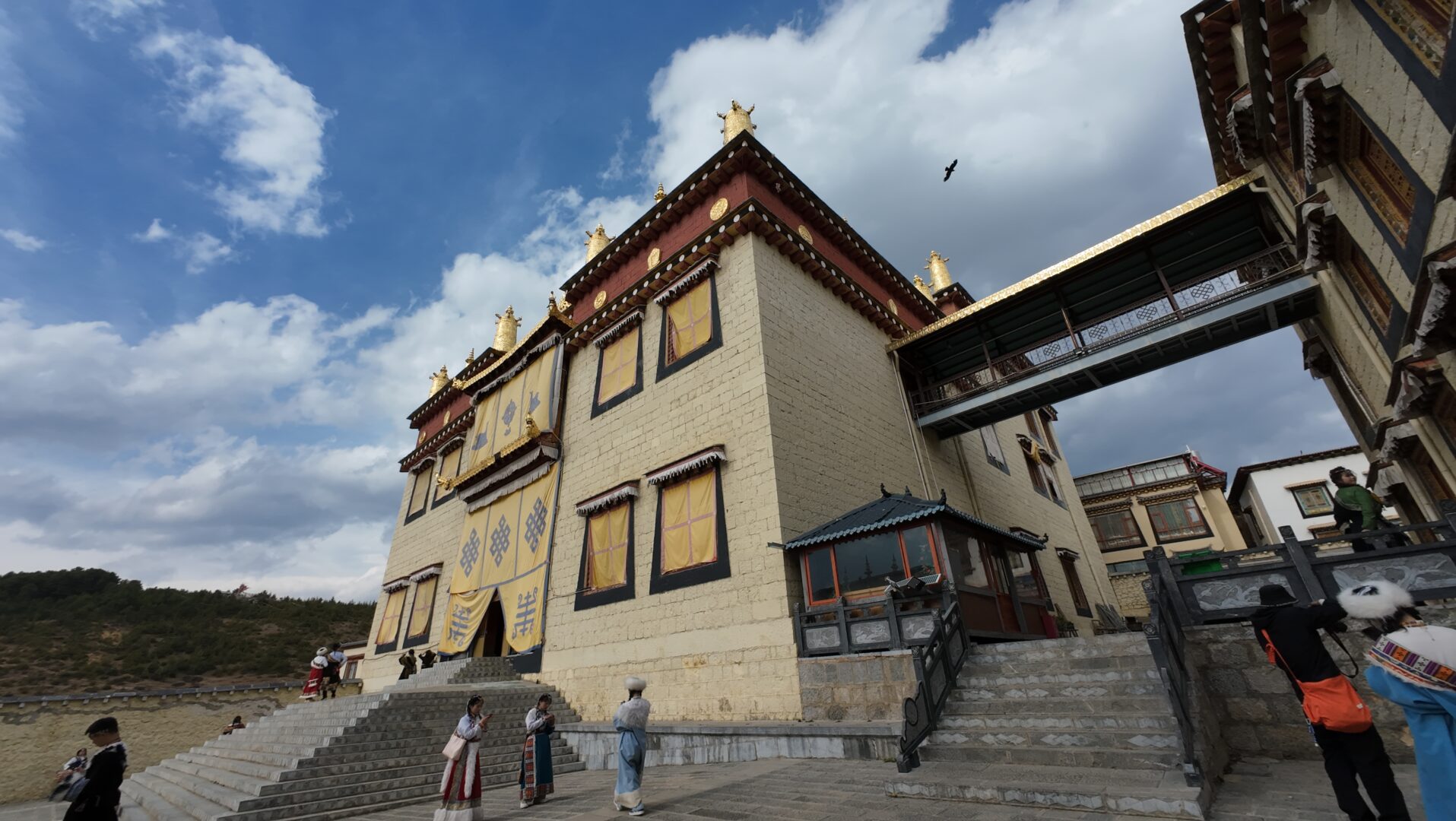
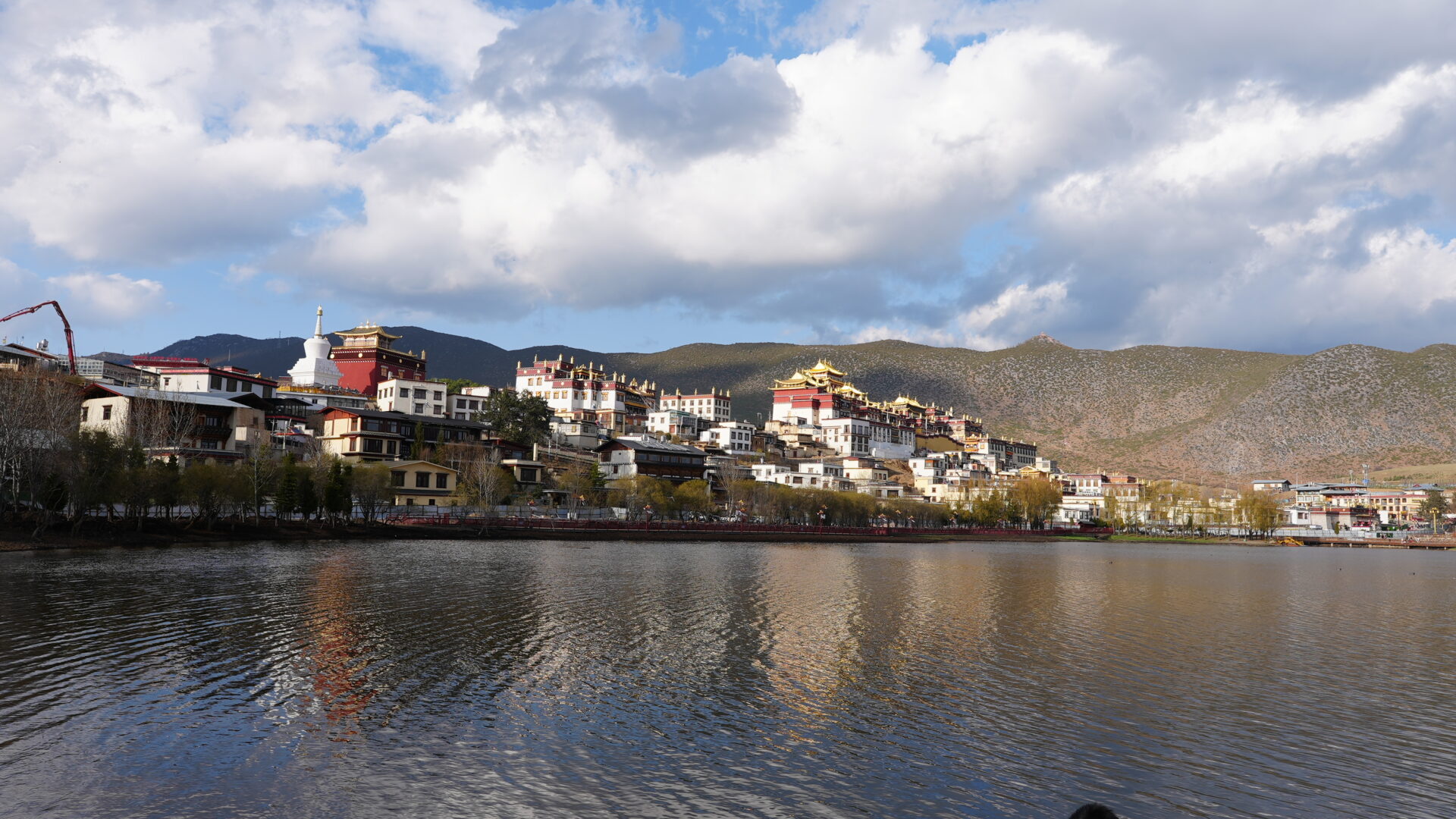
First, a clarification, because the names get muddled: Lijiang is not Shangri-La. Shangri-La is Zhongdian, a Tibetan town about 180 kilometres north, renamed in 2001 after the novel. Lijiang is the Naxi town at the bottom of that same road, and the two make a natural pairing — which is how they ended up conflated.
Lijiang sits at 2,400 metres under Jade Dragon Snow Mountain, a 5,596-metre wall of rock and ice that dominates every northward view in the valley.
The old towns, plural
Dayan, the main old town, is a UNESCO World Heritage site: a lattice of cobbled lanes, canals fed from a spring at the north end, and timber shopfronts under grey tile. It is also extremely popular — several million visitors a year — and by mid-morning the central streets are shoulder to shoulder.
Two responses. Be there at 6am, when the lanes are empty, the canals are audible and the shopkeepers are sweeping. Or go to one of the others:
- Shuhe, a few kilometres out, is the same architecture with a fraction of the crowd
- Baisha, further north and the oldest of the three, is a working village with Ming-era frescoes in its temple and almost no commerce
The morning market — the part of the old town that still belongs to the residents
Naxi culture
The Naxi are one of the more distinctive of China’s ethnic groups, and two things set them apart.
Dongba script is a pictographic writing system — one of very few still understood by living practitioners — used for religious texts by dongba priests. You’ll see it on signage everywhere; the real thing is in the research institute and a handful of temples.
Naxi ancient music is a repertoire of Tang and Song court and ritual pieces preserved locally after it disappeared elsewhere, played on instruments that no longer exist outside this valley. Performances range from genuine ensembles to tourist filler; ask locally which is which.
The mountain
Jade Dragon has never been summited. Three cable cars go up its flanks, the highest reaching around 4,500 m, where there’s a boardwalk and a great deal of laboured breathing — take the altitude seriously, and note the oxygen canisters everyone is carrying are not a gimmick.
Below it, Blue Moon Valley has water so mineral-laden it looks artificially coloured, and the alpine meadows at Yunshanping are an easy walk.
Tiger Leaping Gorge
Between Lijiang and Shangri-La, the Jinsha river — the upper Yangtze — runs through a gorge with 3,000 metres of relief above it. The high trail takes two days at a comfortable pace, with guesthouses along the way, and is one of the best walks in China. A day version from Qiaotou is entirely feasible.
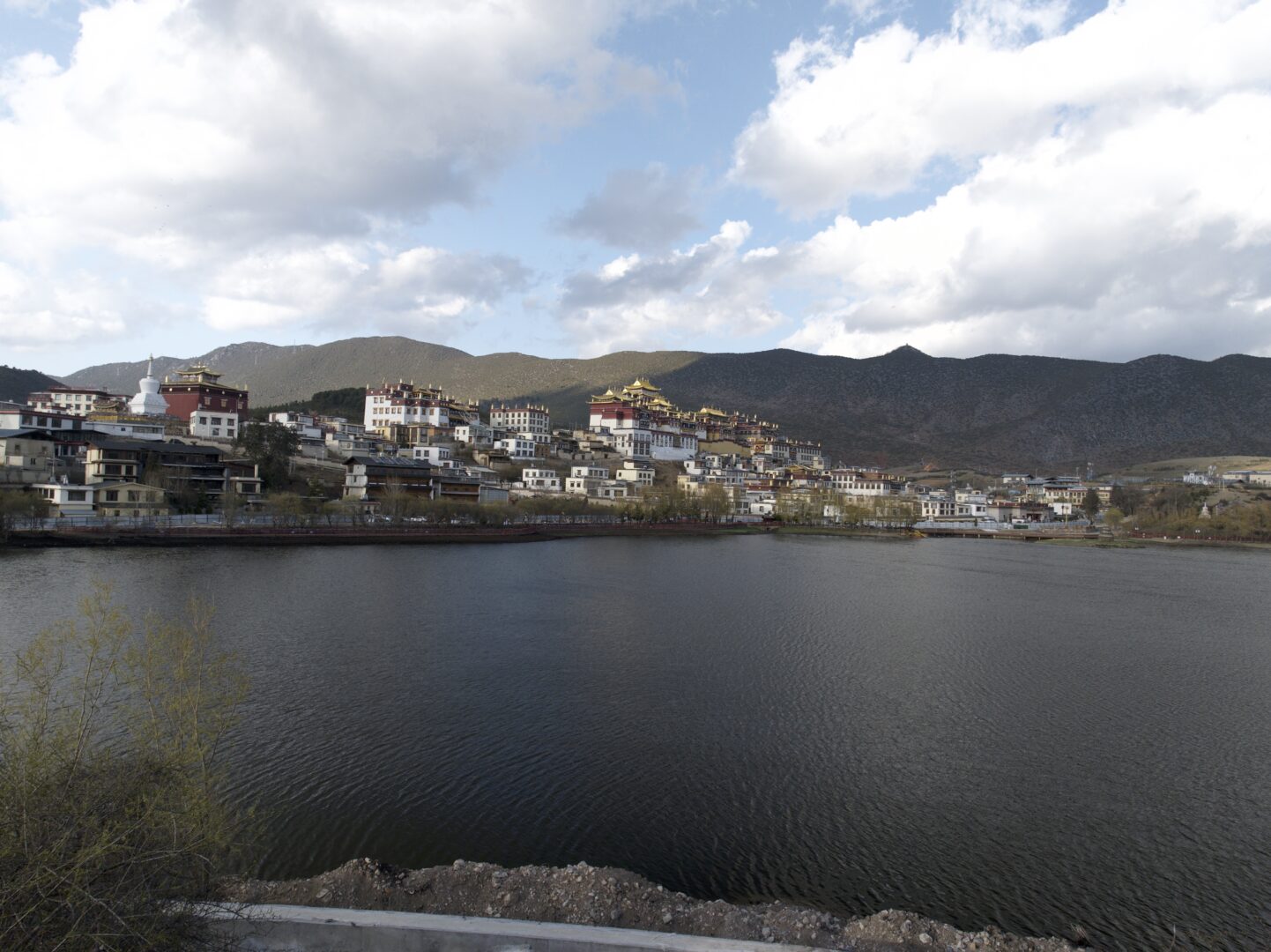
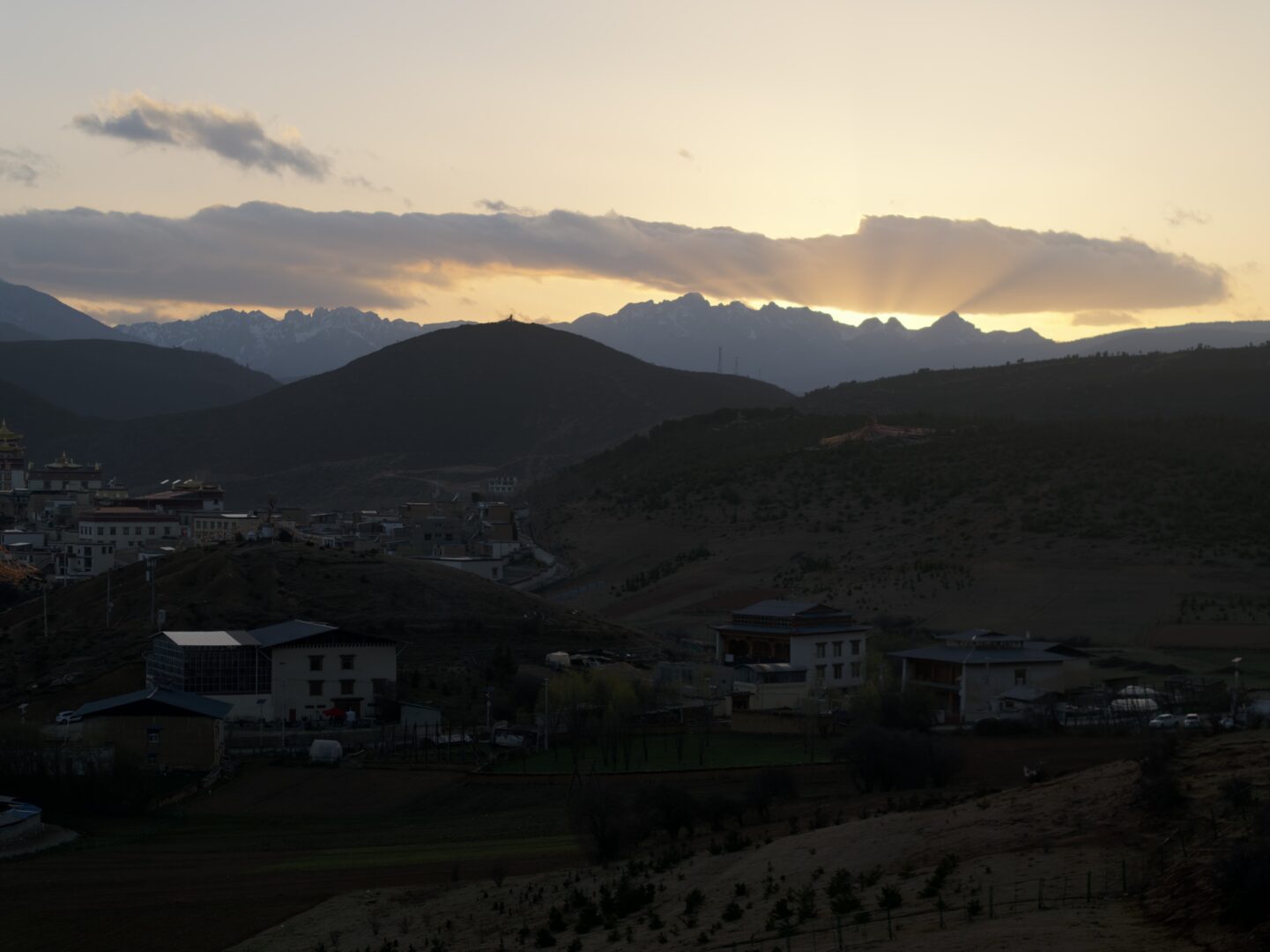
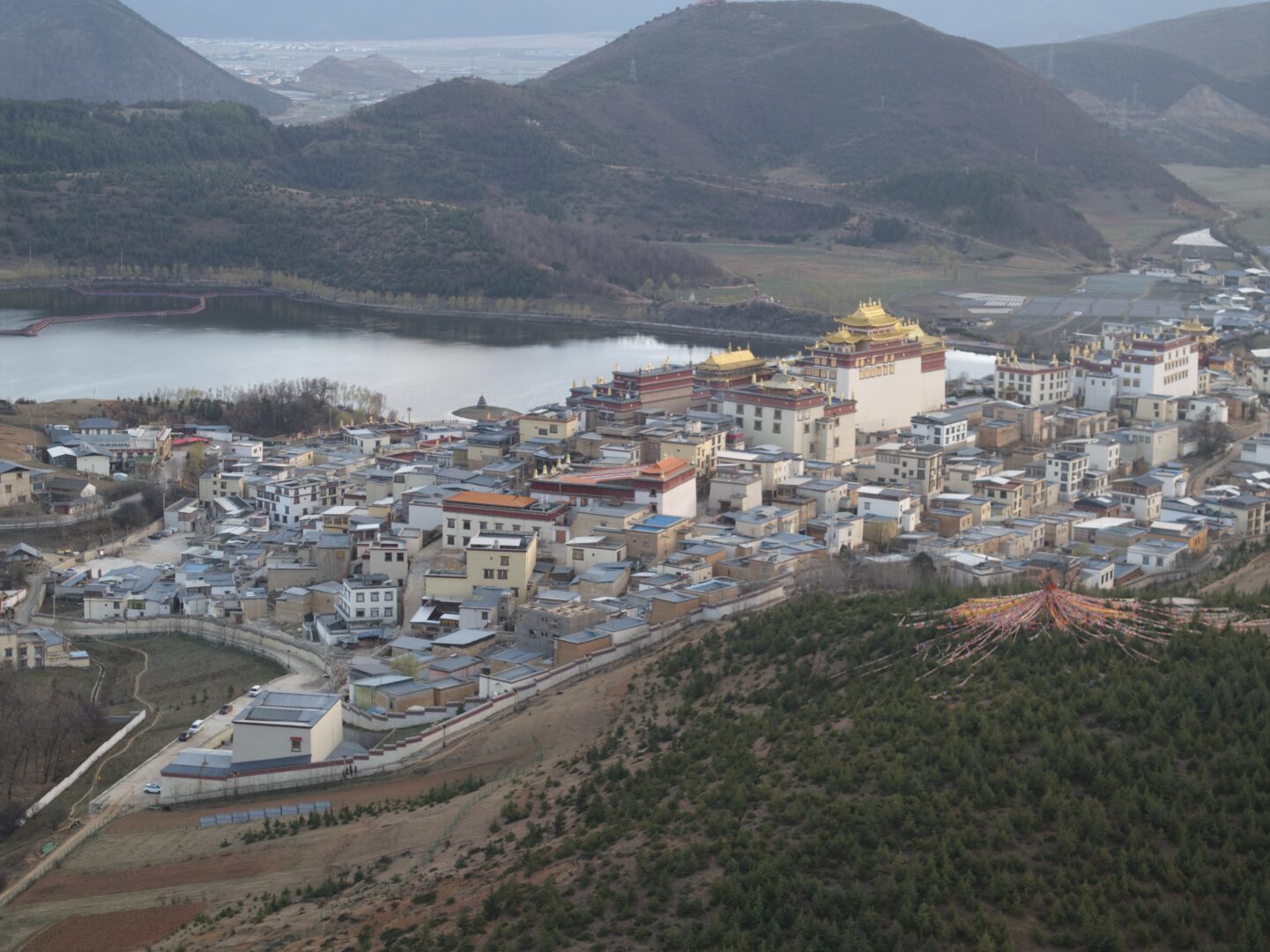
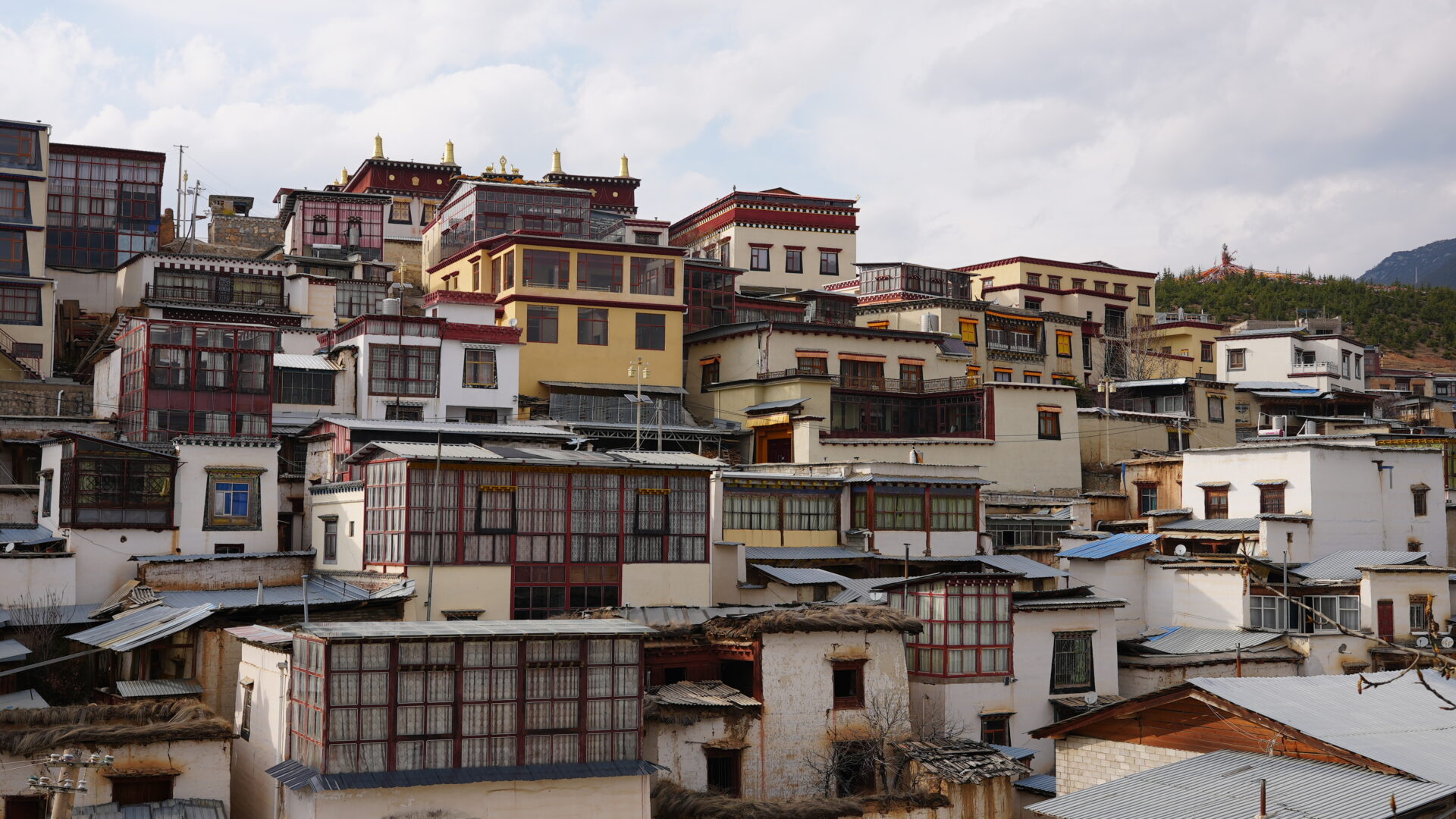
North of that, the road climbs onto the plateau and the culture turns Tibetan: Shangri-La, then Deqin under Meili Snow Mountain, and eventually the Nujiang valley or Cizhong.
Practical notes
When: March to June, September to November. Winter is clear, cold and quiet, and the mountain is at its best. Avoid national holidays entirely.
Getting there: high-speed rail from Kunming (about three hours) or Dali (about 90 minutes).
Altitude: 2,400 m in town, 4,500 m on the cable car. Don’t do both on your first day.
Old town fee: a maintenance charge applies to the old towns; keep the receipt, it’s checked at some sites.
- #yunnan
- #lijiang
- #naxi
- #shangri-la
- #tiger leaping gorge