
Deqin sits at the northwest corner of Yunnan beneath Meili Snow Mountain, whose main summit has never been reached. After 1991, when a climbing expedition was wiped out, it was closed for good.
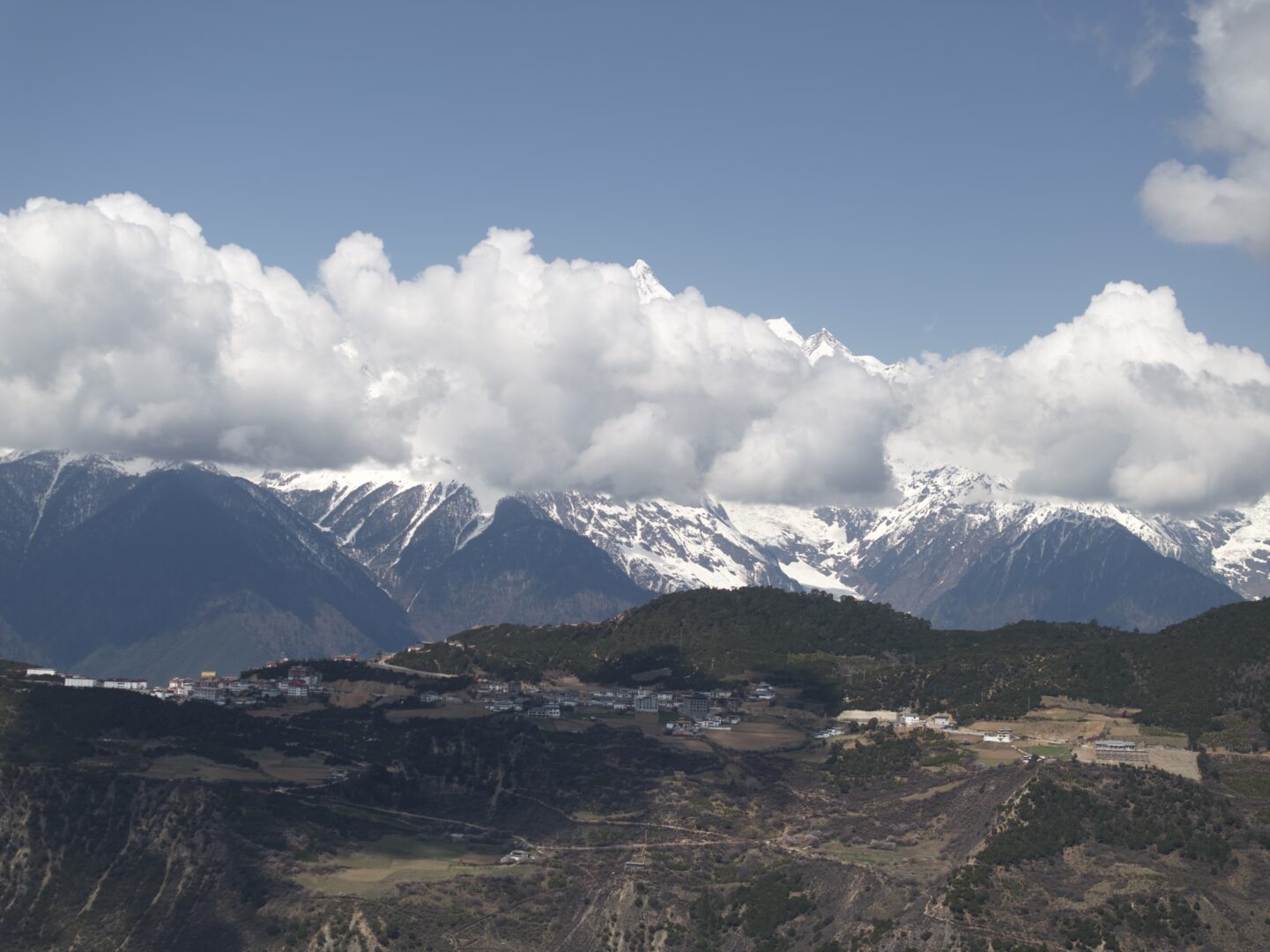
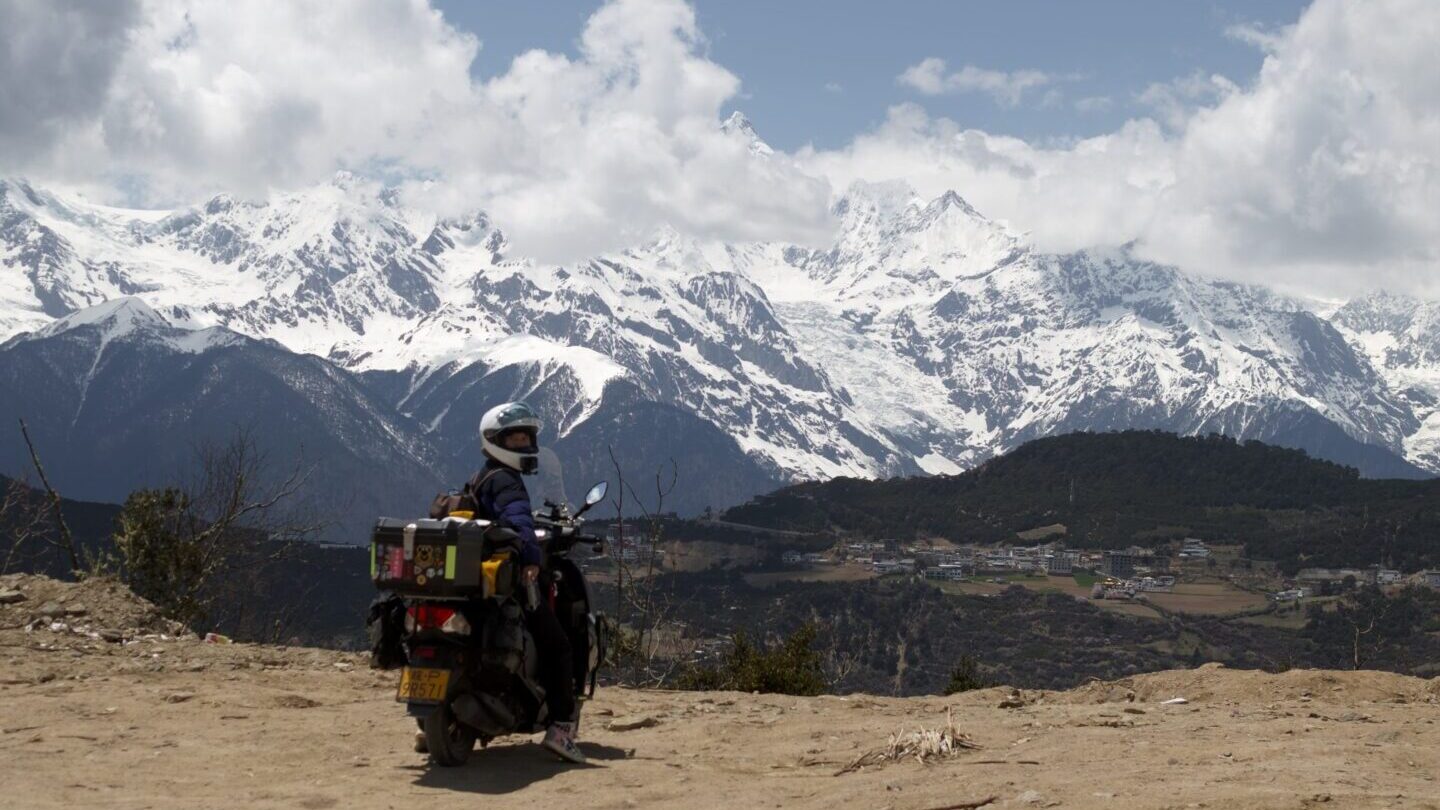
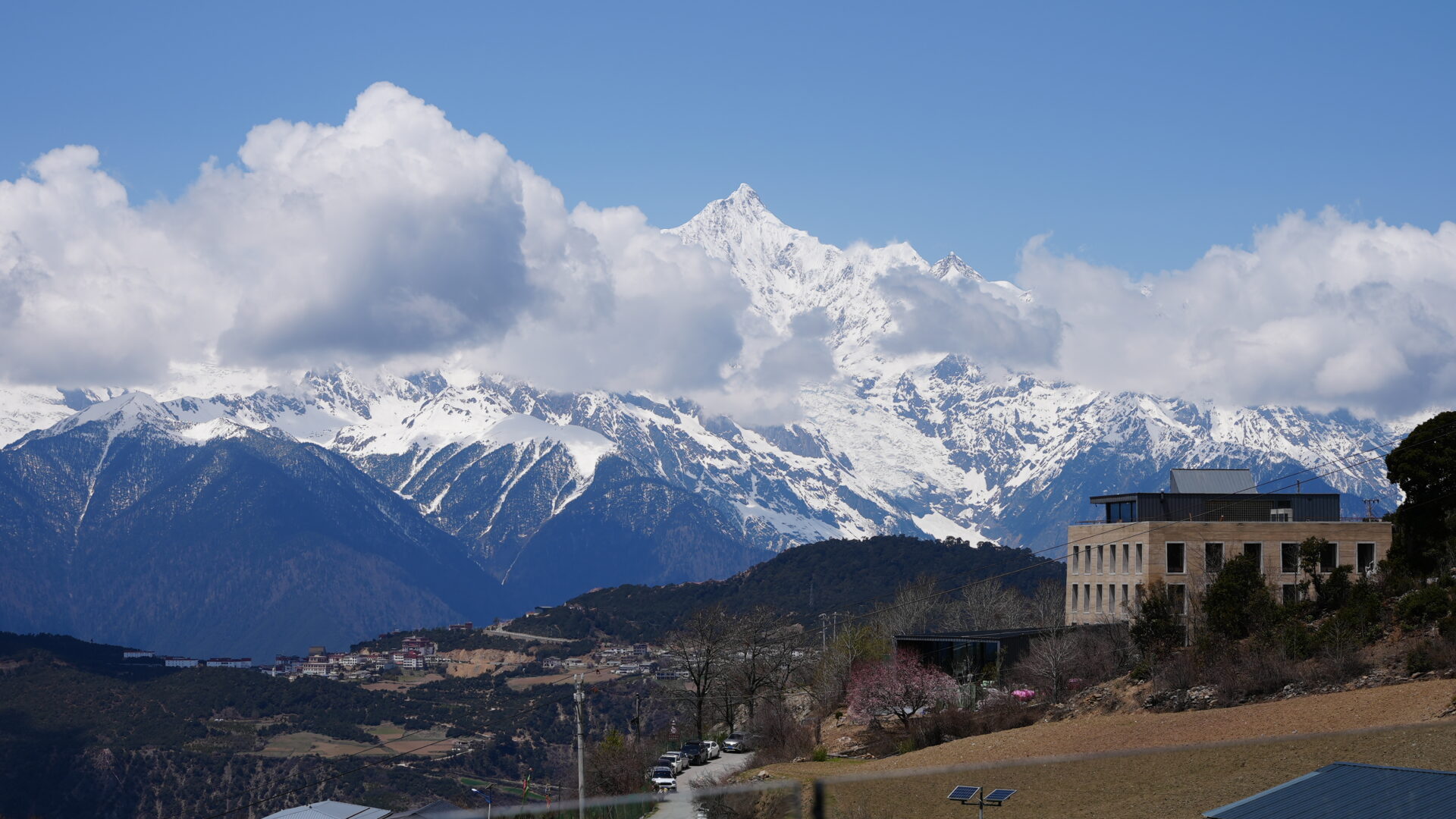
Deqin is the last county in the far northwest of Yunnan, in Diqing Tibetan Autonomous Prefecture, where the province runs out against Tibet. Everything here is oriented toward one thing: the Meili Snow Mountain range, and specifically its main summit, Kawagarbo, at 6,740 metres.
Kawagarbo has never been climbed. Attempts were made; the decisive one was in the winter of 1990–91, when an avalanche killed all seventeen members of a joint Sino-Japanese expedition. Local Tibetans, for whom the peak is one of the most sacred in the Kham region, had opposed the climb. Climbing was subsequently prohibited by law and remains so.
It is one of very few major mountains on earth whose summit no human has stood on, and knowing that changes how it looks.
Sunrise at Feilai Temple
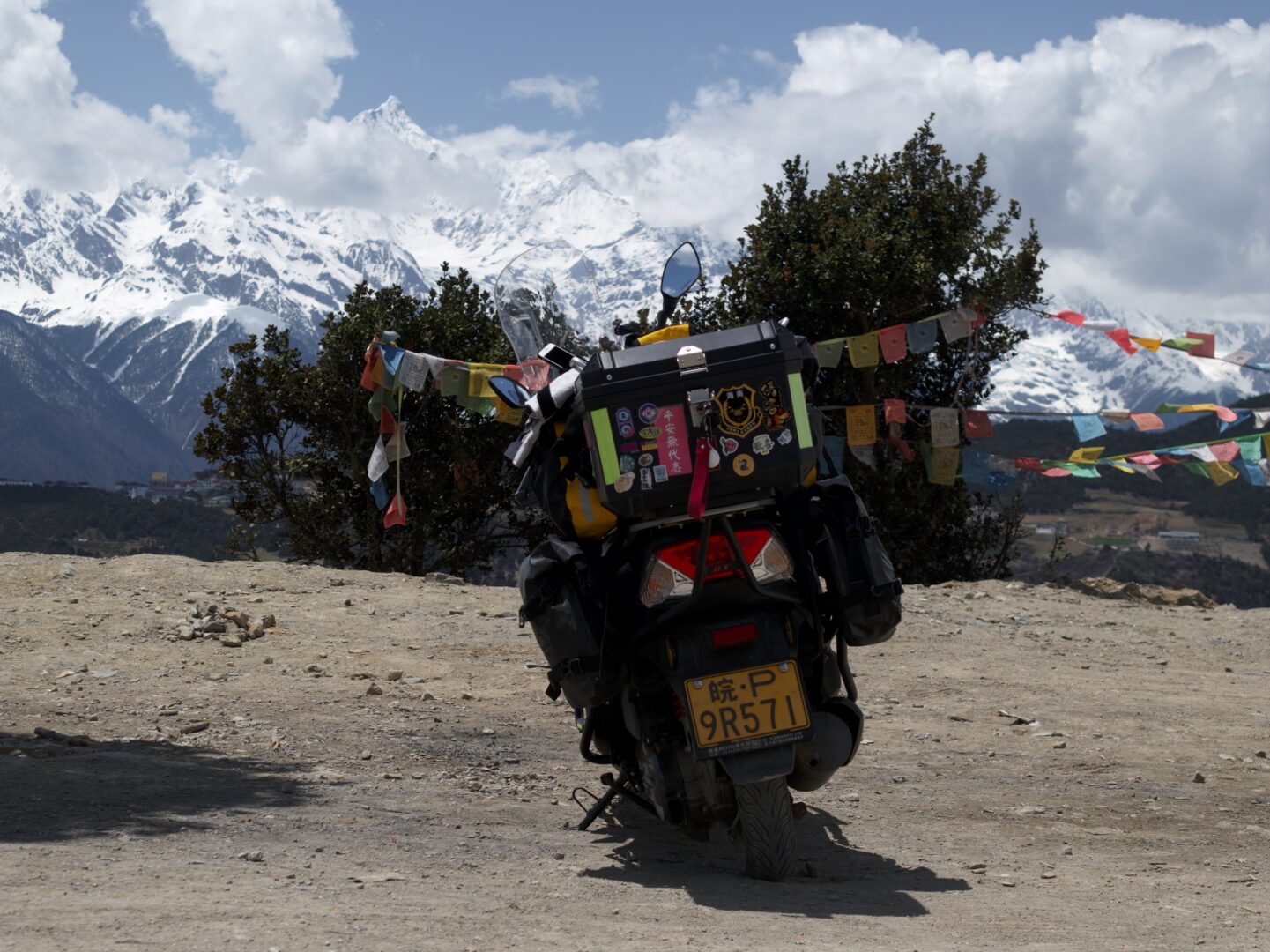
The standard and correct thing to do here is to be at Feilai Si (飞来寺), across the valley from the range, before dawn.
If the sky is clear, the summits turn gold from the top down over about twenty minutes — the rizhao jinshan, the “sun-lit golden mountain” — while everything below stays blue and cold. Pilgrims come for this, and prostrate at the roadside chorten while it happens.
The catch: cloud. The range makes its own weather, and a fortnight of cloud is entirely possible. October to December offers the best odds, with clear dry air and low cloud base. Plan several mornings rather than one and treat any clear dawn as a gift.
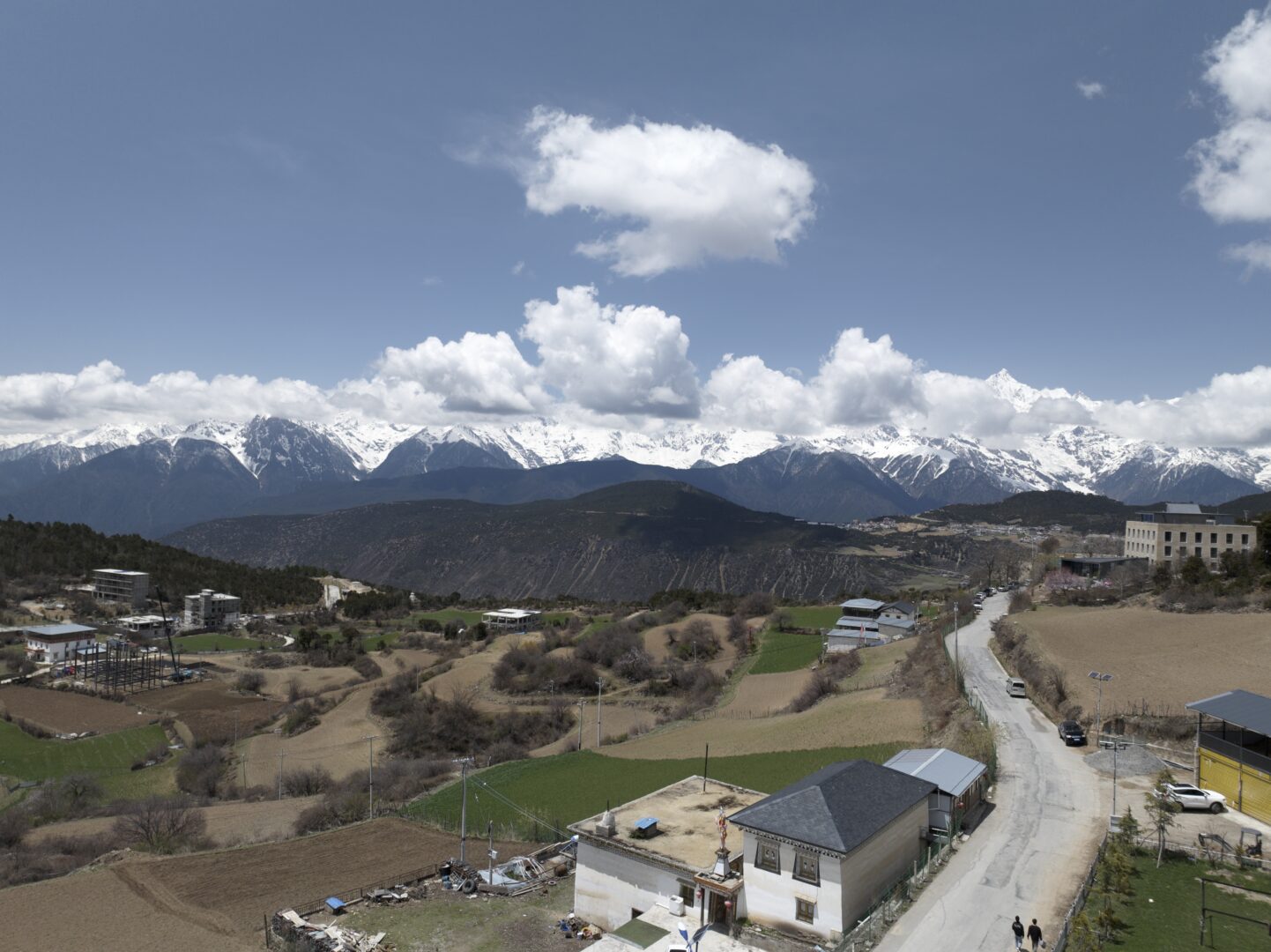
The Meili range at first light
Walking
Yubeng (雨崩) is the trek: a Tibetan village in a hanging valley on the far side of the range, reached on foot (or by hired 4WD on a rough road now built partway in). From the village, day walks go to the glacier terminus and up to a sacred lake. Two or three days is right; guesthouses are basic and full in season.
Mingyong glacier descends off Kawagarbo’s east face to an unusually low elevation for this latitude — a boardwalk and steps climb toward the ice past a small monastery. It has retreated substantially within living memory, and locals will tell you exactly how far.
The kora — the pilgrimage circuit of the whole range — takes around ten days and crosses into Tibet. It’s a serious undertaking with permit implications; see restricted areas.
The culture
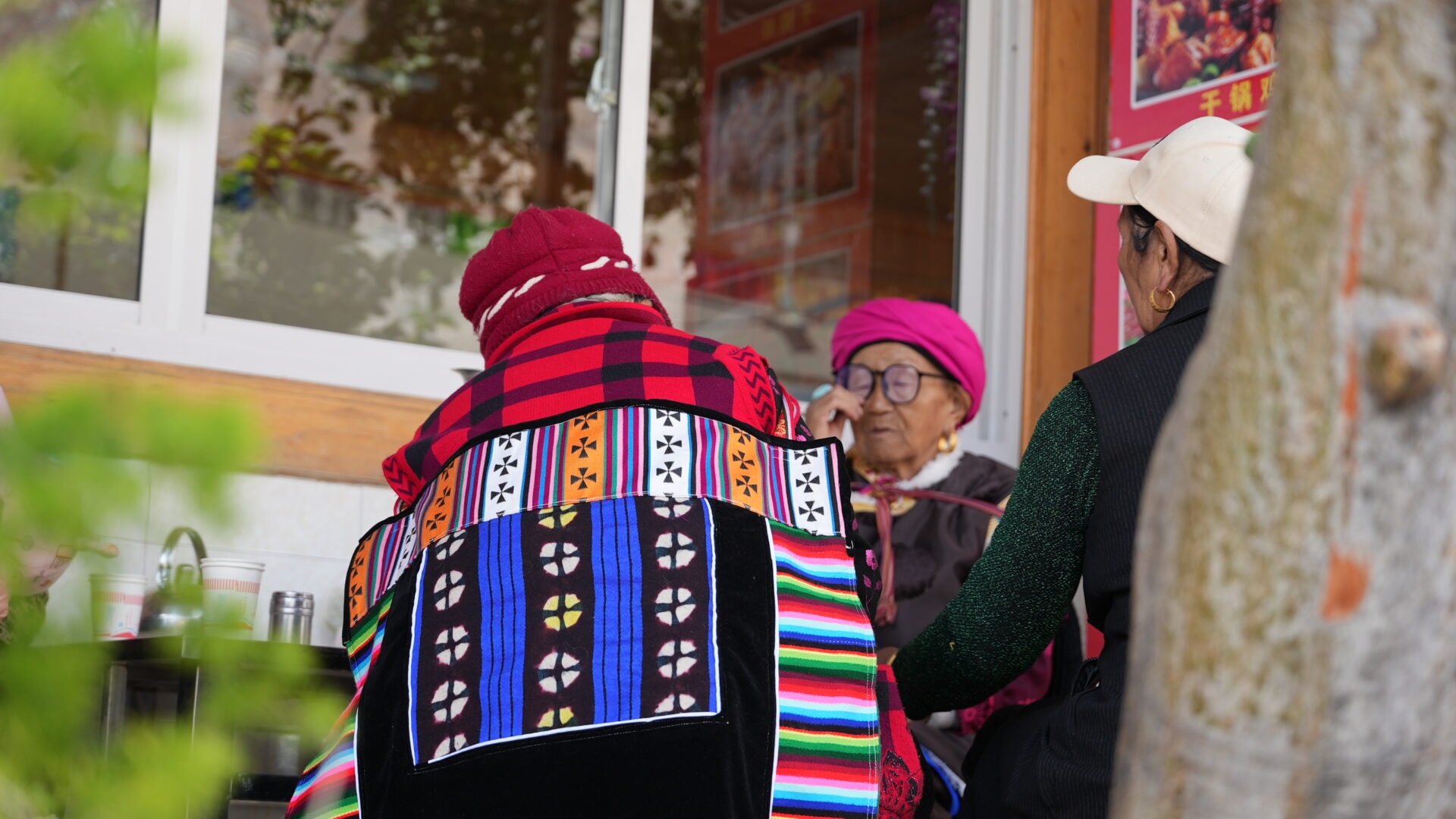
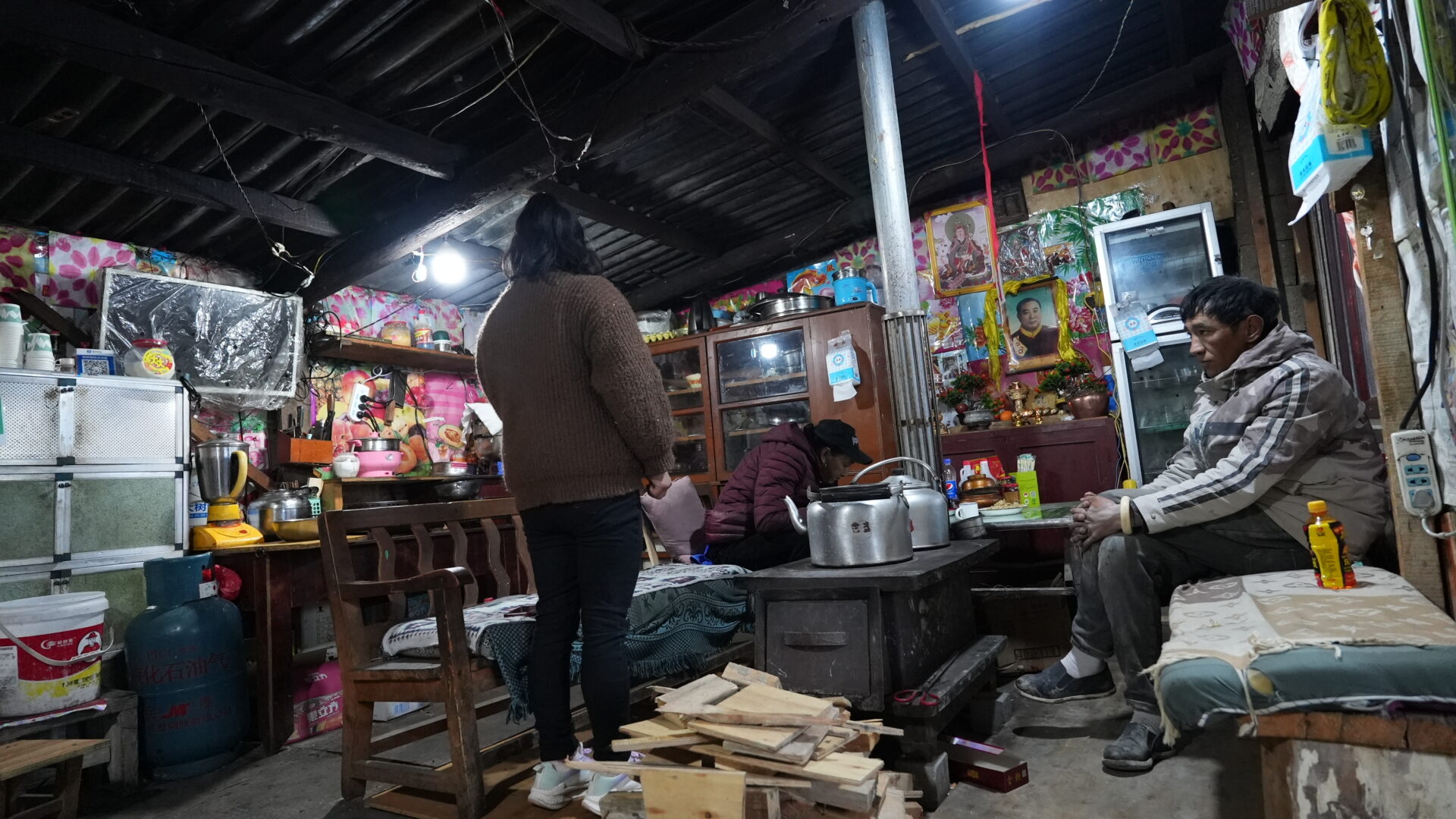
This is Tibetan country, culturally continuous with Kham but outside the Tibet Autonomous Region — meaning no Tibet permit is required, which is why northwest Yunnan is the easiest way into Tibetan culture in China.
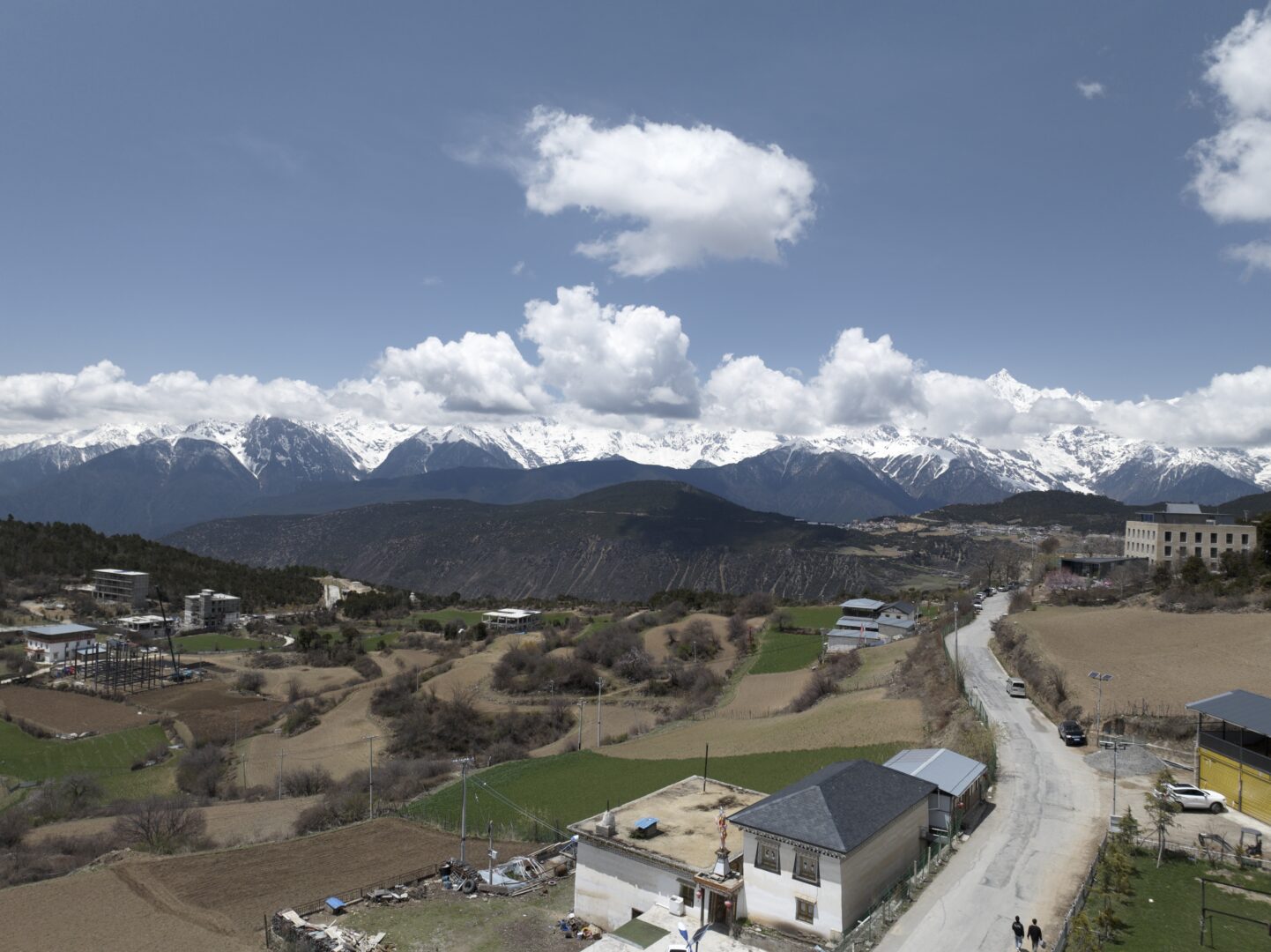
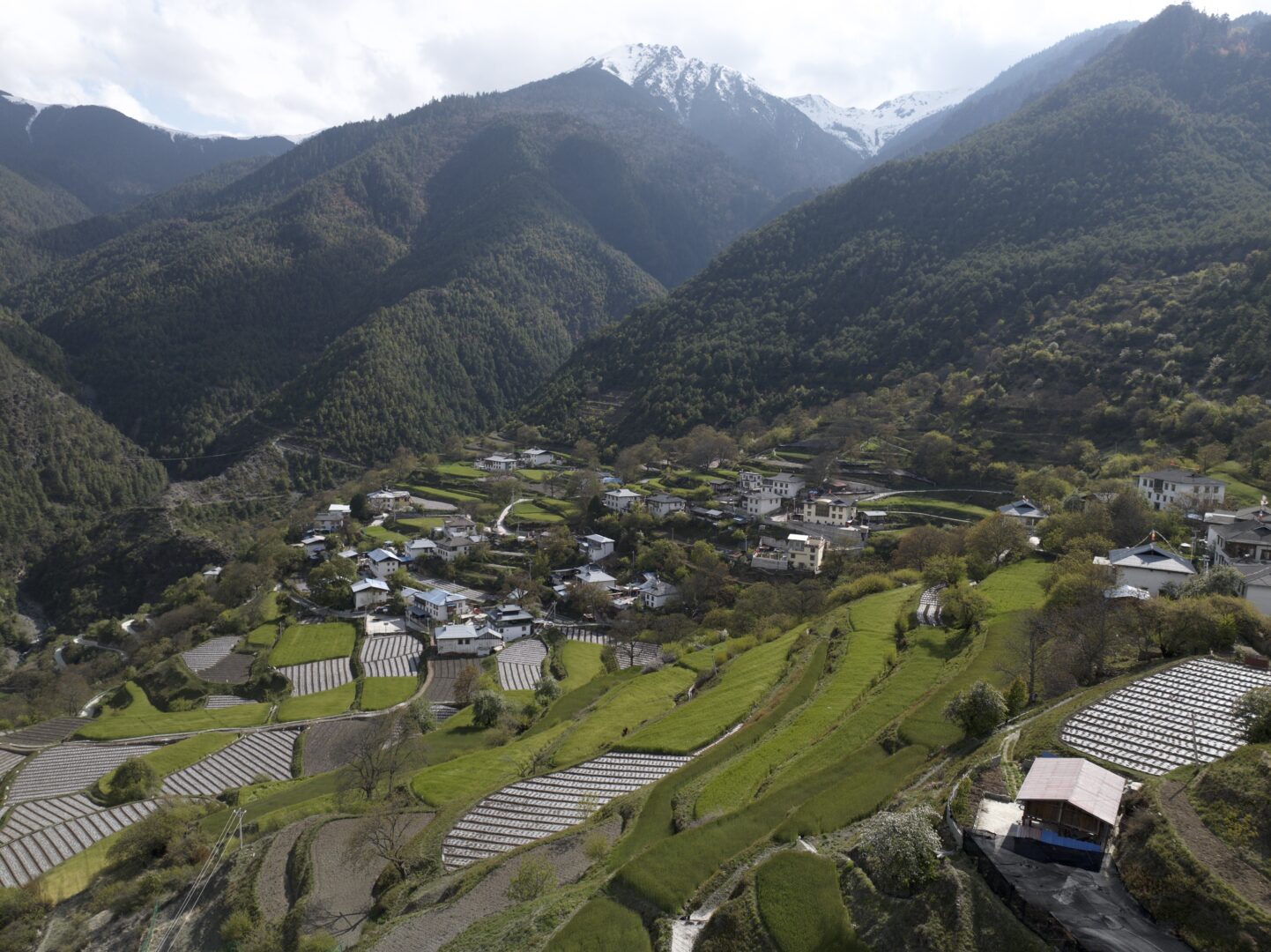
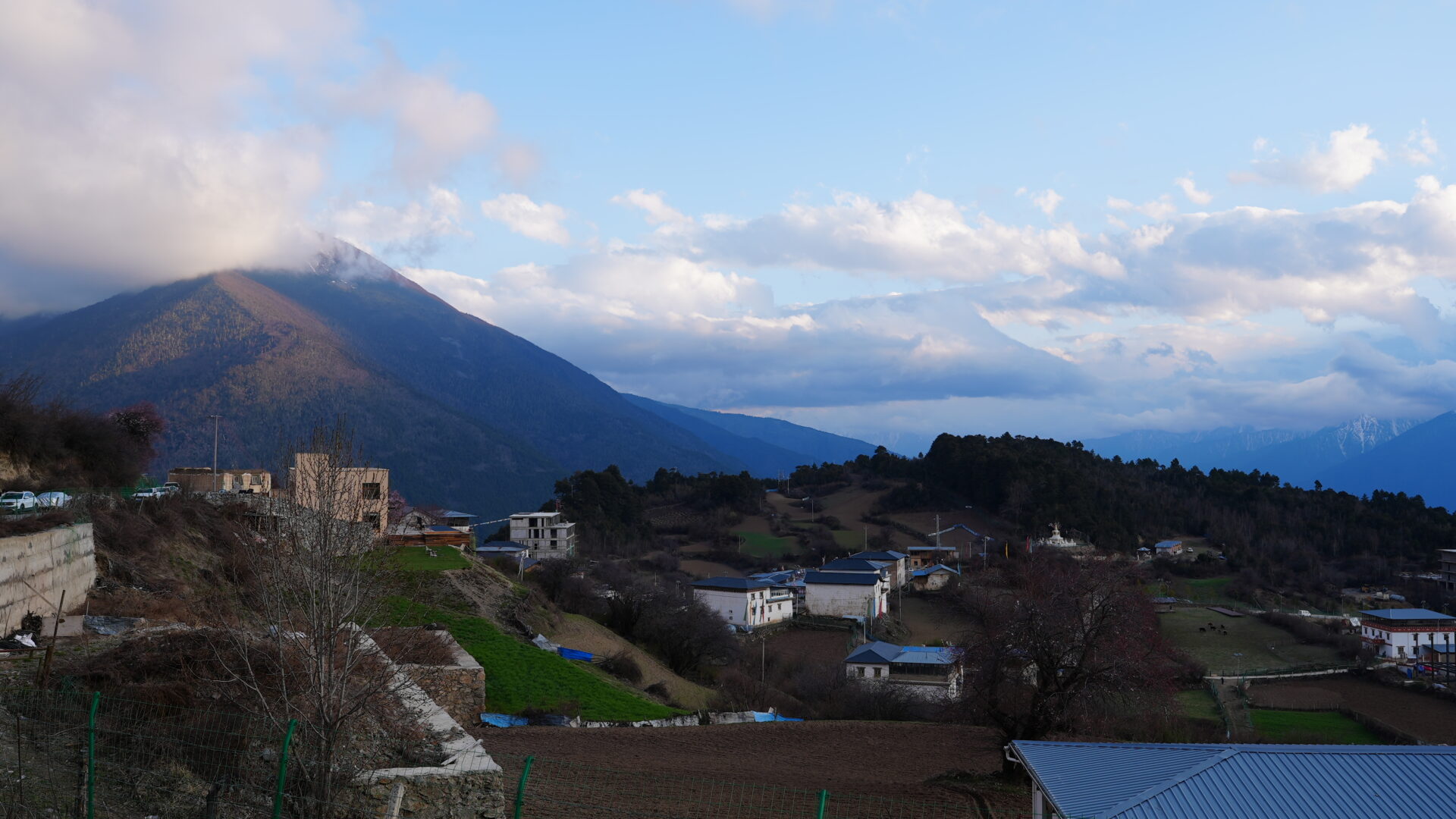
Villages are stone and timber with flat roofs and prayer flags, barley grows on the terraces up to about 3,000 m, and the monasteries are small, working and unpolished. Downstream in the Mekong valley you’ll find Cizhong, where a French Catholic mission left a church and a vineyard among the Tibetan villages.
Practical notes
Getting there: about eight hours by road from Lijiang via Shangri-La, on a good road with high passes. Shangri-La has the nearest airport.
Altitude: Feilai Si is at around 3,400 m and the passes en route go higher. Acclimatise in Shangri-La (3,200 m) for a night rather than driving straight through.
When: October to December for the mountain; spring for flowers and cloud; summer is the wet season and often gives you nothing.
Where to sleep: guesthouses at Feilai Si, most with rooms that face the range. Pay for the view — that’s the entire reason to be here.
- #yunnan
- #deqin
- #meili snow mountain
- #tibetan
- #trekking