
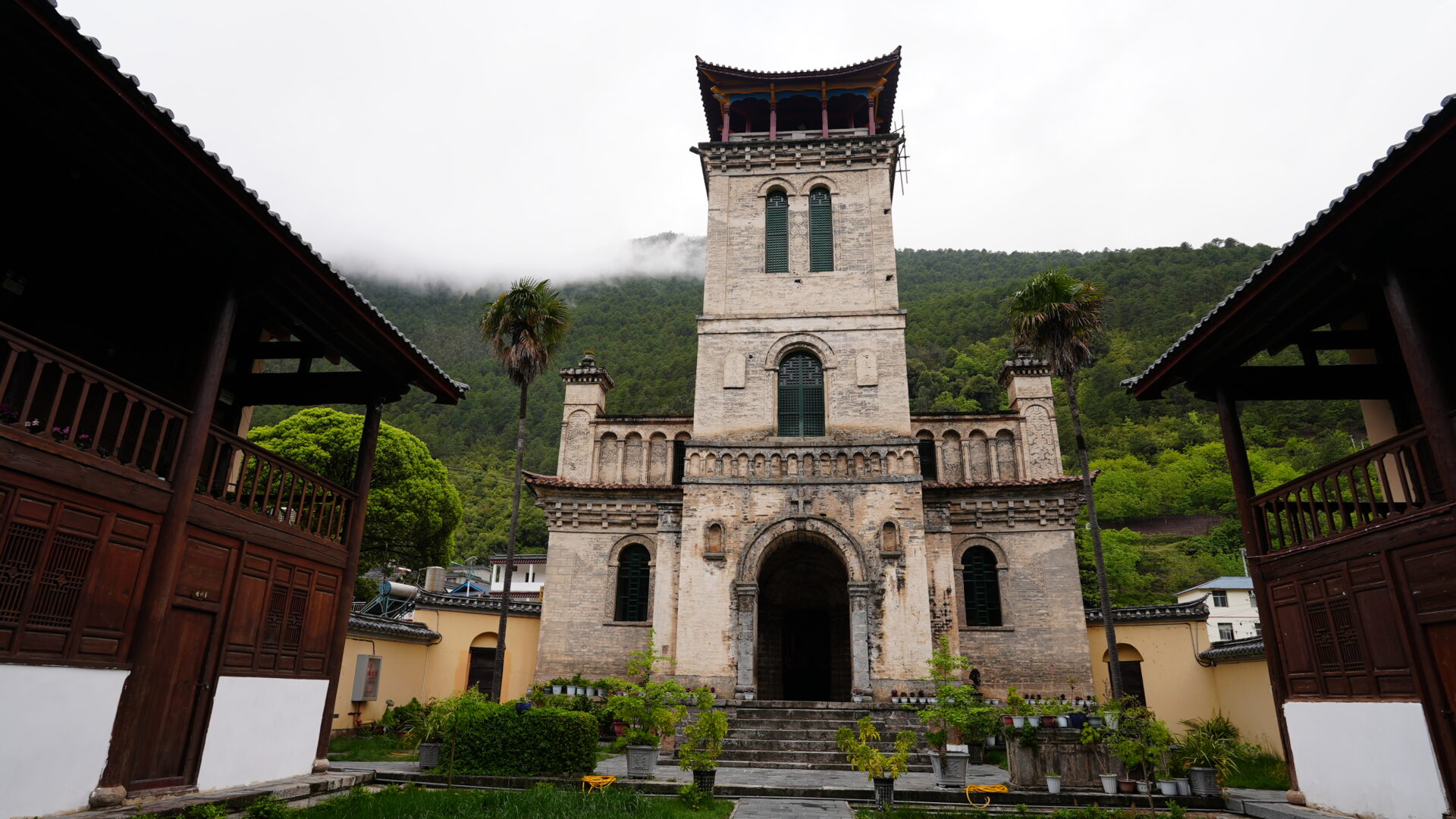
French missionaries reached this stretch of the upper Mekong in the 19th century, built a church, and planted grapes. Both are still here — and the congregation is Tibetan.
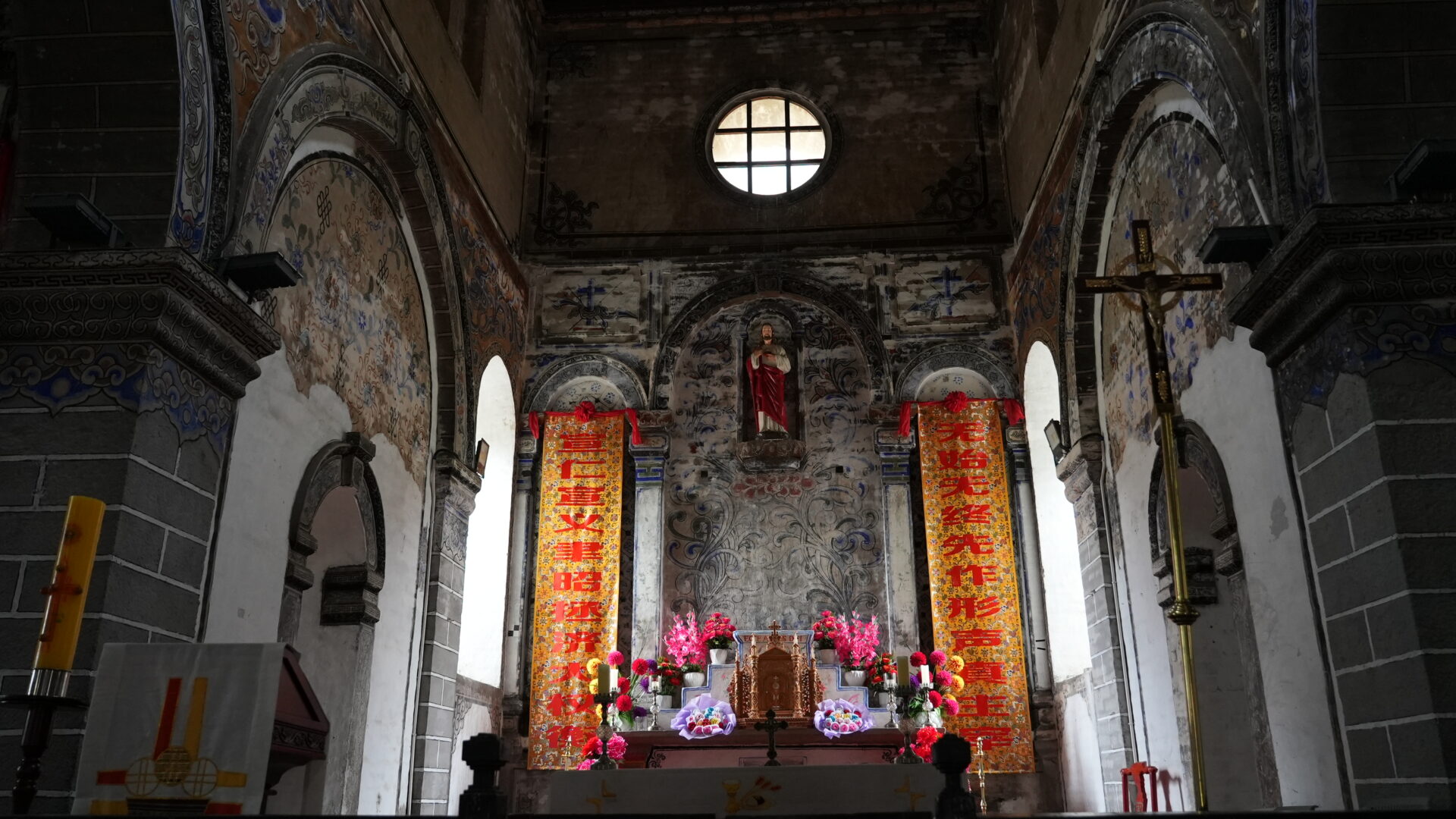
Cizhong sits in the Mekong gorge in Deqin county, northwest Yunnan, and it is one of the genuinely surprising places in China: a Tibetan Catholic village, with a French mission church at its centre and a congregation that says mass in Tibetan.
How this happened
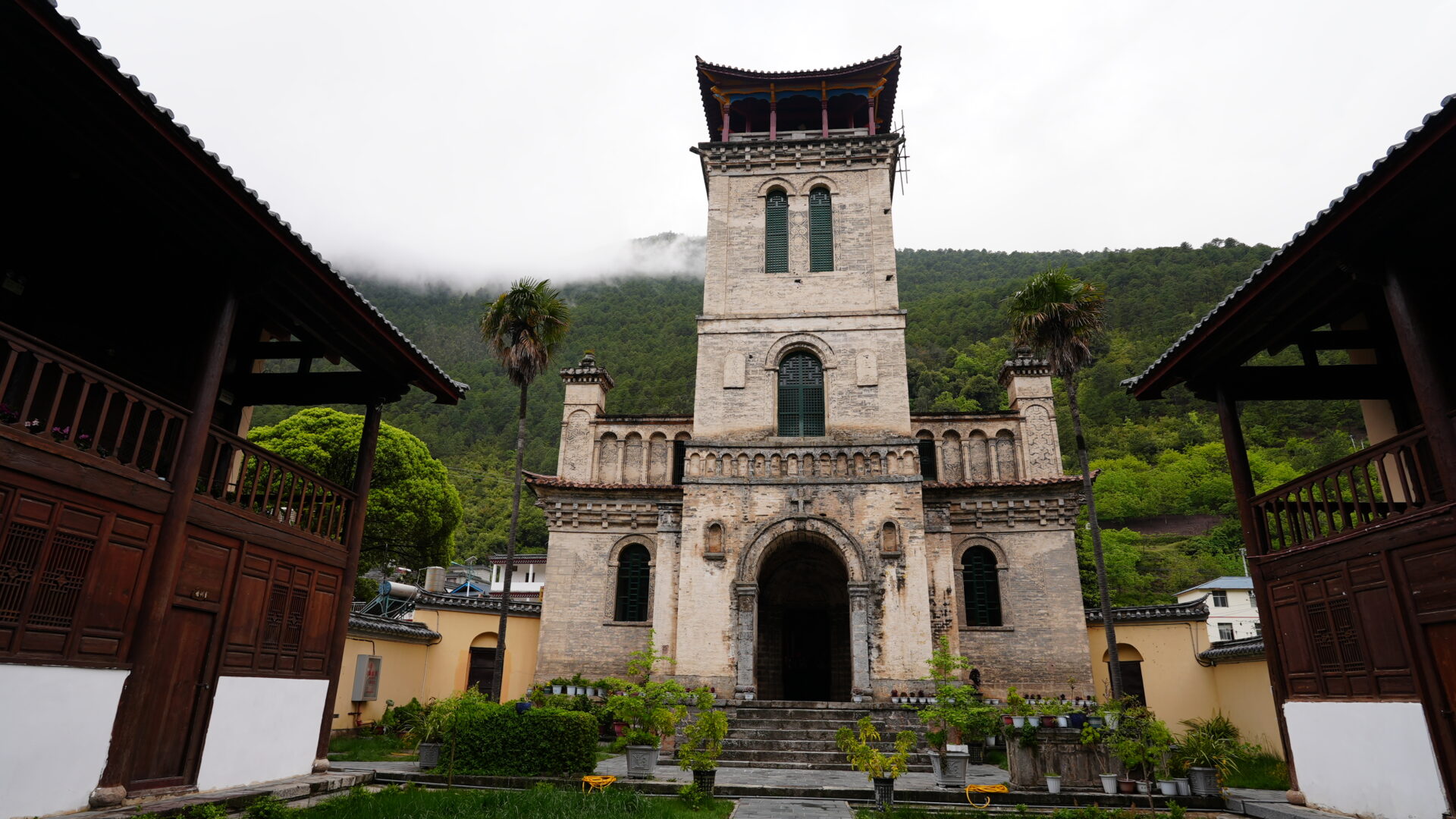
The Paris Foreign Missions Society pushed into the Tibetan borderlands from the mid-19th century, working up the Mekong and Salween valleys toward Tibet proper. They were expelled, attacked and burned out repeatedly, and they kept coming back. Cizhong’s church was completed in the early 20th century after an earlier mission upstream was destroyed.
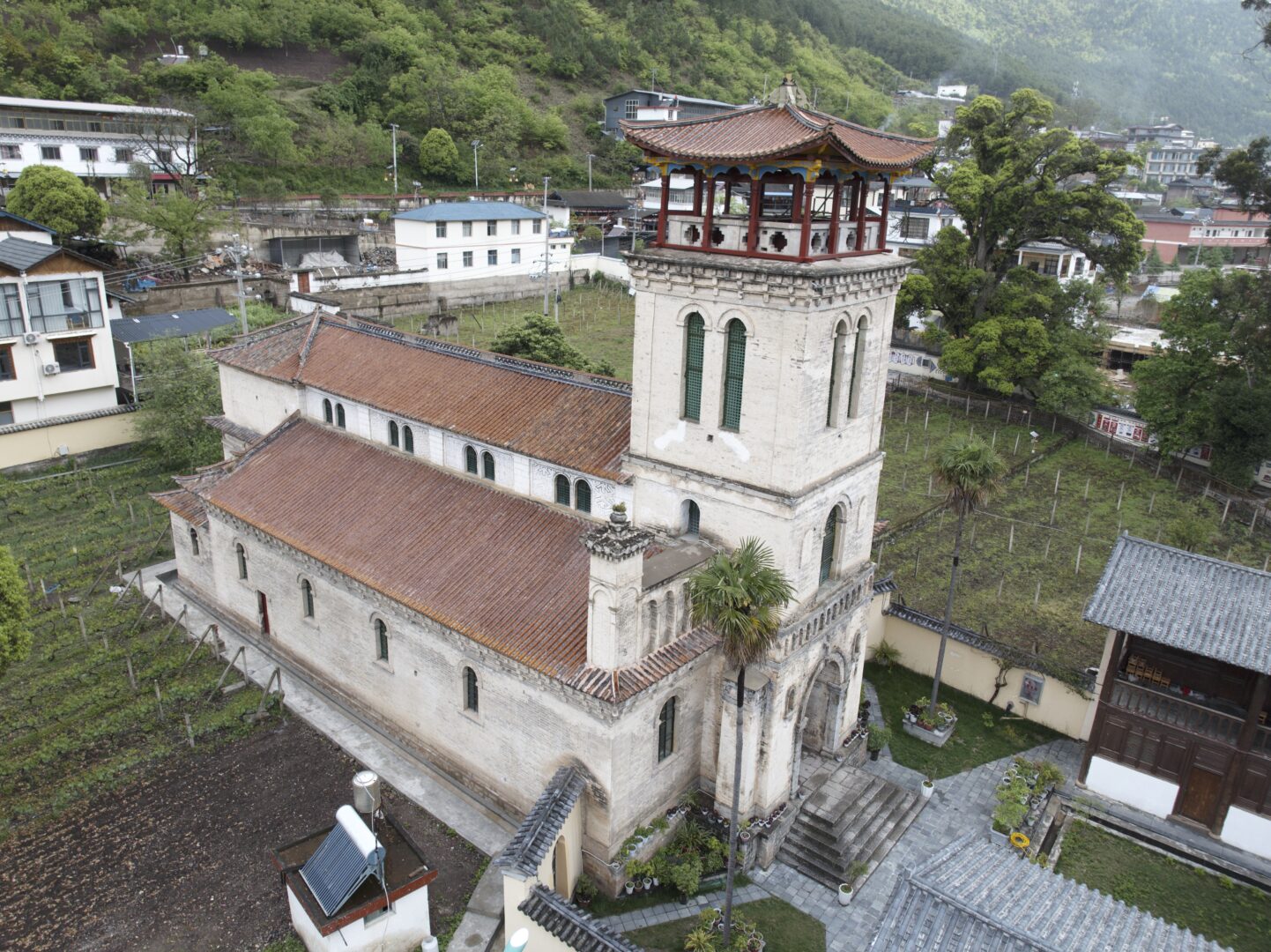
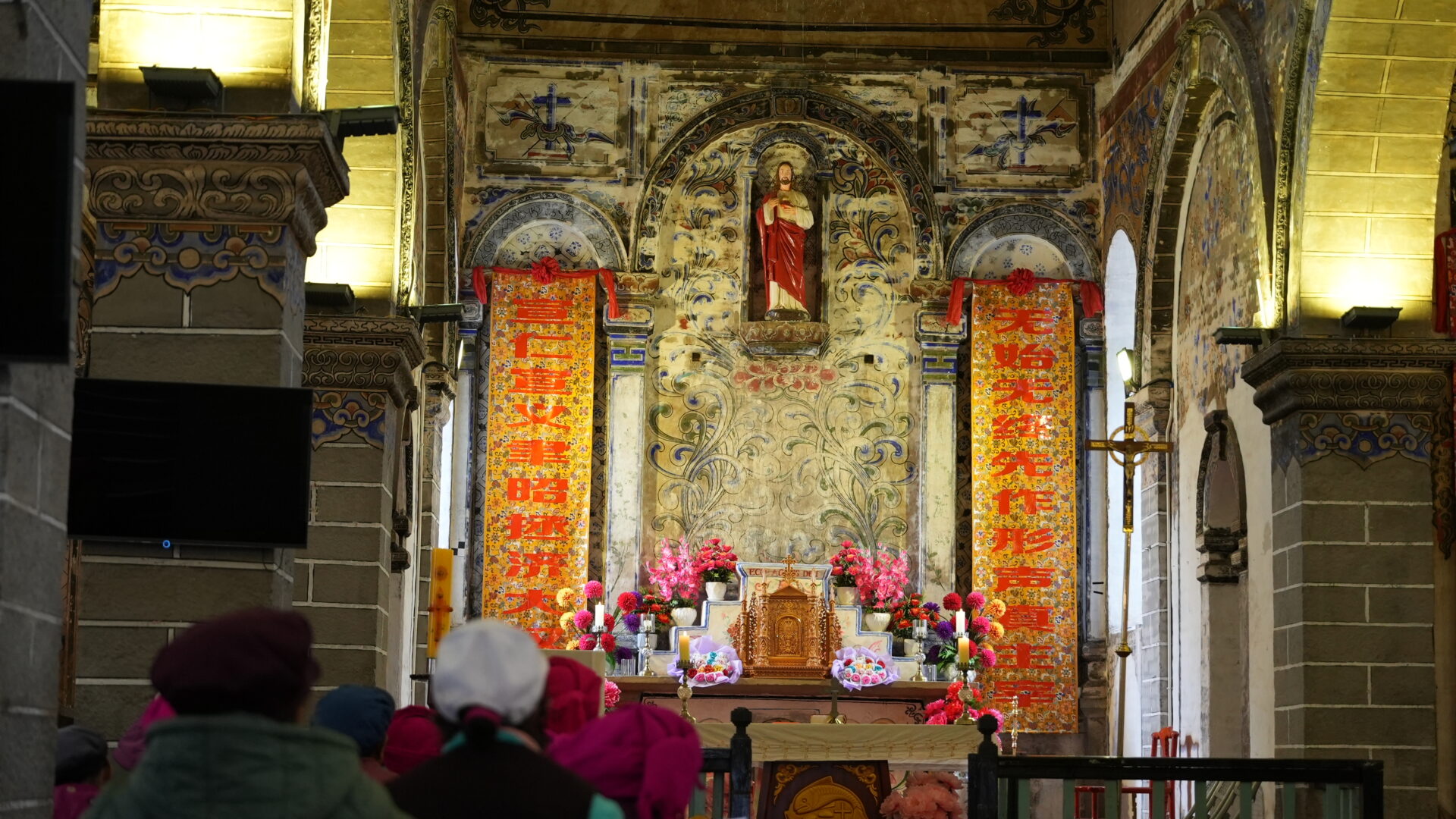
The building is an unusual hybrid: a basilica plan under a Tibetan-style timber roof, with painted ceiling panels that could be from either tradition. Its bell tower is the tallest thing in the valley.
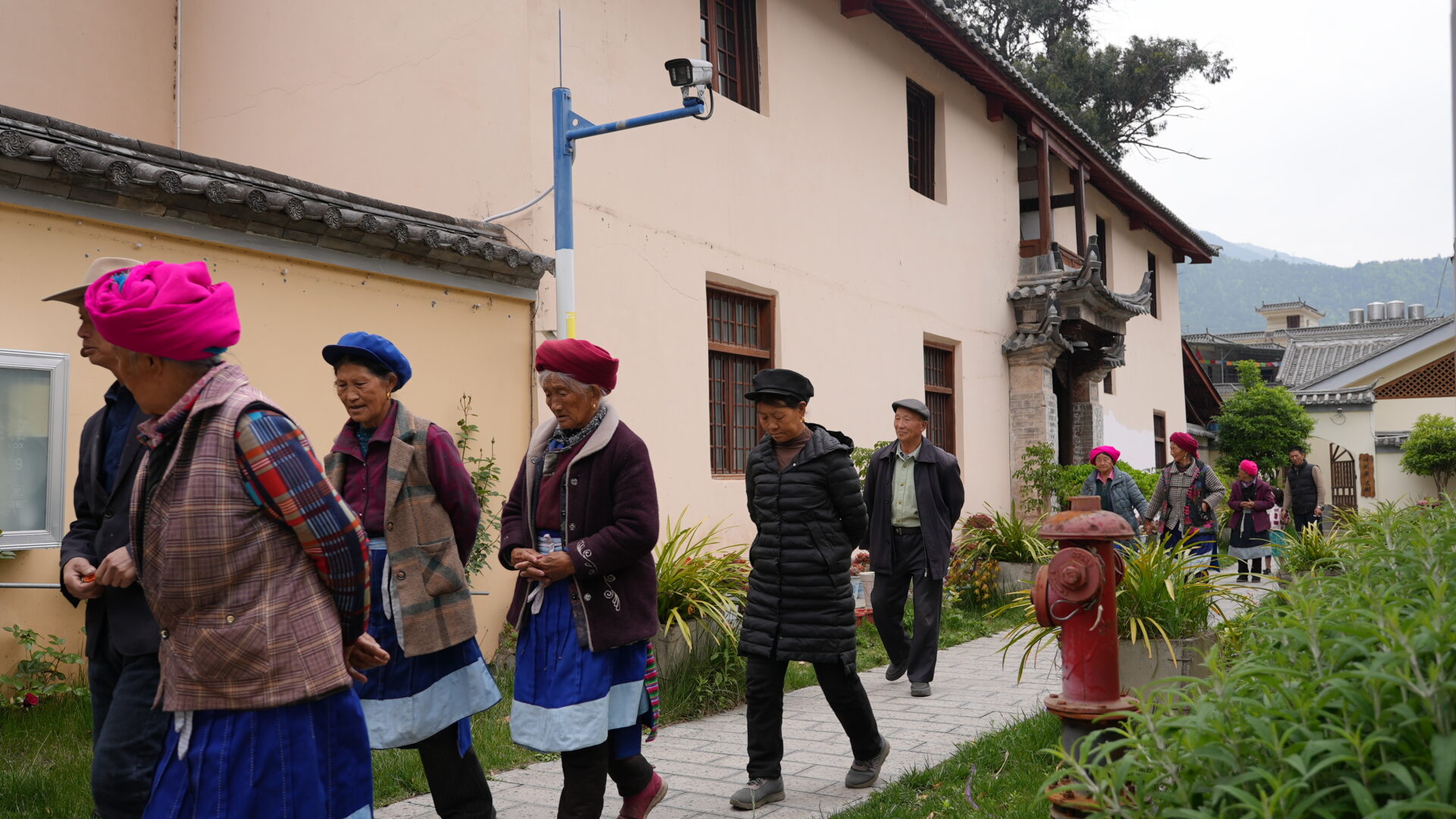
What’s more remarkable is that the community persisted. Several generations on, the village is still Catholic, and it has been so for long enough that the practice is genuinely local rather than imported — Tibetan-language liturgy, local festivals, and a graveyard of Tibetan names under crosses.
A Catholic church, in a Tibetan Buddhist valley
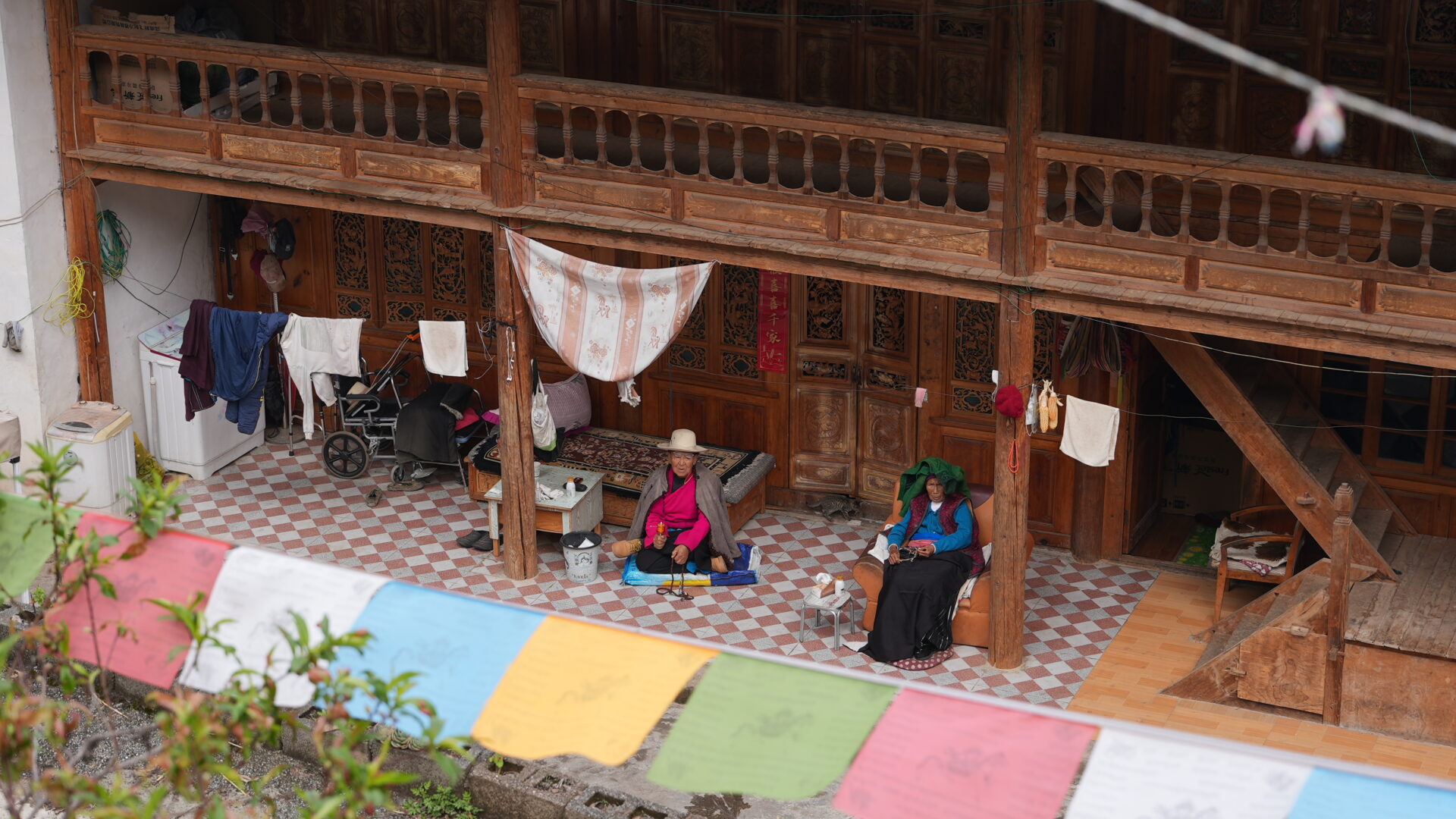
Neighbouring villages are Tibetan Buddhist, and always have been. The two coexist without much drama, which is the part visitors tend to find hardest to believe.
The vines
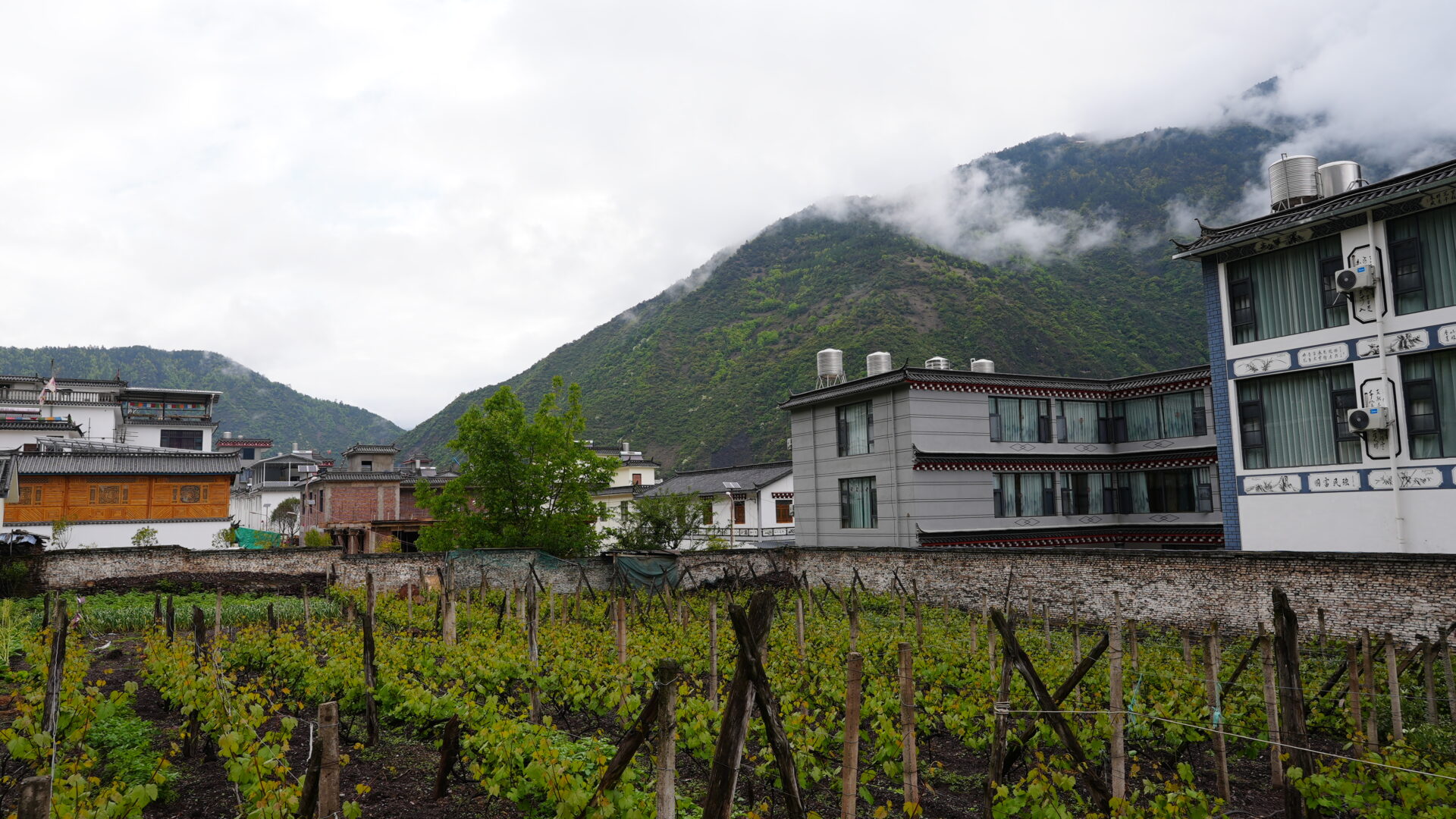
The missionaries brought grapevines to make communion wine, and some of what they planted is still growing.
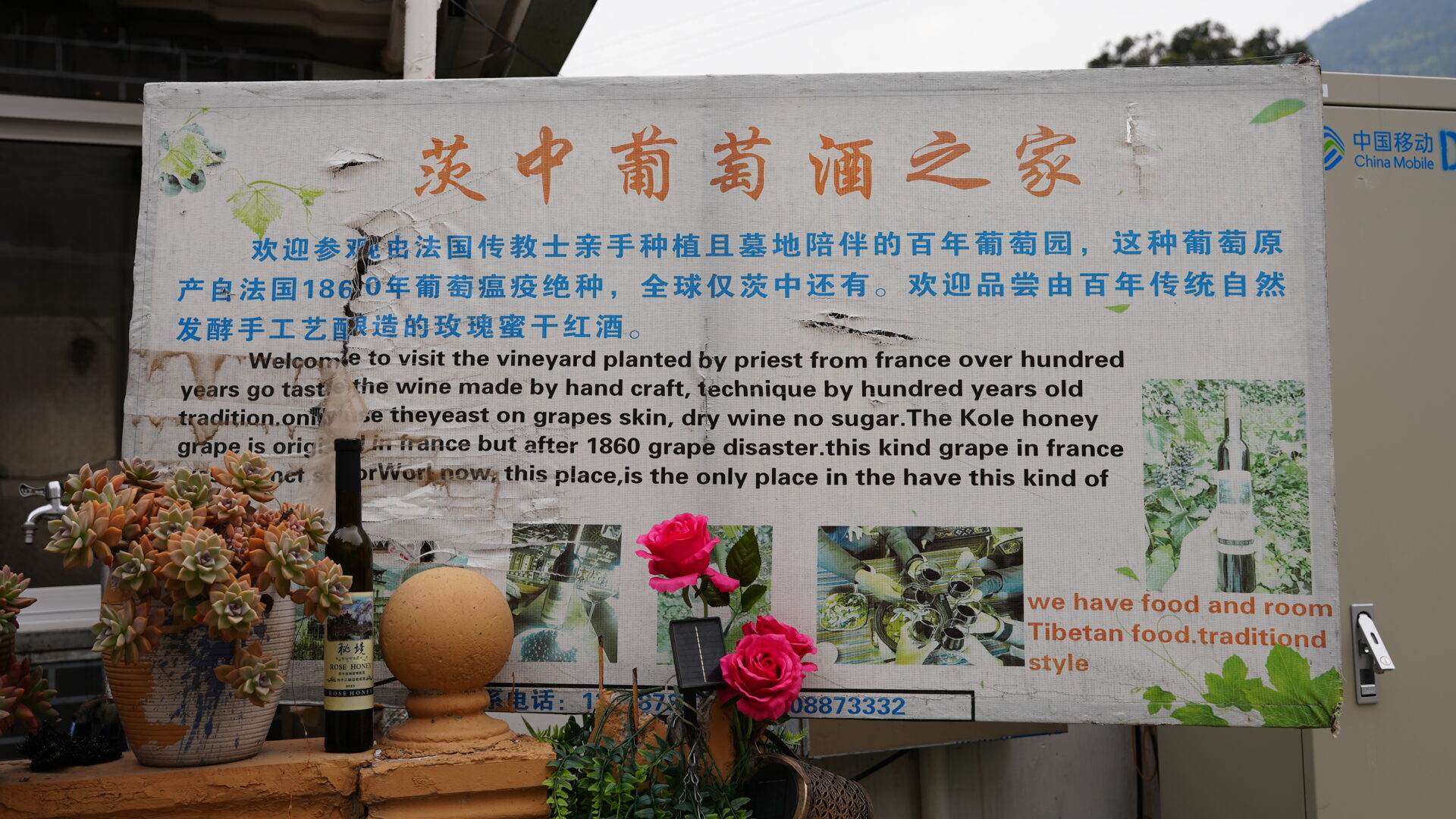
The variety that survives here is known locally as Rose Honey — a French vine that appears to have been wiped out in Europe by phylloxera and lived on in this isolated valley on its own roots. It made rough sacramental wine for a century, and in the last two decades the wider region has become a serious high-altitude wine area; the vineyards up the valley are now some of the highest commercially planted in the world.
Village households still make wine, and they’ll offer it to you. Manage your expectations and accept the glass.
The valley
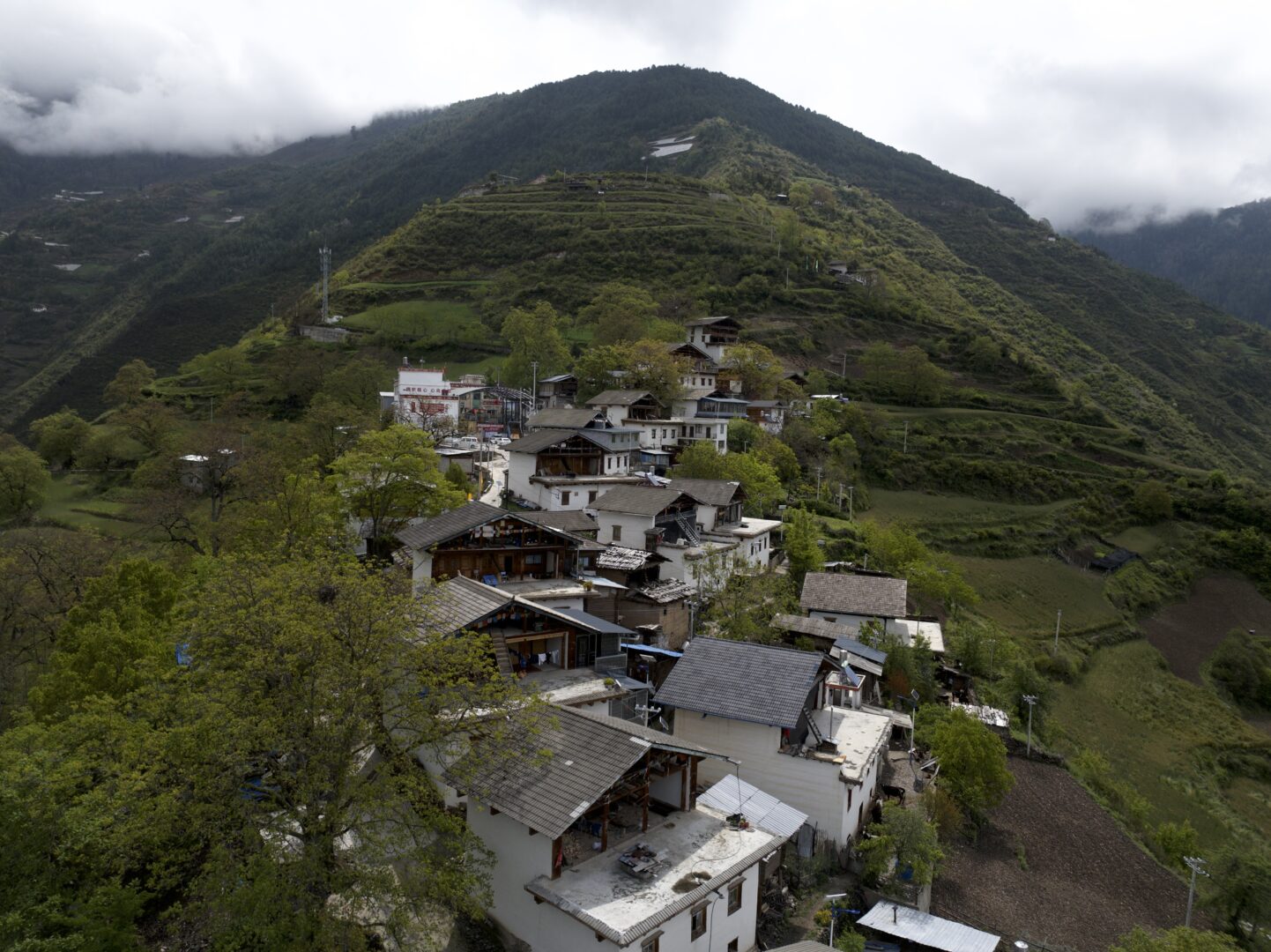
This is the Three Parallel Rivers country, where the Mekong, Salween and Yangtze run within a hundred kilometres of each other in gorges up to 3,000 metres deep. Cizhong is on terraces above the Mekong: walnut, maize, barley and vines, with the river a long way below and mountains on both sides that cut the sun off by mid-afternoon.
It’s a walking place rather than a sightseeing one — village to village on the old paths, an hour or two each way.
Practical notes
Getting there: on the road between Shangri-La and Deqin, a few hours from either. Any driver on that route will know it.
Where to sleep: a couple of simple guesthouses in the village, and more choice in Deqin or Feilai Si.
When: spring through autumn. Winter closes the high passes on the approach.
Combine with: Deqin and Kawagarbo an hour or two north, or the Nujiang valley over the range to the west.
- #yunnan
- #cizhong
- #tibetan
- #catholic
- #mekong
- #wine