
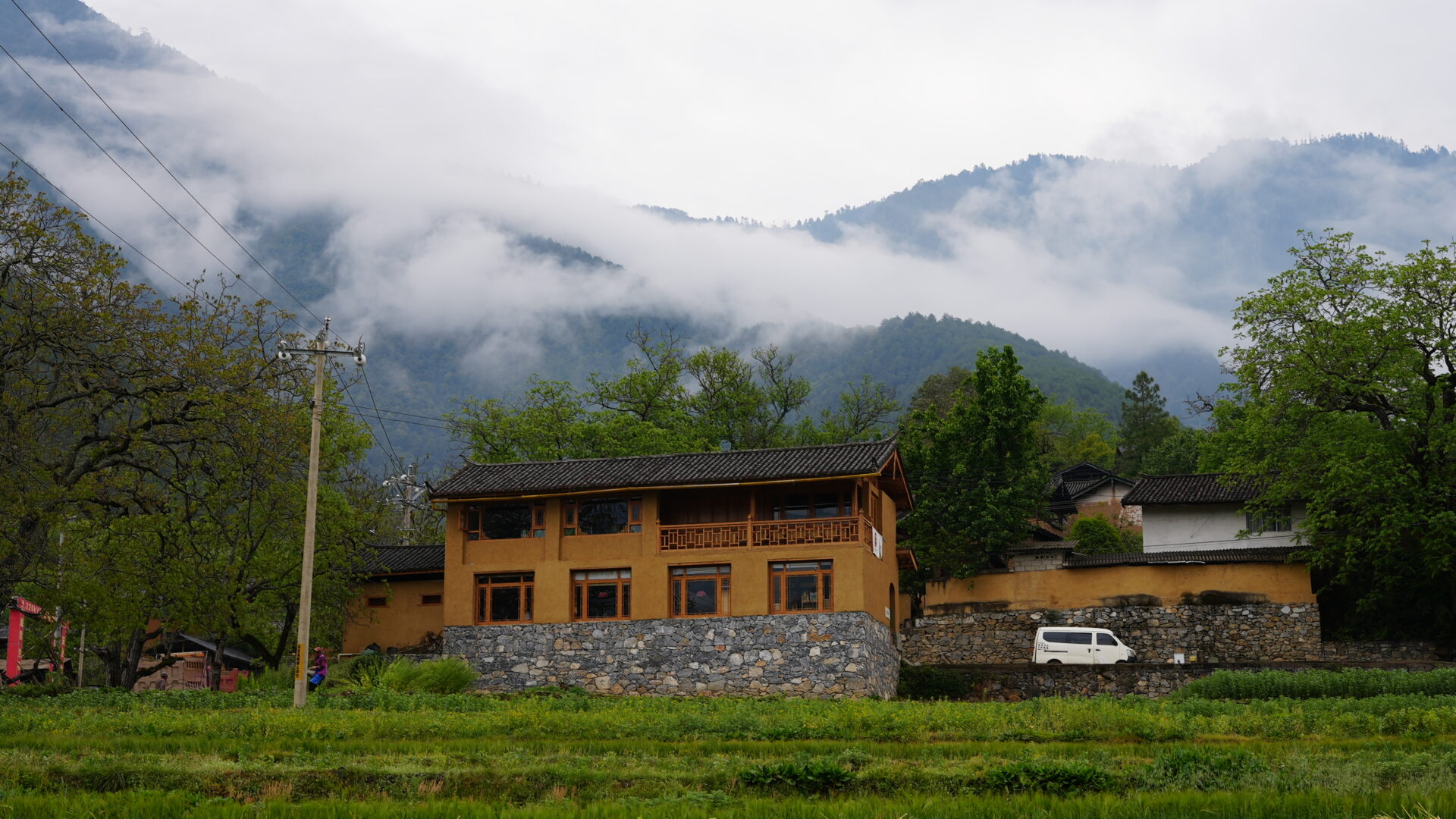
Weixi sits between the Mekong and the Salween in the Three Parallel Rivers, and almost nobody visits. It's Lisu country, it holds the main population of Yunnan snub-nosed monkeys, and the road in is the attraction.
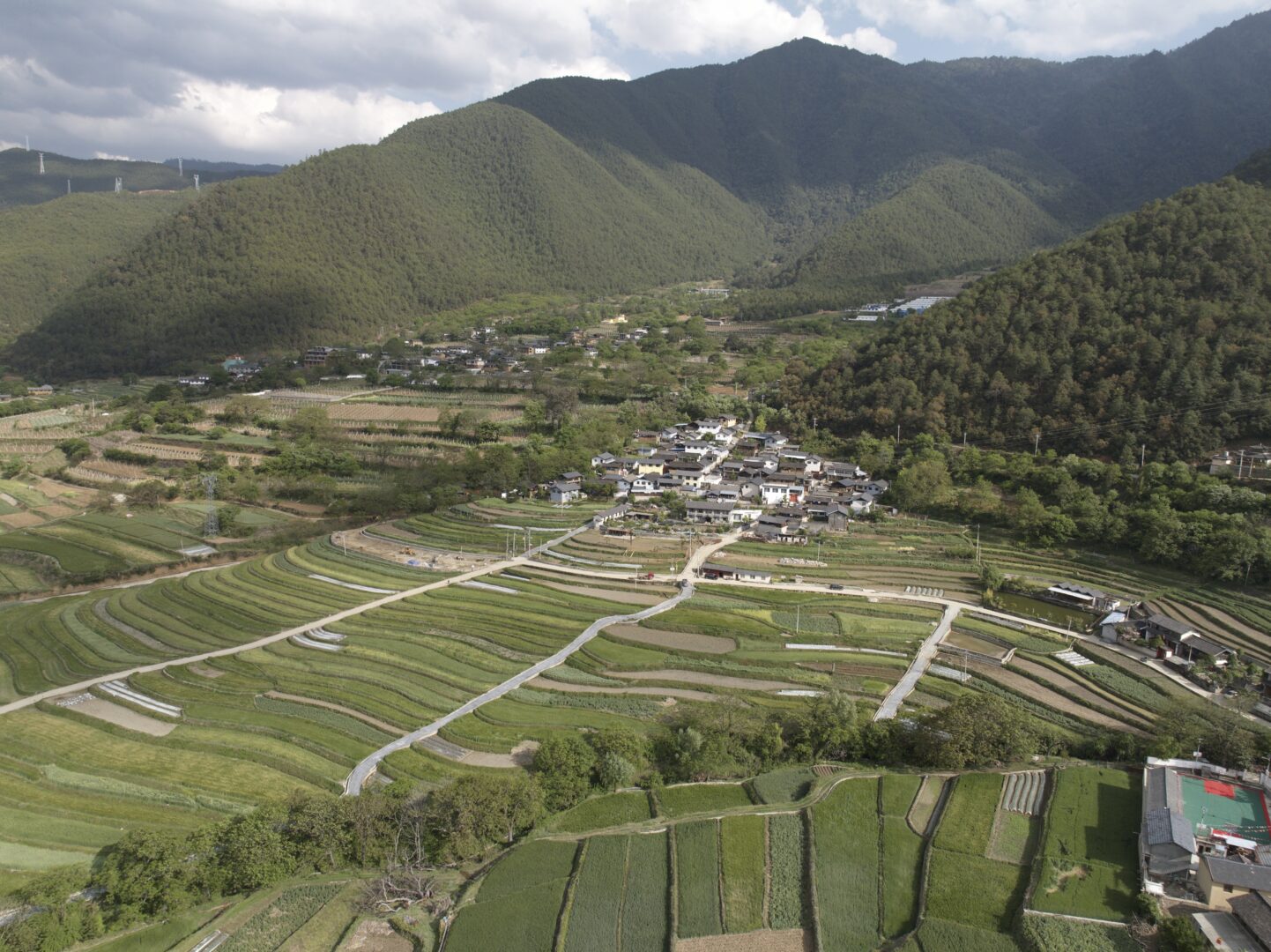
Weixi — the Weixi Lisu Autonomous County — occupies the ground between the Mekong and the Salween in northwest Yunnan, inside the Three Parallel Rivers World Heritage area. Almost every traveller in this part of the province passes near it on the way to Shangri-La or Deqin, and almost none stop.
That’s the appeal. There’s no ticketed attraction here and no old town that’s been done up. There’s a valley, some of the best forest left in Yunnan, and the Lisu, whose county this is.
The Lisu
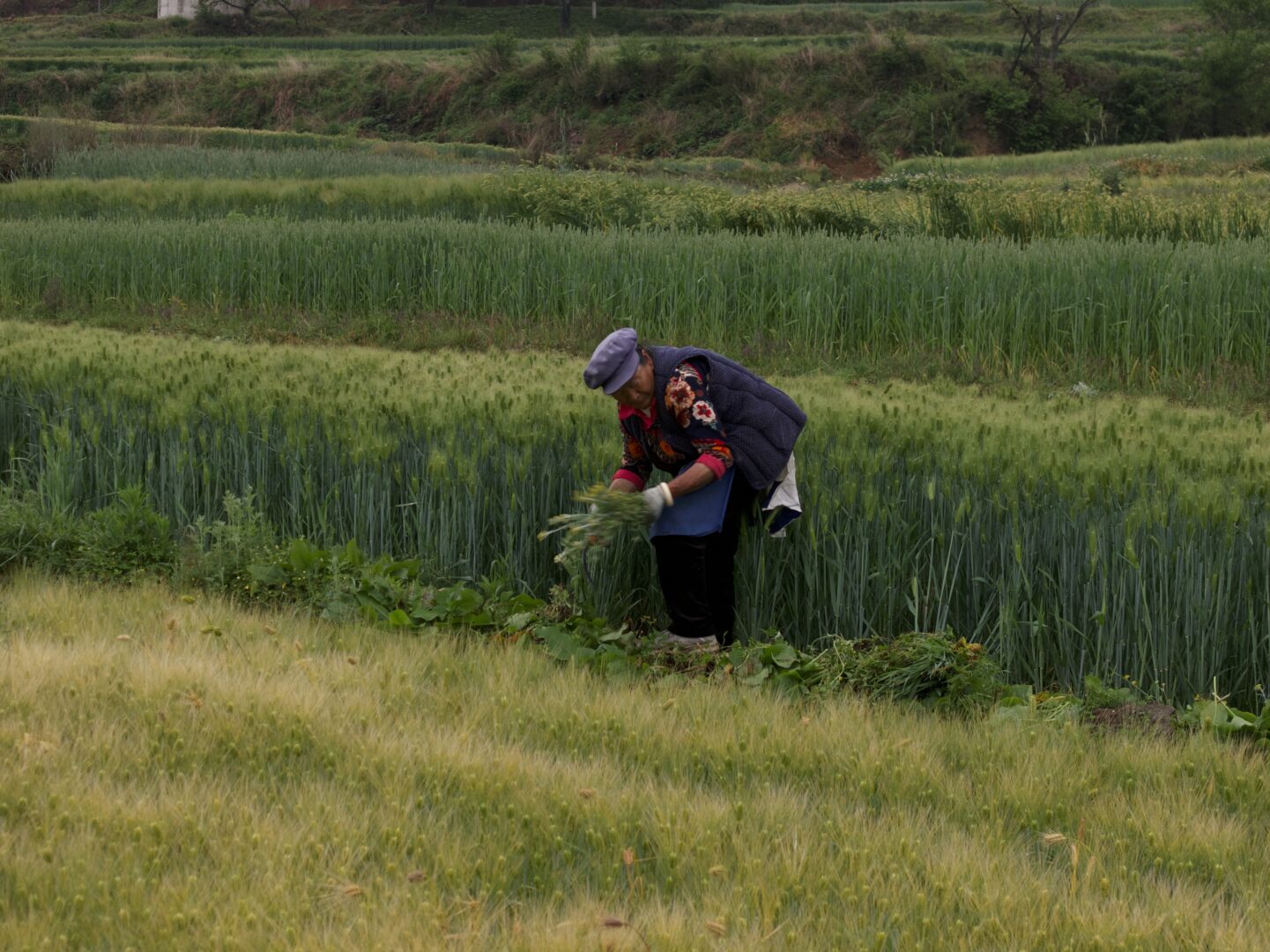
The Lisu are highland farmers spread through the gorges of northwest Yunnan and into Myanmar, and Weixi is their administrative centre in China. Distinctive dress — layered, bright, with beadwork — and a strong choral tradition: four-part harmony singing that arrived partly through early 20th-century missionary contact and became thoroughly their own.
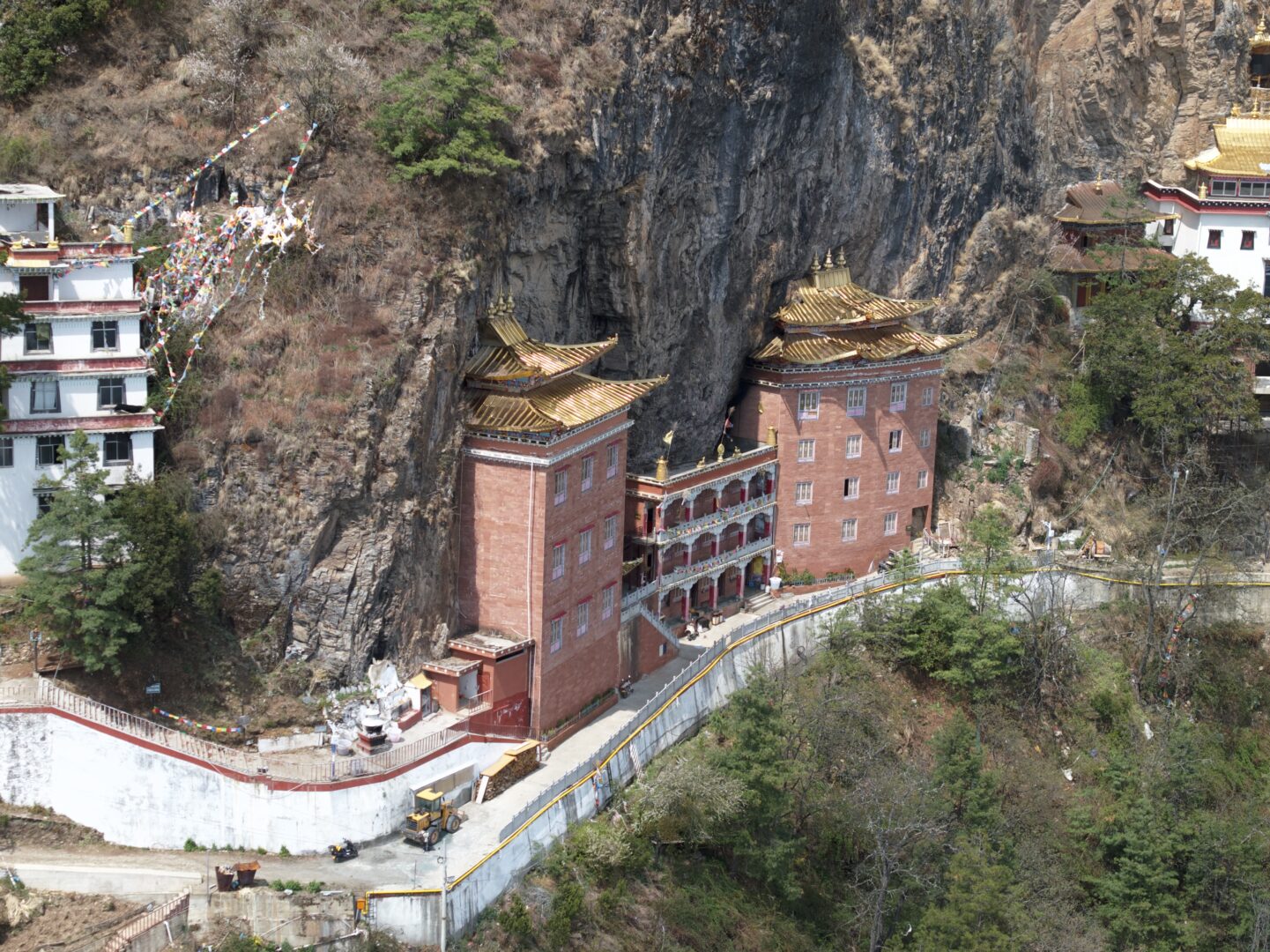
Tibetan, Naxi and Nu communities share the same valleys, which is normal for this region. A single day’s drive can cross three language groups.
The monkeys
Weixi holds the main surviving population of the Yunnan snub-nosed monkey (滇金丝猴) — a black-and-white primate found only in this narrow band of high forest, with perhaps three thousand individuals left in total.
There’s a national park at Tacheng in the county where a habituated group can reliably be seen at close range. It’s a managed encounter rather than a wilderness one, and it’s still one of the better wildlife experiences available in China, in a country where large mammals are usually a rumour.
The forest and the drive
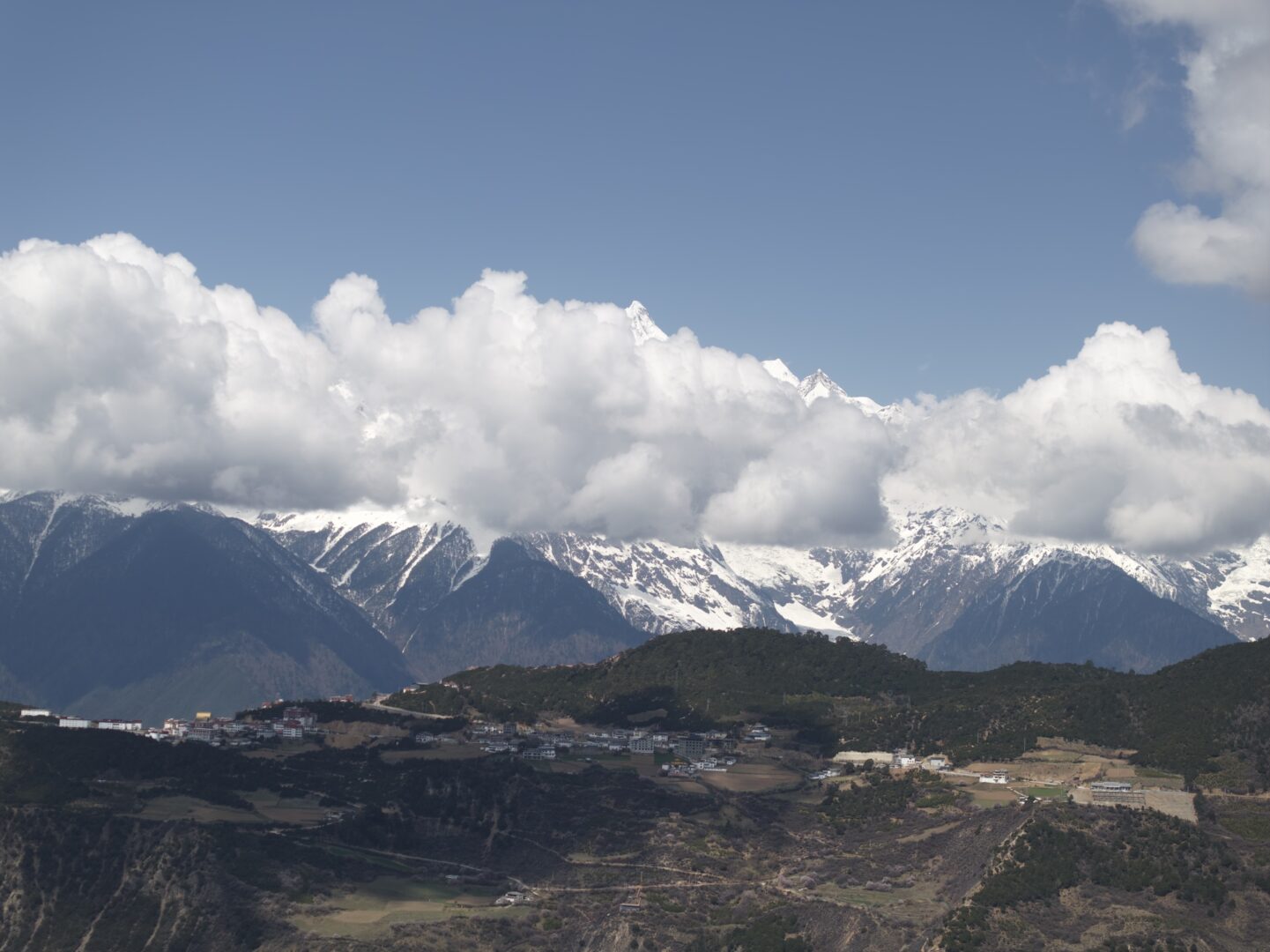
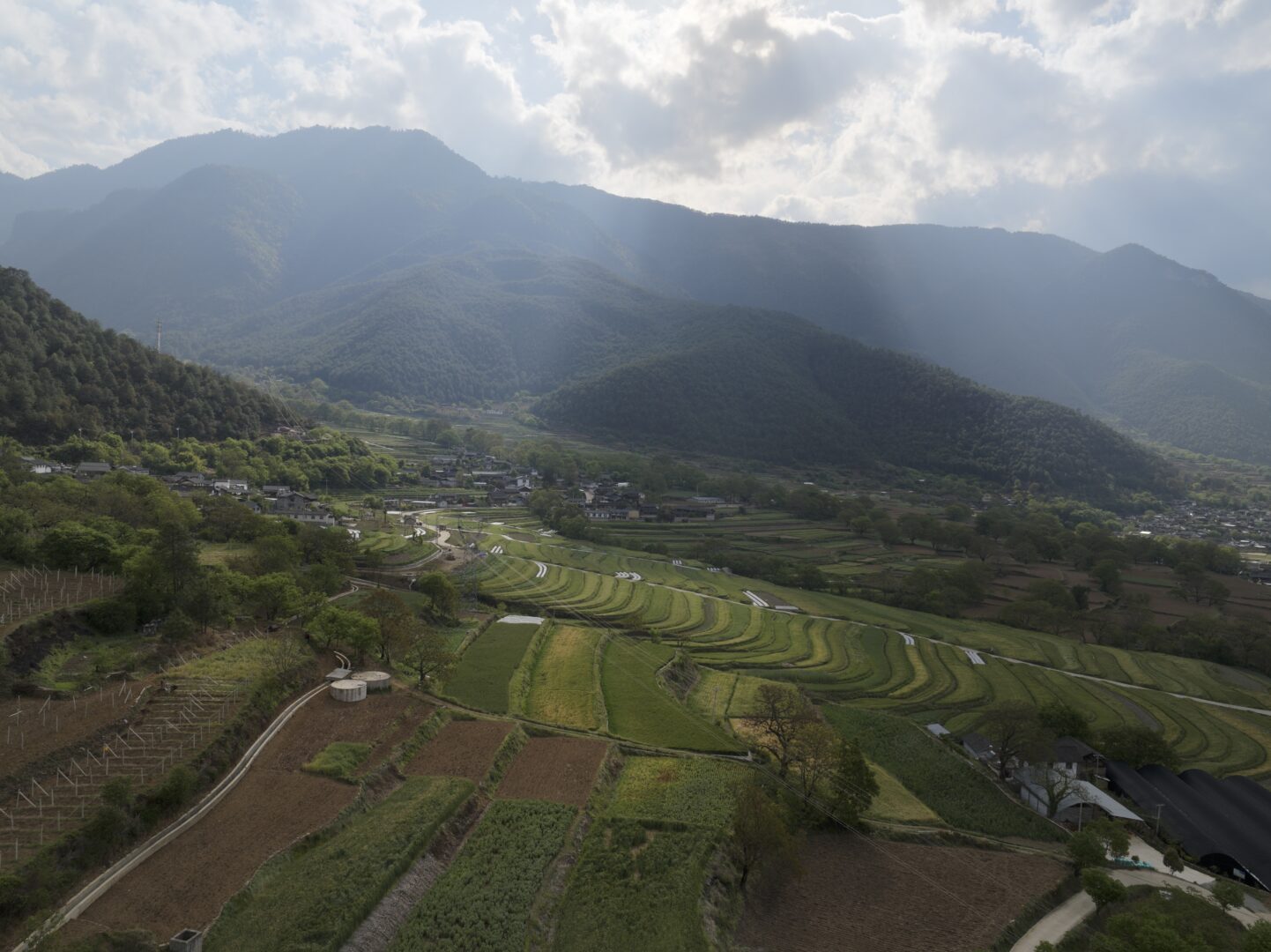
The Three Parallel Rivers area holds an extraordinary share of China’s biodiversity — the gorges run north–south, so species moved up and down them through the ice ages instead of being wiped out. What that means on the ground: old fir and rhododendron forest, alpine meadow above it, and a spring flower display that draws botanists specifically.
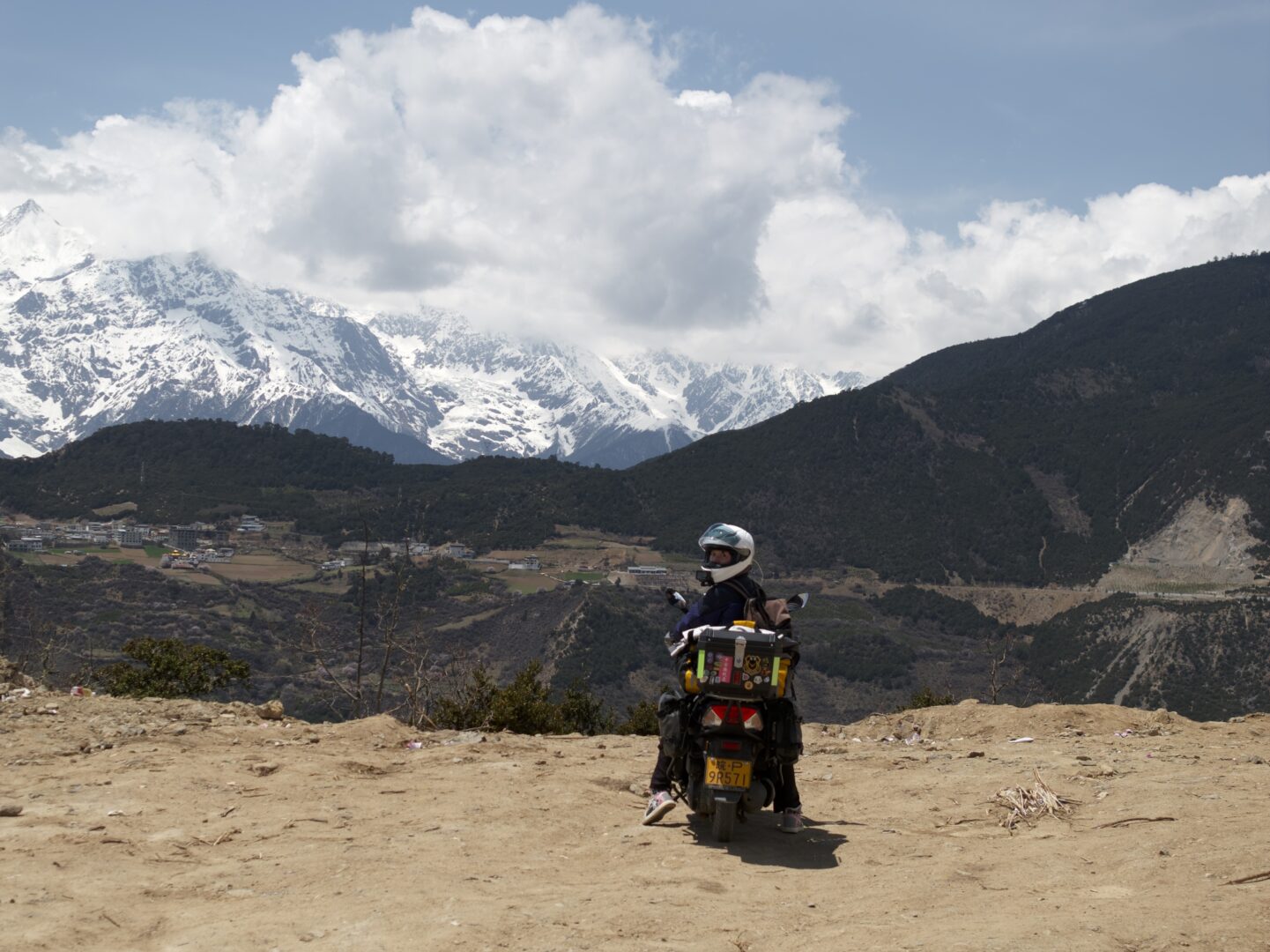
The roads are the experience. They contour along gorge walls, switchback over passes, and drop through several vegetation zones in an afternoon. Not fast, occasionally alarming, consistently spectacular.
Practical notes
Getting there: road from Shangri-La (a few hours) or up the Mekong valley from Deqin. Public transport is limited; a hired car or a motorbike makes this trip work.
Where to sleep: simple guesthouses in the county town and in Tacheng. Nothing smart, and no need for it.
When: April to October. Spring for flowers, autumn for clear air and colour. Winter closes the higher passes and the valley gets grey and cold.
Combine with: Cizhong over in the Mekong valley, Deqin to the north, and the Nujiang road west over the range.
- #yunnan
- #weixi
- #lisu
- #three parallel rivers
- #wildlife