
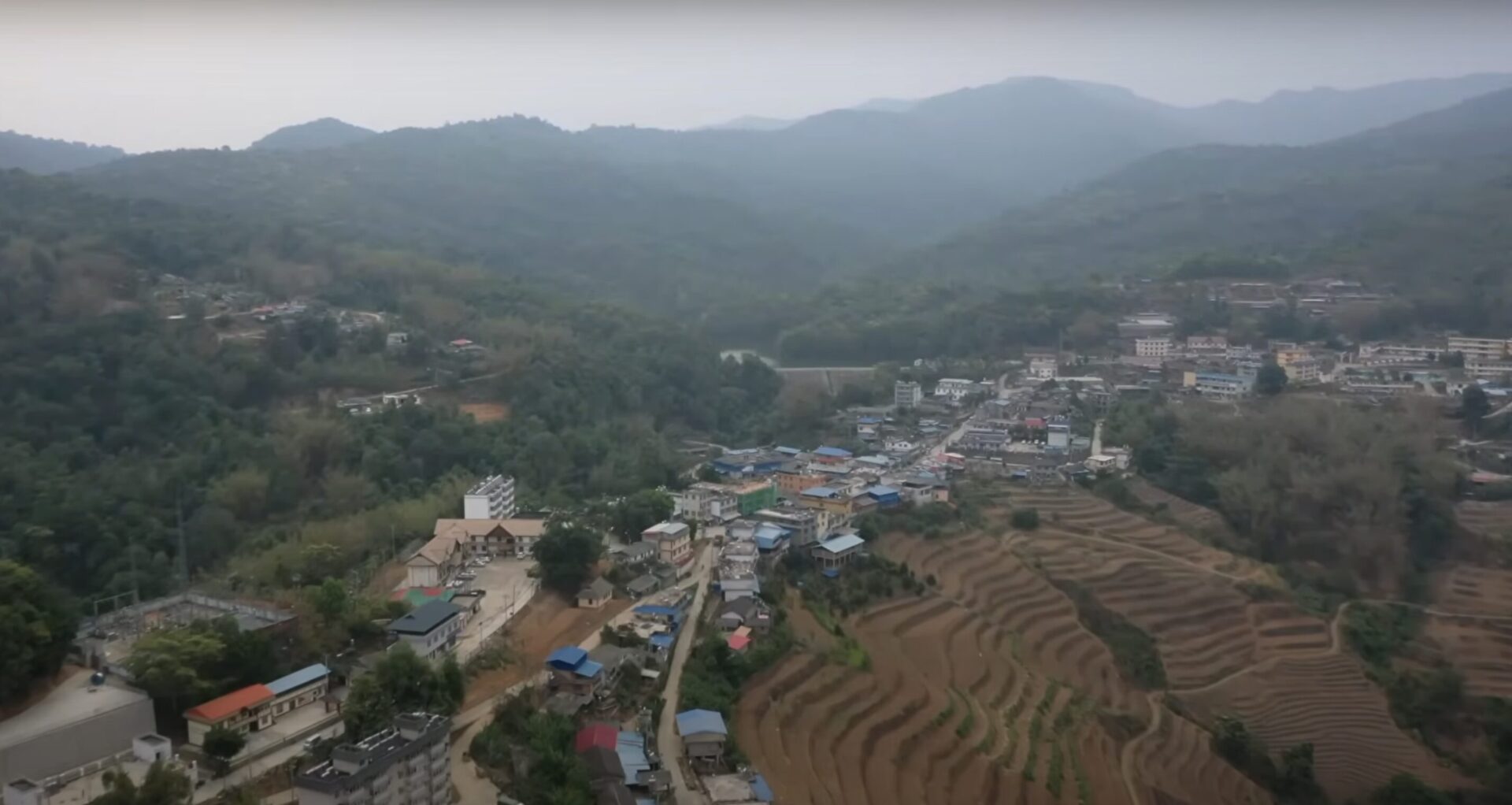
Ximeng is the Va heartland in China — mountain villages on the Myanmar border where the drum culture, the songs and the social structure are still the organising facts of life.
Ximeng — the Ximeng Va Autonomous County — sits in the mountains of southwest Yunnan on the Myanmar border, and it’s the centre of Va life in China. The Va straddle the frontier; a much larger Va population lives on the Myanmar side, and the border here has always been more of a legal statement than a social one.
The Va
Two things to understand about Va culture.
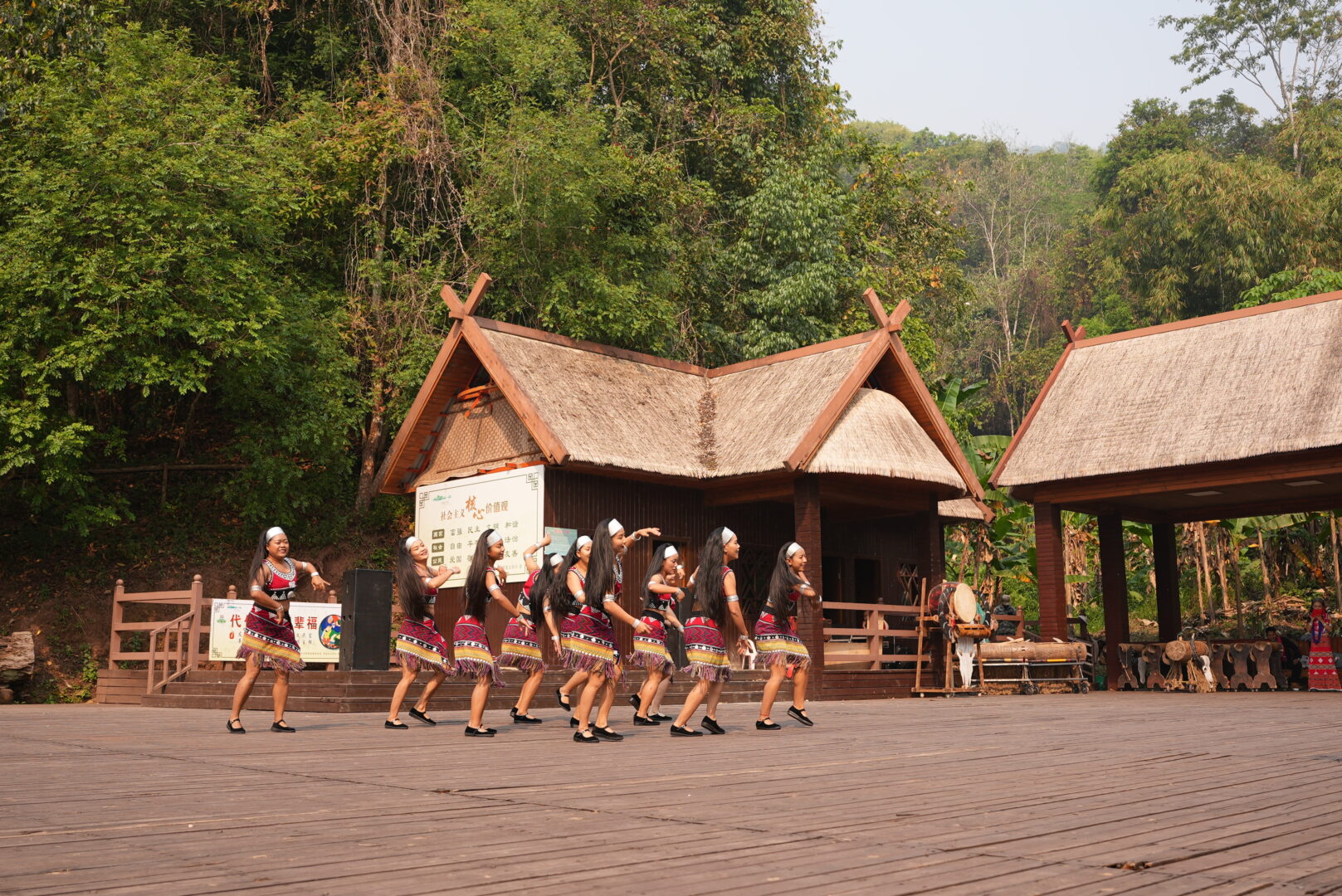
The wooden drum. Mugu — a large hollowed log drum kept in the village, historically the most sacred object a Va community owned, used to summon people, mark ritual and communicate between settlements. Drum culture remains the visible core of Va identity, and drum performances are the centrepiece of any festival.
The hair dance. Women dance with waist-length hair loose, whipping it in unison in wide arcs. It’s striking, it’s genuinely traditional rather than staged for visitors, and it has become the region’s signature image.
The Va were also, until the mid-20th century, effectively outside the control of any state — a mountain society organised around villages and lineages rather than administration, with a warrior tradition that included headhunting into the modern era. That practice ended decades ago and is not something to bring up as a curiosity; it’s a piece of history the community has moved past and doesn’t enjoy being defined by.
Village women singing — the songs are the archive here
Dai and Lahu communities share the county, so the mix within a single valley can be three languages deep. See our ethnic groups guide for the wider map.
The landscape
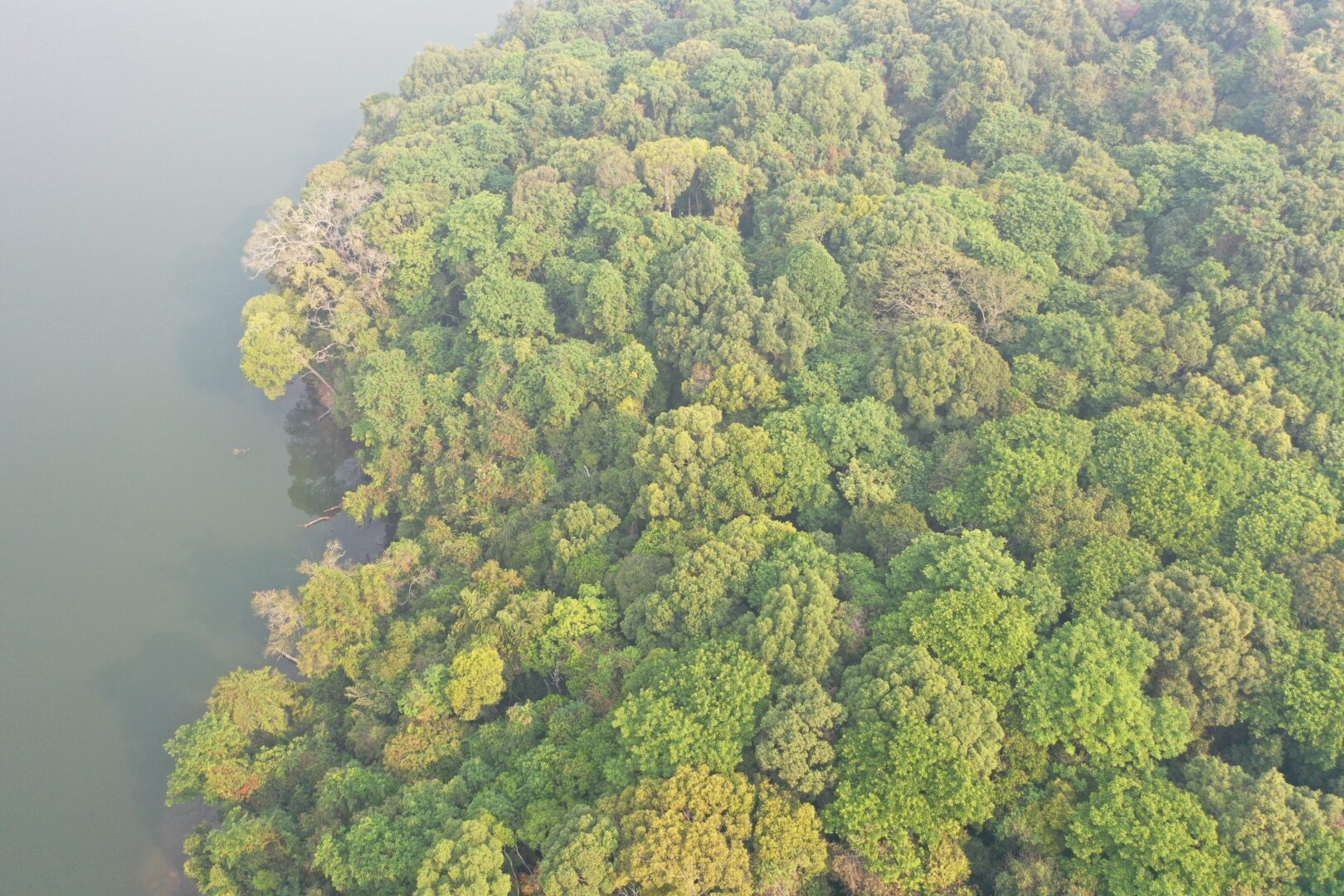
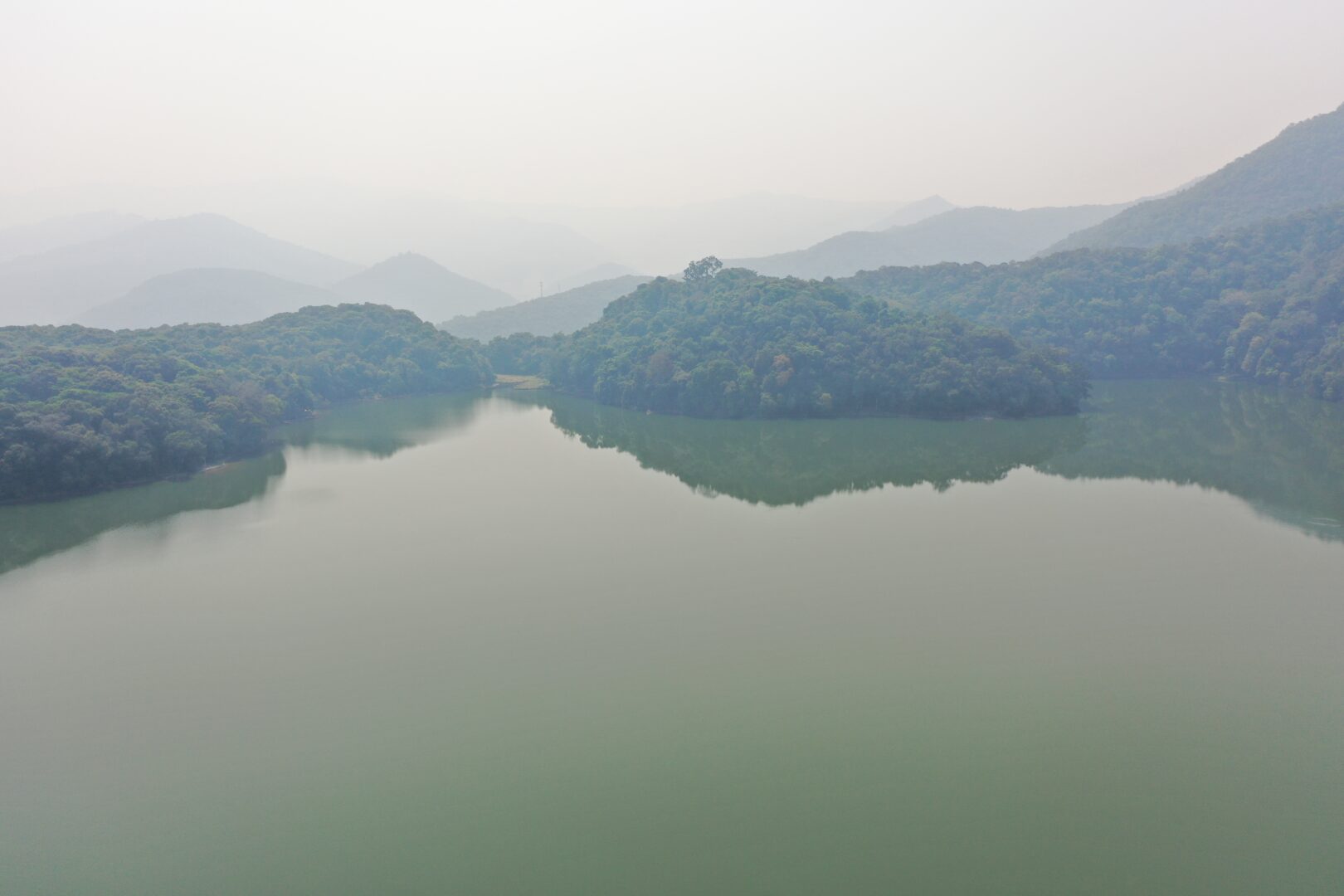
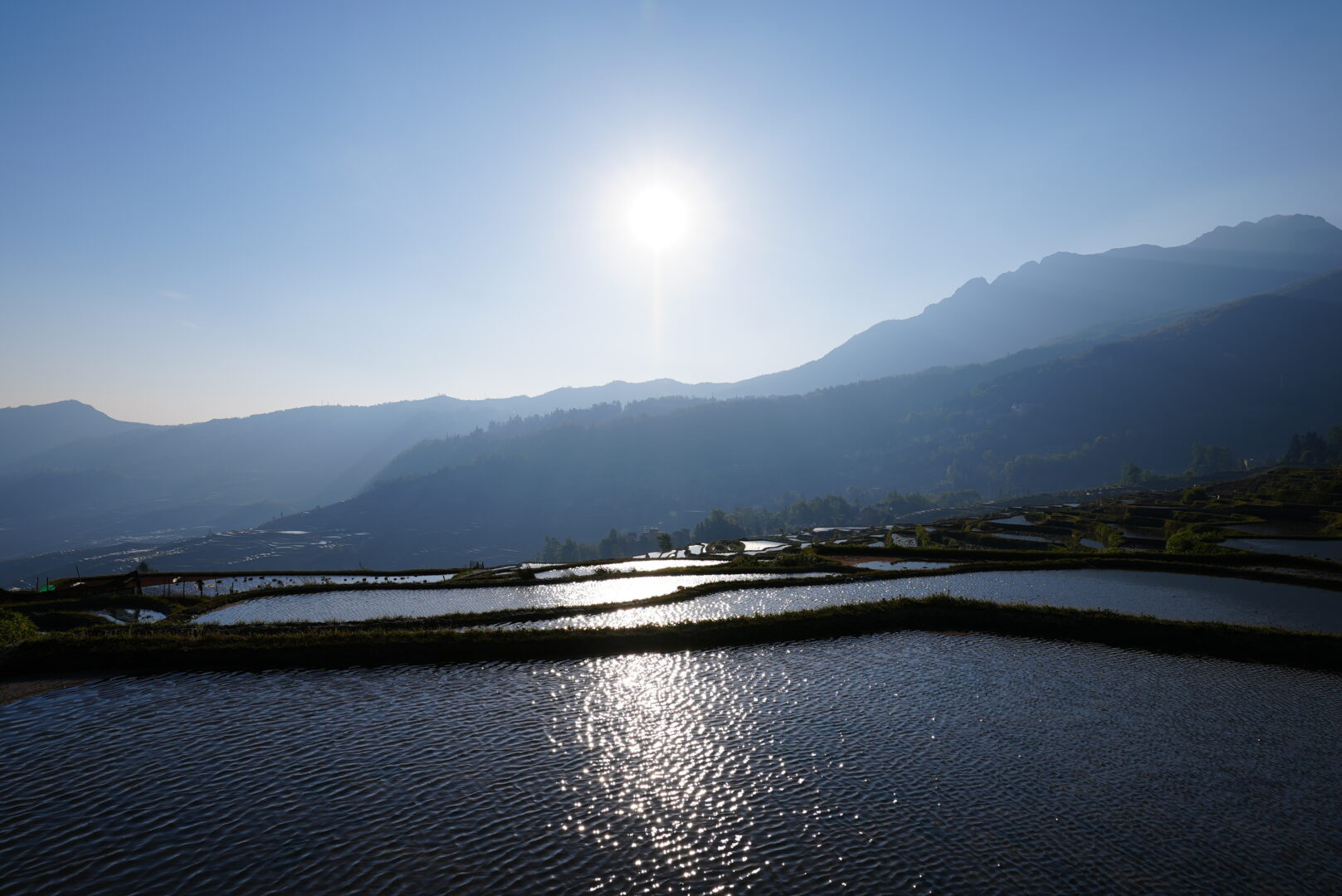
Steep, forested and wet — this is the tail of the Himalaya reaching into Southeast Asia, and the biodiversity reflects it. Tea, sugarcane and rubber on the lower slopes, cloud forest above, and a road network that spends most of its time contouring.
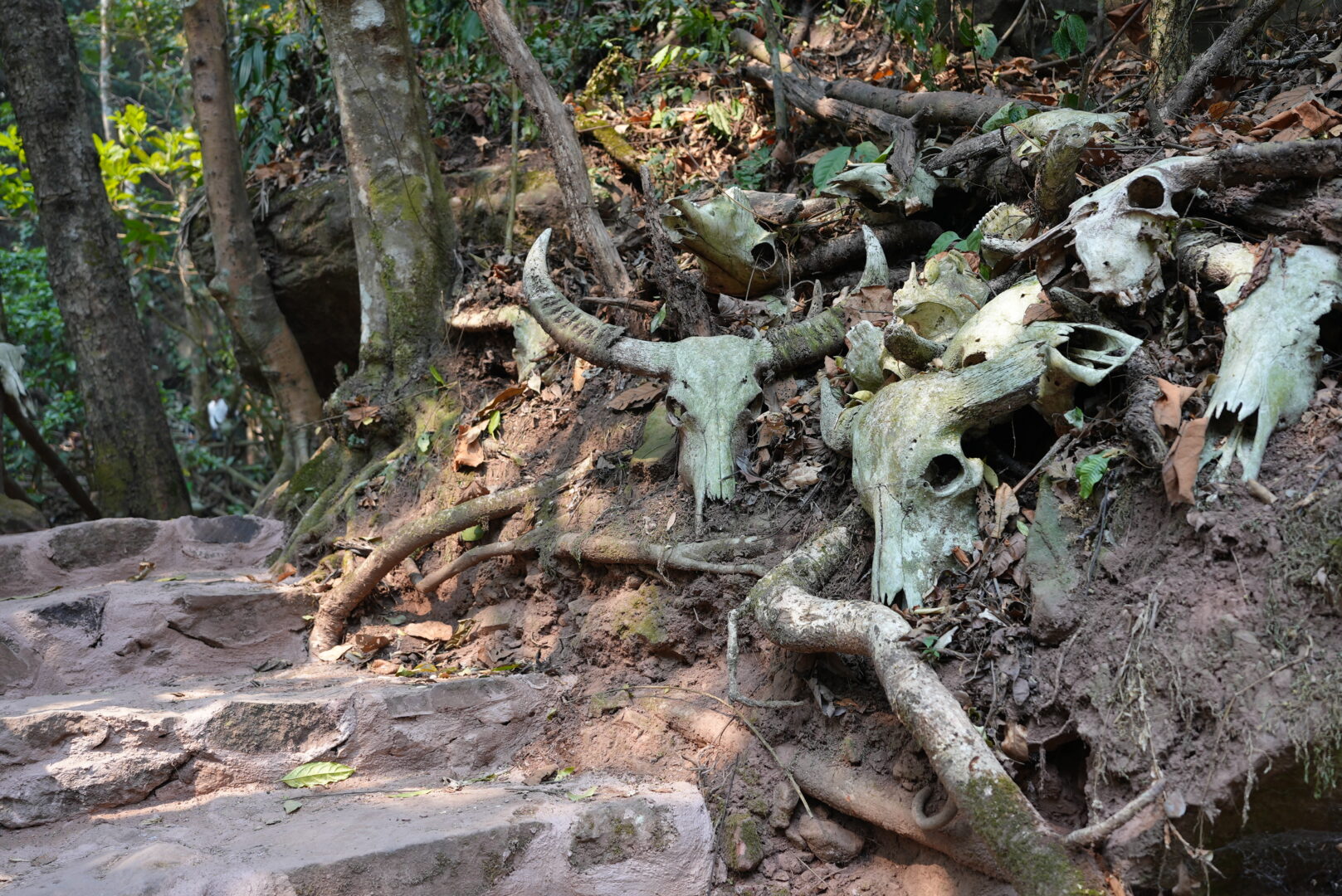
Longmoye (龙摩爷), near the county town, is the site most visitors are taken to: a ritual site hung with hundreds of buffalo skulls from past sacrifices, in dense forest. It’s genuinely powerful and worth understanding before you photograph it — these are religious objects, not decoration.
Eating
Va food is nothing like Chinese food:
- Charcoal-grilled meat, cooked in banana leaf or on a spit
- Rice cooked in bamboo — the tube is split open at the table
- Sour bamboo shoot and wild greens, some of them foraged that morning
- Chilli and herbs heavy, oil light, and a sourness that comes from fermented rather than added acid
Rice wine is offered and is stronger than it tastes.
Practical notes
Getting there: Pu’er or Lincang by air, then several hours by road. This is genuinely remote and the last stretch is slow.
When: October to April, the dry season. Summer brings heavy rain and landslides on mountain roads.
Border zone: the Myanmar frontier here is sensitive and some areas require permission or are closed outright. Check restricted areas and don’t improvise near the line.
Visiting well: ask before photographing people, ceremonies and ritual sites. Bring something for a household that hosts you. The Va have been a spectacle in outsiders’ accounts for a century, and being a good guest is the whole difference.
Nearby: Menglian for the Dai temples and the water festival, Pu’er for the tea mountains.
- #yunnan
- #ximeng
- #va
- #myanmar border
- #minority culture