
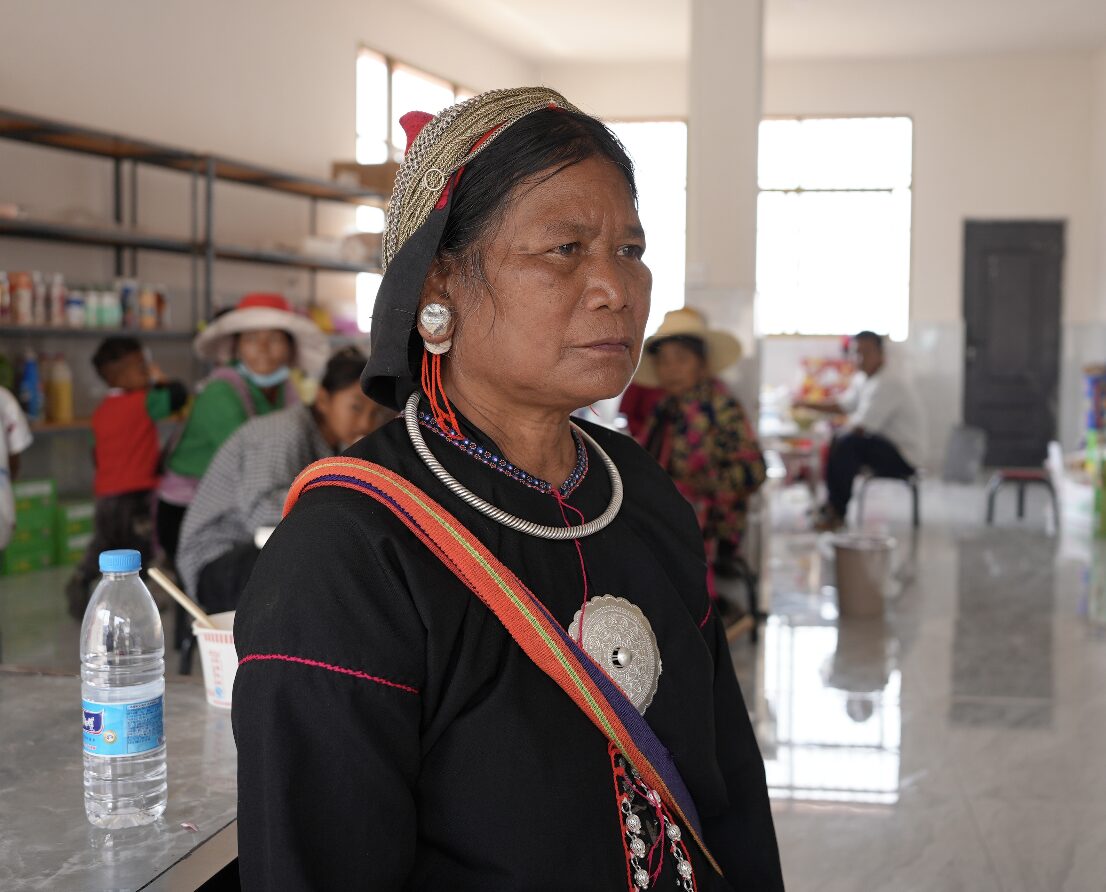
The Dai of southern Yunnan share language, script, religion and cooking with the Thai — because they were the same people before the borders arrived. Menglian is the quiet version of that, without the crowds of Xishuangbanna.
The Dai of southern Yunnan and the Thai of Thailand are not similar cultures. They’re branches of the same one, separated by a border drawn long after the language, the script, the Theravada Buddhism and the food had already spread across the whole region.
Menglian — officially the Menglian Dai, Lahu and Va Autonomous County — sits in Pu’er prefecture against the Myanmar frontier, and it’s where that comes across most clearly with the least tourism attached. Xishuangbanna, further east, does the same thing at ten times the scale.
What it looks like
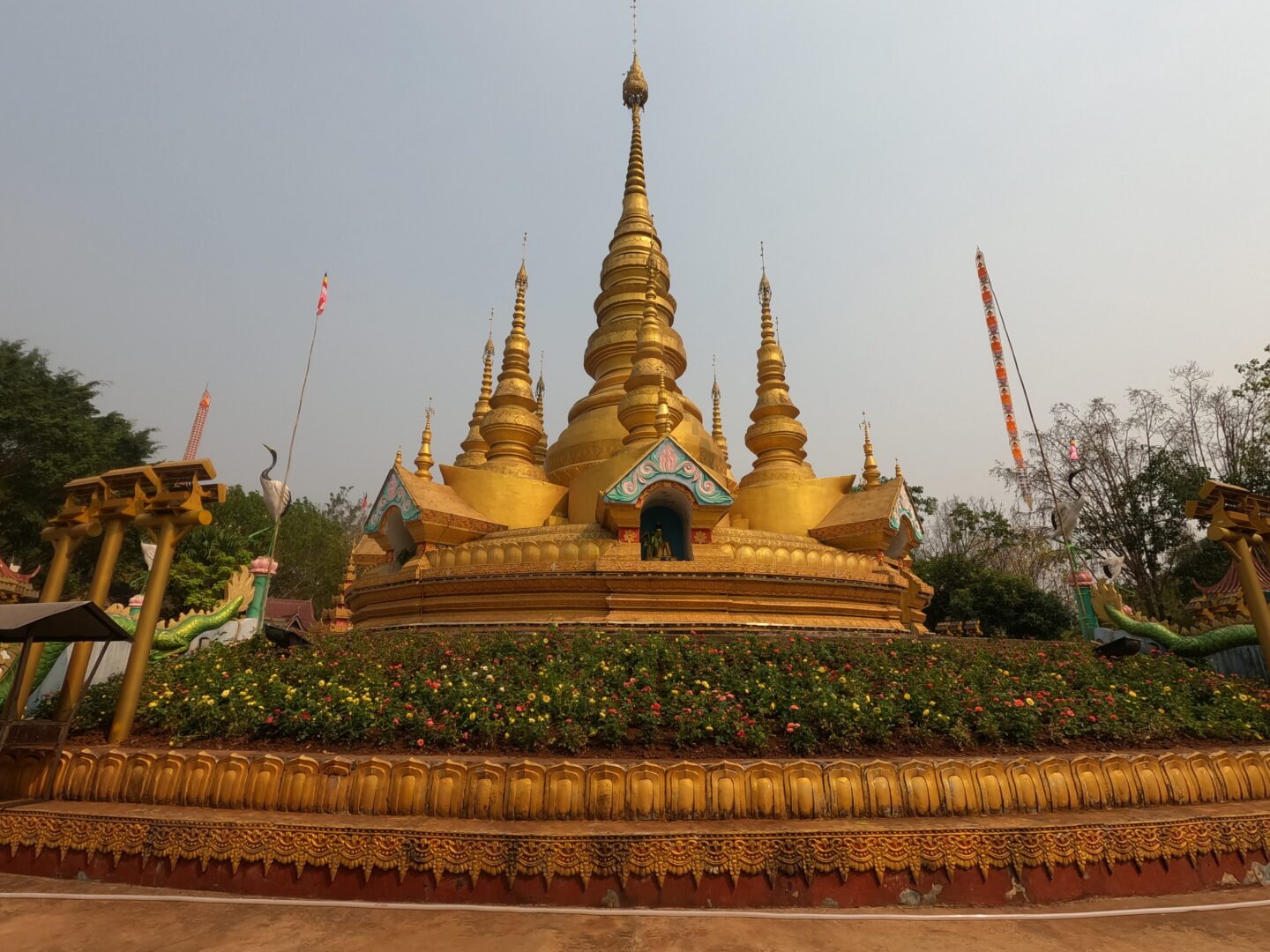
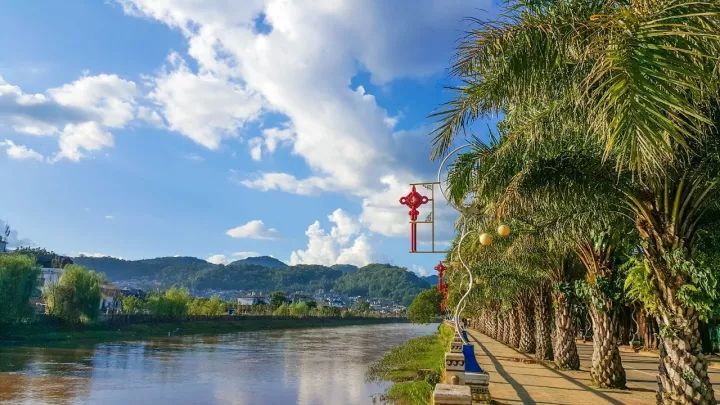
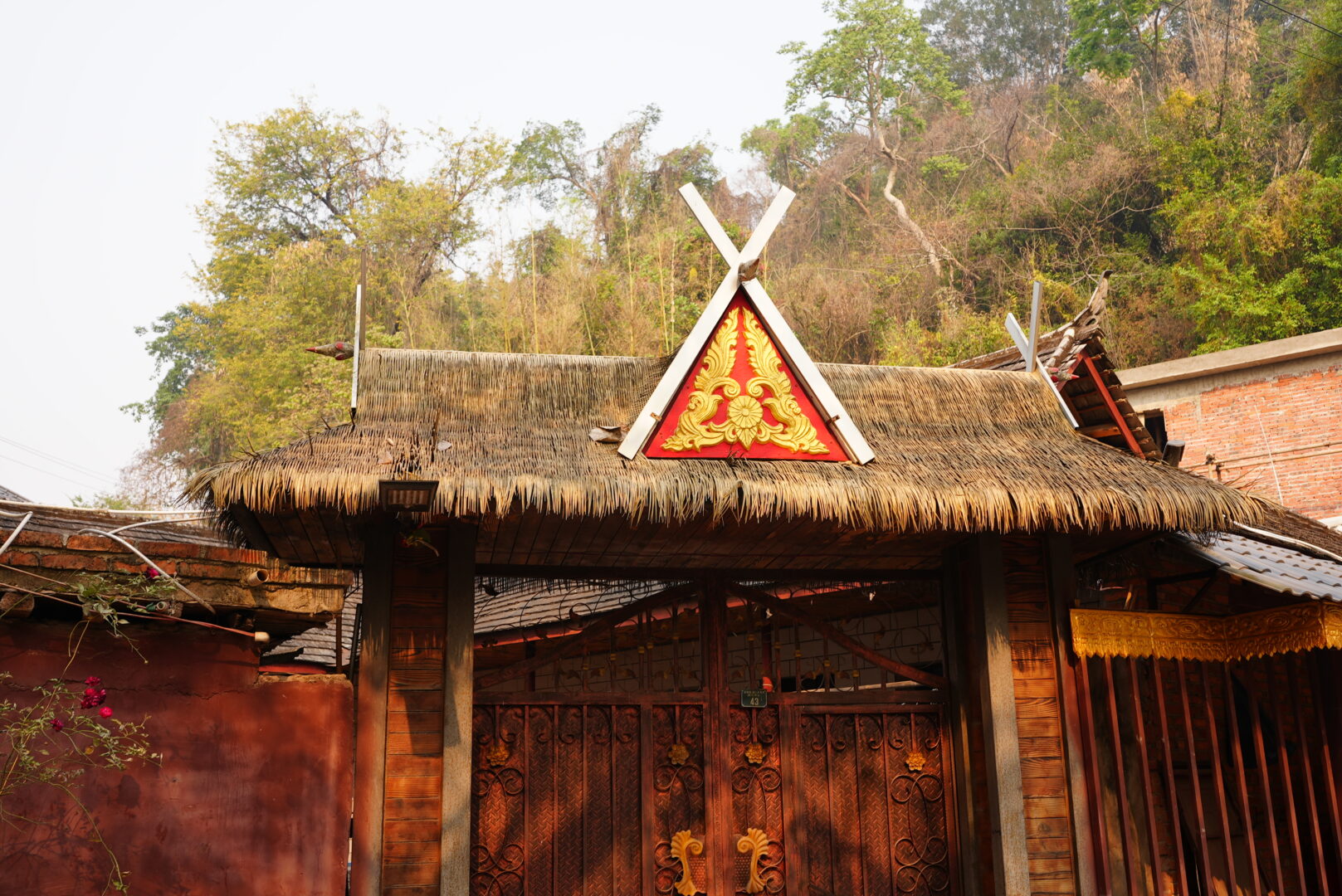
Palms and banana over tin roofs, temples with tiered gables and gilded finials, saffron-robed monks on the road in the morning, and a golden pagoda visible from most of the town. Nothing about the architecture reads as Chinese.
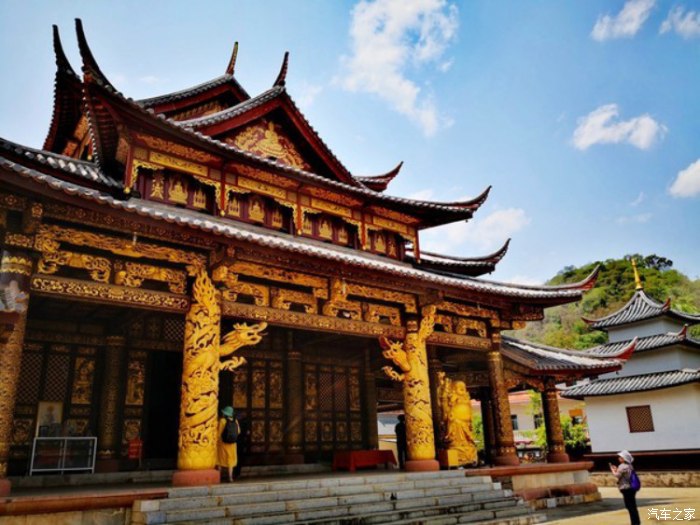
The historic centre of it is the Xuanfu hall (宣抚司) — the seat of the hereditary Dai administrators who governed this frontier under successive Chinese dynasties. It’s a working piece of political history: Dai construction, Chinese official function, and a reminder that “border” here meant a negotiated arrangement rather than a line.
The county is also home to Lahu and Va communities in the hills, each with their own language and calendar. Three cultures in one county, none of them Han-majority.
The water festival
The Dai new year — Songkran, the water-splashing festival — falls in mid-April, and it is exactly as it sounds. Three days, everyone in the street, buckets, hoses, and no exemption for visitors.
Songkran — mid-April, and there is no dry option
Underneath the water fight there’s a religious structure: bathing the Buddha statues, offerings at the temple, sand stupas built in the temple grounds, and dragon-boat racing on the river. Come for the ceremony in the morning and stay for the chaos in the afternoon.
Book accommodation well ahead. This is the busiest week of the local year by a wide margin.
Eating
Dai food is the most un-Chinese cooking in China: sour, herbal, grilled, and light on oil.
- Grilled fish stuffed with lemongrass and wrapped in banana leaf
- Green papaya salad, pounded in a mortar, essentially identical to som tam
- Sour bamboo shoot soups, and wild herbs you won’t recognise
- Purple sticky rice, steamed and eaten with your hands
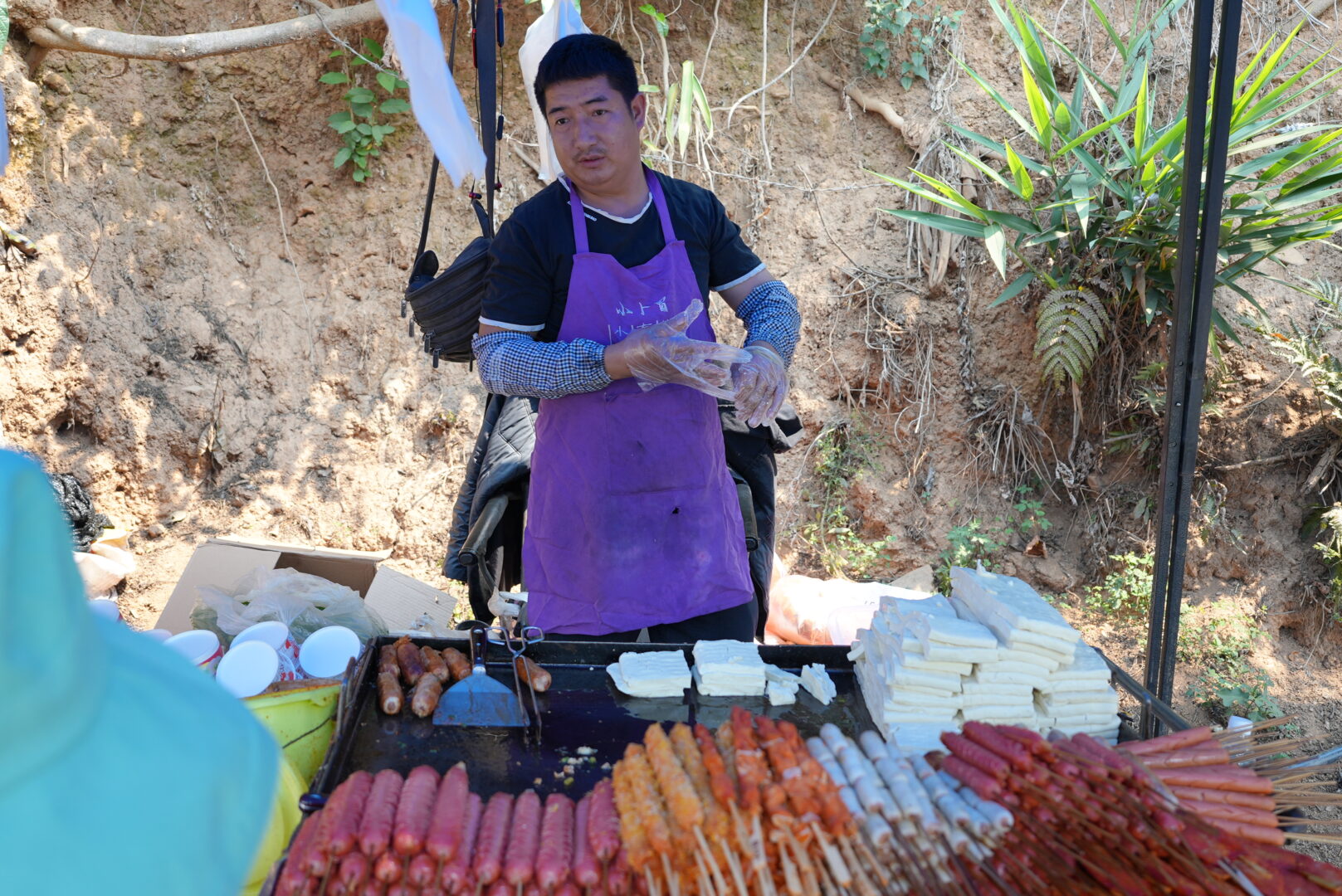
- Pineapple rice and, if you’re brave, insects from the market grill
Not a Sichuan peppercorn in sight. The food guide covers where this sits relative to the rest of the country.
Practical notes
Getting there: Pu’er or Lancang by air or rail, then road. The Kunming–Vientiane railway has made the whole south much more accessible.
When: October to April is the dry season and the pleasant half of the year. Mid-April for the festival. Summer is hot and very wet.
Border zone: Myanmar-frontier areas have their own access rules and some sections are restricted — check restricted areas before planning to get close to the line.
Nearby: Ximeng for Va country in the hills above, Pu’er for the tea mountains north.
- #yunnan
- #menglian
- #dai
- #myanmar border
- #songkran