

China has quietly built a proper luxury train. Twelve passenger carriages, private cabins with real bathrooms, an assigned butler, and a karaoke car — leaving from the city with the pandas.
China does high-speed rail better than anyone. What it hasn’t been known for is the slow luxury train — the Orient-Express category, where the journey is the product rather than the transport.
That’s changed. There is now a genuine luxury sleeper operating out of Chengdu, and having spent a couple of days on it, the surprise is how unapologetically comfortable it is.
The train
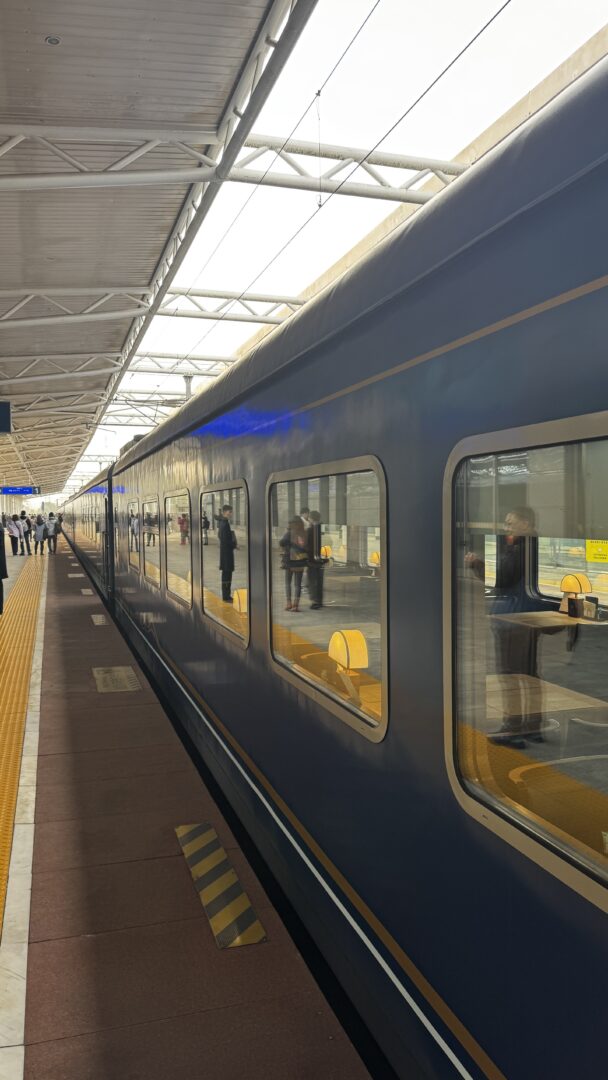
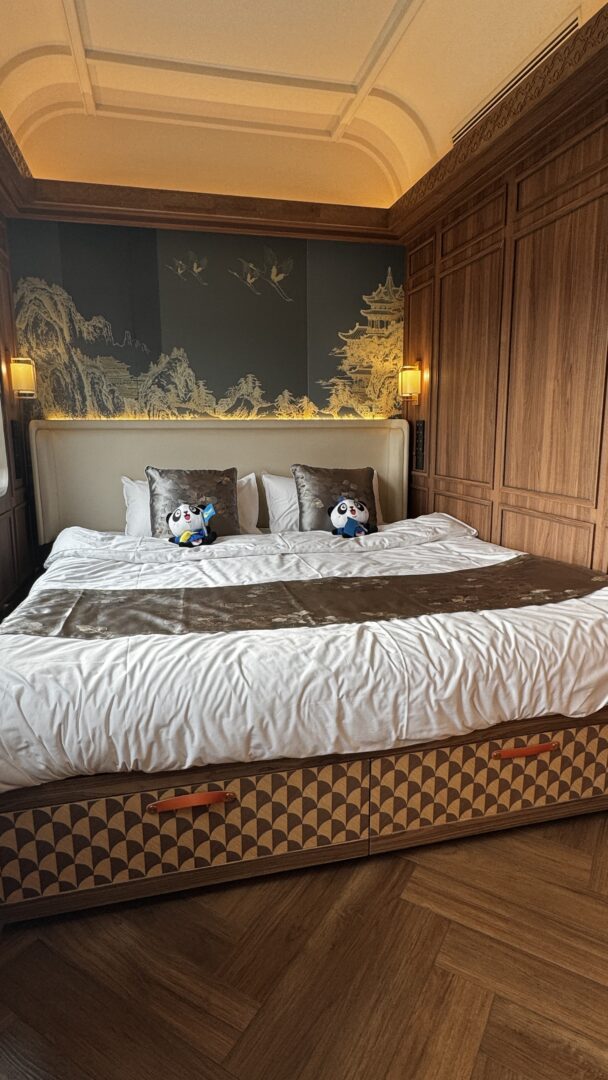
Eighteen carriages, twelve of them for passengers. Cabins are large by any sleeper standard — a proper bed rather than a bunk, storage that works, and an en-suite bathroom with a Japanese-style toilet, which is not a sentence you often write about a train.
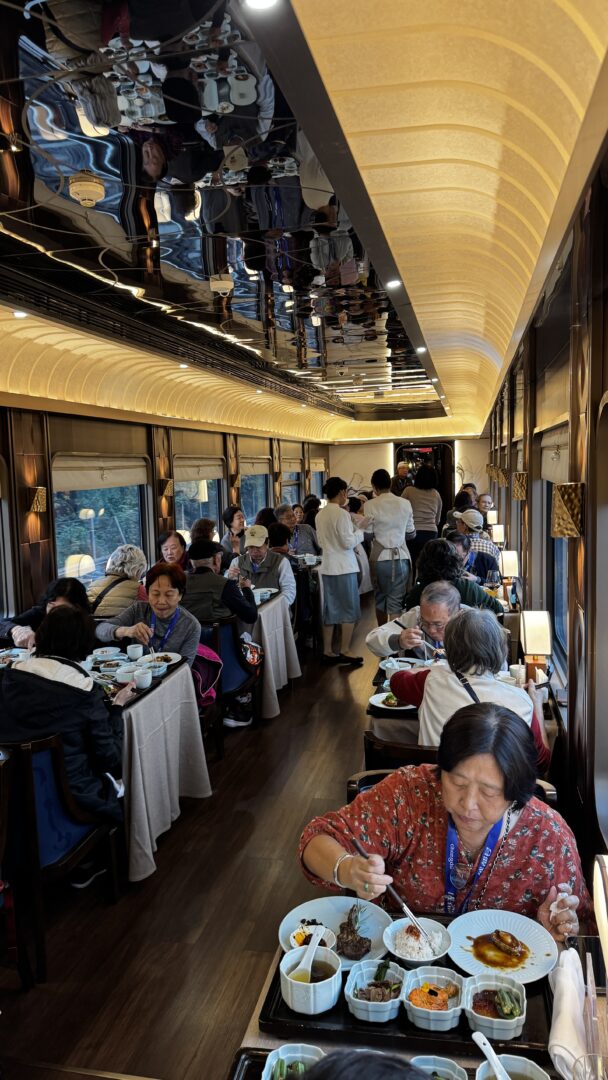
Each passenger carriage has an assigned butler. Meals are included and can be specified when you book, and the dining carriage is a restaurant rather than a buffet counter.
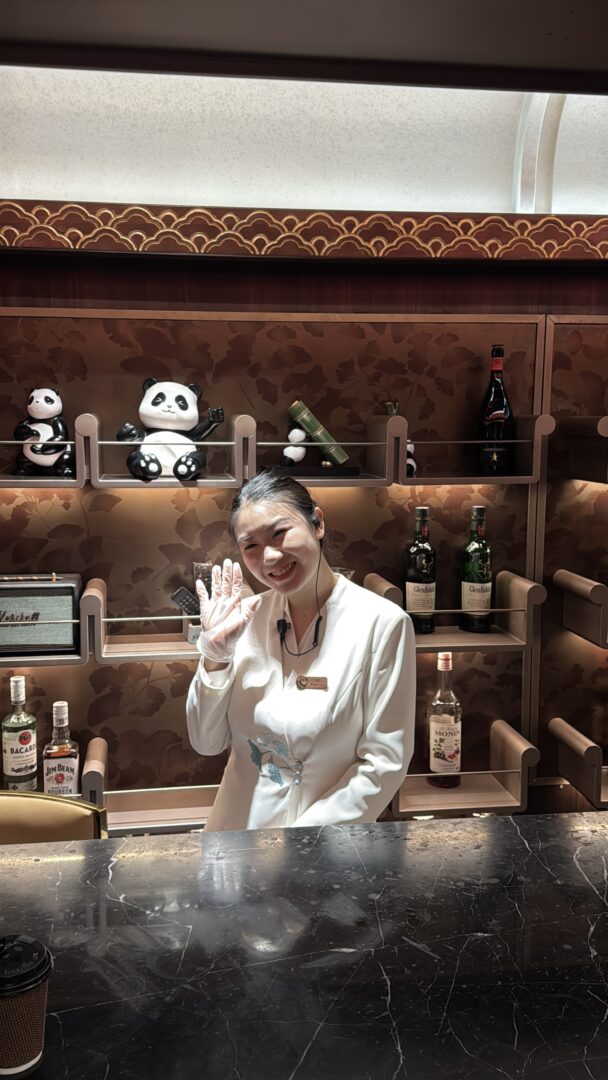
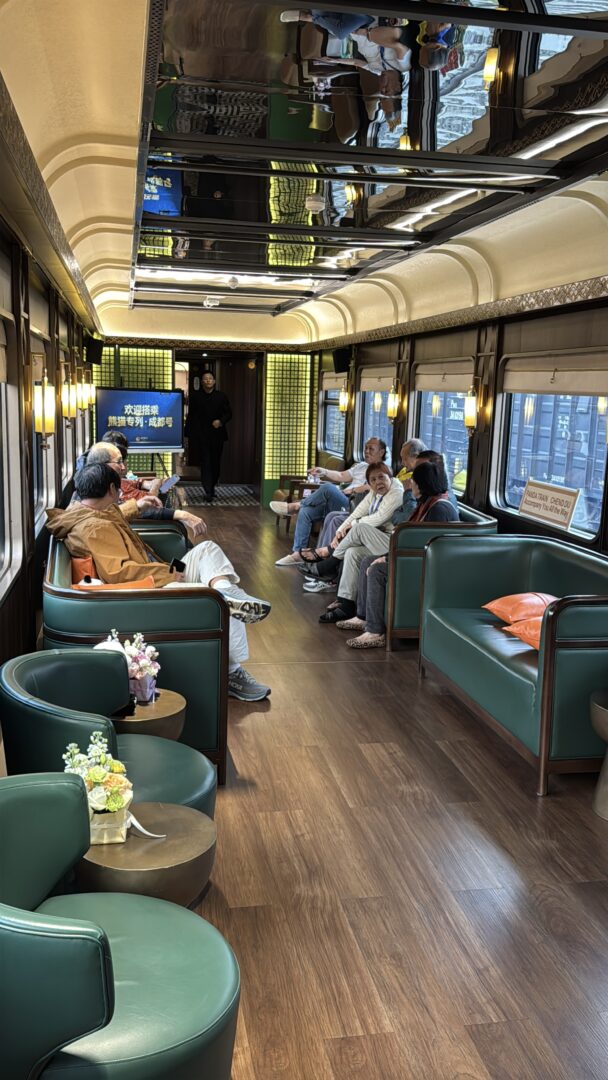
Two carriages are given over to entertainment, which in a Chinese context means a mahjong room, a tea room and a karaoke room. There’s a bar car with evening performances, massage chairs along the corridor, and a smoking room.
The overall register is closer to a floating hotel than to a train — the emphasis is on being aboard rather than on getting anywhere quickly, which is the whole point of the format.
Booking it
The operator is Huayun, which runs the service and handles reservations directly; they have both Chinese and English-language sites and assign a customer manager who works over WeChat or WhatsApp once you’ve made contact.
Routes and departures are seasonal rather than fixed timetable, so ask what’s running for the dates you have rather than the other way around.
Start with the pandas
The obvious thing to do with the day before departure is the Chengdu Research Base of Giant Panda Breeding.
It’s a genuine conservation and research institution rather than a zoo, and it shows in the enclosures — space, bamboo, climbing structures, and pandas doing what pandas do, which is eat sitting down for most of the waking day. The cubs in the nursery are the part everyone remembers.
Sichuan holds the overwhelming majority of the world’s wild giant panda population, and the base is where the captive breeding programme that took the species off the endangered list happens. Worth understanding while you’re there.
Practical: it’s in Chenghua District, north of the city centre, and a taxi is the sensible way there — there’s no direct metro. Go at opening time. Pandas are most active in the morning, they’re fed early, and by noon they’re asleep and the crowds are at their worst.
Practical notes
Getting to Chengdu: two international airports and the national high-speed network. It’s one of the easiest cities in western China to reach.
Before you board: Chengdu deserves a couple of days in its own right — teahouses, the old lanes, Wenshu monastery, and the best hotpot in the country. See our food guide.
Where the train can take you: the classic direction is northwest into Ngawa and the plateau, which is spectacular country to watch go past a window. Overland alternatives are covered in our transport guide.


- #sichuan
- #chengdu
- #luxury train
- #rail
- #pandas