
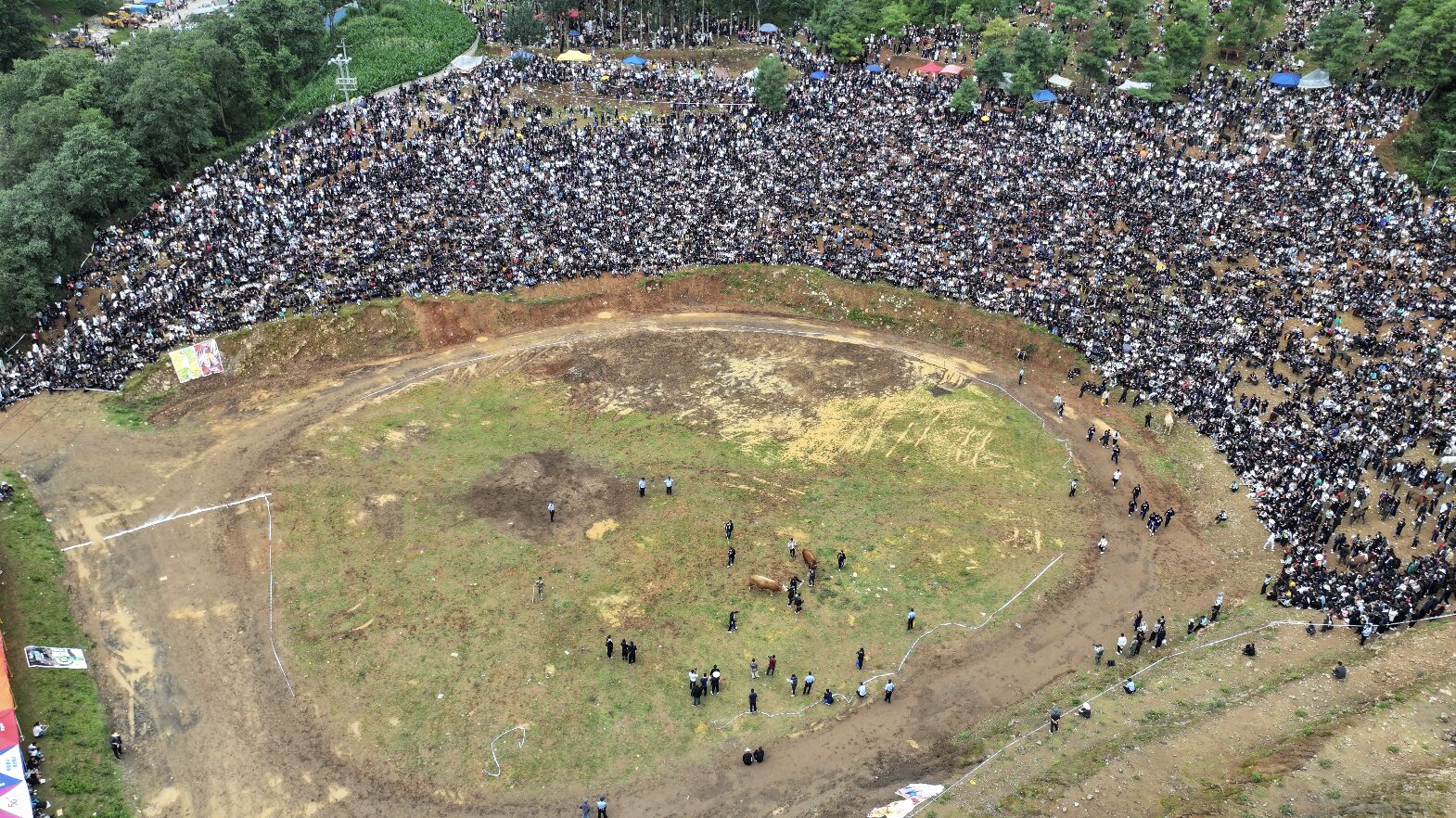
In Butuo, traditional Yi dress isn't festival costume — it's what people wear to the market. Add the Torch Festival in summer and the county becomes one of the most visually extraordinary places in China.
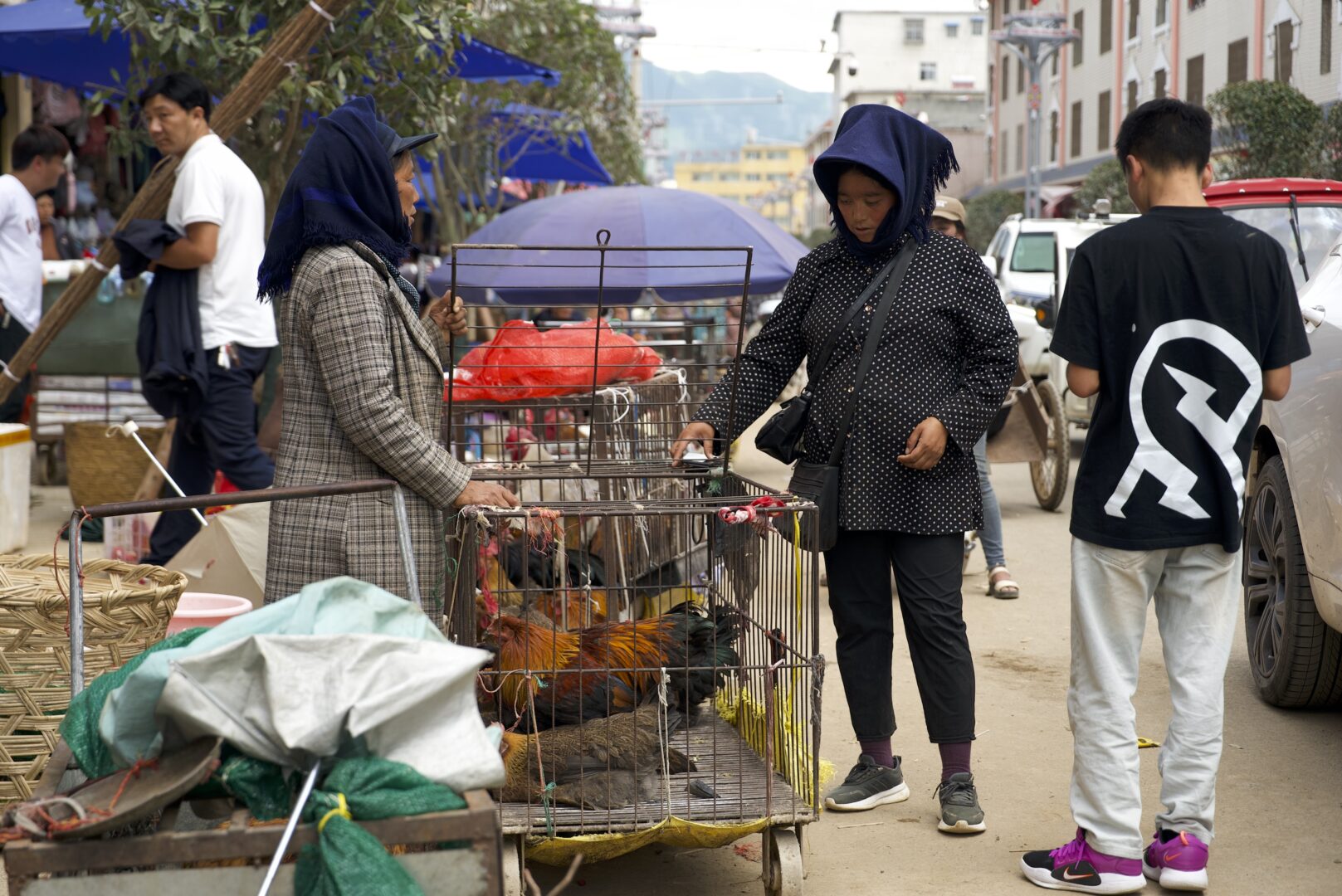
Traditional dress in most of China is something taken out of a wardrobe for a photograph. In Butuo it’s what people are wearing when you get off the bus.
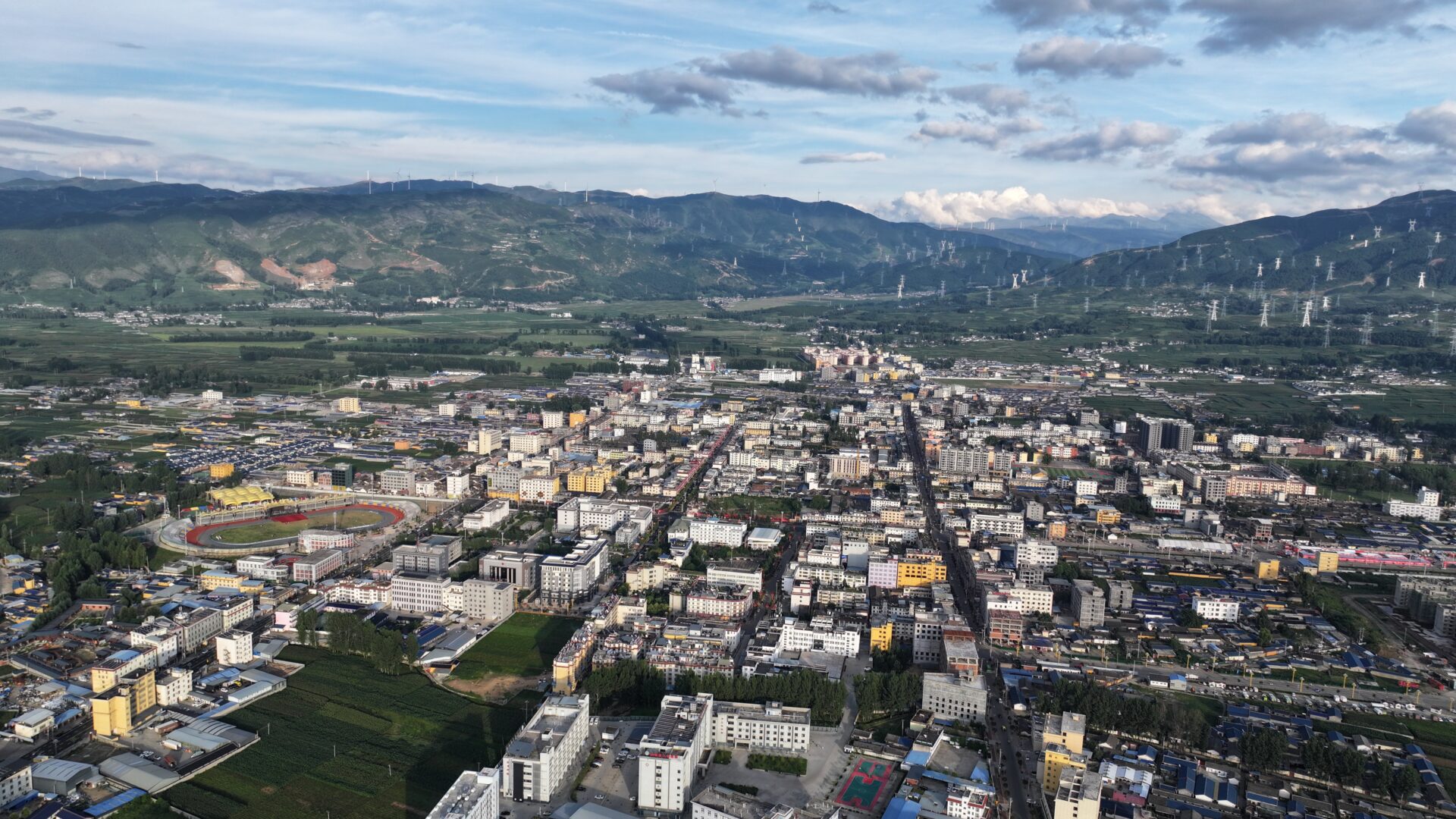
The county sits in Liangshan, the largest Yi region in China, in the mountains of southern Sichuan. The Yi are among the biggest of the ethnic minorities, and Liangshan is where the language, the clothing, the priesthood and the calendar are all still fully in use.
What people wear
Yi dress in Liangshan is regionally specific down to the county, and Butuo’s version is among the most elaborate.
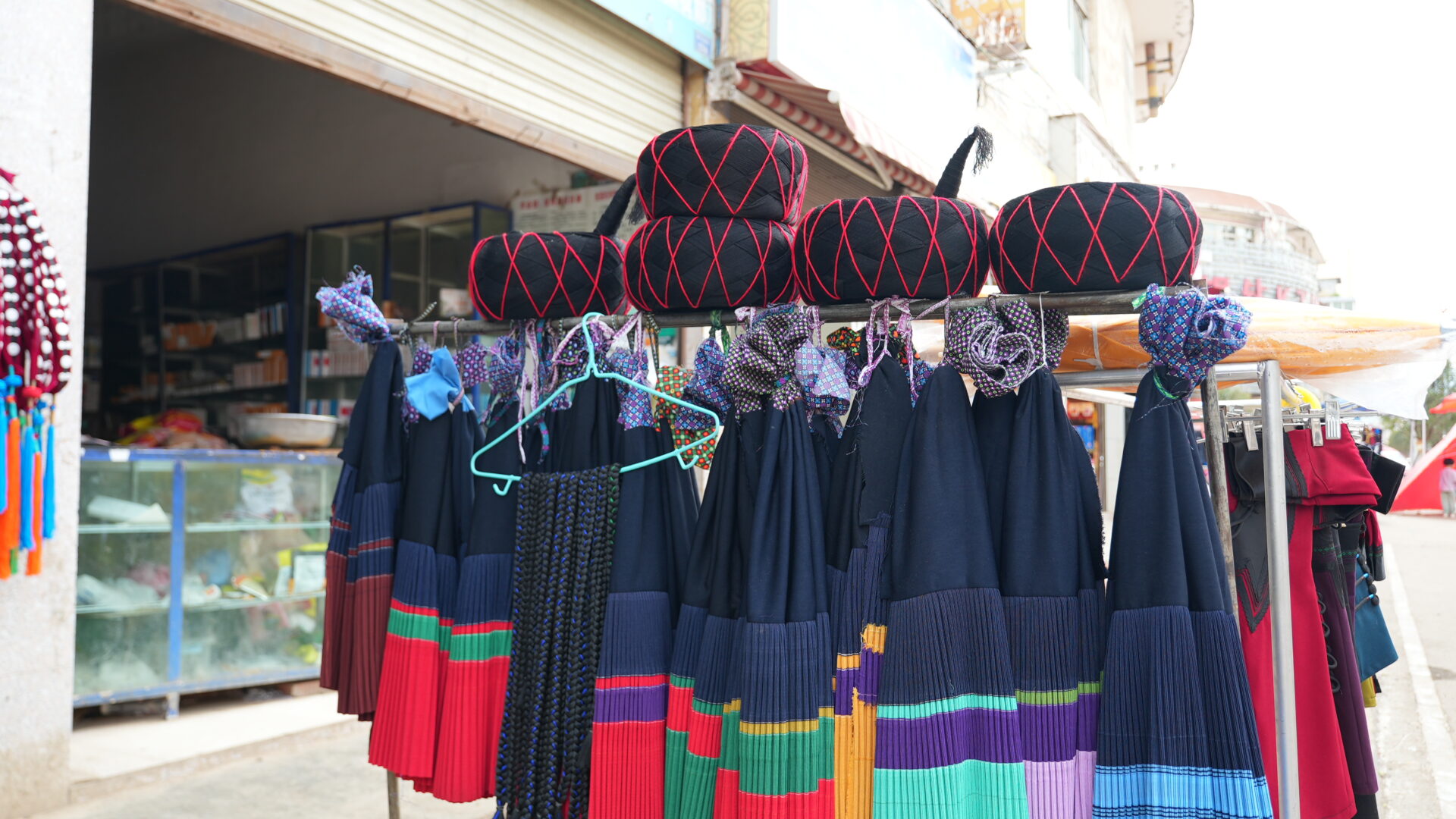
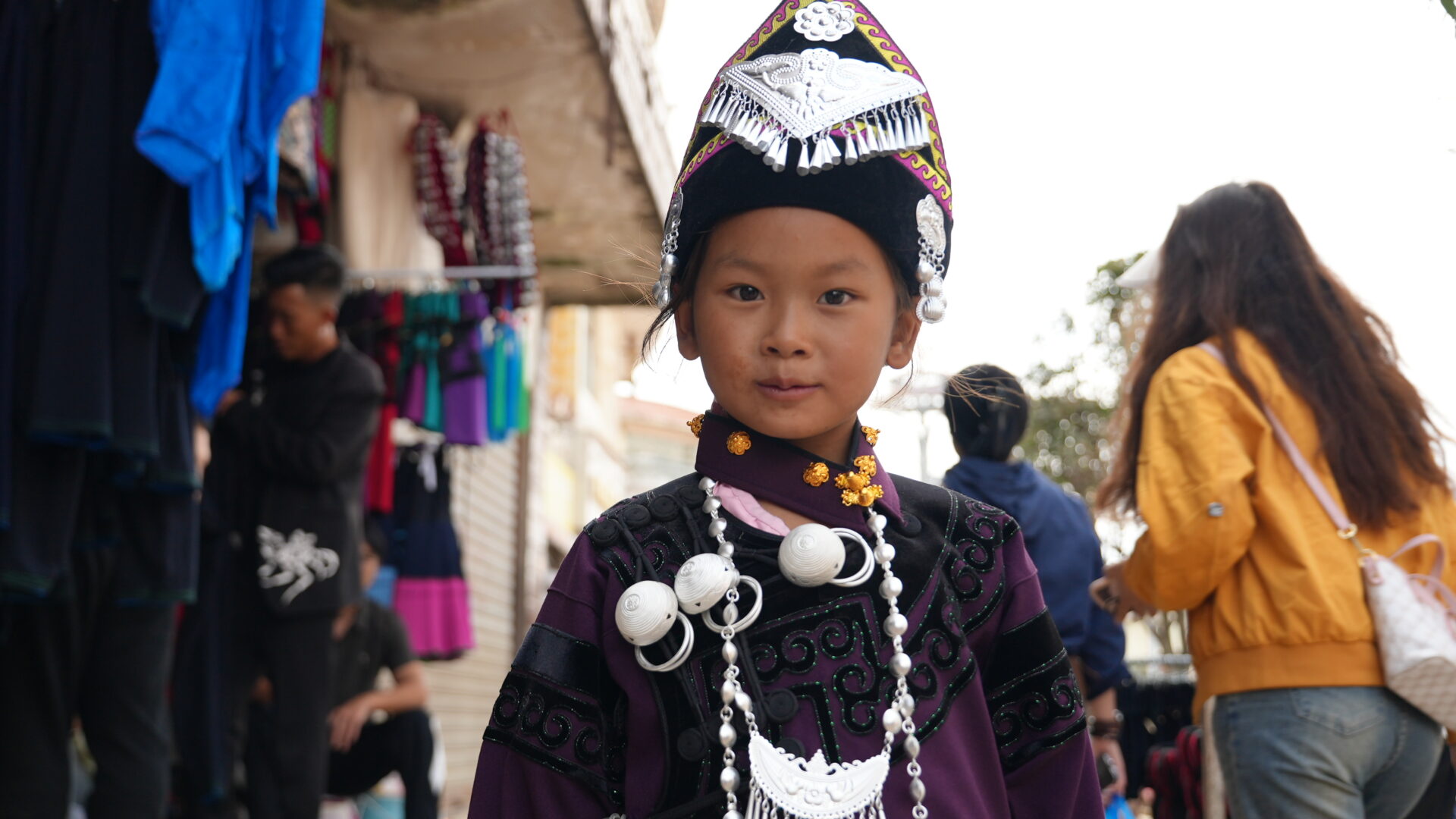
Women wear pleated skirts — long, tiered, sometimes with a hundred or more pleats, in black, red and yellow bands — over embroidered jackets, with headwear that varies by age and marital status. The embroidery is dense geometric work: spirals, ram’s-horn motifs, sun patterns, done by hand and taking months.
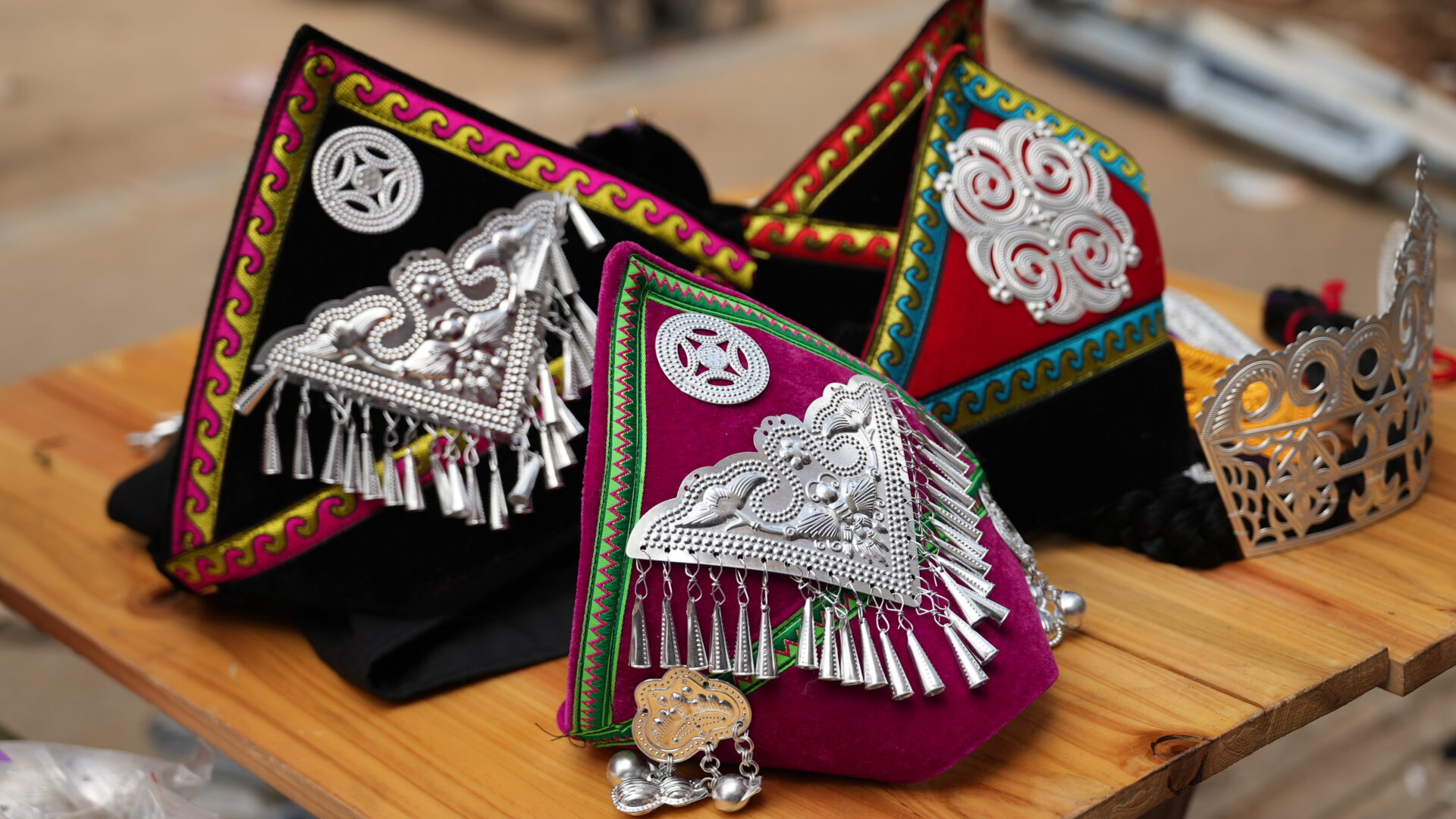
Silver is the other half. Collar pieces, earrings the size of a palm, chest ornaments, hair pins — worn in quantity at festivals and in some measure every day. It represents family wealth and it’s made locally by silversmiths who still take commissions rather than selling stock.
Men wear the charwa — a thick felted wool cape, fringed at the hem, black or dark grey — which is a genuinely superb piece of mountain clothing and looks it.
The Torch Festival
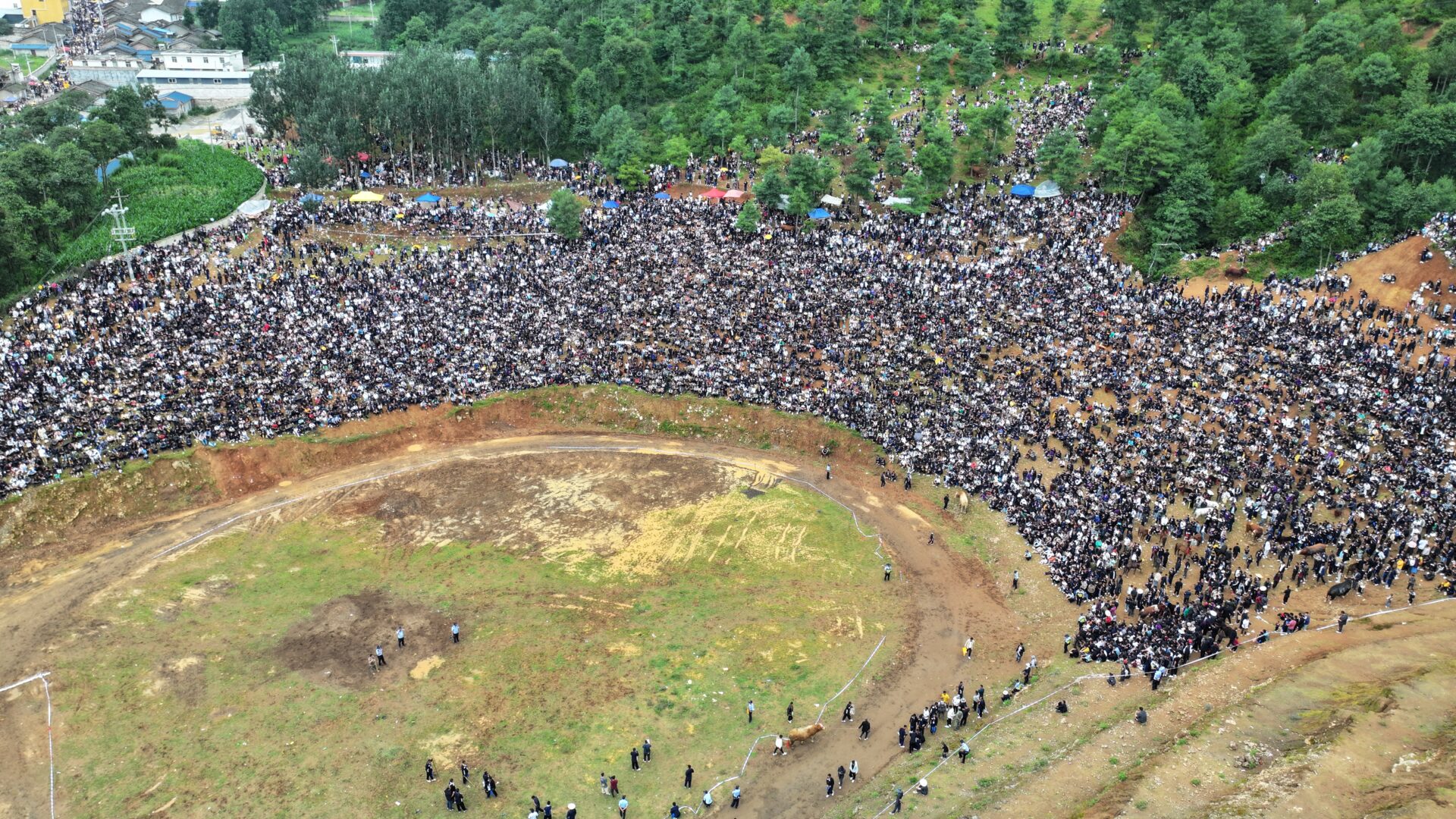
The Yi year turns on the Torch Festival (火把节), usually falling in the sixth lunar month, around late July or August. Butuo has one of the biggest.
Three days of it: wrestling, bull fighting, horse racing, beauty contests judged on dress and bearing, and then torches. Everyone carries one, bundles of pine, and by nightfall the whole valley is moving lines of fire — through fields, around houses, converging on a bonfire.
The origins are agricultural and apotropaic — driving pests and bad luck out of the crops — and the practice is entirely alive.
The bimo
Yi religious life runs through the bimo, hereditary priests who read a script of their own, conduct funerary and healing rites, and keep the genealogies. Yi writing is a syllabary of over a thousand characters, standardised in the modern era but far older, and the bimo texts are its oldest use.
You won’t see much of this as a visitor — it’s household and lineage practice, not public performance — but it’s the framework everything else sits inside.
Visiting well
Butuo isn’t set up for tourism, and Liangshan has a history of being photographed by outsiders on unequal terms. A few things:
- Ask before photographing people. Especially children. Especially at festivals, where the temptation is greatest.
- Buy from the makers. Silver and embroidery are made here; paying properly for them is the most useful thing you can do.
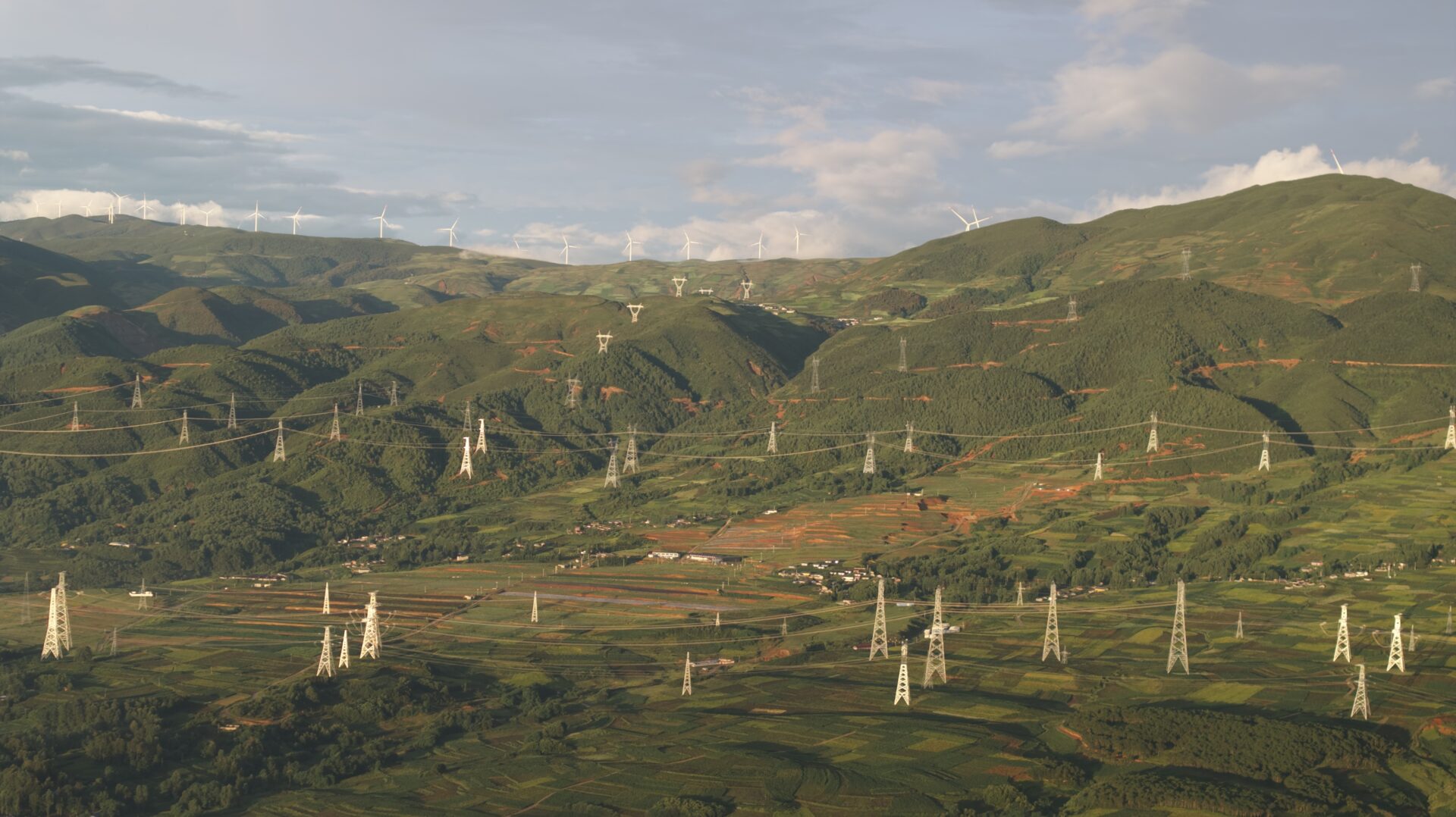
- Don’t treat poverty as scenery. Liangshan has been one of the poorer parts of China and there’s been a great deal of investment recently; both things are visible and neither is a photo opportunity.
Practical notes
Getting there: Xichang is the prefectural city, reachable by rail and air from Chengdu; Butuo is a few hours further into the mountains.
When: the Torch Festival (July–August) is the obvious answer, and the county is busy then. Autumn is quieter and clearer.
Nearby: Muli and Eya in the western valleys of the same prefecture, Litang on the plateau beyond.
- #sichuan
- #butuo
- #yi
- #liangshan
- #torch festival