
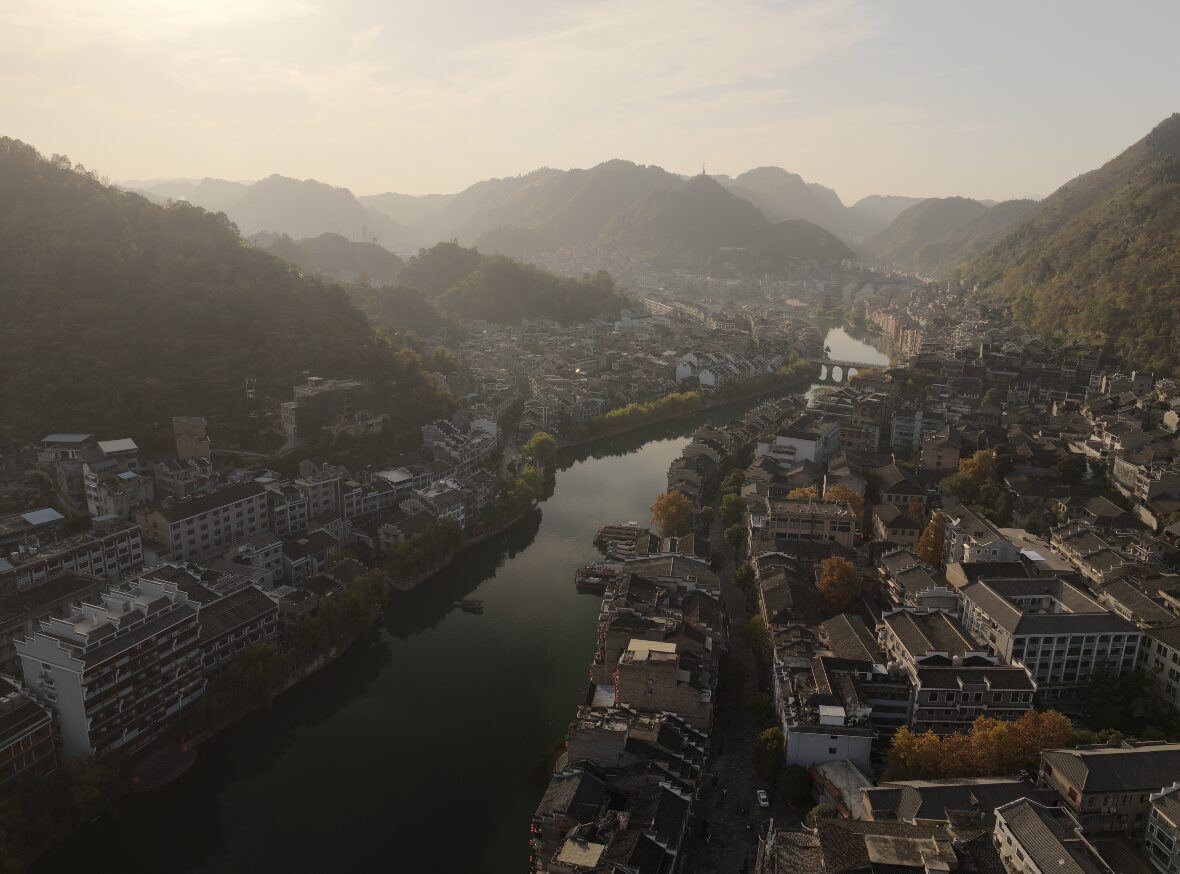
Zhenyuan is built along both banks of a green river inside a gorge, with the old town spanning it. It was a garrison and a trading post, and it's the best-looking small town in Guizhou.
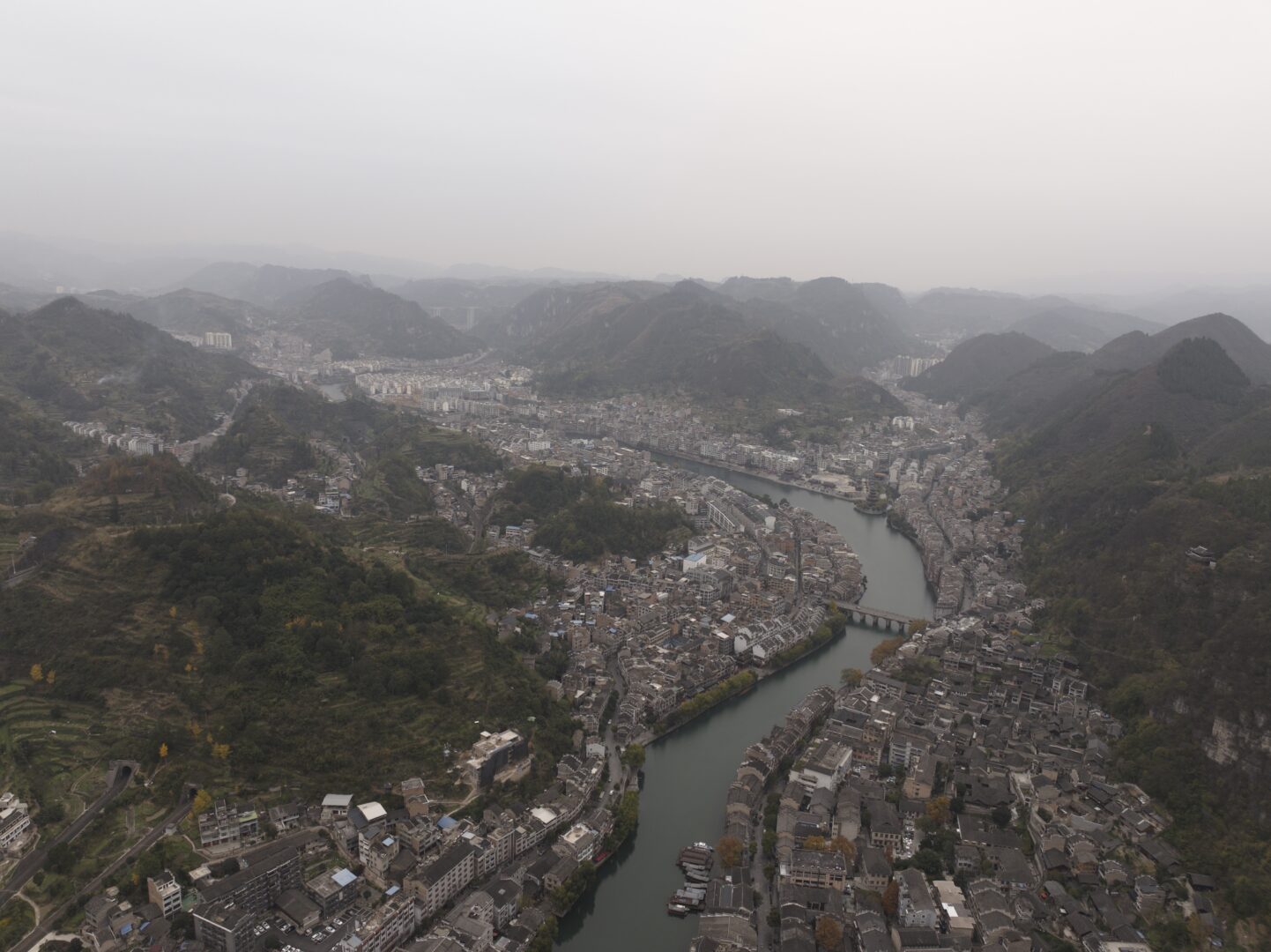
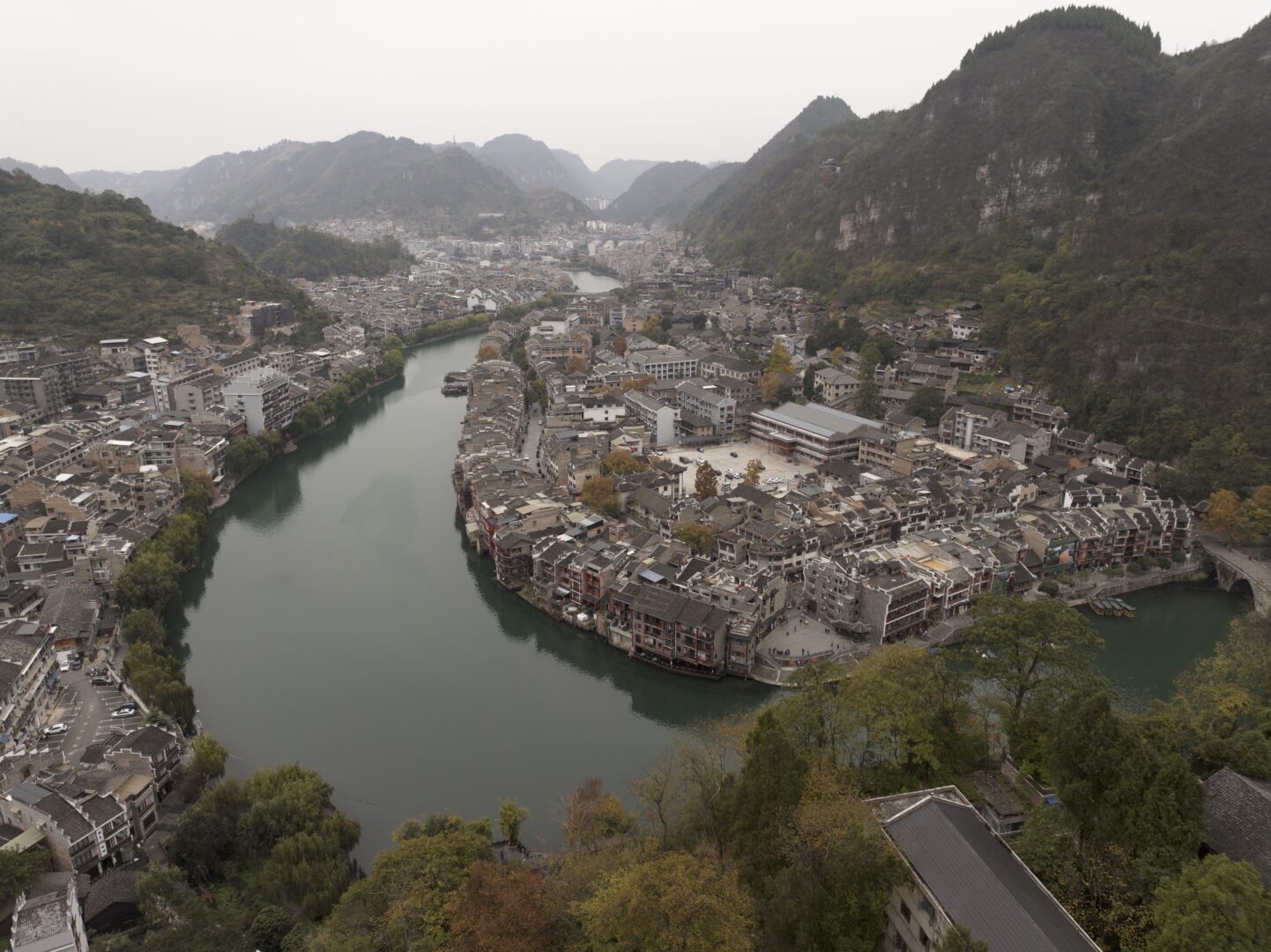
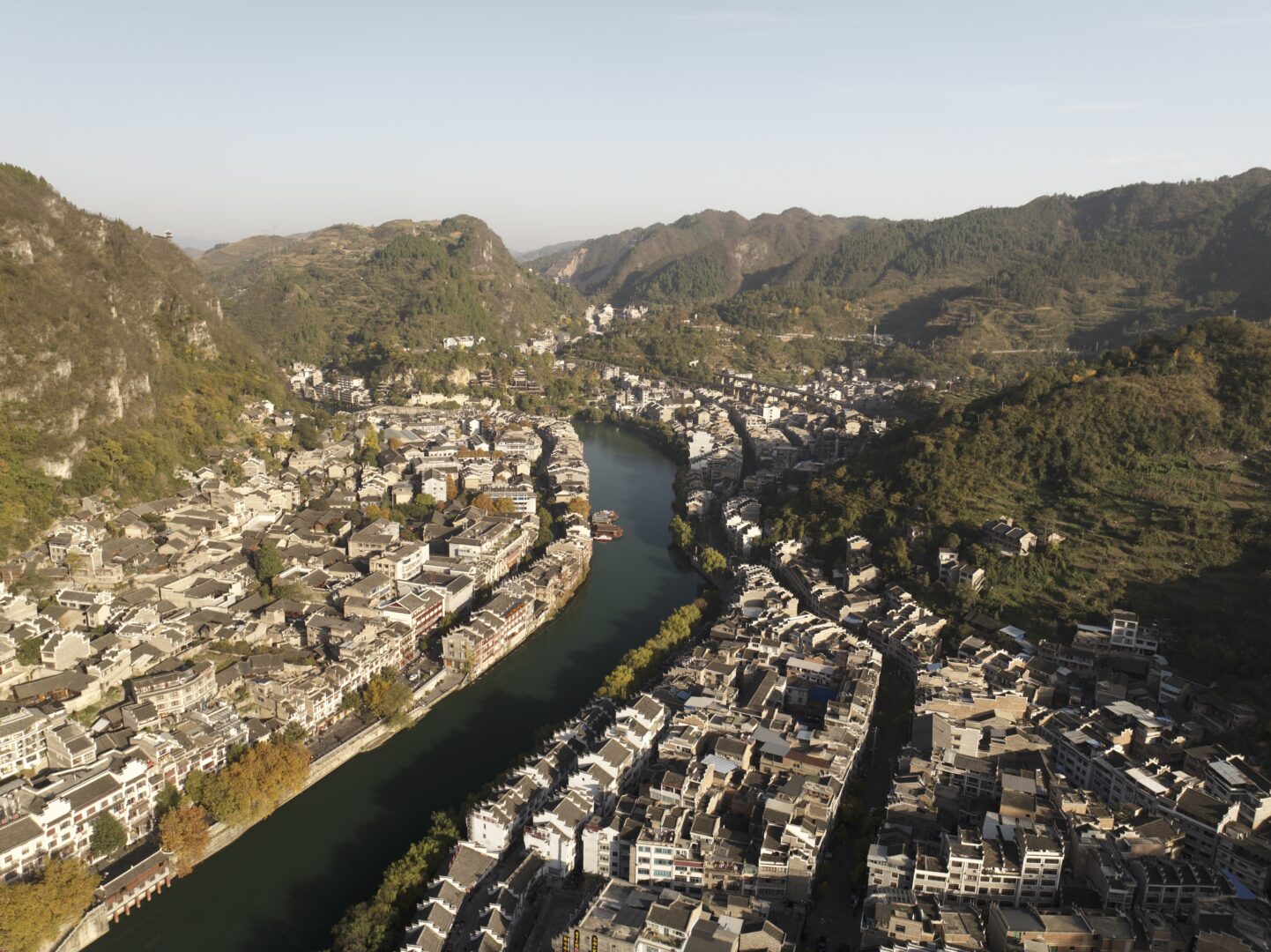
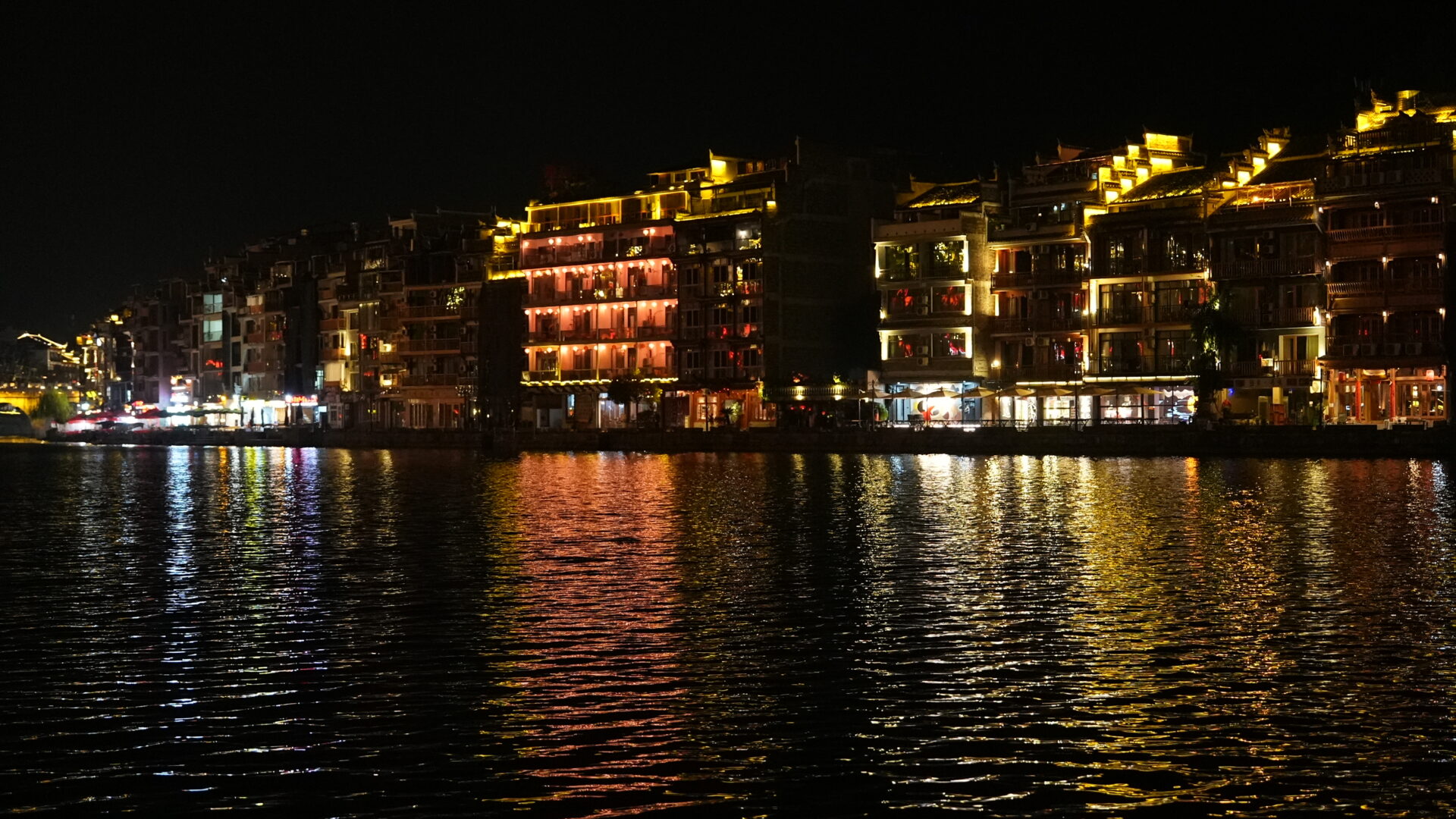
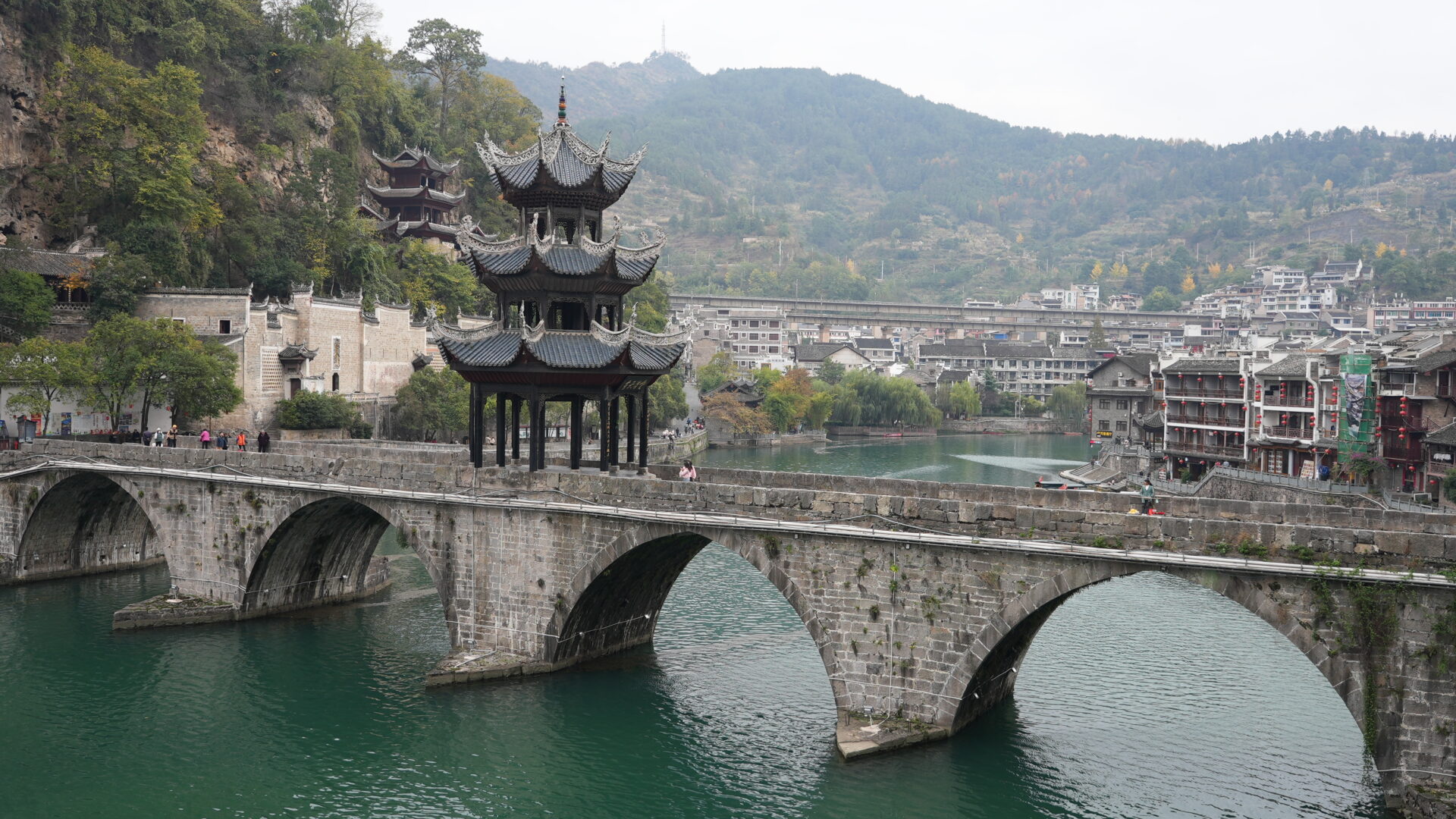
The “China’s Venice” tag gets applied to a dozen places and fits none of them, but Zhenyuan at least has the excuse of an unusual layout: the town runs along both banks of the Wuyang river inside a steep-sided valley, with almost no flat ground behind either bank, so the whole settlement is a double ribbon connected by bridges.
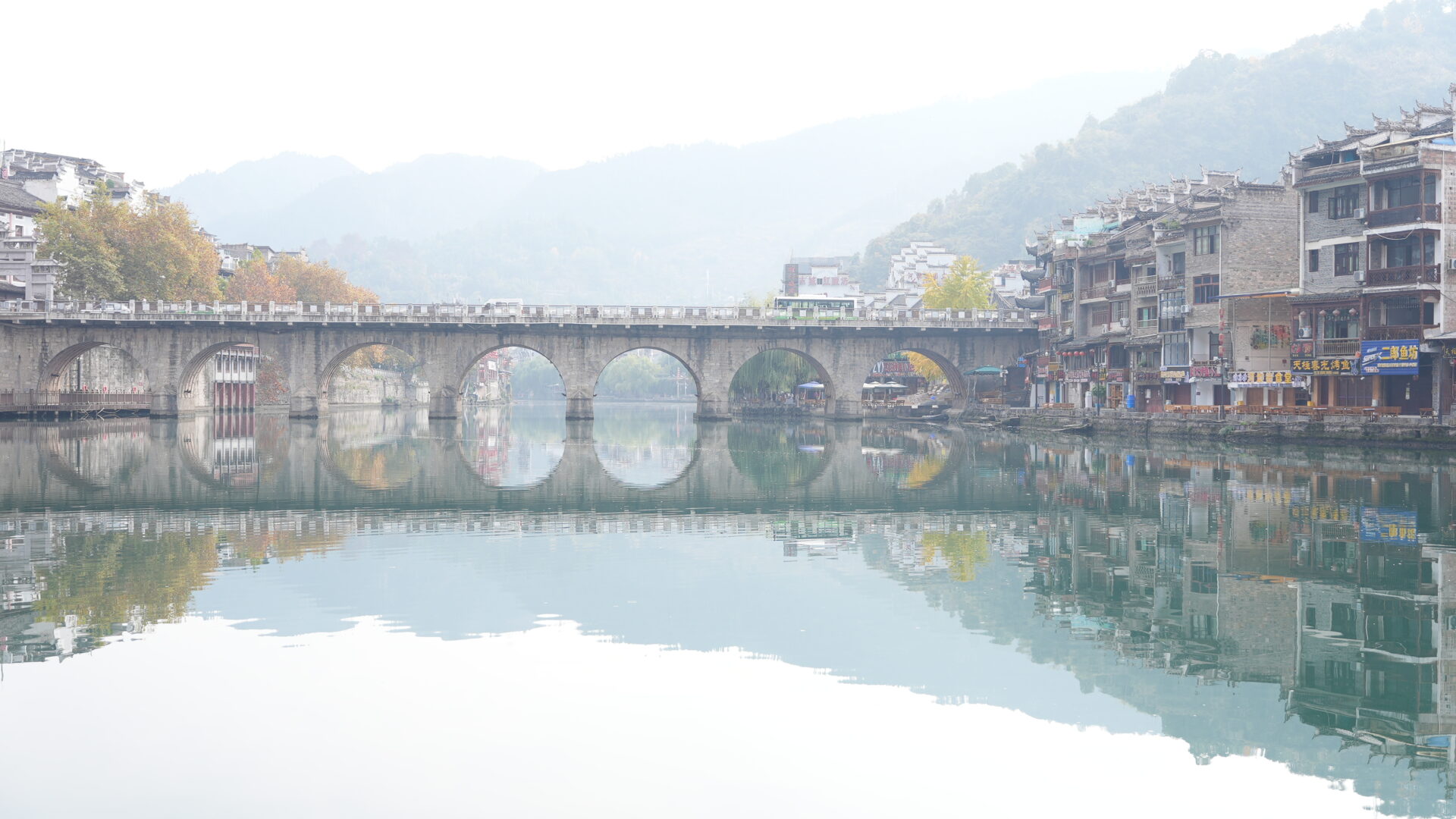
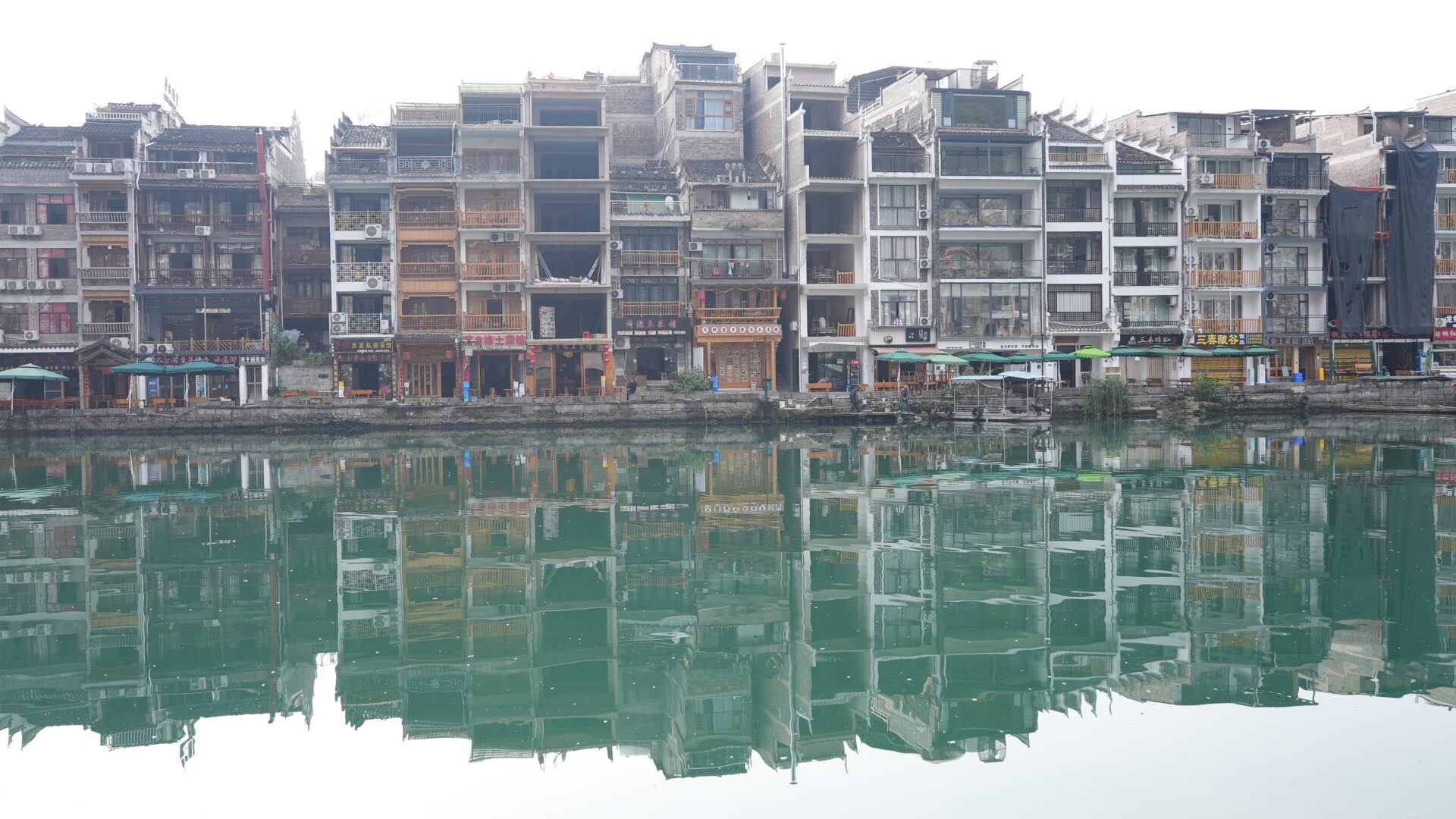
The river is green, the buildings come right down to the water, and the cliffs rise directly behind them. In the early morning, with mist on the water and the reflections still, it earns whatever comparison you want to make.
Why the town is here
Not for the scenery. Zhenyuan was a garrison and river port, established to control this valley — the Wuyang was navigable from here down to the Yuan river and eventually the Yangtze, which made it the head of navigation for the whole southwestern interior.
That means the old architecture is merchant and military rather than agricultural: courtyard houses of the trading families climbing the slope in stepped terraces, wharf steps down to the water, and a defensive layout.
Qinglong cave (青龙洞) is the set piece — a complex of temples, halls and pavilions built onto and into the cliff face across the river, mixing Buddhist, Daoist and Confucian structures on the same site. It’s stacked vertically against the rock with walkways between the levels, and it’s the most interesting building complex in eastern Guizhou.
The Wuyang river through the old town
What to do
Very little, deliberately. Walk both banks. Cross the bridges. Climb the stepped lanes behind the waterfront until you’re above the roofs. Take a boat, in the morning, when the water is still.
It’s ticketed in parts and there is a night-lighting scheme, so evenings are busier and considerably more colourful than the town’s natural register. Sunrise is the better hour.
Getting out into the villages
Zhenyuan is a good base for the real draw of eastern Guizhou: Miao and Dong villages.
- Xijiang — the largest Miao settlement in China, over a thousand wooden houses on a hillside. Heavily developed and still remarkable.
- Zhaoxing and the Dong villages — drum towers and covered bridges built without nails, and the polyphonic Dong choral singing, which is UNESCO-listed and unlike anything else in Chinese music.
- Terraces everywhere, flooded from April and gold by October.
Market days rotate between villages; ask locally, and go to whichever is on. Our ethnic groups guide covers who’s who.
Eating
Guizhou food is sour before it’s spicy, built on fermentation:
- Sour soup fish (酸汤鱼) — the regional masterpiece, fish poached in fermented tomato and rice broth
- Rice noodles at any hour
- Sour bamboo shoot, pickled greens, and chilli in every household’s own version
- Rice wine, offered relentlessly in villages
See our food guide.
Practical notes
Getting there: high-speed rail to Zhenyuan from Guiyang or Changsha — it’s on the main line, which makes it easy.
When: April to October. Late April to June for flooded terraces, September–October for harvest. Guizhou is wet; expect rain and treat mist as a feature.
Nearby: Guizhou’s waterfalls and karst to the west, and western Hunan over the border east.
- #guizhou
- #zhenyuan
- #old town
- #miao
- #dong