
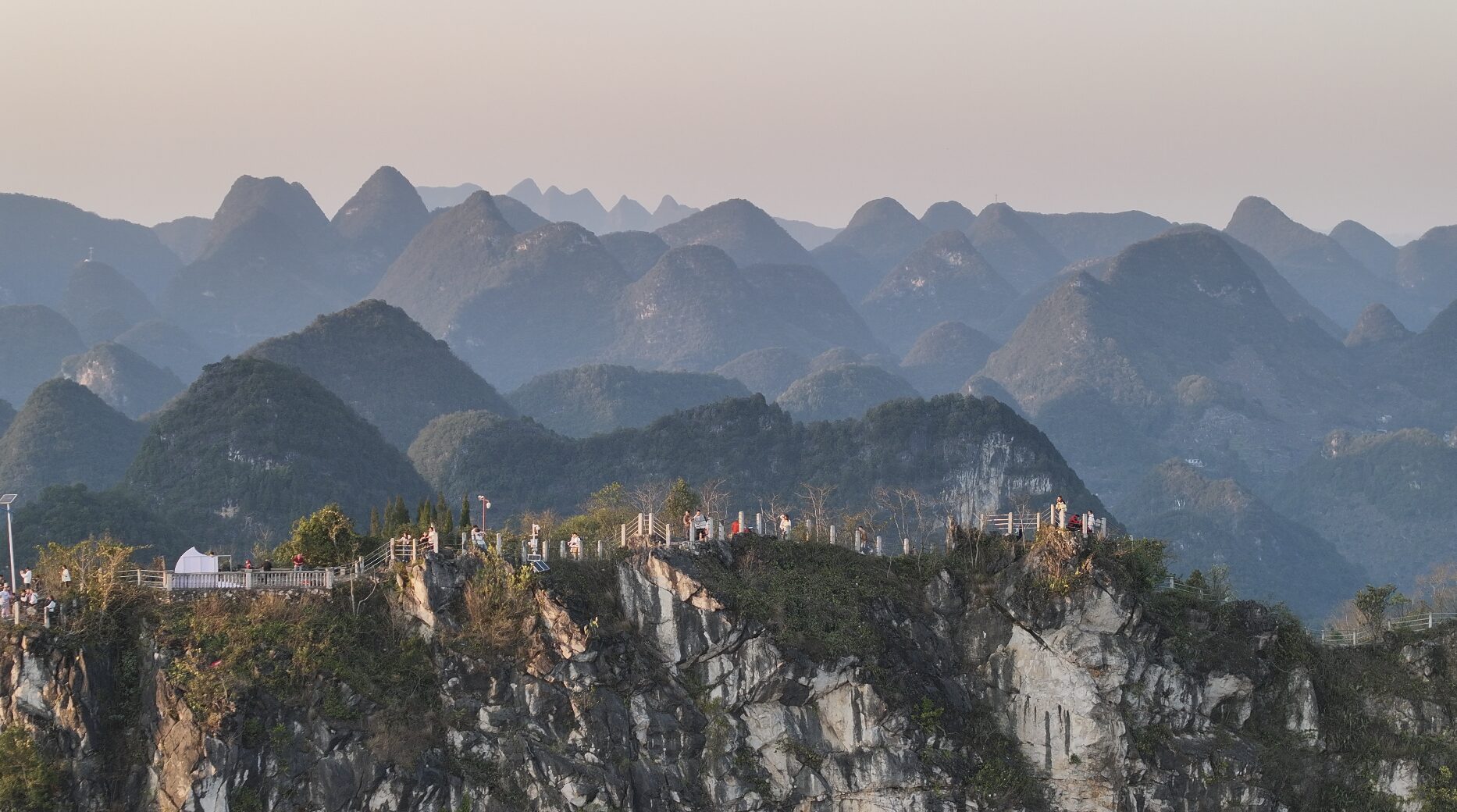
Guizhou is 90% mountain, was for centuries the poorest province in China, and is consequently the least spoiled. Huangguoshu waterfall, terraced valleys, and villages where the culture isn't a show.
There’s a saying about Guizhou: 天无三日晴,地无三里平 — “the sky is never clear for three days, and the ground is never flat for three miles.” Both halves are accurate, and together they explain the province.
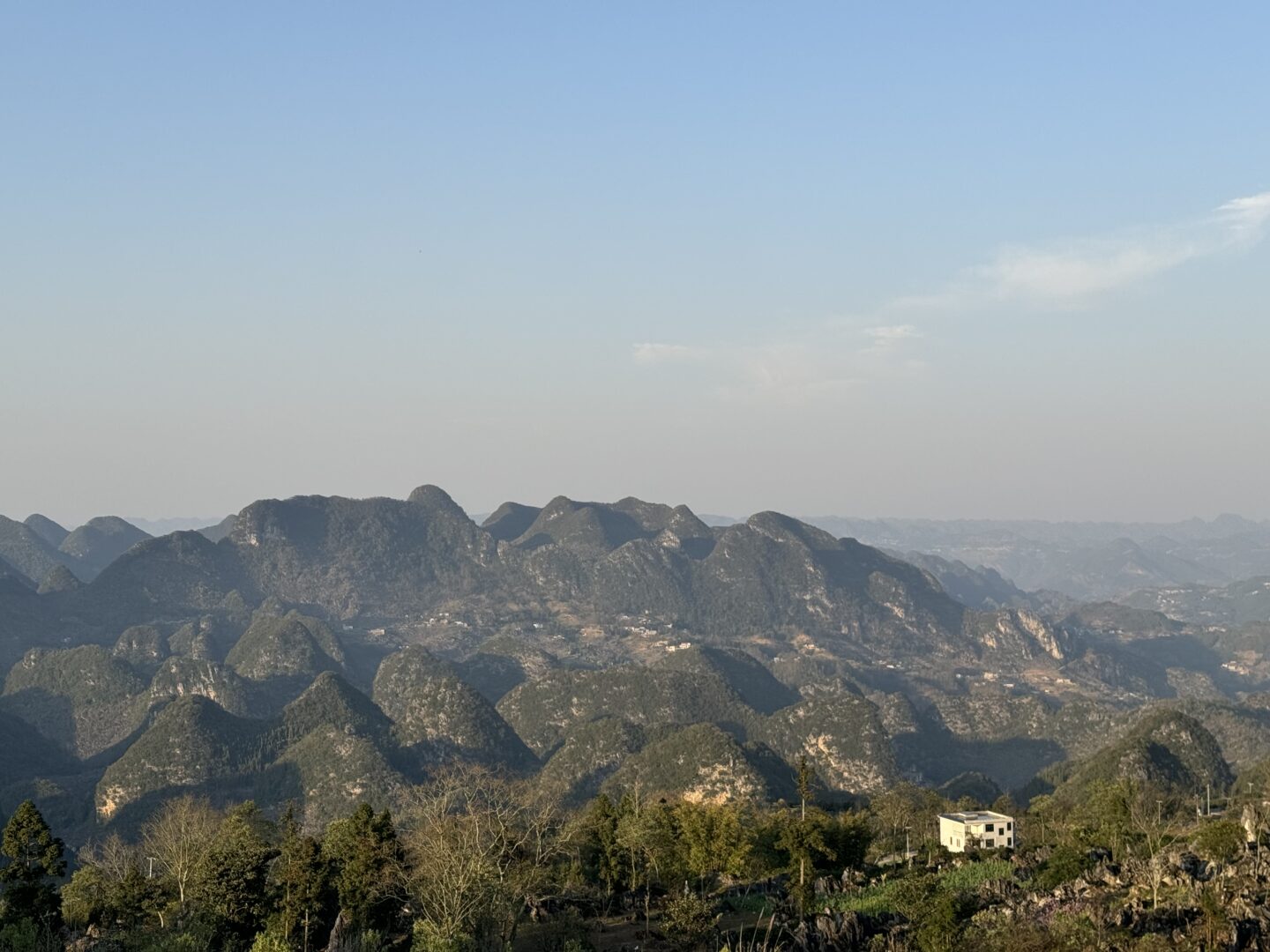
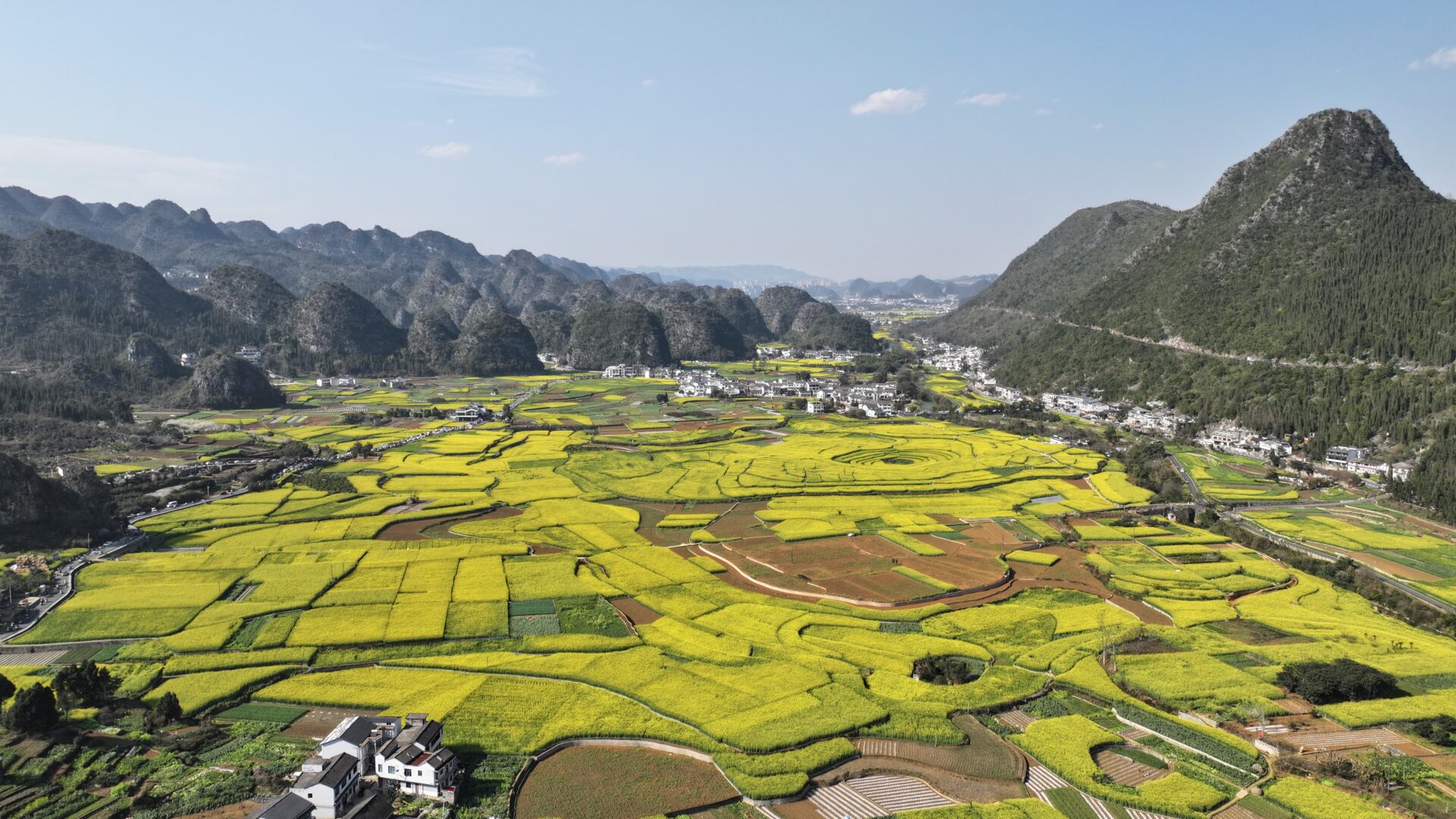
Roughly nine-tenths of Guizhou is mountain or hill, most of it limestone. It had no significant flat land to farm, no easy transport routes, and for centuries it was the poorest province in China. Which is precisely why it is now the most rewarding: development arrived late, and a great deal survived that didn’t survive elsewhere.
The landscape
Huangguoshu waterfall — the widest in Asia, around 100 metres across and 75 high, on the Baishui river. It’s well-developed, busy, and worth it: there’s a path behind the curtain through a water-curtain cave, which is the best thing about the site. The surrounding scenic area has a cluster of other falls, including the Doupotang above it.
Libo — a UNESCO-listed karst area in the south, with the Xiaoqikong (“small seven arches”) valley: turquoise water over travertine, forest closing overhead, and one of the loveliest walks in China.
Fanjingshan — a sacred Buddhist mountain in the northeast, rising out of the surrounding hills as an isolated massif, with two temples on a split pinnacle at the top reached by a bridge. UNESCO-listed for biodiversity, and often in cloud.
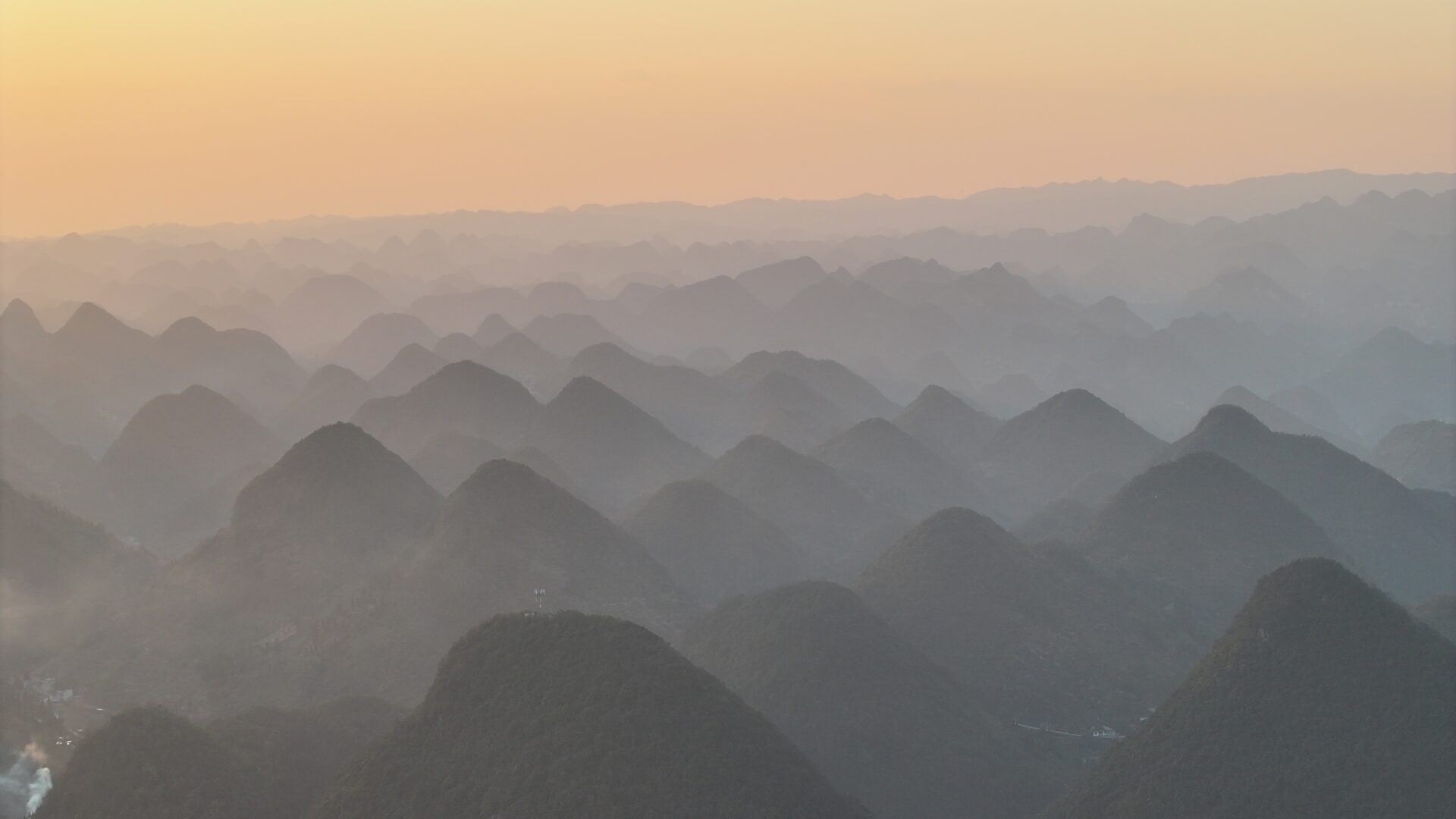
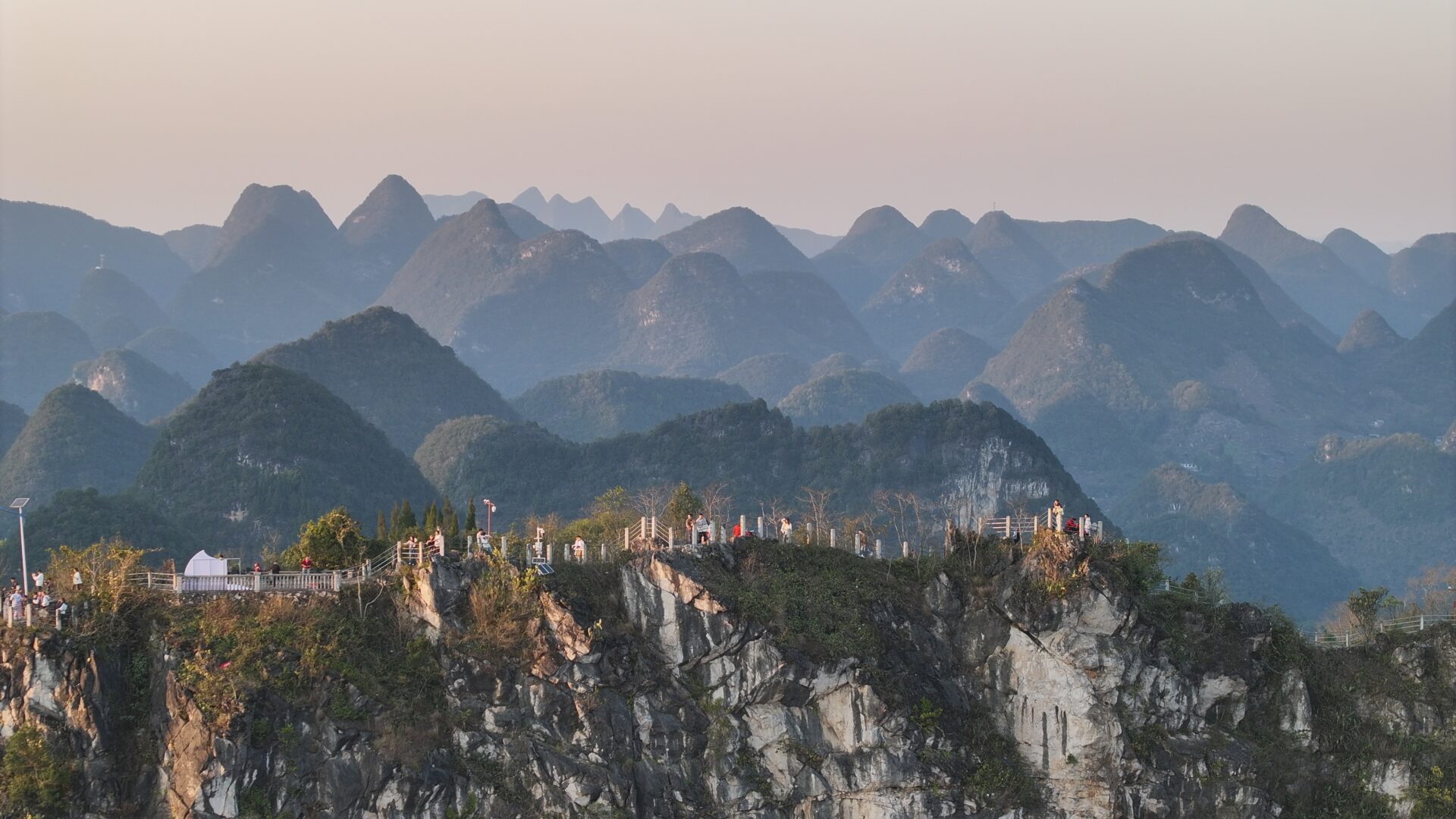
Xingyi and the Maling river canyon — cone karst at scale, and the Wanfenglin, the “forest of ten thousand peaks,” which is Guilin-like scenery with far fewer people.
The villages
This is the other reason to come, and arguably the main one. Guizhou has one of the highest concentrations of ethnic minority population in China — Miao, Dong, Bouyei, Shui, Gelao, Yi and more.
What that gives you:
- Miao silverwork and embroidery, at a standard that belongs in museums and is worn at festivals. Dozens of subgroups, each visually distinct by village.
- Dong drum towers and covered bridges, assembled from timber without nails or drawings, and kgal laox — polyphonic choral singing that predates any European equivalent and is UNESCO-listed
- Terraces on every workable slope, and hillside villages of dark timber houses
- Festivals — Miao New Year, the Sisters’ Meal festival, lusheng pipe gatherings, bullfighting and horse-fighting meets, on a lunar calendar that varies by village
Xijiang is the biggest and most visited Miao village; Zhaoxing and the surrounding Dong villages are the architectural highlight; and the small unnamed ones off the road are where nothing has been arranged for you.
Our ethnic groups guide has the wider map, and Zhenyuan is the best base in the east.
Eating
Guizhou food is sour first, spicy second, and it’s one of the most distinctive regional cuisines in the country:
- Sour soup fish (酸汤鱼) — fermented tomato-and-rice broth, whole fish, and the dish to plan a trip around
- Spicy chicken (辣子鸡) with more dried chilli than chicken
- Rice noodles for breakfast, spicy or clear
- Sour bamboo shoot, pickled greens and zhe’ergen (a root herb that tastes like nothing else and divides opinion sharply)
- Rice wine in villages, offered until you decline convincingly
See our food guide.
Practical notes
Getting there: Guiyang has an international airport and is a high-speed rail hub — trains from Guangzhou, Chongqing, Chengdu and Kunming all take a few hours. Rail has transformed access to this province in the last decade.
Getting around: rail between cities, hired car for the villages. The mountain roads are new and excellent.
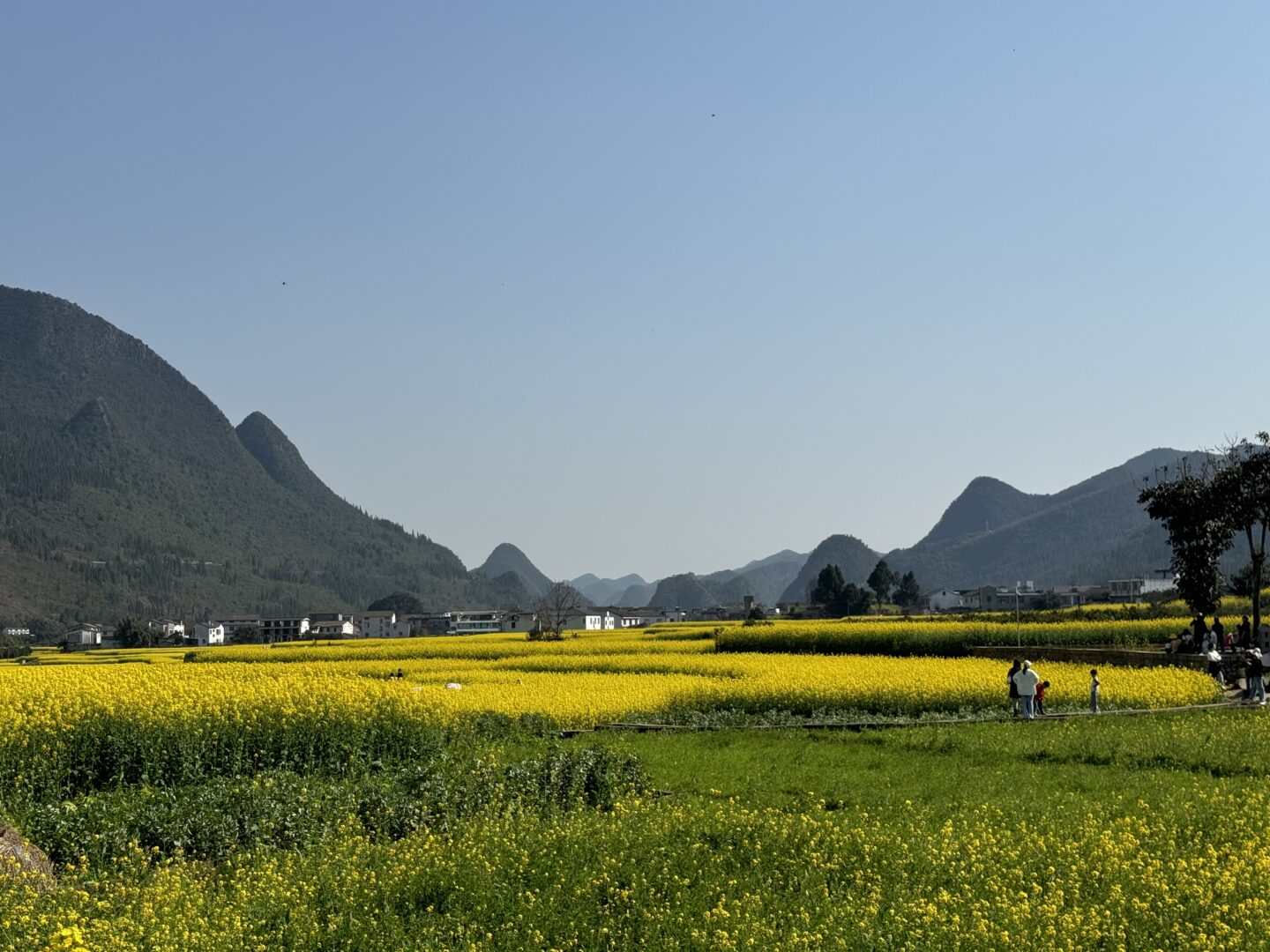
When: April to October. Terraces flood from April; harvest is September–October. Expect rain and mist at any point — that’s the province, and it’s what makes the photographs.
Nearby: Yangshuo’s karst in Guangxi is the same geology, and western Hunan is the same culture over a provincial line.
- #guizhou
- #huangguoshu
- #karst
- #miao
- #dong