
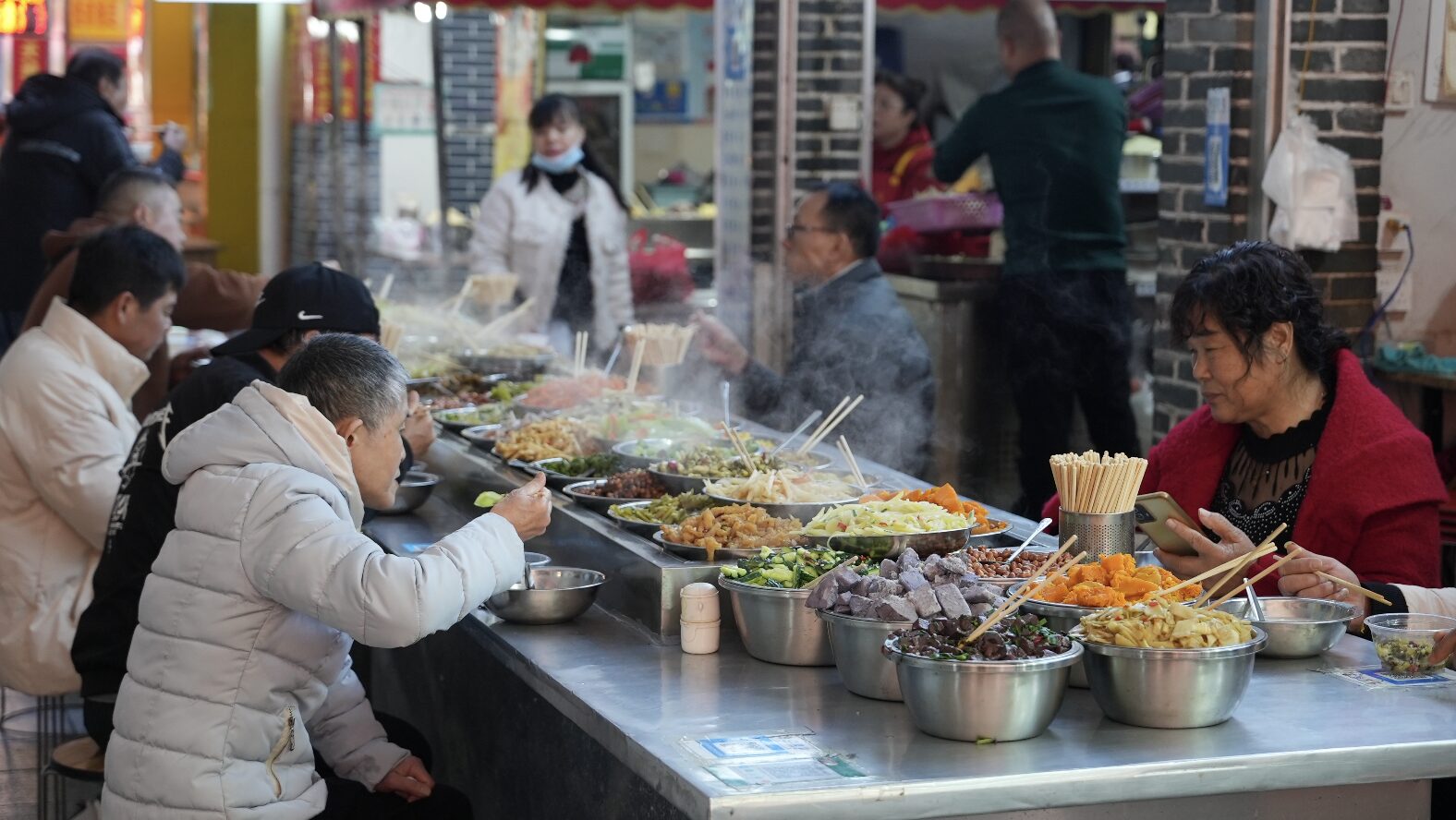
Liuzhou's signature dish smells like it has gone off and tastes extraordinary. Eating it at source, at a plastic table at 11pm, is the correct introduction.
Most Chinese cities have a signature dish. Very few have one that became a national industry.
Luosifen — snail rice noodles — is Liuzhou’s, and over the past decade it has gone from a local night-market bowl to instant packets sold across the country and abroad, in an industry now worth billions of yuan a year. The city has a museum about it.
Eat it here first, at a plastic table, at eleven at night.
What’s actually in it
The name misleads people. There are no snails in the bowl. River snails are simmered for hours with pork bone, ginger and spices to make the broth, then removed — what you get is the depth they leave behind.
Then the toppings, which are where the smell comes from:
- Fermented bamboo shoot (酸笋) — the culprit. Pungent in a way that clears sinuses. Non-negotiable.
- Chilli oil, in quantity, floating on top
- Pickled long beans and fermented turnip
- Fried peanuts, for crunch
- Wood-ear fungus, tofu skin, greens
- Rice noodles — round, slippery, the vehicle
The result is sour, hot, funky and deeply savoury all at once, and it is genuinely addictive. First-timers should ask for less chilli; the local default is not a bluff.
The night market
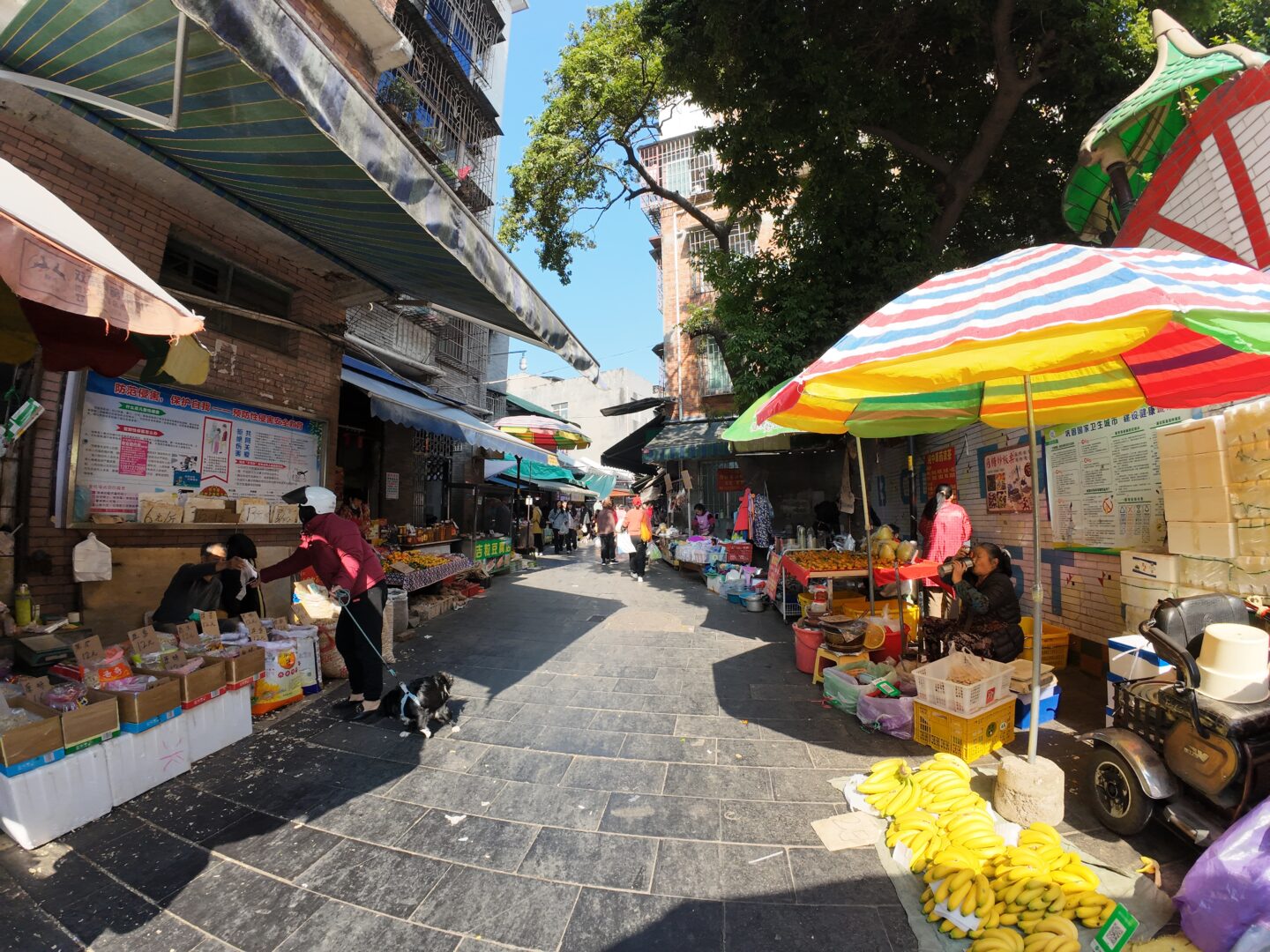
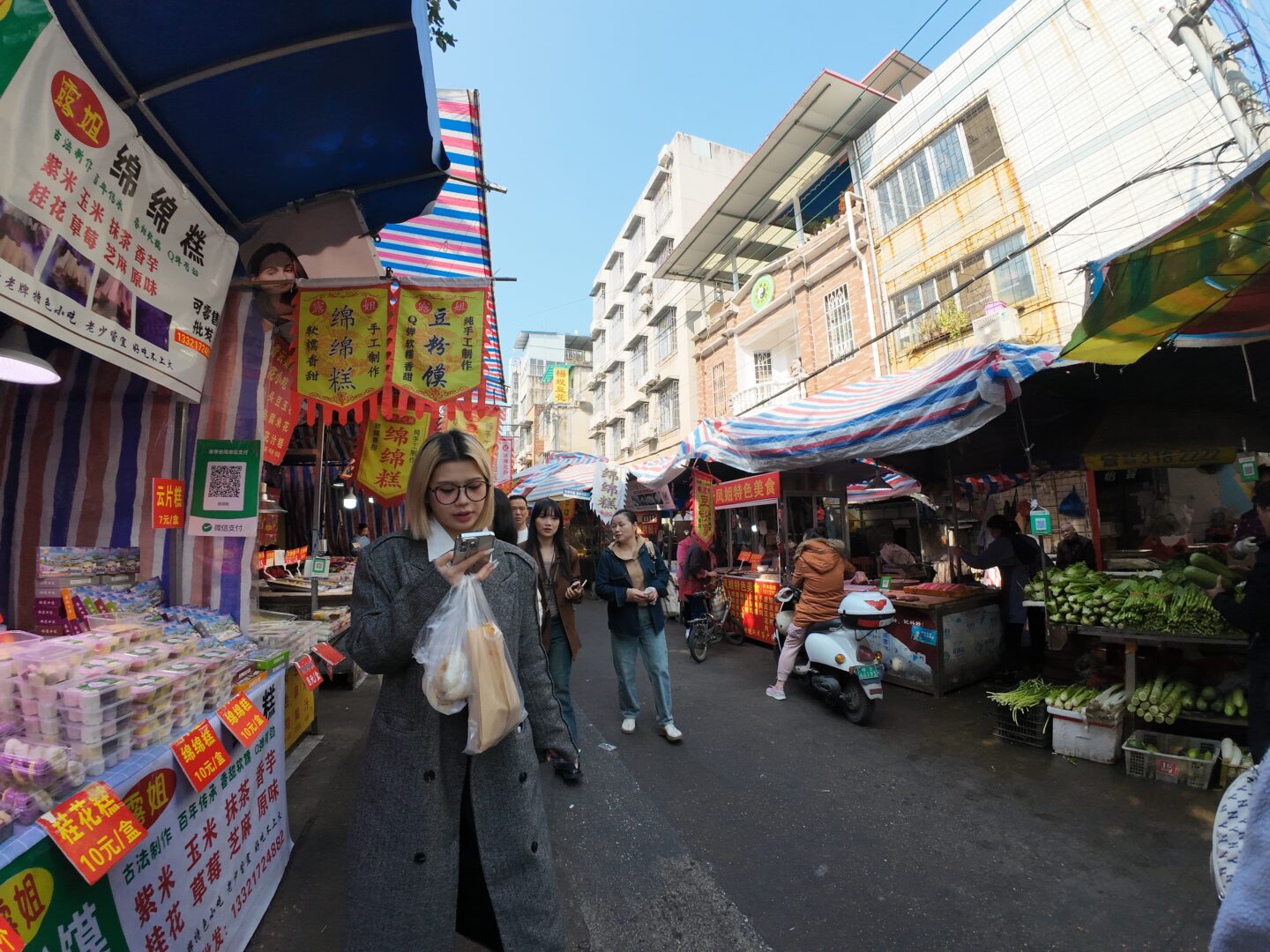
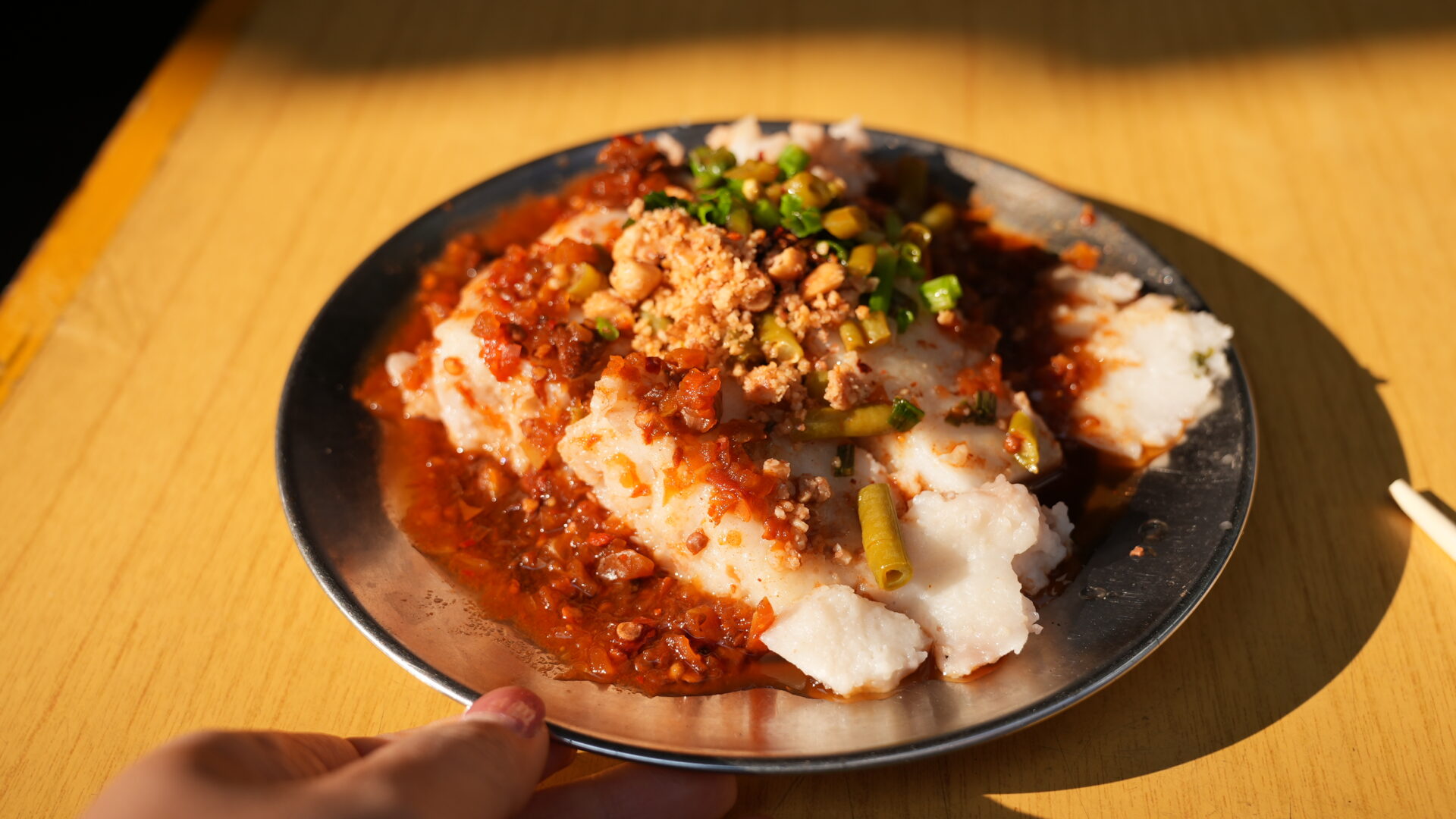
Luosifen is the reason to come and not the only thing to eat. Liuzhou’s night markets run late and hot:
- Skewers off the charcoal — meat, offal, whole fish, aubergine, enoki bundles
- Sticky rice steamed in bamboo leaf
- Stir-fried river snails with chilli and perilla — here you do eat the snails, sucked from the shell
- Spicy tofu with wild herbs from the hills
- Candied haws on sticks for the children, sugarcane juice for everyone
- Rice wine, which is stronger than the glass suggests
The city itself
Liuzhou is an industrial city on a horseshoe bend of the Liu river, and it isn’t pretending to be a tourist destination — which is exactly why the food scene is unselfconscious. Nobody is cooking for visitors.
It’s Zhuang and Han, like most of Guangxi, and the cooking reflects both: the sour-and-fermented palate is a Zhuang and southwestern trait, distinct from Cantonese food two provinces east. See our food guide for where this fits.
The riverside is pleasantly done, there’s a large karst-hill park, and the bridges are lit up at night. A day is enough for the city; the eating justifies the trip.
Practical notes
Getting there: high-speed rail hub — an hour or so from Guilin and Nanning, direct from Guangzhou.
When: any time. Summer is hot and humid, which arguably suits eating outdoors at midnight. Autumn is more comfortable.
How to order: point. Every stall has its product visible, and the transaction takes ten seconds. Payment is by phone — see the payments guide.
Nearby: Yangshuo’s karst north, Detian waterfall southwest, and the Leye sinkholes northwest.
- #guangxi
- #liuzhou
- #luosifen
- #street food
- #night market