
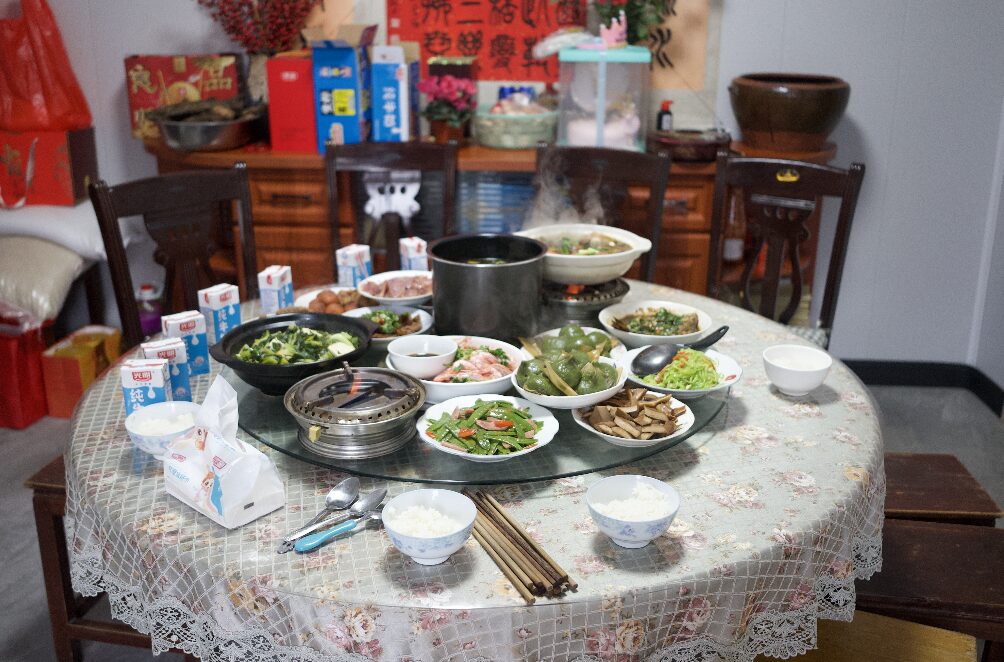
If a Chinese family invites you home for New Year, say yes. Here's what the two days involve, what every dish is doing on the table, and how not to be a burden.
Being invited to a Chinese family’s New Year is the single best thing that can happen to you as a traveller here, and it happens more often than you’d expect — the festival is fundamentally about gathering people in, and a foreign friend with nowhere to be is an obvious candidate.
In rural Anhui, where we’ve spent it, the sequence goes roughly like this.
The days before
Cleaning. The house gets cleaned thoroughly before the new year and then not at all on the first day, so as not to sweep out the luck. If you’re staying, help with the first part.
Couplets. Red paper strips with matched lines of verse get pasted either side of the front door, with a square character above it — often 福 (fortune), hung upside down, because the word for “upside down” sounds like “arrived.”
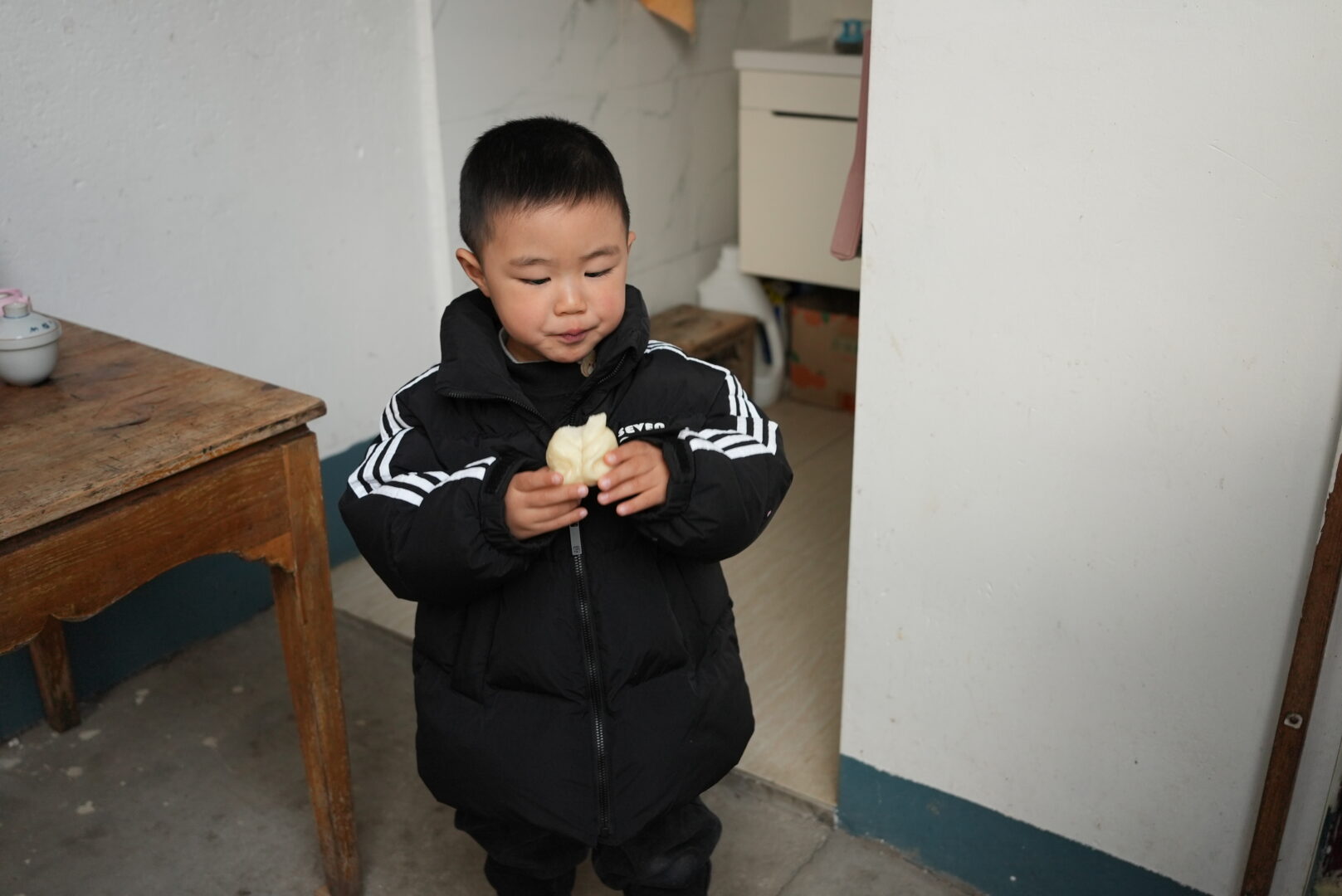
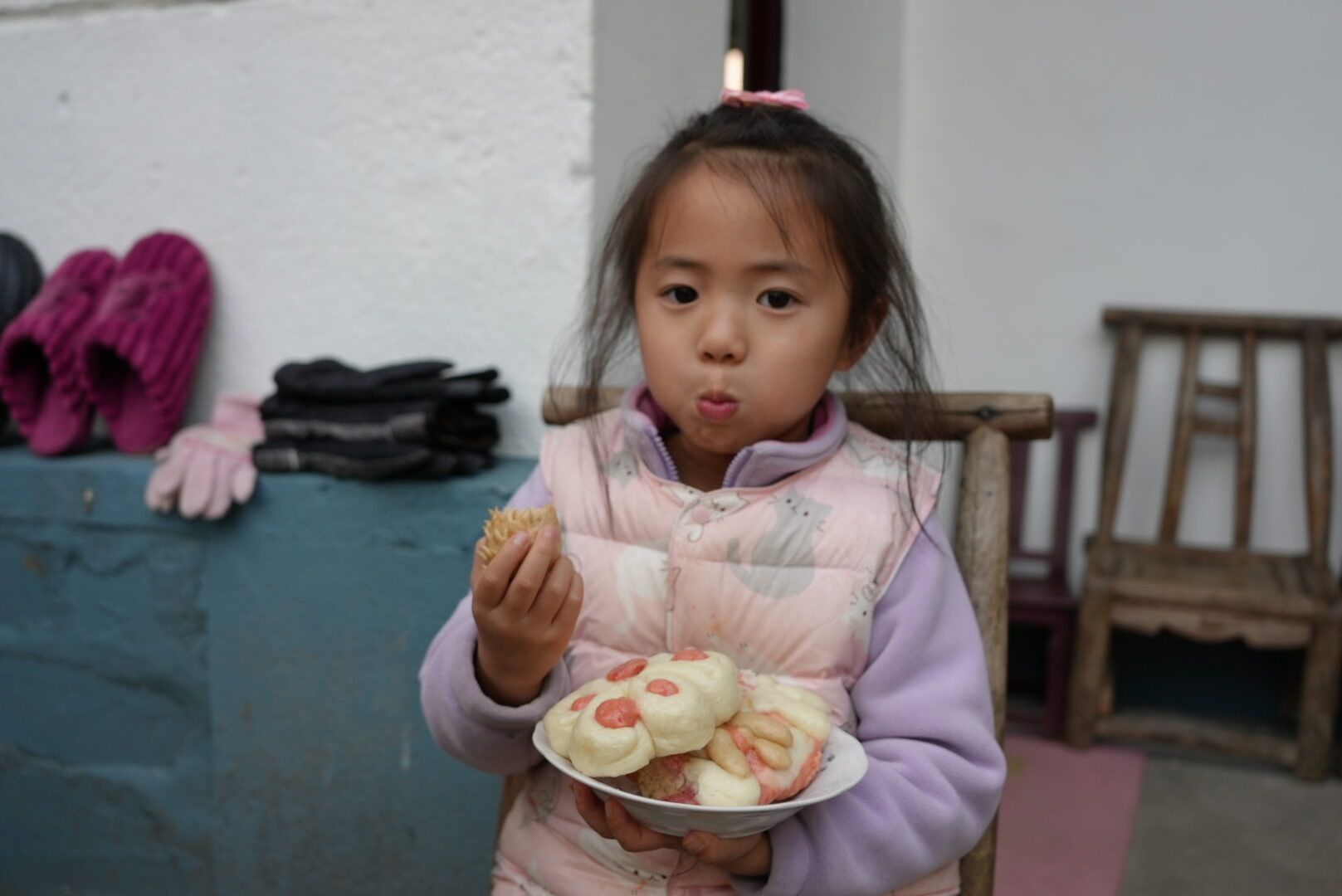
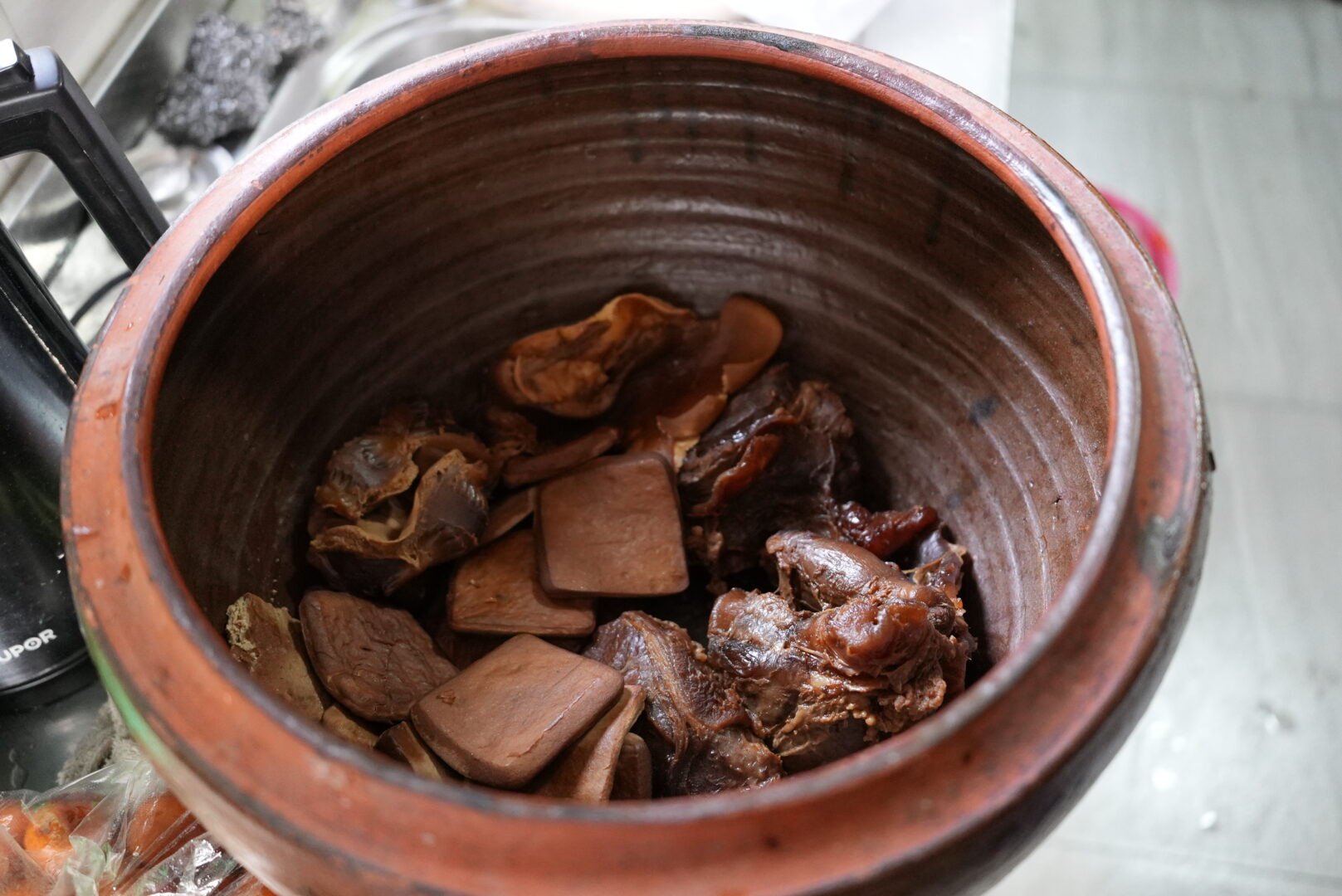
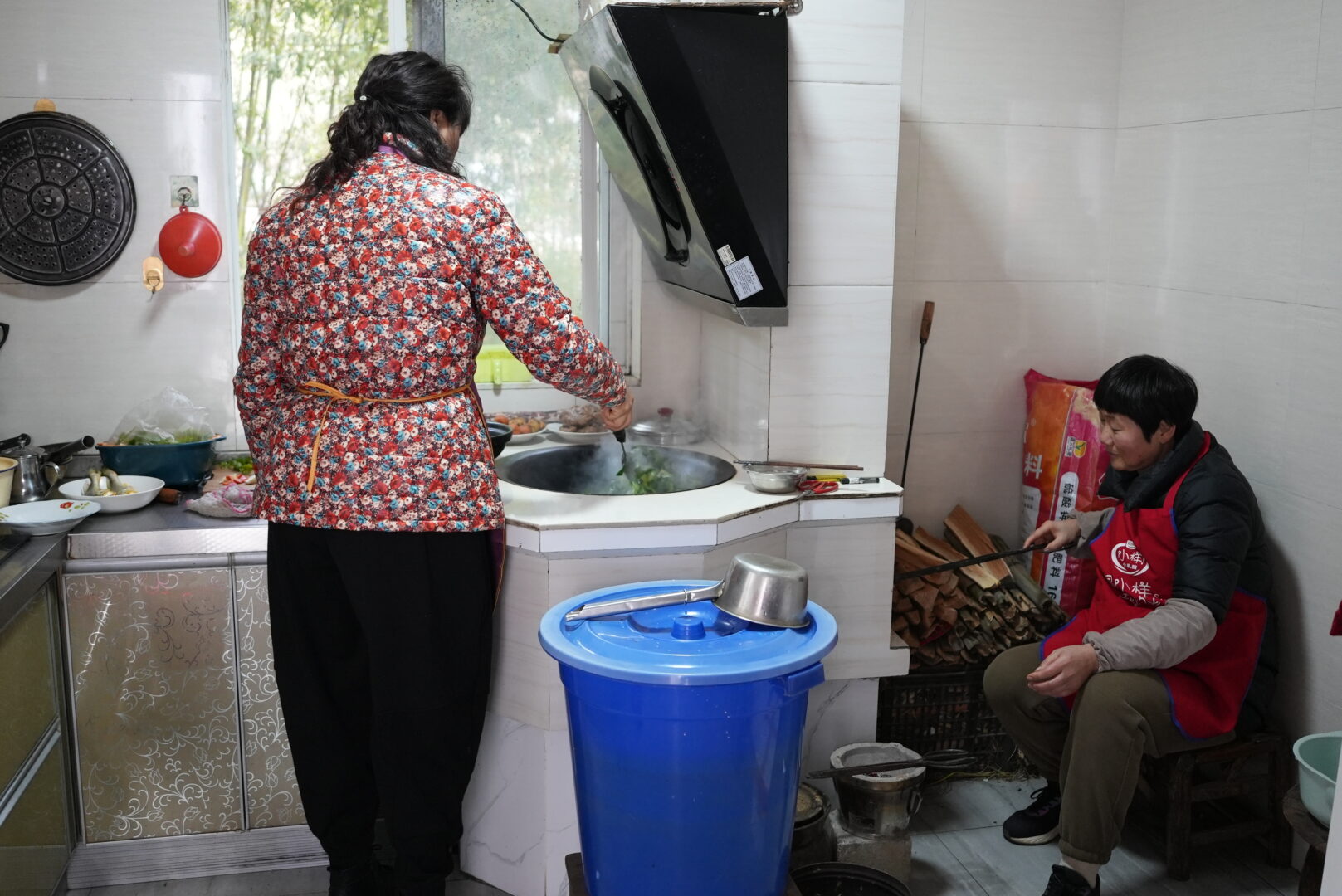
Food preparation, at volume. Dumplings folded by everyone at the table simultaneously, including you, badly. Nobody minds. Pork braised in a pot that has been going since morning. Cakes steamed, fish cleaned, chickens dealt with.
The ancestors. A small altar or a set of offerings — food, wine, incense, paper — placed for the family’s dead, who are understood to be present for the holiday. This is done quietly and without much explanation. Stand back, don’t photograph it unless invited, and follow whatever anyone else does.
The reunion dinner
New Year’s Eve, and the most important meal of the Chinese year. Every dish is doing two jobs.
- A whole fish (鱼, yú) — sounds like “surplus.” Traditionally not finished, so there’s some left over for next year.
- Dumplings — shaped like old ingots. In the north they’re the centrepiece; further south they share the table.
- Sticky rice cake (年糕, niángāo) — sounds like “year higher.” Progress, promotion, children growing.
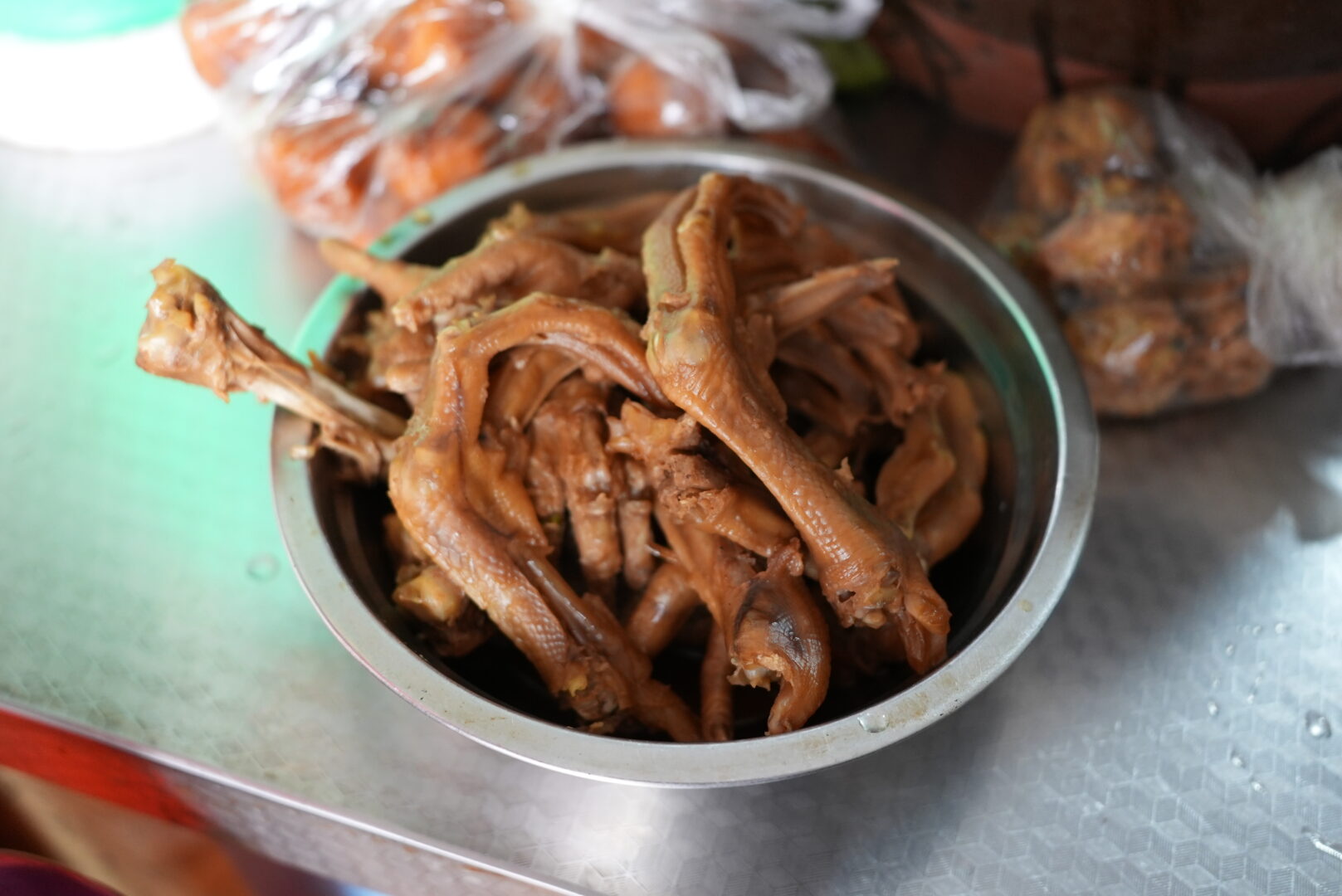
- A whole chicken, head and feet on, for completeness and family unity.
- Braised pork belly, which in most households is the dish somebody is specifically famous for.
- Greens, uncut, for long life.
Then toasts, in sequence, with baijiu that nobody warned you about. You will be toasted by every adult present. Sip rather than shoot, and toast back with a lower glass rim than your elders — it’s the deference gesture and people notice.
The table, mid-evening
Midnight
Firecrackers. Not a display — a barrage, from every household simultaneously, at a volume that has to be experienced. Children are given long sticks of incense to light them with. The paper stays on the ground for days.
Restrictions have tightened in cities, but in the countryside it’s undiminished.
The first days
Red envelopes (红包) go from married adults to children and unmarried young people. If you’re given one, take it with two hands and don’t open it in front of the giver.
Visits. The first days are for calling on relatives in a fairly fixed order of seniority, with tea, snacks and sunflower seeds at every stop. You will eat continuously and be asked the same four questions about your family at each house.
Dialect. In a rural household, the conversation goes local fast. You’ll catch a fraction. Nobody expects otherwise, and somebody will translate the parts aimed at you. A few phrases go a long way — see survival Chinese.
How to be a good guest
- Bring gifts. Fruit, good tea, nuts, alcohol for the household; something small for the children. Never arrive empty-handed. Avoid clocks, sharp objects and anything in white or black wrapping.
- Say the words. 新年好 (xīnnián hǎo) and 恭喜发财 (gōngxǐ fācái) will do all the work required.
- Eat what’s put in your bowl. Your bowl will be refilled by someone else’s chopsticks. This is affection.
- Offer to help and accept being refused, then help anyway with the small things.
- Ask before photographing the altar, the elders and the children.
Practical notes
When: late January or February, on the lunar calendar. The festival period runs about two weeks to the Lantern Festival on the 15th.
Travel: this is the largest annual human migration on earth. Book weeks ahead, expect everything to be full, and understand that shops and restaurants in cities close for several days. Our seasons guide covers the timing.
The village version: for what happens outside the house — lanterns, processions, and the whole community in the lanes — see New Year in an Anhui village, and Putian for the most extreme version in the country.
- #anhui
- #chinese new year
- #food
- #etiquette
- #family