
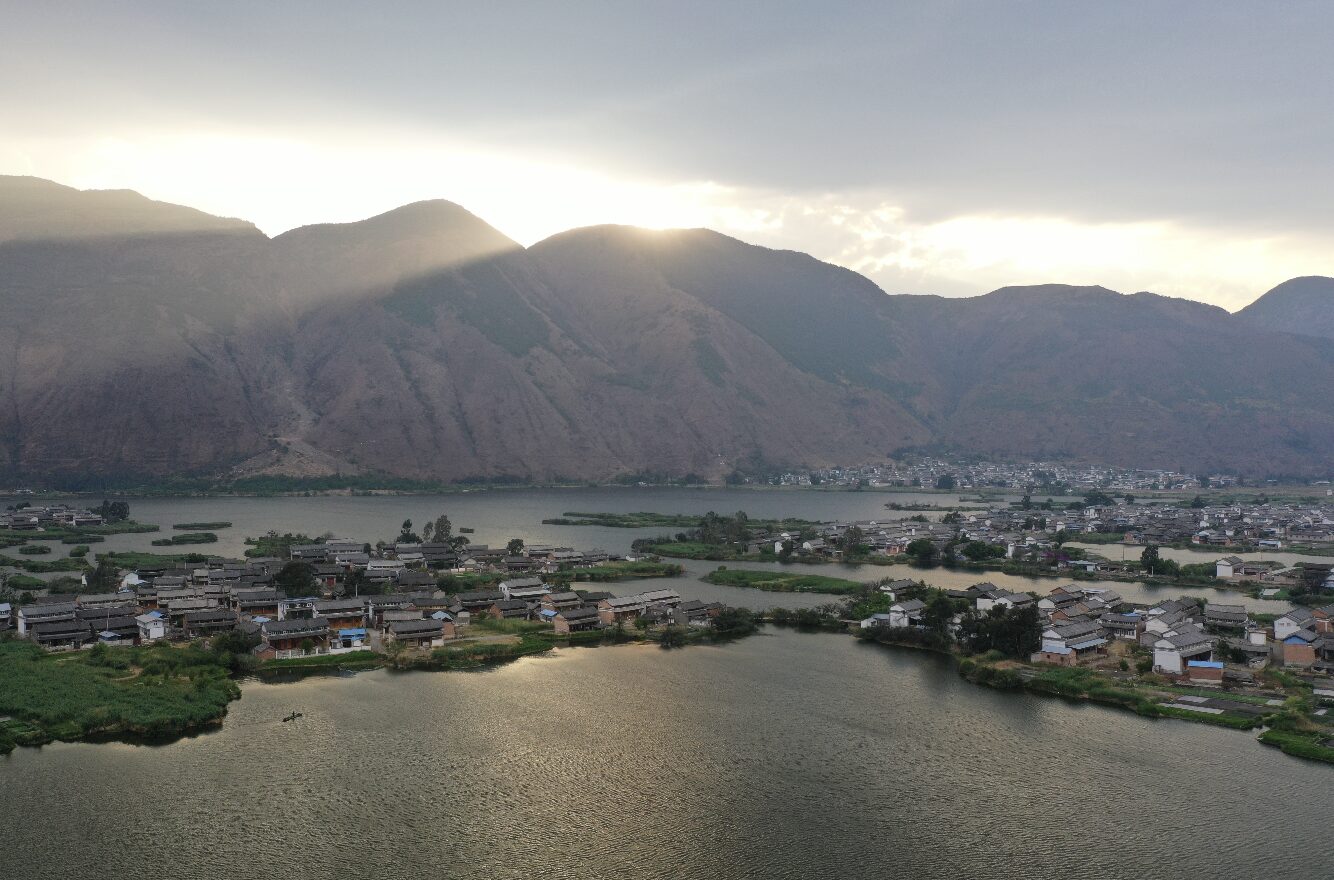
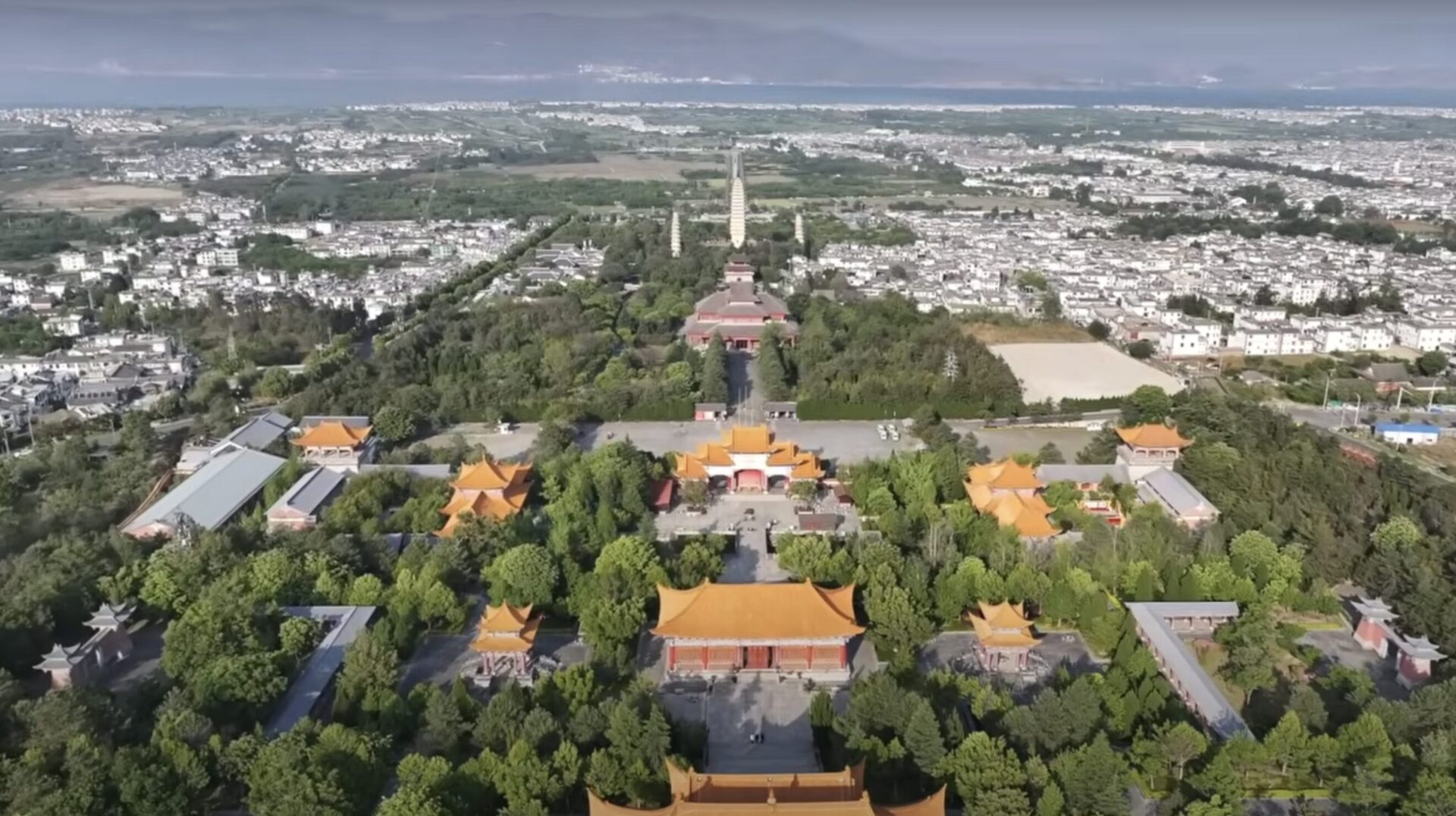
Dali sits in a trench between a 40-kilometre lake and a 4,000-metre ridge, and the Bai villages along that strip have been the good life in Yunnan for a thousand years.
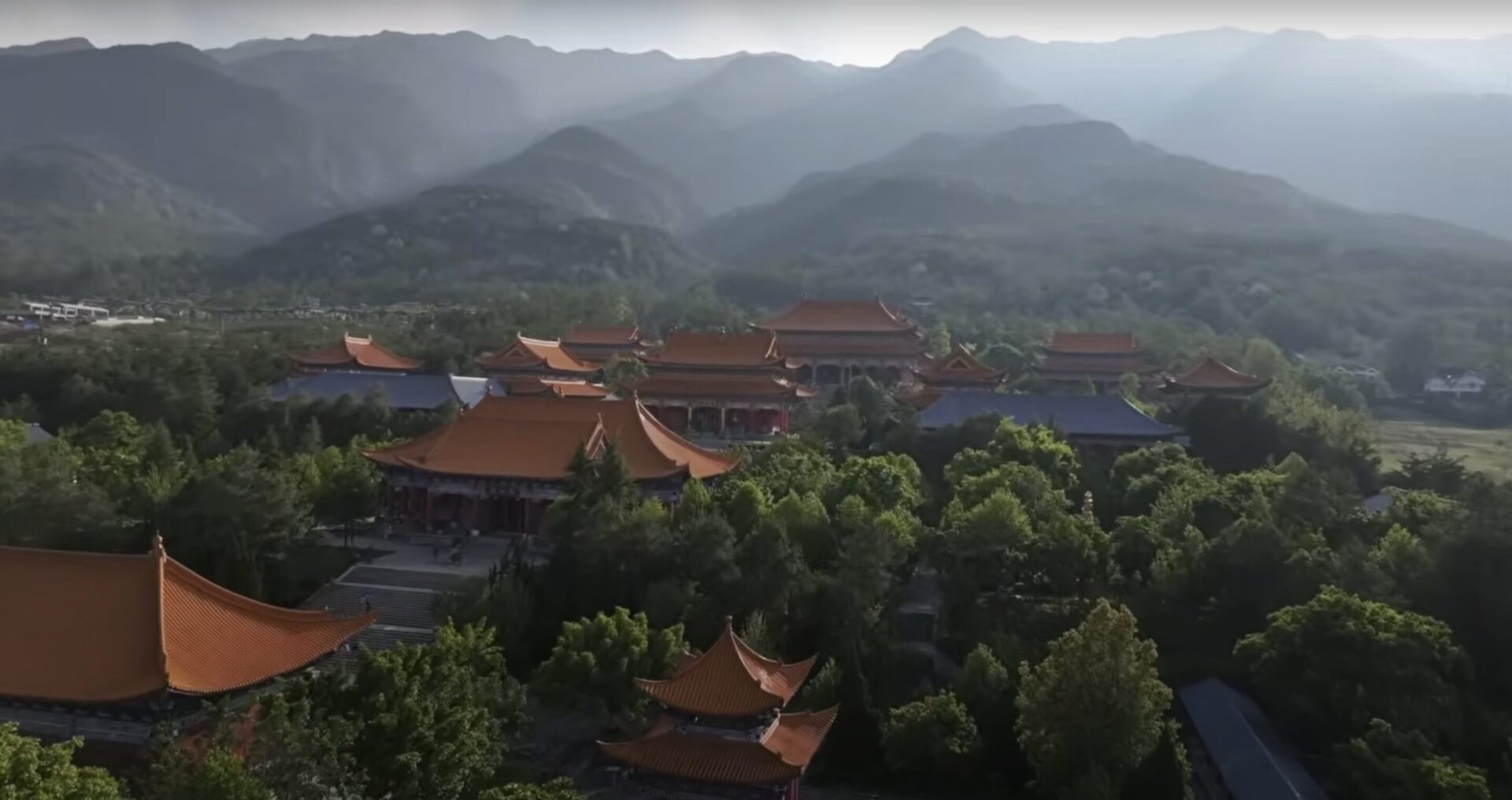
Dali’s geography does most of the work. A lake roughly 40 kilometres long lies on one side, a 4,000-metre ridge rises straight off the other, and everything human sits on the flat strip between them at around 1,900 metres — high enough for the air to be thin and clear, low enough to grow anything.
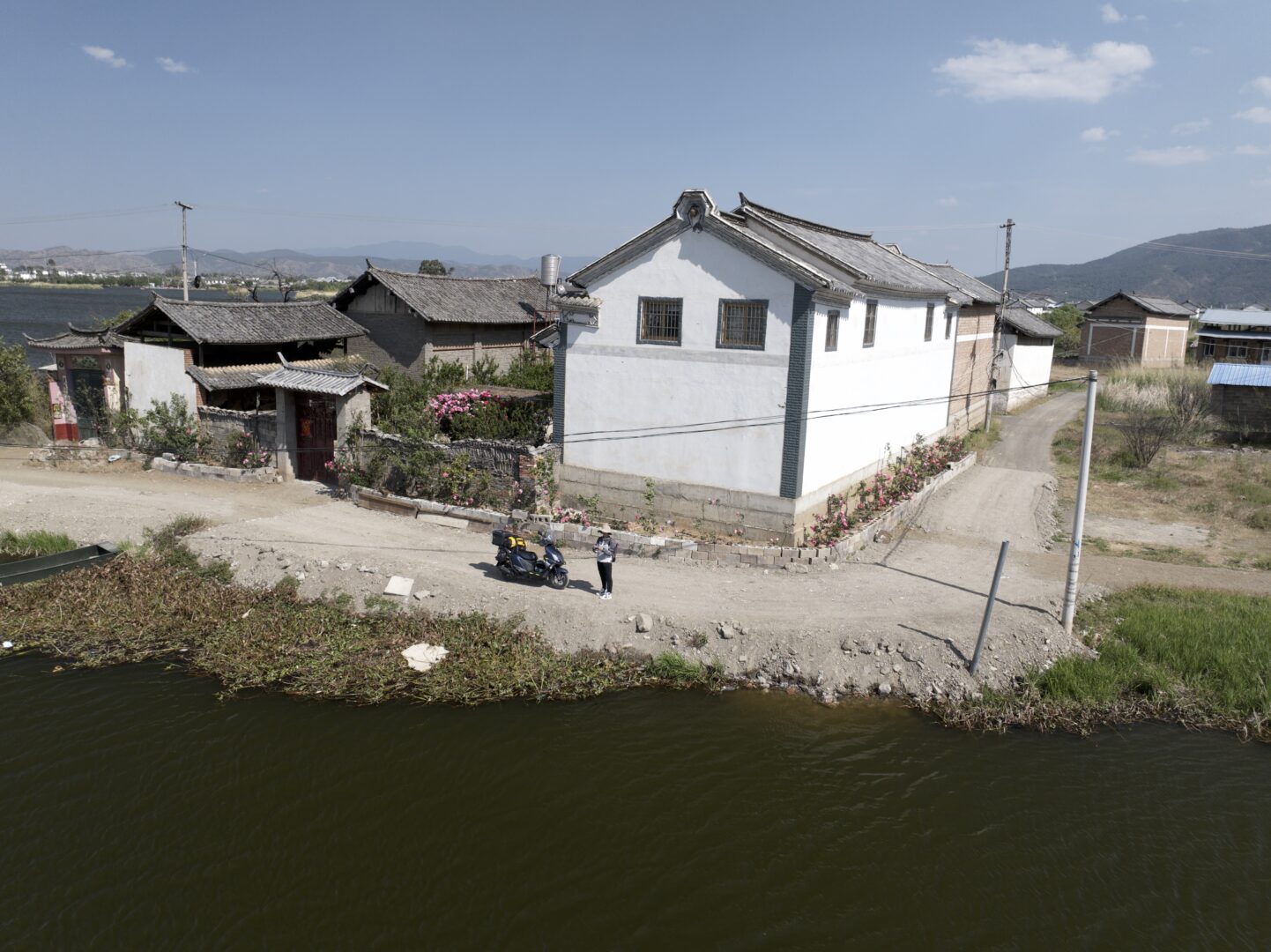
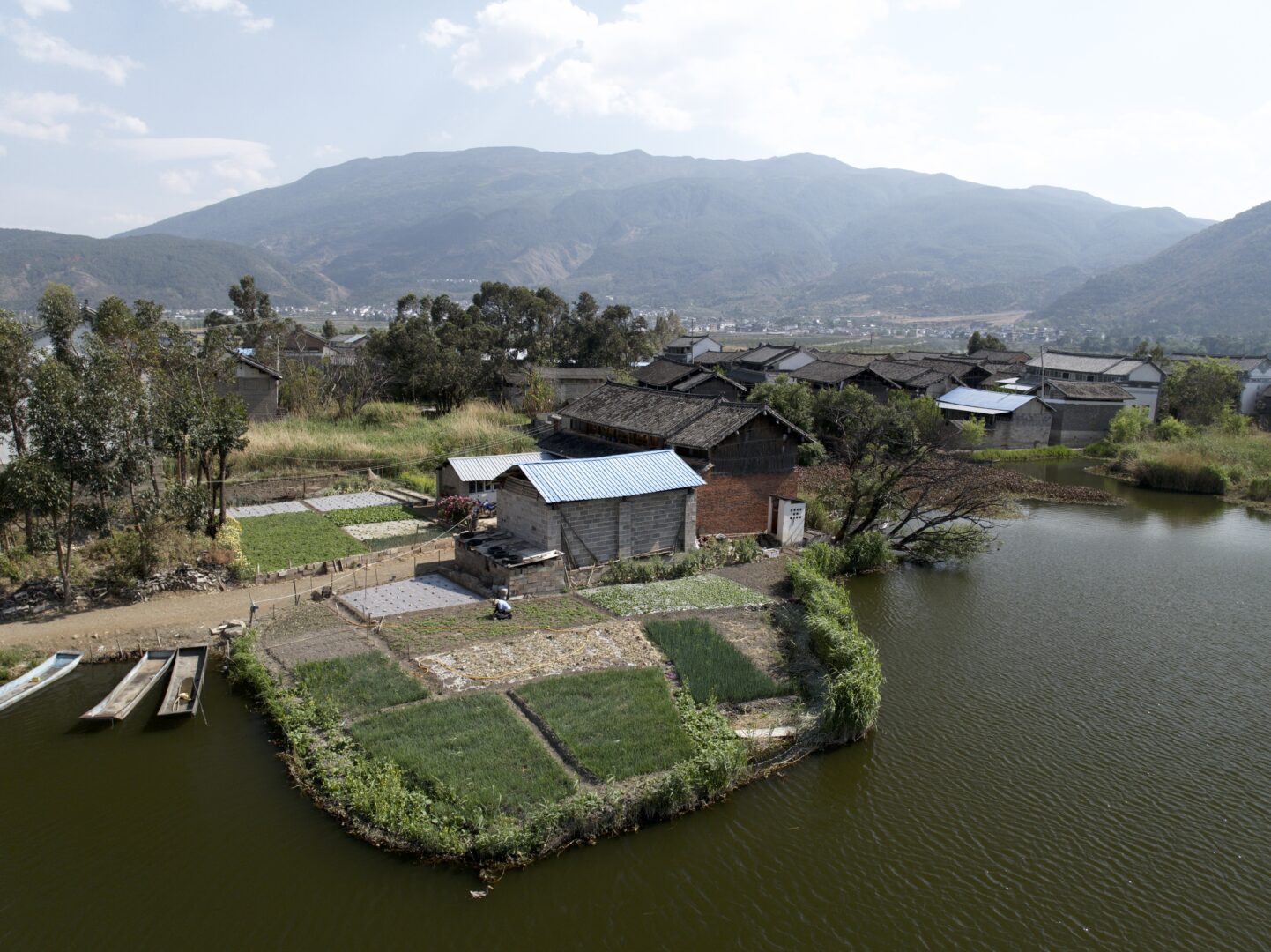
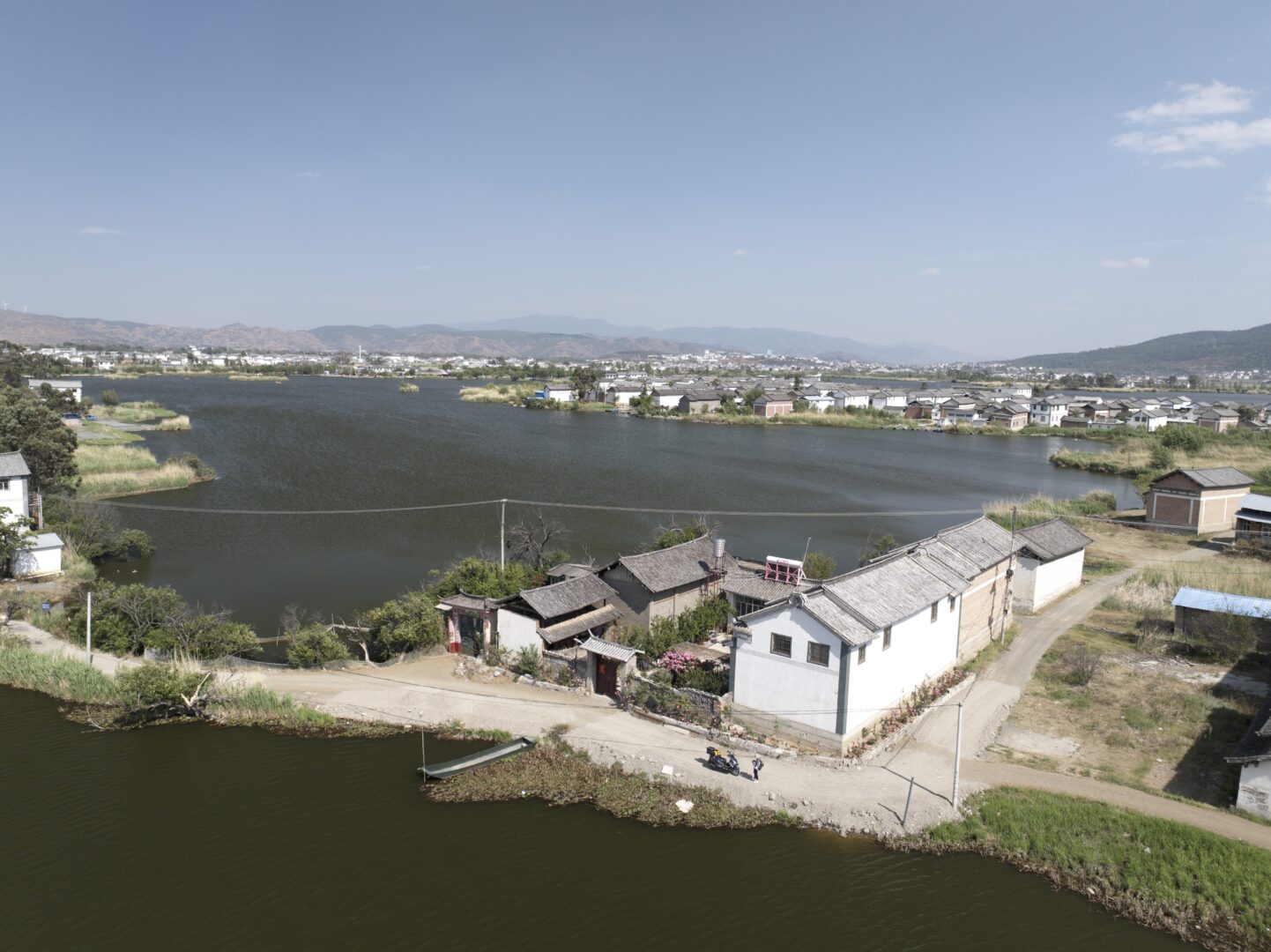
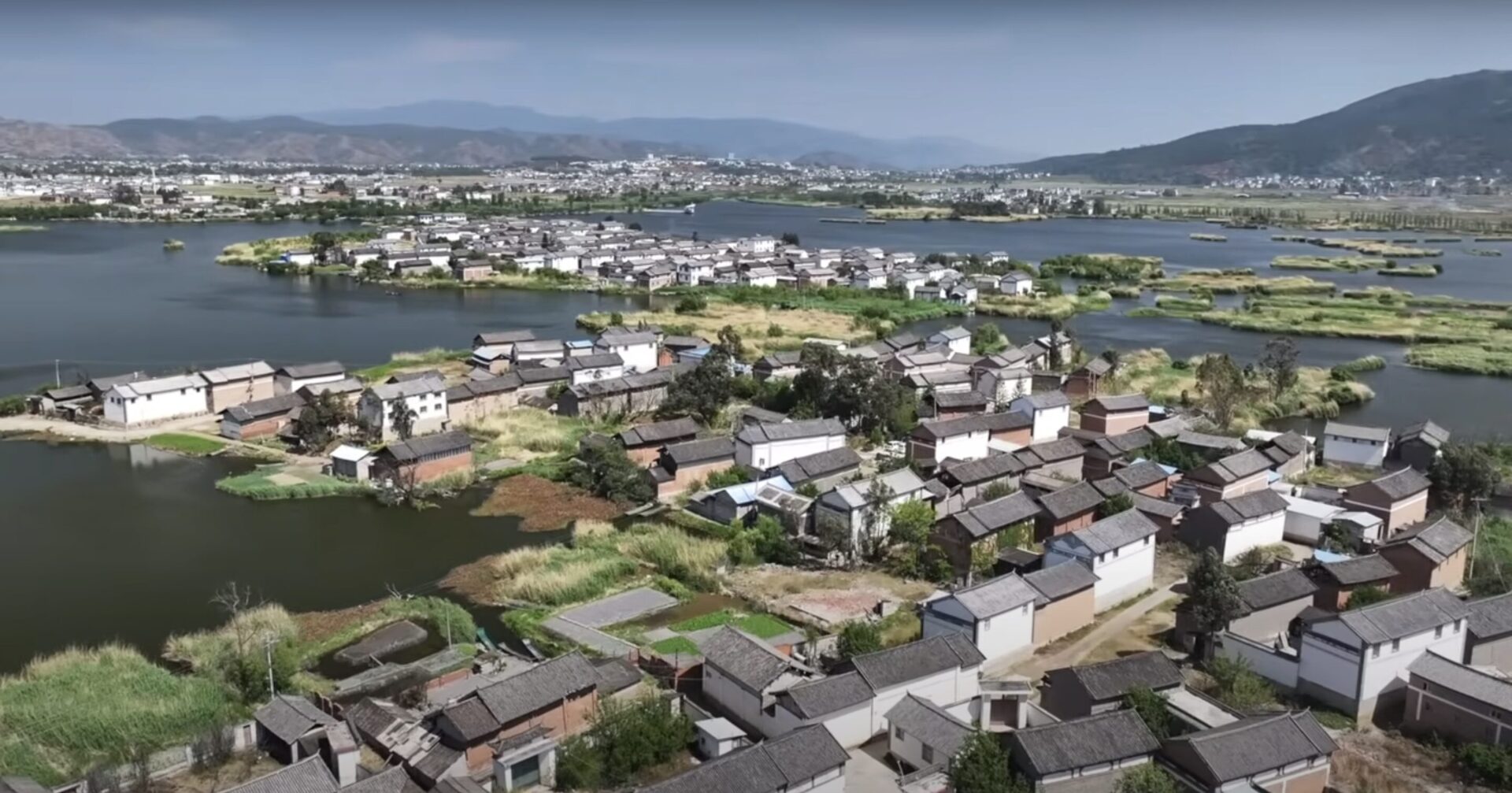
This is Bai country, and has been for over a millennium; Dali was the capital of two independent kingdoms before the Mongols arrived. The Bai influence is what you actually look at: whitewashed courtyard houses with grey-tiled roofs and painted gable ends, tea served in three courses, and a habit of doing things slowly.
Erhai
The lake is the centre of gravity. A greenway now runs most of the way around it — well over a hundred kilometres of car-free path — and renting a bicycle or e-bike for a day or two is the single best thing to do here. The eastern shore is quieter, the western shore has the villages, and the light on the water at either end of the day is why everyone with a camera ends up on the causeway.
Note that Erhai has been through a serious environmental clean-up. Lakeshore construction was demolished, guesthouses were regulated, and swimming and unlicensed boats are restricted in places. The lake is much healthier for it; expect more rules and fewer waterfront bars than older guidebooks describe.
Cangshan
The ridge behind town has a cable car, a mid-mountain path called the Jade Belt that contours for around 18 kilometres, and enough vertical to matter — the highest point is over 4,100 m.
You don’t need to summit anything. Ride up, walk a few hours along the contour with the whole lake below you, and come back down. In spring the rhododendrons on the upper slopes flower, which is worth planning around.
The villages
Dali Old Town is pleasant and thoroughly commercial. The interesting material is up the western shore:
- Xizhou — the best-preserved Bai merchant town, with courtyard mansions you can walk into and a morning market that’s still a market
- Zhoucheng — indigo tie-dye, made and sold on the premises
- Shaxi, further north — a Tea Horse Road staging post, one square, a few temples, and almost nothing to do, which is the appeal
Eating
Bai food is milder than the rest of Yunnan and built around the lake and the pasture:
- Grilled Erhai fish, split and cooked over charcoal with herbs
- Rushan (乳扇) — fresh goat’s-milk cheese, wound onto a stick and grilled; unexpected in China and very good
- Cured ham, wild mushrooms in season, and rose-petal preserves in everything sweet
More context in our food guide by province.
Practical notes
When: March to June and September to November. May is close to perfect — dry season ending, wildflowers along the lake, 15–25°C. The summer rains are heavy.
Getting there: high-speed rail from Kunming takes about two hours.
Onward: Lijiang is 90 minutes north by train and the obvious next stop. The whole route continues to Shangri-La and Deqin.
A note on altitude: 1,900 m is enough to notice if you’ve flown in from sea level. Take the first day gently.
- #yunnan
- #dali
- #erhai
- #bai
- #cangshan