
支付
Your phone is the wallet
Alipay and WeChat Pay cover almost everything. Foreign cards work more often than they used to. Keep a little cash for the one stall that still wants it.

the short version
A small field guide from people who live here. Not a packing list. Not a seven-day fantasy itinerary.
Read this on the plane. The longer notes sit underneath.
支付
Alipay and WeChat Pay cover almost everything. Foreign cards work more often than they used to. Keep a little cash for the one stall that still wants it.
高铁
A G-train beats most flights once you count the airport. Book on Trip.com or 12306 with your passport. Stations are their own small cities. Arrive early.
成渝
Chengdu sits in a basin and moves slowly. Chongqing stacks itself over two rivers and never really sits down. Same region on a map. Different trip.
避坑
The famous photo spots at midday are a queue. Go at dusk, or go somewhere the guidebook finished in 2014. A mall with English signs is not the city.
吃
Lunch is the real meal. Hotpot is a night thing. A teahouse is for sitting, not a quick drink. If a place is full of locals at 12:30, sit down.
向导
Which door, which hour, which order to eat. That is the job. You do not need a scripted tour. You need someone who already lives here.
Longer notes, written when there was something worth saying.

Sichuan
The Panda Express — China's Luxury Sleeper Train
Sichuan
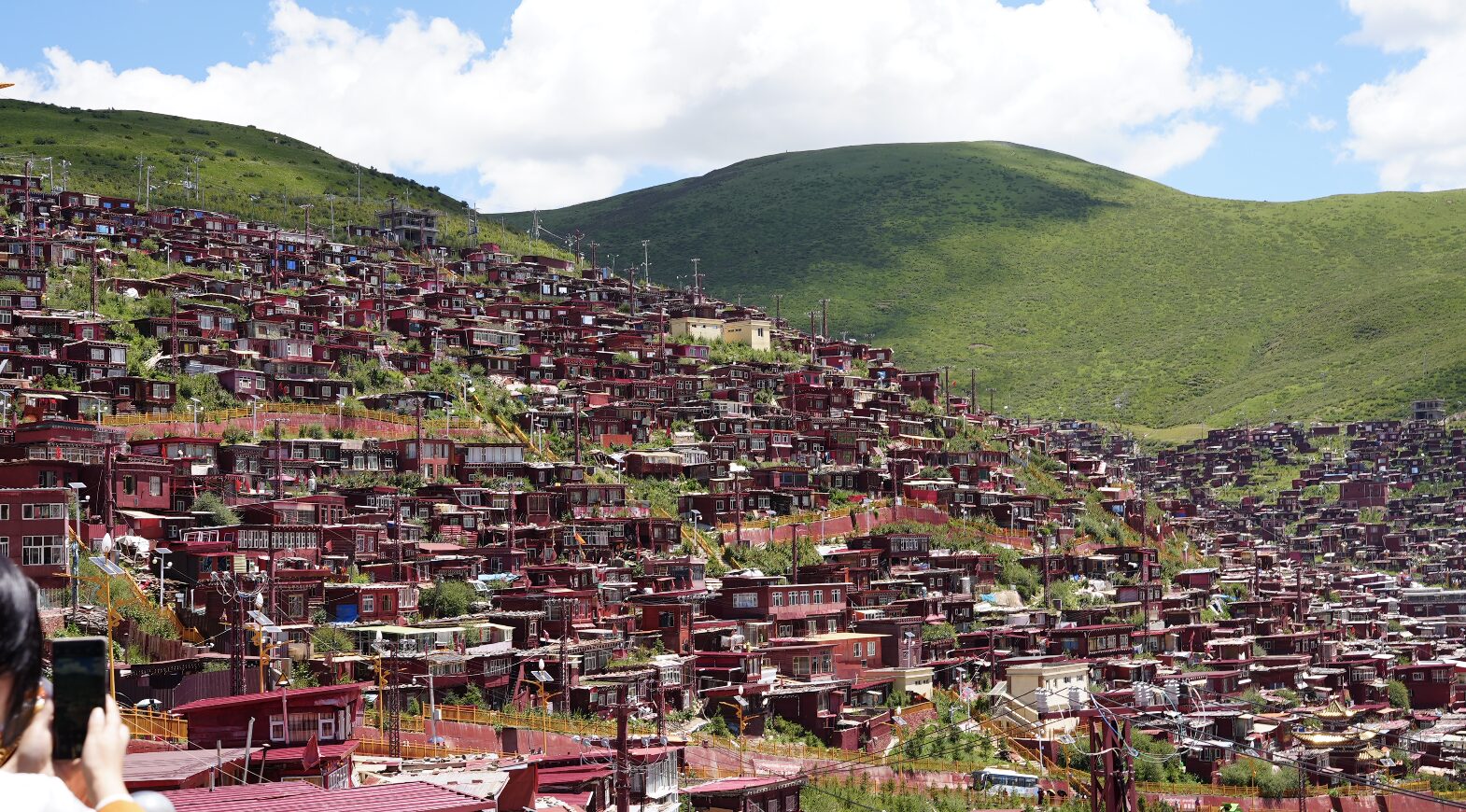
Garzê — Grassland, Monasteries and Horses
Sichuan
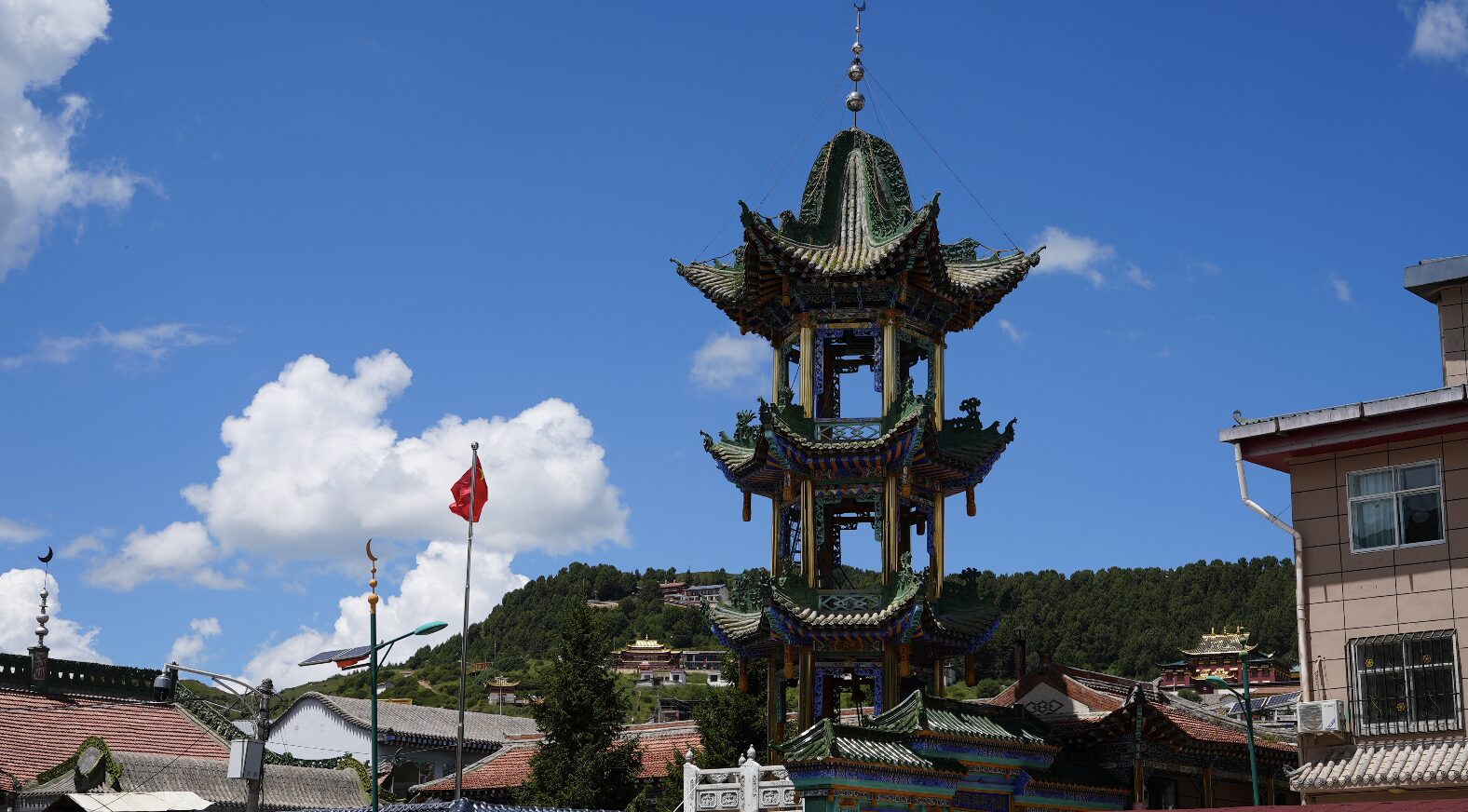
Ngawa — Grassland, Wetland and the Yellow River's First Bend
Sichuan
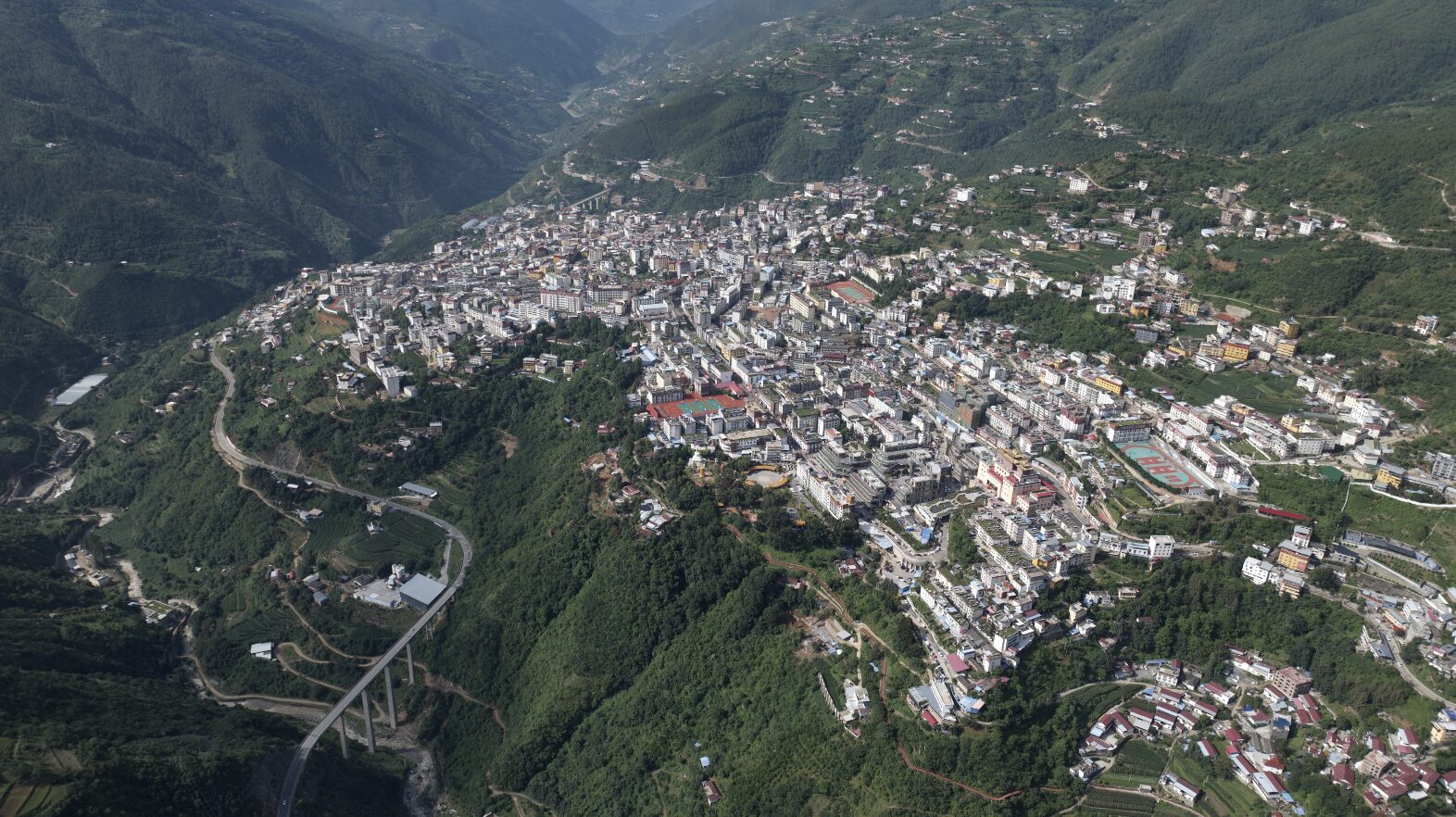
Muli — The Kingdom That Inspired Shangri-La
Sichuan
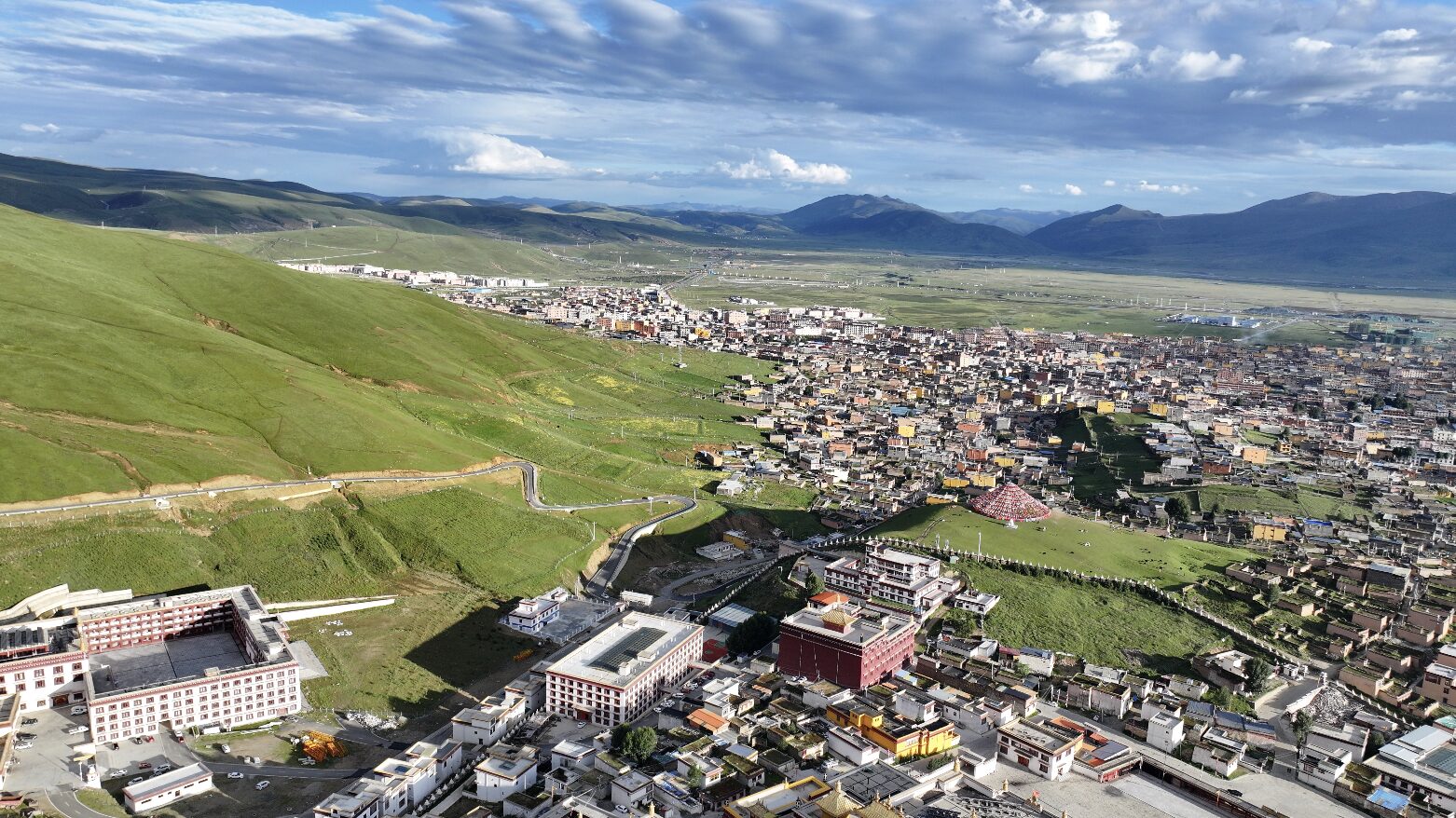
Litang — A Town at 4,000 Metres, No Permit Required
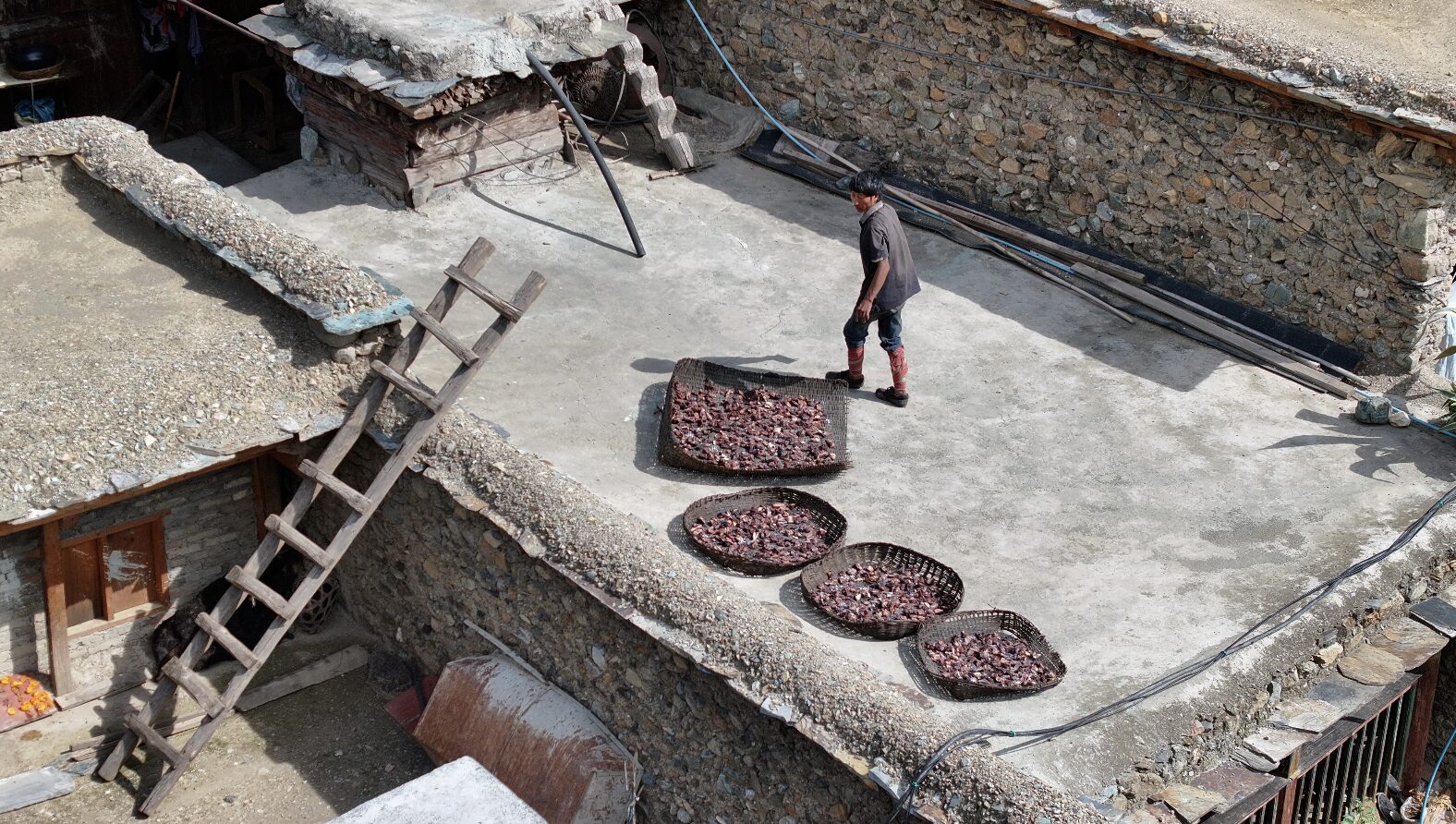
Sichuan
Eya — The Last Village With a Different Idea of Marriage
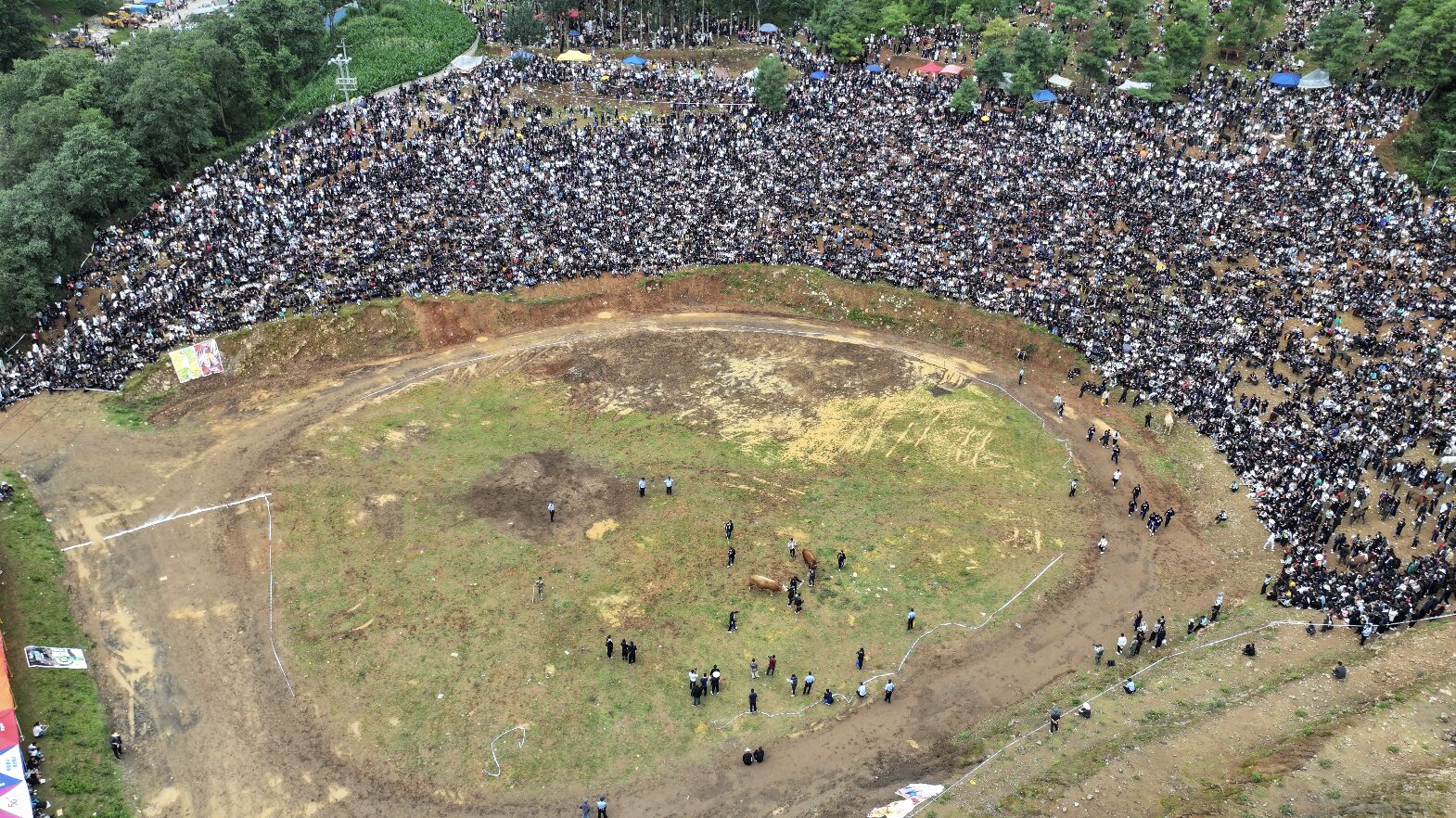
Sichuan
Butuo — Where the Yi Still Dress Like the Yi