Field notes
The journal
What we've learned walking this city — written when there's something worth saying, not on a schedule.

Xinjiang3 min read
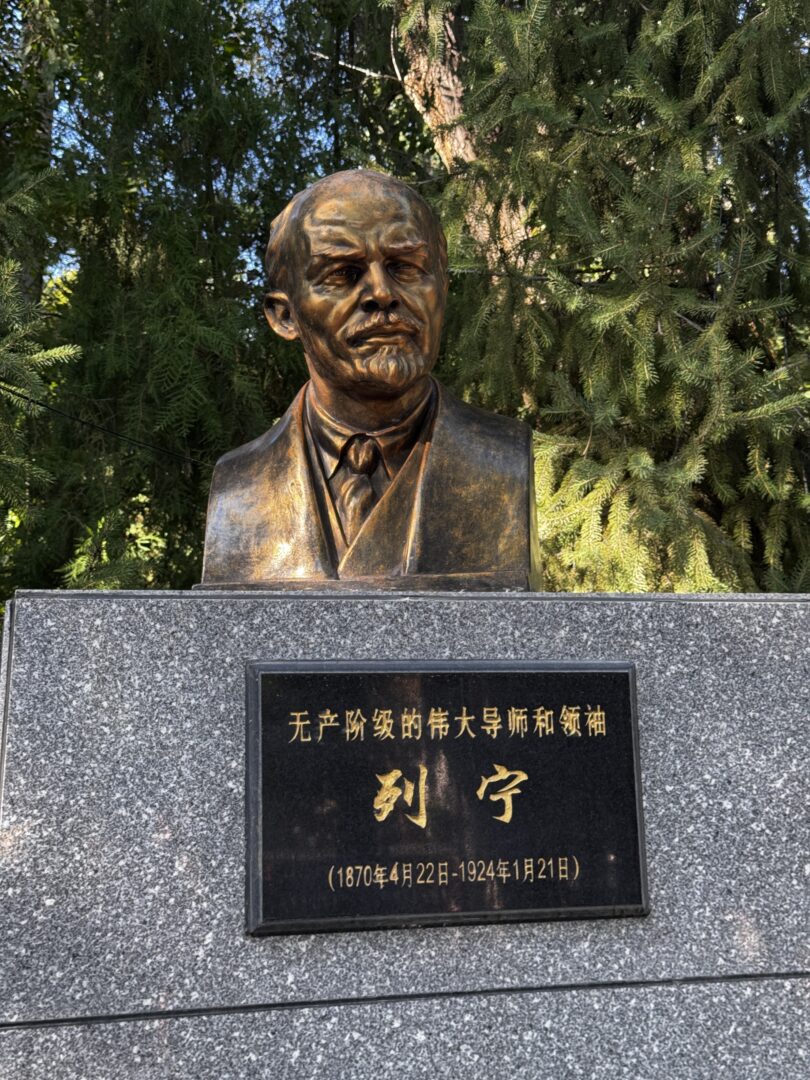
Yining — Where China Looks Russian
Yining spent a decade under Tsarist occupation and forty years as a Soviet trade hub, and it never quite went back. Uyghur courtyards behind Russian shutters, in the greenest corner of Xinjiang.

Xinjiang2 min read
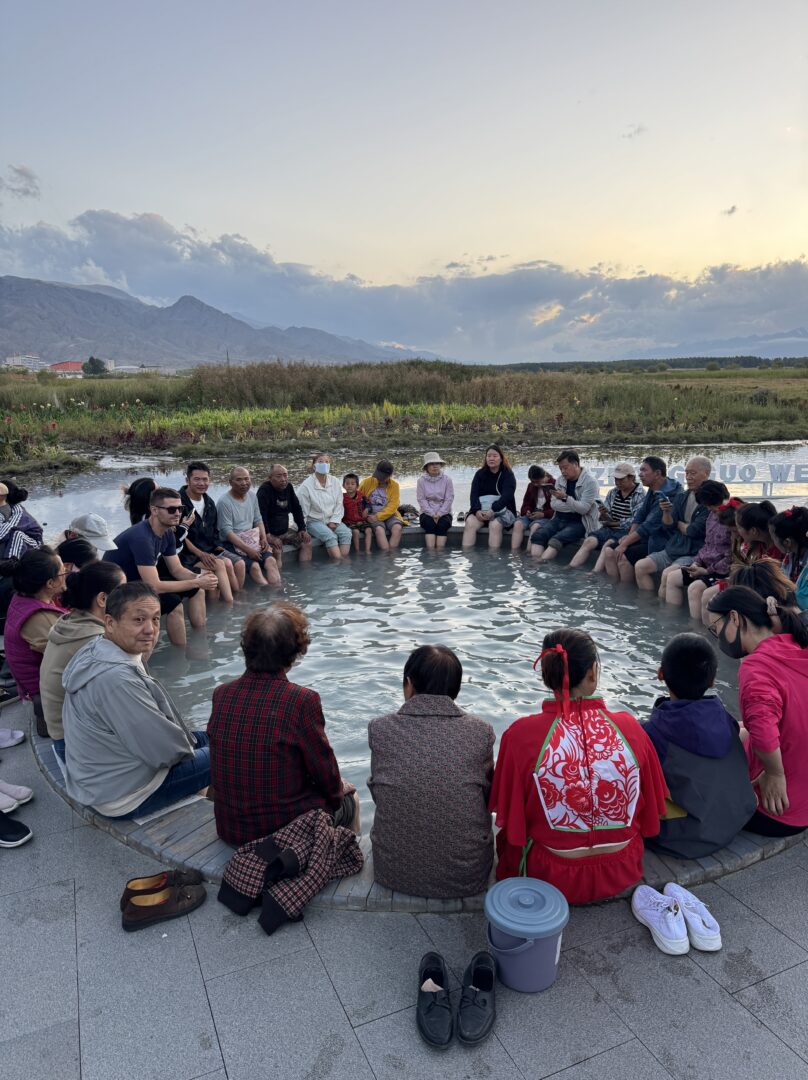
Wenquan — The County Named After Its Hot Springs
Wenquan means "hot spring," and the county is named accurately. Soak in a public pool at dusk with everyone else in town, then eat your way down the one main street.

Xinjiang2 min read
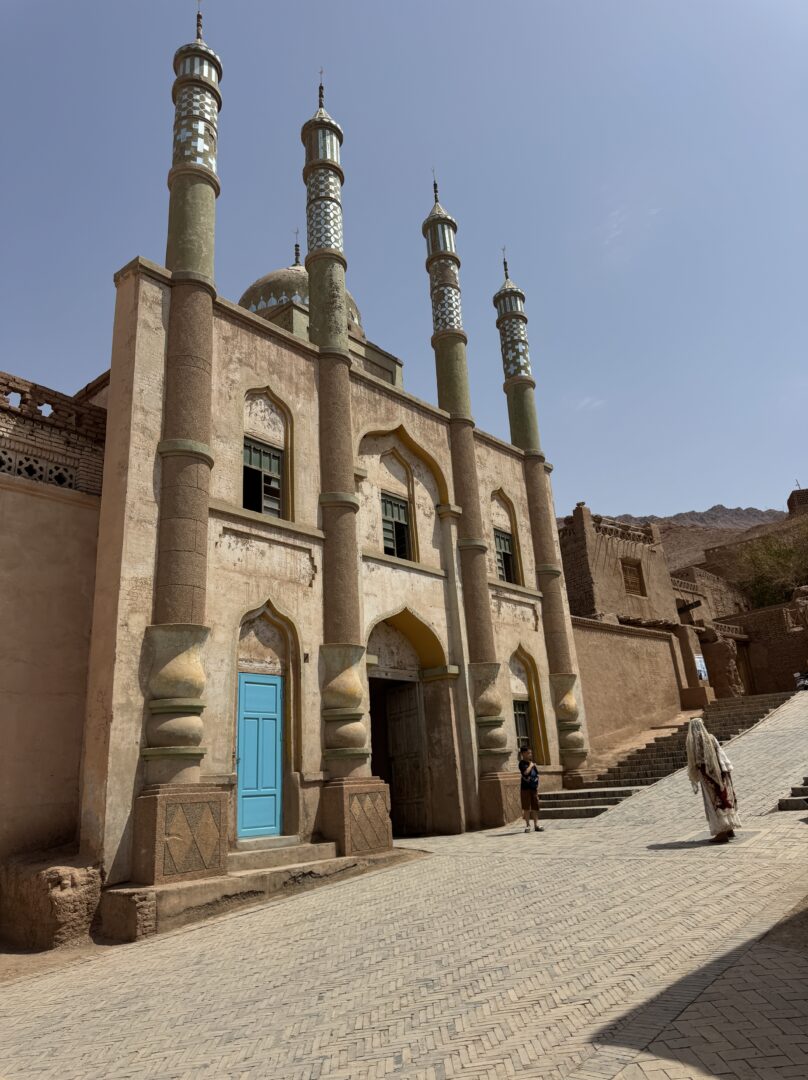
Tuyugou — A Uyghur Village in a Red Gorge
Tuyugou sits in a gap in the Flaming Mountains where a stream comes out of the rock — which is why there are vineyards, a village and a thousand years of continuous settlement in the middle of a desert.

Xinjiang2 min read
Tacheng — A Tatar Bakery on the Kazakh Border
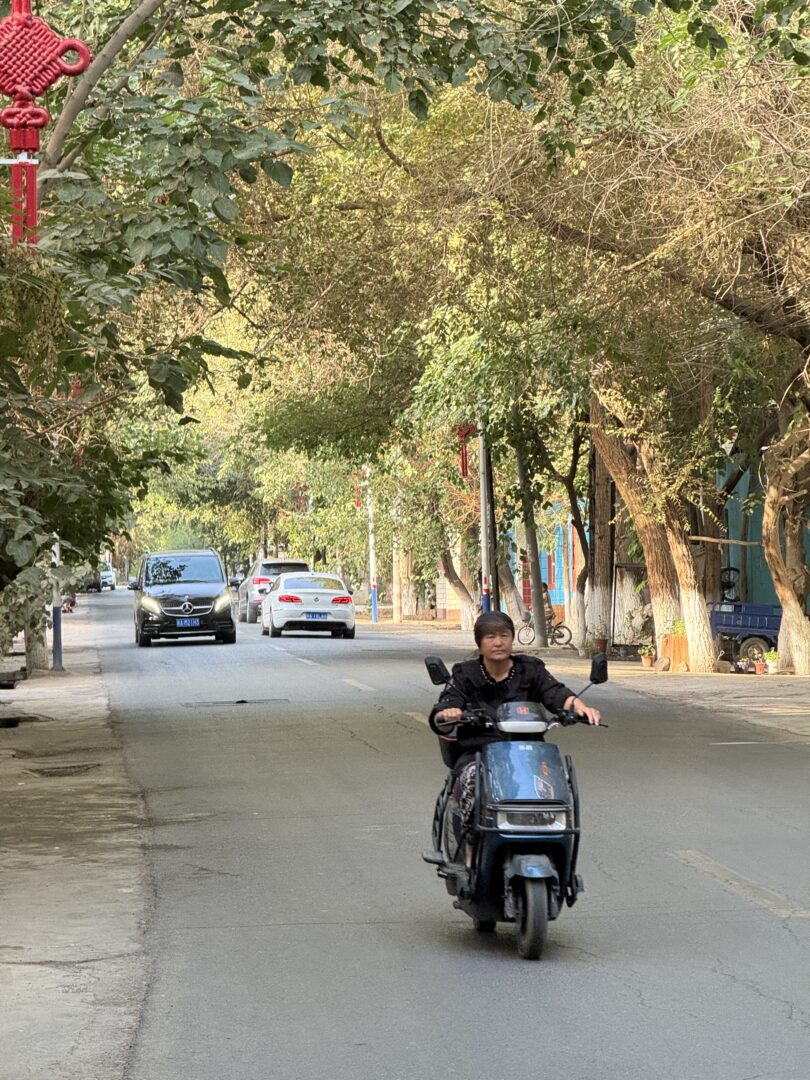
Around four thousand Tatars live in China, most of them here. Tacheng itself is quiet; the pastures north of it, under the Tarbagatai mountains, are the reason to come.

Xinjiang3 min read
Shanshan — China's Hottest Town, With a Desert in It
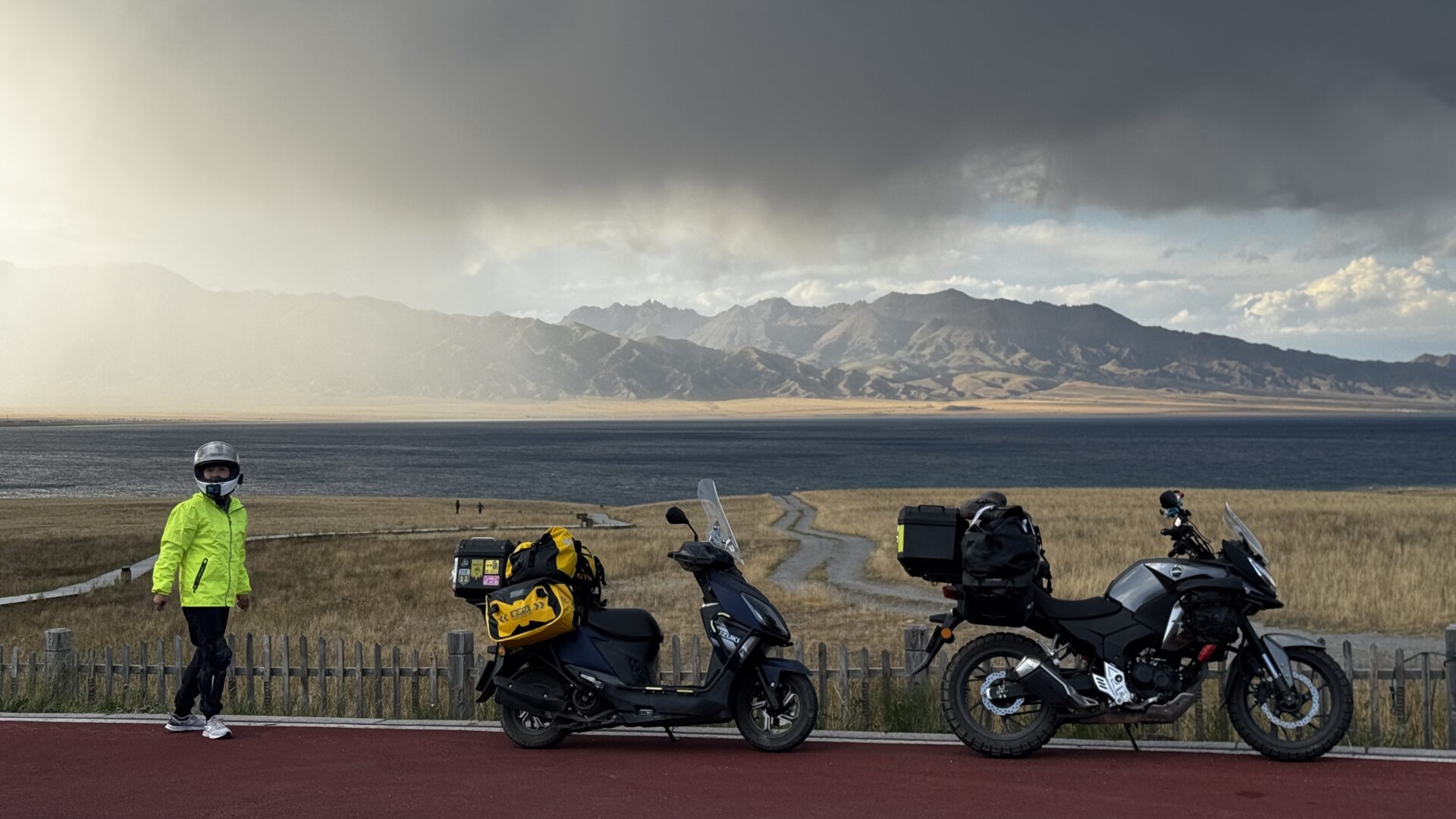
Shanshan sits in the Turpan basin near the lowest point in China, and the desert doesn't stop at the town limits — it comes into the streets. Locals treat the hot sand as medicine.

Xinjiang2 min read
Sayram Lake — The Last Tear of the Atlantic
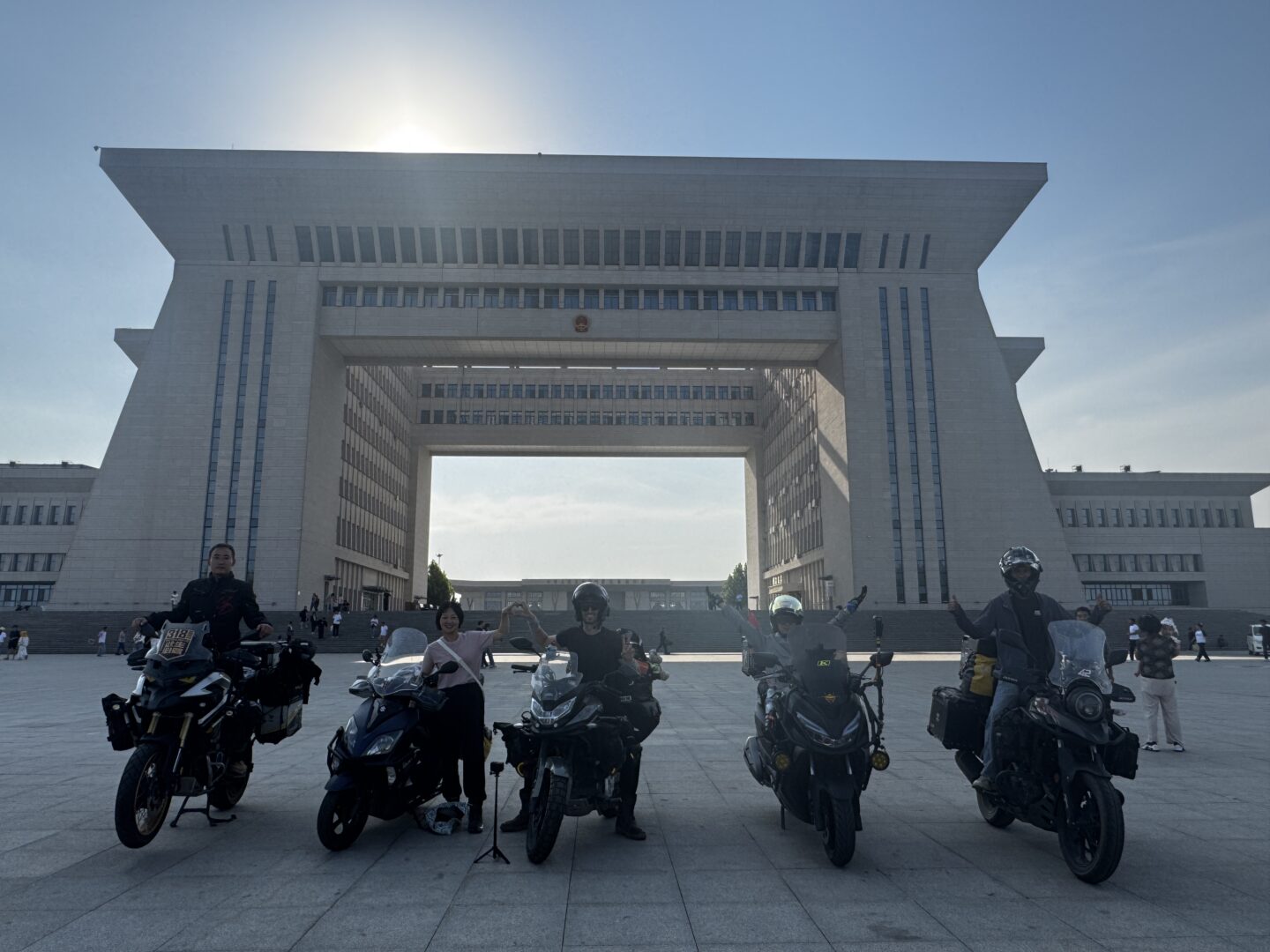
Sayram Lake is the furthest inland that Atlantic moisture reaches — hence the local name. Deep blue water, Kazakh summer camps on the shore, and a ticket trick that gets you in free.

Xinjiang2 min read
Khorgos — The Gate to Central Asia
Khorgos is where Chinese freight enters Central Asia. Trucks, warehouses, Kazakh number plates — and a cross-border zone you can walk into from either side without a visa.

Xinjiang2 min read
Karamay — Black Oil and a Uyghur Wedding
Karamay's name means "black oil" in Uyghur, and the crude comes out of the ground here by itself. We came for the oilfields and ended up at a wedding — which is how most good things in Xinjiang happen.

Xinjiang2 min read
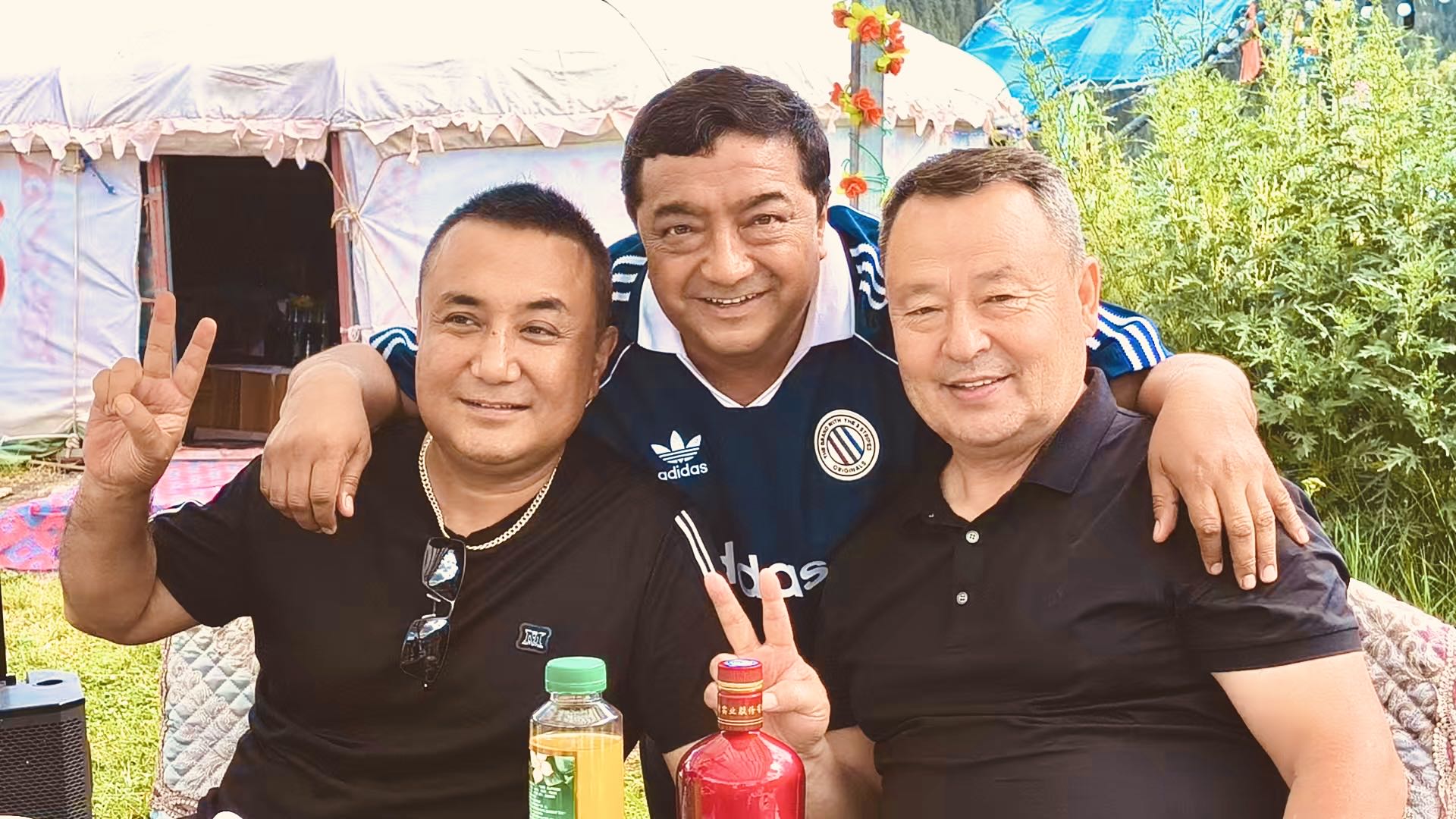
Jiangbulake — Staying With Kazakh Herders
Jiangbulake is a ticketed scenic area with a real working landscape inside it. Kazakh families move up here for the summer, most keep a spare yurt, and 100 yuan a night gets you a bed in it.

Xinjiang2 min read
Entering Xinjiang — 400 km of Gobi with No Fuel
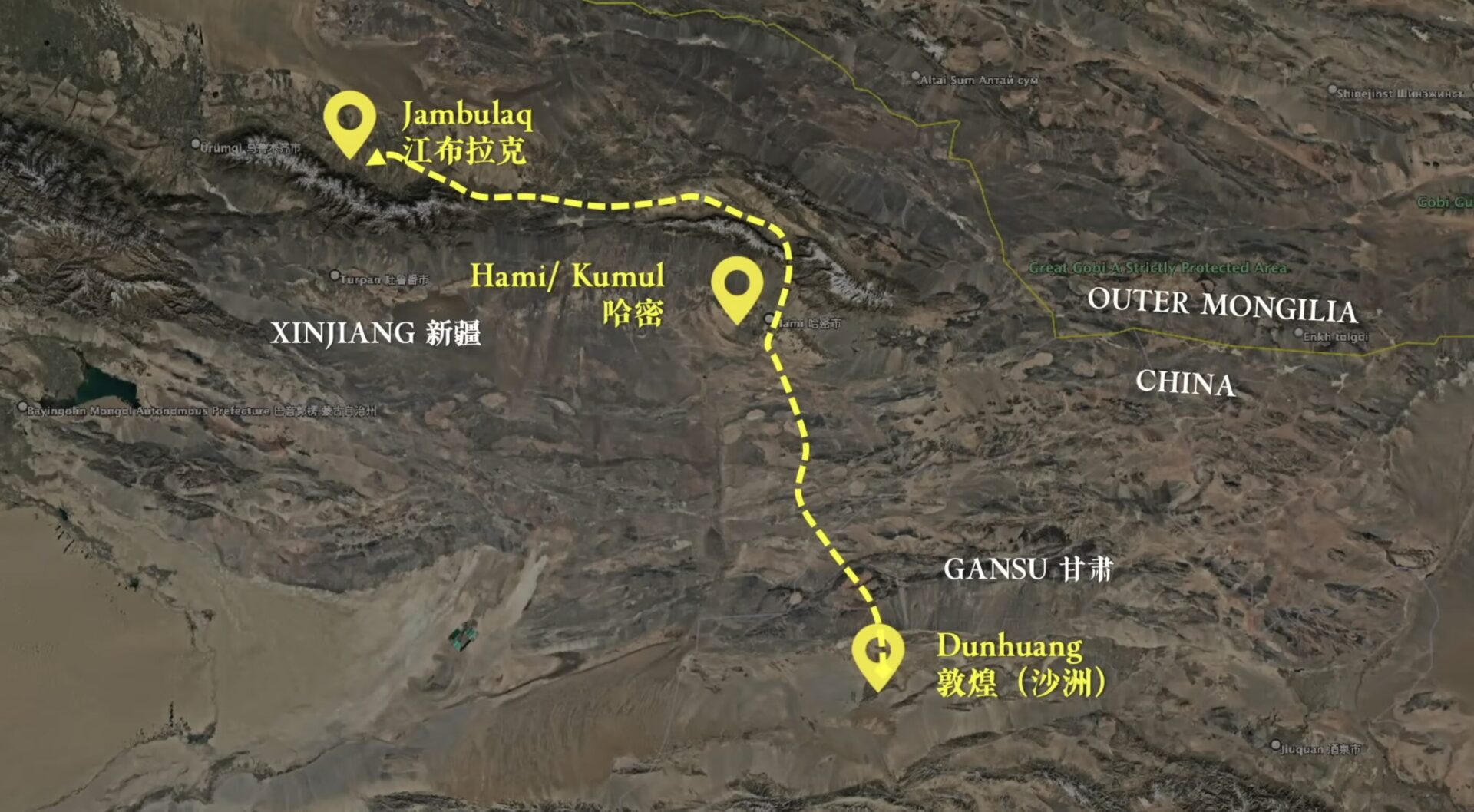
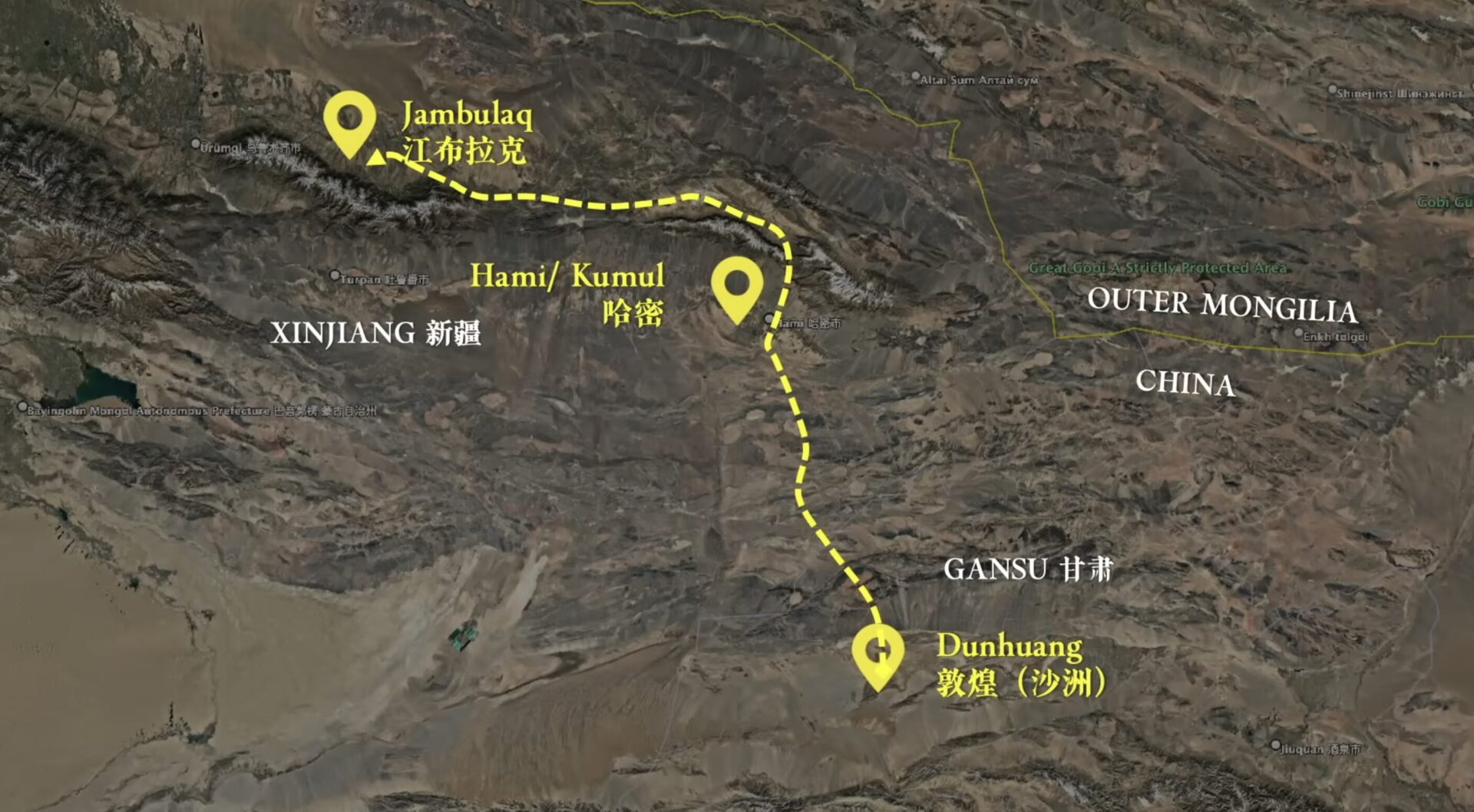
There is one road between Dunhuang and Hami, it runs 400 kilometres through the Gobi, and there is no working fuel station on it. Here's what you need to know before you set out — and what waits on the other side.

Xinjiang2 min read
Yarkant — Where the Muqam Was Written Down
Yarkant was the seat of a khanate and the place where Uyghur classical music was first compiled. It still dances — most evenings, in a square by the water, with no audience in mind.

Xinjiang3 min read
Crossing the Taklamakan — The World's Longest Desert Highway
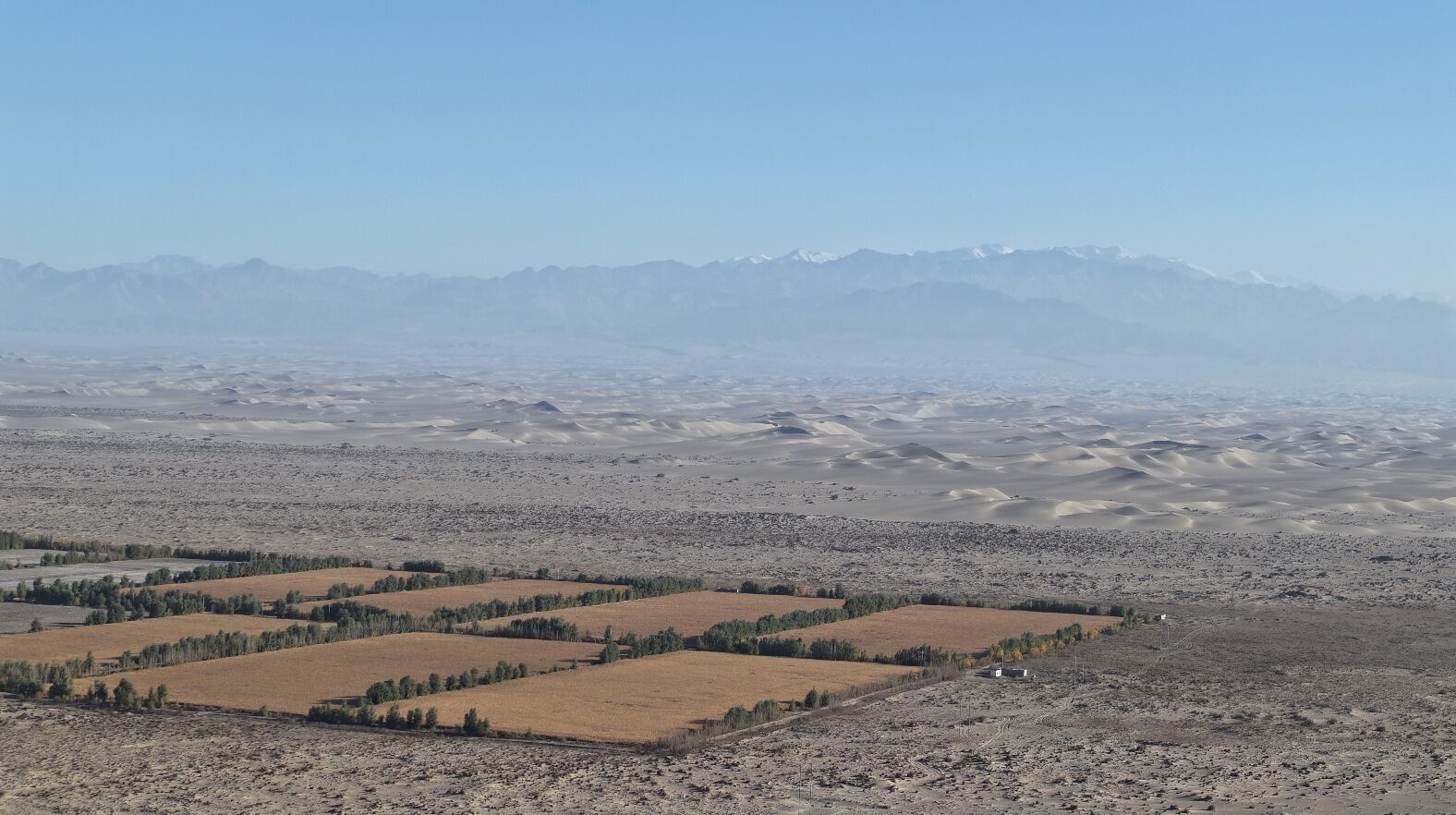
The Tarim Desert Highway runs straight across the Taklamakan. It should have been buried by dunes within a decade. It survives because of a living shelterbelt and the couples who spend their lives watering it.

Xinjiang3 min read
Turpan — The Oasis Below Sea Level
Turpan sits 150 metres below sea level in a basin that regularly passes 45°C. It should be uninhabitable. Instead it's a vineyard, kept alive by an underground irrigation network two thousand years old.

Xinjiang2 min read
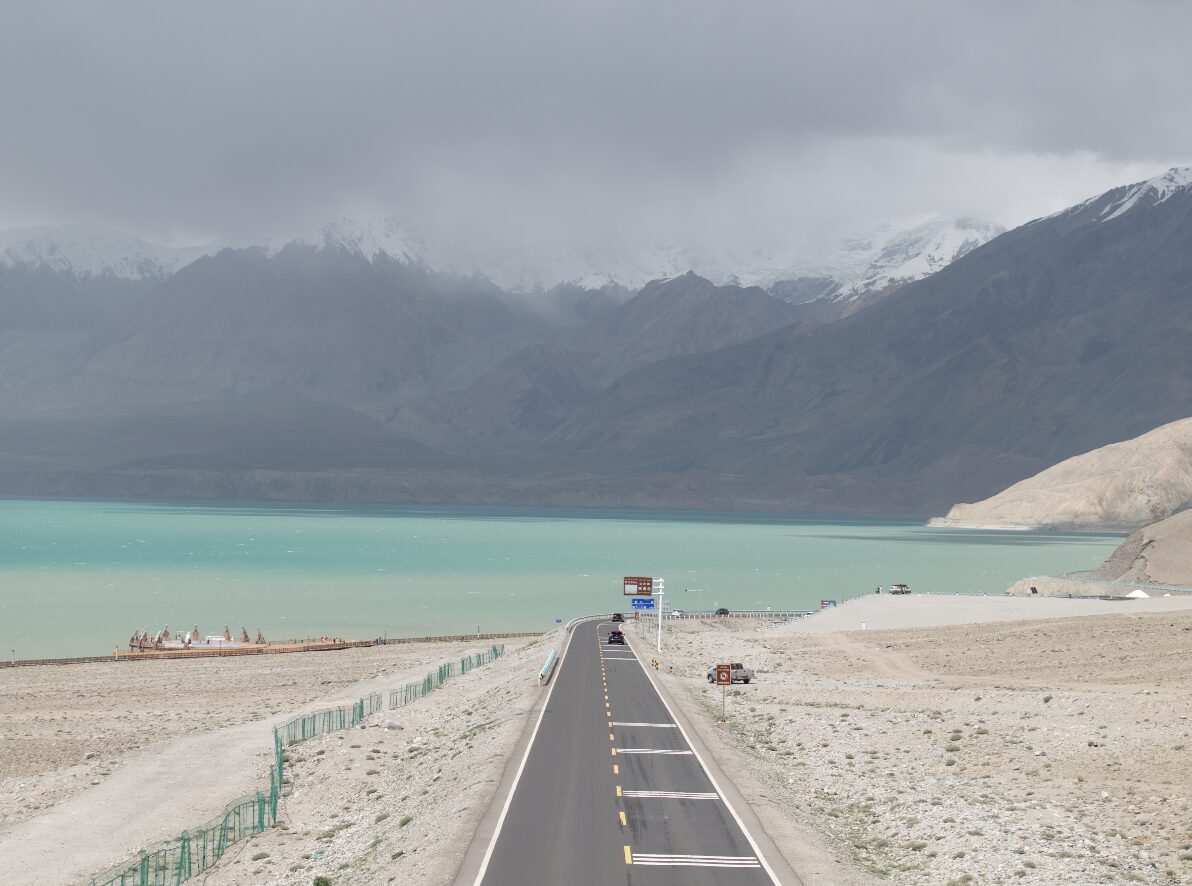
The Karakoram Highway
The highest paved border crossing in the world, built over two decades at the cost of hundreds of lives. The Chinese side runs from Kashgar past a 7,500-metre peak to the Khunjerab Pass — and it is the best road in China.

Xinjiang2 min read
The Pamir Sky Road — Switchbacks to 4,000 Metres
The Panlong sky road climbs out of the Tashkurgan valley in a stack of switchbacks so dense they look drawn rather than built. It is the most spectacular short drive in China.

Xinjiang3 min read
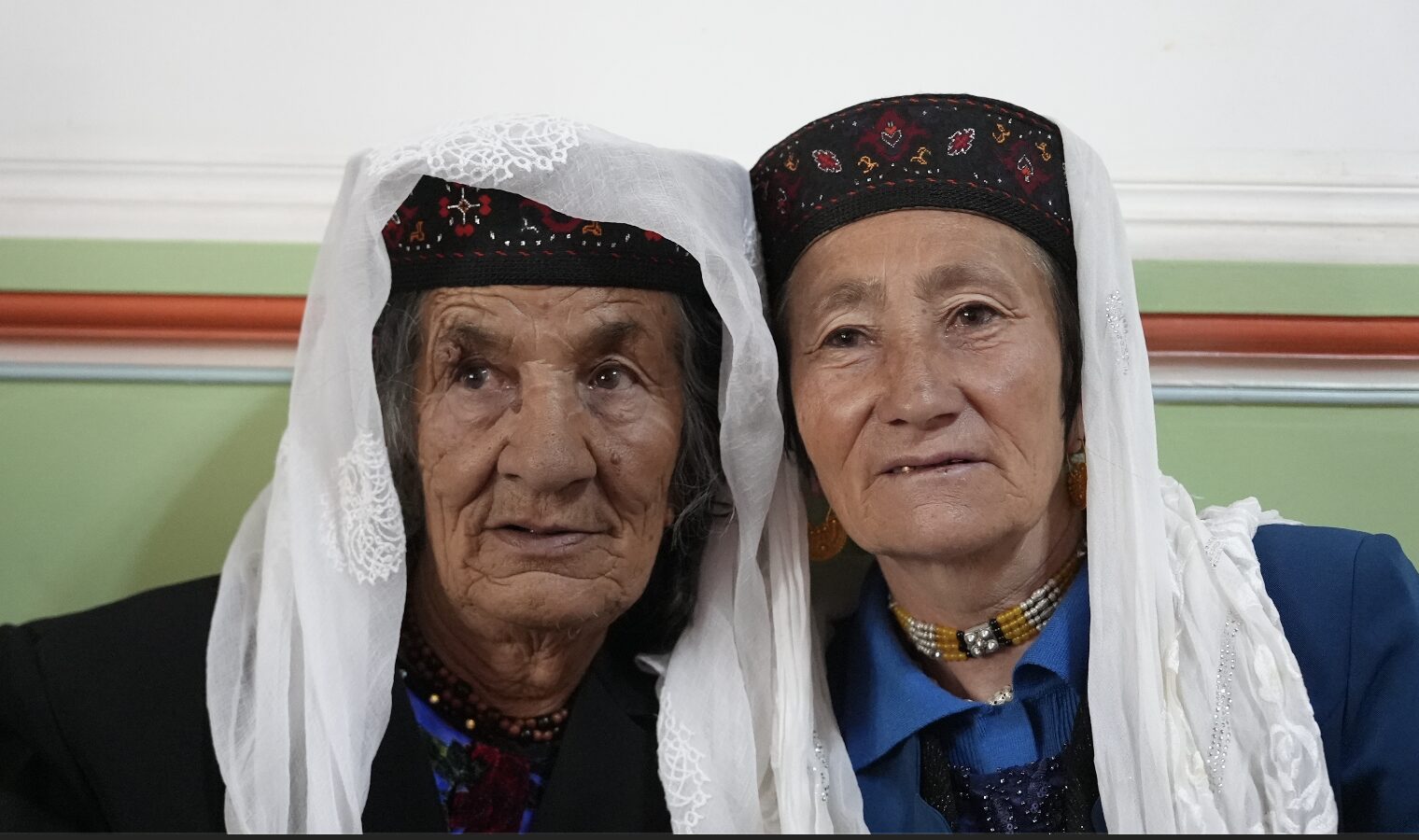
A Tajik Wedding in Tashkurgan
Tashkurgan is the only Tajik autonomous county in China — Indo-European language, Ismaili faith, Pamir plateau. A wedding here runs for days, involves the whole valley, and is the best window into the culture there is.

Xinjiang2 min read
Rural Kashgar — Eating at the Roadside
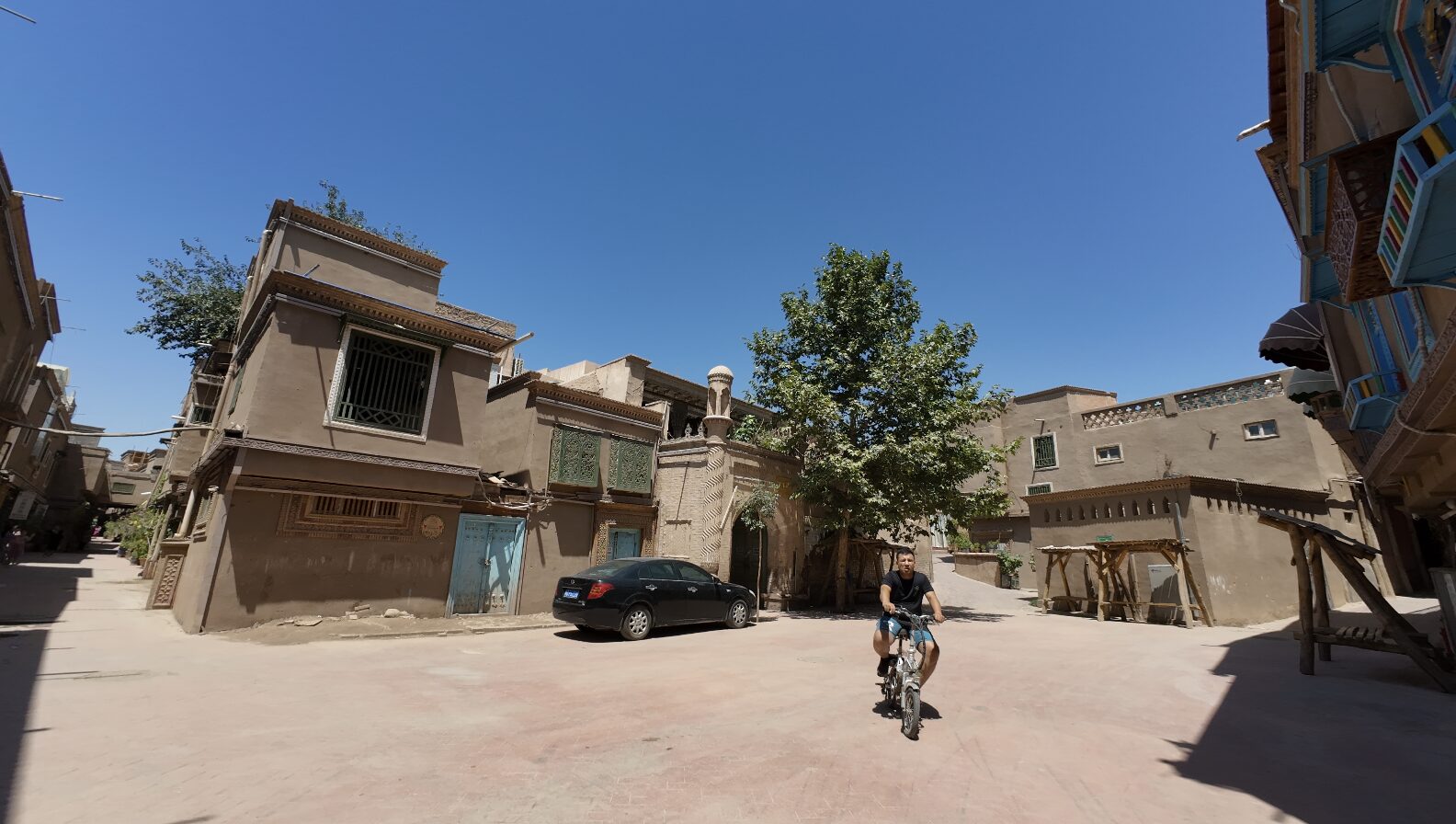
The best Uyghur food isn't in Kashgar's restaurants — it's at the market stalls in the villages around it, cooked in front of you on equipment that hasn't changed in centuries.

Xinjiang2 min read
Kashgar — The Most Uyghur City in China
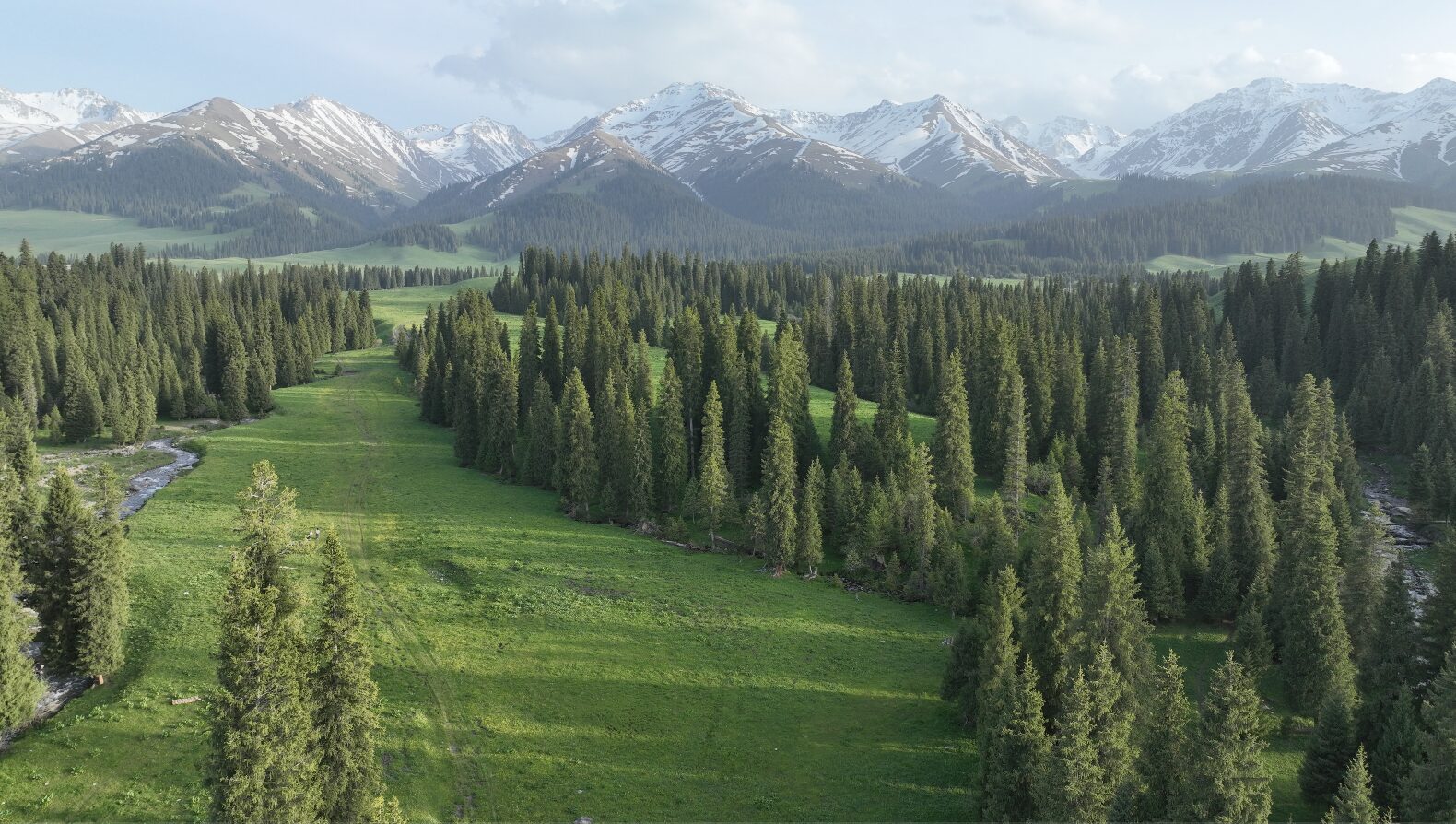
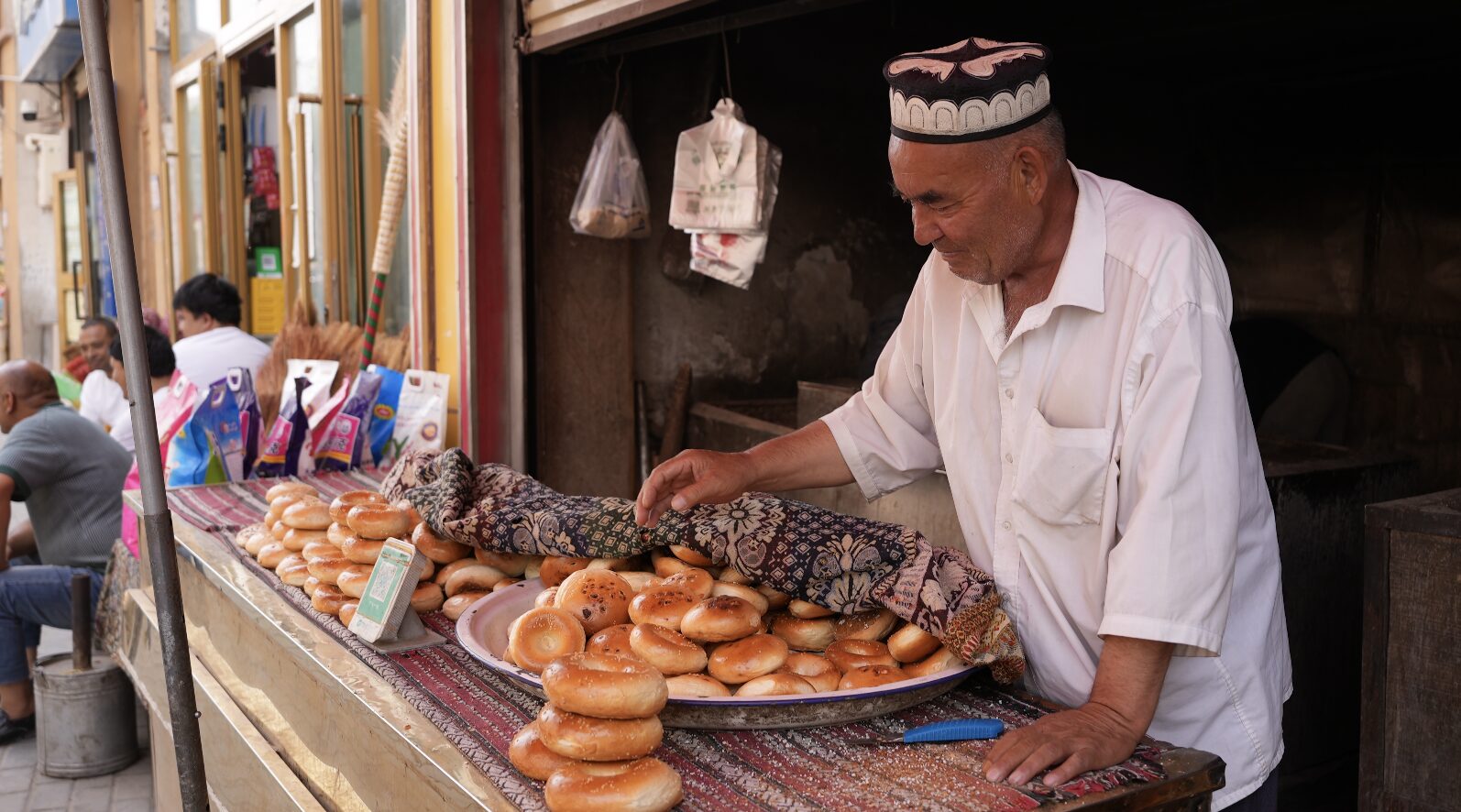
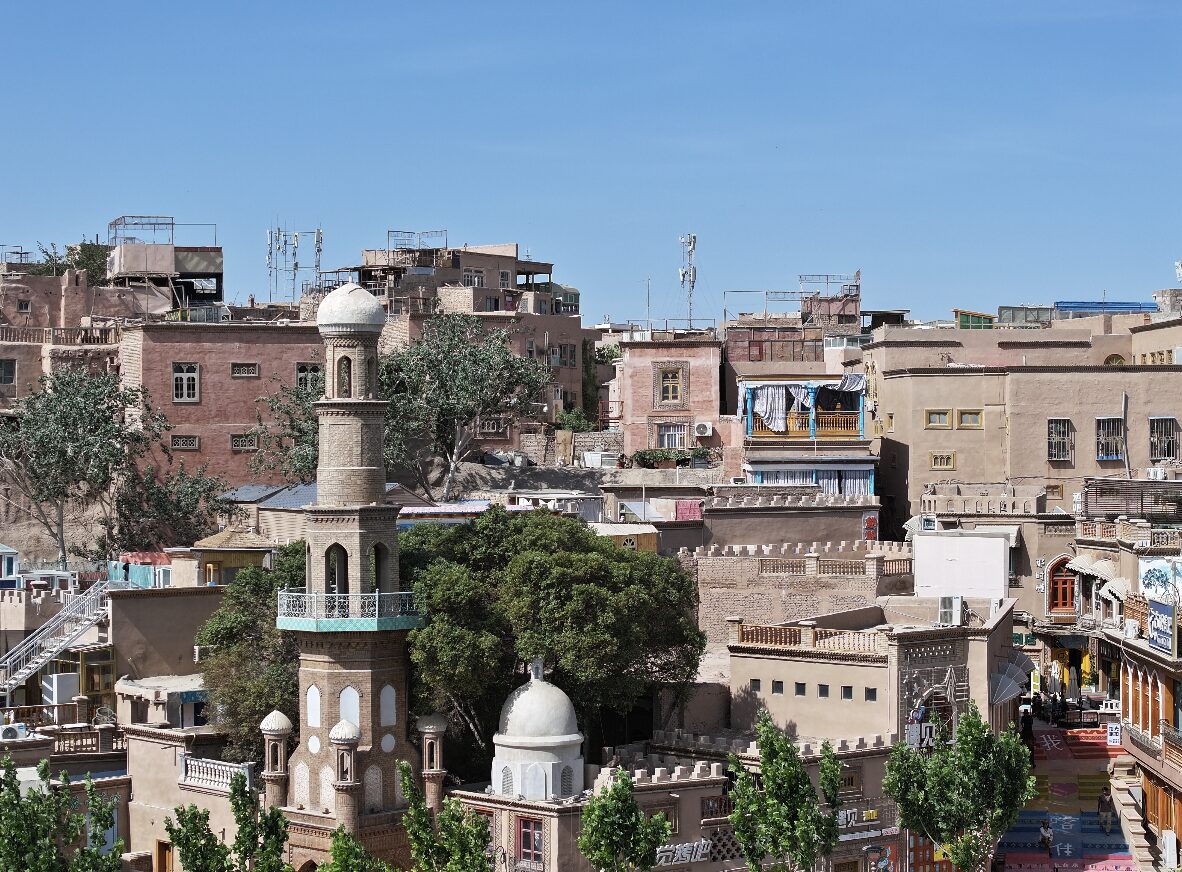
Kashgar has been a trading city for two thousand years, and it still behaves like one. Bread from a clay oven, a livestock market that runs on handshakes, and the Pamirs on the horizon.

Xinjiang2 min read
The Ili Valley — Xinjiang's Kazakh Grasslands
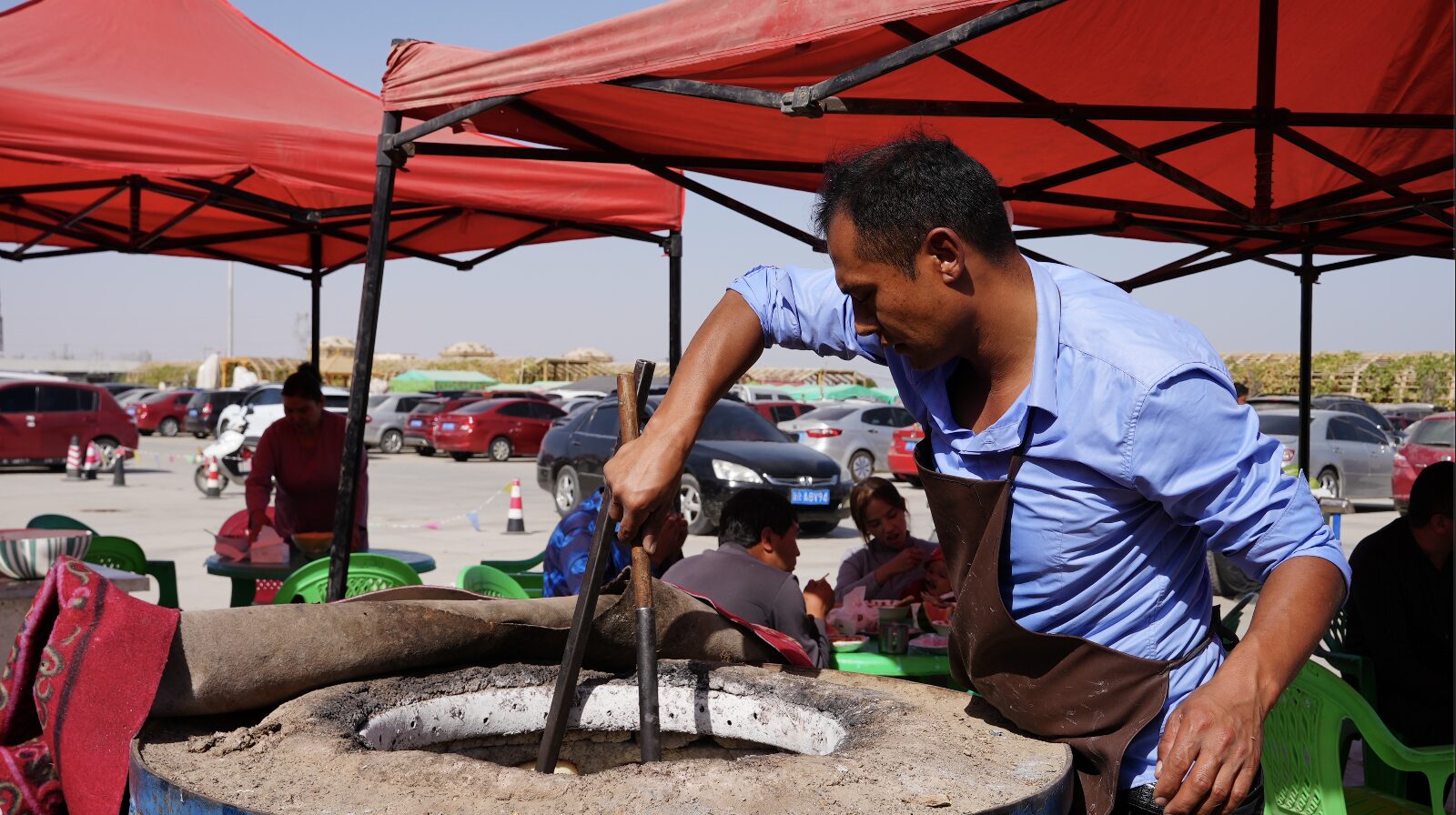
The Ili valley is the wettest corner of Xinjiang and the reason the region isn't only desert — a broad green trough between two arms of the Tian Shan, and the heart of Kazakh China.

Xinjiang2 min read
Daliyabuyi — China's Most Isolated Village
Daliyabuyi sits deep inside the second-largest sand desert on earth, where the Keriya River runs out. Reaching it takes most of a day on a sand track — and the people there have farmed and herded that riverbed for centuries.